Discriminated Employment Work Force
Description

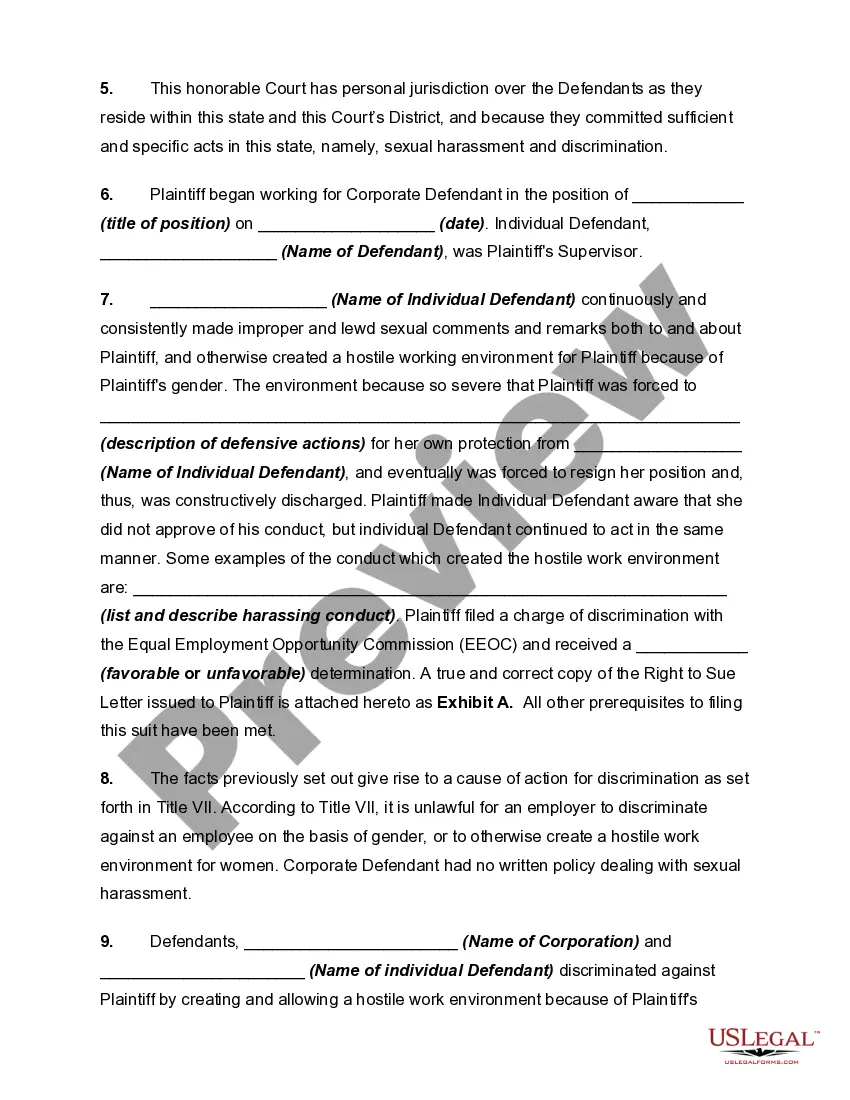
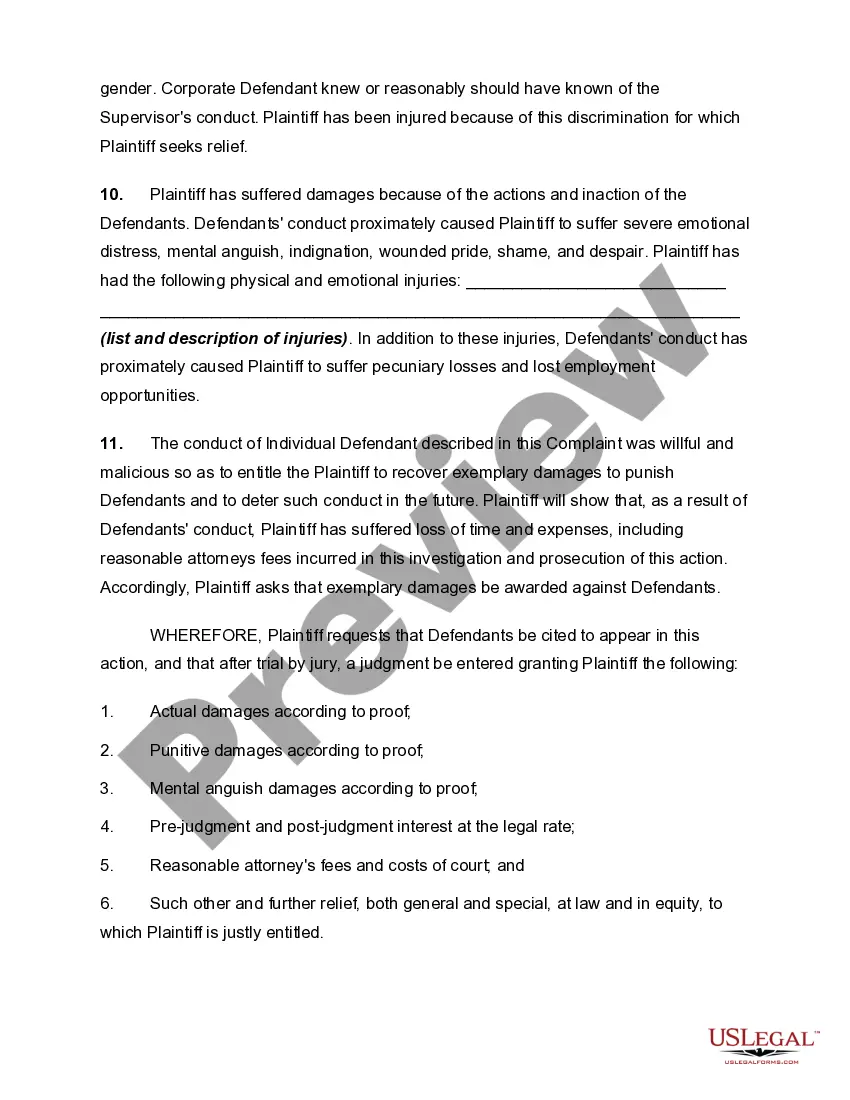
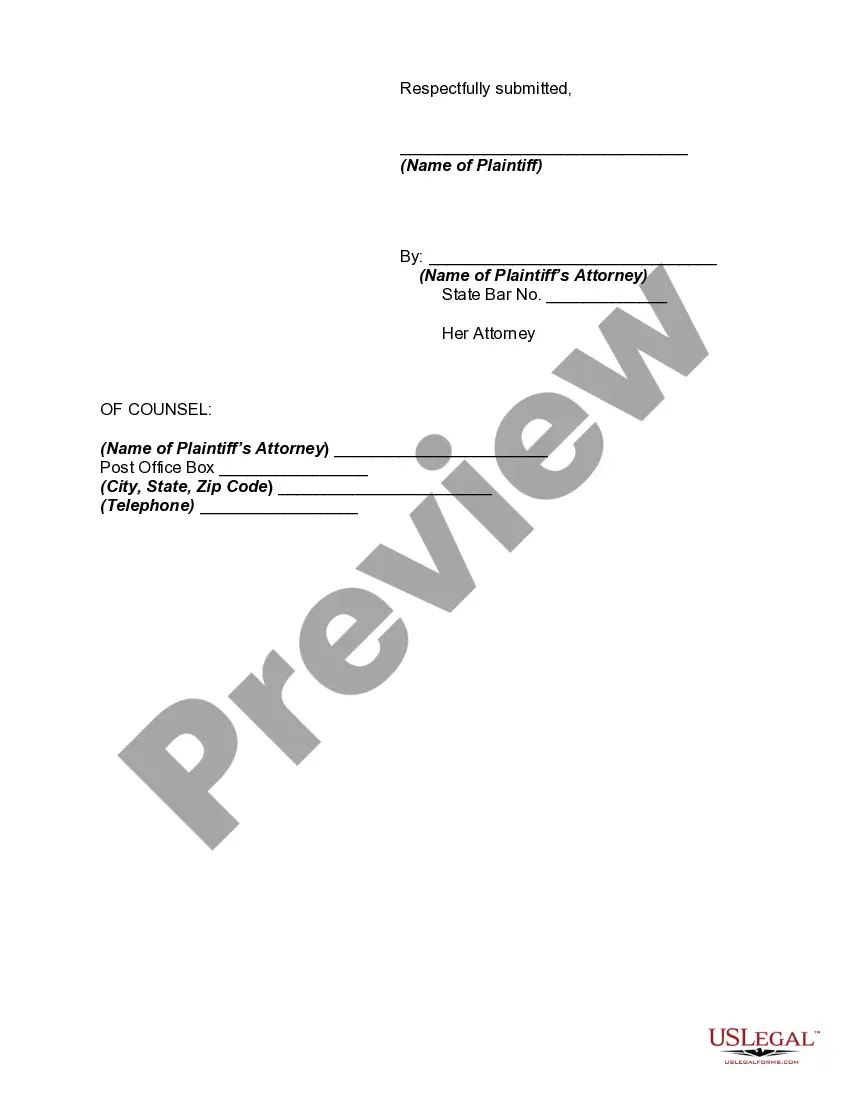


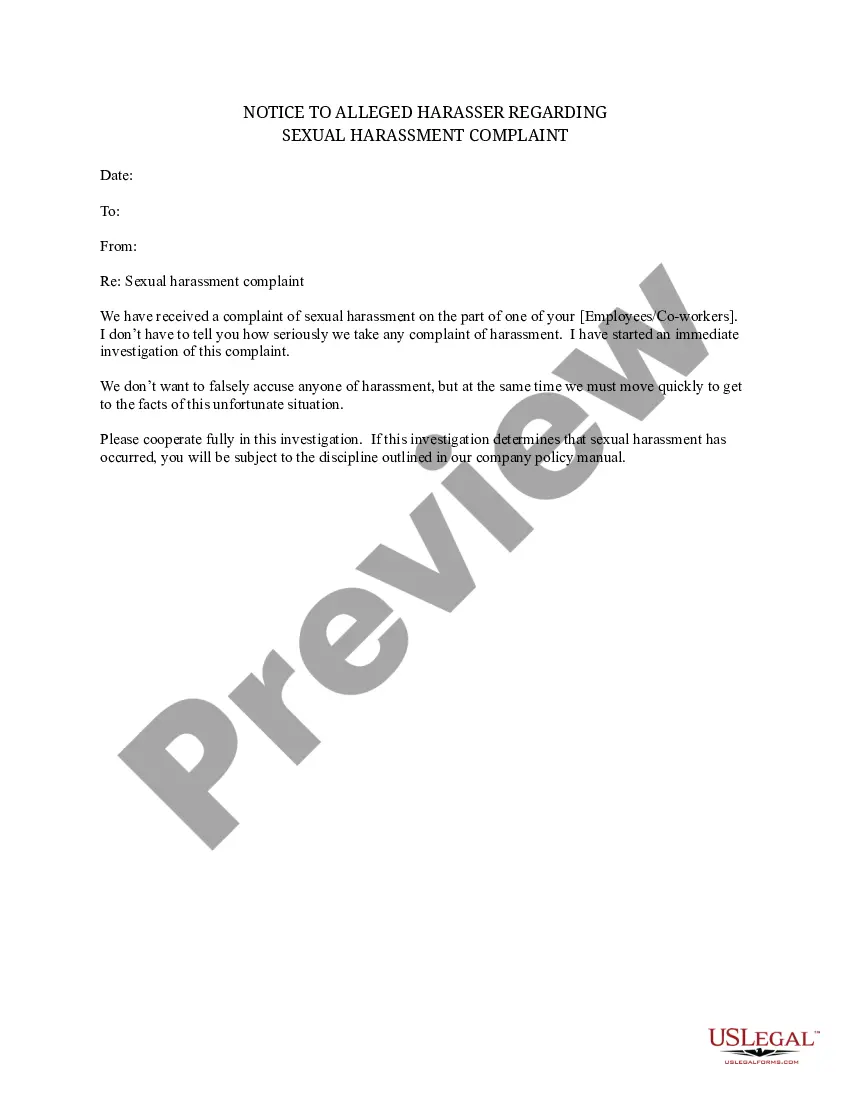
Get your form ready online
Our built-in tools help you complete, sign, share, and store your documents in one place.
Make edits, fill in missing information, and update formatting in US Legal Forms—just like you would in MS Word.
Download a copy, print it, send it by email, or mail it via USPS—whatever works best for your next step.
Sign and collect signatures with our SignNow integration. Send to multiple recipients, set reminders, and more. Go Premium to unlock E-Sign.
If this form requires notarization, complete it online through a secure video call—no need to meet a notary in person or wait for an appointment.
We protect your documents and personal data by following strict security and privacy standards.

Make edits, fill in missing information, and update formatting in US Legal Forms—just like you would in MS Word.

Download a copy, print it, send it by email, or mail it via USPS—whatever works best for your next step.

Sign and collect signatures with our SignNow integration. Send to multiple recipients, set reminders, and more. Go Premium to unlock E-Sign.

If this form requires notarization, complete it online through a secure video call—no need to meet a notary in person or wait for an appointment.

We protect your documents and personal data by following strict security and privacy standards.
Looking for another form?








How to fill out Complaint For Discrimination In Employment Based On Sex - Sexual Harassment And A Hostile Work Environment?
Locating a preferred location to obtain the latest and pertinent legal templates constitutes a significant portion of managing red tape. Sourcing the appropriate legal documentation requires precision and attentiveness, which is why it is crucial to collect samples of Discriminated Employment Work Force solely from trustworthy sources, such as US Legal Forms. An incorrect template will squander your time and delay the circumstances you are facing.
With US Legal Forms, you have minimal concerns. You can access and review all the details regarding the document’s applicability and significance for your circumstance and within your state or territory.
Once you have the document on your device, you can edit it with the editor or print it out and complete it manually. Eliminate the complications associated with your legal documentation. Explore the comprehensive US Legal Forms library where you can discover legal templates, verify their applicability to your situation, and download them instantly.
- Utilize the catalog navigation or search bar to locate your template.
- Examine the form’s description to determine if it fulfills the criteria of your state and locality.
- Check the form preview, if accessible, to confirm that the template is indeed the one you seek.
- Continue your search and discover the suitable template if the Discriminated Employment Work Force does not fulfill your requirements.
- If you are confident about the form’s applicability, download it.
- If you are a registered user, click Log in to verify and access your selected forms in My documents.
- If you do not possess an account yet, click Buy now to acquire the template.
- Select the pricing option that aligns with your preferences.
- Proceed with the registration to complete your purchase.
- Finalize your transaction by selecting a payment method (credit card or PayPal).
- Choose the file format for downloading Discriminated Employment Work Force.
Form popularity
FAQ
Evaluating whether it’s worth suing an employer for discrimination depends on the specific facts of your case. If you experienced significant harm due to unfair practices within the discriminated employment work force, pursuing legal action may be justifiable. Moreover, taking such steps not only helps you but can also protect future employees from similar experiences. Consultation with a legal professional can provide clarity on whether your situation merits legal action.
In a discrimination settlement, it’s crucial to consider various forms of compensation, such as lost wages, future job assistance, and emotional distress damages. Ensuring that you address the impact of discrimination in the discriminated employment work force is key to a comprehensive settlement. Additionally, exploring non-monetary benefits, like job training or changes in workplace policies, can promote a healthier environment. Legal resources, like those at uslegalforms, can guide you in negotiating effectively.
Suing an employer for discrimination may have implications for your future job opportunities. However, many employers understand that discrimination within the discriminated employment work force is a serious issue that needs addressing. It’s essential to weigh the risks and potential backlash against the importance of exposing wrongful practices. Speaking with career advisors or legal experts can provide insights to help you make an informed decision.
Discrimination lawsuits can be worth pursuing, particularly when the evidence clearly indicates that your rights were violated within the discriminated employment work force. Winning a case can result in compensation for lost wages, emotional distress, and securing changes within the workplace culture. Your decision ultimately depends on the circumstances, but seeking advice from legal professionals can clarify the potential benefits and drawbacks for your situation.
Proving employment discrimination can be challenging, as it often depends on gathering sufficient evidence. You need to demonstrate that the discriminated employment work force faced unfair treatment based on specific characteristics, like race or gender. However, with proper documentation and support from a knowledgeable legal team, you can strengthen your case significantly. Resources and guides available on platforms like uslegalforms can help you navigate this process.
When you sue a company for discrimination, the legal process begins with filing a complaint. This initiates an investigation into the claims regarding the discriminated employment work force. If the case advances, both parties may engage in discovery, sharing evidence that supports their positions. Eventually, this may lead to a settlement or trial where you can seek justice and compensation for your experience.
When employees report issues related to discrimination in the work force, HR plays a crucial role in addressing these complaints. The HR team typically conducts a thorough investigation to understand the circumstances and gather evidence. They ensure a fair process while maintaining confidentiality for all parties involved. By following established policies and procedures, HR aims to create a safe work environment, ultimately supporting a diverse and inclusive work force while upholding the rights of those who have been discriminated against.
Documenting workplace discrimination involves creating clear records of each incident you experience or witness. Start by writing down the specifics, including dates and times, and collecting any physical evidence, such as emails or recorded meetings. Using a structured approach to documentation can be critical to addressing issues within the discriminated employment work force effectively.
To prove you are being discriminated against at work, gather evidence that highlights specific discriminatory actions. This can include emails, performance reviews, or testimonies from coworkers who witnessed the behavior. Establishing a pattern of discrimination within the discriminated employment work force strengthens your case and helps make the situation clear and actionable.
If you suspect you are experiencing discrimination, first document all relevant incidents, as this will support your claims. Then, consider reporting the behavior to your supervisor or human resources department. If necessary, engage legal assistance to explore further actions, protecting your rights as part of the discriminated employment work force.