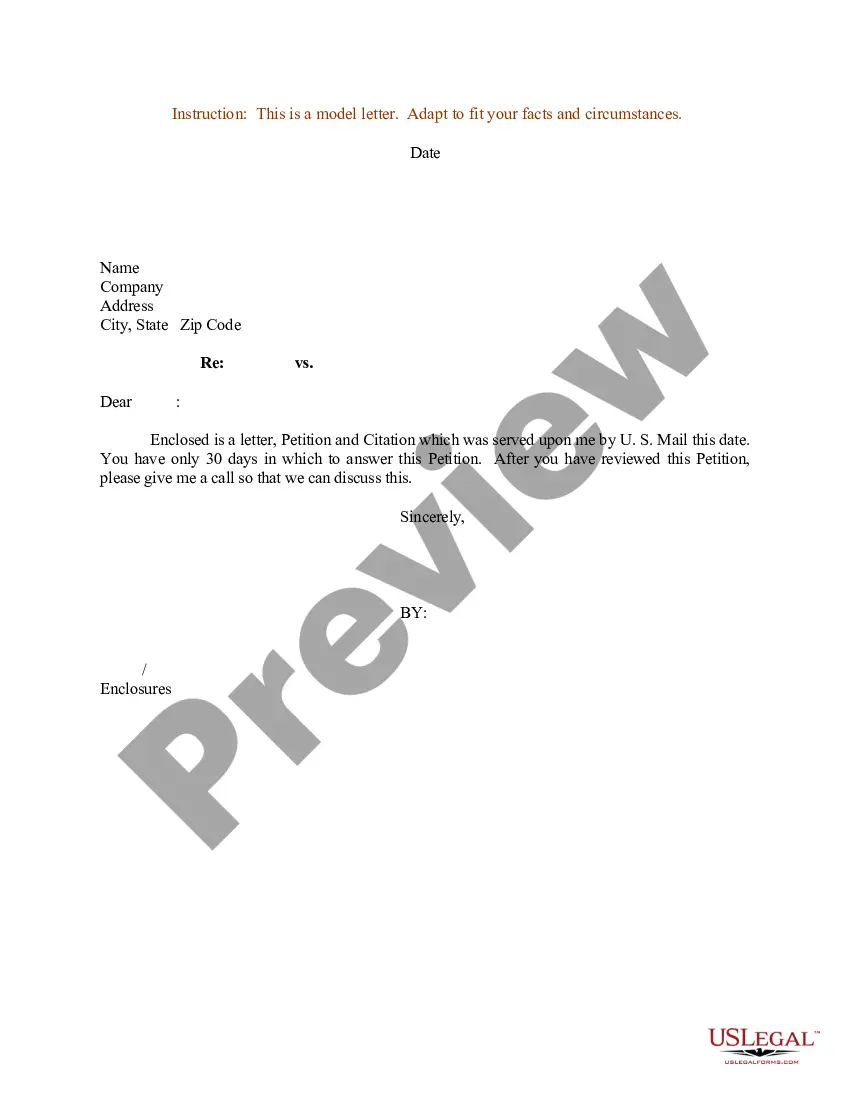
Sample Petition To The Court Without A Lawyer
Description
Get your form ready online
Our built-in tools help you complete, sign, share, and store your documents in one place.
Make edits, fill in missing information, and update formatting in US Legal Forms—just like you would in MS Word.
Download a copy, print it, send it by email, or mail it via USPS—whatever works best for your next step.
Sign and collect signatures with our SignNow integration. Send to multiple recipients, set reminders, and more. Go Premium to unlock E-Sign.
If this form requires notarization, complete it online through a secure video call—no need to meet a notary in person or wait for an appointment.
We protect your documents and personal data by following strict security and privacy standards.

Make edits, fill in missing information, and update formatting in US Legal Forms—just like you would in MS Word.

Download a copy, print it, send it by email, or mail it via USPS—whatever works best for your next step.

Sign and collect signatures with our SignNow integration. Send to multiple recipients, set reminders, and more. Go Premium to unlock E-Sign.

If this form requires notarization, complete it online through a secure video call—no need to meet a notary in person or wait for an appointment.

We protect your documents and personal data by following strict security and privacy standards.
Looking for another form?



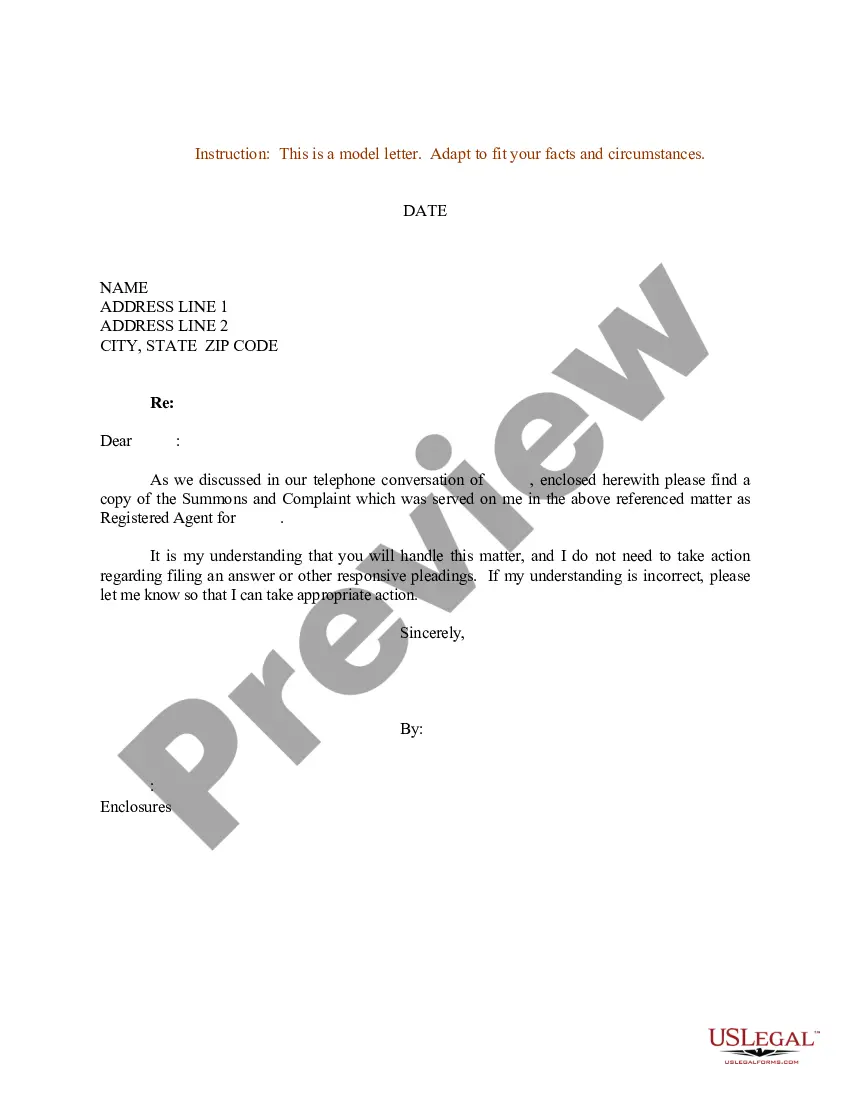


How to fill out Sample Letter For Petition?
Regardless of whether it's for commercial reasons or personal matters, everyone encounters legal circumstances at some stage in their life.
Filling out legal documents demands meticulous care, starting with choosing the correct form template.
With a vast US Legal Forms catalog available, you will never need to waste time looking for the right sample online. Utilize the library’s user-friendly navigation to find the appropriate template for any situation.
- Obtain the sample you require through the search bar or catalog browsing.
- Review the form’s description to make certain it corresponds to your circumstances, state, and locality.
- Select the form’s preview to inspect it.
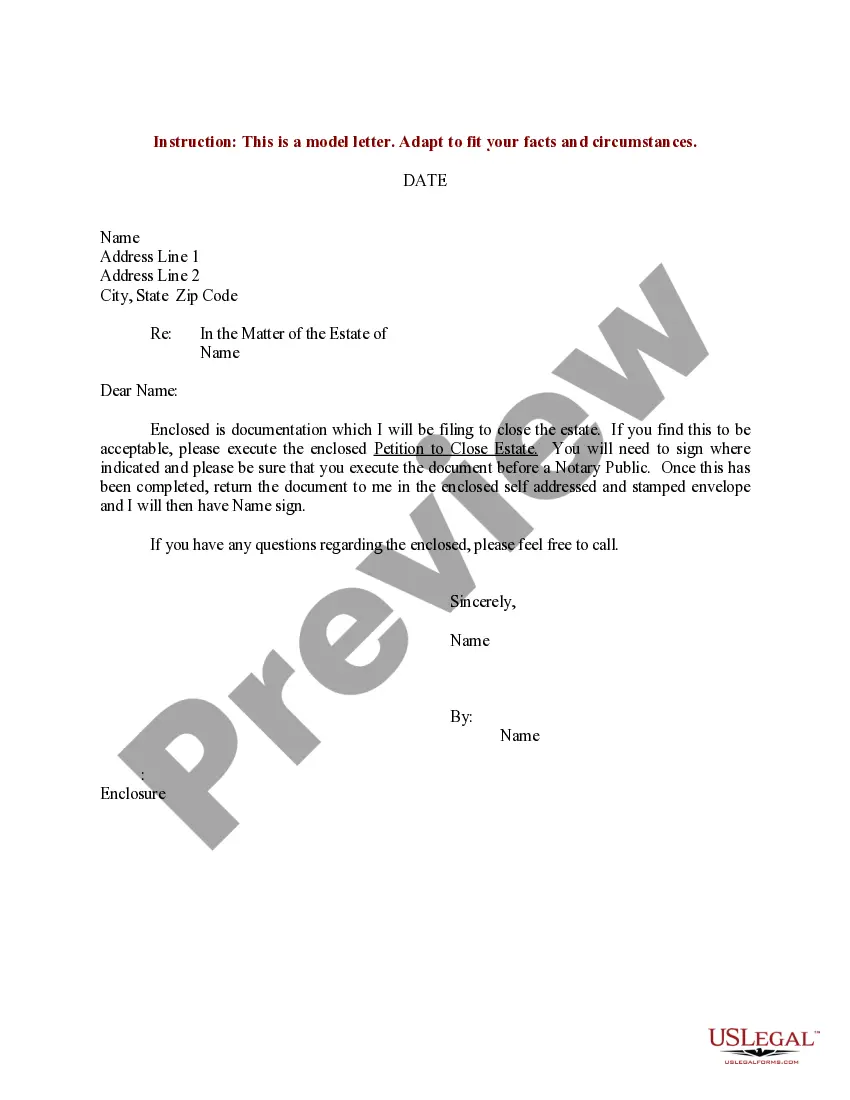
- If it is the incorrect document, return to the search feature to locate the Sample Petition To The Court Without A Lawyer sample you need.
- Acquire the template once it satisfies your needs.
- If you possess a US Legal Forms account, simply click Log in to access previously stored templates in My documents.
- If you haven't created an account yet, you can download the form by clicking Buy now.
- Choose the suitable pricing option.
- Complete the account registration form.
- Select your payment method: utilize a credit card or PayPal account.
- Choose the document format you prefer and download the Sample Petition To The Court Without A Lawyer.
- After it is downloaded, you can fill out the form using editing software or print it and complete it by hand.
Form popularity
FAQ
The difference between assignment and transfer is that assign means it's legal to transfer property or a legal right from one person to another, while transfer means it's legal to arrange for something to be controlled by or officially belong to another person.
Mortgages are assigned using a document called an assignment of mortgage. This legally transfers the original lender's interest in the loan to the new company. After doing this, the original lender will no longer receive the payments of principal and interest.
The company assigning the debt may do so to improve its liquidity and/or to reduce its risk exposure. The debtor must be notified when a debt is assigned so they know who to make payments to and where to send them.
Under an assignment of loan, a lender (the assignor) assigns its rights relating to a loan agreement to a new lender (the assignee). Only the assignor's rights under the loan agreement are assigned. The assignor will still have to perform any obligations it has under the facility agreement.
This document was created when a mortgagee wished to recover his money, but the mortgagor could not pay it back. The mortgagee would assign the mortgage to another person, who would pay him the money he was owed.
The most common example of an Assignment of Mortgage is when a mortgage lender transfers/sells the mortgage to another lender. This can be done more than once until the balance is paid. The lender does not have to inform the borrower that the mortgage is being assigned to another party.
The purpose of the mortgage or deed of trust is to provide security for the loan that's evidenced by a promissory note. Loan Transfers. Banks often sell and buy mortgages from each other. An "assignment" is the document that is the legal record of this transfer from one mortgagee to another.