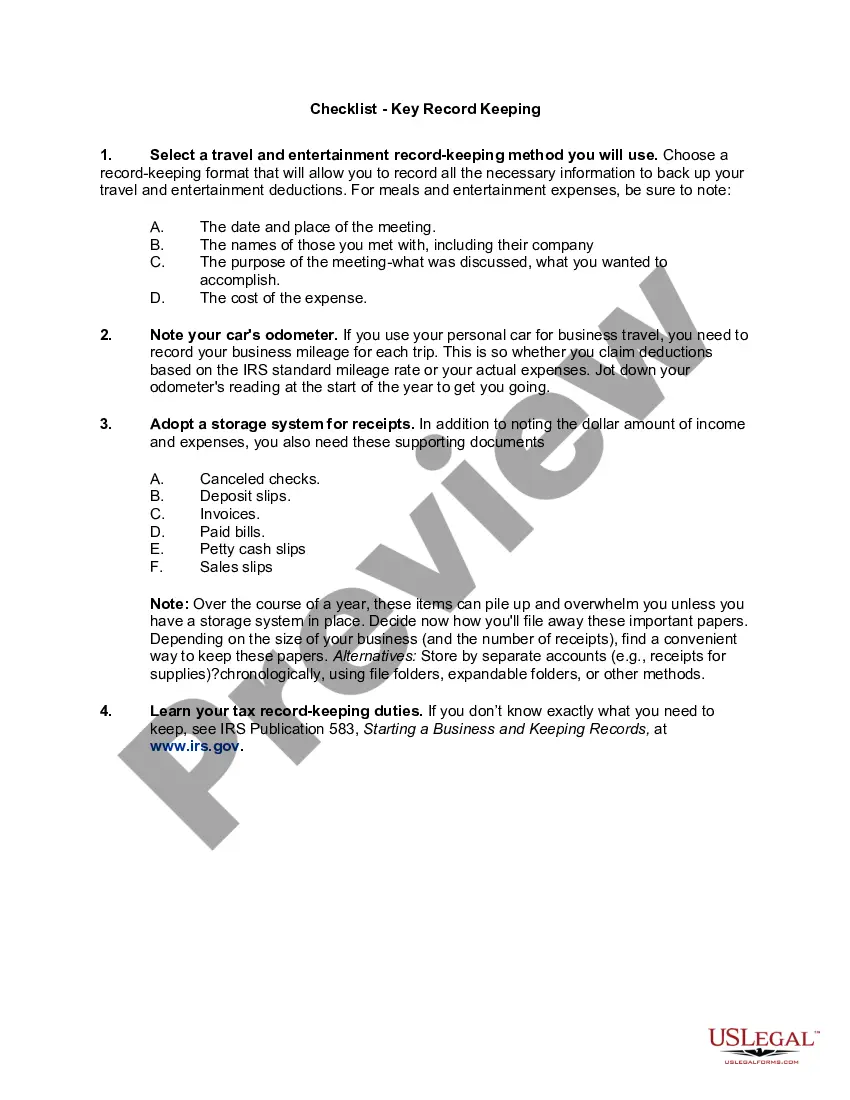
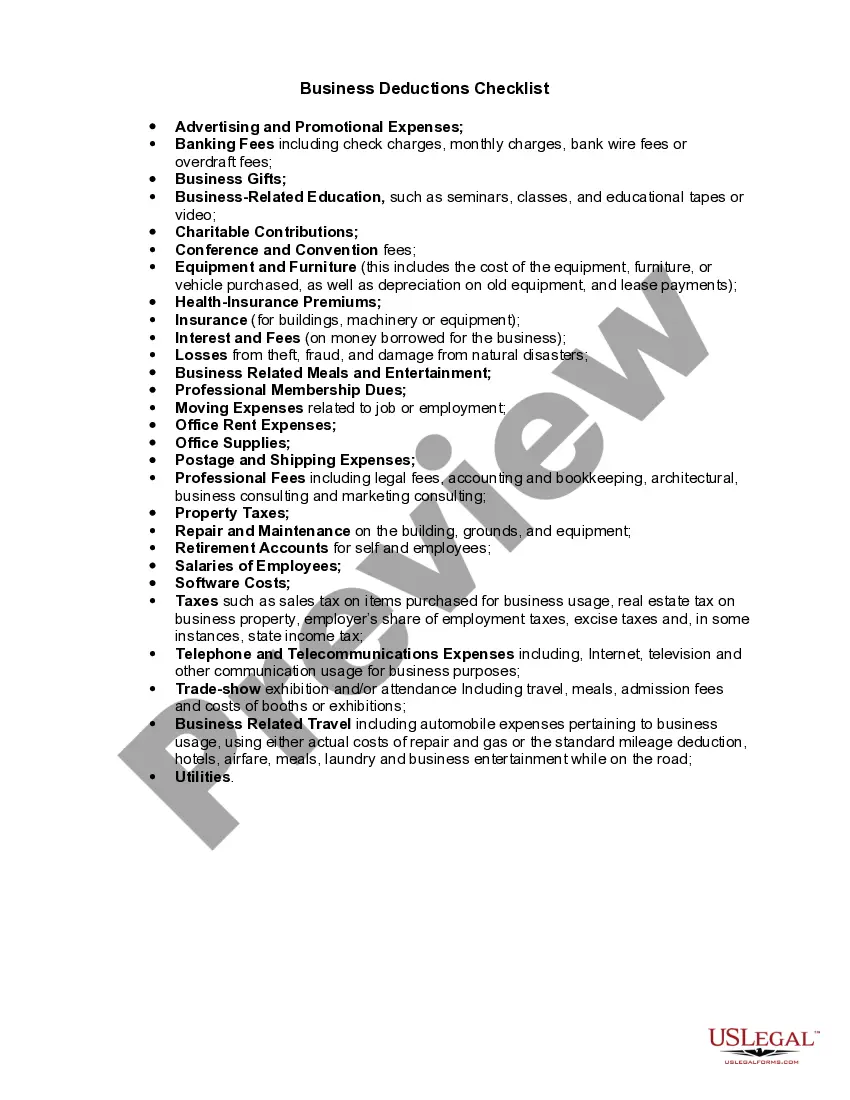
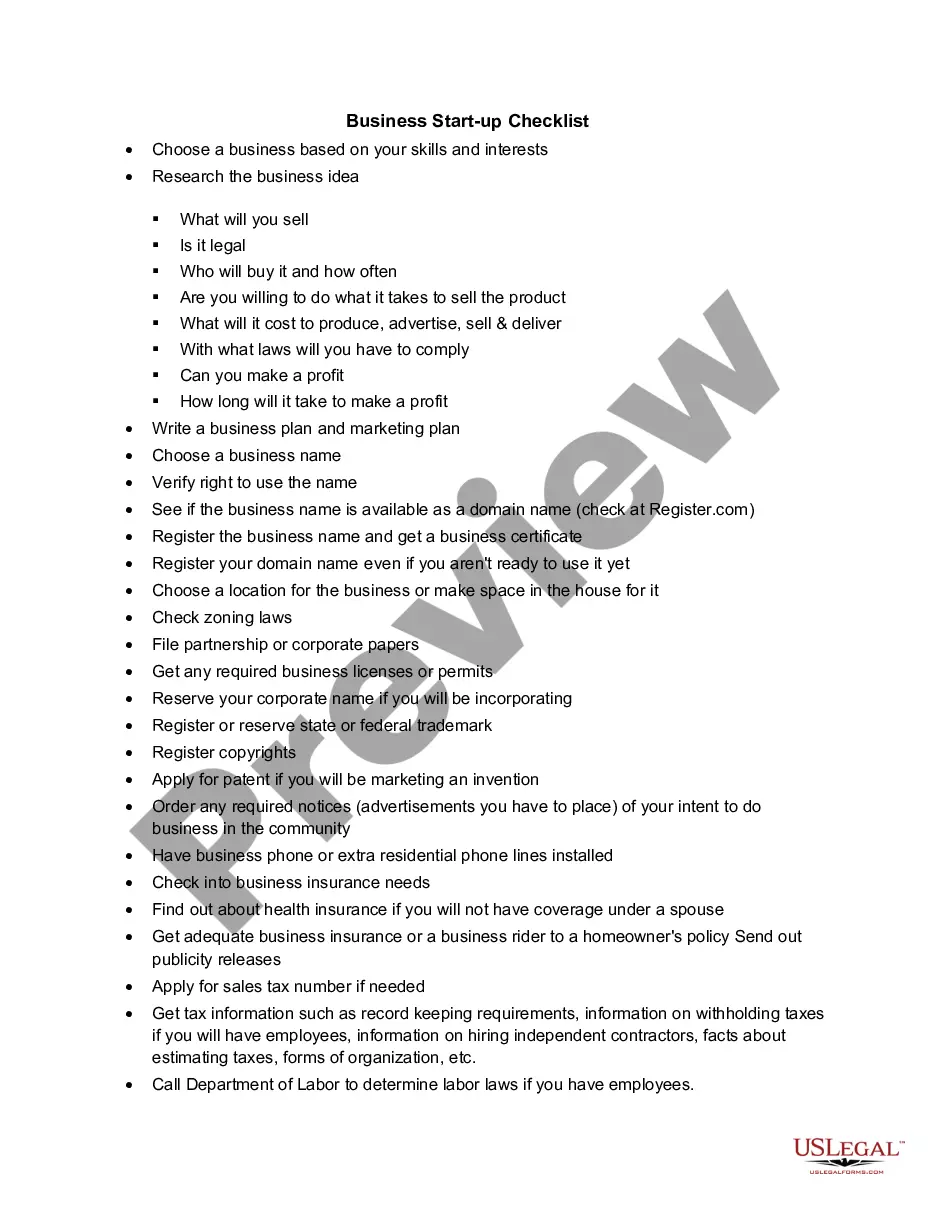
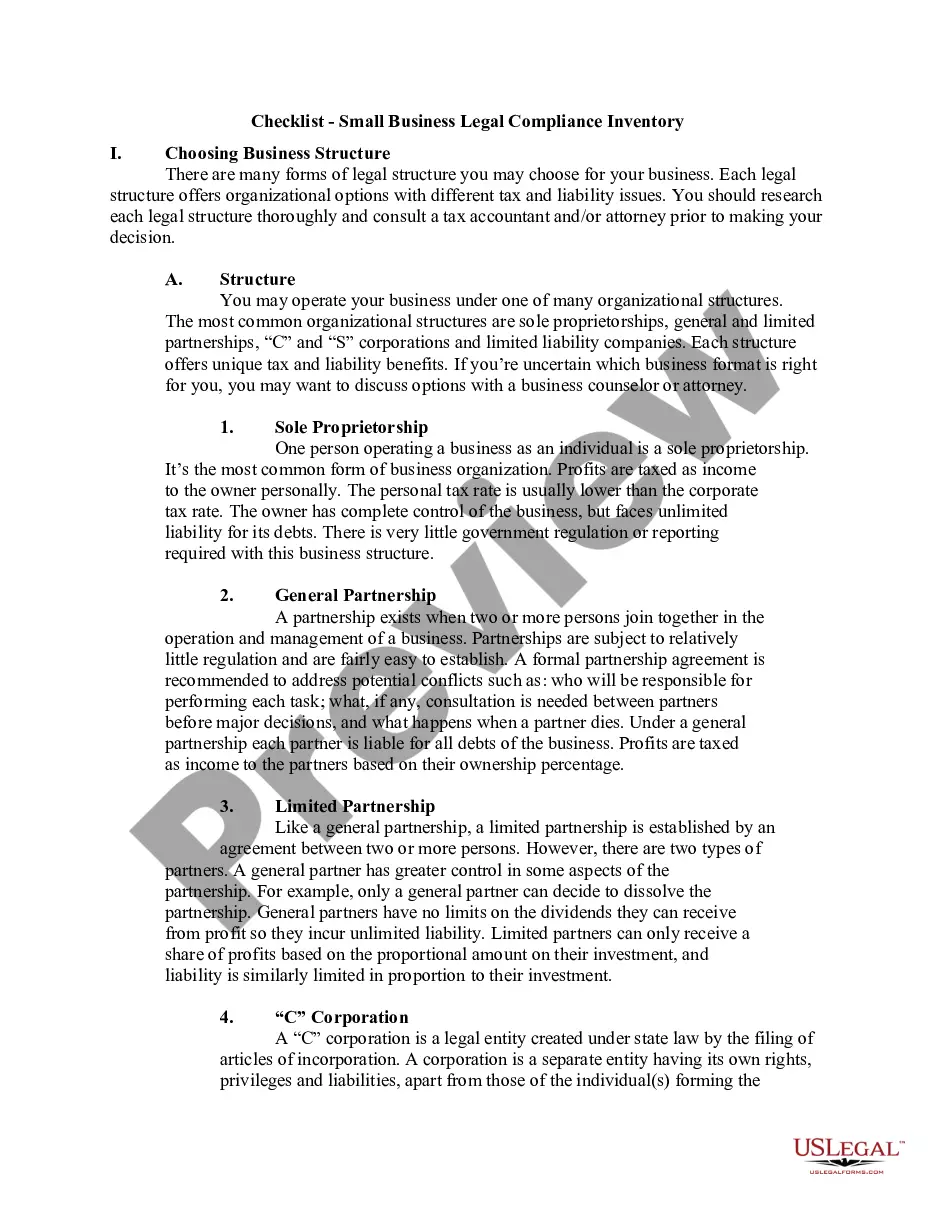
Record Keep Business For The Business
Description
Get your form ready online
Our built-in tools help you complete, sign, share, and store your documents in one place.
Make edits, fill in missing information, and update formatting in US Legal Forms—just like you would in MS Word.
Download a copy, print it, send it by email, or mail it via USPS—whatever works best for your next step.
Sign and collect signatures with our SignNow integration. Send to multiple recipients, set reminders, and more. Go Premium to unlock E-Sign.
If this form requires notarization, complete it online through a secure video call—no need to meet a notary in person or wait for an appointment.
We protect your documents and personal data by following strict security and privacy standards.

Make edits, fill in missing information, and update formatting in US Legal Forms—just like you would in MS Word.

Download a copy, print it, send it by email, or mail it via USPS—whatever works best for your next step.

Sign and collect signatures with our SignNow integration. Send to multiple recipients, set reminders, and more. Go Premium to unlock E-Sign.

If this form requires notarization, complete it online through a secure video call—no need to meet a notary in person or wait for an appointment.

We protect your documents and personal data by following strict security and privacy standards.
Looking for another form?
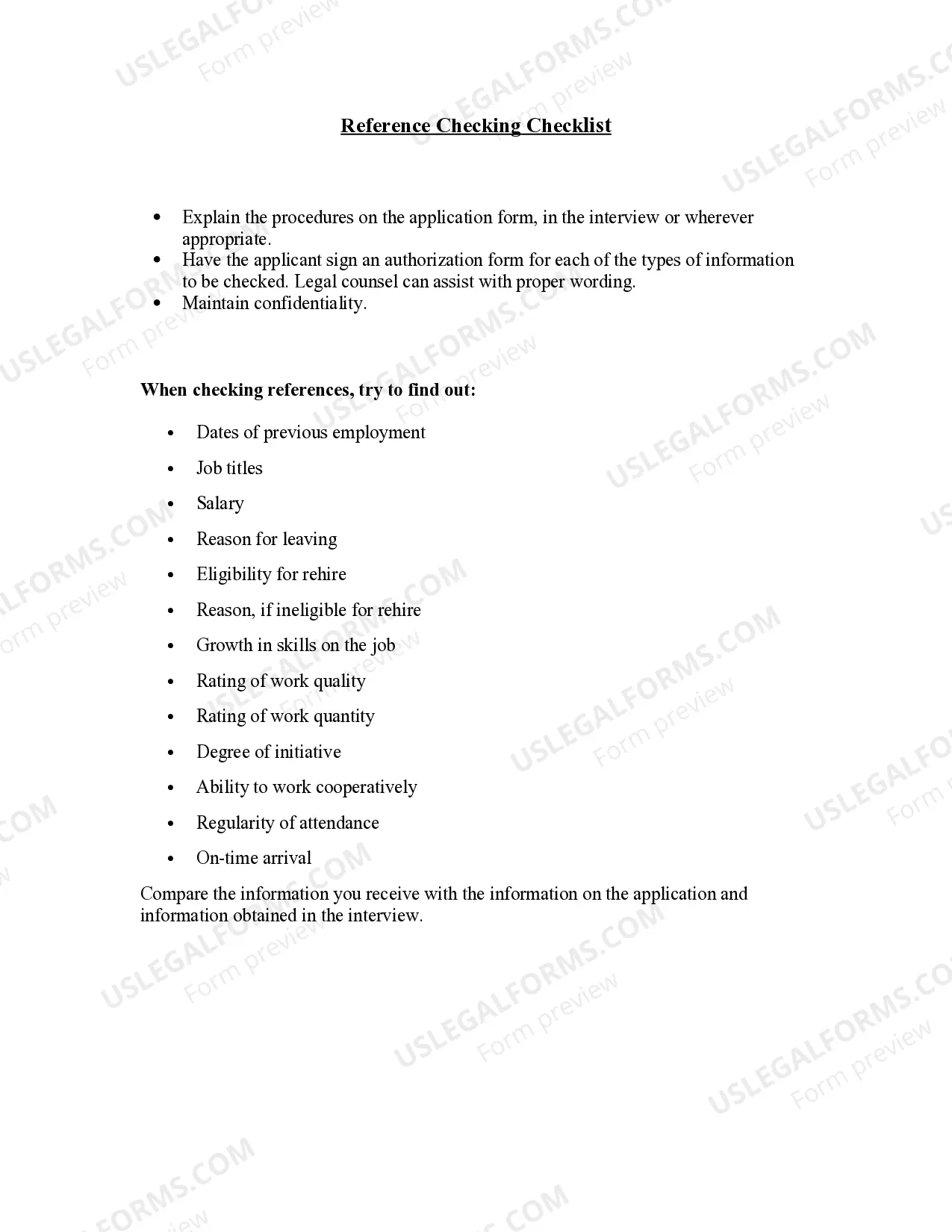






How to fill out Checklist - Key Record Keeping?
- If you are a returning user, log in to your account and select the desired form. Ensure your subscription is active; renew if necessary.
- For first-time users, start by exploring the Preview mode of the form you require. Confirm it aligns with your legal needs and local jurisdiction.
- If the selected form doesn't meet your requirements, utilize the Search function to find a more suitable template. Proceed once you've found the right form.
- Purchase the document by clicking the Buy Now button. Choose a subscription plan that meets your needs and create your account for access.
- Complete the payment process by entering your credit card information or logging into your PayPal account.
- Finally, download the form to your device and access it anytime in your My Forms section.
By using US Legal Forms, you not only get access to a robust collection of legal templates but also benefit from expert assistance in completing your documents accurately.
Start leveraging the best legal form library today to keep your business records in order and ensure compliance. Explore US Legal Forms now!
Form popularity
FAQ
Record keeping of a business involves systematically managing all financial and operational data to ensure accuracy and compliance. This process includes tracking sales, expenses, payroll, and tax documents, enabling informed decision-making. Effective record keeping can safeguard your business from legal issues and enhance financial analysis. Utilizing platforms like US Legal Forms can streamline this process, ensuring you maintain solid record keeping for the business.
Yes, small businesses need a general ledger to accurately track their financial transactions. A general ledger acts as the central hub for recording all financial activities, providing a comprehensive overview of your business's financial health. It supports effective decision-making by ensuring that your records are organized and readily accessible. Therefore, good record keeping for the business relies on maintaining a thorough general ledger.
Start by determining the format you will use for your ledger, whether it be a physical book or digital spreadsheets. Record each transaction promptly, categorizing them into assets, liabilities, income, and expenses. Ensure to regularly backup your digital ledgers to avoid loss, and consider using US Legal Forms to access templates that can help streamline your ledger management. This level of organization significantly benefits your record keeping for the business.
The best way to keep records for a small business involves using digital tools that simplify the process. Choose a reliable accounting software that integrates with banking and payment systems to automate record keeping. It’s also essential to establish a consistent schedule for updating records, helping you stay on top of your financial activities. This method enhances record keeping for the business efficiently.
To maintain a small business ledger, start by organizing financial transactions into clear categories such as income, expenses, and sales. Use software or spreadsheets to record these entries consistently, ensuring accuracy and timeliness. Regularly review and reconcile your entries to reflect the true financial state of your business. This systematic approach will support effective record keeping for the business.
Key records that should be kept for seven years include tax returns, income records, and any documentation that supports deductions. Keeping these records organized is vital as they provide necessary proof for tax filings. Using a reliable platform like uslegalforms can assist you in maintaining these crucial documents efficiently.
Recordkeeping requirements vary based on the type of business and the nature of transactions. Generally, businesses must maintain records that accurately reflect their financial performance. By adhering to these requirements, you ensure compliance with IRS regulations and provide transparency for your business operations.
Keeping records for your small business requires a consistent approach. Start by organizing your documents into categories such as income, expenses, and invoices. Using digital tools, like those available through uslegalforms, can help automate and simplify this record-keeping process, making it easier for you to manage your business efficiently.
The IRS has specific guidelines for record retention which state that you should keep records that support items reported on your tax returns. Generally, it is advisable to retain these documents for three to seven years, depending on the nature of the record. By following these guidelines, you ensure that you're prepared for possible audits and complaints.
The IRS requires businesses to keep records that support their income, expenses, and deductions. This includes, but is not limited to, receipts, invoices, and bank statements. Maintaining accurate records not only keeps you compliant but also simplifies the tax preparation process for your small business.