Keep Records
Description
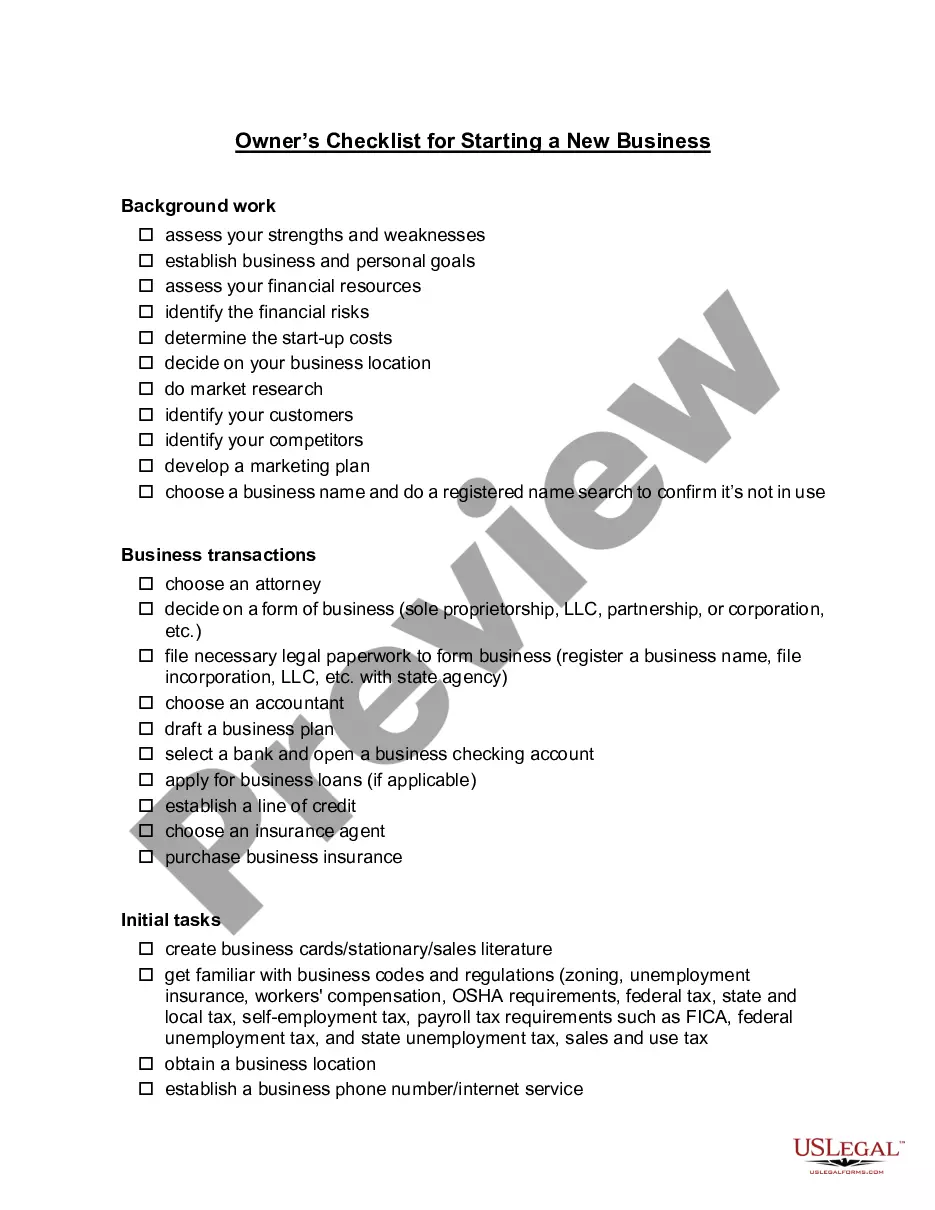
Get your form ready online
Our built-in tools help you complete, sign, share, and store your documents in one place.
Make edits, fill in missing information, and update formatting in US Legal Forms—just like you would in MS Word.
Download a copy, print it, send it by email, or mail it via USPS—whatever works best for your next step.
Sign and collect signatures with our SignNow integration. Send to multiple recipients, set reminders, and more. Go Premium to unlock E-Sign.
If this form requires notarization, complete it online through a secure video call—no need to meet a notary in person or wait for an appointment.
We protect your documents and personal data by following strict security and privacy standards.

Make edits, fill in missing information, and update formatting in US Legal Forms—just like you would in MS Word.

Download a copy, print it, send it by email, or mail it via USPS—whatever works best for your next step.

Sign and collect signatures with our SignNow integration. Send to multiple recipients, set reminders, and more. Go Premium to unlock E-Sign.

If this form requires notarization, complete it online through a secure video call—no need to meet a notary in person or wait for an appointment.

We protect your documents and personal data by following strict security and privacy standards.
Looking for another form?
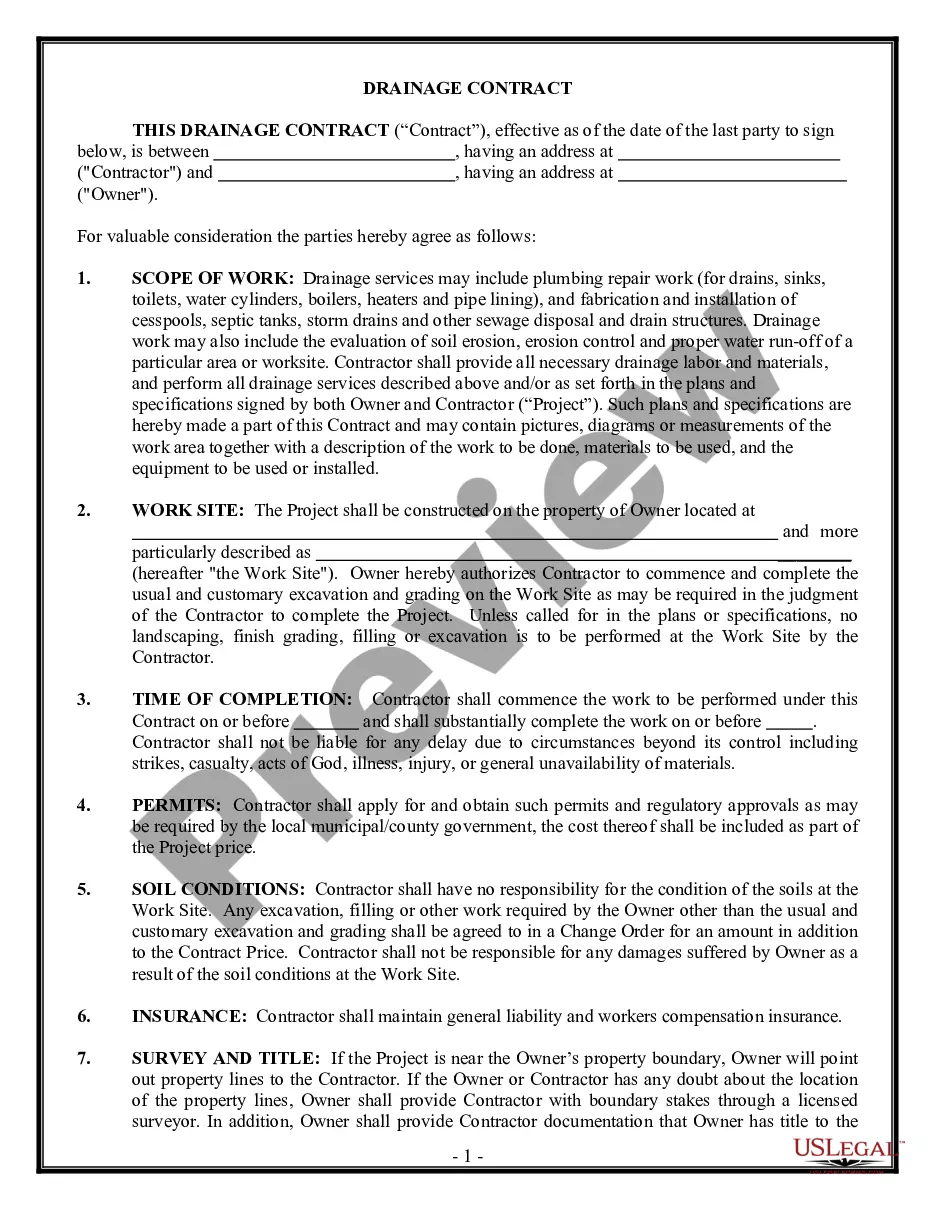
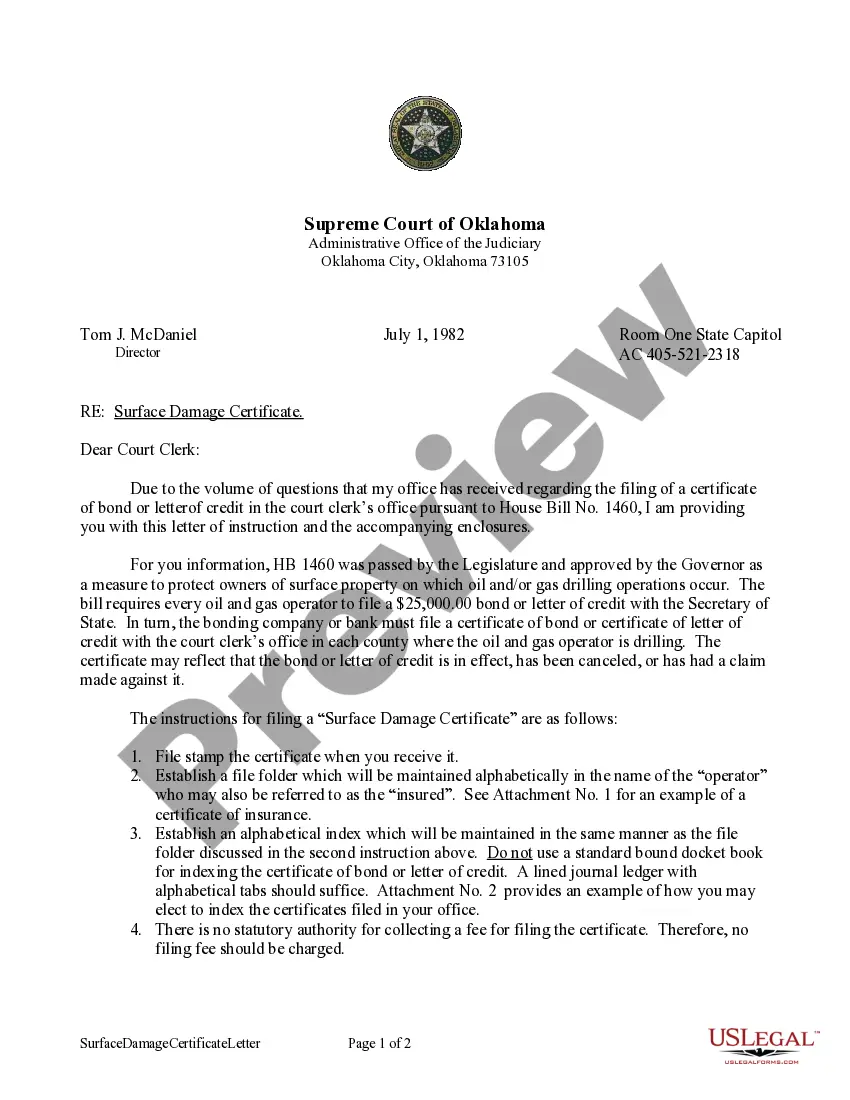



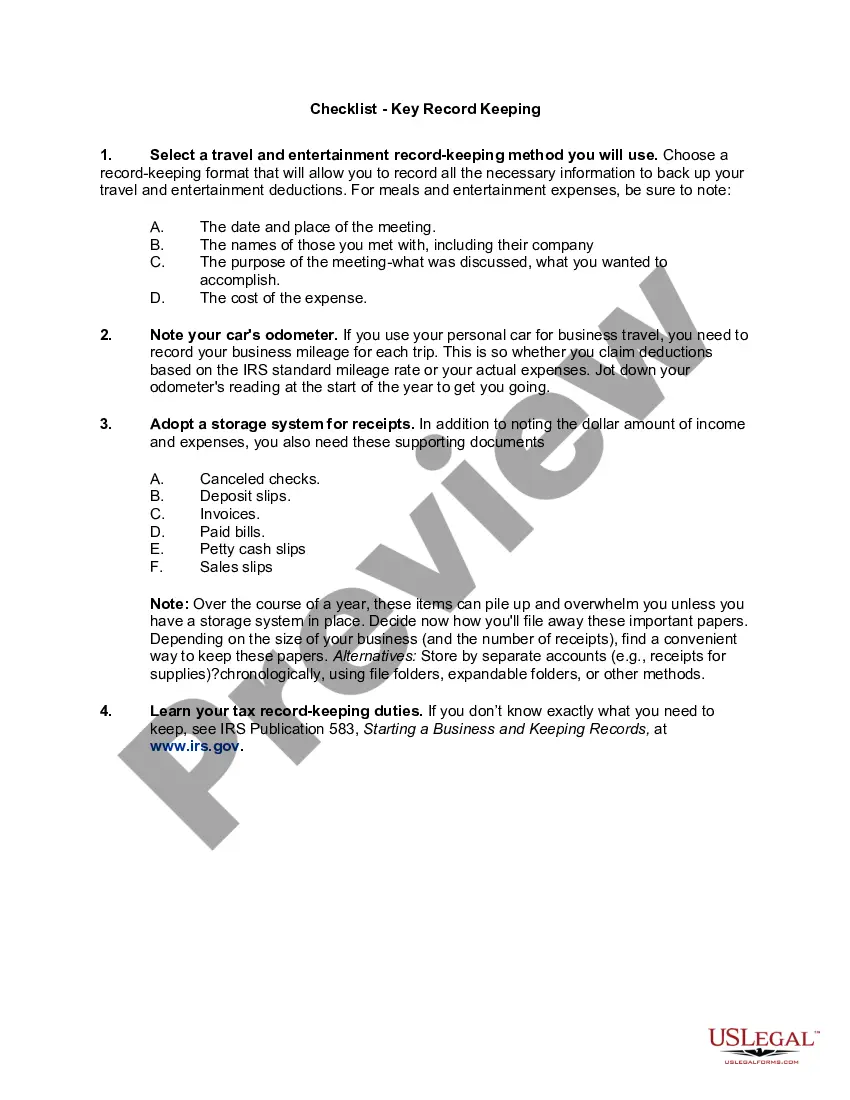
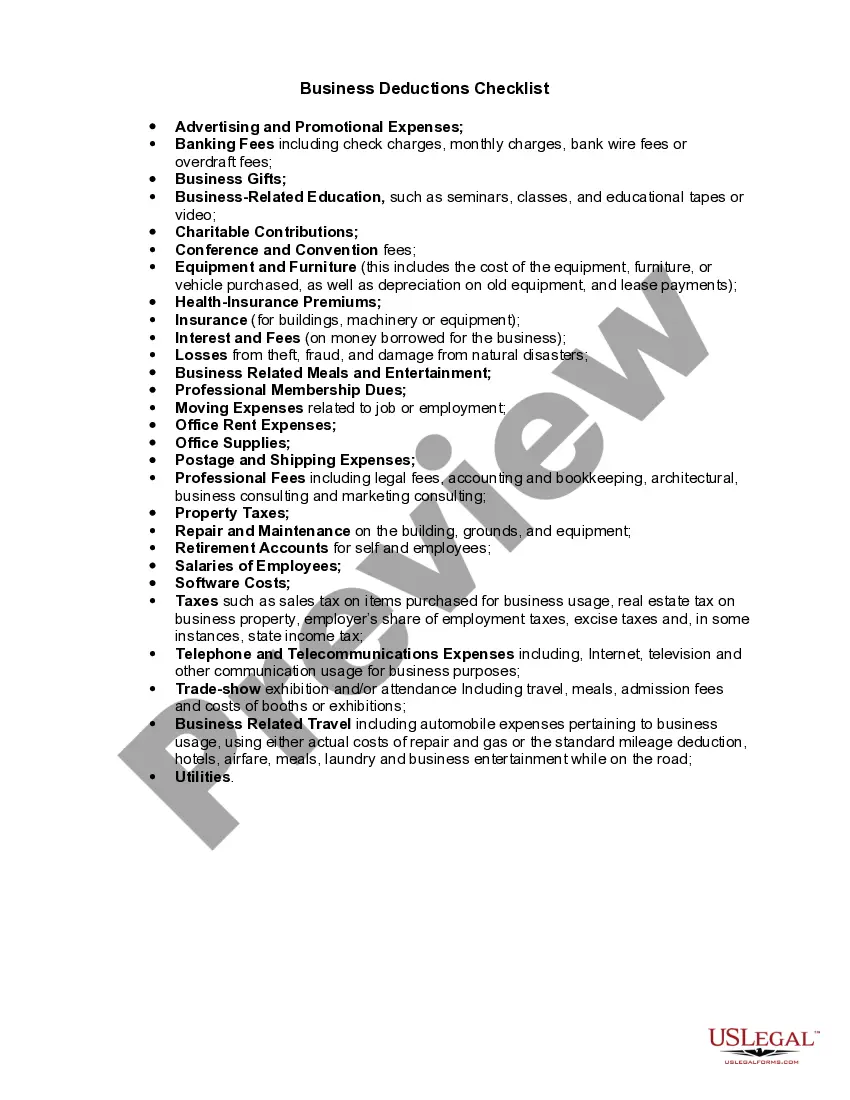
How to fill out Checklist - Key Record Keeping?
- If you're a returning user, log into your account and check your subscription status. Make sure it’s up to date before downloading your desired form template by clicking the Download button.
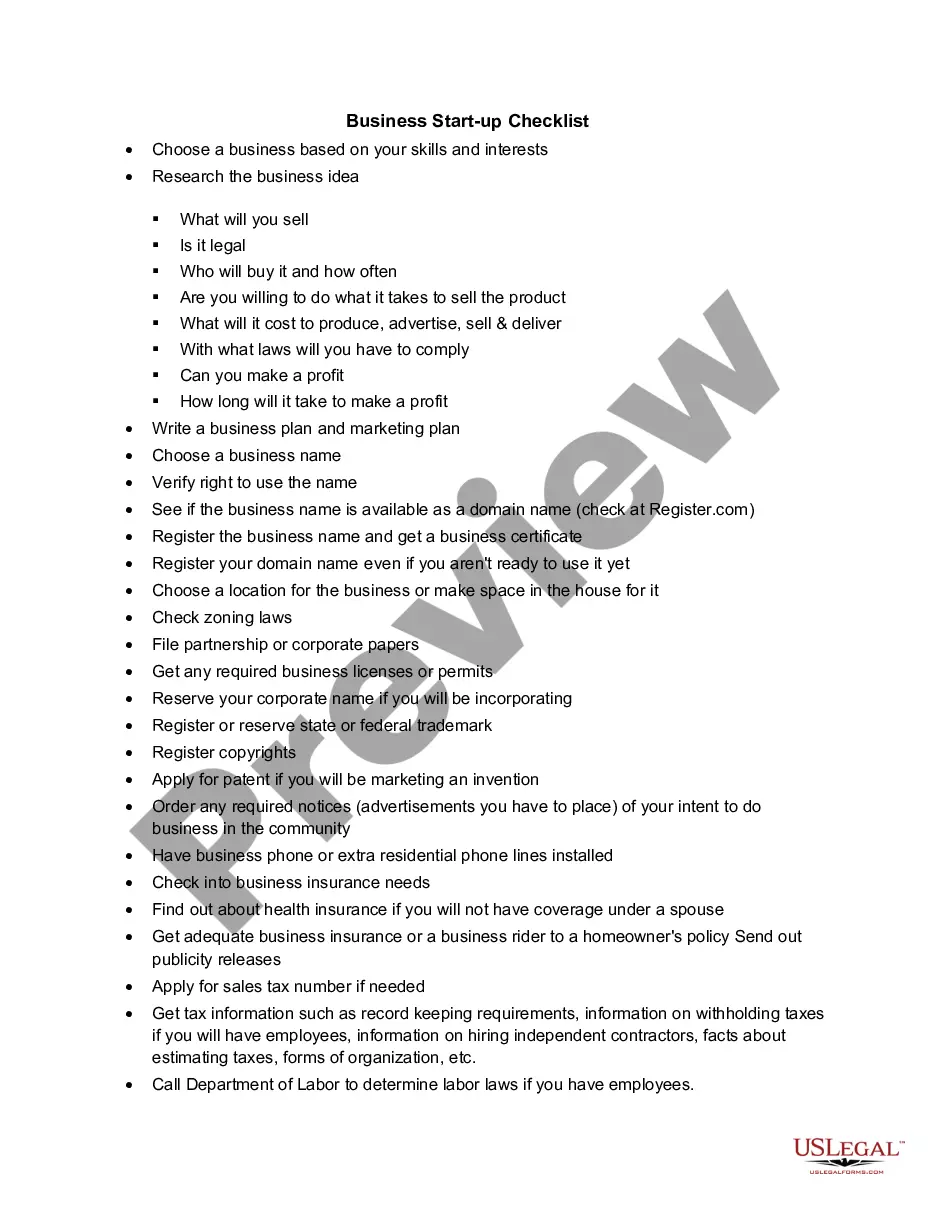
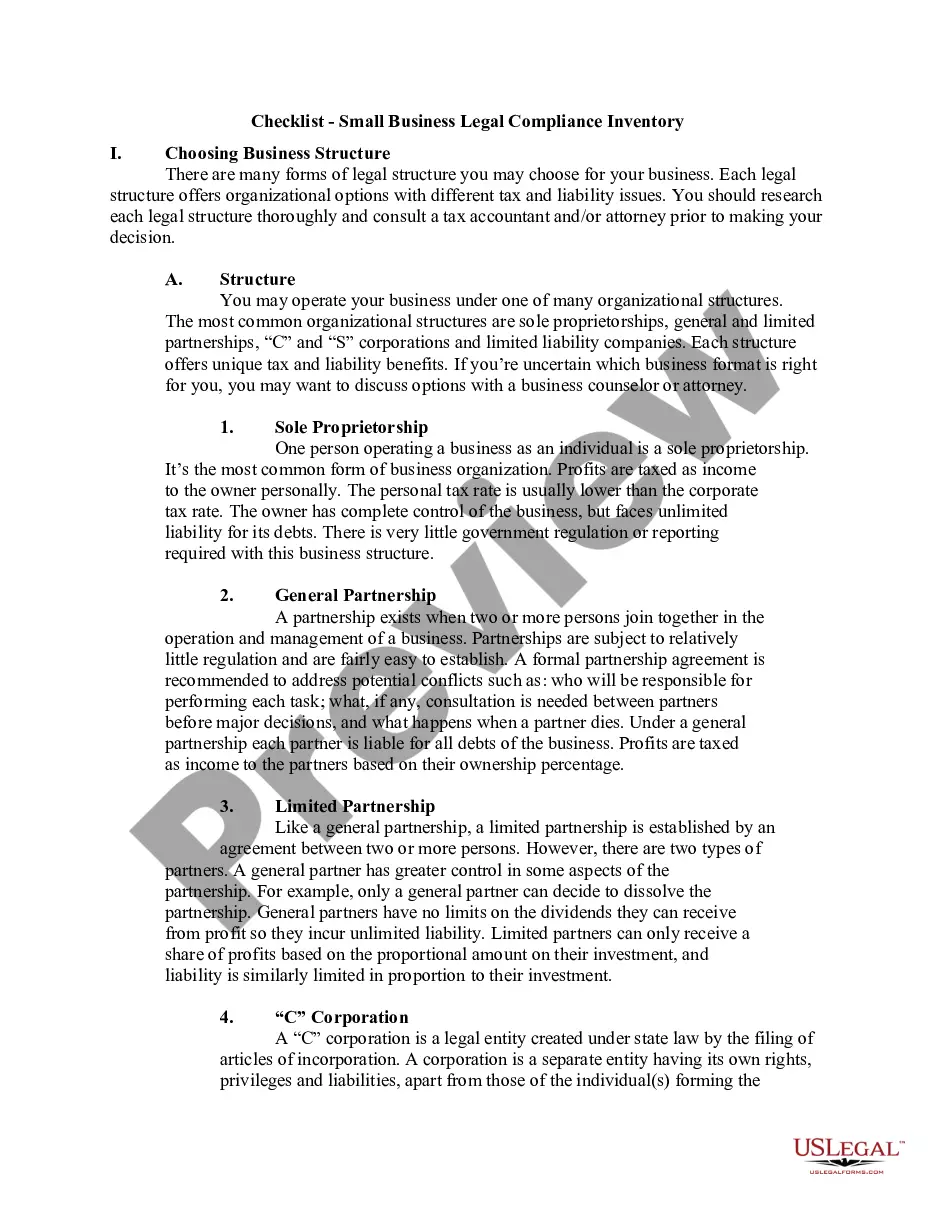
- For first-time users, start by reviewing the Preview mode and form descriptions. Ensure that the template aligns with your specific needs and complies with local jurisdictional requirements.
- If adjustments are needed, utilize the Search tab to explore alternatives until you find the appropriate form. Once you’ve found the right one, proceed to the next step.
- Purchase the document by clicking the 'Buy Now' button. Select the subscription plan that fits you best and create an account to access the forms library.
- Complete your purchase by entering your payment information, whether credit card or PayPal, to secure your subscription.
- After finishing your purchase, download the form to your device. Access it anytime through the My Forms section of your account.
By following these steps, you can efficiently keep records of your essential legal documents, ensuring they are both accessible and compliant.
Don't hesitate to take advantage of the resources at US Legal Forms for all your legal document needs. Start simplifying your legal processes today!
Form popularity
FAQ
For a deceased person's paperwork, it is best to keep records for at least five years. This allows you to handle any legal issues or claims that might come up, especially regarding their estate. Organizing these documents can help maintain clarity during an emotional time. So, consider using uslegalforms to assist with document organization.
You should keep your deceased spouse's hospital bills and related paperwork for three years at minimum. This timeframe helps in case you need to access records for insurance claims or tax purposes. Keeping records ensures that you have everything organized if any questions arise later. Always check for specific requirements based on your situation.
Yes, it is important to shred bank statements of a deceased person to protect sensitive information. Even after their passing, these documents can contain personal details that could be misused. By shredding them, you can ensure that unauthorized individuals do not access their financial history. So, safeguarding their identity is crucial.
After someone dies, it is advisable to keep bank statements for at least three to five years. These records may be required for settling debts or estate taxes. Keeping records ensures that you can address any financial matters that arise later. This will help you navigate the process more smoothly.
Typically, you should keep bills for at least one year before considering shredding them. If you are using these bills as proof of payment or for tax deductions, you might want to keep records for longer. It's always safer to hold onto them until you confirm you no longer need them. So, set a reminder to regularly review your documents.
Yes, keeping old bank statements can be important for various reasons. They serve as proof of payment for bills and can assist in resolving disputes. Additionally, they may be needed for tax purposes or to keep records for financial planning. Overall, it's wise to keep records for several years.
Keeping records is important because it enables you to track your financial activities and obligations effectively. It helps in preparing accurate tax returns, disputes, and audits while providing a clear picture of your overall financial health. Additionally, good record-keeping practices not only ensure compliance with laws but also simplify decision-making and enhance efficiency in managing your affairs. Investing time in keeping records is beneficial for long-term success.
To keep records means to maintain organized documentation of relevant information concerning your personal or business affairs. This can include financial statements, correspondence, contracts, and other important documents. By keeping records, you create a reliable history that supports decision-making and helps manage obligations. Furthermore, it is essential to keep records to defend against potential issues and to plan for the future.
You need to keep records related to your tax returns for 7 years, which may include receipts, bank statements, and proof of income. Additionally, any documents related to property ownership or significant transactions should be retained. This retention period helps safeguard against any potential audits and disputes, allowing you to confidently keep records that prove your financial history.
The best method of record keeping combines technology with traditional practices. Digital tools like spreadsheets or dedicated record-keeping software allow for quick updates and easy retrieval. On the other hand, keeping a physical binder for important documents can serve as a backup. Whatever method you choose, the key is consistency in your record-keeping habits to ensure you keep records accurately.