Executive Car Allowance For Government Employees
Description
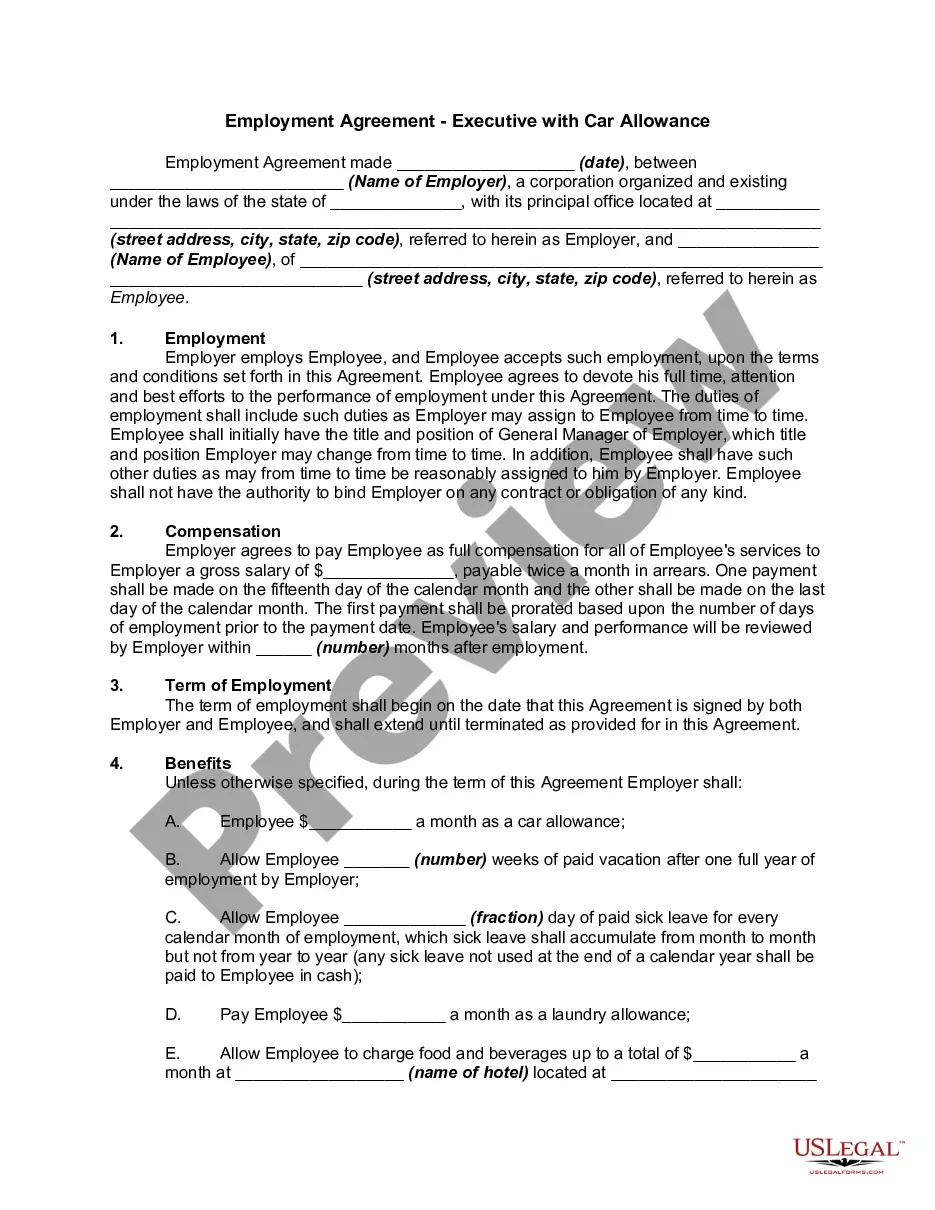
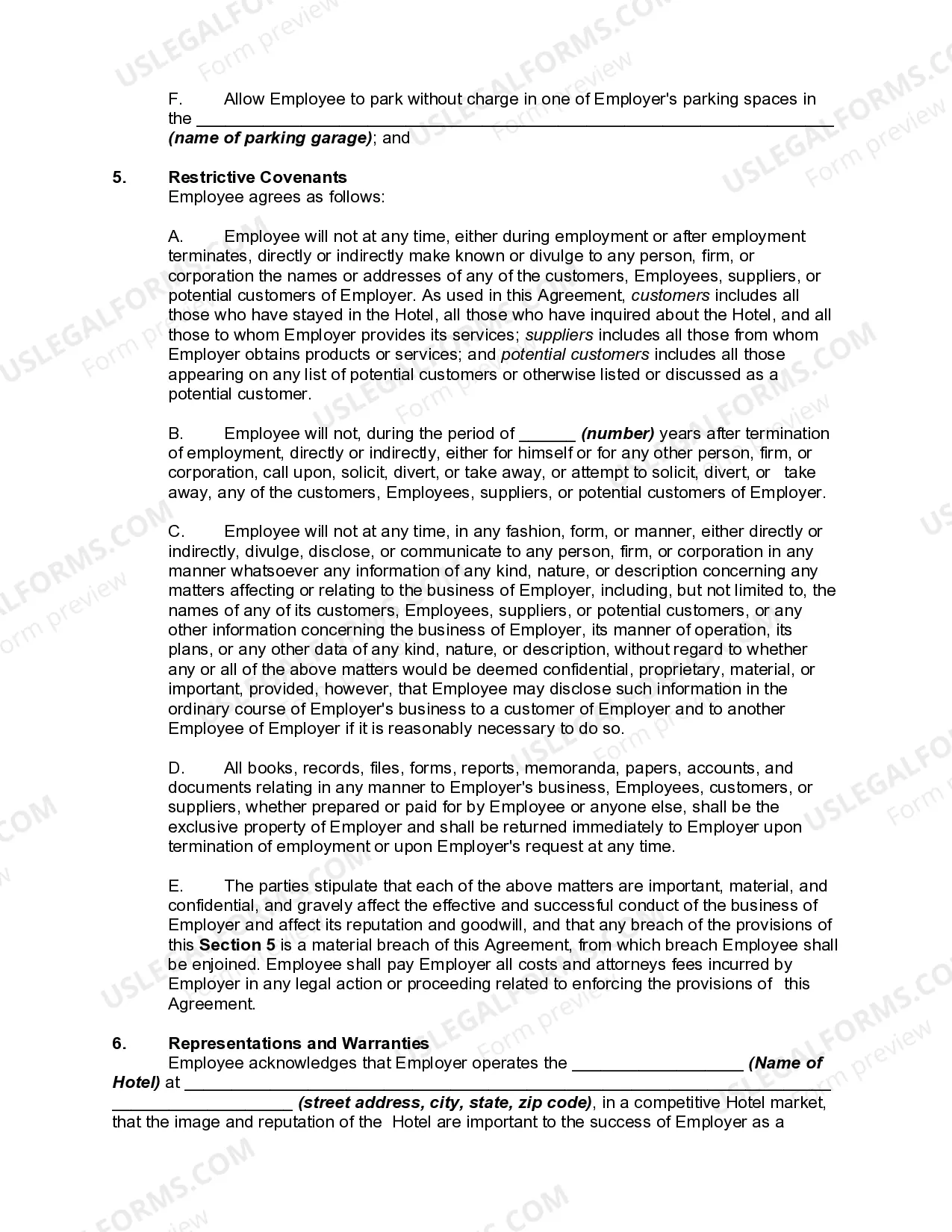
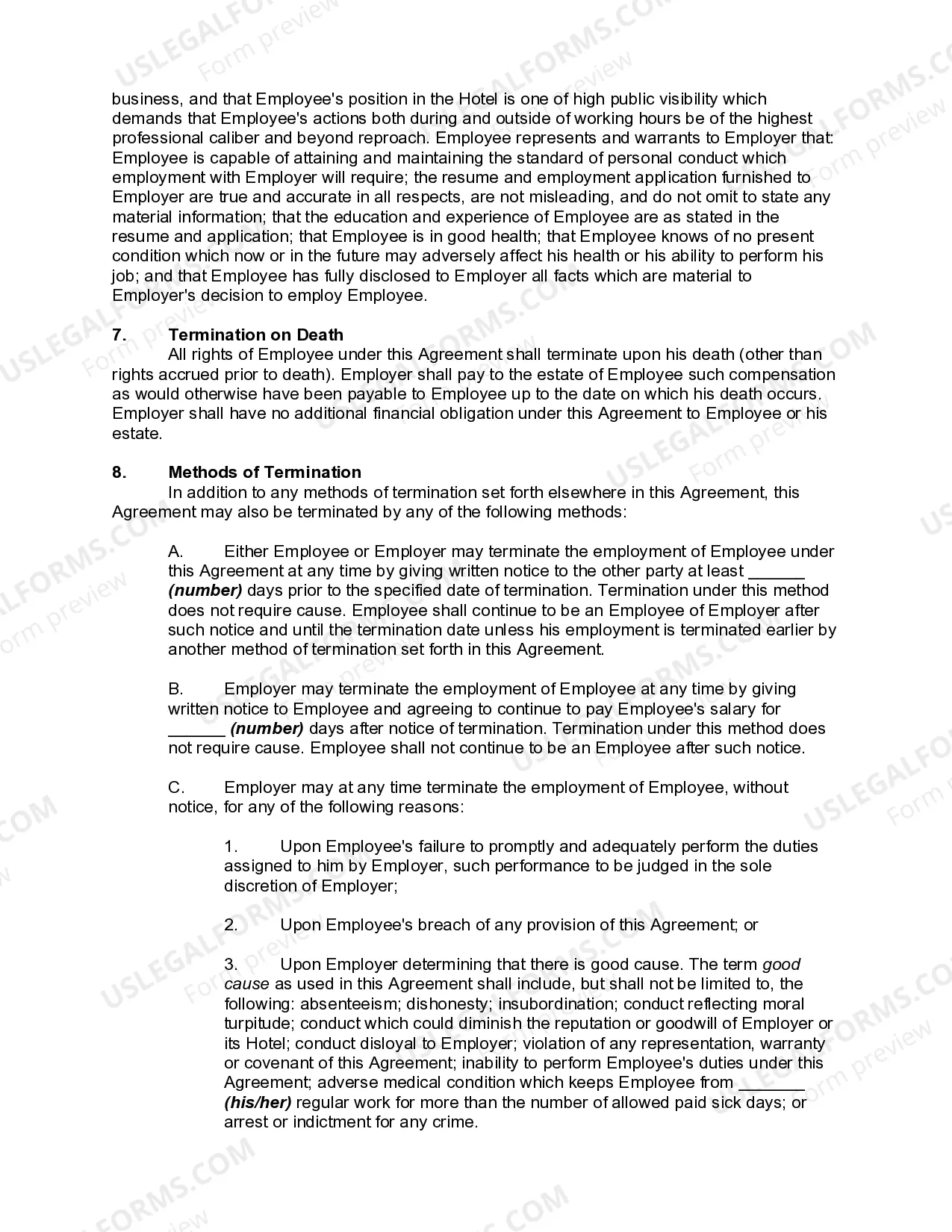
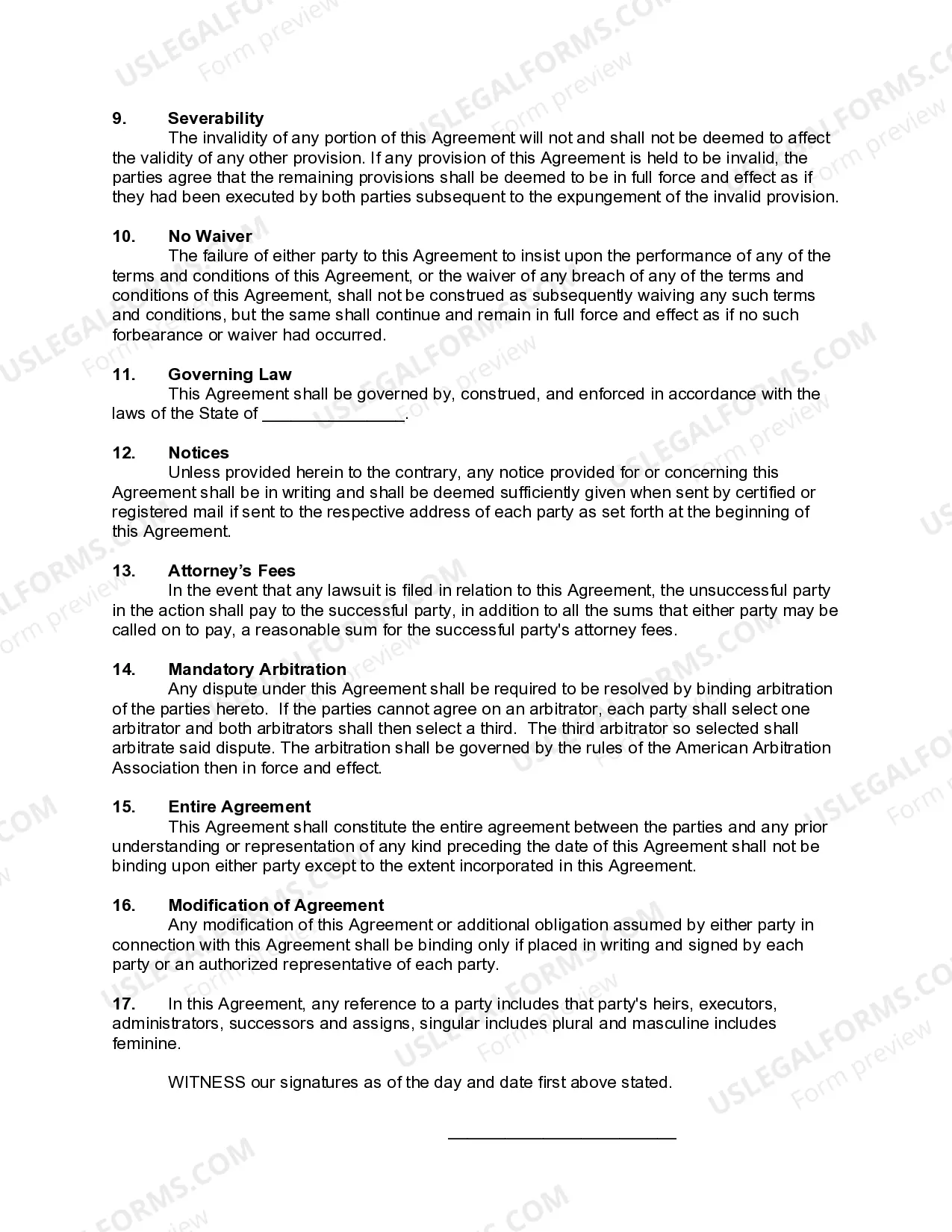

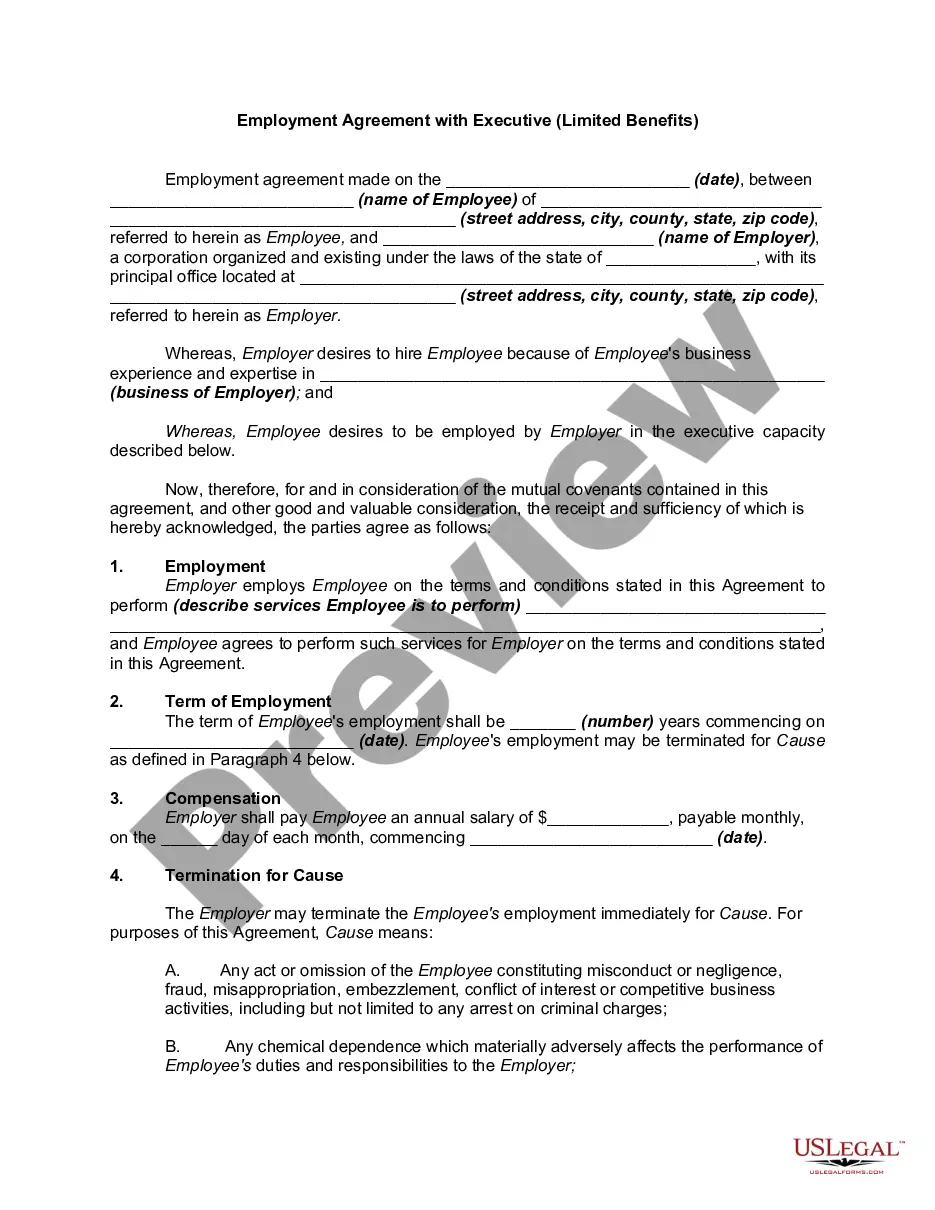
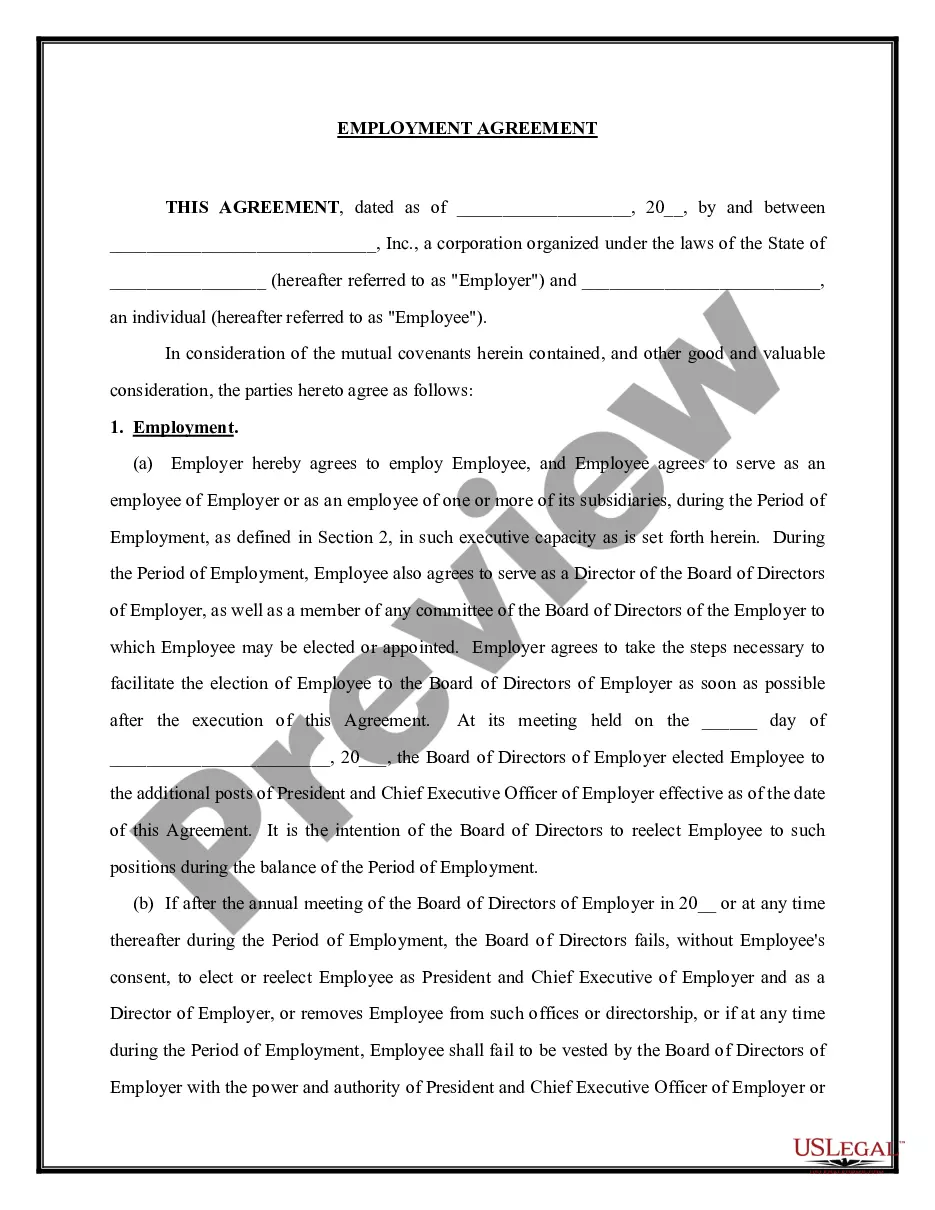
Get your form ready online
Our built-in tools help you complete, sign, share, and store your documents in one place.
Make edits, fill in missing information, and update formatting in US Legal Forms—just like you would in MS Word.
Download a copy, print it, send it by email, or mail it via USPS—whatever works best for your next step.
Sign and collect signatures with our SignNow integration. Send to multiple recipients, set reminders, and more. Go Premium to unlock E-Sign.
If this form requires notarization, complete it online through a secure video call—no need to meet a notary in person or wait for an appointment.
We protect your documents and personal data by following strict security and privacy standards.

Make edits, fill in missing information, and update formatting in US Legal Forms—just like you would in MS Word.

Download a copy, print it, send it by email, or mail it via USPS—whatever works best for your next step.

Sign and collect signatures with our SignNow integration. Send to multiple recipients, set reminders, and more. Go Premium to unlock E-Sign.

If this form requires notarization, complete it online through a secure video call—no need to meet a notary in person or wait for an appointment.

We protect your documents and personal data by following strict security and privacy standards.
Looking for another form?
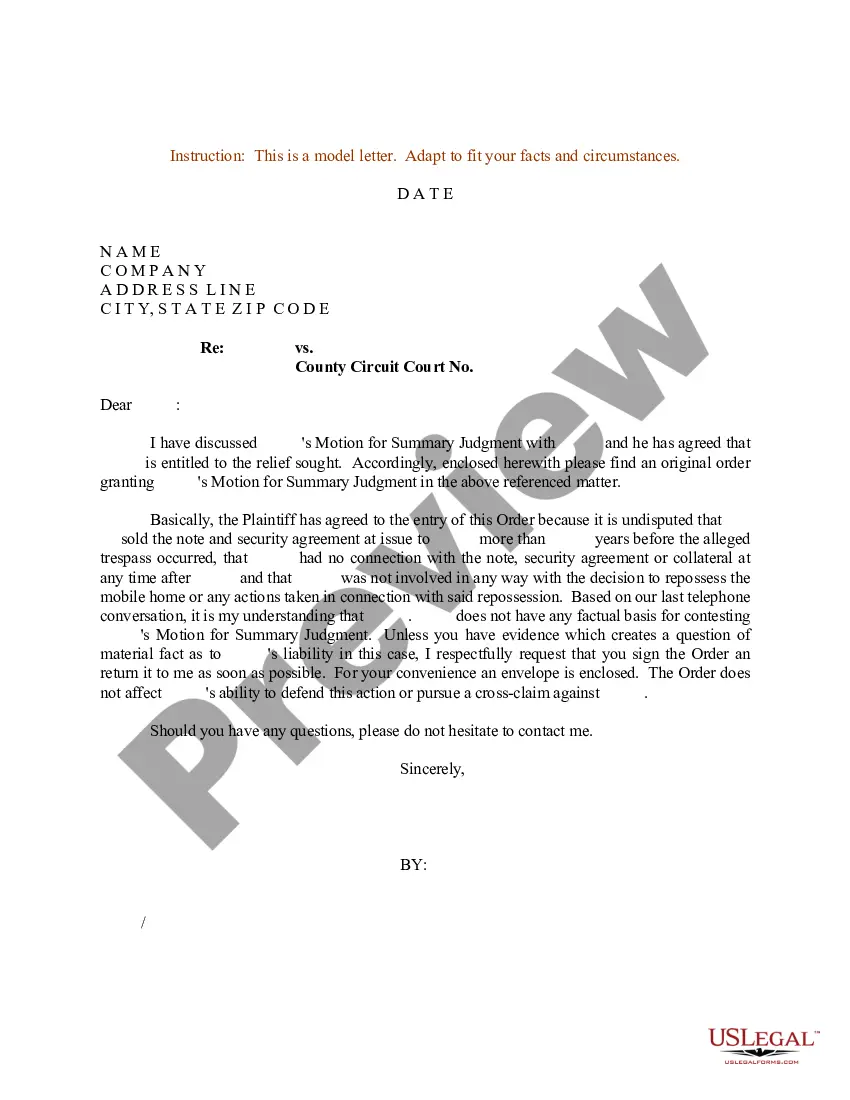
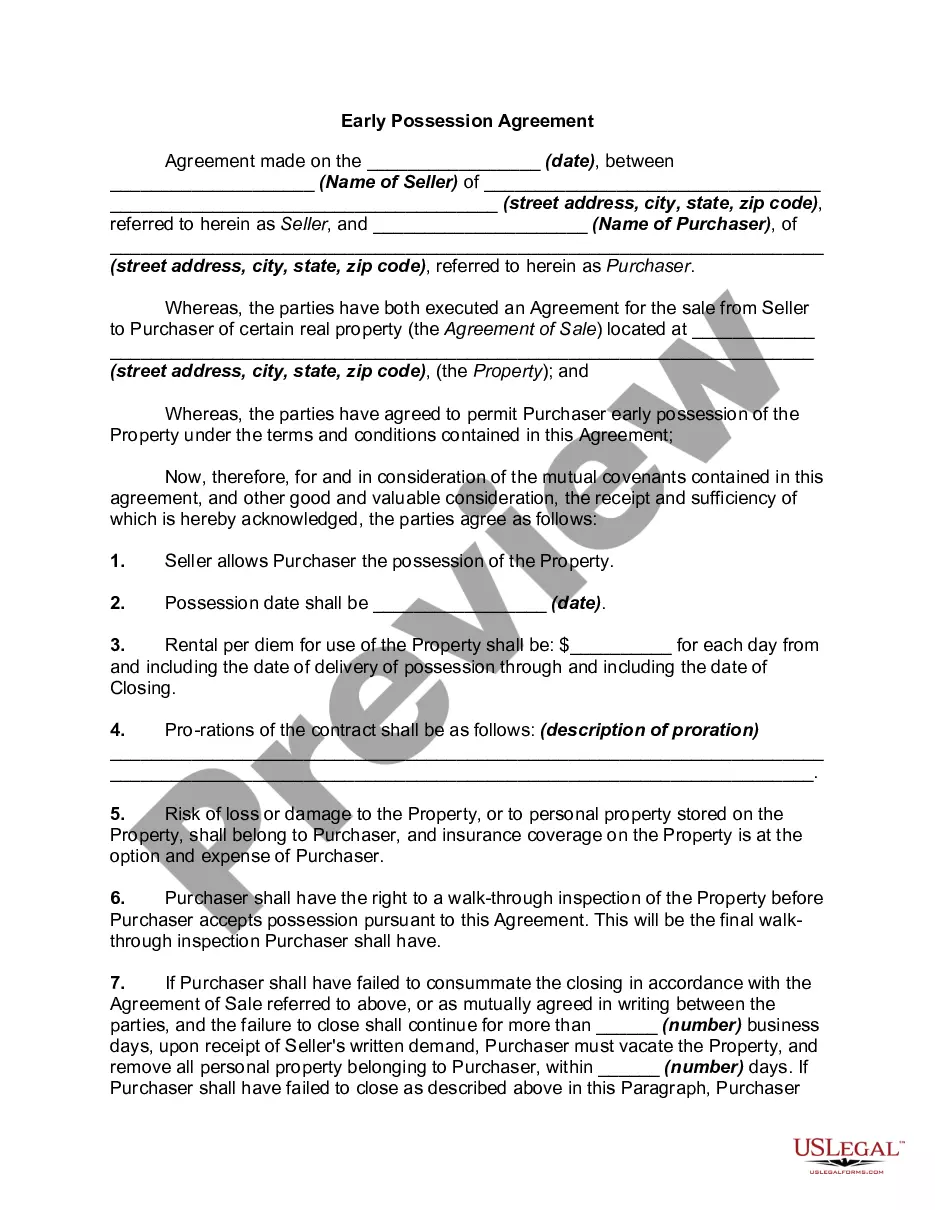


How to fill out Employment Agreement - Executive With Car Allowance?
Regardless of whether it's for corporate needs or personal affairs, everyone encounters legal circumstances at some point in their lives.
Filling out legal documents necessitates meticulous care, starting from selecting the appropriate form sample.
By following these guidelines, you can efficiently handle your legal documentation needs.
- For example, if you choose an incorrect version of the Executive Car Allowance For Government Employees, it will be rejected once submitted.
- Thus, it is vital to obtain a reliable source of legal documents such as US Legal Forms.
- If you need to acquire a sample of the Executive Car Allowance For Government Employees, follow these straightforward steps.
- Access the template you require using the search bar or catalog navigation.
- Review the form's details to confirm it corresponds with your situation, state, and county.
- Click on the form's preview to view it.
- If it is the wrong form, return to the search tool to find the Executive Car Allowance For Government Employees sample you need.
- Download the file when it fulfills your criteria.
- If you have a US Legal Forms account, simply click Log in to access previously saved documents in My documents.
- If you do not have an account yet, you can acquire the form by clicking Buy now.
- Select the appropriate pricing option.
- Complete the profile registration form.
- Choose your payment method: use a credit card or PayPal account.
- Select the document format you prefer and download the Executive Car Allowance For Government Employees.
- Once it is saved, you can fill out the form using editing software or print it and complete it manually.
- With a vast US Legal Forms catalog available, you do not need to waste time searching for the correct template online.
- Utilize the library's straightforward navigation to find the suitable template for any scenario.
Form popularity
FAQ
50 responding firms revealed that their average Chief Executive Officer's yearly car allowance was $23,900 back in 2017. Meanwhile, the figure that nearly 60 firms gave for senior executives was $19,300. A total of 40 firms that responded to other executives reported that their average yearly allowance was $14,200.
Every month, each employee's mileage is multiplied by the IRS mileage rate ($0.655/mile for 2023). The employee then receives the lesser of the car allowance amount and the mileage rate multiplied by the mileage. In the past, excess mileage could be deducted from income taxes, but that is also not an option until 2026.
Any portion of a car allowance that is in excess of the business miles driven multiplied by the IRS standard business mileage rate is taxable at the normal income rate for each employee. When is a car allowance taxable? A car allowance is taxable if it is not directly based on business miles driven.
Yes, a car allowance is considered a part of your income, as it is a benefit scheme and not reimbursement provided for eligible business-related expenses you've had.
In ance with Department of Human Resources (CalHR) policy and mileage reimbursement rates published by the Internal Revenue Service, the personal vehicle mileage reimbursement rate for all state employees is 65.5 cents per mile, effective January 1, 2023.