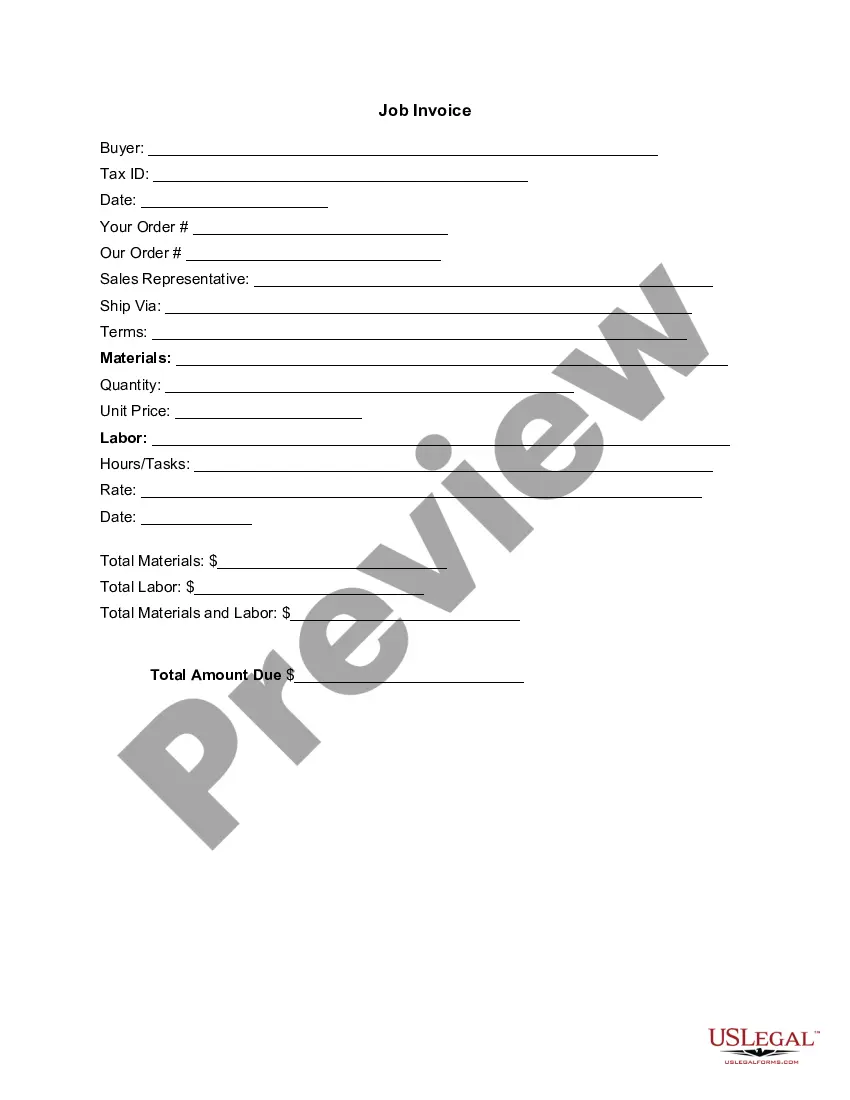
Invoice For Consulting Fees
Description
Get your form ready online
Our built-in tools help you complete, sign, share, and store your documents in one place.
Make edits, fill in missing information, and update formatting in US Legal Forms—just like you would in MS Word.
Download a copy, print it, send it by email, or mail it via USPS—whatever works best for your next step.
Sign and collect signatures with our SignNow integration. Send to multiple recipients, set reminders, and more. Go Premium to unlock E-Sign.
If this form requires notarization, complete it online through a secure video call—no need to meet a notary in person or wait for an appointment.
We protect your documents and personal data by following strict security and privacy standards.

Make edits, fill in missing information, and update formatting in US Legal Forms—just like you would in MS Word.

Download a copy, print it, send it by email, or mail it via USPS—whatever works best for your next step.

Sign and collect signatures with our SignNow integration. Send to multiple recipients, set reminders, and more. Go Premium to unlock E-Sign.

If this form requires notarization, complete it online through a secure video call—no need to meet a notary in person or wait for an appointment.

We protect your documents and personal data by following strict security and privacy standards.
Looking for another form?









How to fill out Invoice Template For Consulting Services?
It’s clear that you can’t instantly become a legal authority, nor can you quickly learn how to prepare an Invoice For Consulting Fees without possessing a specialized skill set.
Crafting legal documents is a lengthy process that demands a specific education and expertise. So why not entrust the creation of the Invoice For Consulting Fees to the professionals.
With US Legal Forms, one of the most comprehensive legal document repositories, you can access everything from court documents to templates for internal communications.
You can regain access to your documents from the My documents tab at any time. If you’re an existing customer, you can simply Log In, and find and download the template from the same tab.
No matter the purpose of your documents—whether financial and legal or personal—our platform has you covered. Try US Legal Forms today!
- Identify the document you require by utilizing the search bar at the top of the page.
- Preview it (if this option is available) and read the accompanying description to determine if Invoice For Consulting Fees is what you need.
- Restart your search if you are looking for a different form.
- Create a free account and select a subscription plan to acquire the template.
- Click Buy now. Once the transaction is completed, you can obtain the Invoice For Consulting Fees, fill it out, print it, and send or mail it to the intended recipients or organizations.
Form popularity
FAQ
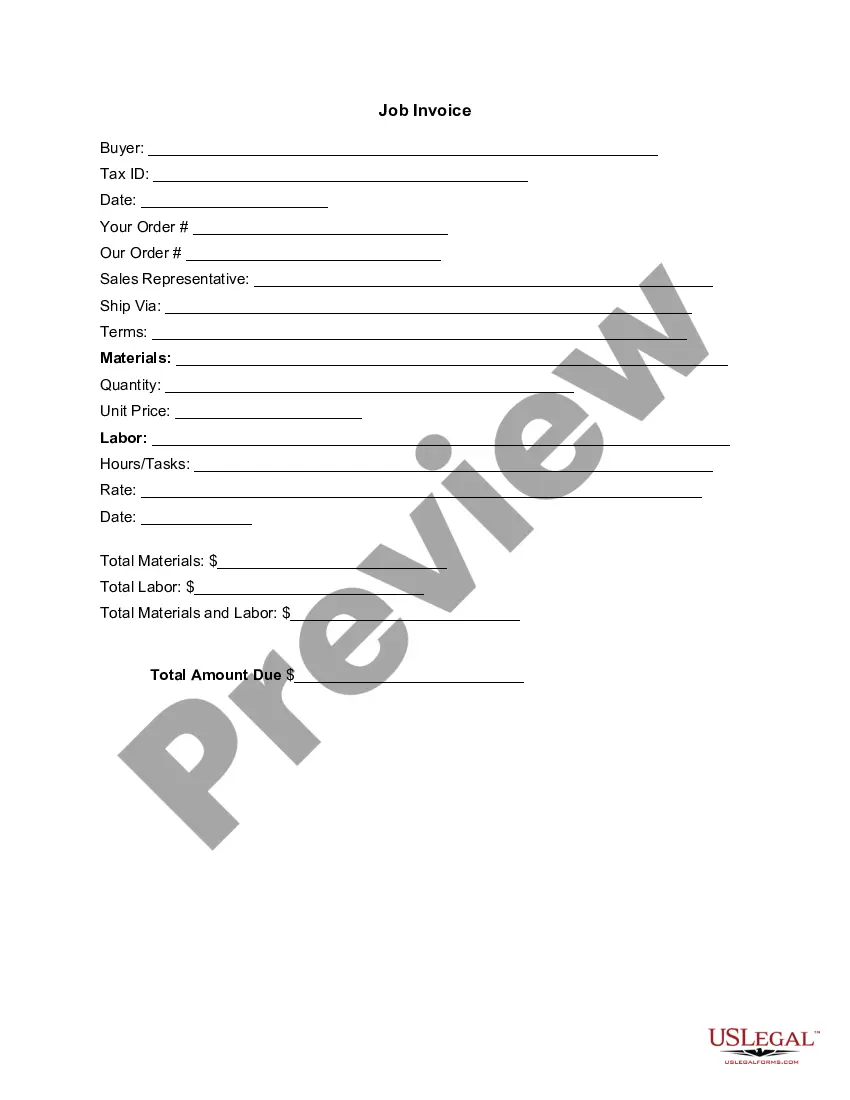
8 Things Your Consulting Invoice Should Include Your Contact Information. ... Your Client's Contact Information. ... Invoice Number. ... Invoice Date. ... Services Billed. ... Payment Terms and How to Pay. ... Notes. ... Ask for Their Billing Details in Advance.
To write an invoice for consultancy services, include your business name, contact information, client's details, invoice number, payment due date, a detailed breakdown of services provided, hourly rates (if applicable), total amount due, and accepted payment methods. Keep it clear, concise, and professional.
Information to include in a consulting services invoice. Invoice date and number. Itemized list of services, including hourly consulting rates, number of hours worked, and the date the services were provided. Subtotal of charges. Payment terms and due date.
Here's a simple guide that shows you how to invoice clients as a consultant: Track Your Hours. ... Include A Header. ... Add Your Client's Contact Details. ... Include The Invoice Date. ... Number Your Invoices. ... Clearly List Your Services. ... State Your Payment Terms. ... List the Payment Due Date.
There are a few different structures that most consultants use: An hourly rate: In this time-based arrangement, you bill by the number of hours worked. A project-based rate: Before the project begins, you and your client agree on a fixed rate based on the project.