Line Crédito
Description

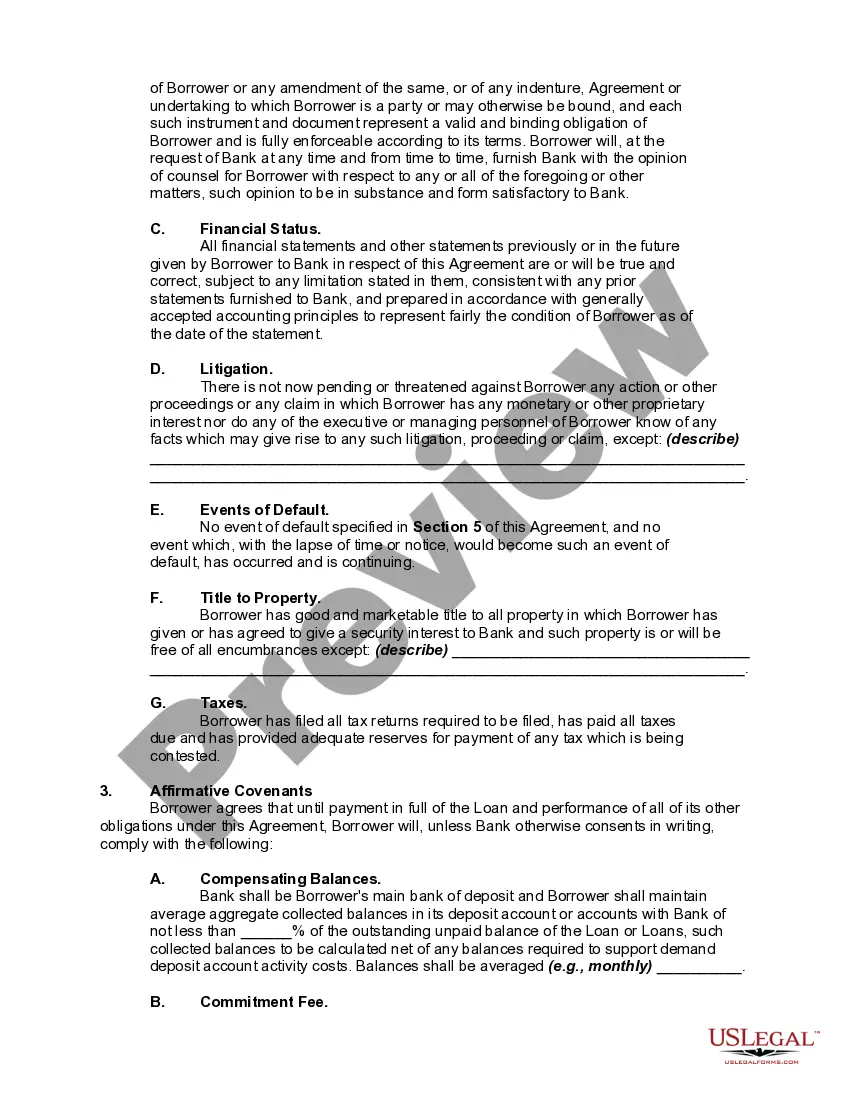
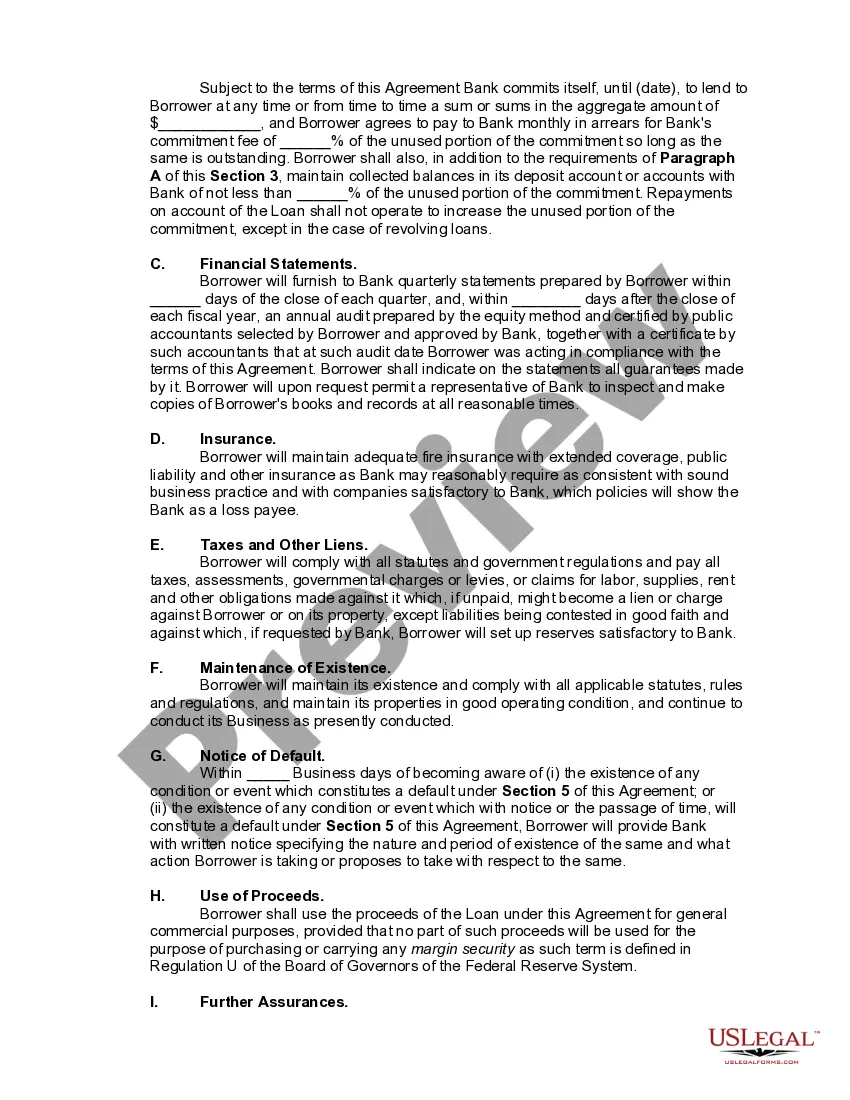

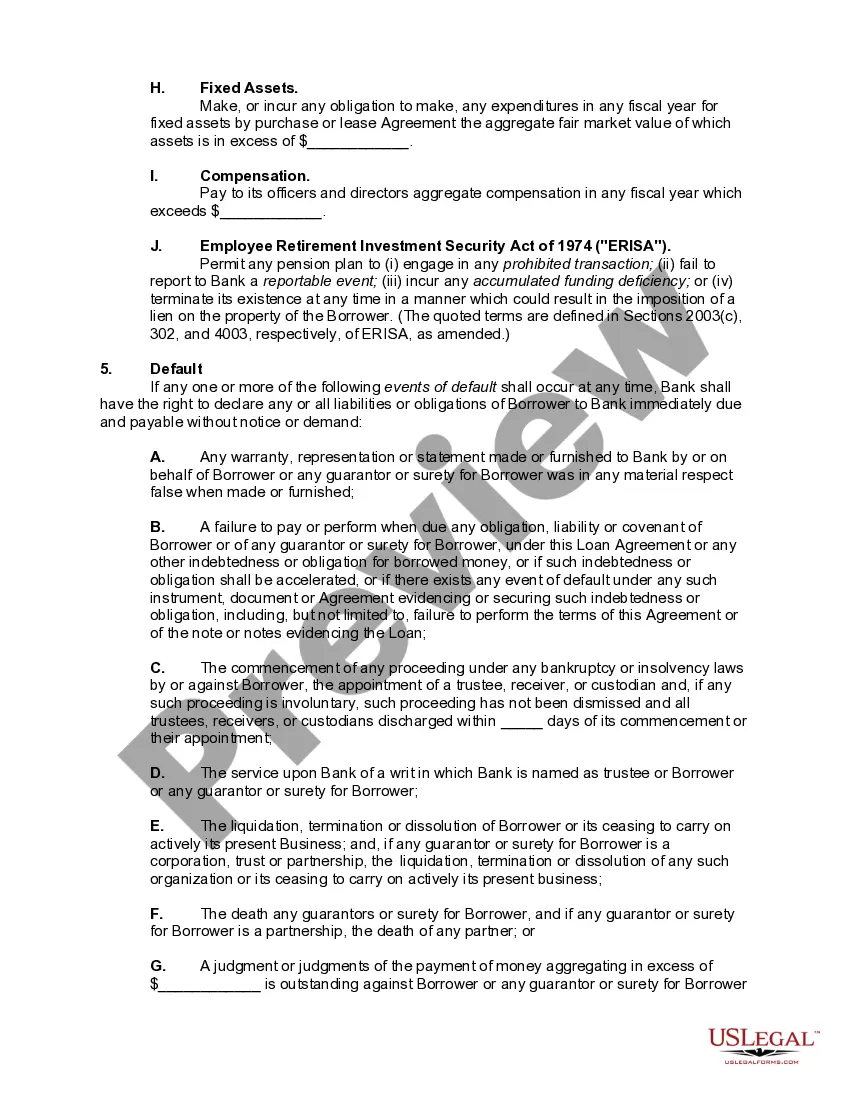
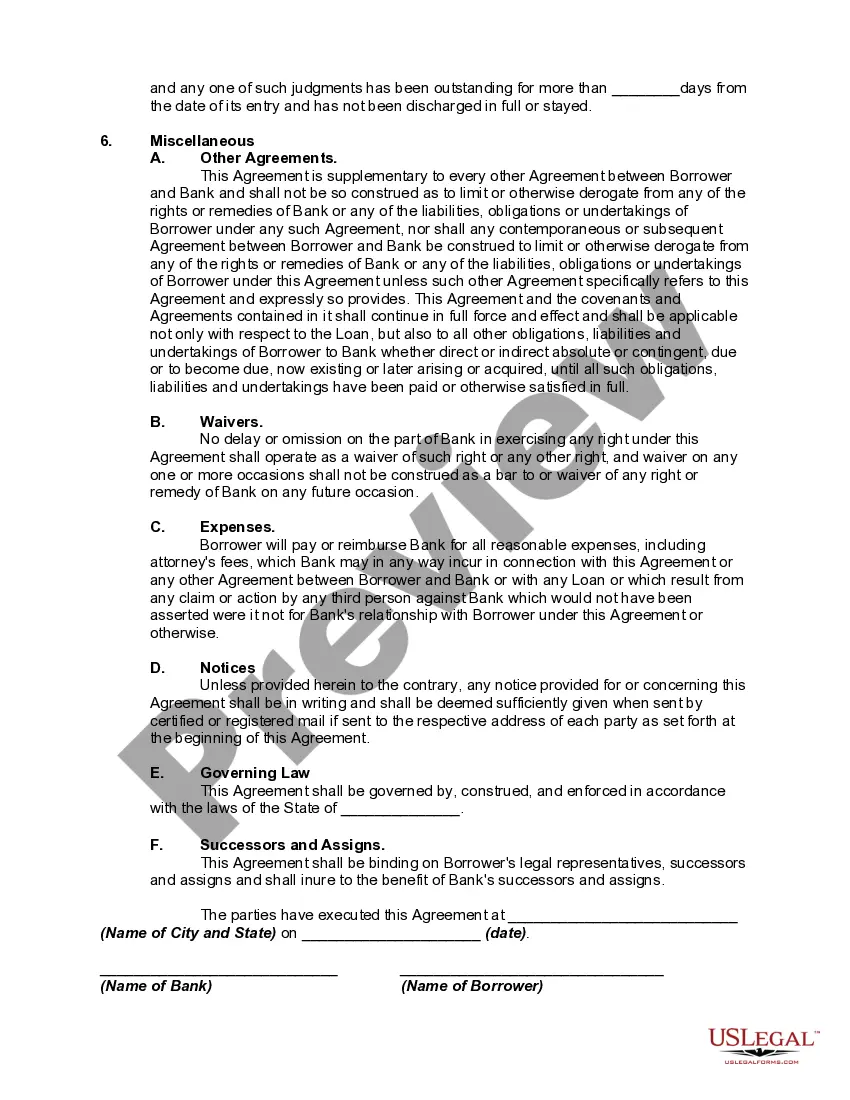




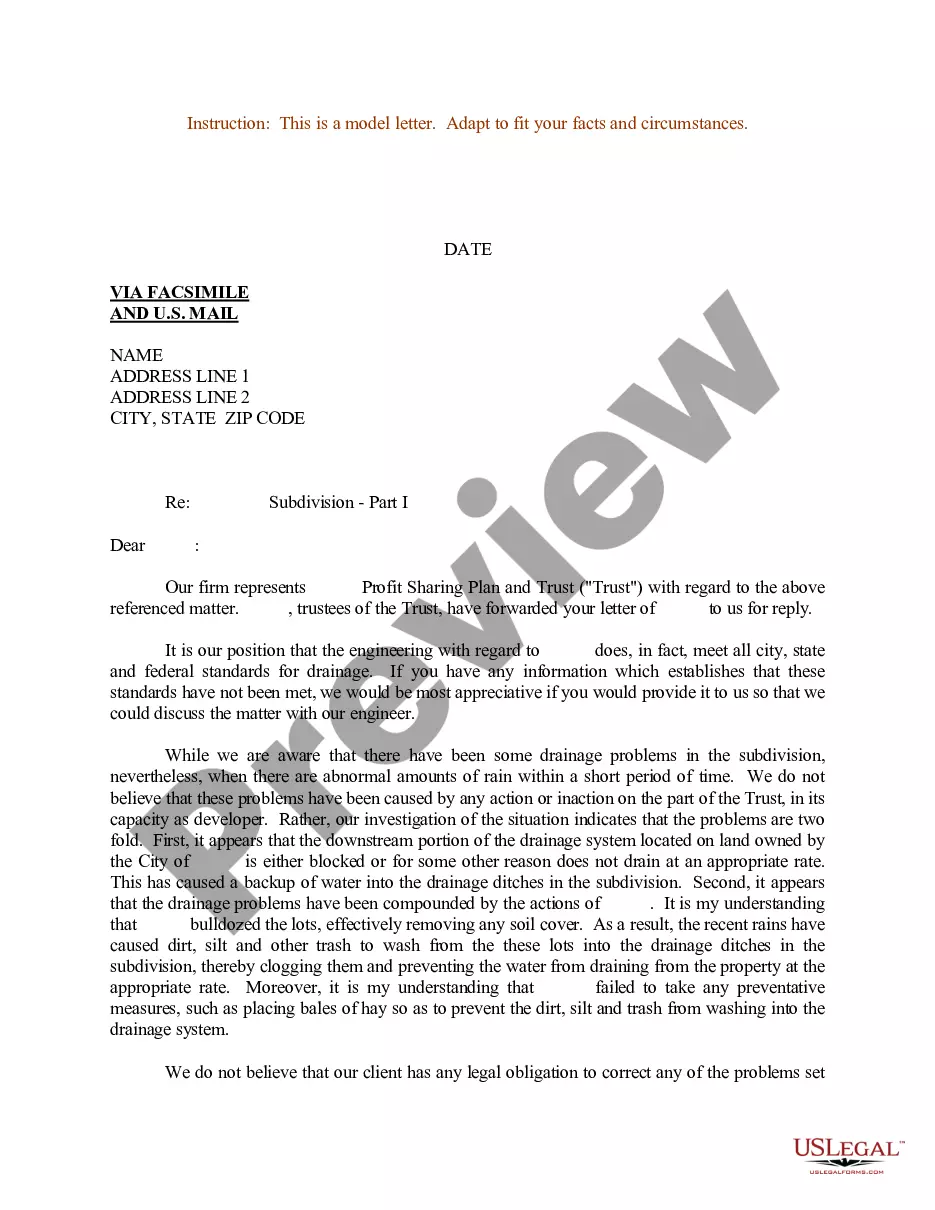
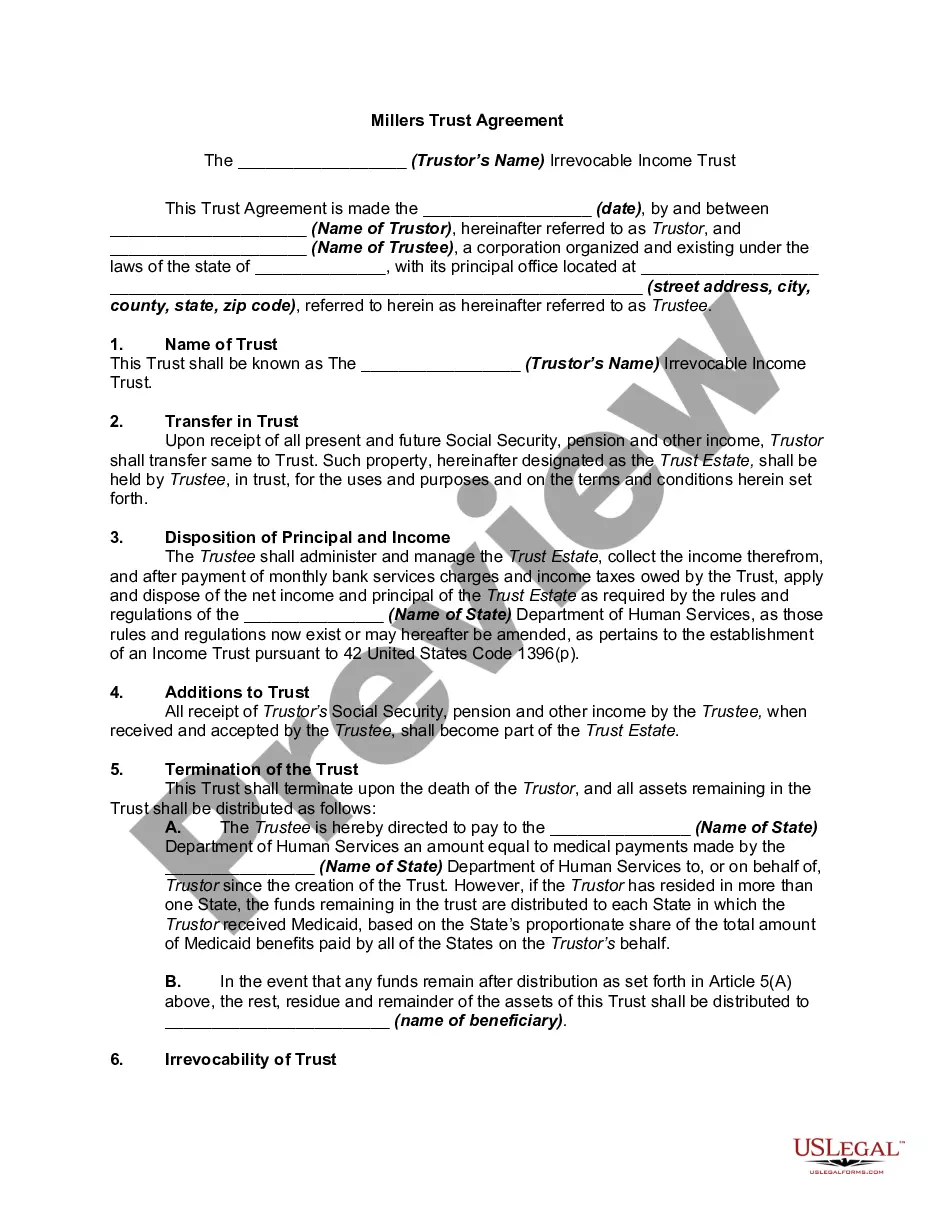

How to fill out Line Of Credit Or Loan Agreement Between Corporate Or Business Borrower And Bank?
- Log into your US Legal Forms account if you're a returning user and click the Download button to get the necessary form. Make sure your subscription is active; renew it if needed.
- For first-time users, start by previewing the form descriptions to ensure you select the right document that meets your local jurisdiction’s requirements.
- If you encounter any discrepancies, utilize the Search tab to find a suitable template that fits your needs.
- Proceed by clicking the Buy Now button and selecting your preferred subscription plan. You’ll need to create an account to access the library.
- Complete your purchase by entering your credit card details or opting for PayPal for payment.
- Finally, download your form to your device, which you can revisit anytime through the My Forms menu of your profile.
US Legal Forms stands out with its extensive collection of documents and access to premium experts for form completion, ensuring your legal needs are met accurately and efficiently.
Don’t wait to streamline your legal documentation process—visit US Legal Forms today and take the first step toward hassle-free legal solutions!
Form popularity
FAQ
To add CR LF to a text file, you typically need to adjust the file's line ending settings in your text editor before saving. For instance, in Notepad++, you can select the desired line endings through the 'Edit' menu under 'EOL Conversion'. Ensuring you have CR LF will improve compatibility with various Windows-based applications and enhance your line crédito.
To replace CRLF with LF in Notepad++, you can use the 'Edit' menu to find the 'EOL Conversion' option. Choose 'Unix (LF)' from the list to convert your line endings. This process is vital for preparing files that must conform to Unix formatting standards, enhancing the overall performance of your documents in line crédito.
The difference between CRLF and LF lies in how line endings are represented. LF, or Line Feed, is commonly used in Unix-based systems, while CR LF, or Carriage Return followed by Line Feed, is standard in Windows. Knowing this distinction is crucial for effective file management and ensuring your line crédito accommodates various operating systems.
To display CR LF in Notepad++, go to the 'View' menu, then select 'Show Symbol' and click on 'Show End of Line'. This setting reveals the hidden characters in your file, making it clear where LF and CR LF exist. Understanding these formats is essential, especially if you are managing documents where line endings affect functionality.
In Visual Studio Code, you can easily change from LF to CRLF by opening your file and looking at the bottom right corner. Click on the line ending type displayed, then select CRLF from the menu that appears. This simple adjustment helps ensure that your files are compatible with various applications, reflecting well on your line crédito.
Changing from LF to CRLF typically involves modifying your text editor's settings. Most modern text editors allow you to select the desired line ending format before saving your document. Implementing CRLF can improve usability and integration, especially when sharing files across different operating systems.
To change from LF to CR LF, you can adapt the line endings in your text editor settings. Many editors, such as Visual Studio Code and Notepad++, provide options to modify line endings during file saving. Adopting CR LF can enhance compatibility with systems that expect this format, ensuring your documents align with traditional Windows standards.
Mac systems traditionally used CR for line endings, but modern versions now adopt LF as the standard. Understanding this transition is vital when sharing files across different platforms, especially if line crédito compliance is a factor. Ensuring that you use LF for compatibility with most applications can help avoid formatting issues.
To write a newline in C, use the newline escape character, , within your file writing function. This sends a Line Feed to the file, creating a new line. Incorporating this into your programming, especially when working with line crédito applications, ensures that your output is well-structured and interpretable.
In text, LF signifies Line Feed, which indicates the end of one line and the beginning of another. It serves as a simple way to format text files, making them easier to read and process. For those managing documents with line crédito features, grasping what LF entails can lead to better data management practices.