Employee On Assignment
Description
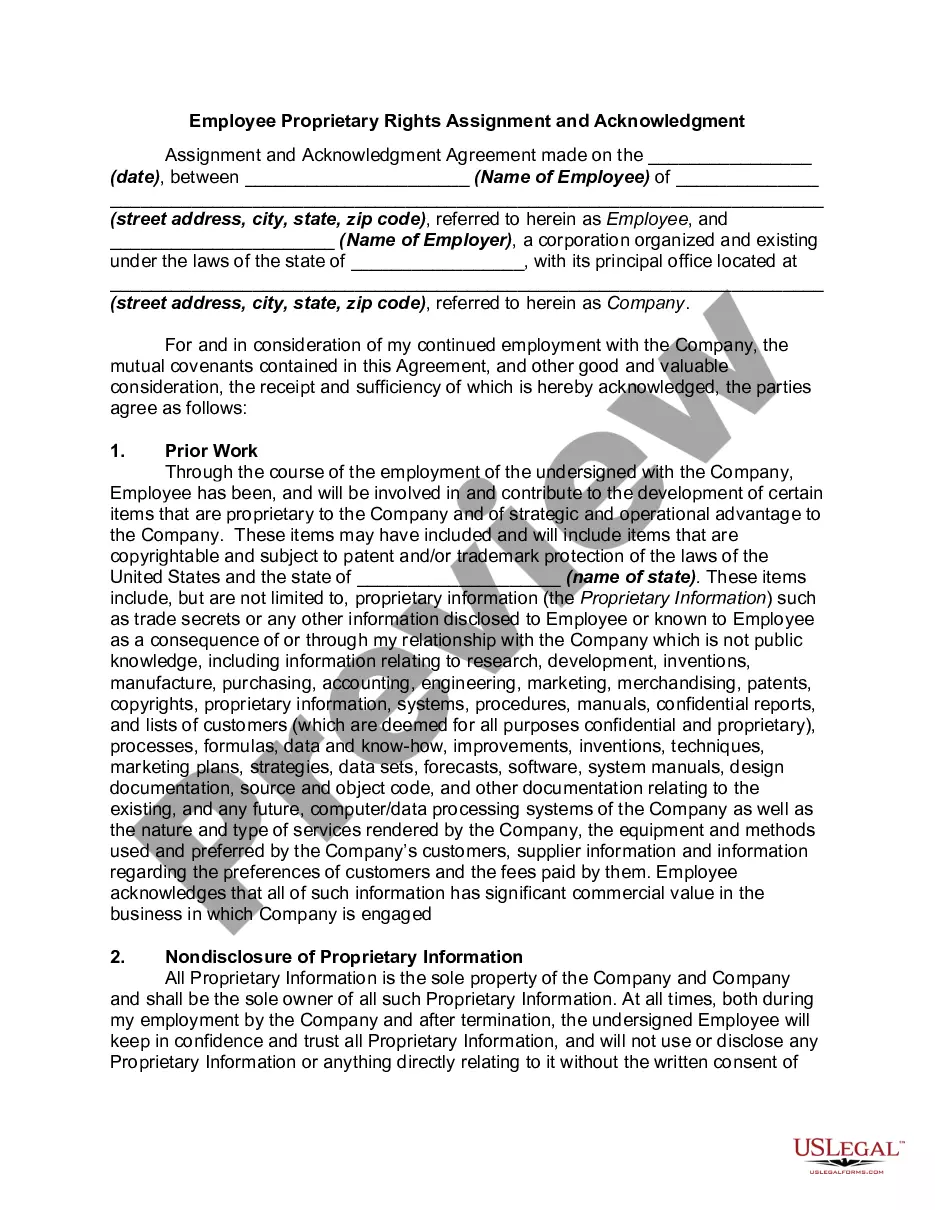
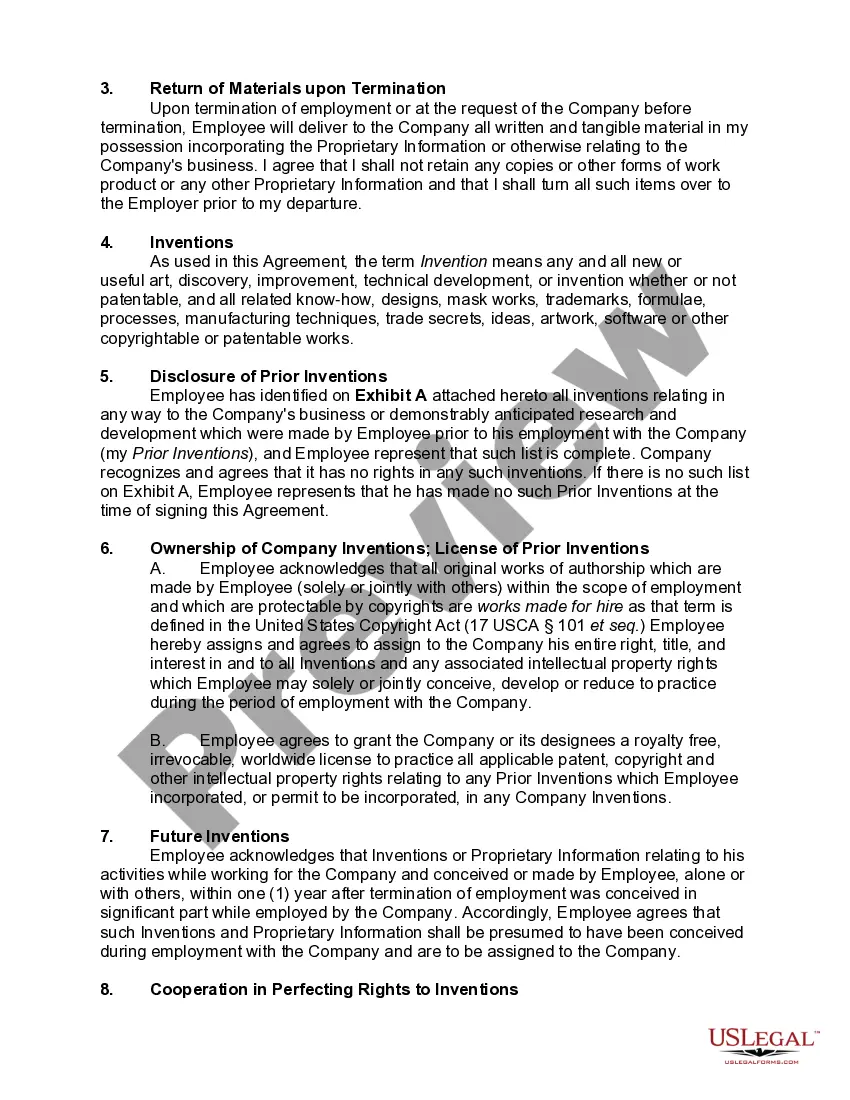
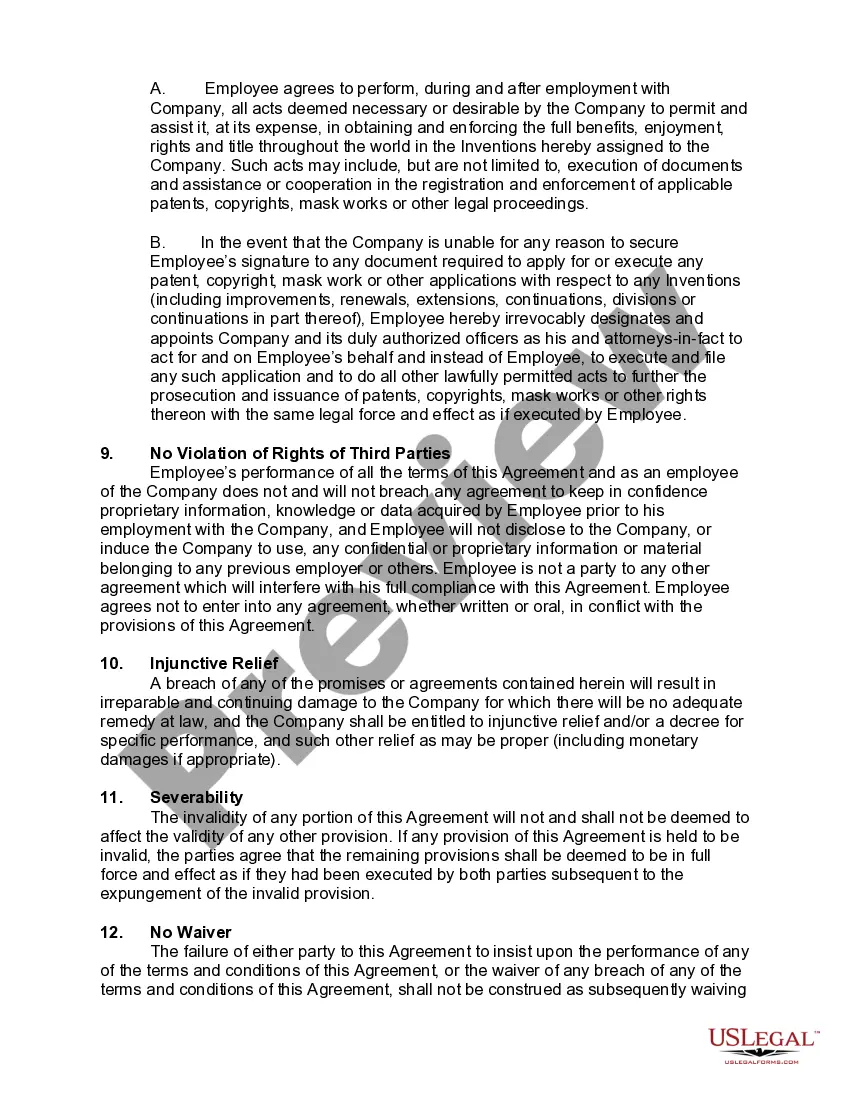
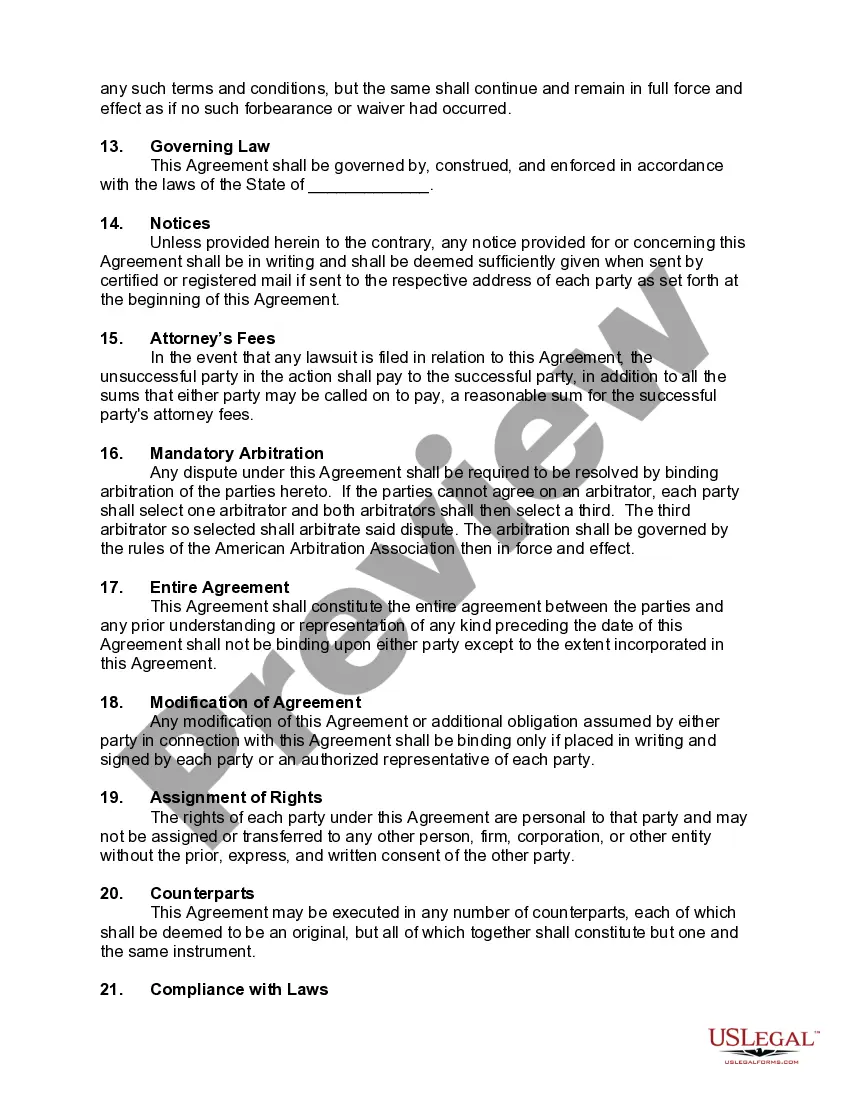
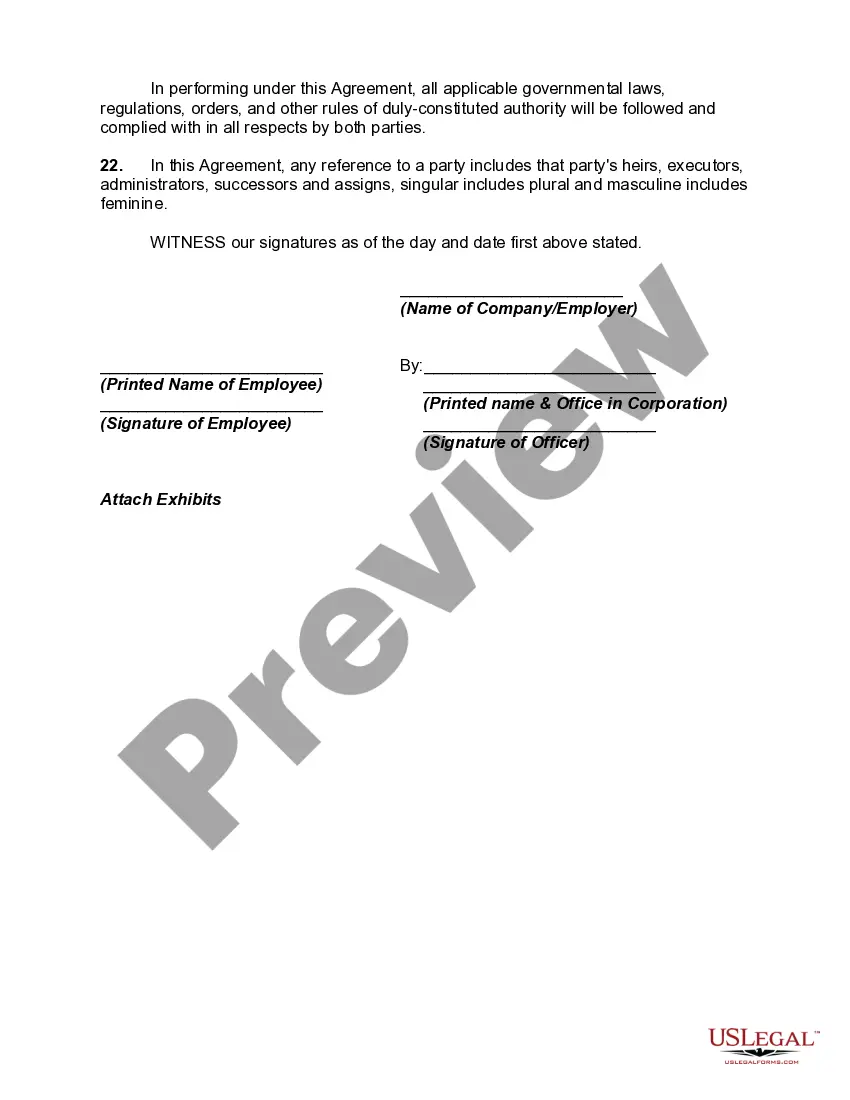
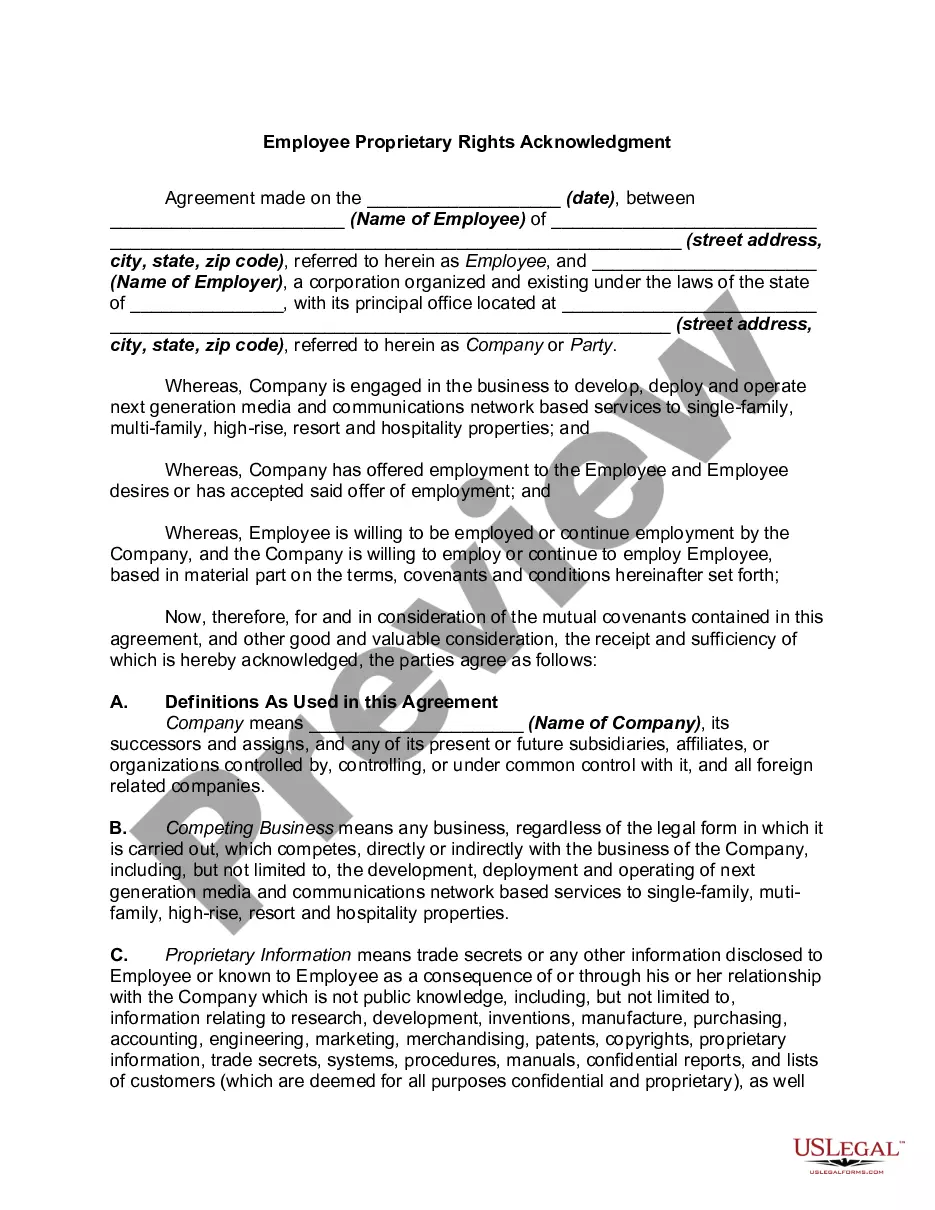
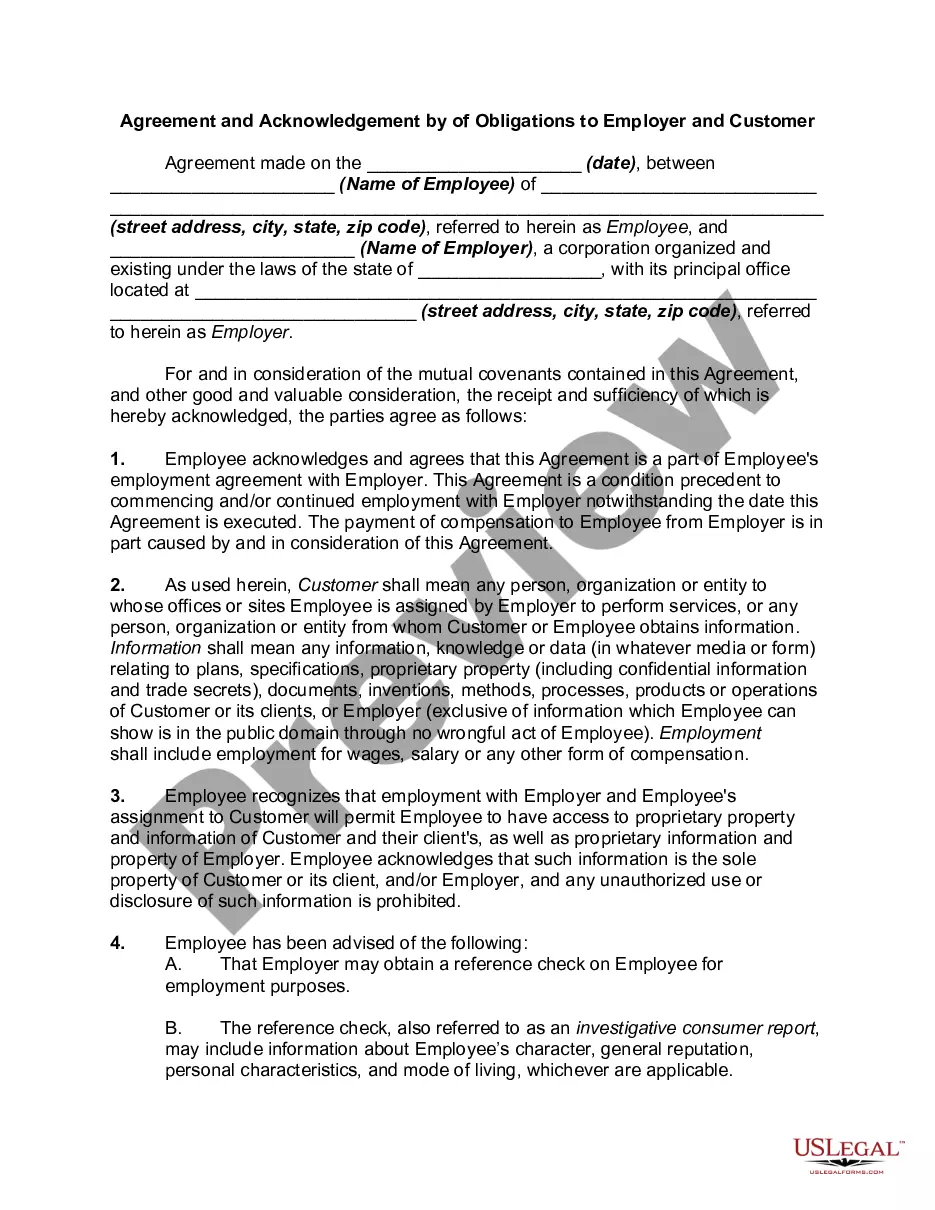
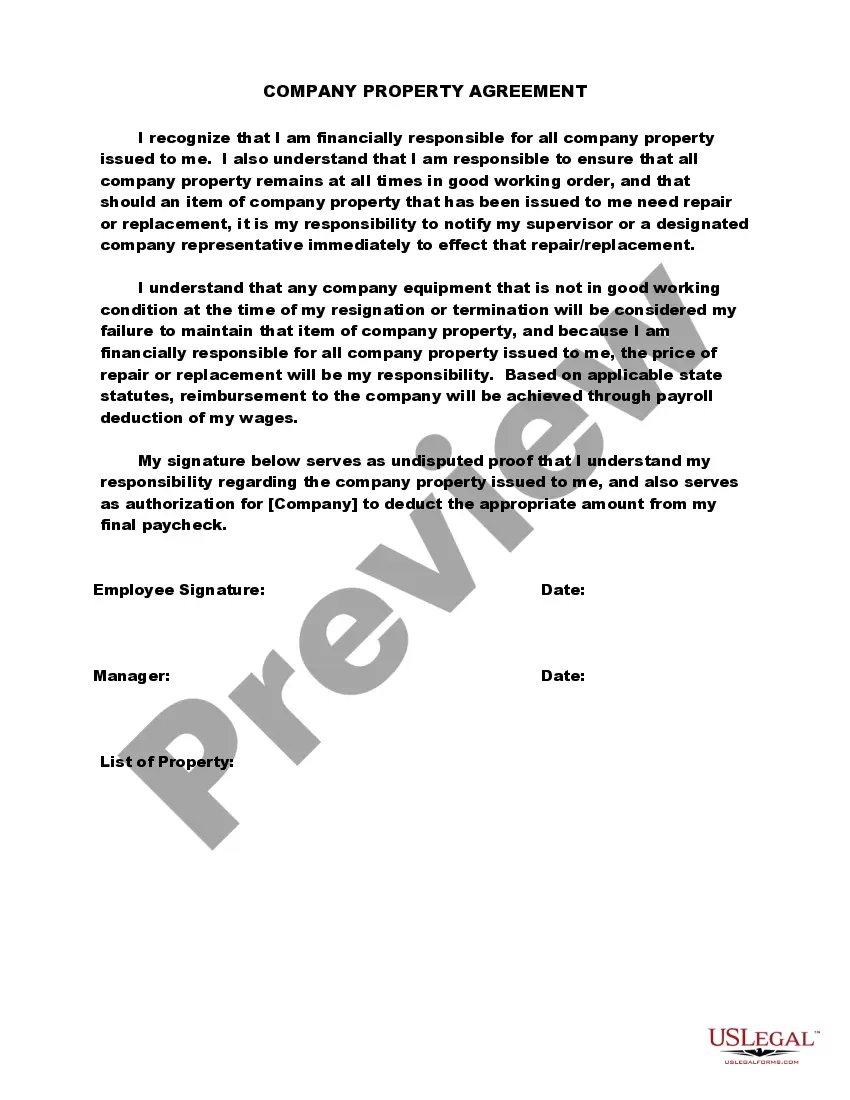
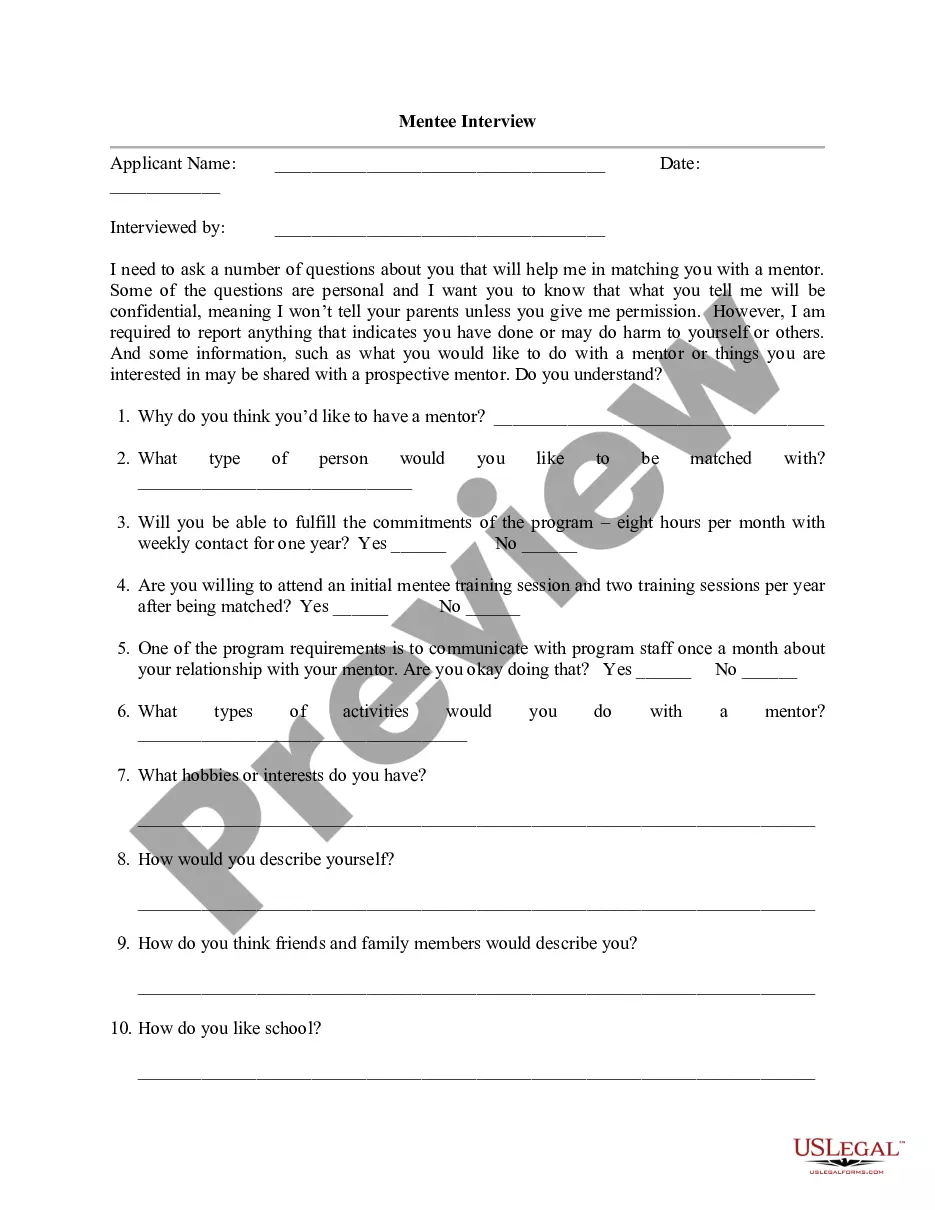
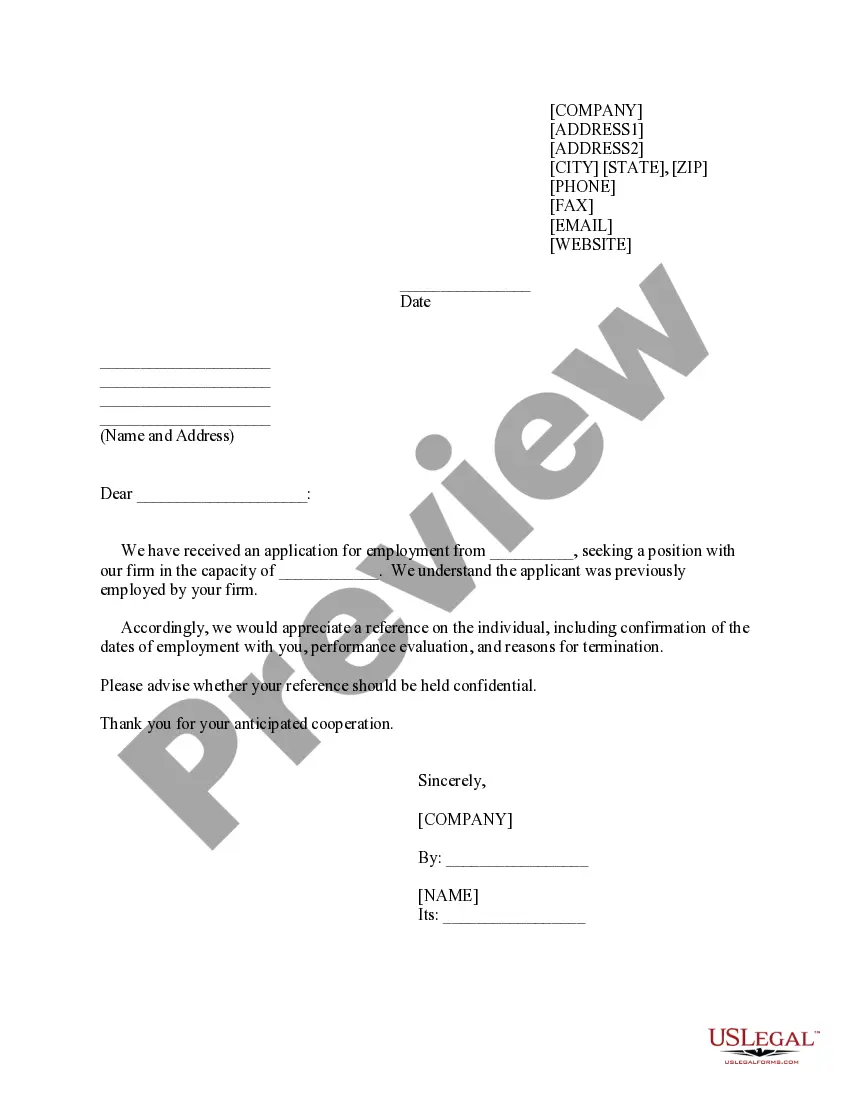
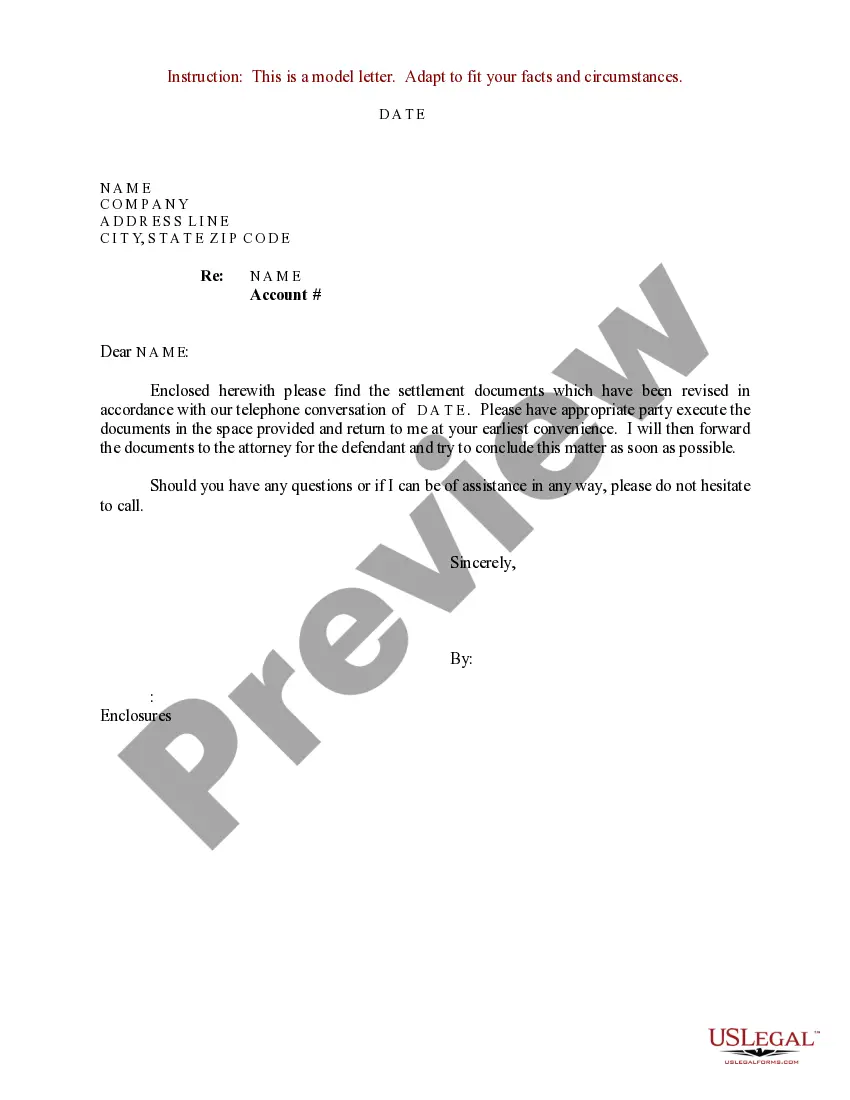
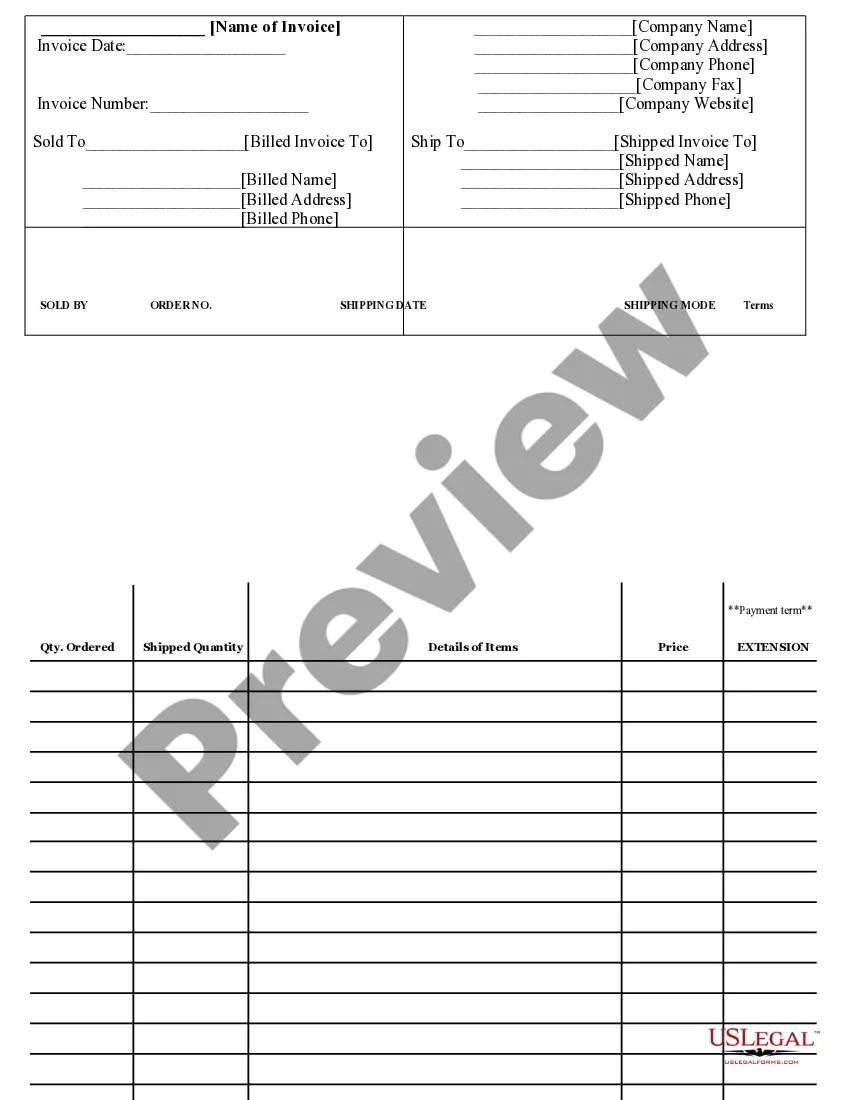
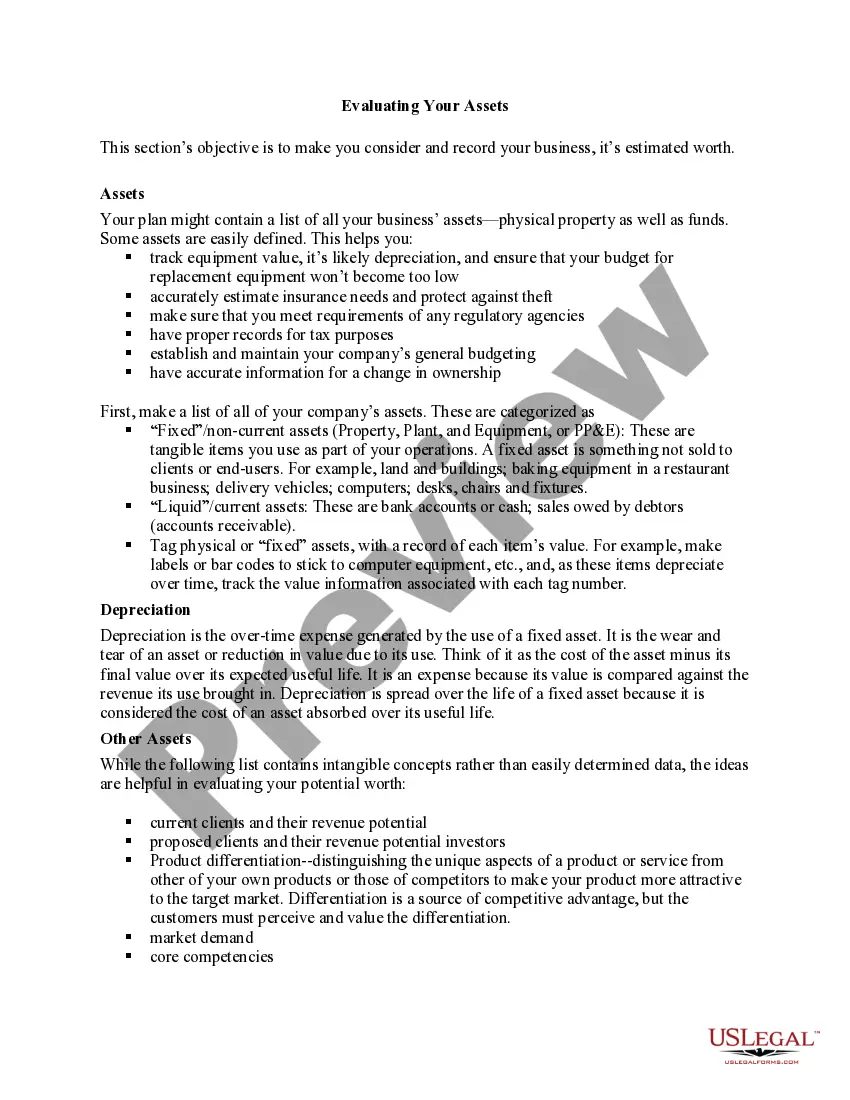
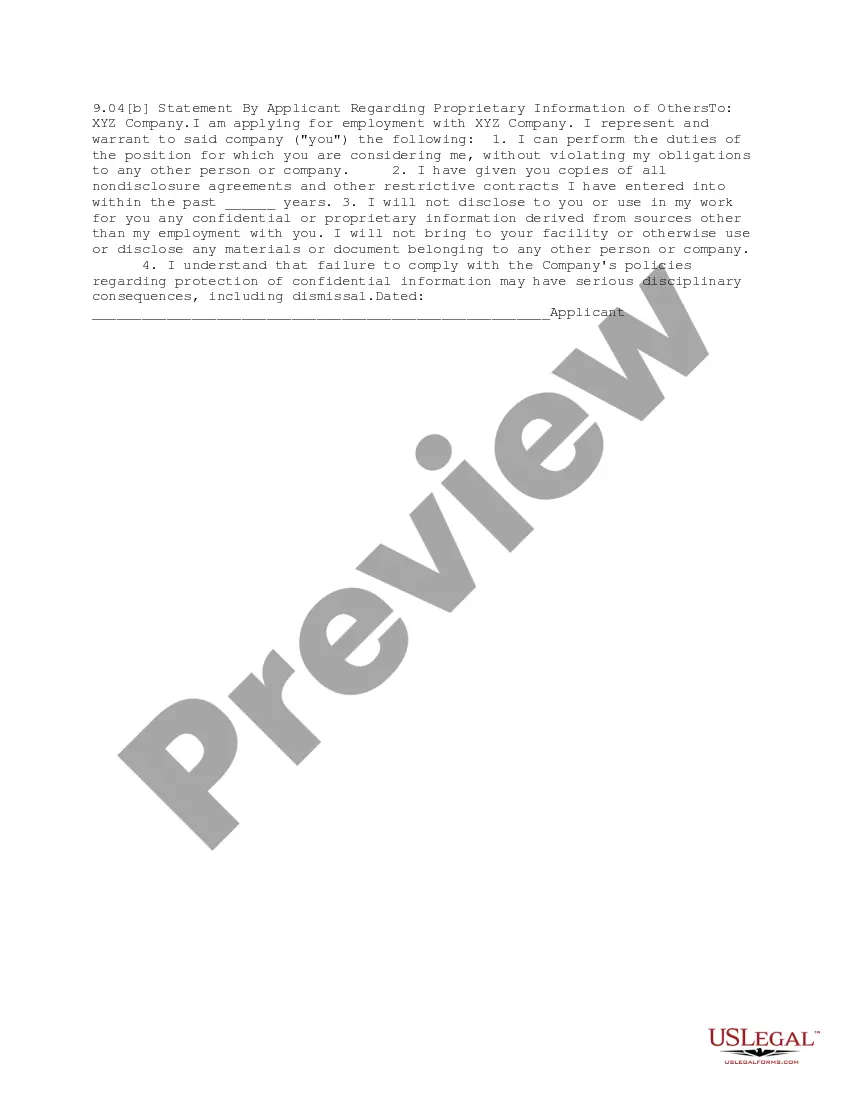
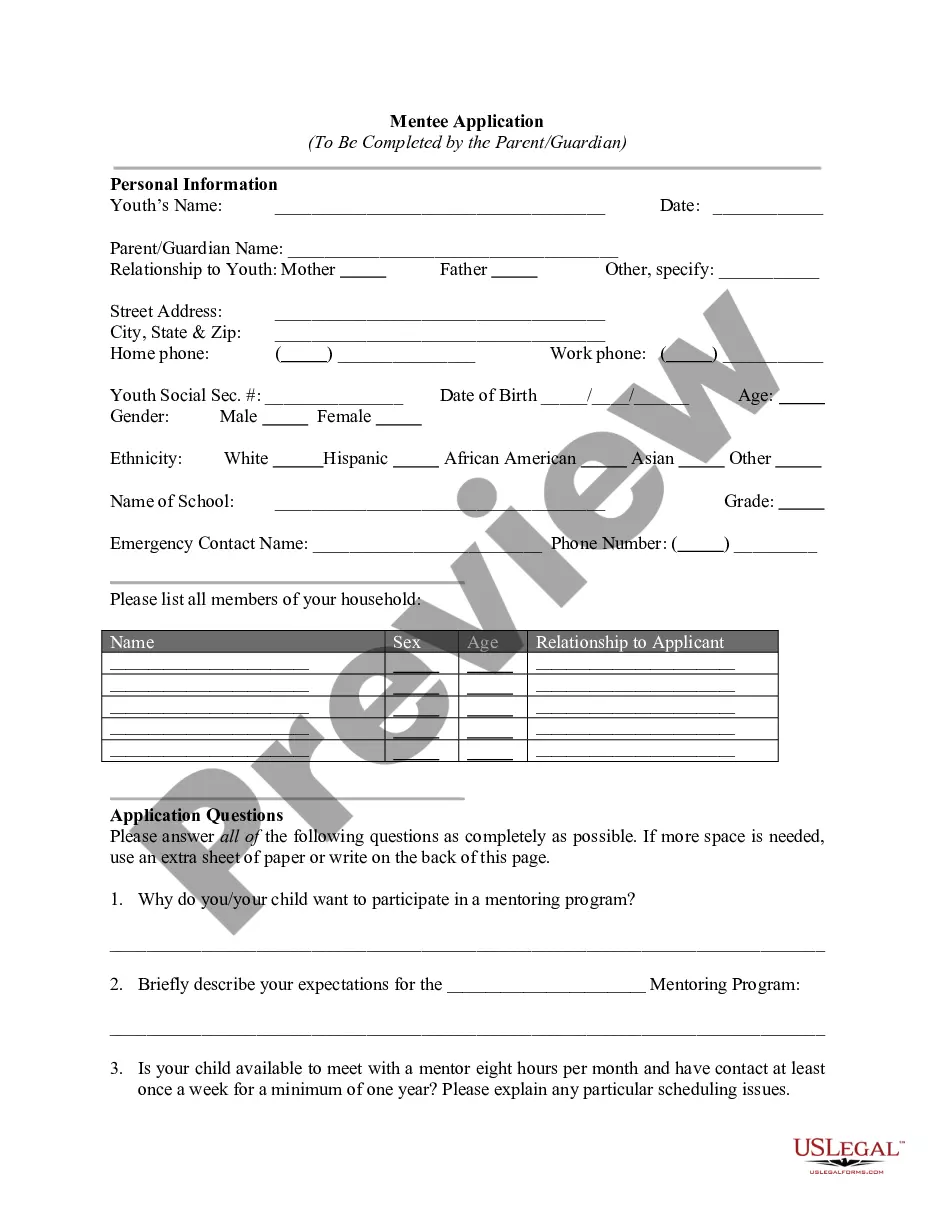
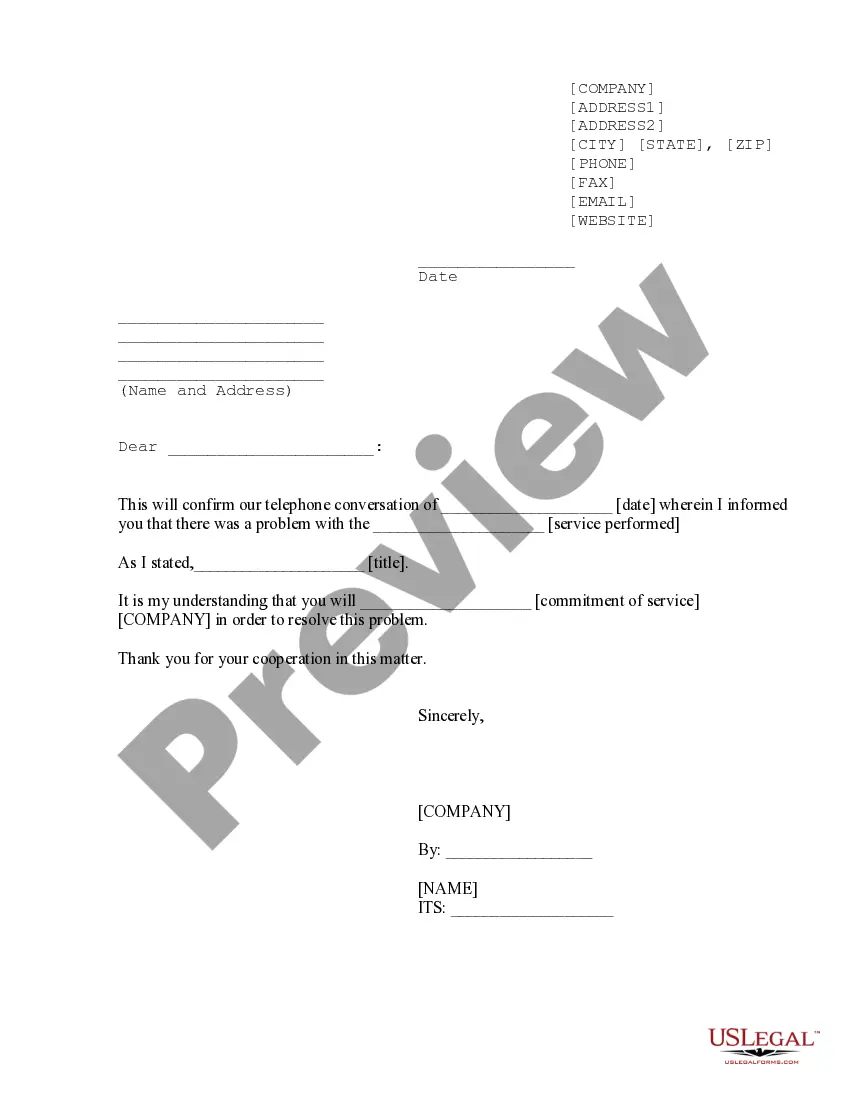
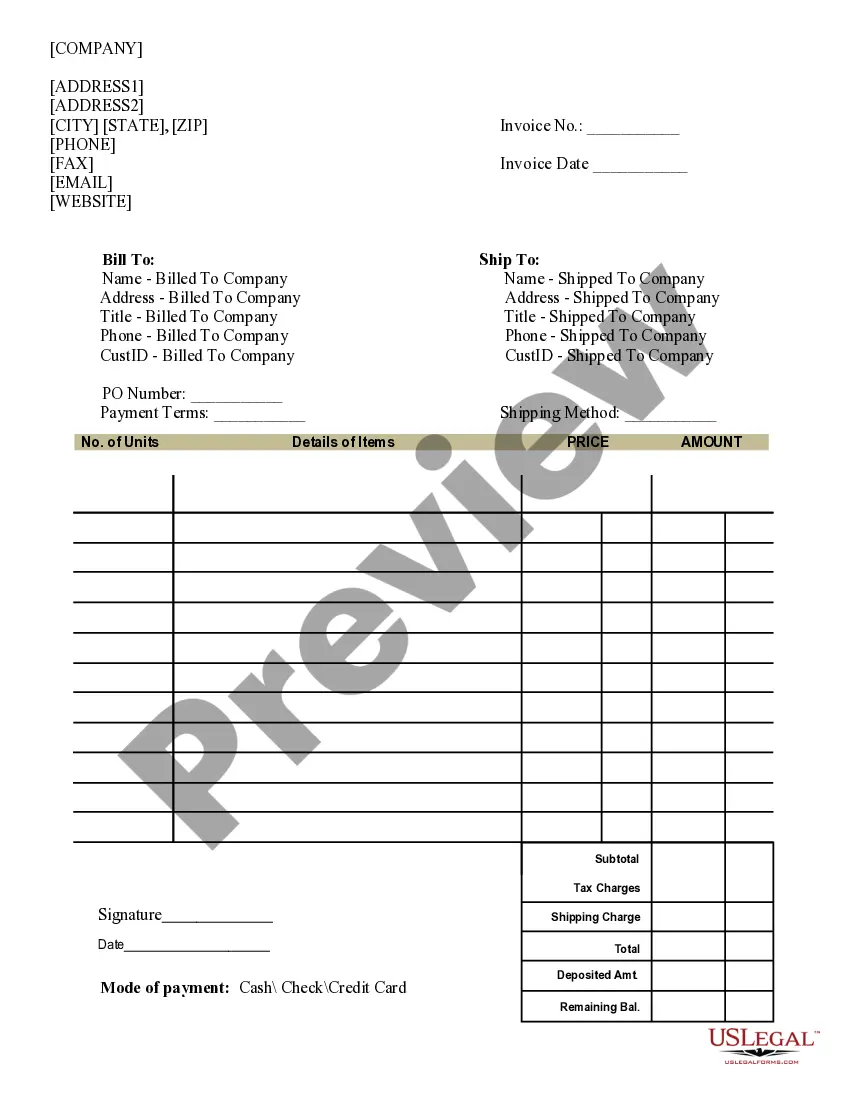
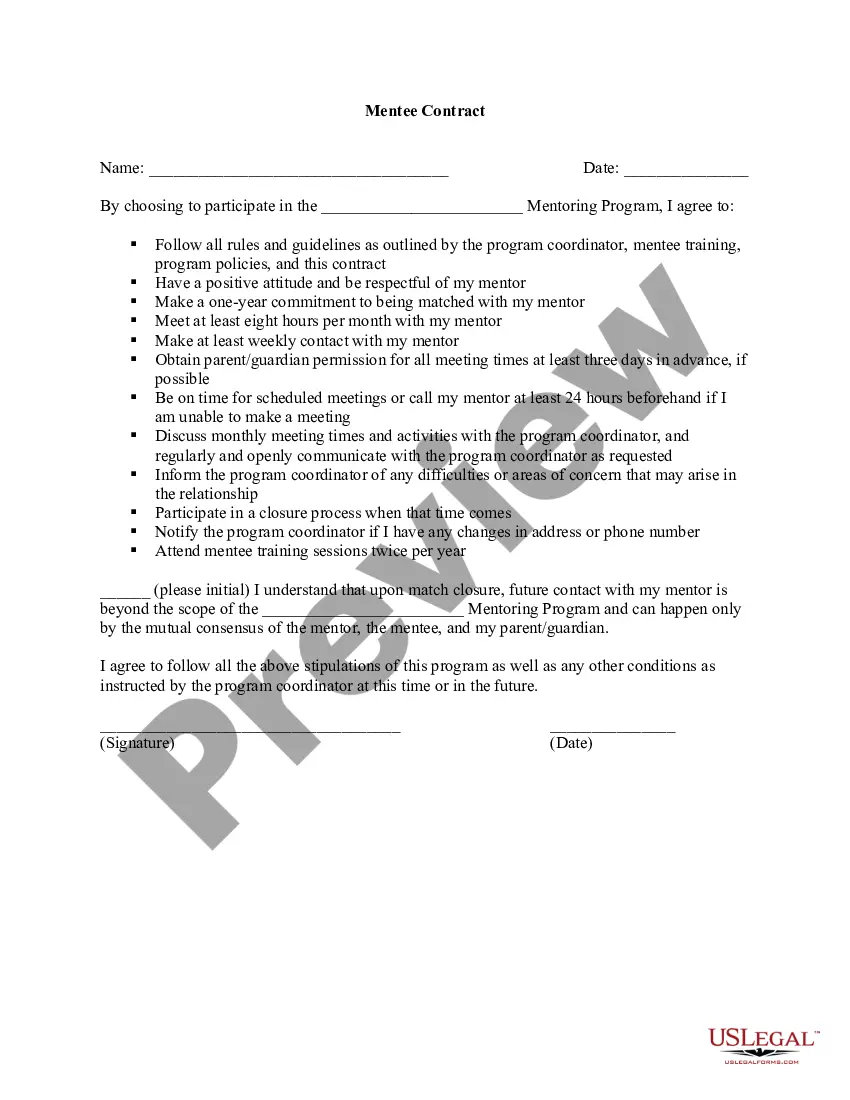
How to fill out Employee Proprietary Rights Assignment And Acknowledgment?
Utilizing legal document examples that comply with federal and local laws is crucial, and the web provides a variety of choices to select from.
However, what’s the point in squandering time searching for the suitable Employee On Assignment example online when the US Legal Forms digital library already compiles such templates in one location.
US Legal Forms is the largest online legal repository with over 85,000 customizable templates crafted by attorneys for any business and personal situation.
Review the template using the Preview feature or via the text outline to make sure it fulfills your needs.
- They are easy to navigate with all documents categorized by state and intended use.
- Our specialists keep up with legislative changes, ensuring that your form is always current and compliant when acquiring a Employee On Assignment from our site.
- Acquiring a Employee On Assignment is straightforward and swift for both existing and new users.
- If you already possess an account with a valid subscription, Log In and store the document template you need in the desired format.
- If you are new to our site, follow the steps below.
Form popularity
FAQ
The 9 80 rule is a flexible work schedule that allows employees to work 80 hours over nine days instead of the usual ten. This arrangement provides an extra day off every two weeks, which can be particularly appealing for employees on assignment. Implementing such a schedule can enhance work-life balance and boost morale. Organizations can consider this option to attract and retain talent, offering a supportive environment for employees on assignment.
If an employee on assignment struggles to grasp their responsibilities, it’s important to approach the situation with patience and support. Start with a one-on-one meeting to discuss their challenges and listen to their concerns. Providing additional training or resources can also be beneficial. If needed, platforms like US Legal Forms can offer templates and guidance to clarify job roles and expectations.
HR trigger words are specific terms that can evoke strong reactions or feelings in the workplace. These words often relate to sensitive topics, such as performance, discipline, or employee rights. For an employee on assignment, being aware of these words can help foster a more supportive and understanding environment. It’s beneficial for managers to communicate effectively, using language that promotes clarity and reduces anxiety.
When addressing an employee who struggles to understand their role, communication is key. Begin by clarifying expectations and providing support tailored to the employee on assignment. Encourage open dialogue to identify any barriers to understanding. Additionally, consider utilizing resources from platforms like US Legal Forms to provide clarity on job responsibilities or legal aspects related to the assignment.
The 4 P's of employee engagement are Purpose, People, Process, and Product. Each element plays a vital role in creating a productive atmosphere for an employee on assignment. By ensuring that employees understand their purpose, feel connected to their colleagues, have streamlined processes, and work with quality products, organizations can foster a highly engaged workforce. This engagement is crucial, especially for employees on assignment, as it enhances their commitment and productivity.
If someone is on assignment, it typically means they are temporarily tasked with specific responsibilities that may require relocation or a change in their usual work environment. This can be beneficial for both the employee and the organization, as it fosters skill development and enhances collaboration across teams. Understanding the implications of being on assignment can help employees maximize their experience and align their efforts with company objectives.
The phrase 'on assignment' indicates that an employee is currently engaged in a specific task or project, often away from their primary workplace. This can involve working in a different city or even a foreign country, depending on the needs of the organization. Being on assignment offers employees opportunities for growth and learning, allowing them to expand their professional horizons while contributing to the company's goals.
When someone is on assignment, it means they are temporarily working in a different location or position to fulfill specific job duties. This arrangement often allows employees to gain valuable experience while benefiting the organization by utilizing their skills in new ways. Understanding the purpose and scope of an assignment can help employees navigate their roles more effectively and contribute to the company's success.
An assigned employee is an individual who has been designated to work on a specific task or project, often in a different location or department. This designation may include temporary relocations or long-term assignments depending on the company's requirements. Clear communication about the roles and responsibilities of assigned employees helps ensure that expectations are met and that they feel supported during their assignment.
An ongoing assignment refers to a situation where an employee is currently engaged in a work assignment that has no predetermined end date. This type of assignment often allows for flexibility and adaptability based on the employee’s performance and the needs of the organization. Understanding the nature of an ongoing assignment is crucial for both management and employees, as it can impact job security and career development.