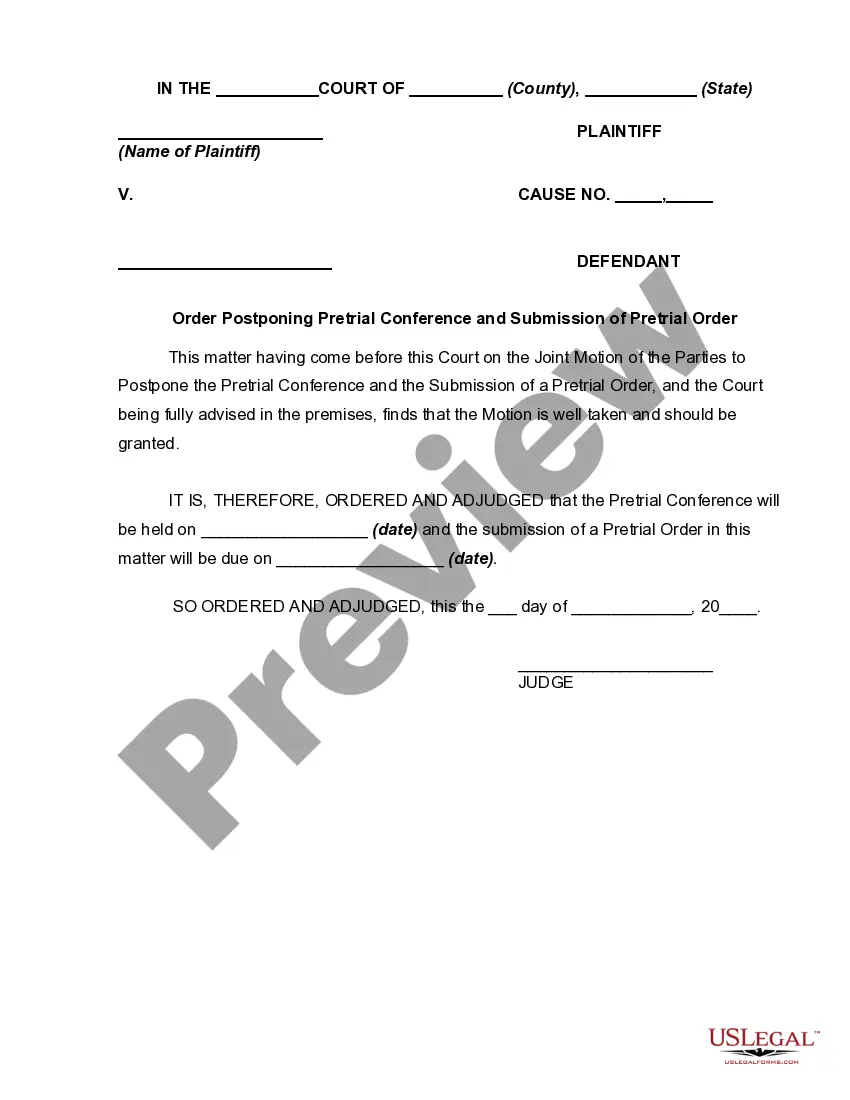
Pretrial Court Motion For Relief
Description
Get your form ready online
Our built-in tools help you complete, sign, share, and store your documents in one place.
Make edits, fill in missing information, and update formatting in US Legal Forms—just like you would in MS Word.
Download a copy, print it, send it by email, or mail it via USPS—whatever works best for your next step.
Sign and collect signatures with our SignNow integration. Send to multiple recipients, set reminders, and more. Go Premium to unlock E-Sign.
If this form requires notarization, complete it online through a secure video call—no need to meet a notary in person or wait for an appointment.
We protect your documents and personal data by following strict security and privacy standards.

Make edits, fill in missing information, and update formatting in US Legal Forms—just like you would in MS Word.

Download a copy, print it, send it by email, or mail it via USPS—whatever works best for your next step.

Sign and collect signatures with our SignNow integration. Send to multiple recipients, set reminders, and more. Go Premium to unlock E-Sign.

If this form requires notarization, complete it online through a secure video call—no need to meet a notary in person or wait for an appointment.

We protect your documents and personal data by following strict security and privacy standards.
Looking for another form?





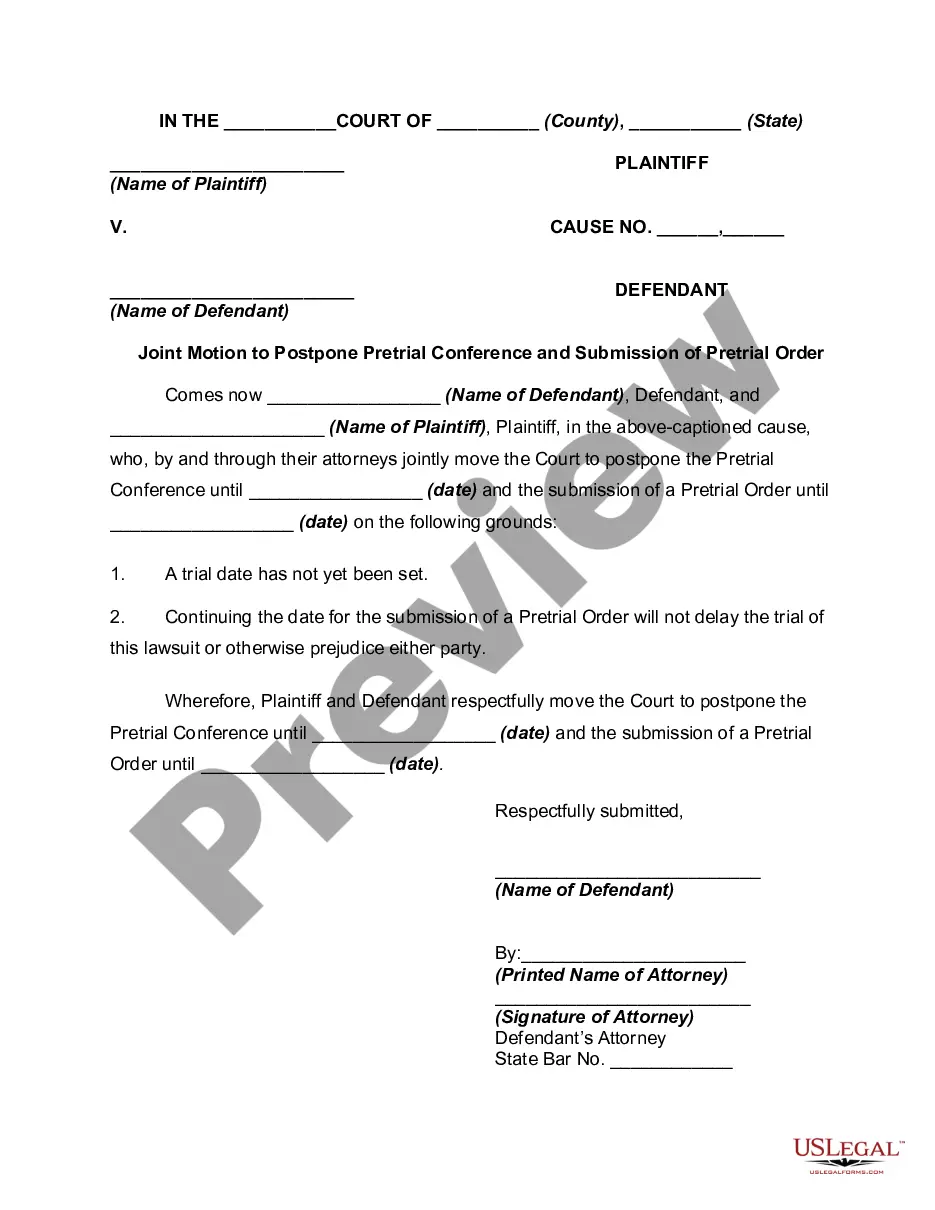
How to fill out Order Postponing Pretrial Conference And Submission Of Pretrial Order?
Regardless of whether for corporate reasons or personal matters, everyone must handle legal circumstances at some point in their lives.
Filling out legal documents necessitates meticulous attention, starting with choosing the correct form sample.
With an extensive catalog from US Legal Forms available, you won’t have to waste time searching for the appropriate template online. Utilize the library’s easy navigation to discover the right form for any situation.
- Locate the template you need by utilizing the search box or browse through the catalog.
- Review the form’s description to verify it aligns with your case, state, and area.
- Click on the form’s preview to view it.
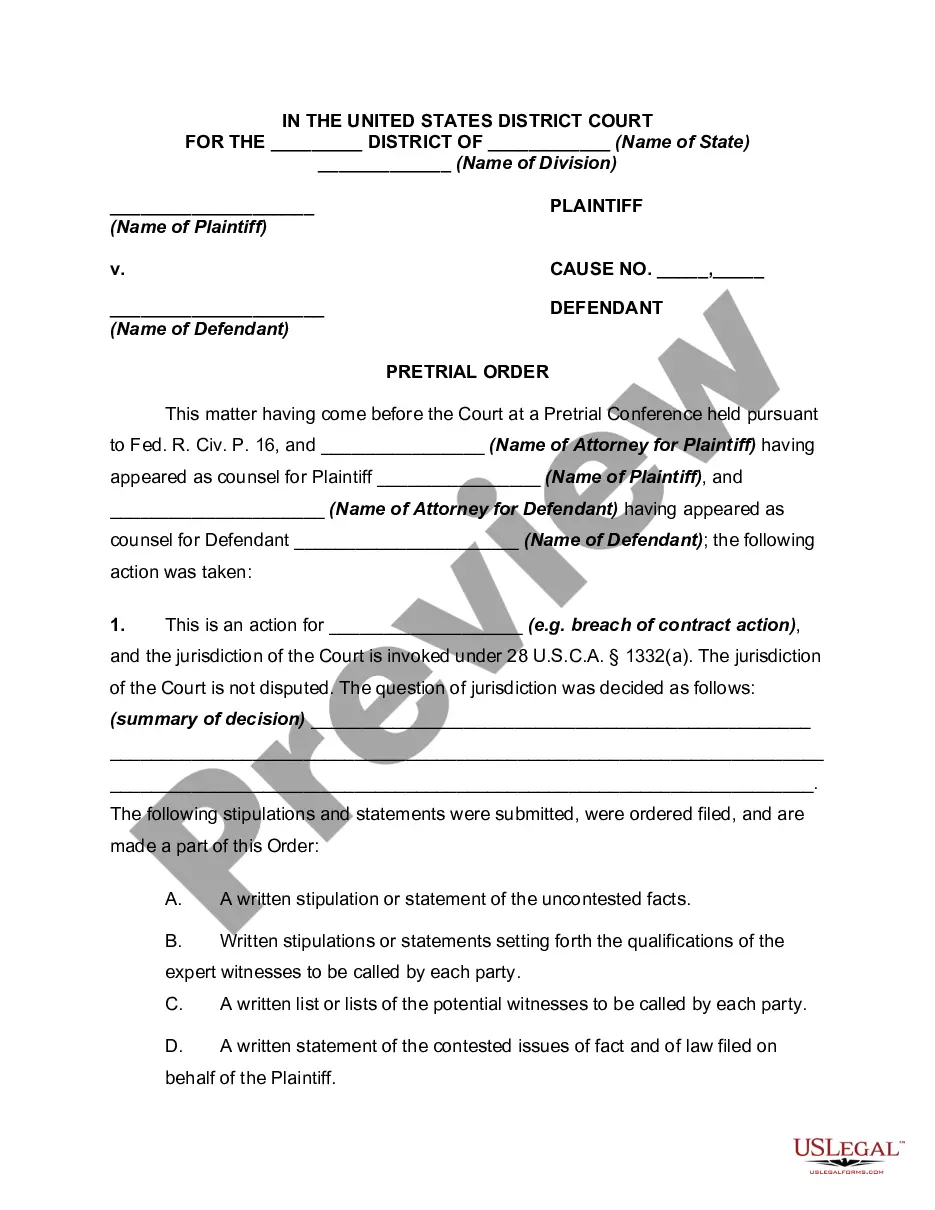
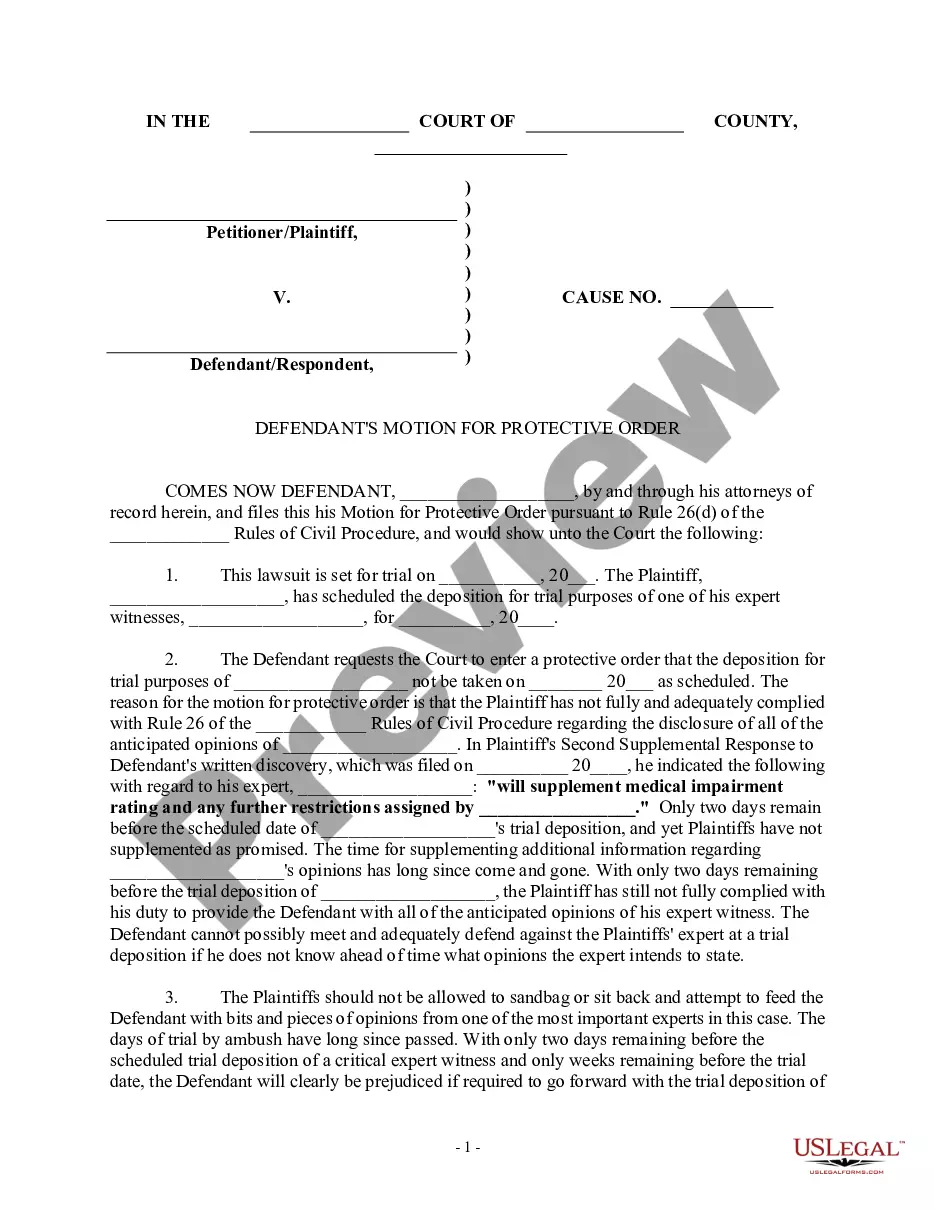
- If it is the wrong document, return to the search feature to find the Pretrial Court Motion For Relief sample you need.
- Download the template when it satisfies your needs.
- If you already possess a US Legal Forms account, simply click Log in to access previously stored documents in My documents.
- If you haven’t registered yet, you can download the form by clicking Buy now.
- Select the suitable pricing option.
- Fill out the account registration form.
- Choose your payment method: you can use a credit card or PayPal account.
- Select the document format you prefer and download the Pretrial Court Motion For Relief.
- Once it is downloaded, you can complete the form using editing software or print it and fill it out by hand.
Form popularity
FAQ
To ask the court for relief, you must file a formal motion outlining your request and supporting reasons. This process may involve drafting a pretrial court motion for relief that articulately presents your case. Accessing templates and legal guidance from platforms like USLegalForms can make this task easier and more efficient. Take the time to ensure your motion is clear and compelling.
Yes, a case can be dismissed at a pre-trial hearing if there are valid grounds for dismissal. This often happens if the evidence is insufficient to support the charges. A pretrial court motion for relief may result in dismissal if it demonstrates that continuing the case would serve no purpose. It's essential to consult resources like USLegalForms to guide you through this critical phase.
A pretrial motion is a request made to the court before a trial begins, often to resolve certain legal issues. This motion can address various matters, including the admissibility of evidence or changes in legal representation. A pretrial court motion for relief can help you seek justice or rectify a prior ruling. Utilizing platforms like USLegalForms can simplify this process.
The three pretrial rights of the accused typically include the right to a fair hearing, the right to legal counsel, and the right to remain silent. These rights are fundamental for ensuring justice within the legal system. During a pretrial court motion for relief, you can assert these rights effectively. Resources like USLegalForms can help you understand and protect your rights.
Three common types of pretrial motions include motions to dismiss, motions for summary judgment, and motions in limine. Each type serves a unique purpose in shaping the trial process. A pretrial court motion for relief can be used in these situations to address specific legal issues before the trial begins. Understanding these motions can help you build a strong foundation for your case.
The grounds for relief from judgment often include newly discovered evidence, fraud, clerical mistakes, or lack of jurisdiction. These factors can significantly impact the outcome of a case. A pretrial court motion for relief can be an effective way to request the court to reconsider its decisions. Many individuals turn to resources like USLegalForms to navigate this complex process.
Filing a pretrial court motion for relief without a lawyer is manageable. Begin by understanding the specific rules of your local court regarding motion filings, as these can vary. Prepare your motion, including all relevant facts and legal grounds. To simplify the process, utilize resources like US Legal Forms to access templates and instructions that can help streamline your filing process.
To write a letter to file a pretrial court motion for relief, start with your contact information and the court's address at the top of the letter. Clearly state the purpose of your letter, which is to file your motion, and provide a brief summary of the relief you seek. Include any necessary case details, such as your case number, and sign the letter. For additional guidance, consider using templates from US Legal Forms to ensure you include all important elements.
The three most common pretrial motions include motions to dismiss, motions for summary judgment, and motions to suppress evidence. These motions allow parties to challenge aspects of the opposing party's case before trial, potentially preventing unnecessary legal proceedings. Understanding how to file an effective pretrial court motion for relief can lead to significant advantages in court.
All motions must include a clear statement of the relief sought, the grounds for the request, and the relevant facts or evidence supporting the argument. These elements ensure that the court can understand the request and make a reasoned decision. When constructing a pretrial court motion for relief, it's essential to present each of these components effectively and thoroughly.