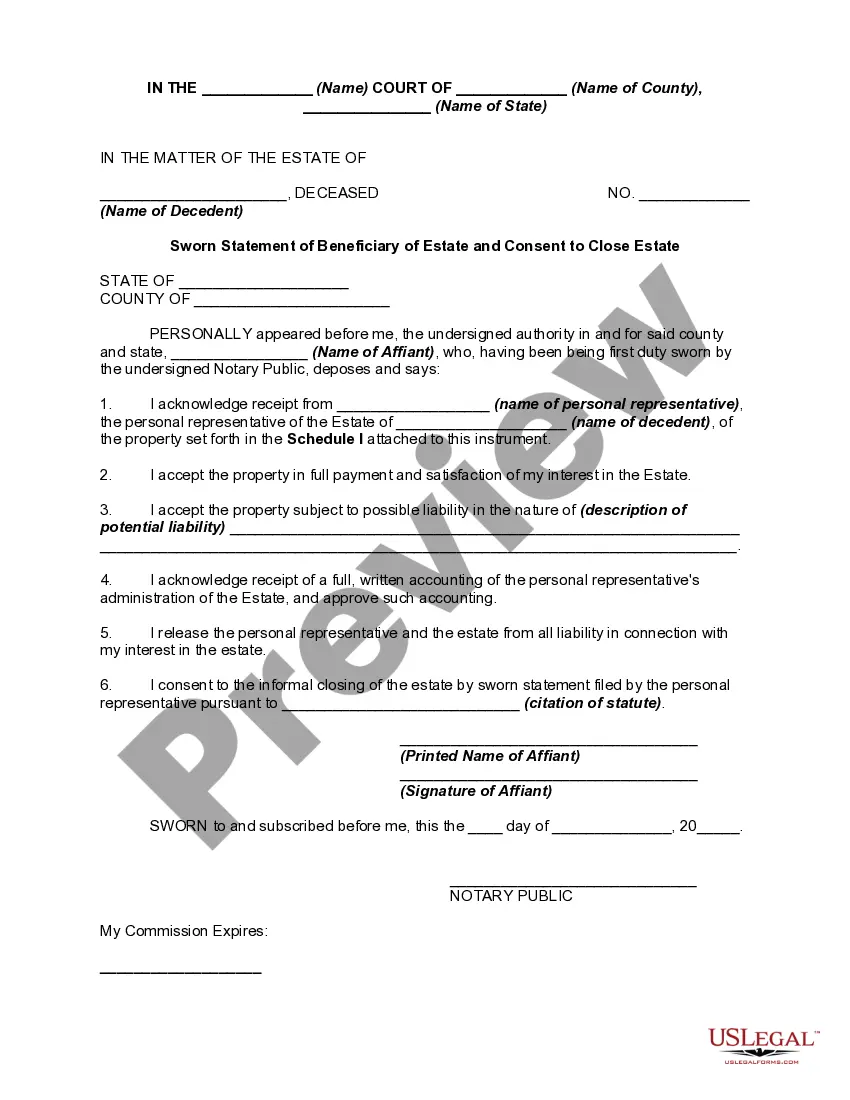
Beneficiary Estate By Default
Description
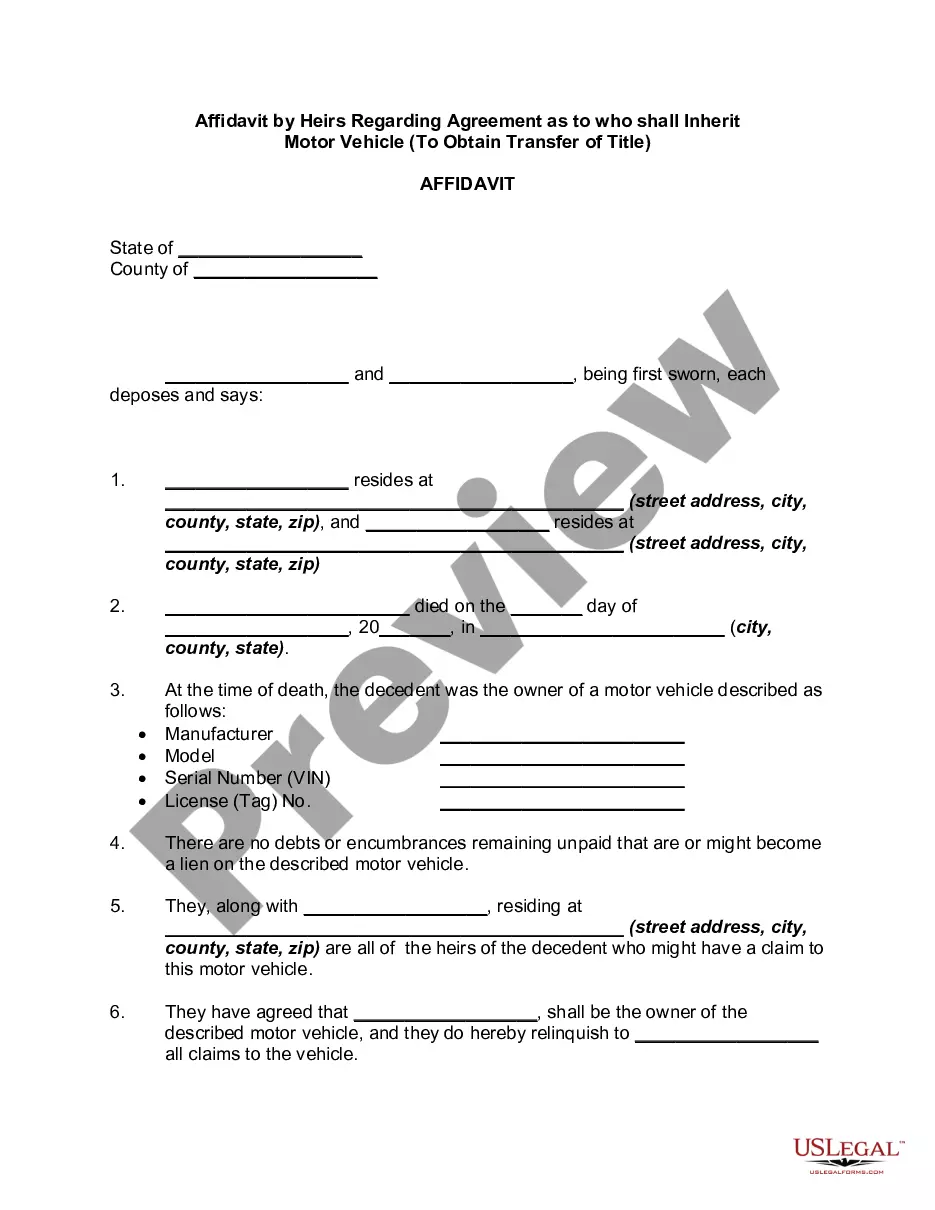
Get your form ready online
Our built-in tools help you complete, sign, share, and store your documents in one place.
Make edits, fill in missing information, and update formatting in US Legal Forms—just like you would in MS Word.
Download a copy, print it, send it by email, or mail it via USPS—whatever works best for your next step.
Sign and collect signatures with our SignNow integration. Send to multiple recipients, set reminders, and more. Go Premium to unlock E-Sign.
If this form requires notarization, complete it online through a secure video call—no need to meet a notary in person or wait for an appointment.
We protect your documents and personal data by following strict security and privacy standards.

Make edits, fill in missing information, and update formatting in US Legal Forms—just like you would in MS Word.

Download a copy, print it, send it by email, or mail it via USPS—whatever works best for your next step.

Sign and collect signatures with our SignNow integration. Send to multiple recipients, set reminders, and more. Go Premium to unlock E-Sign.

If this form requires notarization, complete it online through a secure video call—no need to meet a notary in person or wait for an appointment.

We protect your documents and personal data by following strict security and privacy standards.
Looking for another form?






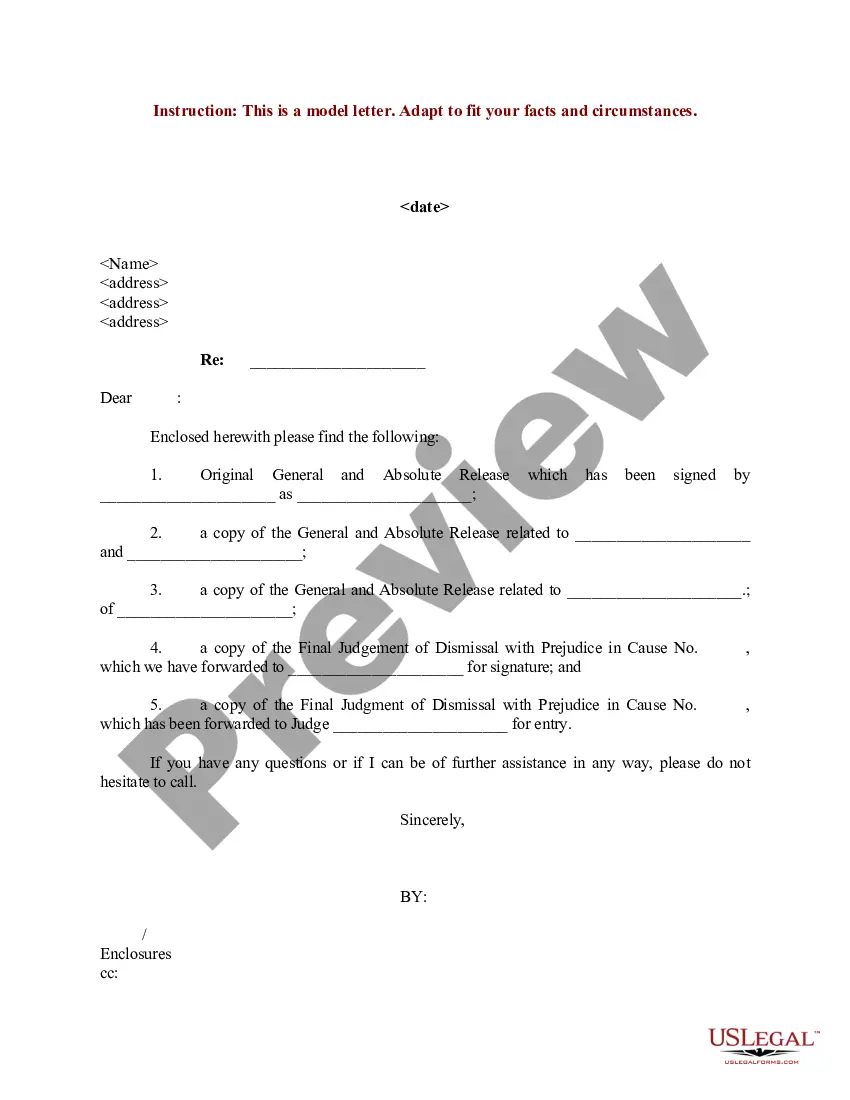

How to fill out Sworn Statement Of Beneficiary Of Estate And Consent To Close Estate - Uniform Probate Code?
Creating legal documents from the ground up can occasionally be overwhelming.
Some situations may require extensive research and substantial financial investment.
If you're looking for a simpler and more affordable method of crafting a Beneficiary Estate By Default or other documents without unnecessary complications, US Legal Forms is readily available.
Our online repository of over 85,000 current legal forms covers nearly every aspect of your financial, legal, and personal matters. With just a few clicks, you can swiftly access templates that comply with state and county regulations, meticulously prepared by our legal experts.
Examine the form preview and descriptions to ensure you've located the form you need.
- Utilize our platform whenever you require a dependable and trustworthy service to quickly locate and download the Beneficiary Estate By Default.
- If you're already familiar with our site and have set up an account, just Log In to your account, find the template and download it, or re-access it later in the My documents section.
- Not registered yet? No problem. It requires minimal time to establish an account and browse the library.
- Before diving into downloading the Beneficiary Estate By Default, consider these recommendations.
Form popularity
FAQ
The 3 year rule for estate matters typically relates to the time frame in which certain claims or actions must be initiated, especially concerning debts or challenges to a will. In some jurisdictions, if claims are not made within three years, they may be barred, impacting beneficiaries. This rule emphasizes the importance of timely action for those involved in an estate. For individuals navigating these complexities, understanding beneficiary estate by default can help ensure they meet all necessary deadlines.
Yes, in Alabama, an estate can often be settled without probate, depending on the value and type of assets involved. If the total value of the estate is below a certain threshold, heirs may be able to claim assets directly, circumventing probate. This process can simplify and expedite the distribution of the estate. Utilizing resources like US Legal Forms can guide you through the steps necessary to handle beneficiary estate by default situations effectively.
The 5 year rule for estate beneficiaries often refers to the time frame in which beneficiaries must claim their interests before they lose the right to do so. In many cases, if a beneficiary estate by default is not claimed within five years, it may become void. This rule helps ensure that estates are settled in a timely manner. Understanding this rule is crucial for beneficiaries to secure their rightful inheritance.
Designating your estate as a beneficiary is generally not permitted in most scenarios. Typically, individuals name specific beneficiaries, such as family members or trusts, to receive assets upon their passing. However, understanding the implications of designating a beneficiary estate by default is essential. Consulting with legal resources, like those available through US Legal Forms, can help clarify your options and ensure your wishes are honored.
A simple estate closing letter to beneficiaries serves as a formal notification that an estate has been settled. This letter outlines the distribution of assets and confirms that beneficiaries have received their shares. It is crucial for ensuring transparency and providing closure to all parties involved. By using a reliable platform like US Legal Forms, you can easily create a professional estate closing letter that meets legal standards.
In the context of a beneficiary, 'estate' refers to all the assets and liabilities left behind after a person's death. When an estate is named as a beneficiary, it signifies that the assets will be handled by the estate administrator. This can extend the timeline for distribution and may involve court oversight. To streamline the process and avoid a beneficiary estate by default, consider using resources like US Legal Forms to clarify your beneficiary designations.
When the beneficiary is an estate, it indicates that the assets will not go directly to individuals but rather to the estate itself. This often leads to the assets being managed through probate, where the court oversees the distribution according to the will. This arrangement can lead to complications and delays for heirs. To avoid a beneficiary estate by default, consider naming individuals or trusts as beneficiaries instead.
A beneficiary of an estate has the right to receive information regarding the estate's administration. This includes updates on the probate process, financial statements, and the timeline for asset distribution. Additionally, beneficiaries can contest the will or request a formal accounting if they suspect mismanagement. Understanding these rights ensures that you can advocate for your interests when dealing with a beneficiary estate by default.
When your beneficiary is your estate, the assets you intended for specific individuals will instead go through the probate process. This means that the court will determine how to distribute your estate according to your will or state laws. Consequently, your heirs may face delays and additional costs in receiving their inheritance. It's important to consider this when naming a beneficiary, as a beneficiary estate by default can complicate asset distribution.
A default beneficiary is an individual or entity designated by law to inherit assets when no specific beneficiary is named. This designation ensures that assets are allocated even without explicit instructions. Familiarizing yourself with the concept of a beneficiary estate by default can help you avoid unintended consequences in your estate planning.