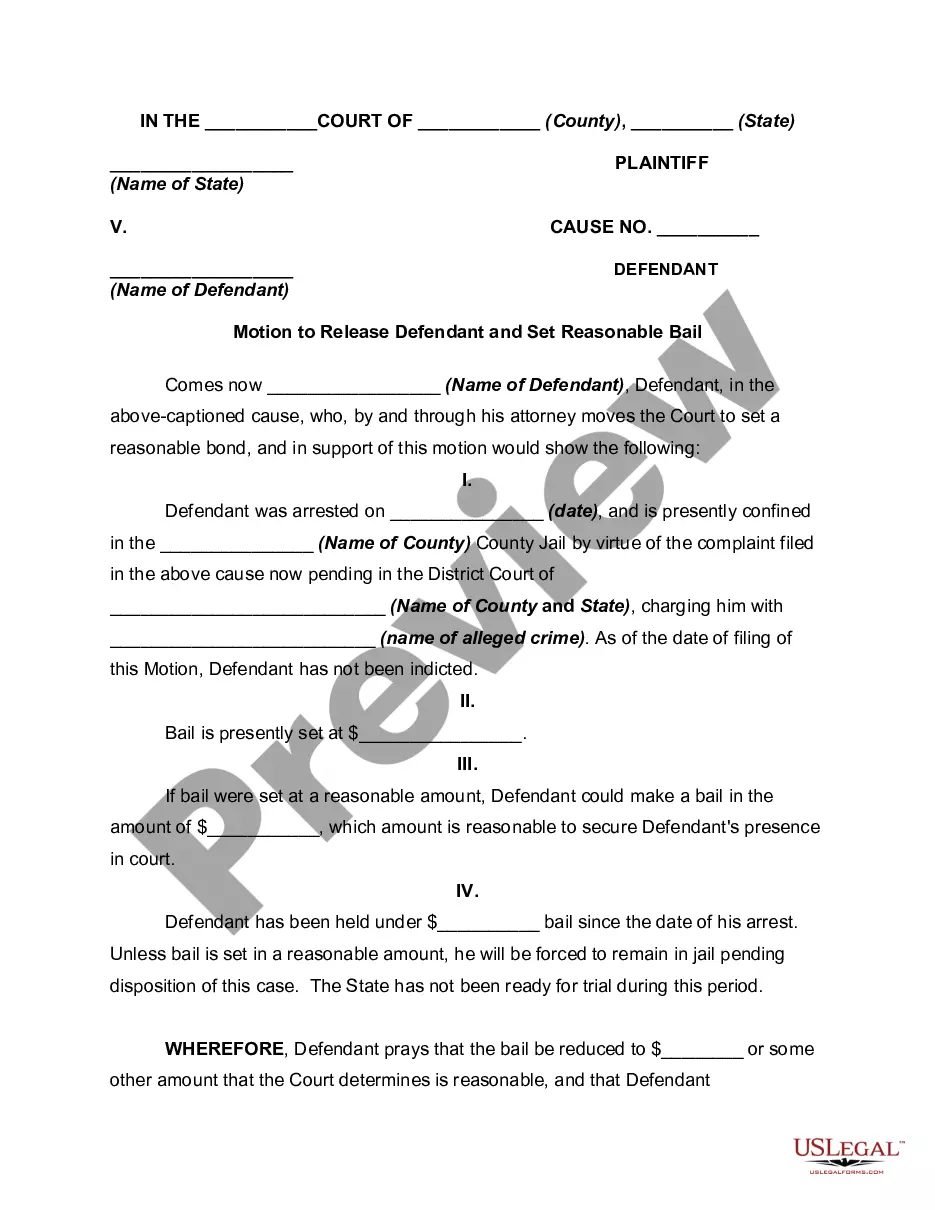
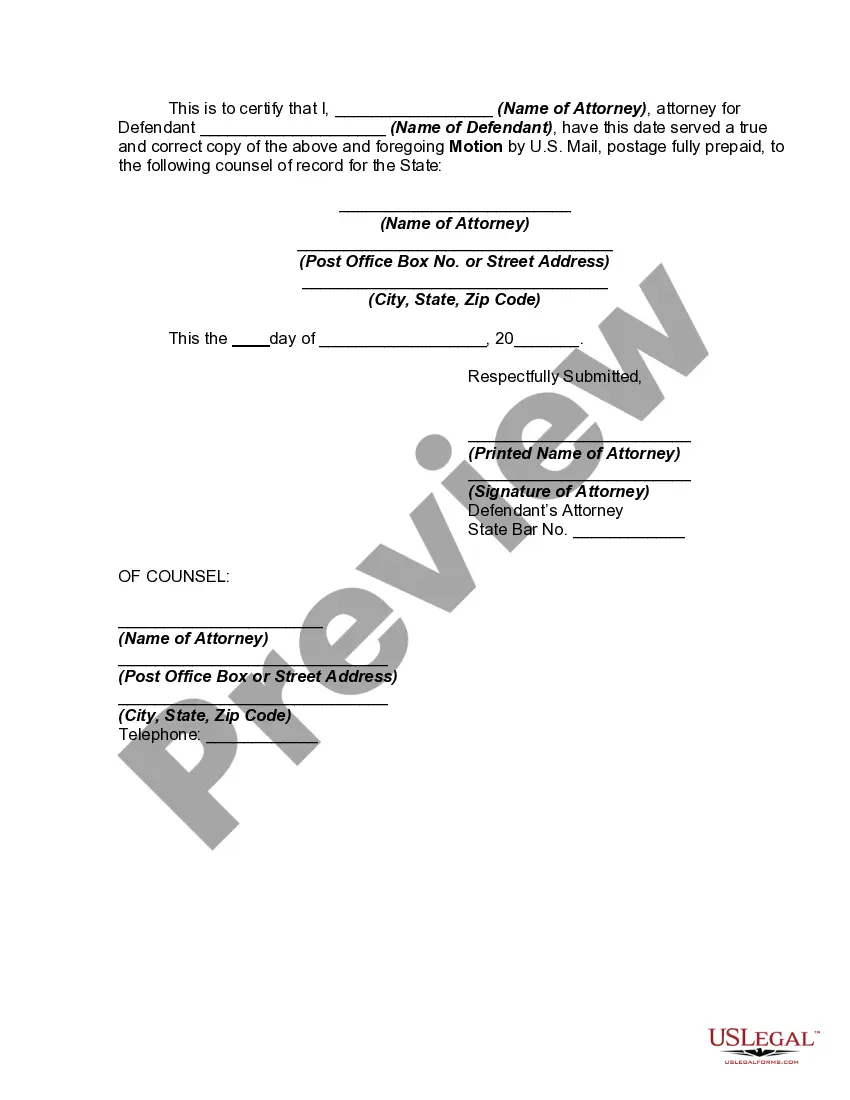
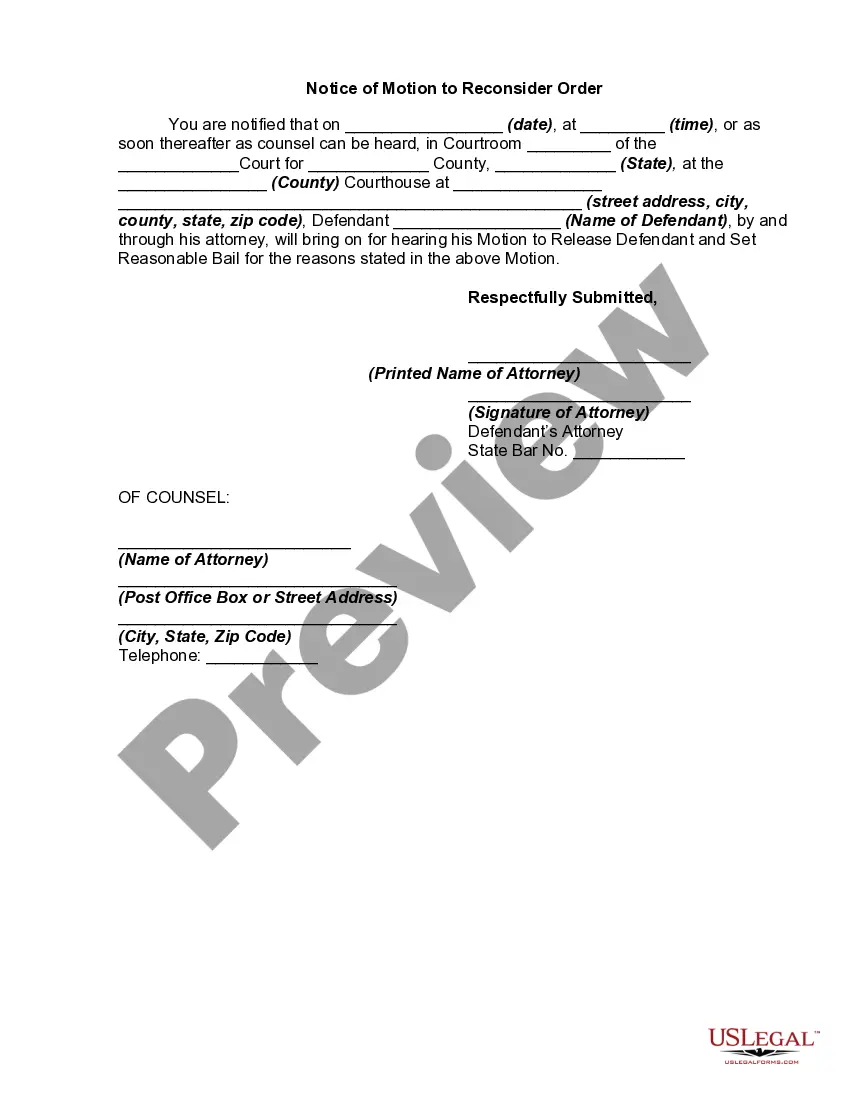
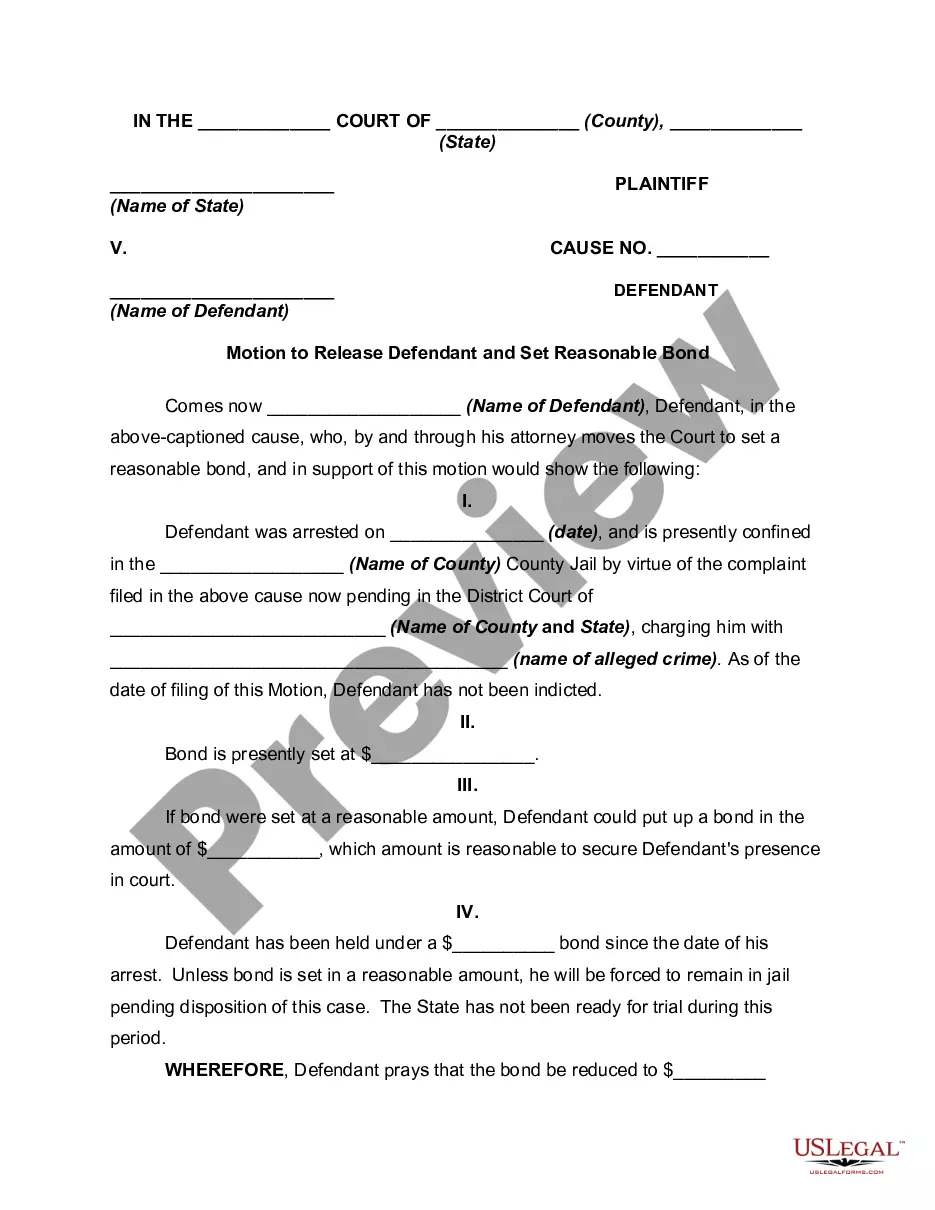
Motion To Set Bond Sample For Mandatory Conciliation
Description
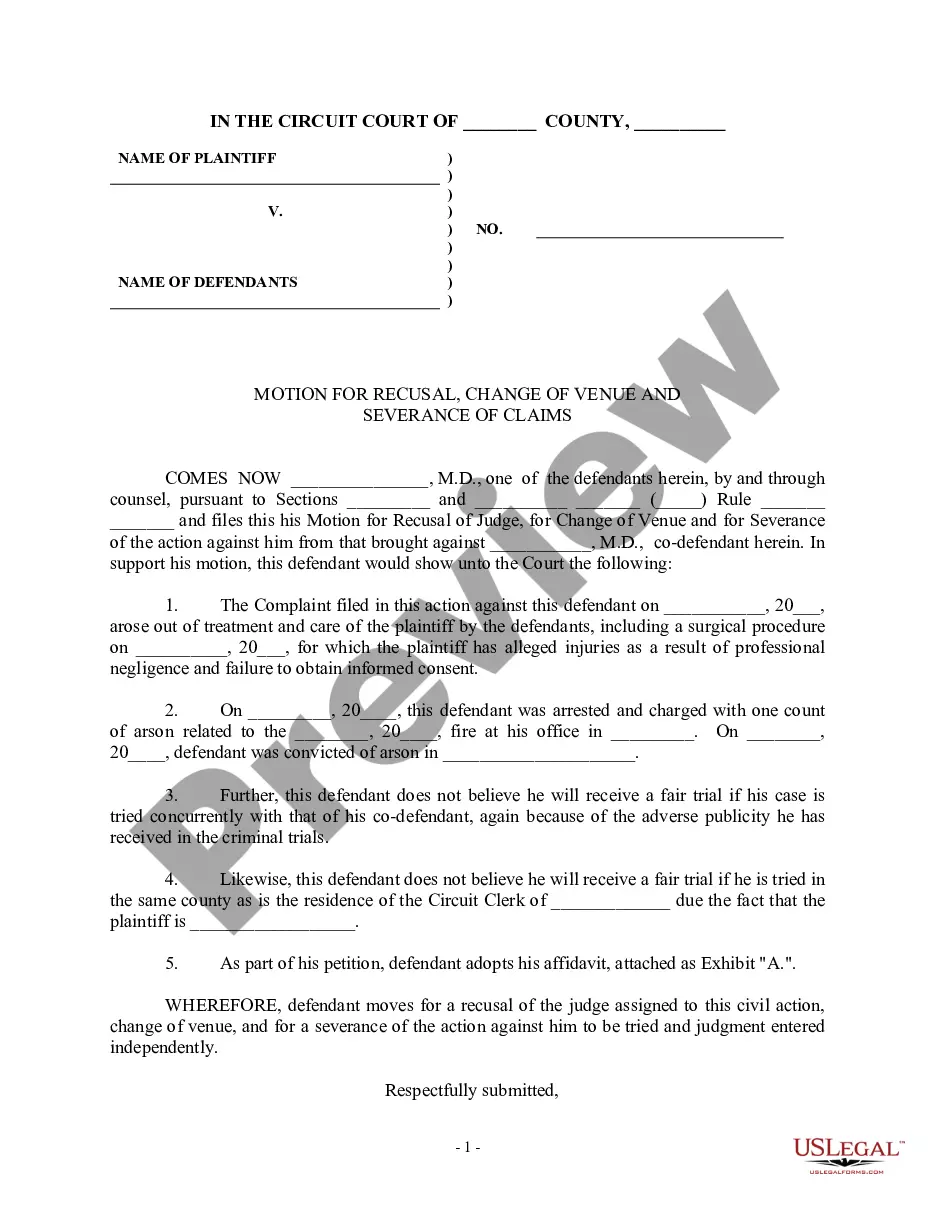
Get your form ready online
Our built-in tools help you complete, sign, share, and store your documents in one place.
Make edits, fill in missing information, and update formatting in US Legal Forms—just like you would in MS Word.
Download a copy, print it, send it by email, or mail it via USPS—whatever works best for your next step.
Sign and collect signatures with our SignNow integration. Send to multiple recipients, set reminders, and more. Go Premium to unlock E-Sign.
If this form requires notarization, complete it online through a secure video call—no need to meet a notary in person or wait for an appointment.
We protect your documents and personal data by following strict security and privacy standards.

Make edits, fill in missing information, and update formatting in US Legal Forms—just like you would in MS Word.

Download a copy, print it, send it by email, or mail it via USPS—whatever works best for your next step.

Sign and collect signatures with our SignNow integration. Send to multiple recipients, set reminders, and more. Go Premium to unlock E-Sign.

If this form requires notarization, complete it online through a secure video call—no need to meet a notary in person or wait for an appointment.

We protect your documents and personal data by following strict security and privacy standards.
Looking for another form?










Form popularity
FAQ
Yes, certain types of disputes in Ontario are subject to mandatory mediation requirements. This mandate aims to reduce court time and costs, fostering a more collaborative approach to conflict resolution. If you're involved in such cases, knowing how a Motion to set bond sample for mandatory conciliation works can be advantageous.
If you prefer to avoid mediation, it's essential to discuss your concerns with your legal advisor. While mediation is often encouraged, there are options to pursue traditional litigation. Reflecting on the potential benefits of a Motion to set bond sample for mandatory conciliation might help you reconsider mediation as a viable path.
The mandatory mediation program in Ontario is designed to encourage early resolution of disputes before they escalate to litigation. This program requires parties to engage in mediation as a first step, promoting constructive dialogue. By understanding programs like this, individuals can navigate the process effectively, especially when considering a Motion to set bond sample for mandatory conciliation.
Settlement offers during mediation in Ontario can vary widely based on the case specifics. Generally, offers reflect the interests and positions of both parties, aiming for a fair resolution. An informed approach, such as utilizing a Motion to set bond sample for mandatory conciliation, can lead to more favorable offers.
Yes, mediation in Ontario is regulated under various laws and guidelines designed to ensure fairness and professionalism. This regulation helps protect the rights of all parties involved, nurturing an environment conducive to resolution. Understanding these regulations can enhance your mediation experience, especially when referring to a Motion to set bond sample for mandatory conciliation.
In Ontario, the costs of mediation can vary depending on the mediator and the situation. Typically, the parties involved share the expenses, unless a specific arrangement dictates otherwise. It's essential to discuss the payment structure beforehand to avoid surprises. Using a Motion to set bond sample for mandatory conciliation may streamline discussions about costs.
During a conciliation meeting, the conciliator guides discussions between the involved parties, aiming to resolve disputes amicably. The conciliator facilitates communication, helping each party understand the other’s viewpoint. The primary objective is to reach a mutually acceptable agreement without moving to litigation. Preparing a motion to set bond sample for mandatory conciliation can significantly enhance the efficacy of this process, and USLegalForms can assist you in crafting it.
The procedure for appointing a conciliation officer generally starts with filing a motion with the court that outlines the request. The court evaluates the petition, considering the specifics of the case. Upon approval, the court appoints a suitable officer to facilitate the conciliation process. You can simplify this process by using USLegalForms to draft a comprehensive motion to set bond sample for mandatory conciliation.
Mediation and conciliation are both Alternative Dispute Resolution (ADR) methods, but they differ in approach. Mediation often involves a more structured dialogue led by a mediator who helps parties express their views. In contrast, conciliation tends to be less formal, with the conciliator actively suggesting solutions. Understanding these differences can be essential when preparing a motion to set bond sample for mandatory conciliation.
The conciliation procedure begins with a meeting between the conciliator and the involved parties. The goal is to facilitate communication and help the parties reach an amicable resolution. Throughout the meetings, the conciliator promotes understanding and encourages negotiation. You can create an effective motion to set bond sample for mandatory conciliation by utilizing tools available on USLegalForms.
