Confidentiality With Former Clients
Description
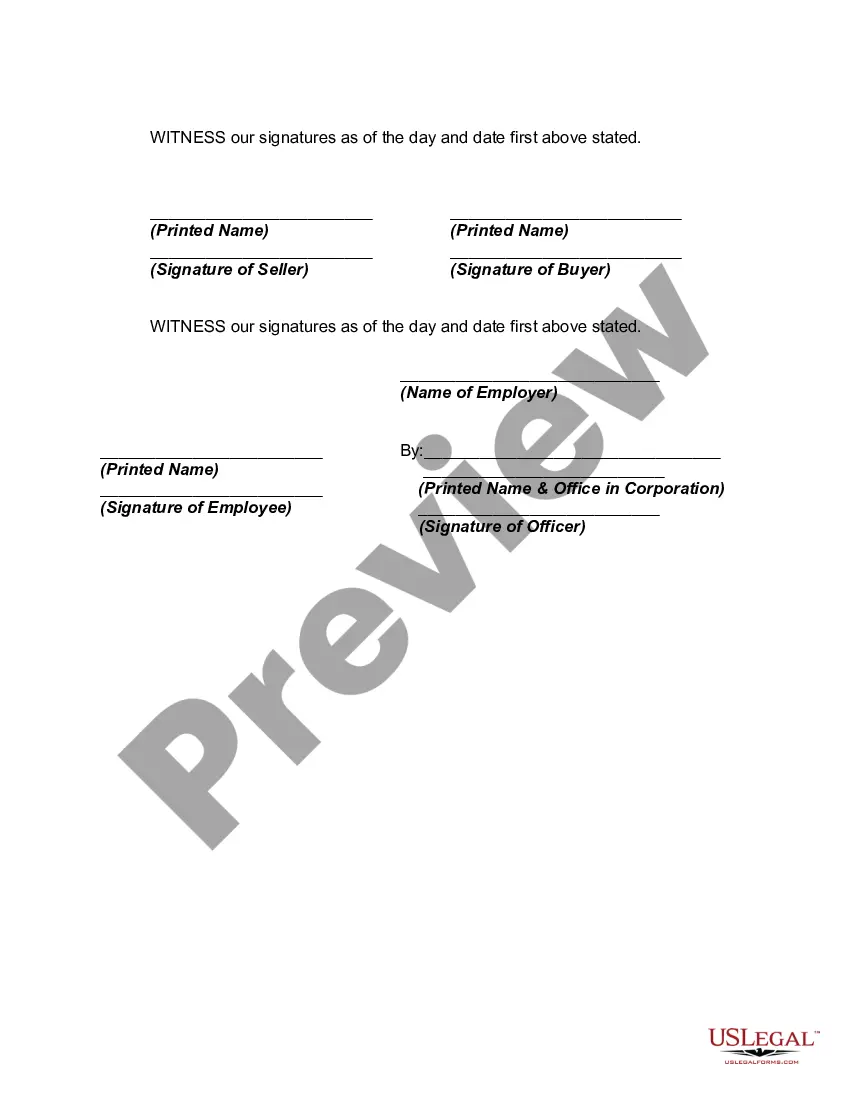
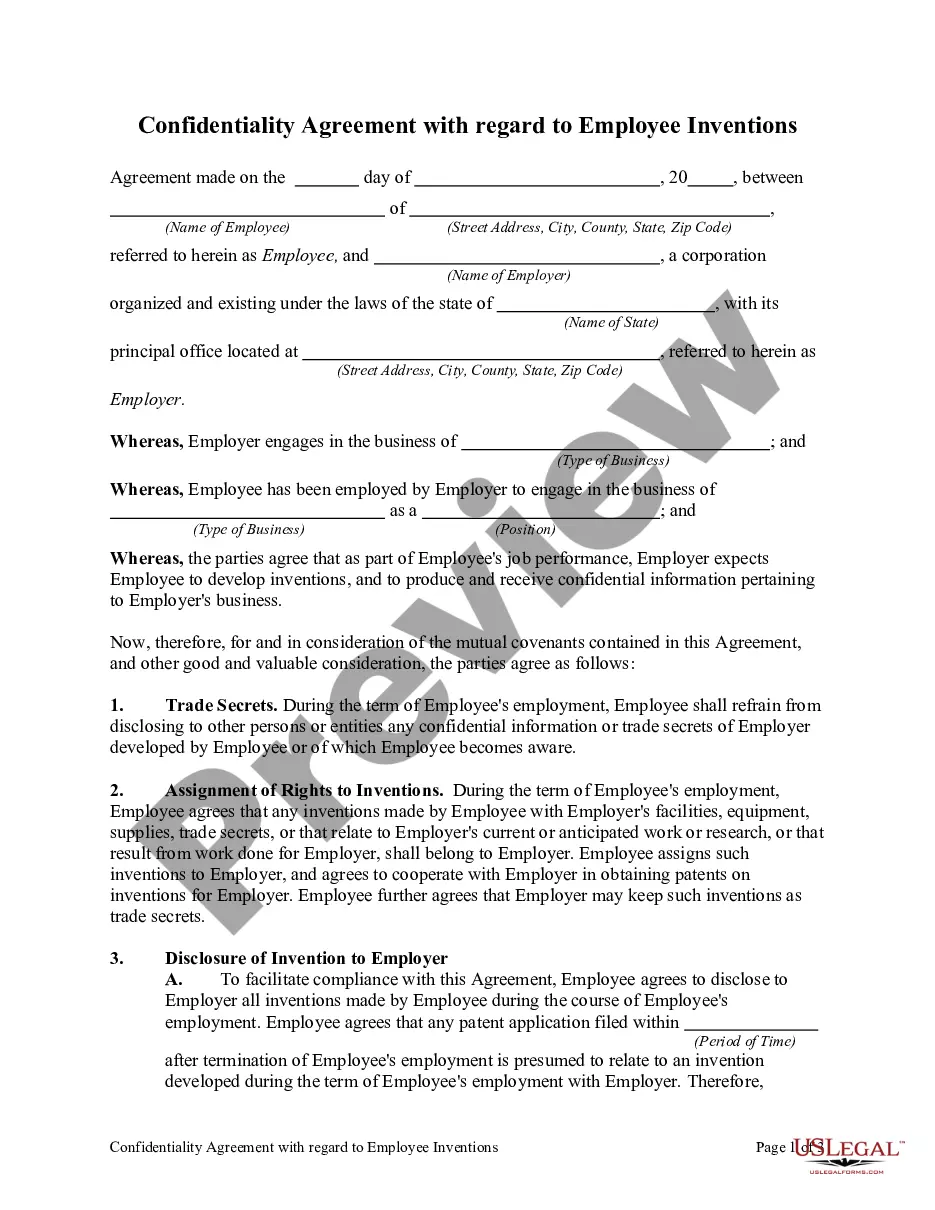
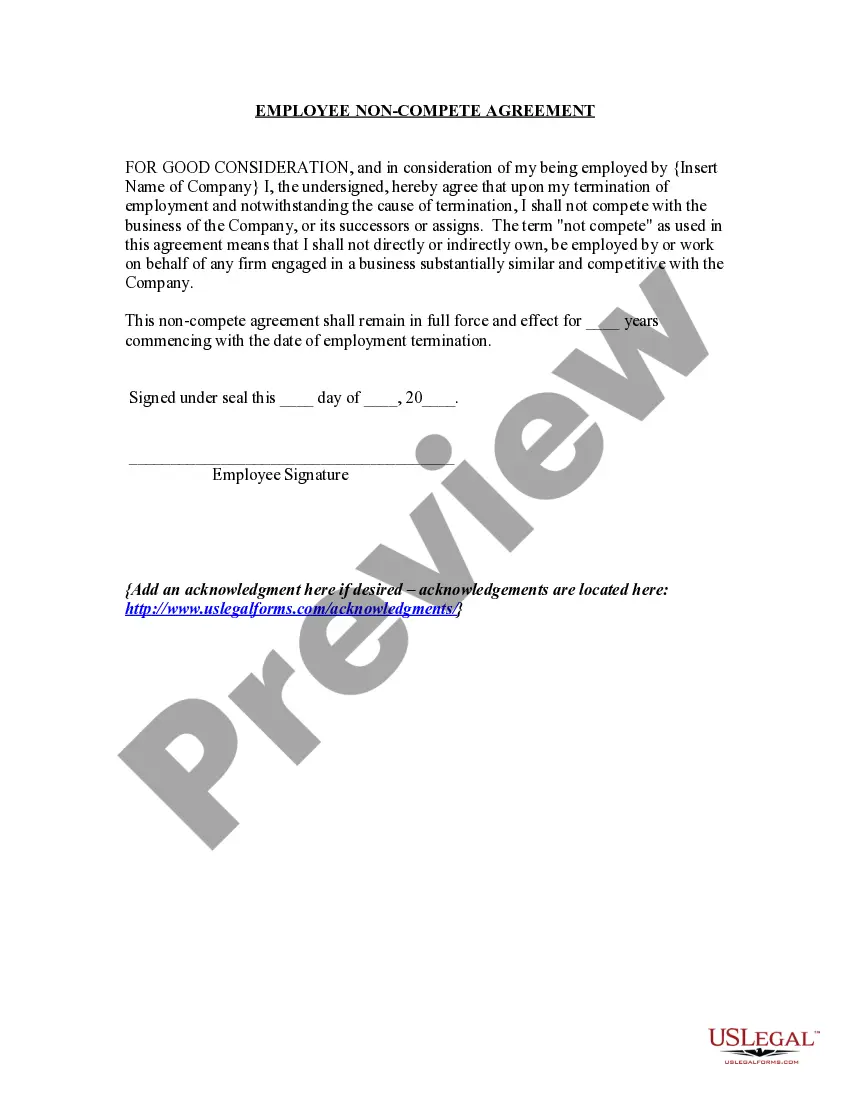
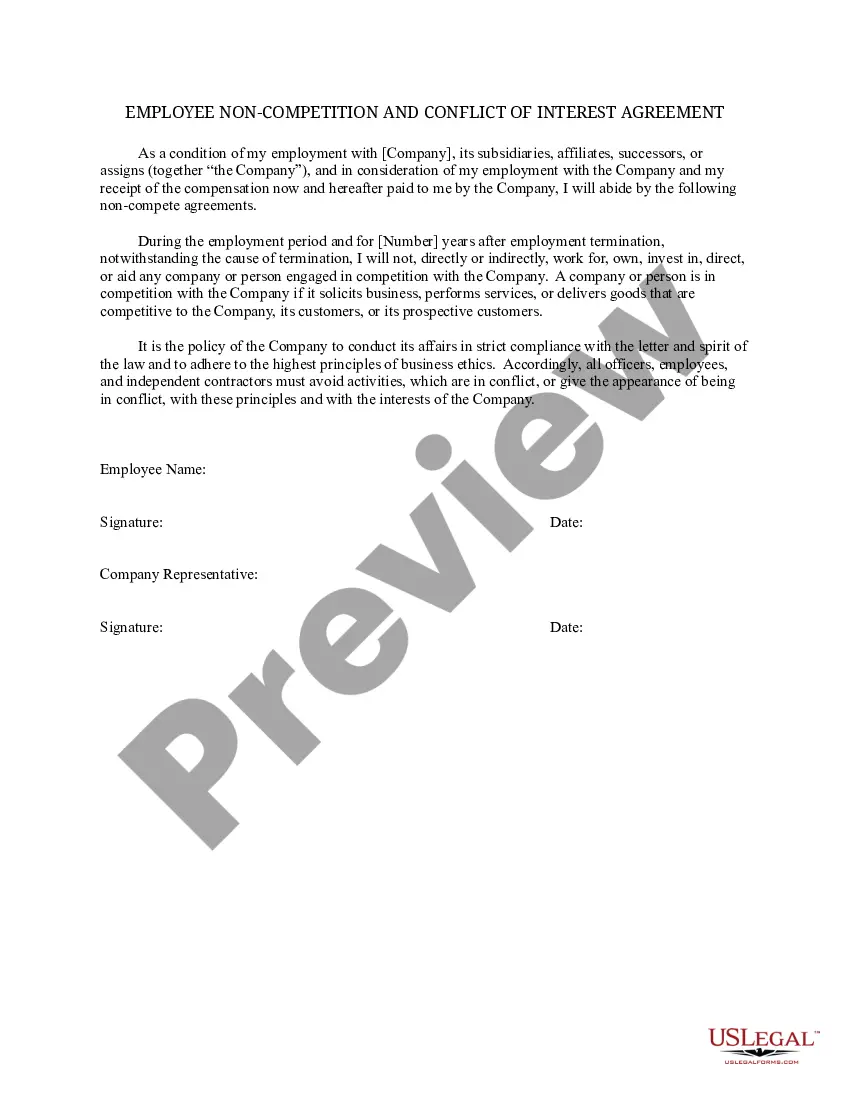
Get your form ready online
Our built-in tools help you complete, sign, share, and store your documents in one place.
Make edits, fill in missing information, and update formatting in US Legal Forms—just like you would in MS Word.
Download a copy, print it, send it by email, or mail it via USPS—whatever works best for your next step.
Sign and collect signatures with our SignNow integration. Send to multiple recipients, set reminders, and more. Go Premium to unlock E-Sign.
If this form requires notarization, complete it online through a secure video call—no need to meet a notary in person or wait for an appointment.
We protect your documents and personal data by following strict security and privacy standards.

Make edits, fill in missing information, and update formatting in US Legal Forms—just like you would in MS Word.

Download a copy, print it, send it by email, or mail it via USPS—whatever works best for your next step.

Sign and collect signatures with our SignNow integration. Send to multiple recipients, set reminders, and more. Go Premium to unlock E-Sign.

If this form requires notarization, complete it online through a secure video call—no need to meet a notary in person or wait for an appointment.

We protect your documents and personal data by following strict security and privacy standards.
Looking for another form?







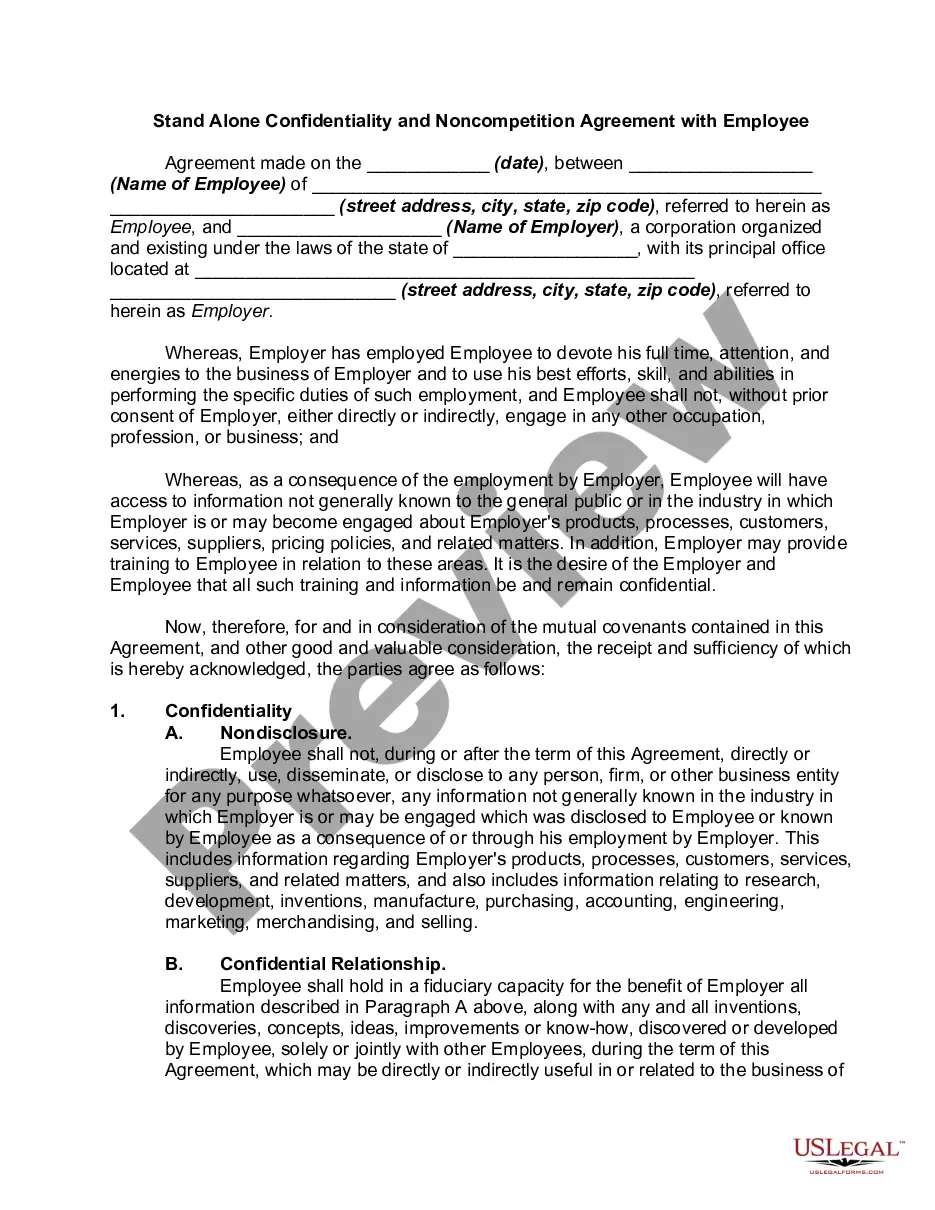
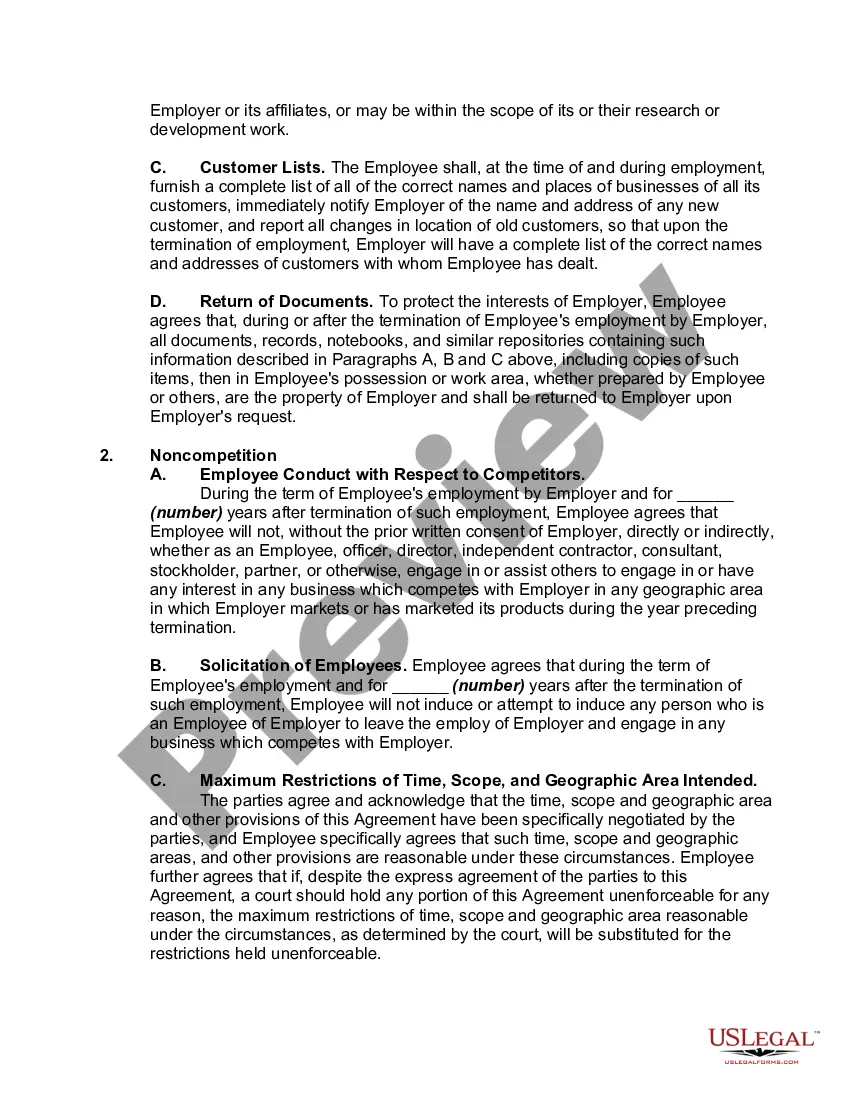
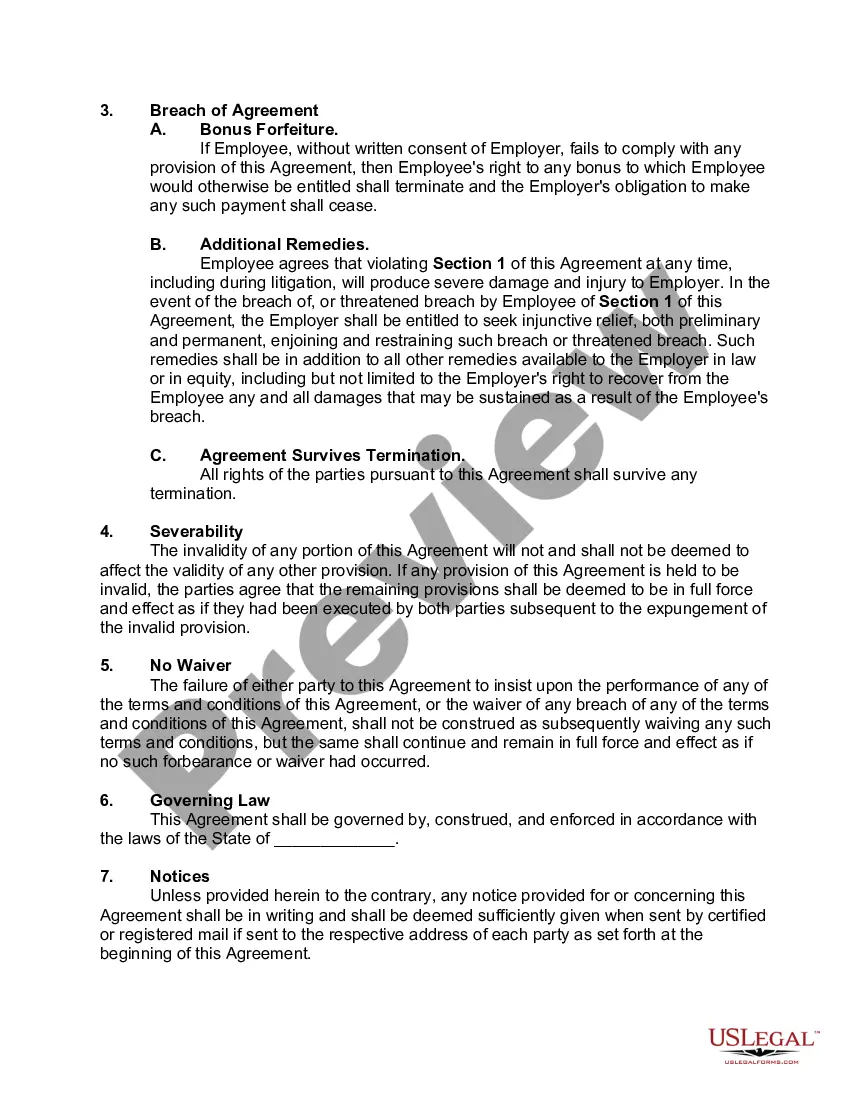
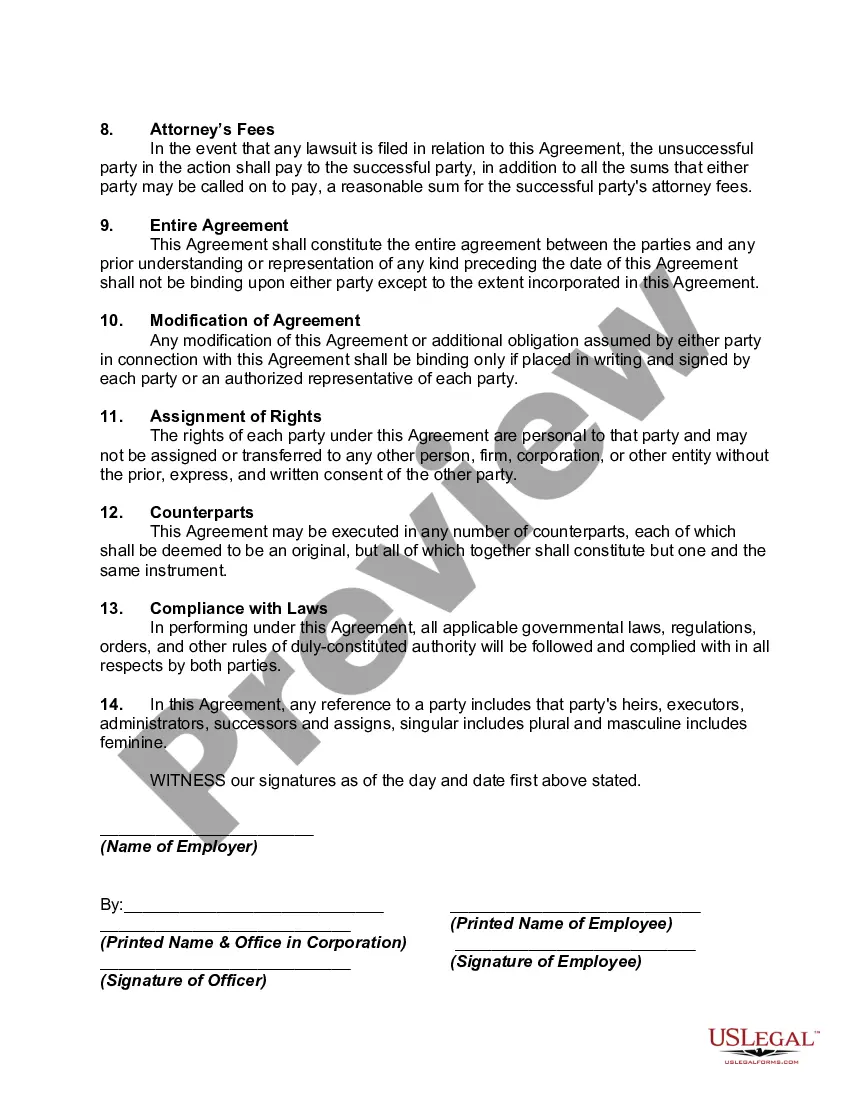
How to fill out Stand Alone Confidentiality And Noncompetition Agreement With Employee?
Identifying a reliable location to obtain the most up-to-date and suitable legal examples is part of the challenge of navigating bureaucracy.
Finding the correct legal documents demands precision and carefulness, which is why it is crucial to obtain samples of Confidentiality With Former Clients exclusively from trustworthy sources, such as US Legal Forms. An incorrect template will squander your time and hinder your progress.
After obtaining the form on your device, you can modify it using the editor or print it out to complete it manually. Eliminate the complications associated with your legal documents. Explore the extensive US Legal Forms catalog to discover legal examples, assess their applicability to your situation, and download them instantly.
- Utilize the library navigation or search bar to find your template.
- Examine the form’s details to verify if it meets the requirements of your state and locality.
- Check the form preview, if available, to confirm that the form is what you need.
- Return to the search to find the right template if the Confidentiality With Former Clients does not meet your expectations.
- Once you are confident about the form’s applicability, download it.
- If you are a registered user, click Log in to authenticate and access your selected templates in My documents.
- If you haven’t created an account yet, click Buy now to obtain the form.
- Select the pricing option that suits your needs.
- Continue to the registration to complete your purchase.
- Finalize your transaction by choosing a payment method (credit card or PayPal).
- Select the document format for downloading Confidentiality With Former Clients.
Form popularity
FAQ
When addressing this question, highlight your protocols for managing confidential information. Explain the steps you take, such as using secure storage solutions and limiting access to authorized personnel only. By articulating your strategies, you demonstrate that confidentiality with former clients is a priority in your practice.
Two effective ways to maintain client confidentiality are by using encrypted communication methods and establishing clear client agreements. These practices reinforce your commitment to confidentiality with former clients and help build a trusting relationship.
When asked about ensuring confidentiality, focus on the measures you take to protect client information. Highlight your commitment to confidentiality with former clients by discussing data security protocols and training your staff. This demonstrates to clients that you prioritize their privacy and trust.
What is Client Confidentiality? Client confidentiality is a fundamental rule among institutions and individuals stating that they must not share a client's information with a third party without the consent of the client or a legal reason.
Examples of confidential information include a person's phone number and address, medical records, and social security. Companies also have confidential information such as financial records, trade secrets, customer information, and marketing strategies.
Encrypt data on discs, USB flash drives, SD cards and the like. Lock portable devices away securely. Use a reliable antivirus program and a personal firewall and keep these regularly updated. Backup the information on your laptop as often as possible to a secure device or site.
WHAT IS CLIENT CONFIDENTIALITY? Confidentiality includes not just the contents of therapy, but often the fact that a client is in therapy. For example, it is common that therapists will not acknowledge their clients if they run into them outside of therapy in an effort to protect client confidentiality.
(A) A member shall not reveal information protected from disclosure by Business and Professions Code section 6068, subdivision (e)(1) without the informed consent of the client, or as provided in paragraph (B) of this rule.