Confidentiality With Forensic Science
Description
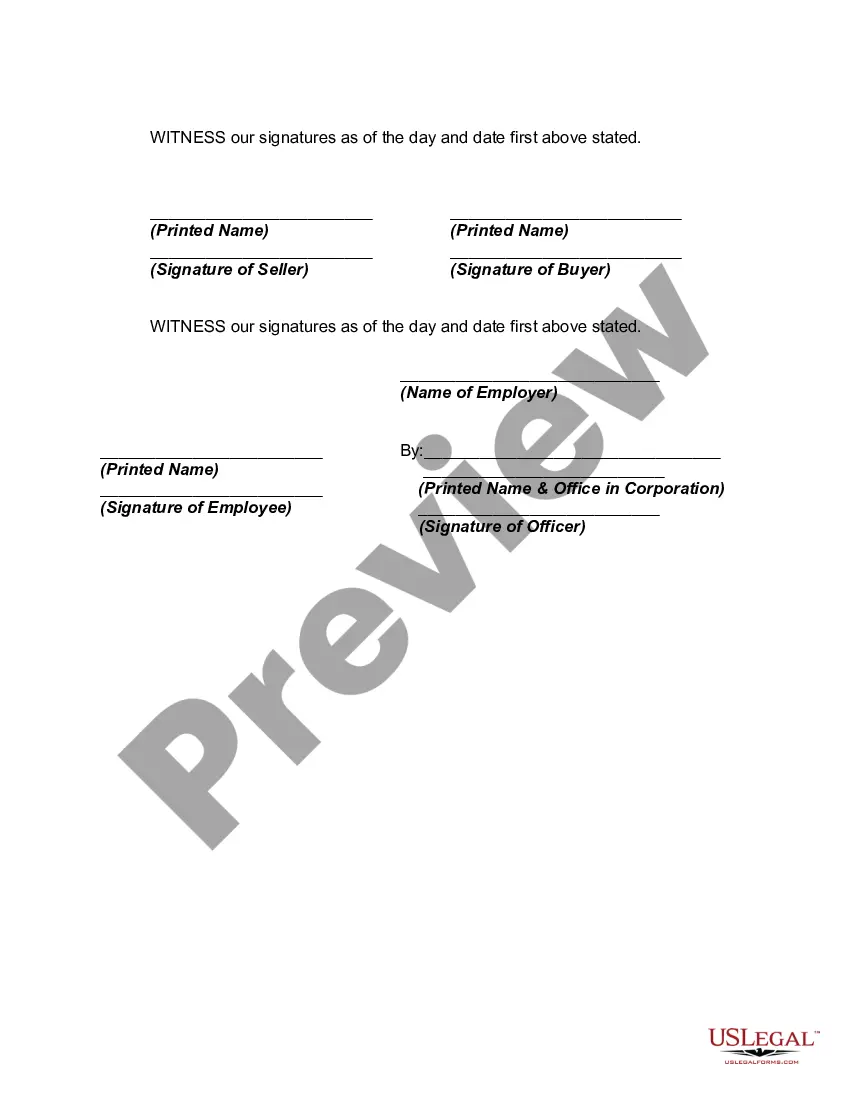
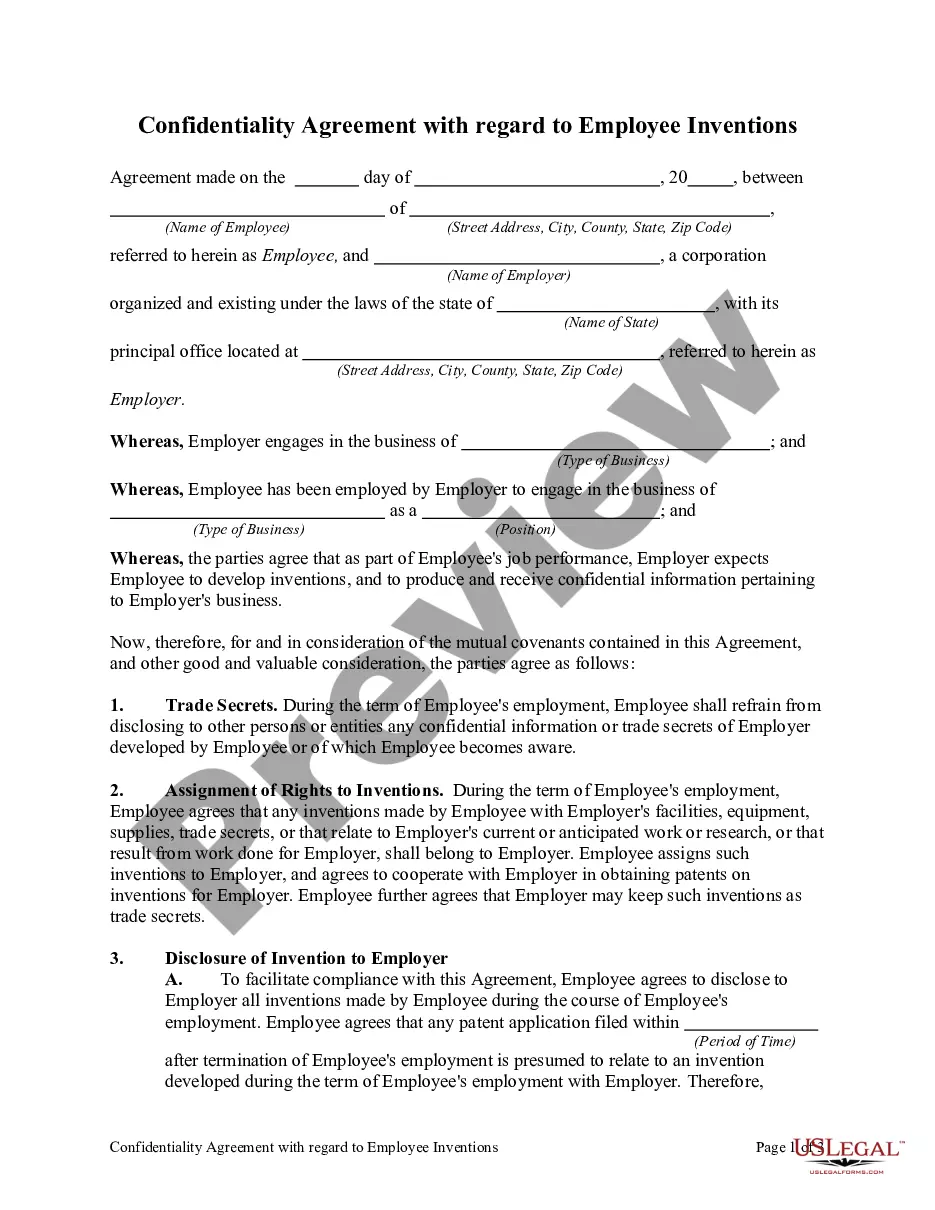
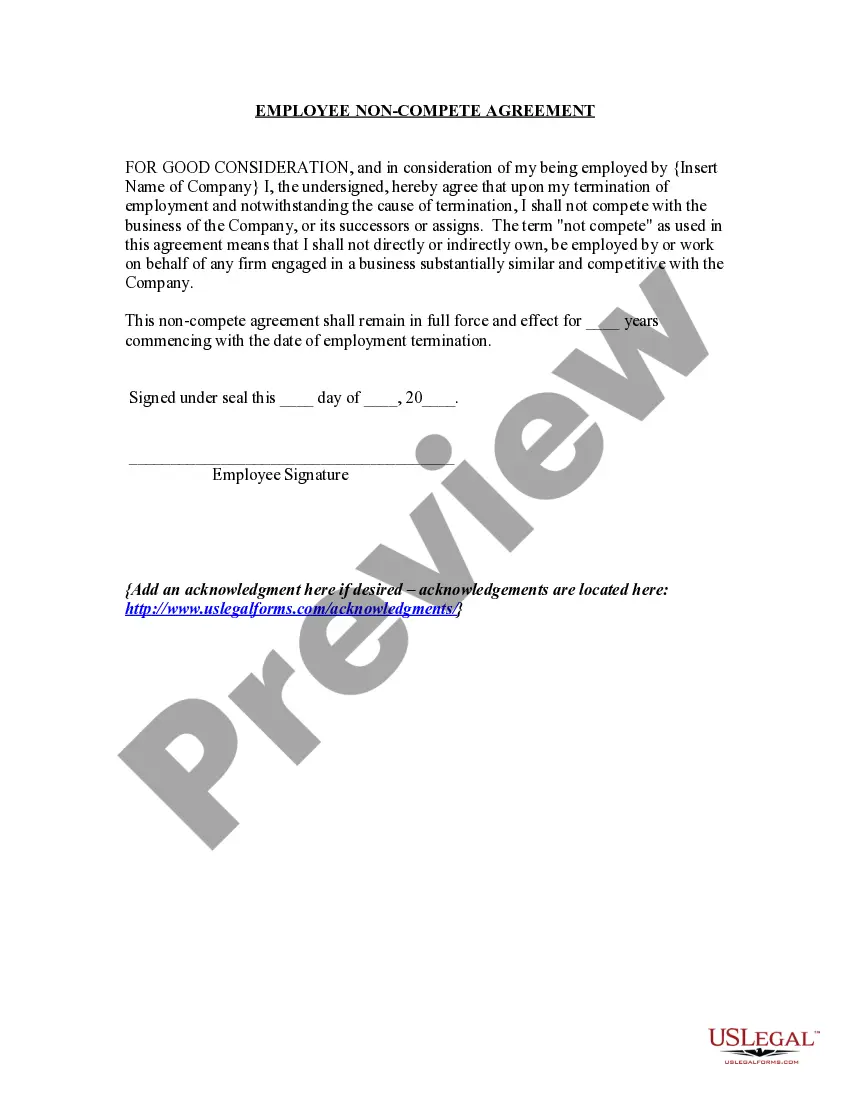
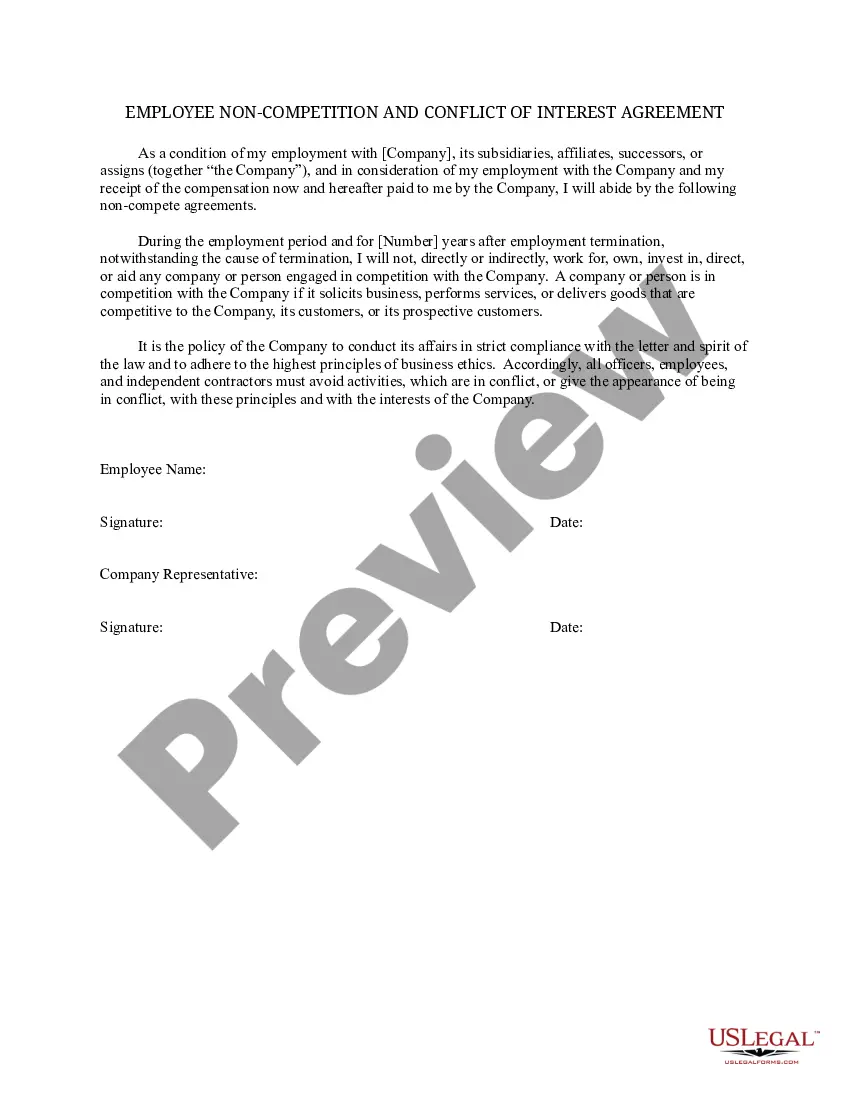
Get your form ready online
Our built-in tools help you complete, sign, share, and store your documents in one place.
Make edits, fill in missing information, and update formatting in US Legal Forms—just like you would in MS Word.
Download a copy, print it, send it by email, or mail it via USPS—whatever works best for your next step.
Sign and collect signatures with our SignNow integration. Send to multiple recipients, set reminders, and more. Go Premium to unlock E-Sign.
If this form requires notarization, complete it online through a secure video call—no need to meet a notary in person or wait for an appointment.
We protect your documents and personal data by following strict security and privacy standards.

Make edits, fill in missing information, and update formatting in US Legal Forms—just like you would in MS Word.

Download a copy, print it, send it by email, or mail it via USPS—whatever works best for your next step.

Sign and collect signatures with our SignNow integration. Send to multiple recipients, set reminders, and more. Go Premium to unlock E-Sign.

If this form requires notarization, complete it online through a secure video call—no need to meet a notary in person or wait for an appointment.

We protect your documents and personal data by following strict security and privacy standards.
Looking for another form?



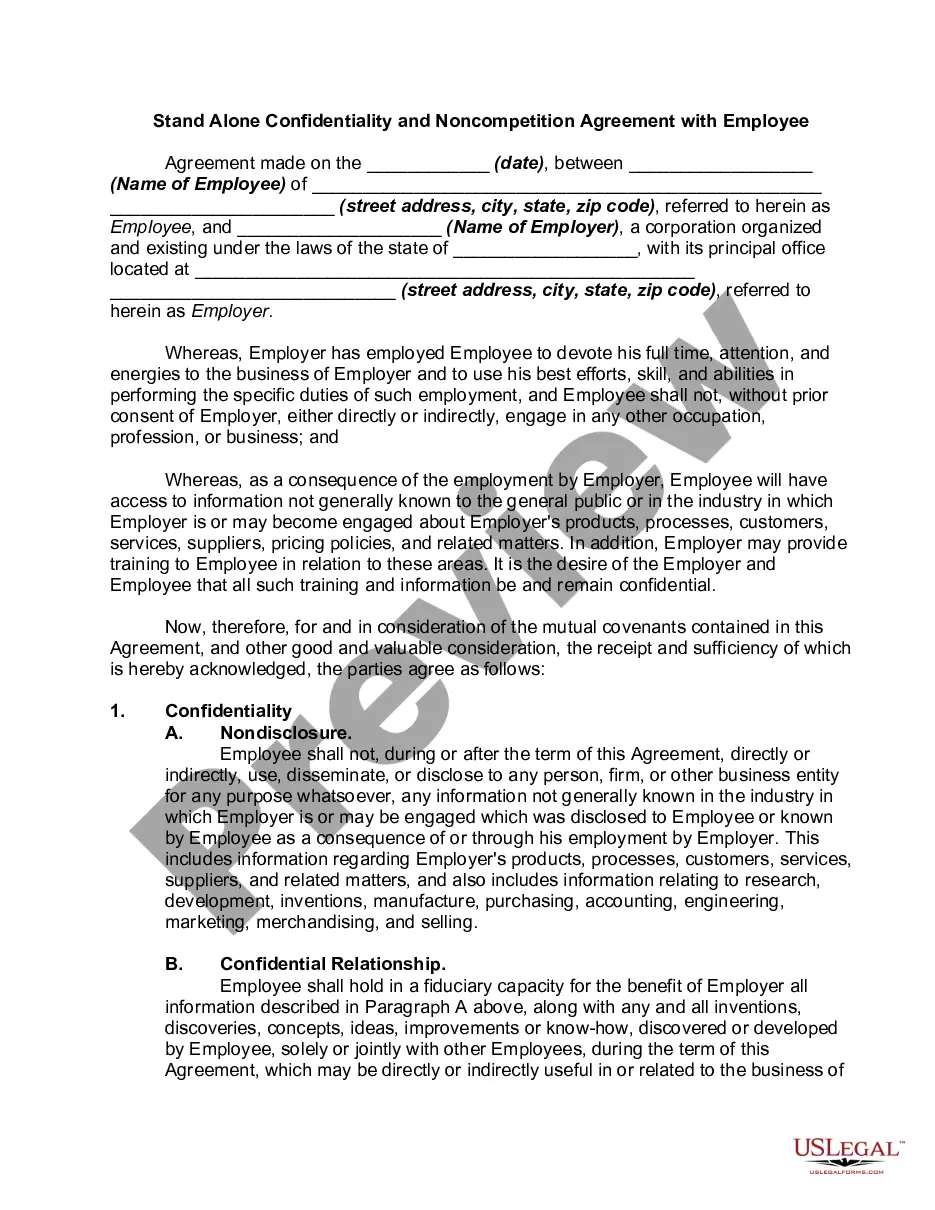
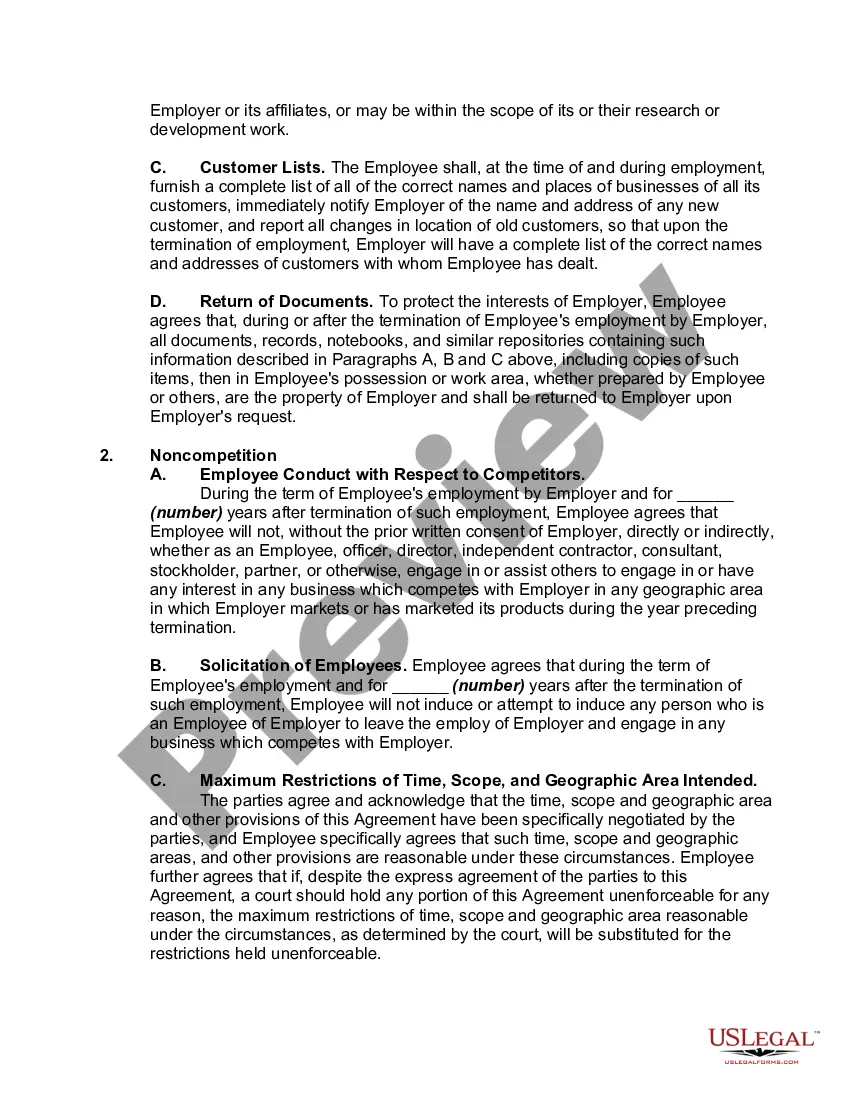
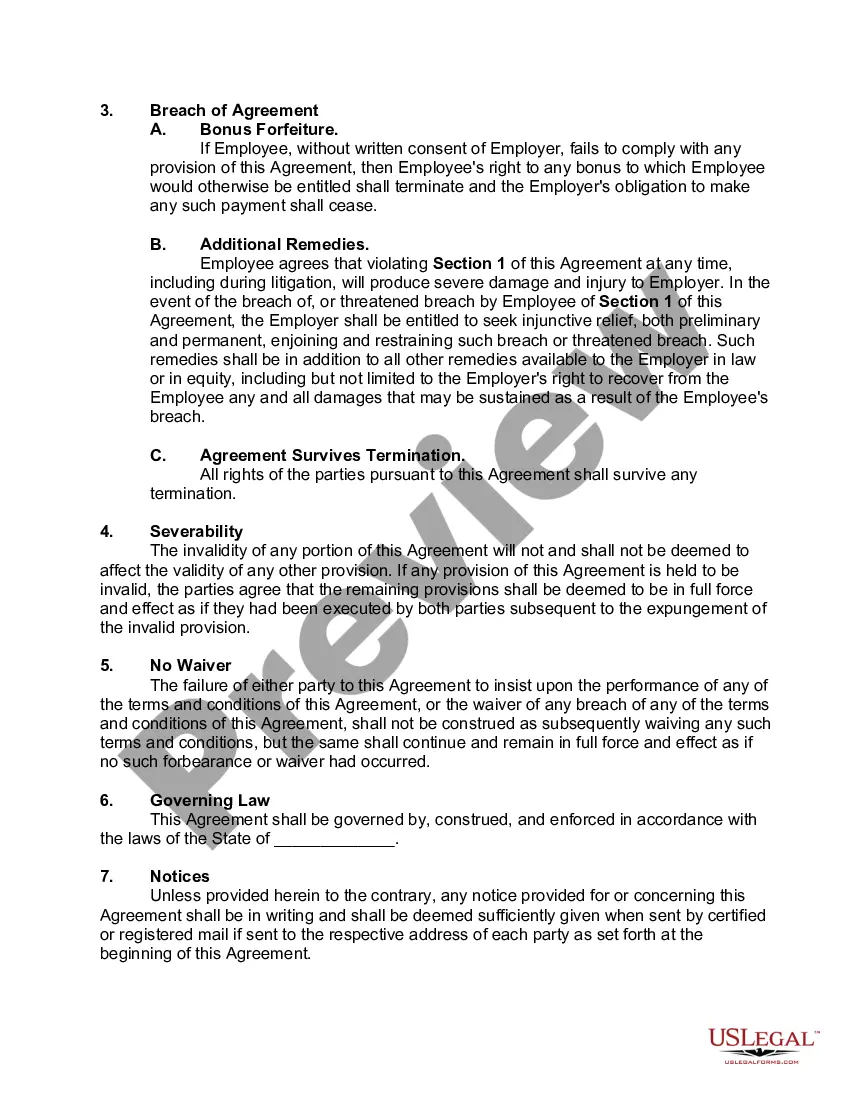
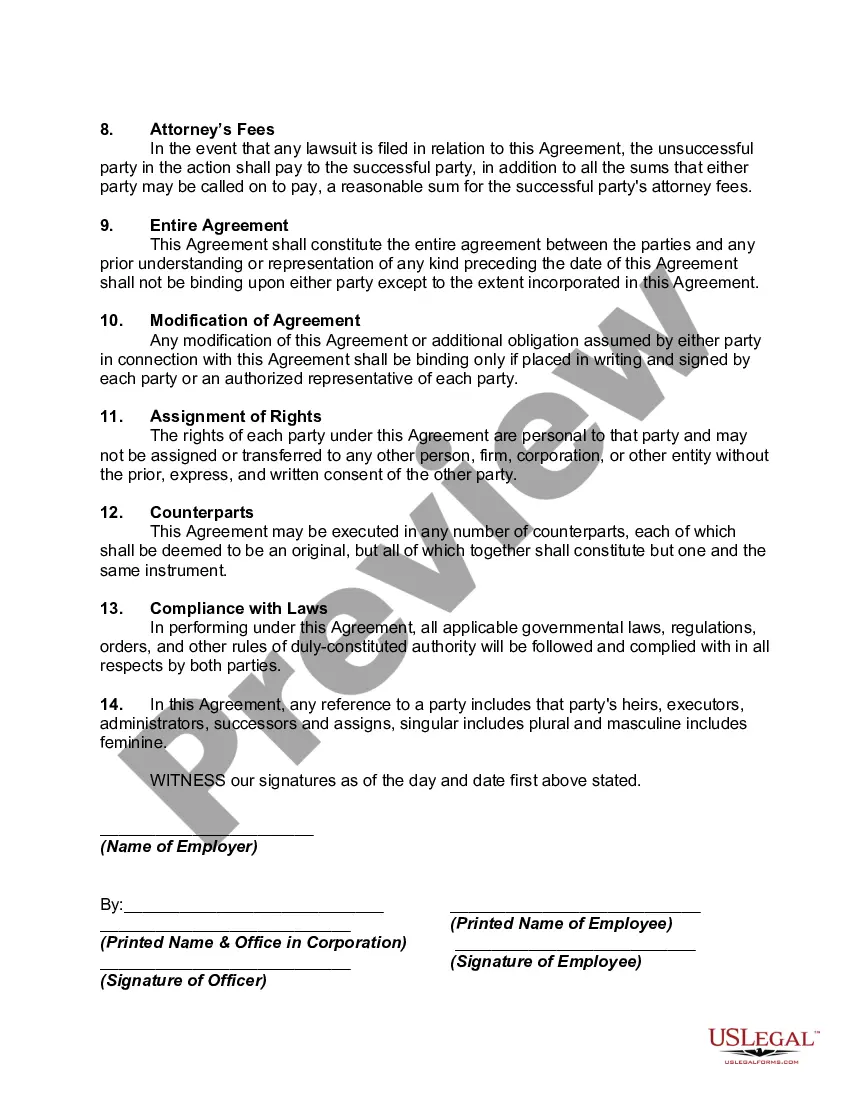
How to fill out Stand Alone Confidentiality And Noncompetition Agreement With Employee?
Creating legal documents from the beginning can occasionally be intimidating.
Certain situations may require extensive research and significant financial resources.
If you’re looking for a more simple and budget-friendly method of preparing Confidentiality With Forensic Science or any other paperwork without the hassle, US Legal Forms is always available to you.
Our online database of over 85,000 current legal templates encompasses nearly every facet of your financial, legal, and personal matters.
Before you go directly to downloading Confidentiality With Forensic Science, consider these suggestions: Check the document preview and descriptions to confirm that you have located the correct form. Ensure the form you select adheres to the laws and regulations of your state and county. Choose the appropriate subscription plan to purchase the Confidentiality With Forensic Science. Download the document, then complete, sign, and print it out. US Legal Forms has a strong reputation and more than 25 years of expertise. Join us now and make form execution an easy and efficient process!
- With just a few clicks, you can quickly access state- and county-specific templates carefully crafted for you by our legal professionals.
- Utilize our website whenever you require dependable and trustworthy services to swiftly locate and download the Confidentiality With Forensic Science.
- If you’re already familiar with our site and have previously established an account, simply Log In to your account, find the template and download it or re-access it later in the My documents section.
- Not yet a member? No problem. It only takes a few minutes to register and explore the catalog.
Form popularity
FAQ
Forensic practitioners strive for accuracy, honesty, and truthfulness in the science, teaching, and practice of forensic psychology and they strive to resist partisan pressures to provide services in any ways that might tend to be misleading or inaccurate.
While they noted the lack of a single code of ethics that covered all forensic disciplines, the working group identified four major categories addressed by every code of ethics they reviewed: 1) working within professional competence, 2) providing clear and objective testimony, 3) avoiding conflicts of interest, and 4) ...
The 4 basic ethical principles that apply to forensic activities are respect for autonomy, beneficence, nonmaleficence, and justice.
Are independent, impartial, and objective, approaching all examinations with due diligence and an open mind. 2. Conduct complete and unbiased examinations. Conclusions are based on the evidence and reference material relevant to the evidence, not extraneous information, political pressure, or other outside influences.
The primary ethical issues are as follows: Providing outright false data. Not conducting an investigation. Altering data.