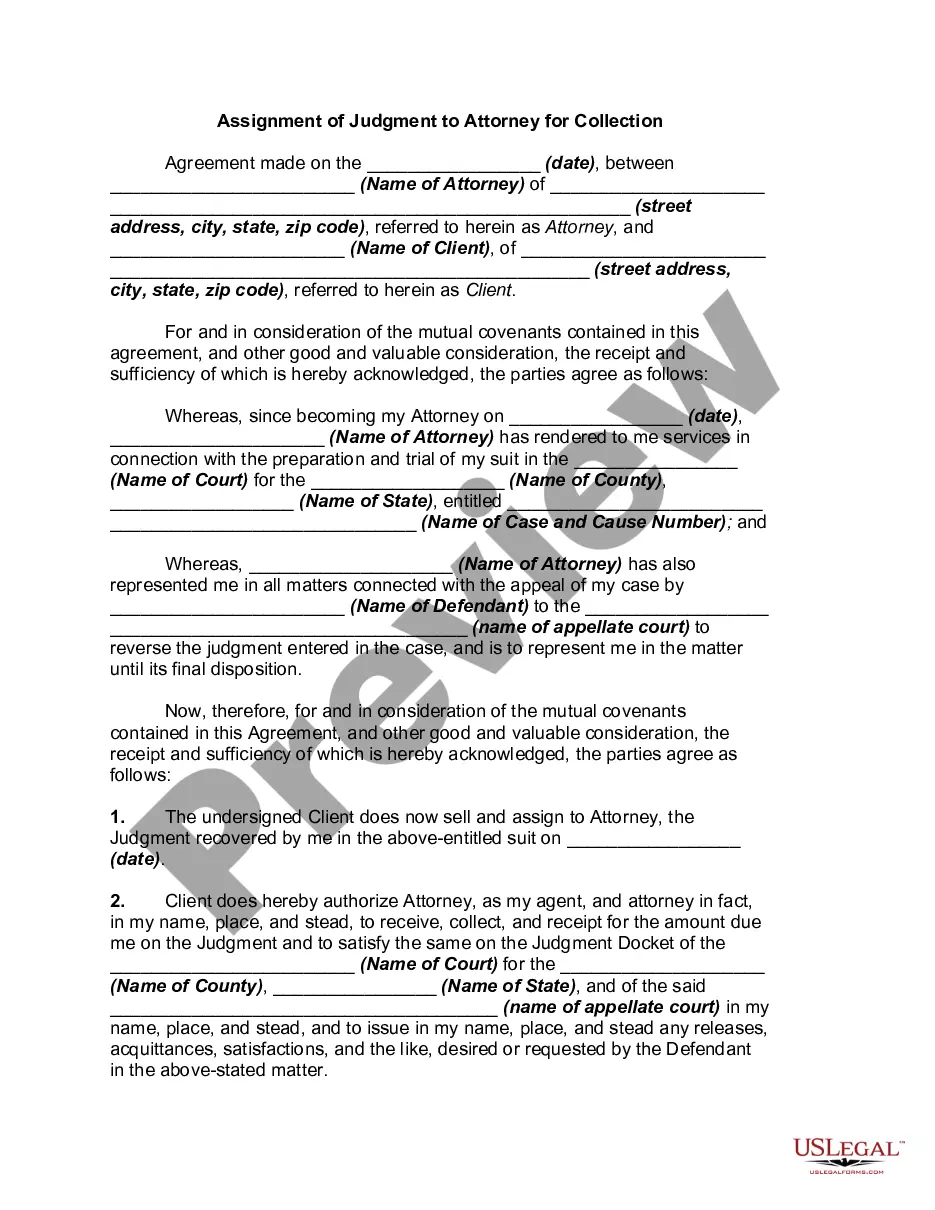
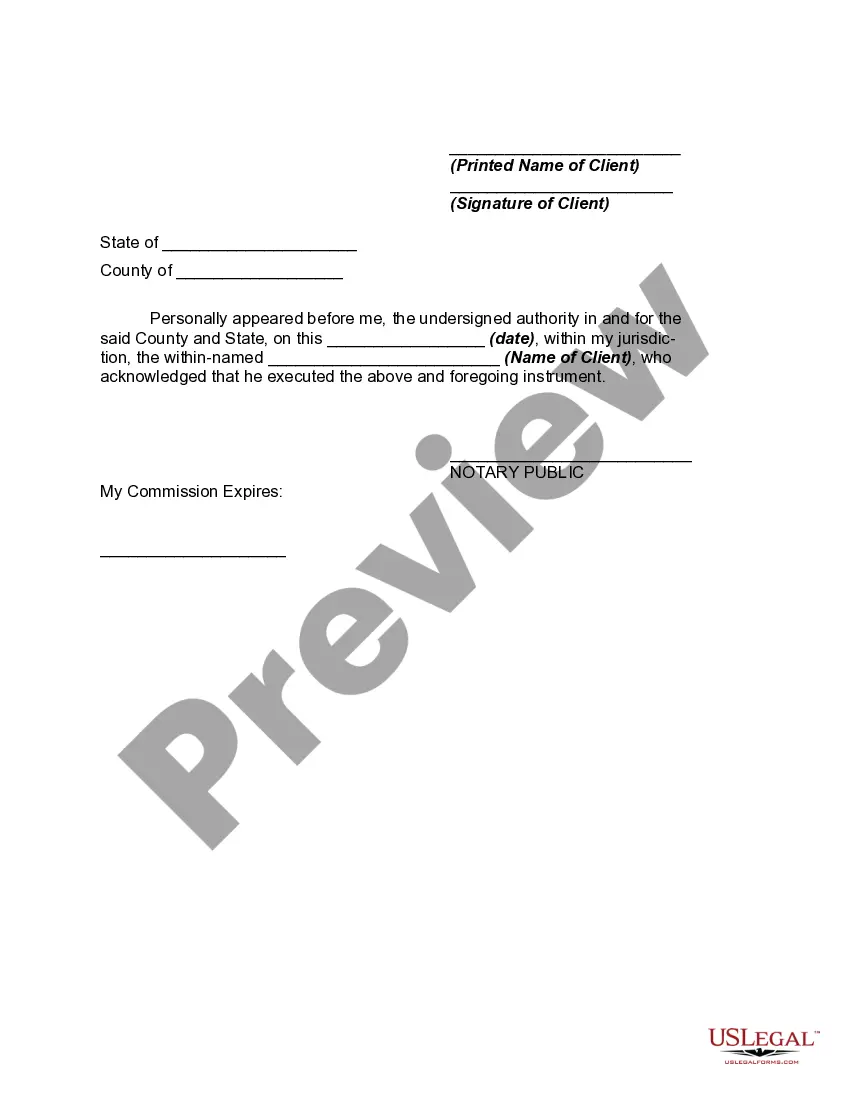
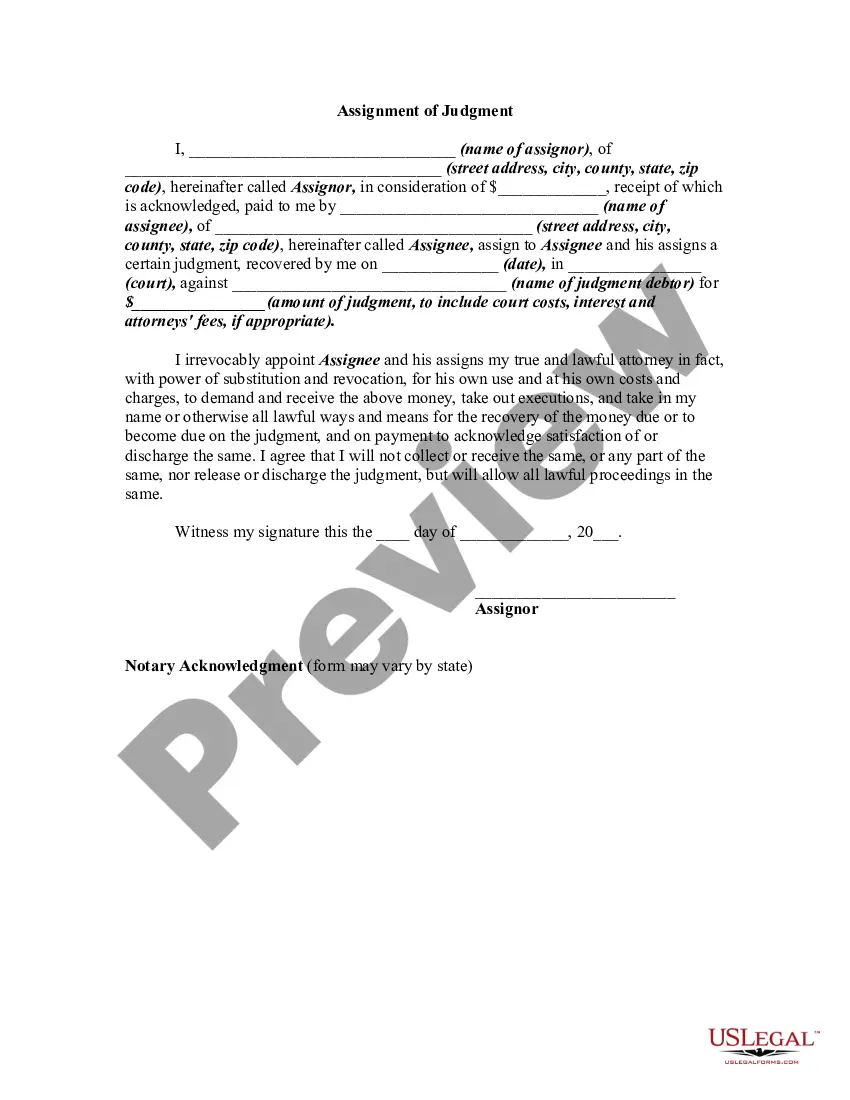
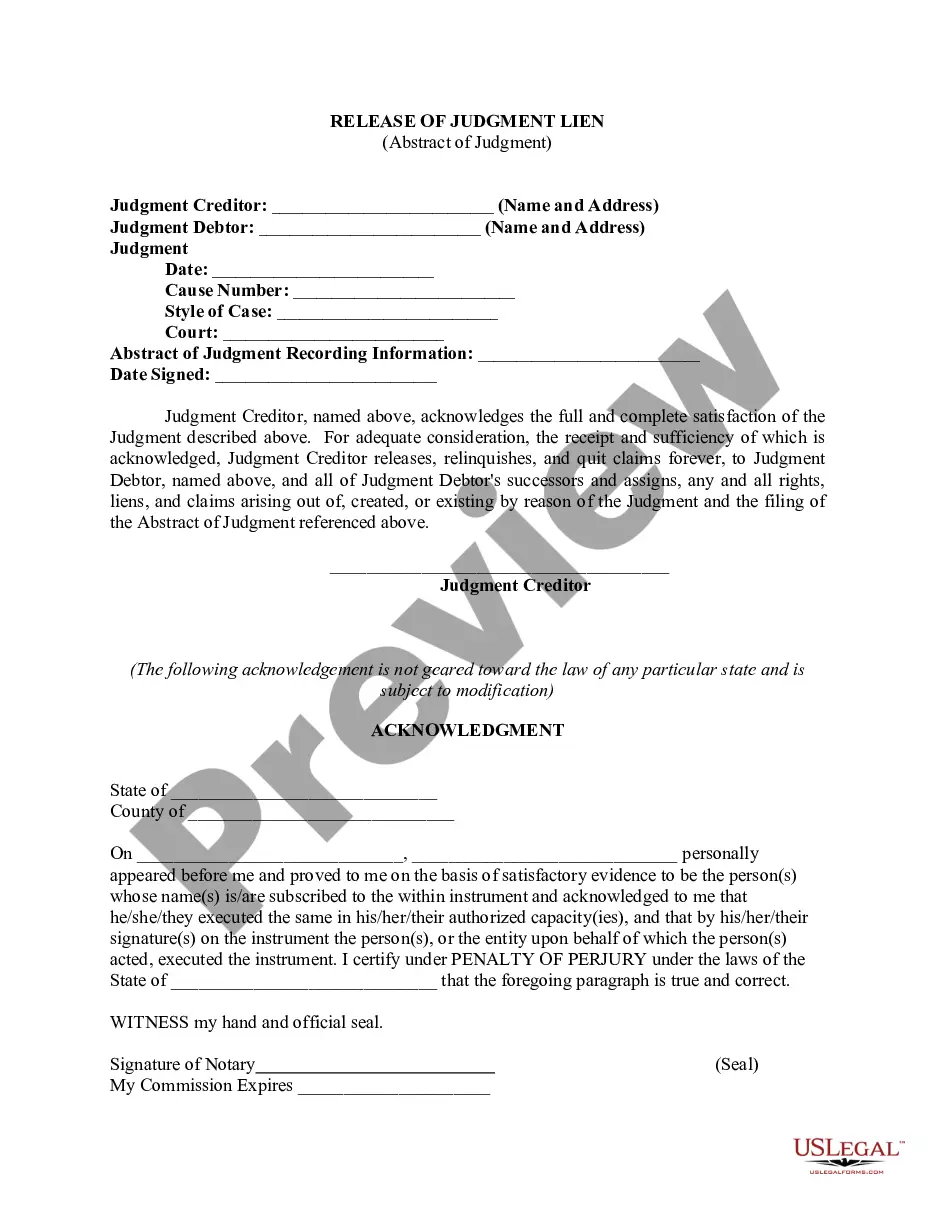
Assignment Judgment Form For Default
Description
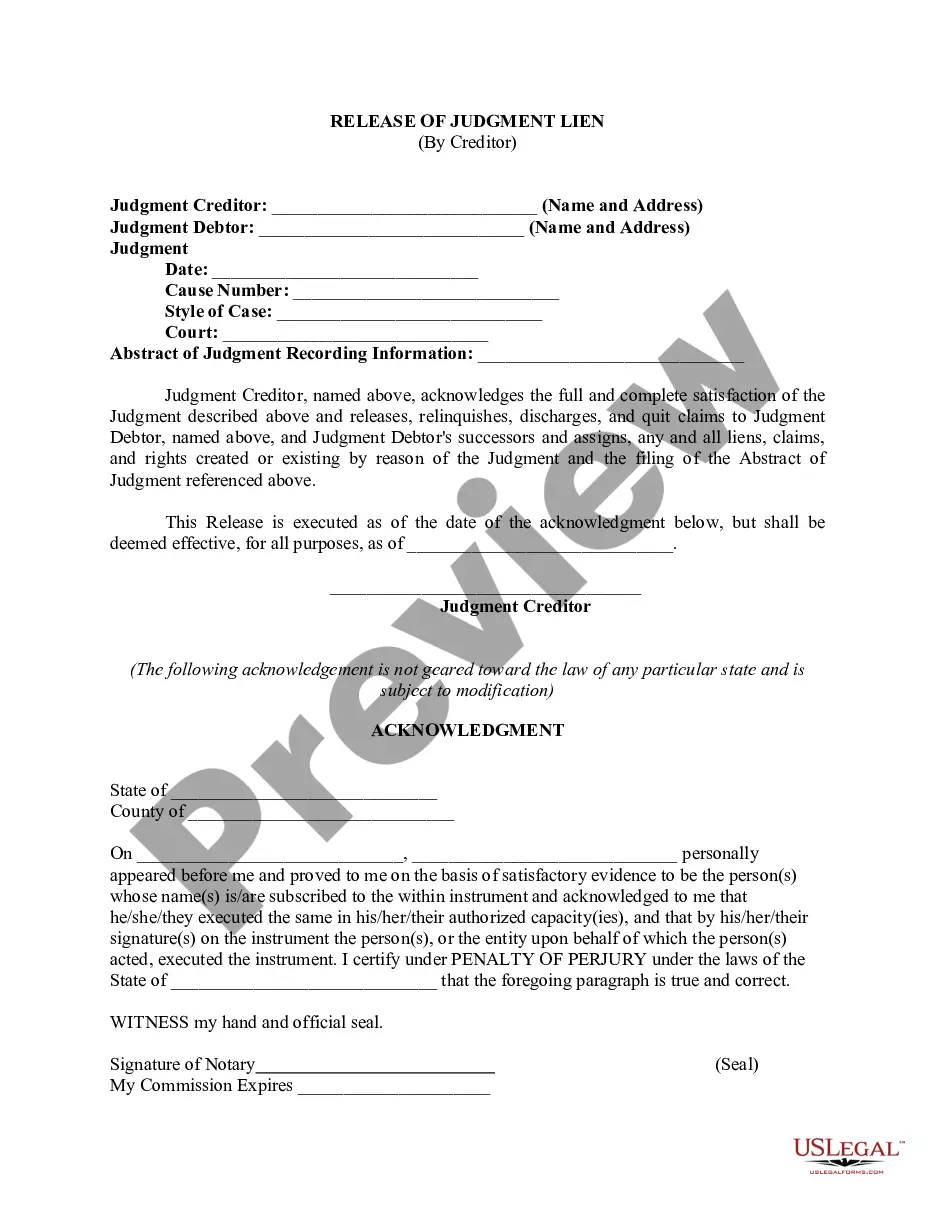
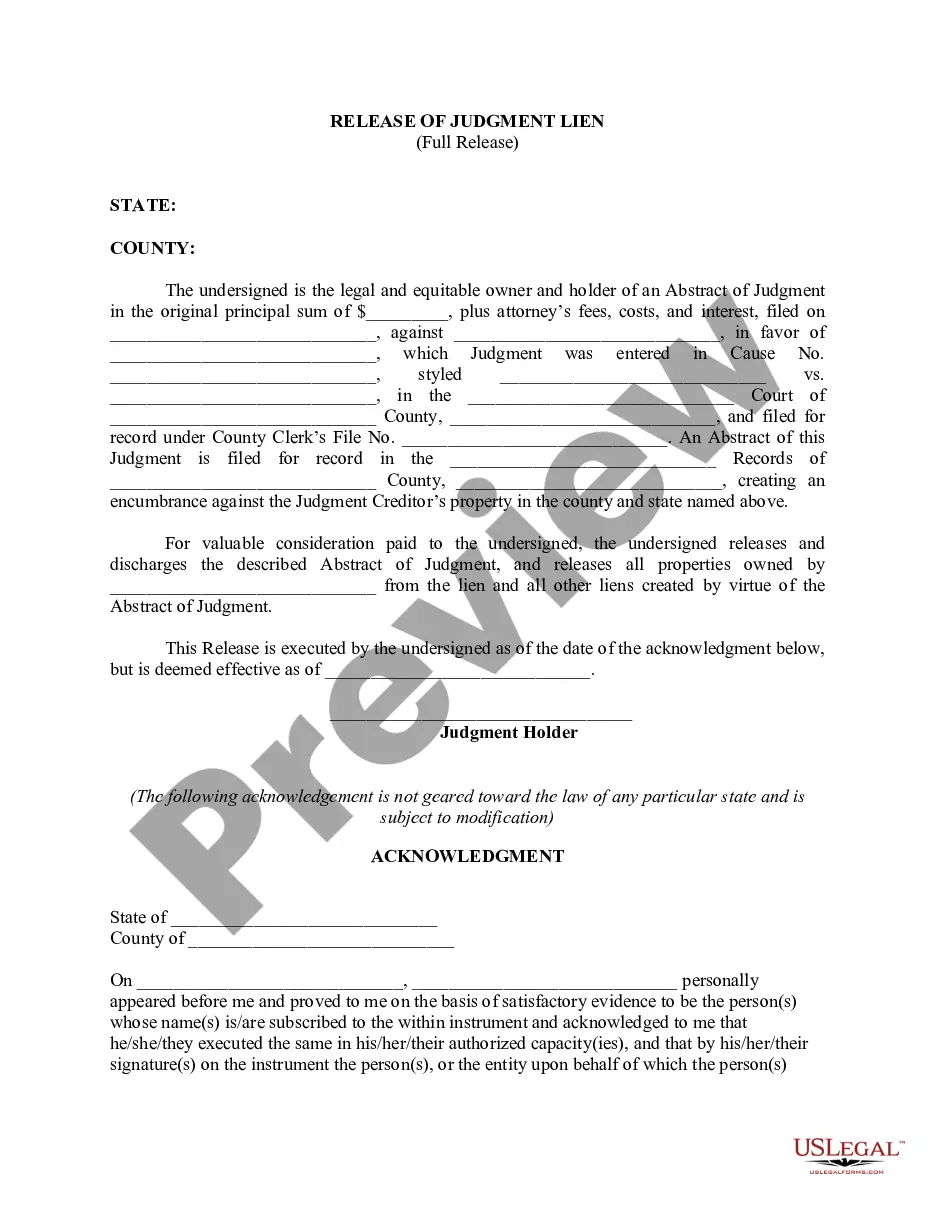
Get your form ready online
Our built-in tools help you complete, sign, share, and store your documents in one place.
Make edits, fill in missing information, and update formatting in US Legal Forms—just like you would in MS Word.
Download a copy, print it, send it by email, or mail it via USPS—whatever works best for your next step.
Sign and collect signatures with our SignNow integration. Send to multiple recipients, set reminders, and more. Go Premium to unlock E-Sign.
If this form requires notarization, complete it online through a secure video call—no need to meet a notary in person or wait for an appointment.
We protect your documents and personal data by following strict security and privacy standards.

Make edits, fill in missing information, and update formatting in US Legal Forms—just like you would in MS Word.

Download a copy, print it, send it by email, or mail it via USPS—whatever works best for your next step.

Sign and collect signatures with our SignNow integration. Send to multiple recipients, set reminders, and more. Go Premium to unlock E-Sign.

If this form requires notarization, complete it online through a secure video call—no need to meet a notary in person or wait for an appointment.

We protect your documents and personal data by following strict security and privacy standards.
Looking for another form?
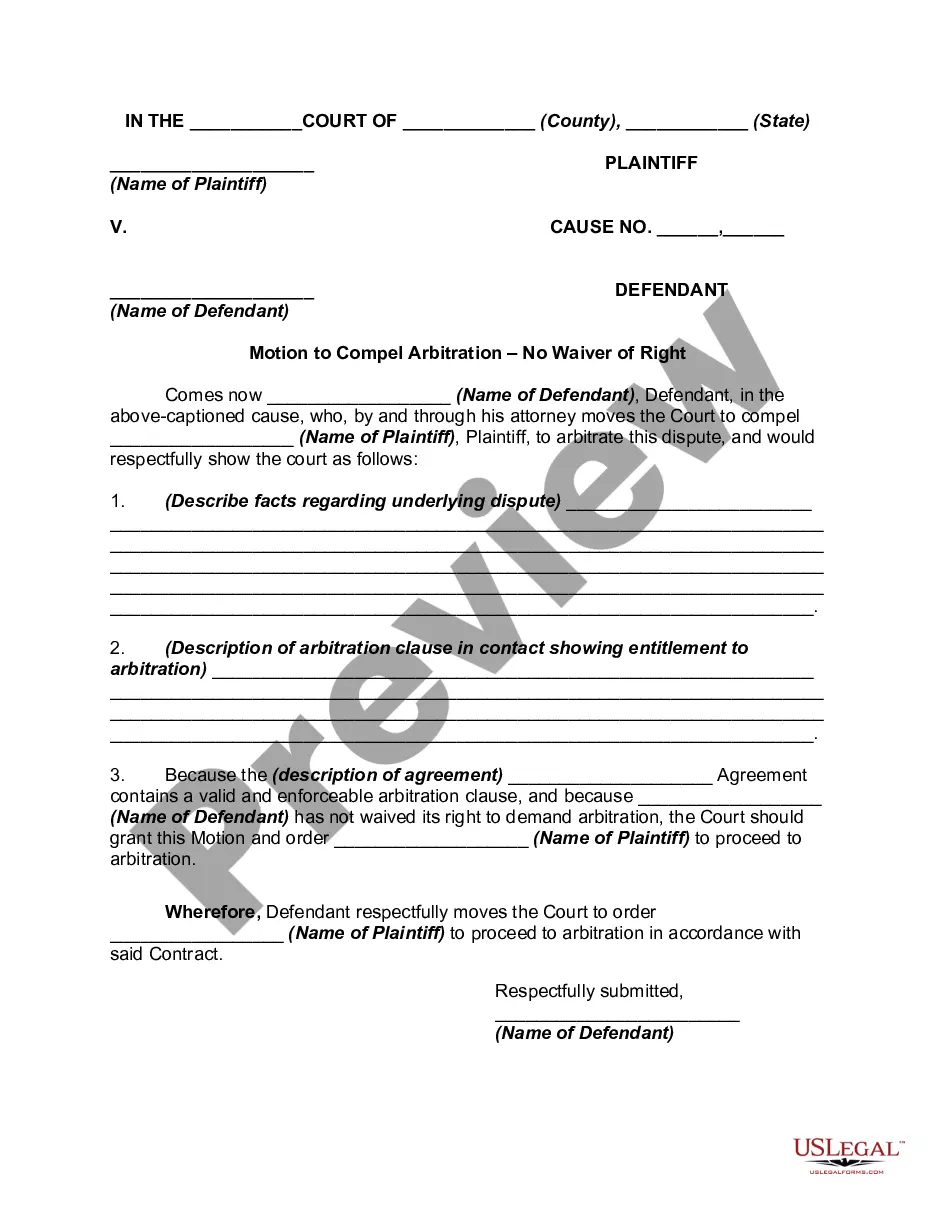
How to fill out Assignment Of Judgment To Attorney For Collection?
Managing legal documentation can be exasperating, even for experienced experts.
When you seek an Assignment Judgment Form For Default and lack the opportunity to spend searching for the correct and updated version, the process can be stressful.
Access state- or county-specific legal and business forms easily.
US Legal Forms meets all your requirements, whether personal or corporate documentation, all in one location.
If this is your initial experience with US Legal Forms, register for a free account and enjoy limitless access to all the library's advantages. Below are the steps to follow after locating the form you seek.
- Utilize cutting-edge tools to complete and manage your Assignment Judgment Form For Default.
- Access a repository of articles, guides, and resources pertinent to your situation and needs.
- Save time and effort in locating the necessary documents by employing US Legal Forms' sophisticated search and Review tool to find the Assignment Judgment Form For Default and acquire it.
- If you hold a monthly subscription, Log In to your US Legal Forms account, search for the document, and obtain it.
- Check the My documents tab to review the documents you've previously saved and manage your folders as preferred.
- A comprehensive web form library could revolutionize the way individuals handle these scenarios effectively.
- US Legal Forms is a leading entity in online legal forms, offering more than 85,000 state-specific legal documents accessible to you at any time.
- With US Legal Forms, you can streamline your document handling efficiently.
Form popularity
FAQ
A solid reason to set aside a default judgment includes presenting evidence that you did not receive proper notice of the lawsuit. Additionally, new information can emerge that supports your case, or you may have a valid defense that warrants reconsideration. It’s important to file your request promptly after discovering the default judgment. Utilizing the assignment judgment form for default can help facilitate this process effectively.
You can request a default judgment by filing an assignment judgment form for default with the court where your case is pending. After the form is filled out accurately, submit it along with any supporting documents and proof of service. The court will review your request and, if approved, will issue a judgment in your favor. This allows you to move forward when the other party does not engage.
To make an application for default judgment, you need to complete the assignment judgment form for default provided by your court. Ensure you include all necessary details, such as the case number and the party names. Submit the completed form to the court along with any required fees. This process allows you to seek judgment when the other party fails to respond.
A very important fact you should keep in mind is that California courts do impose a timeline for seeking entry of a default judgment. Specifically, a request for entry of default must be filed within 10 days following a defendant's failure to timely file and serve a responsive pleading.
You can ask to cancel, or ?set aside? a default judgment. You have to have a good reason for not responding in 30 days. If the judgment is canceled, you'll get a chance to answer.
The court must set aside a default judgment if you: have paid the whole amount owed (including any interest and costs) before the date the creditor entered judgment; sent back the acknowledgment of service form within the time limit; put in a defence within the time limit; or.
A court order (made after a motion) that says a judgment debtor must assign certain rights to the judgment creditor.
After a default judgment, the Plaintiff will try to collect the money you owe. The Plaintiff may be able to take money from your paycheck or bank account and put a lien on your property.