Defendant Case Dismissed Without Prejudice
Description
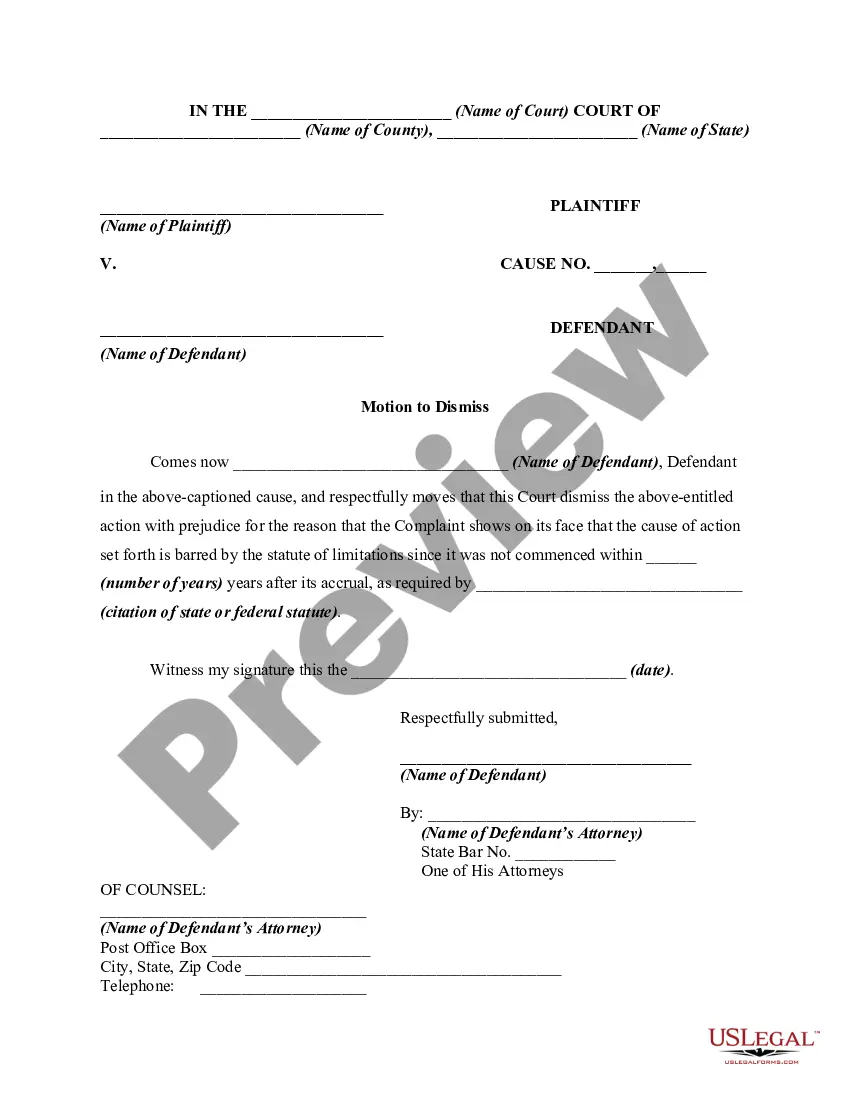
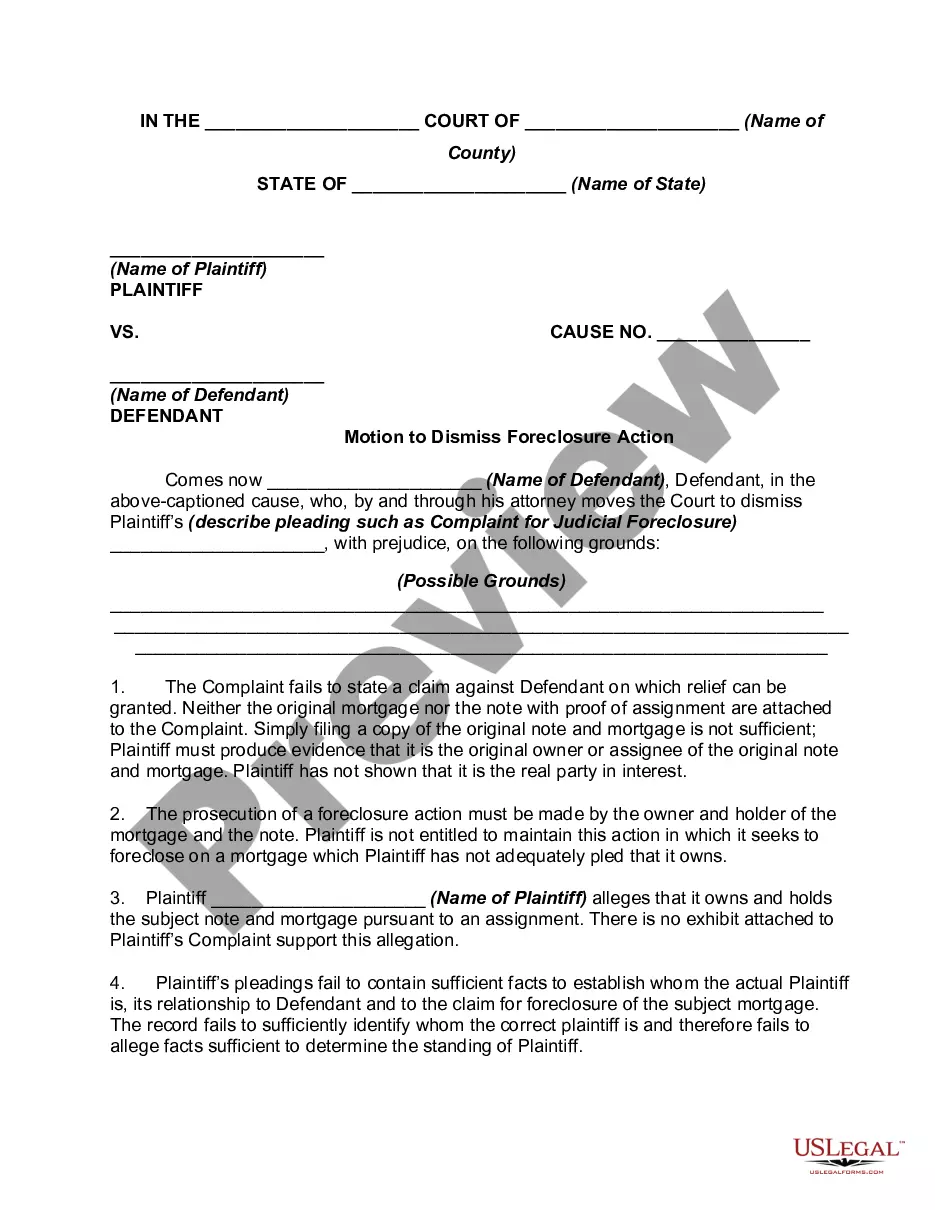
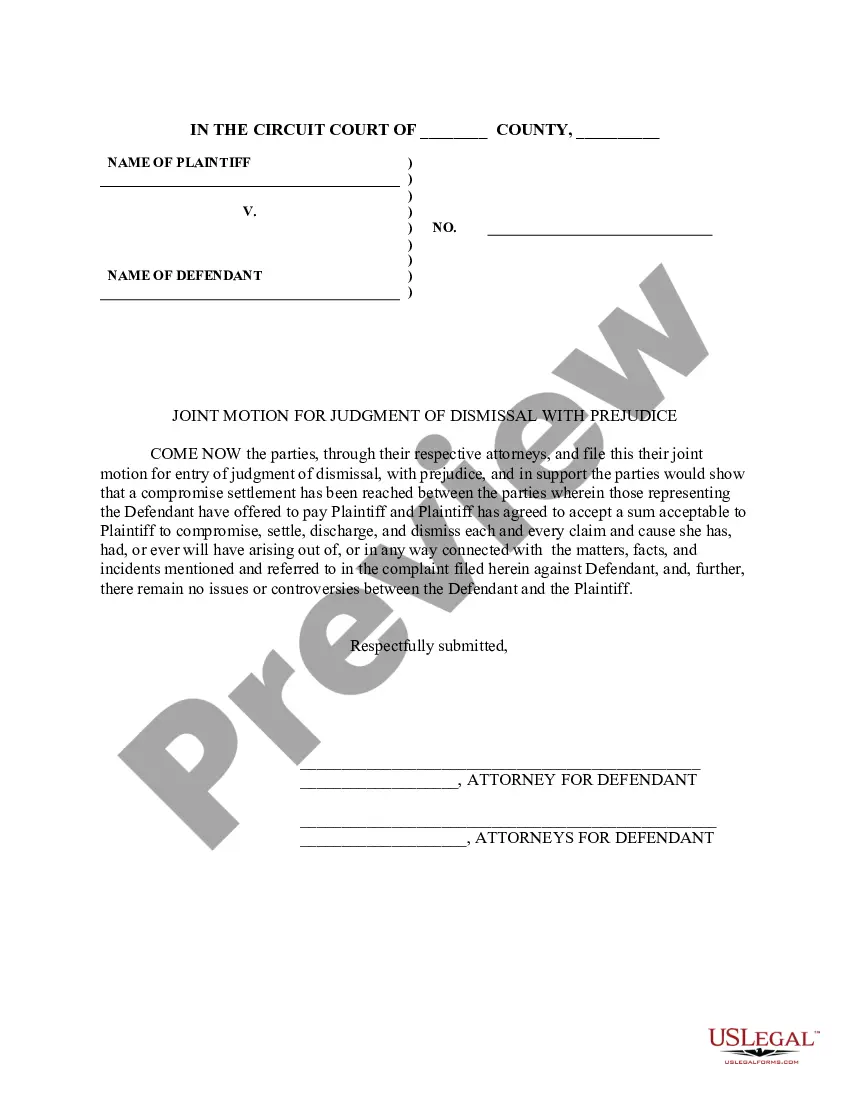
Get your form ready online
Our built-in tools help you complete, sign, share, and store your documents in one place.
Make edits, fill in missing information, and update formatting in US Legal Forms—just like you would in MS Word.
Download a copy, print it, send it by email, or mail it via USPS—whatever works best for your next step.
Sign and collect signatures with our SignNow integration. Send to multiple recipients, set reminders, and more. Go Premium to unlock E-Sign.
If this form requires notarization, complete it online through a secure video call—no need to meet a notary in person or wait for an appointment.
We protect your documents and personal data by following strict security and privacy standards.

Make edits, fill in missing information, and update formatting in US Legal Forms—just like you would in MS Word.

Download a copy, print it, send it by email, or mail it via USPS—whatever works best for your next step.

Sign and collect signatures with our SignNow integration. Send to multiple recipients, set reminders, and more. Go Premium to unlock E-Sign.

If this form requires notarization, complete it online through a secure video call—no need to meet a notary in person or wait for an appointment.

We protect your documents and personal data by following strict security and privacy standards.
Looking for another form?
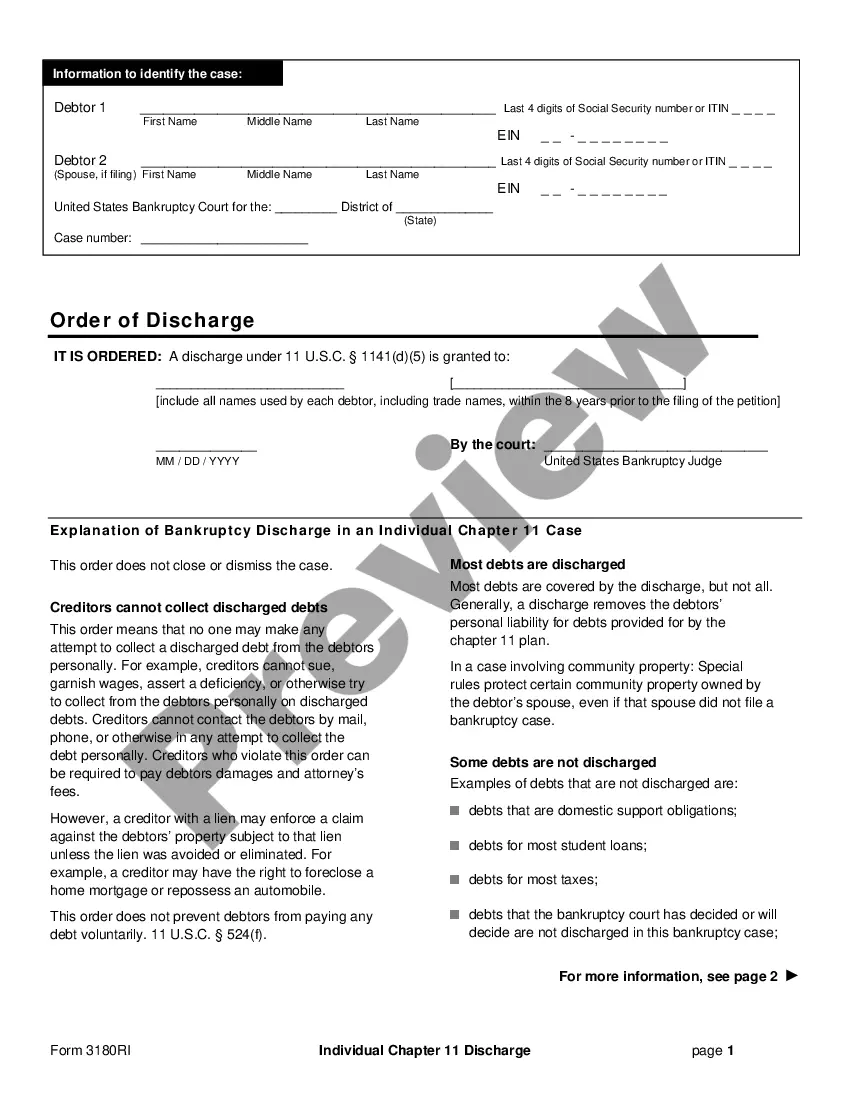


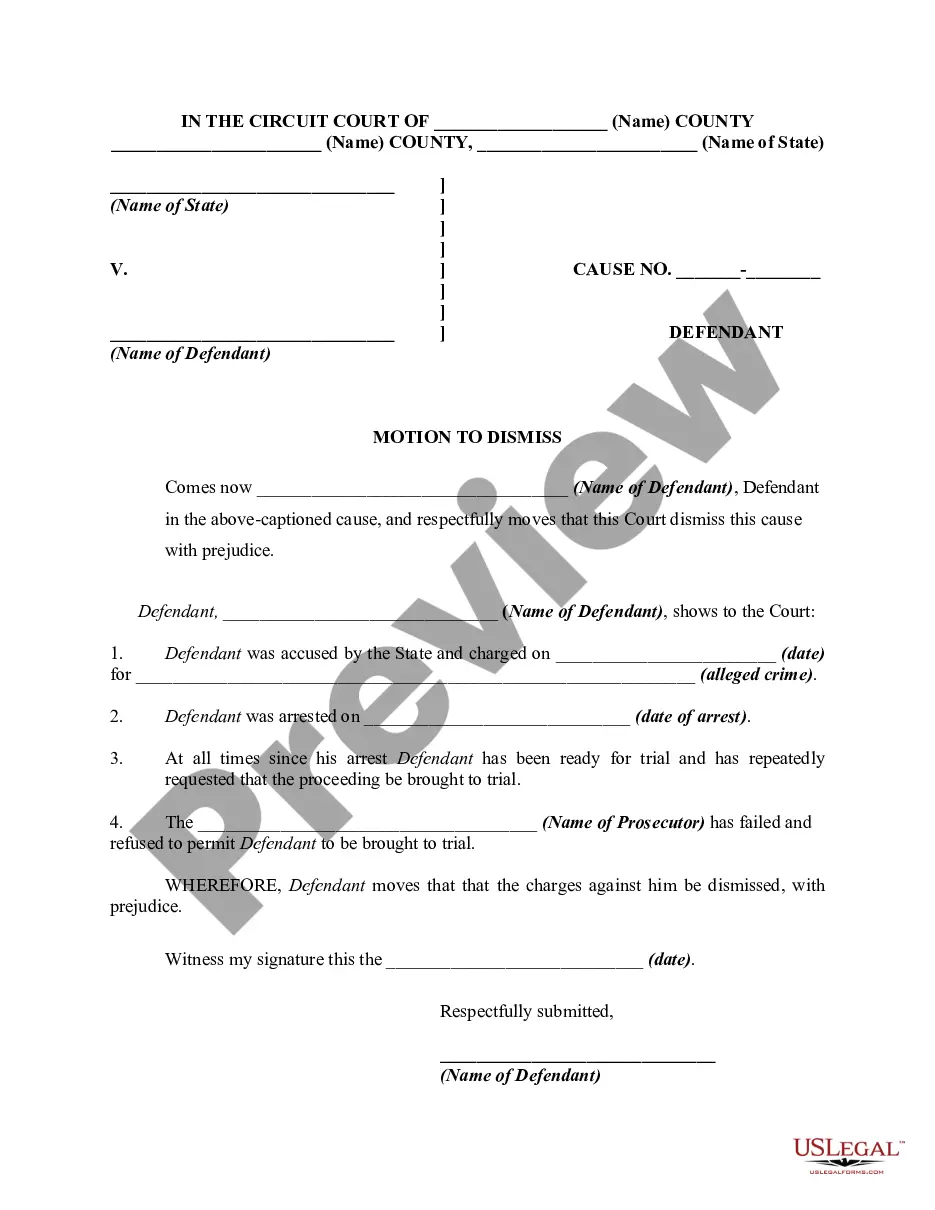

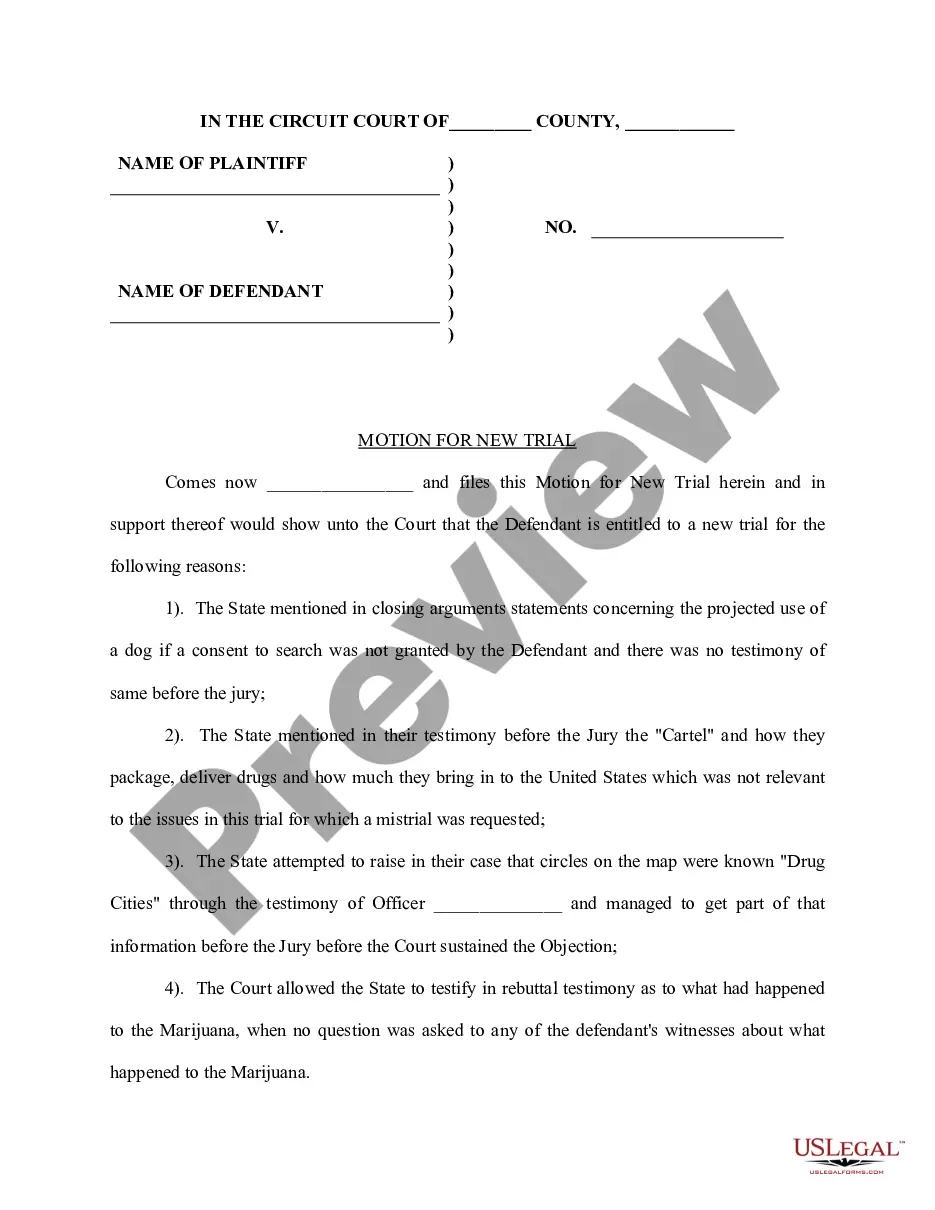
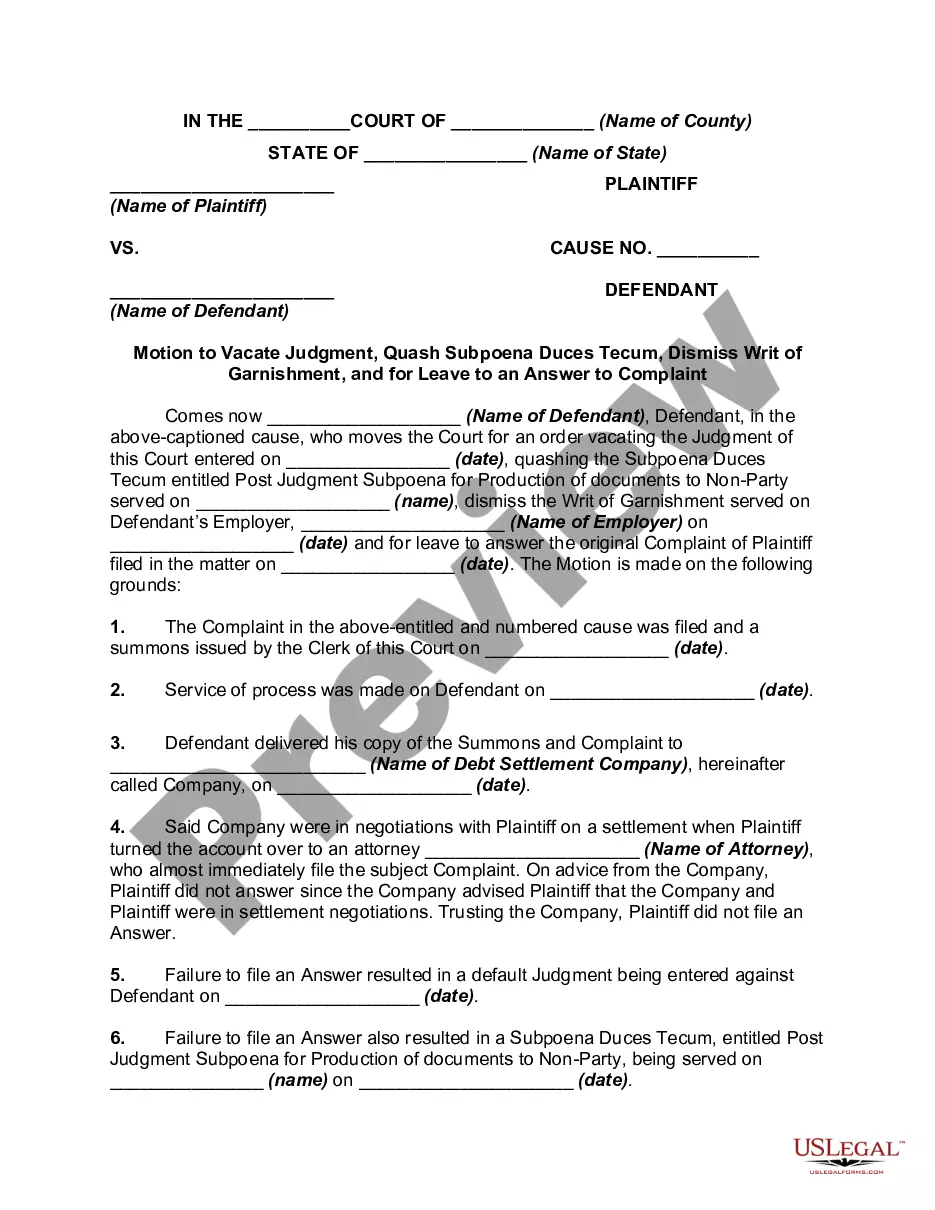
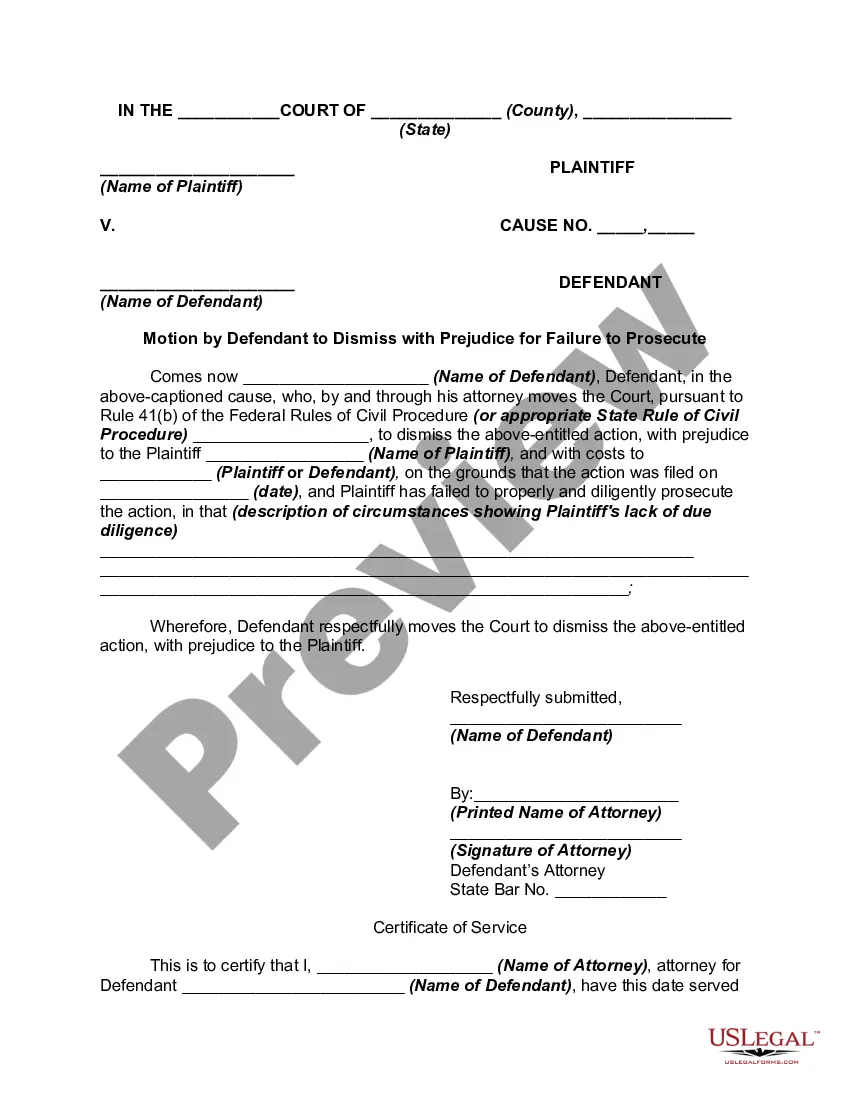
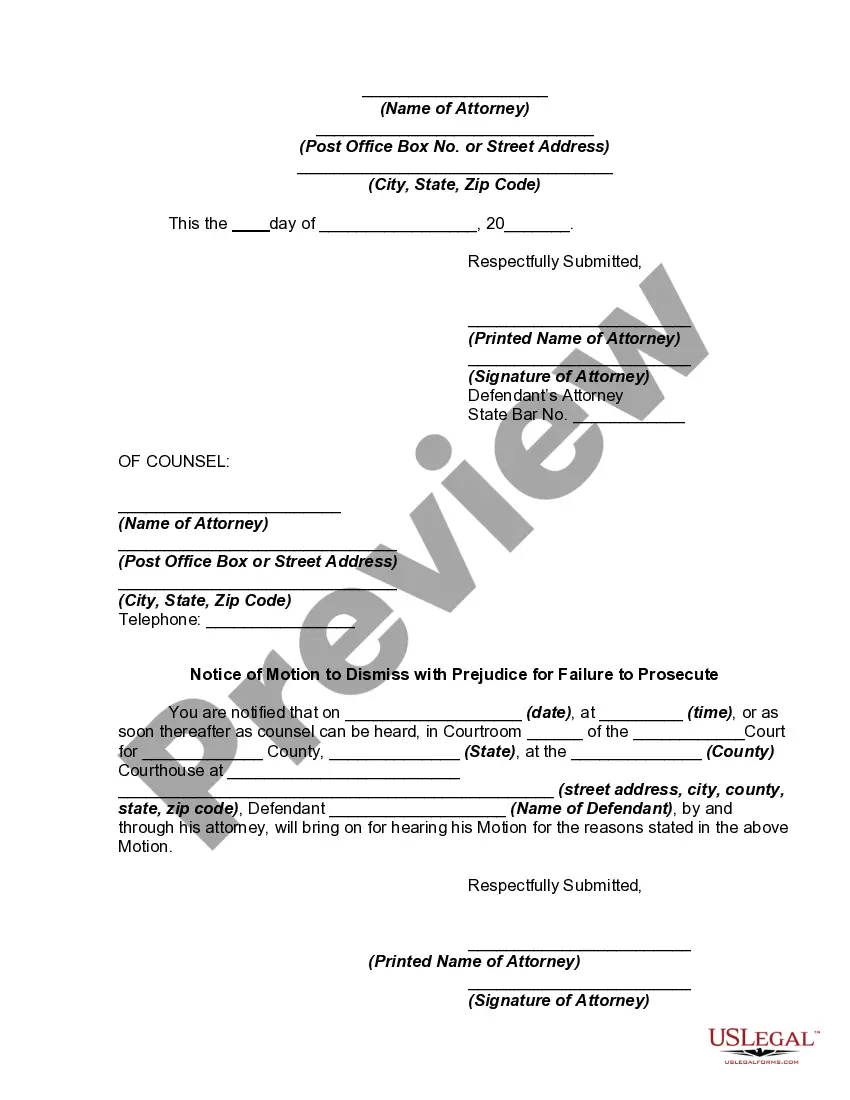
How to fill out Motion By Defendant To Dismiss With Prejudice For Failure To Prosecute?
Locating a reliable source for the latest and pertinent legal templates is a significant part of navigating bureaucracy. Acquiring the appropriate legal documents requires accuracy and meticulousness, which underscores the importance of obtaining samples of Defendant Case Dismissed Without Prejudice solely from trustworthy providers, such as US Legal Forms. An incorrect template can squander your time and prolong your current situation. With US Legal Forms, you have minimal concerns. You can access and review all the details regarding the document’s applicability and significance for your situation and within your jurisdiction.
Consider the subsequent steps to complete your Defendant Case Dismissed Without Prejudice.
Once you have the form on your device, you can modify it using the editor or print it out and complete it manually. Eliminate the complications associated with your legal paperwork. Explore the extensive US Legal Forms catalog where you can discover legal templates, assess their relevance to your situation, and download them instantly.
- Utilize the catalog navigation or search bar to find your template.
- Examine the form’s description to verify if it meets the criteria of your state and locality.
- Review the form preview, if available, to confirm that the template is what you are looking for.
- Return to the search and seek the appropriate template if the Defendant Case Dismissed Without Prejudice does not meet your requirements.
- If you are confident about the form’s applicability, download it.
- As a registered user, click Log in to verify and access your selected forms in My documents.
- If you do not yet have an account, click Buy now to acquire the form.
- Choose the payment plan that best fits your needs.
- Proceed with the registration to finalize your purchase.
- Conclude your transaction by selecting a payment option (credit card or PayPal).
- Choose the file format for downloading Defendant Case Dismissed Without Prejudice.
Form popularity
FAQ
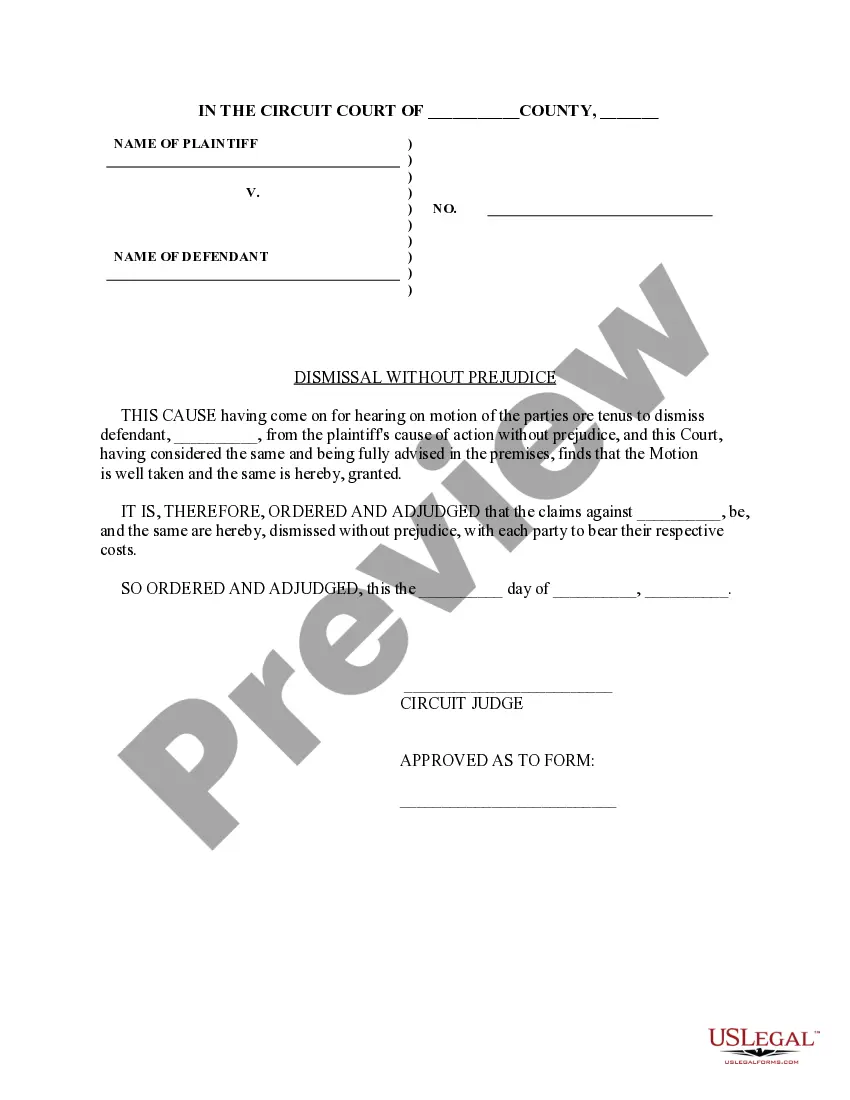
In the formal legal world, a court case that is dismissed with prejudice means that it is dismissed permanently. A case dismissed with prejudice is over and done with, once and for all, and can't be brought back to court. A case dismissed without prejudice means the opposite. It's not dismissed forever.
?With prejudice? means that you cannot re-file your case ever. ?Without prejudice? means that you can re-file your case at a later date (as long as you are still within the statute of limitations).
A court may allow a plaintiff to voluntarily withdraw from the suit through a Rule 41(a) dismissal without prejudice if the plaintiff would suffer hardship from continuing the suit. Also, under Rule 37(b)(2), a court may dismiss without prejudice to sanction a party acting in bad faith.
Dismissal without prejudice means that the judge dismissed the plaintiff's or prosecutor's case without damaging their right to have their matter heard in court later. A prosecutor may ask to withdraw the case against a person to have more time to make a case stronger, find more evidence or question other witnesses.
For example, if someone was subject to an illegal search or arrested without probable cause, that could be considered a violation of the defendant's constitutional rights. Another situation that can lead to dismissal with prejudice is if the person charged with the crime successfully completes a diversion program.