How Write Up Termination Letter For A Job
Description
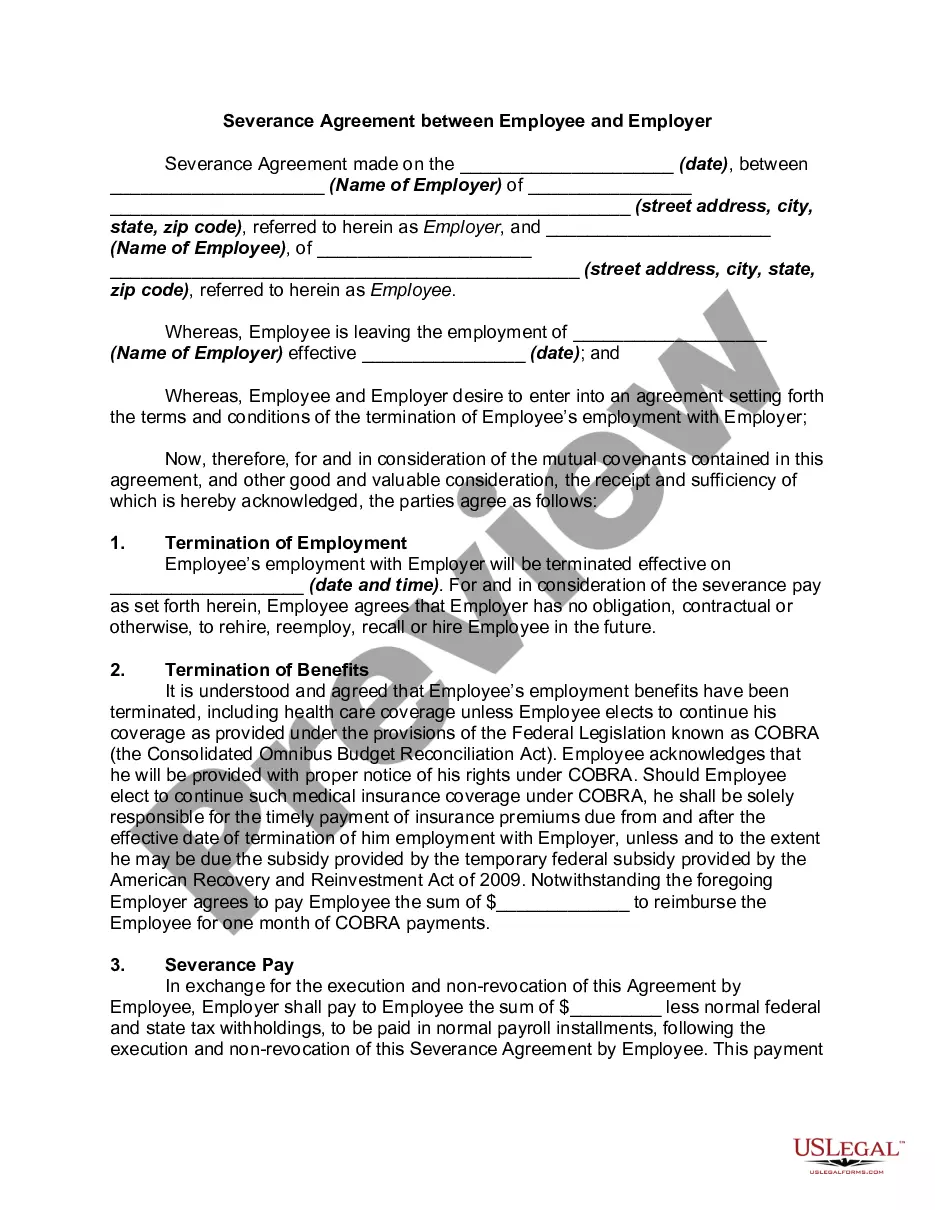
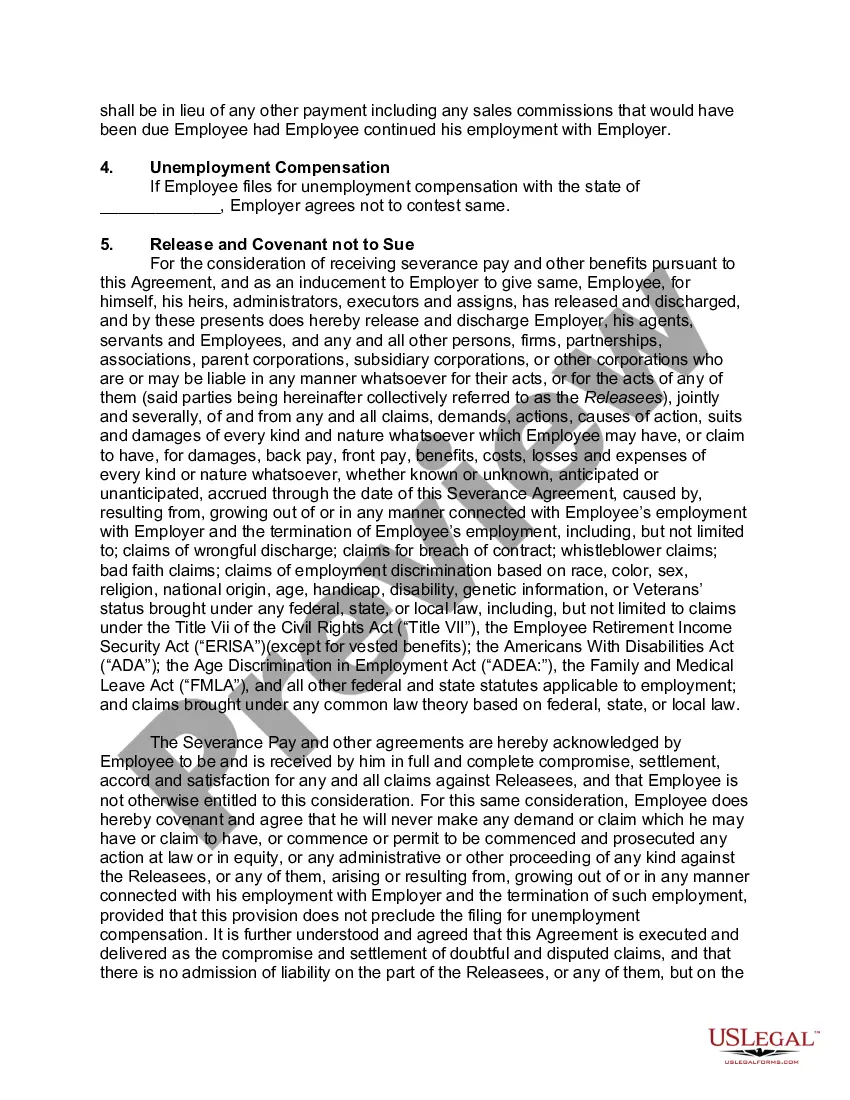
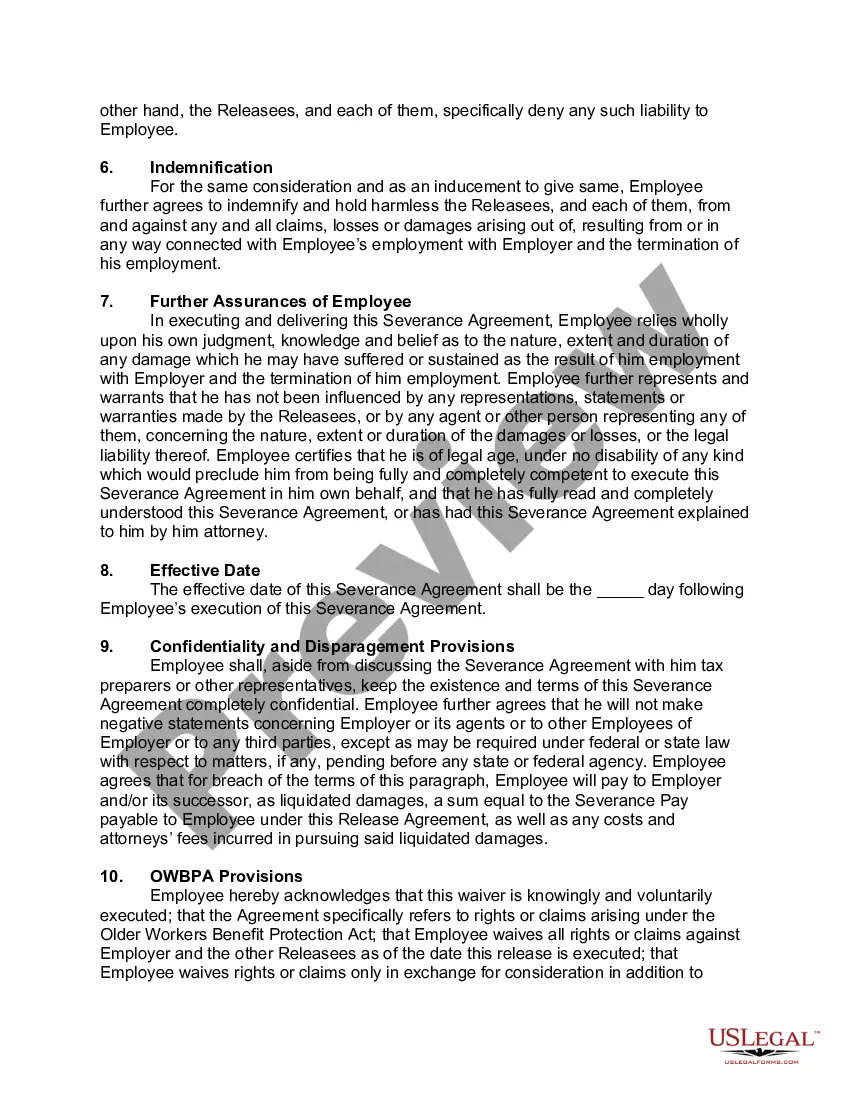
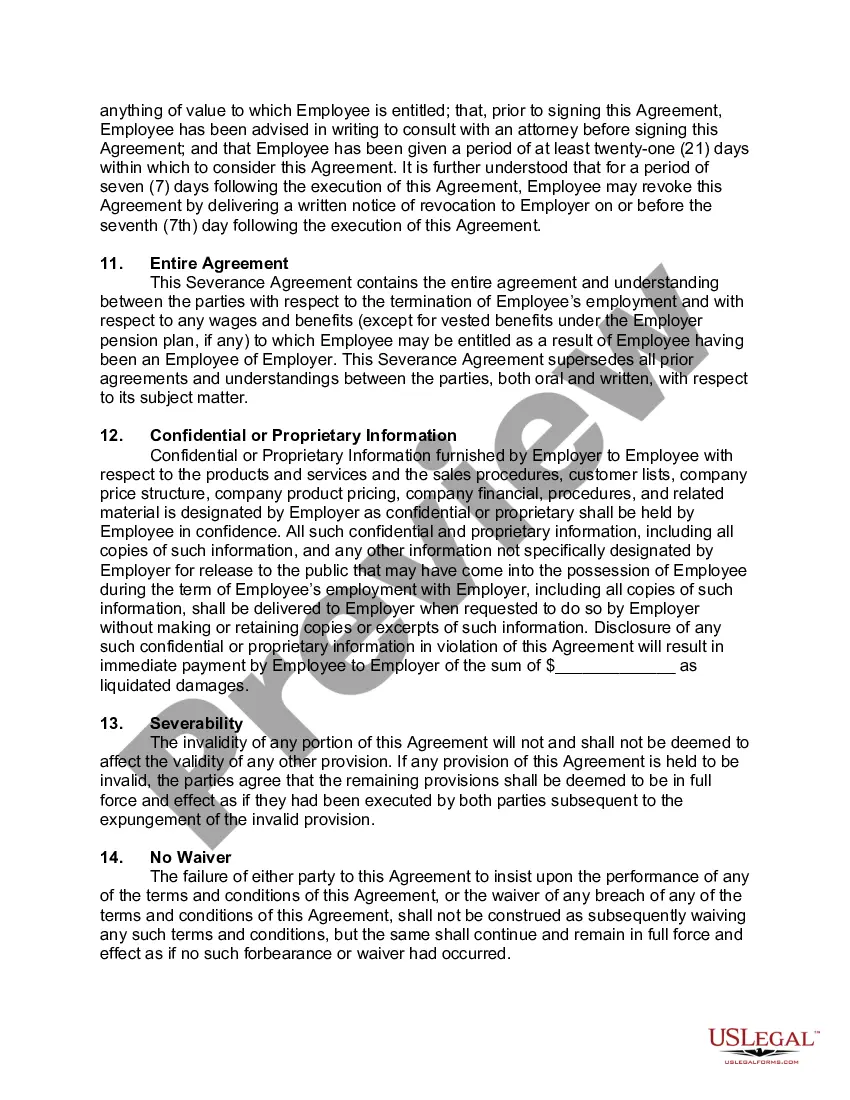
Get your form ready online
Our built-in tools help you complete, sign, share, and store your documents in one place.
Make edits, fill in missing information, and update formatting in US Legal Forms—just like you would in MS Word.
Download a copy, print it, send it by email, or mail it via USPS—whatever works best for your next step.
Sign and collect signatures with our SignNow integration. Send to multiple recipients, set reminders, and more. Go Premium to unlock E-Sign.
If this form requires notarization, complete it online through a secure video call—no need to meet a notary in person or wait for an appointment.
We protect your documents and personal data by following strict security and privacy standards.
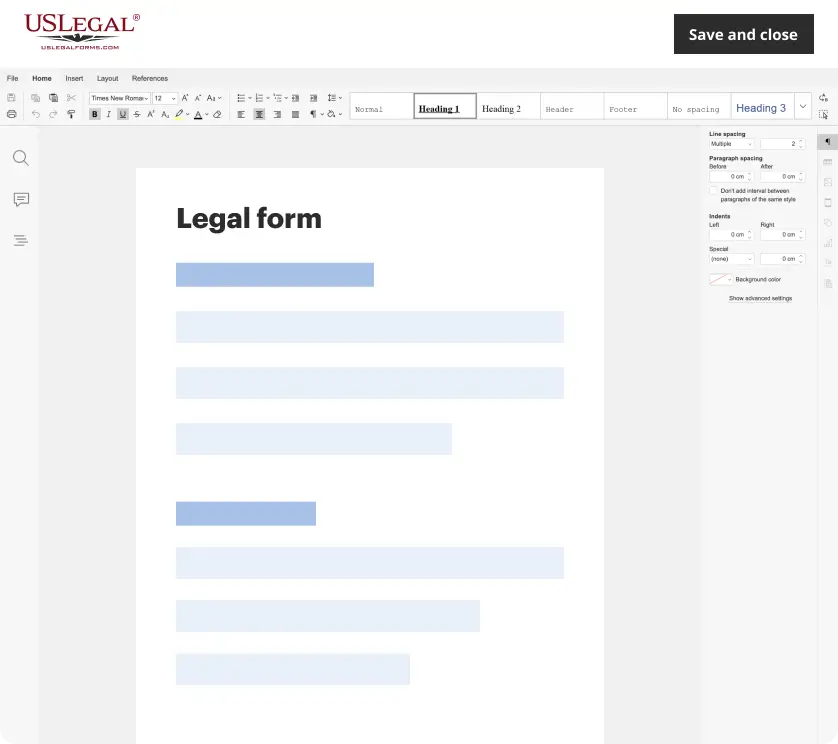
Make edits, fill in missing information, and update formatting in US Legal Forms—just like you would in MS Word.
Download a copy, print it, send it by email, or mail it via USPS—whatever works best for your next step.
Sign and collect signatures with our SignNow integration. Send to multiple recipients, set reminders, and more. Go Premium to unlock E-Sign.
If this form requires notarization, complete it online through a secure video call—no need to meet a notary in person or wait for an appointment.
We protect your documents and personal data by following strict security and privacy standards.
Looking for another form?
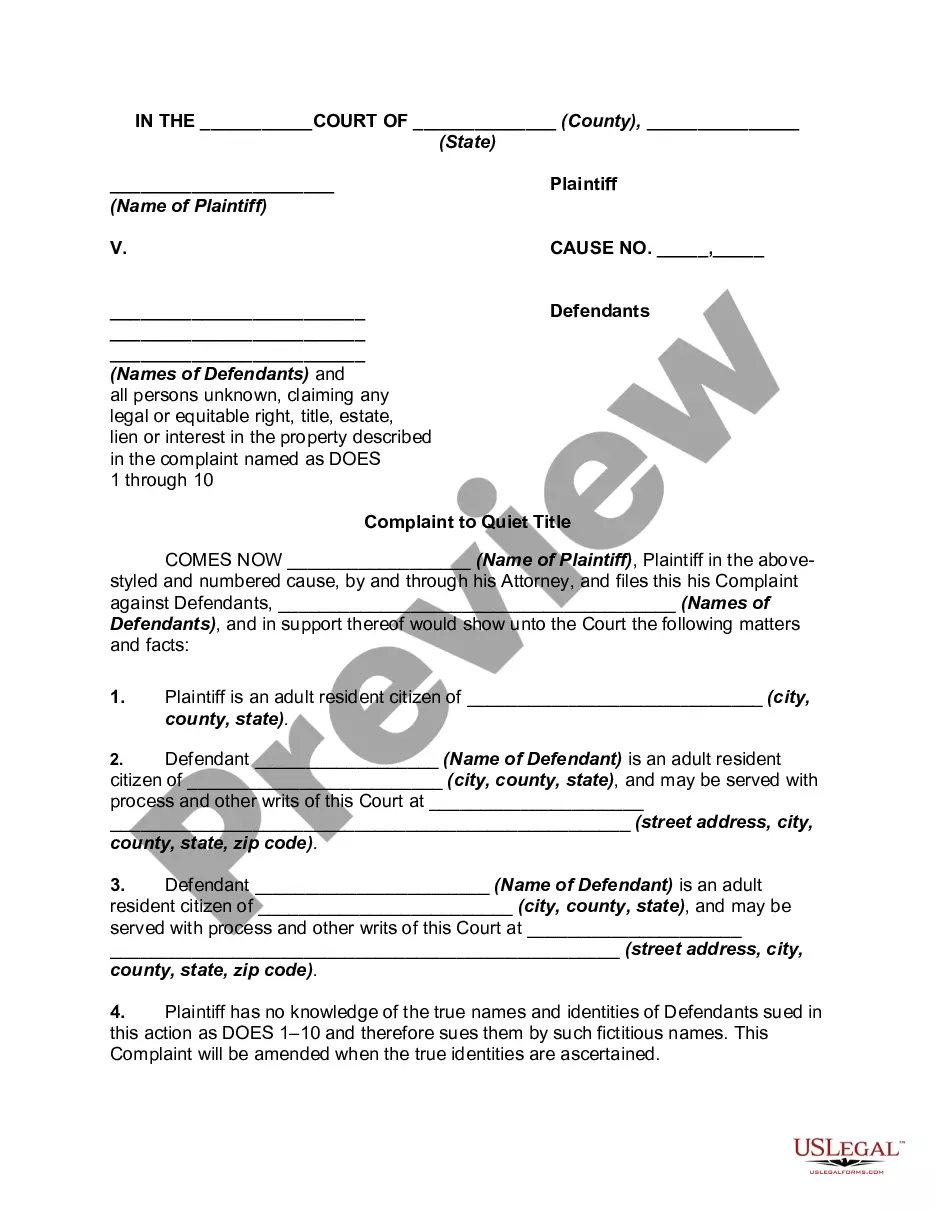

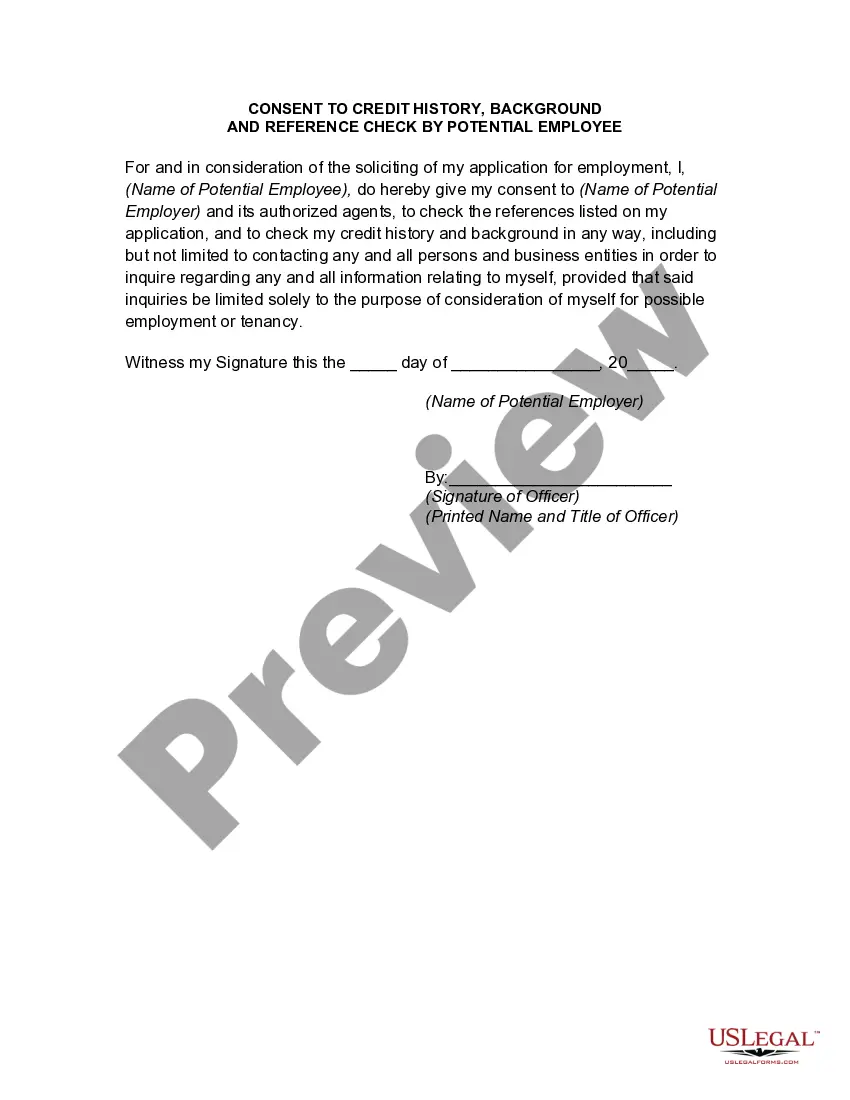



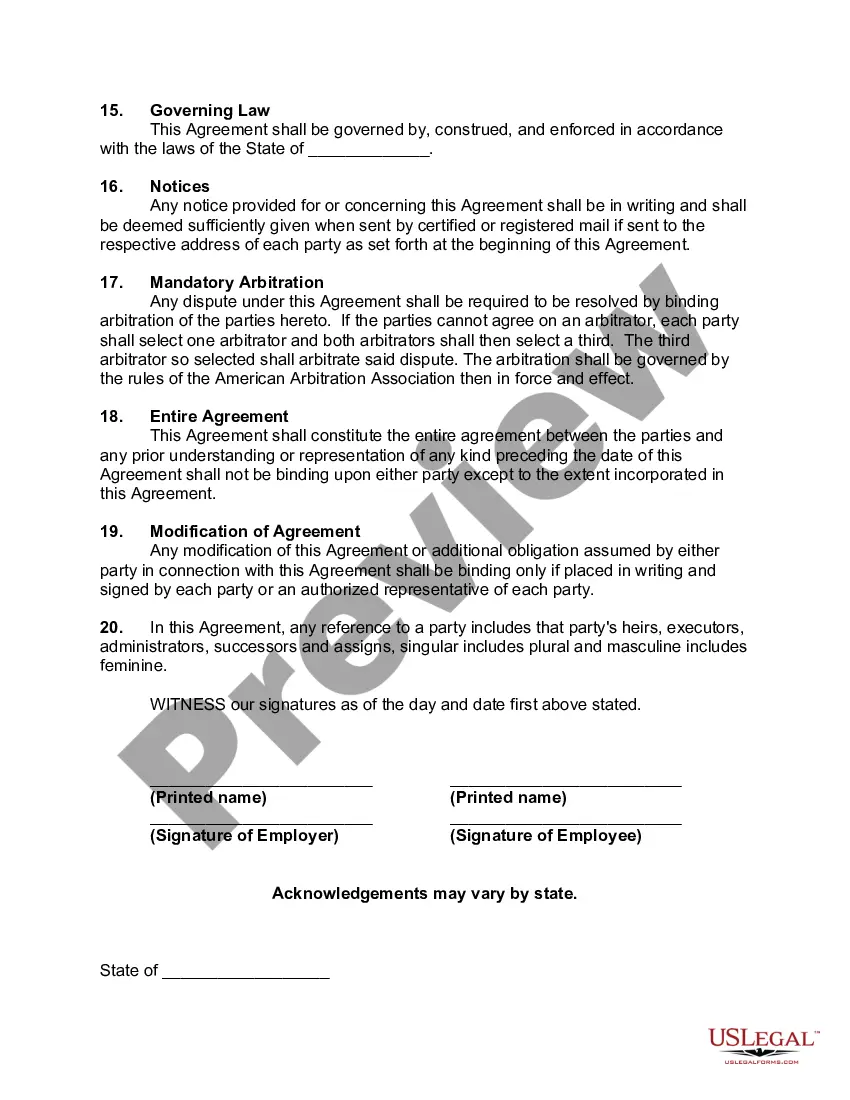
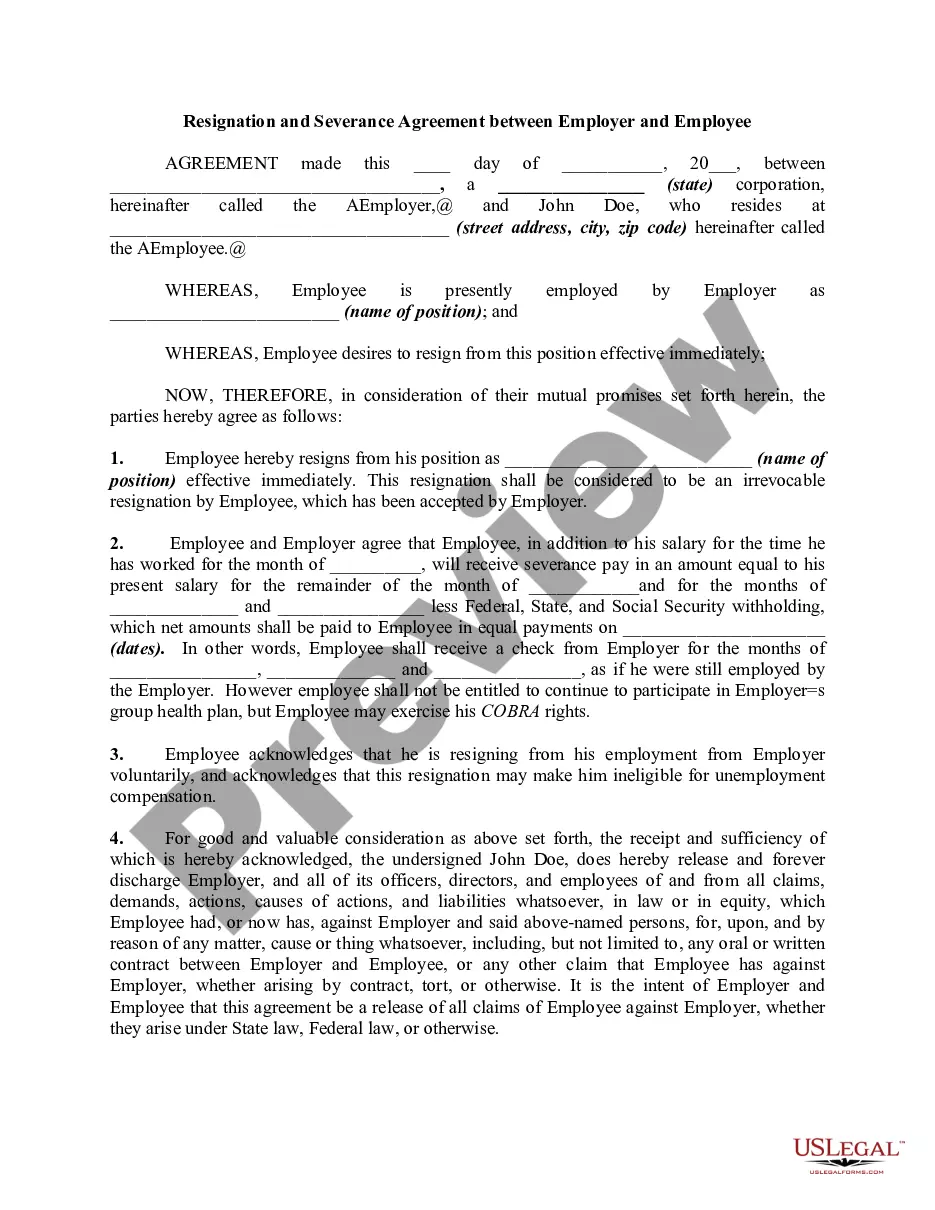
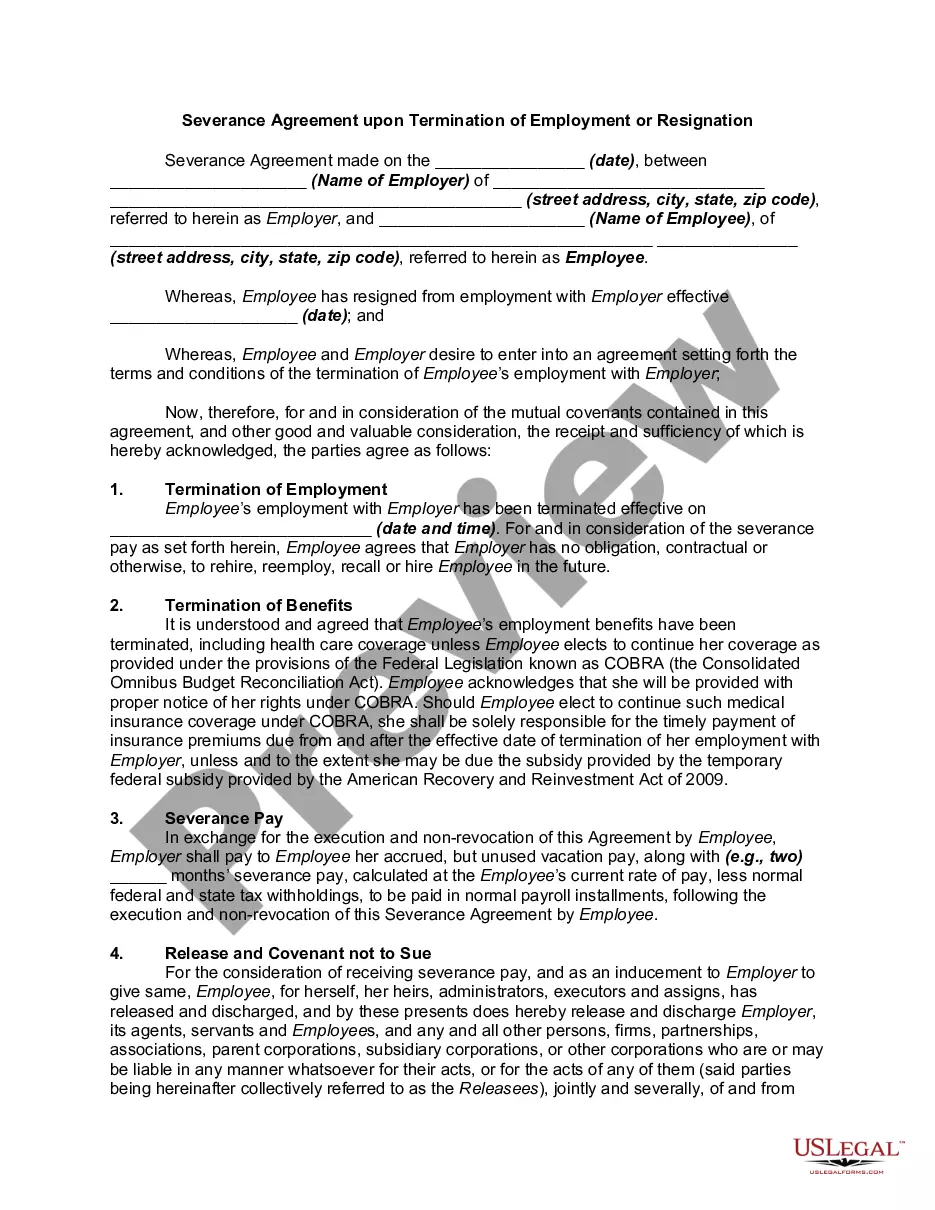
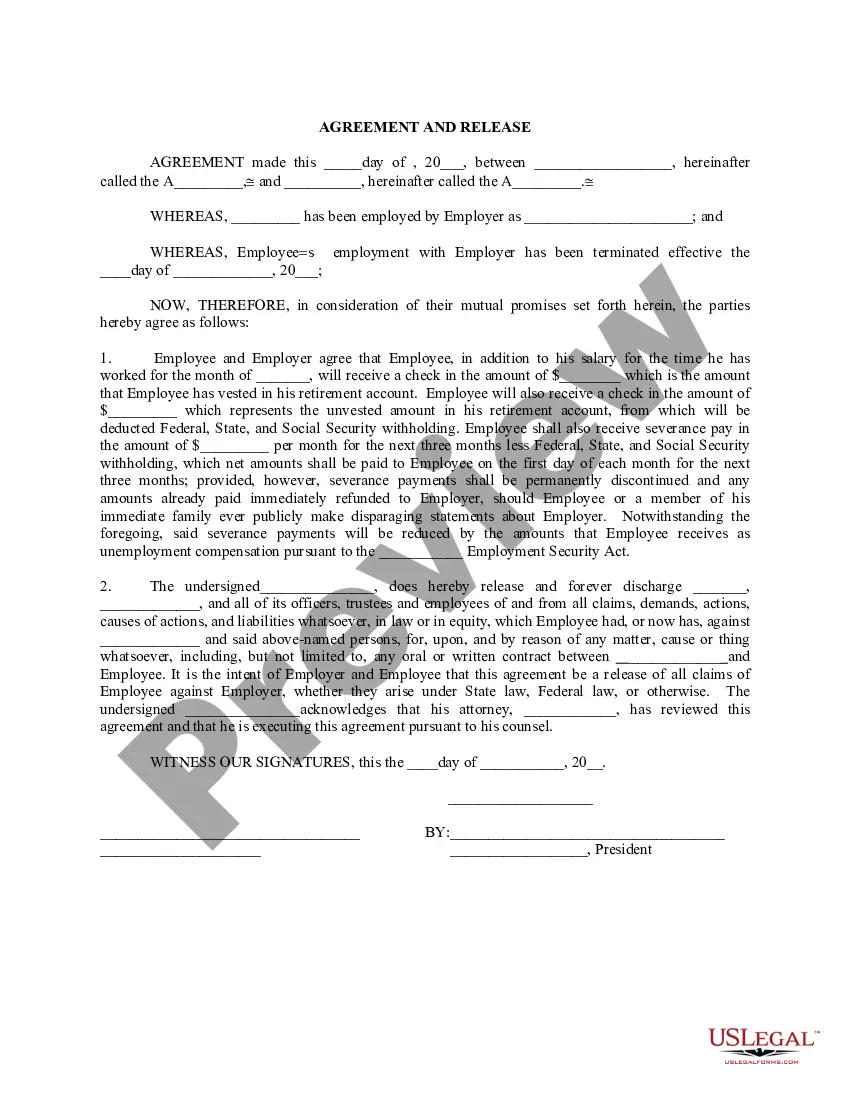
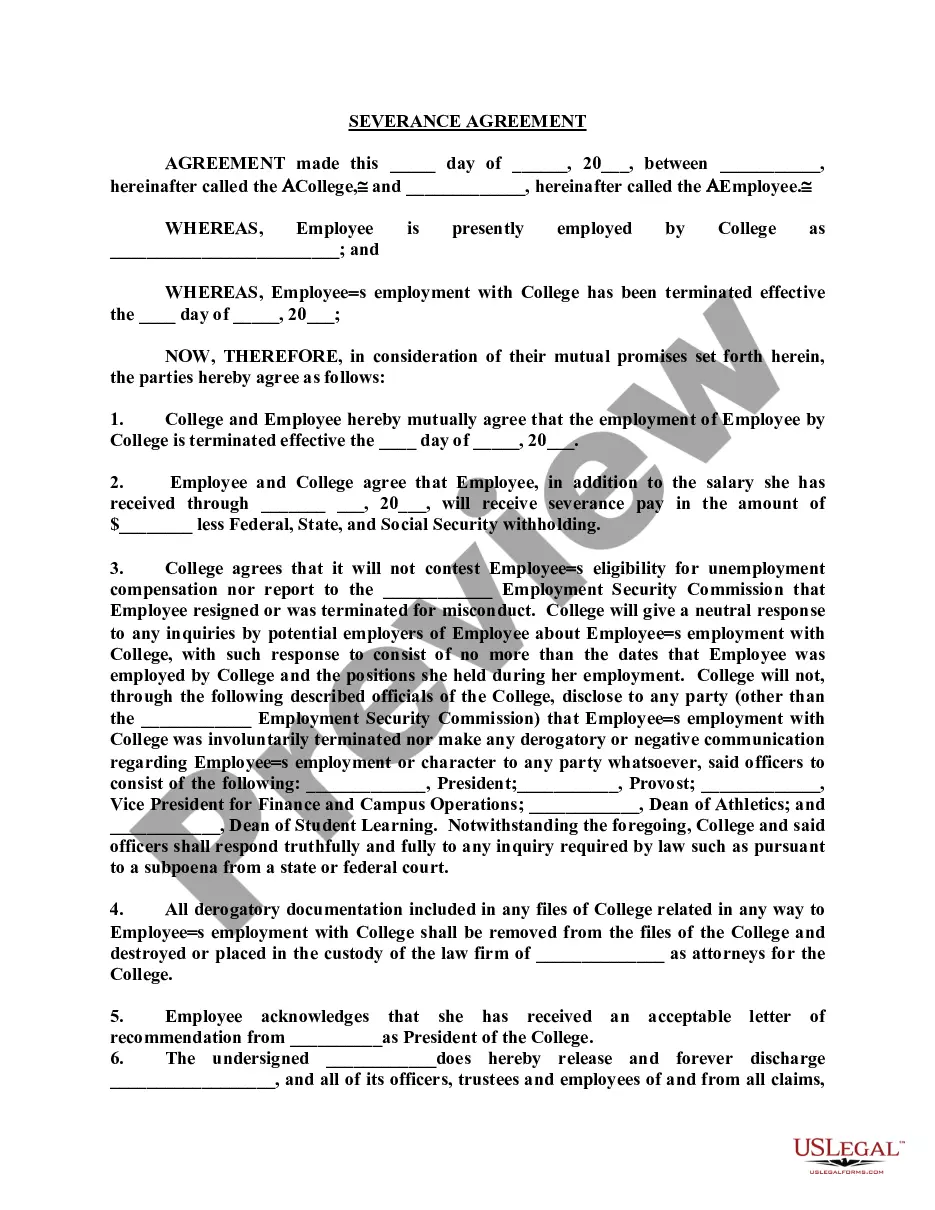
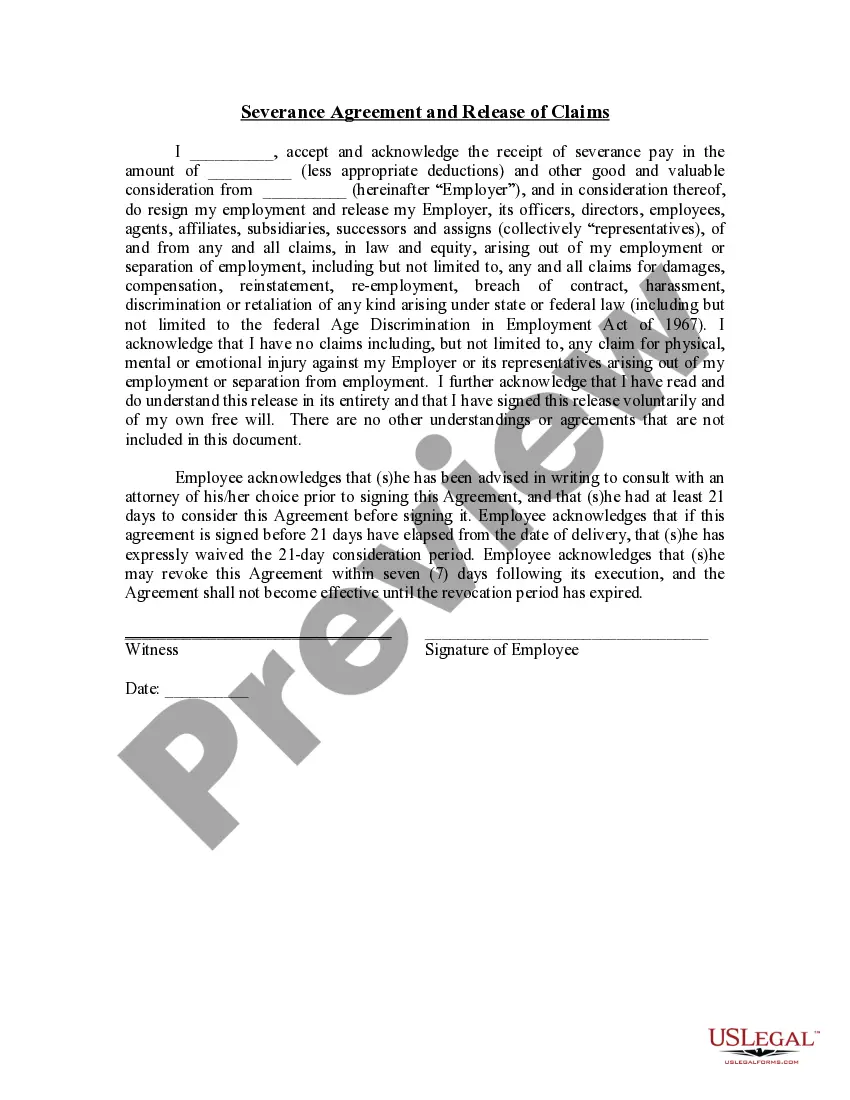
How to fill out Severance Agreement Between Employee And Employer?
- Log in to your existing US Legal Forms account. Make sure your subscription is active; if it's lapsed, renew it following your payment plan.
- If you're new to US Legal Forms, start by browsing the extensive collection of templates. Use the search feature to pinpoint the termination letter that best fits your situation.
- Preview the selected document to ensure it aligns with your legal requirements and local jurisdiction.
- Purchase the template by clicking 'Buy Now.' Choose the subscription plan that works best for you, and create an account to access the documents.
- Complete your purchase by entering your payment information. Payment can be processed via credit card or PayPal.
- Download the document to your device, where you can easily fill it out. Note that you can access your downloads anytime from the 'My Forms' section of your account.
In conclusion, using US Legal Forms streamlines the process of creating a termination letter. With a user-friendly interface and access to expert support, you can ensure your documents are accurate and legally valid.
Don't hesitate to get started today to make your legal documentation straightforward and hassle-free!
Form popularity
FAQ
When writing a letter requesting termination, begin with a straightforward statement of your intention. Clearly explain your reasons, keeping it factual and concise. It's important to express gratitude for the opportunities provided during your employment. To streamline this process, consider using a template from a trusted platform, such as US Legal Forms, which can help you learn how to write up a termination letter for a job appropriately.
To terminate an employee politely, start with a clear and respectful conversation. Use direct language and be honest about the reasons behind the termination, while remaining compassionate. Ensure you follow your company's policy and document the process. A well-structured termination letter can further support this conversation and serve as a formal record. For guidance, learn how to write up a termination letter for a job effectively.
A termination letter should include the employee's name, job title, the effective date of termination, reasons for the termination, and information about final payments or benefits. Providing a respectful and straightforward closure fosters professionalism, and using resources like US Legal Forms can guide you in crafting an effective letter that covers all essential points.
Termination should be documented with a formal letter that clearly states the reasons for the termination and includes necessary details such as the employment start date, termination date, and final payroll information. Additionally, maintaining a file with performance records and previous communications regarding the employee’s performance can enhance the documentation and ensure compliance with company policy.
Proof of termination of employment typically includes the signed termination letter and any final paycheck documentation. This proof serves to confirm that the employee’s employment has concluded. You can also generate additional documentation, like an exit interview summary, to provide a comprehensive view of the termination process.
Documenting a termination involves writing a termination letter and maintaining a record of all related discussions and actions taken prior to the decision. It's beneficial to keep notes from performance reviews and meetings about the employee's behavior or performance issues. Having all these details compiled allows for transparency and can be invaluable should questions arise later regarding the termination.
To document a termination effectively, you should prepare a formal termination letter and include any relevant company policies or performance evaluations. Ensure that you keep copies of all correspondence regarding the employee's performance leading up to the termination. This thorough documentation not only helps protect your organization legally but also provides a clear record of the process followed.
An example of a termination document is a formal termination letter that includes key details such as the employee's role, reason for termination, and any final instructions or rights concerning severance or benefits. Using a structured format assures that all relevant information is communicated effectively. Additionally, you can find templates on platforms like US Legal Forms to simplify the writing process.
When crafting a termination letter, clarity and professionalism are vital. It's essential to include the employee's name, position, and the termination date. Begin the letter with a clear statement that the employment is being terminated, and maintain a respectful tone throughout. This approach ensures that the letter conveys the necessary information without unnecessary emotional weight.
The best verbiage for terminating an employee should be concise and respectful. A sample could read: 'We regret to inform you that your employment with us will end on date. This decision has been made after careful consideration, and we wish you success in your future endeavors.' This language maintains professionalism and clarity, essential elements when you learn how write up termination letter for a job.