Employment A Law For Sarah
Description
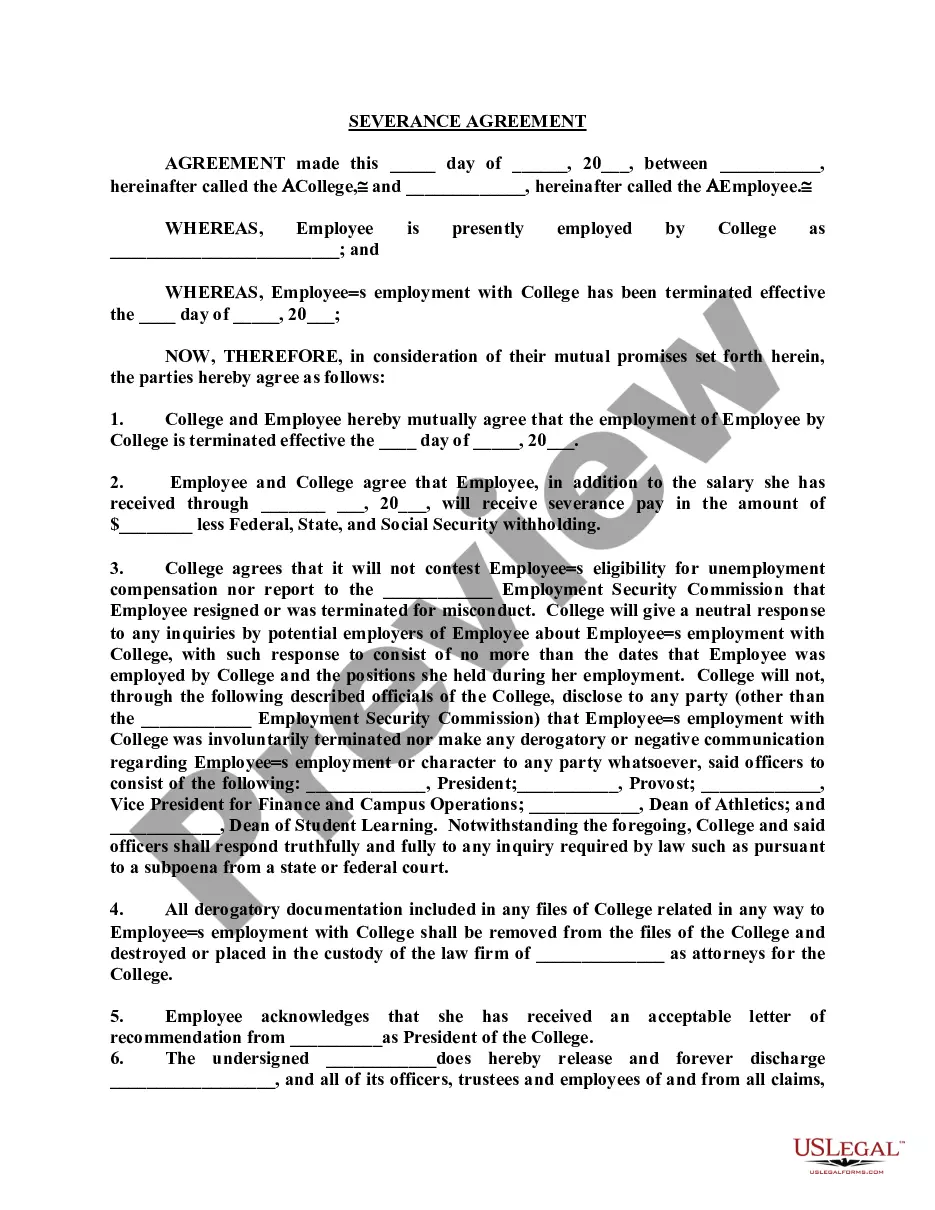
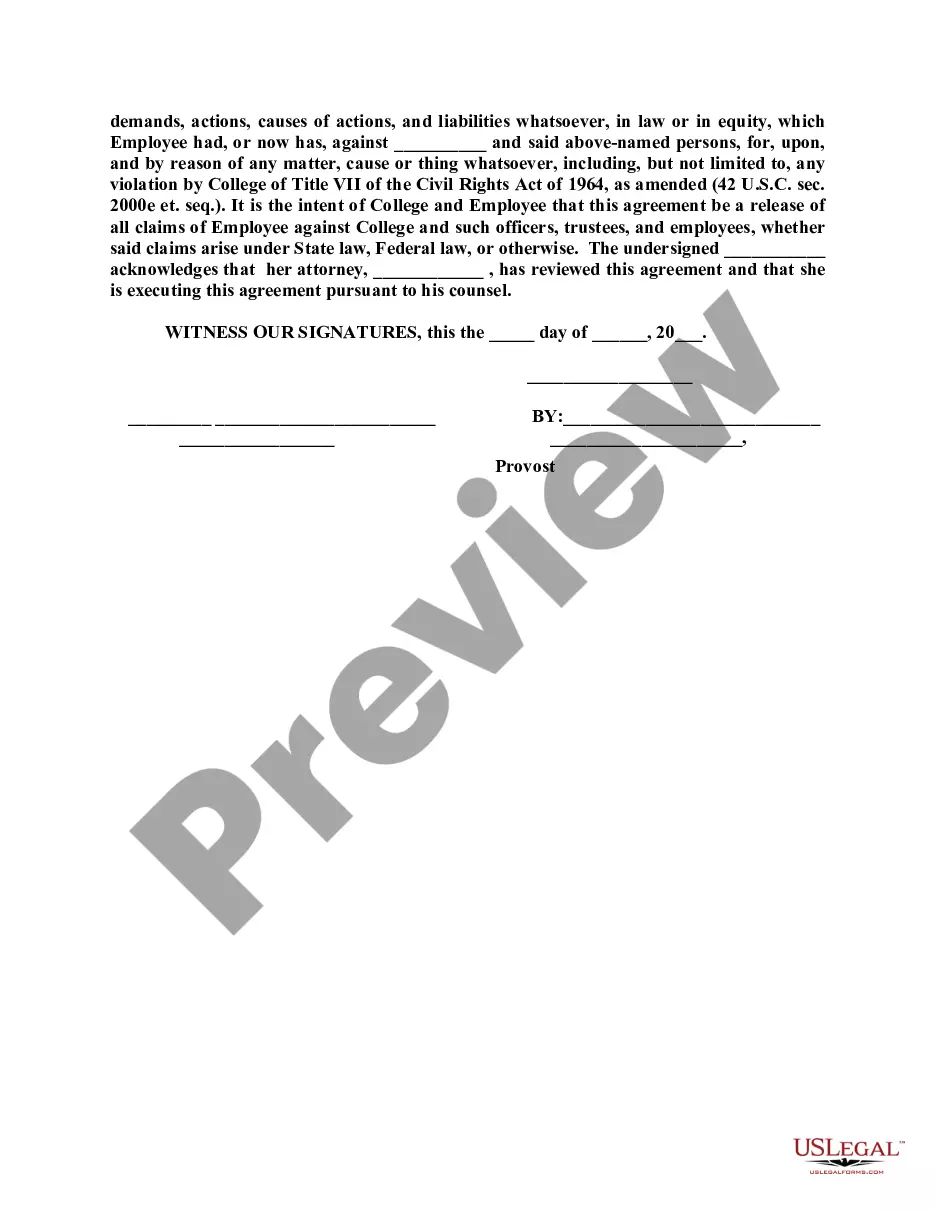
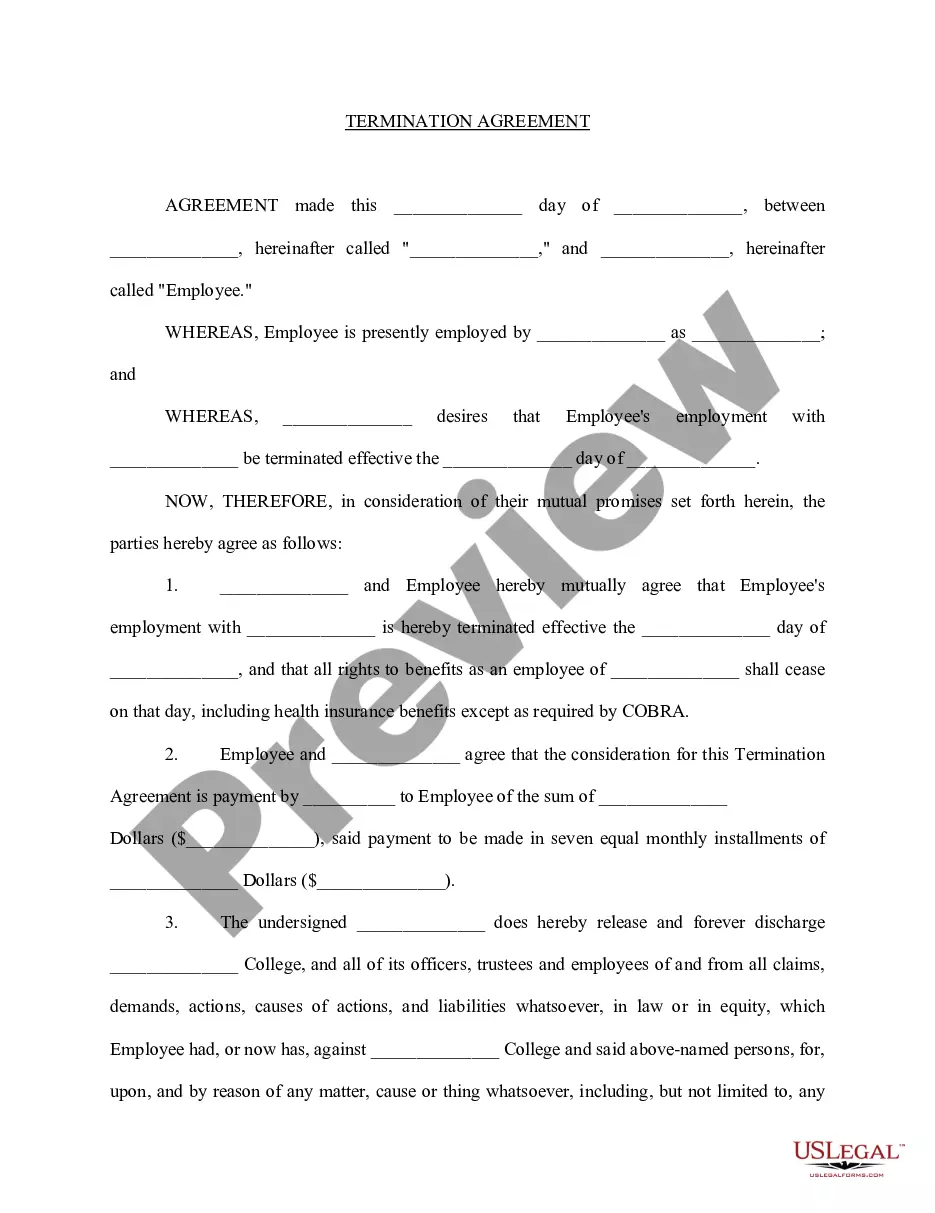
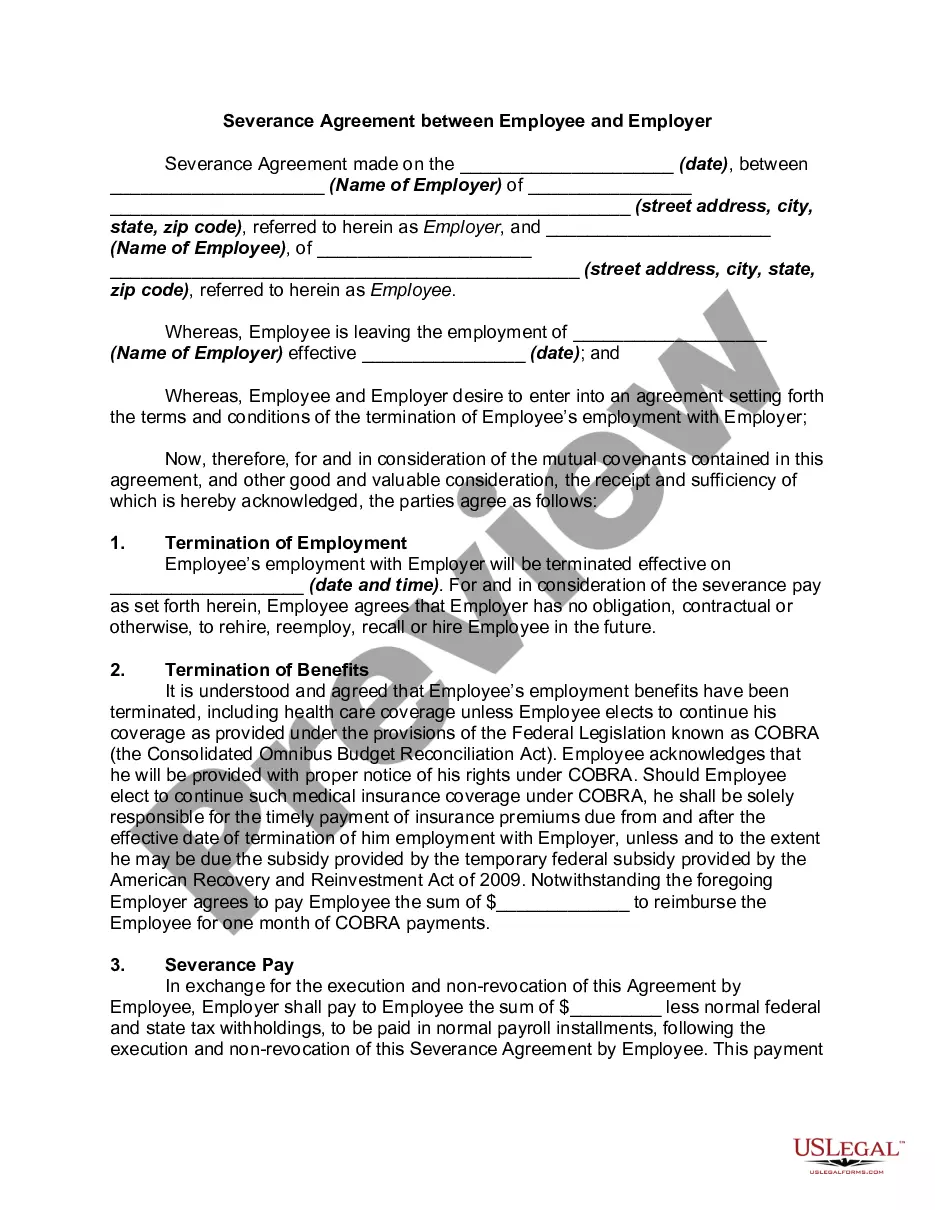
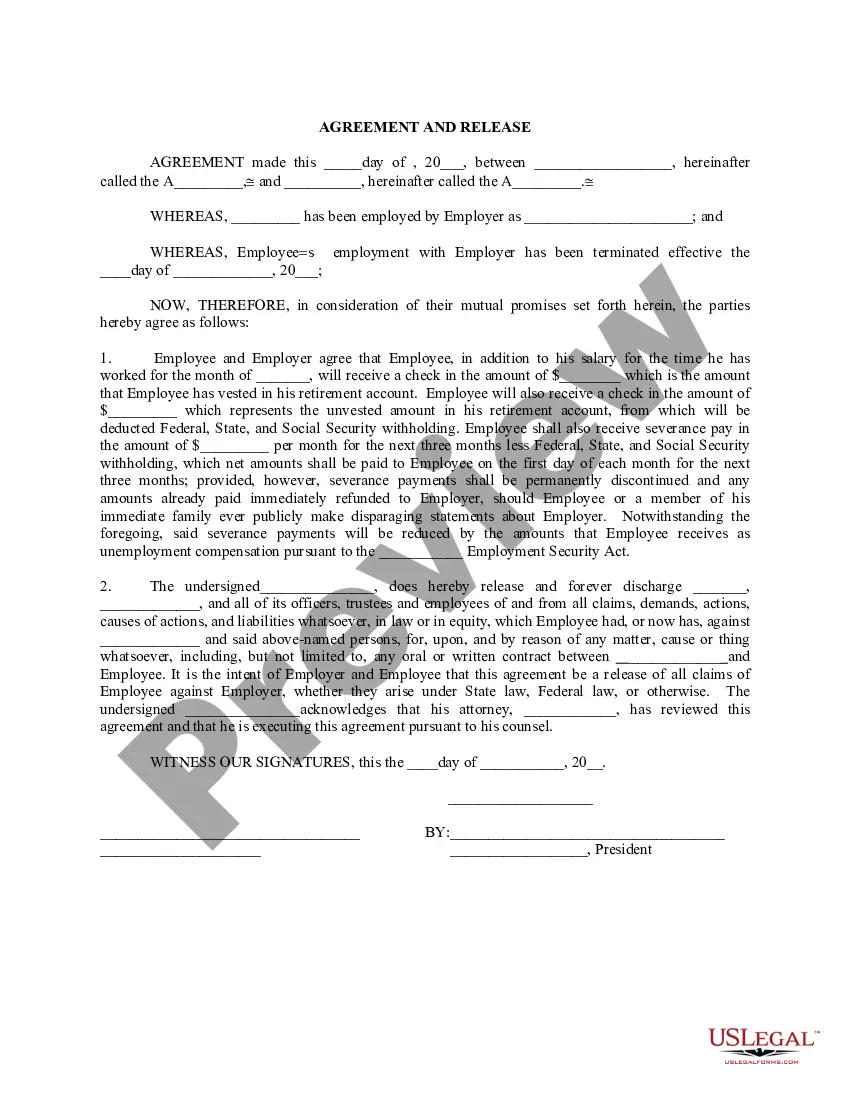
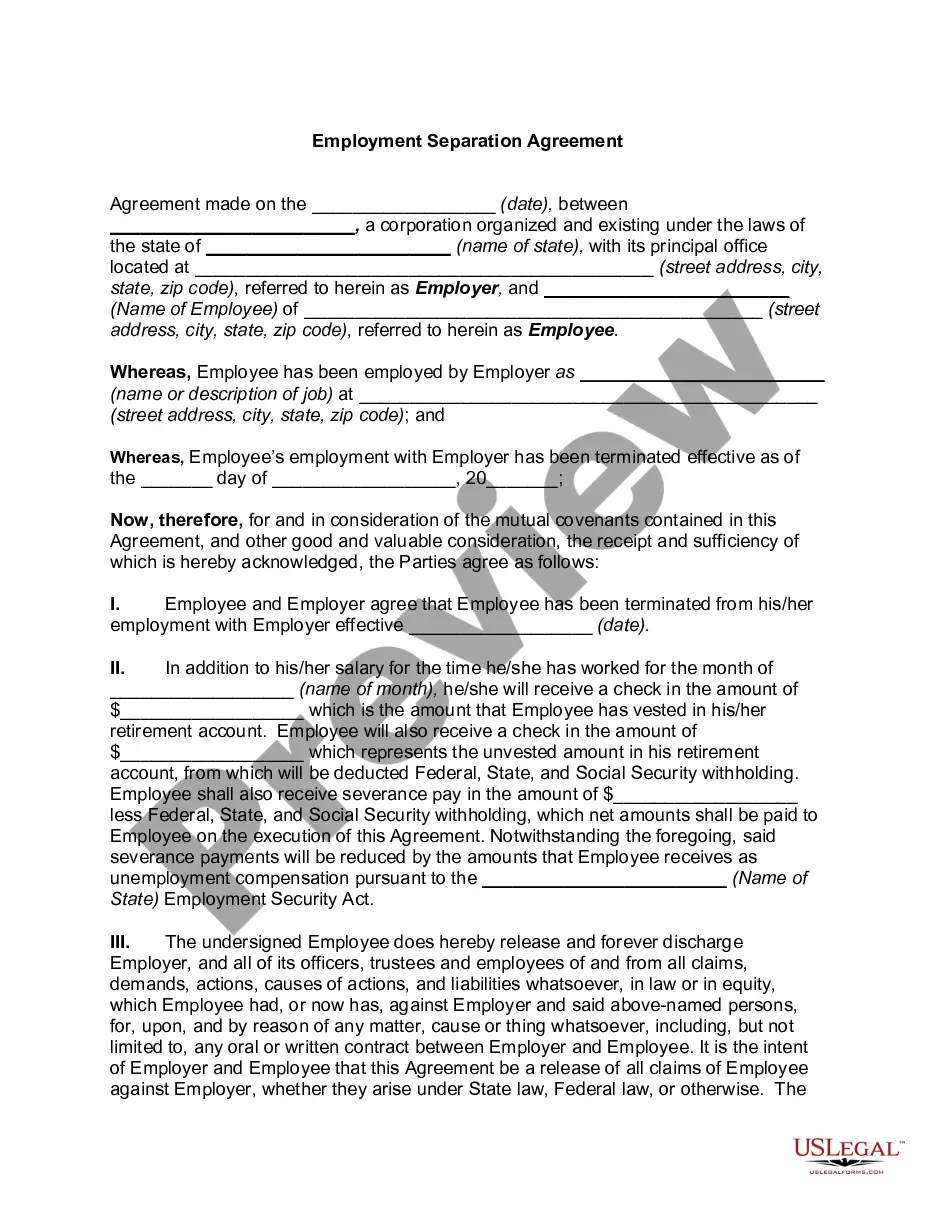
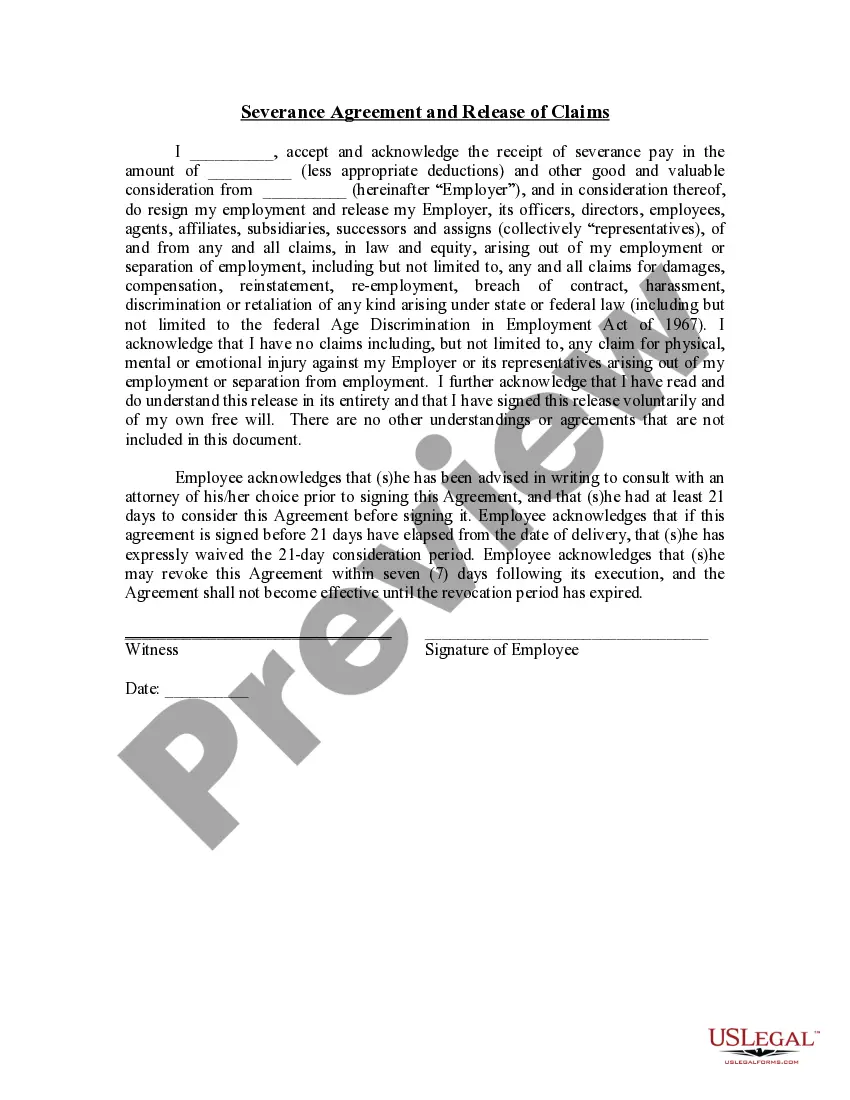
Get your form ready online
Our built-in tools help you complete, sign, share, and store your documents in one place.
Make edits, fill in missing information, and update formatting in US Legal Forms—just like you would in MS Word.
Download a copy, print it, send it by email, or mail it via USPS—whatever works best for your next step.
Sign and collect signatures with our SignNow integration. Send to multiple recipients, set reminders, and more. Go Premium to unlock E-Sign.
If this form requires notarization, complete it online through a secure video call—no need to meet a notary in person or wait for an appointment.
We protect your documents and personal data by following strict security and privacy standards.

Make edits, fill in missing information, and update formatting in US Legal Forms—just like you would in MS Word.

Download a copy, print it, send it by email, or mail it via USPS—whatever works best for your next step.

Sign and collect signatures with our SignNow integration. Send to multiple recipients, set reminders, and more. Go Premium to unlock E-Sign.

If this form requires notarization, complete it online through a secure video call—no need to meet a notary in person or wait for an appointment.

We protect your documents and personal data by following strict security and privacy standards.
Looking for another form?
How to fill out Severance Agreement Between Employee And College?
Whether for corporate endeavors or personal matters, everyone must confront legal issues at some stage in their life.
Completing legal paperwork demands meticulous care, beginning with selecting the appropriate template.
Choose your payment method: use a credit card or PayPal account. Select the file format you want and download the Employment A Law For Sarah. After it is saved, you can complete the form using editing software or print it and finish it manually. With an extensive US Legal Forms catalog available, you do not have to waste time searching for the suitable template across the internet. Utilize the library’s user-friendly navigation to discover the correct form for any circumstance.
- For instance, if you pick an incorrect version of the Employment A Law For Sarah, it will be rejected upon submission.
- Thus, it is essential to find a trustworthy source of legal templates like US Legal Forms.
- If you need to acquire an Employment A Law For Sarah template, follow these straightforward instructions.
- Locate the template you require by using the search bar or browsing through the catalog.
- Review the form’s description to make sure it aligns with your case, state, and county.
- Click on the form’s preview to examine it.
- If it is not the correct document, return to the search option to identify the Employment A Law For Sarah template you need.
- Download the file once it meets your requirements.
- If you possess a US Legal Forms account, click Log in to access previously saved documents in My documents.
- If you don’t have an account yet, you can acquire the form by selecting Buy now.
- Select the appropriate payment option.
- Fill out the account registration form.
Form popularity
FAQ
Workplace safety laws are implemented at both federal and state levels. The Occupational Safety and Health Administration (OSHA) sets federal safety standards, while states can introduce their own regulations that are sometimes even stricter. If you're looking at Employment a law for Sarah, make sure to review OSHA guidelines alongside any state-specific safety laws to ensure a safe working environment.
While some aspects of employment law are enforced at the federal level, many laws vary by state. Federal employment law sets minimum standards that states can expand upon. If you are researching Employment a law for Sarah, it's vital to look into both federal regulations and state-specific laws to fully understand your rights.
Major employment laws include the Fair Labor Standards Act, the Family and Medical Leave Act, and the Civil Rights Act, among others. Each of these laws addresses specific aspects of employment such as wages, leave, and discrimination. By learning about these laws, you can become more informed about your rights under Employment a law for Sarah.
Yes, employment law falls under civil law, which deals with the rights of individuals and entities. This branch of law addresses issues such as employment contracts, workplace discrimination, and wrongful termination. For those navigating Employment a law for Sarah, understanding civil law concepts can help clarify your legal position.
Employment laws can be both state and federal. Federal laws set nationwide standards, but individual states can enact their own laws that provide additional protections. If you’re seeking information related to Employment a law for Sarah, it’s important to consider both levels of governance as they can interact in complex ways.
Yes, employment law is largely statutory, meaning it is created and enacted by legislative bodies. These laws establish the rights and responsibilities of employers and employees. In the context of Employment a law for Sarah, understanding statutory employment laws is essential for navigating workplace rights.
To become an employment lawyer, start by obtaining a relevant undergraduate degree, such as in political science or business administration. After that, complete a three-year law degree and earn your Juris Doctor. Finally, you must pass the bar exam in your state to practice law. Throughout this journey, consider resources like USLegalForms, which can provide valuable insights into employment law for Sarah and help streamline your path to becoming a lawyer.
A labor lawyer typically deals with collective bargaining matters, union representation, and negotiations between employers and unionized employees. On the other hand, an employment lawyer focuses on individual employee rights and workplace disputes. While both fields cover aspects of employment law, the key lies in the scope and focus of their practice. If you have concerns about your workplace rights, seeking guidance through employment law for Sarah may lead you to the right legal professional.
The main types of employment law include wage and hour laws, workplace safety regulations, discrimination laws, and wrongful termination laws. Each category addresses different aspects of the employer-employee relationship and aims to protect individual rights. Knowing these types will empower you to seek assistance or legal representation when necessary. If you find yourself facing issues related to employment law for Sarah, consider exploring USLegalForms for reliable resources.
Human Resources (HR) professionals focus mainly on managing employee relations, benefits, and workplace policies. In contrast, an employment lawyer specializes in legal matters related to the workplace, such as employee rights and disputes. While HR may handle internal issues, an employment lawyer provides legal advice and represents clients in legal settings. Understanding this difference can help you navigate employment law for Sarah more effectively.