Sample Motion To Vacate Default Fortnite
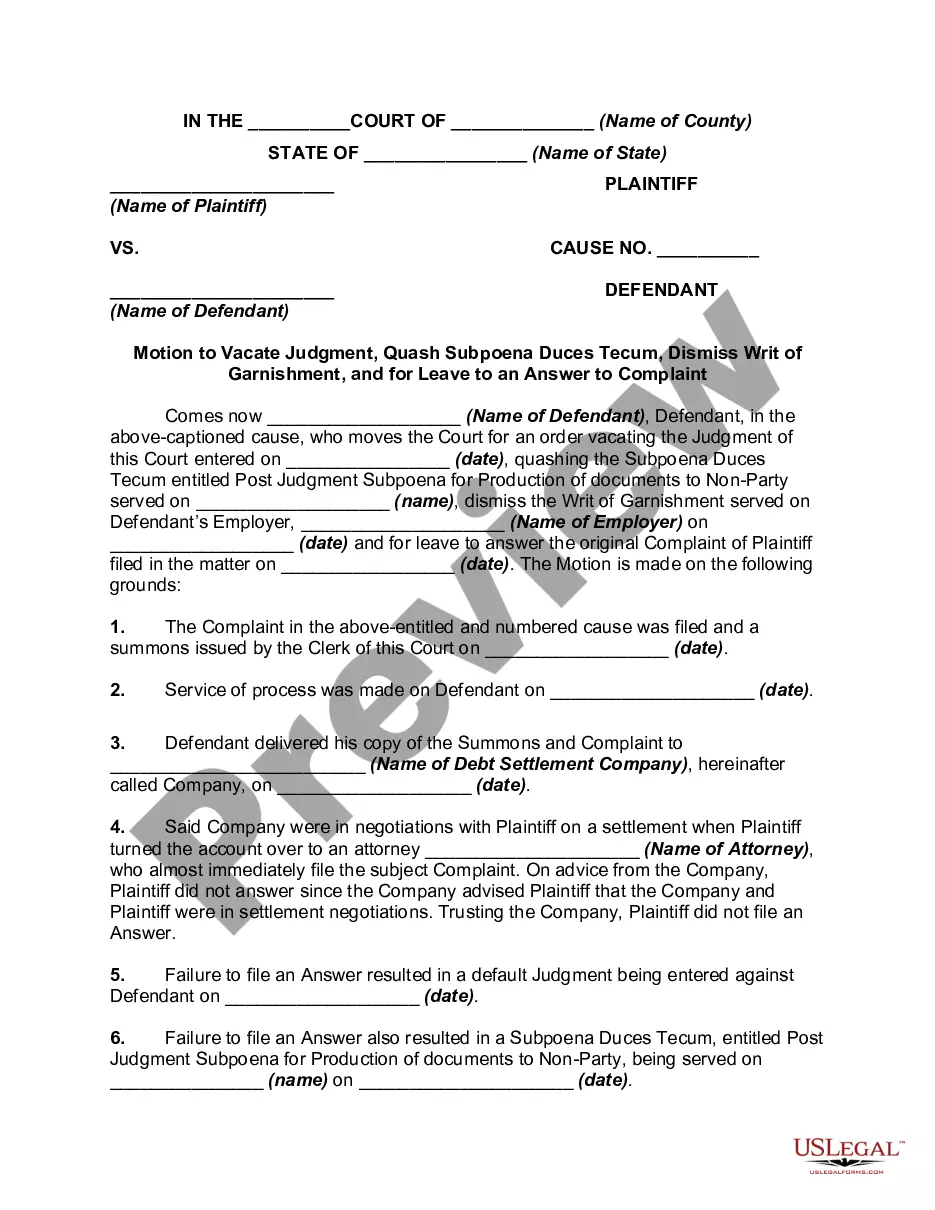
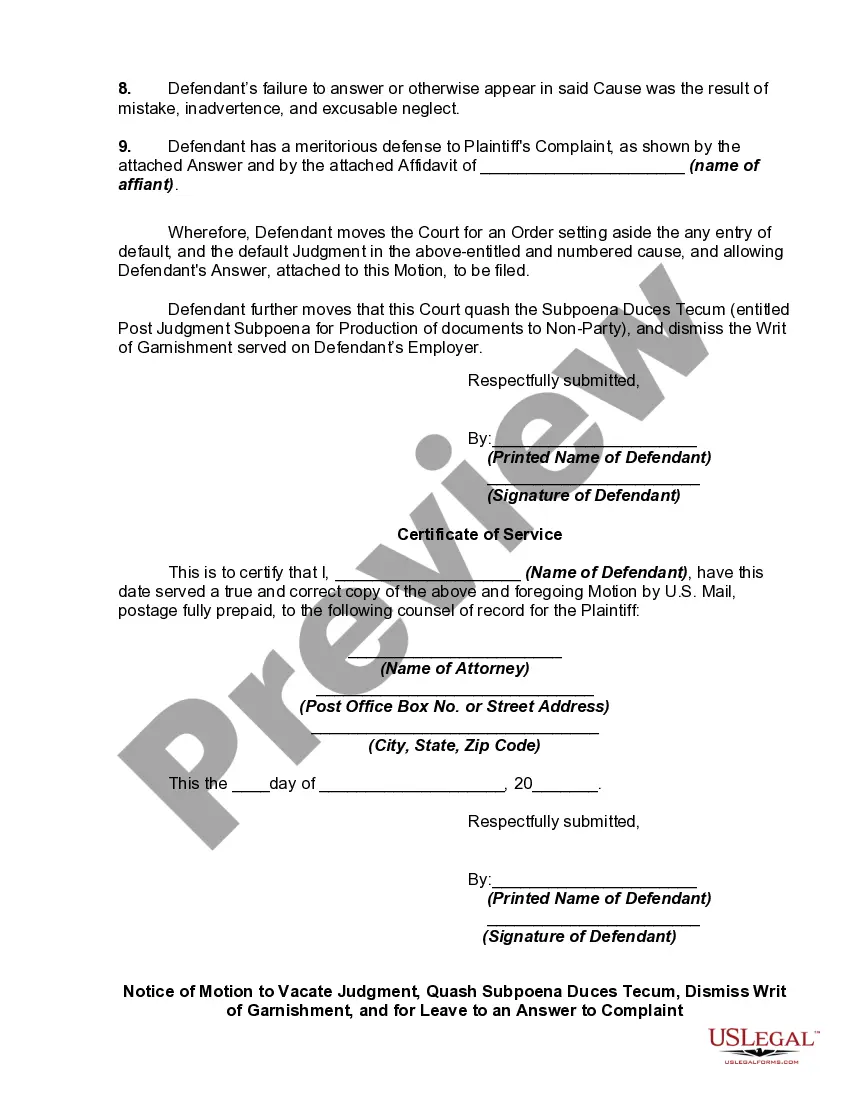
Description
Get your form ready online
Our built-in tools help you complete, sign, share, and store your documents in one place.
Make edits, fill in missing information, and update formatting in US Legal Forms—just like you would in MS Word.
Download a copy, print it, send it by email, or mail it via USPS—whatever works best for your next step.
Sign and collect signatures with our SignNow integration. Send to multiple recipients, set reminders, and more. Go Premium to unlock E-Sign.
If this form requires notarization, complete it online through a secure video call—no need to meet a notary in person or wait for an appointment.
We protect your documents and personal data by following strict security and privacy standards.

Make edits, fill in missing information, and update formatting in US Legal Forms—just like you would in MS Word.

Download a copy, print it, send it by email, or mail it via USPS—whatever works best for your next step.

Sign and collect signatures with our SignNow integration. Send to multiple recipients, set reminders, and more. Go Premium to unlock E-Sign.

If this form requires notarization, complete it online through a secure video call—no need to meet a notary in person or wait for an appointment.

We protect your documents and personal data by following strict security and privacy standards.
Looking for another form?
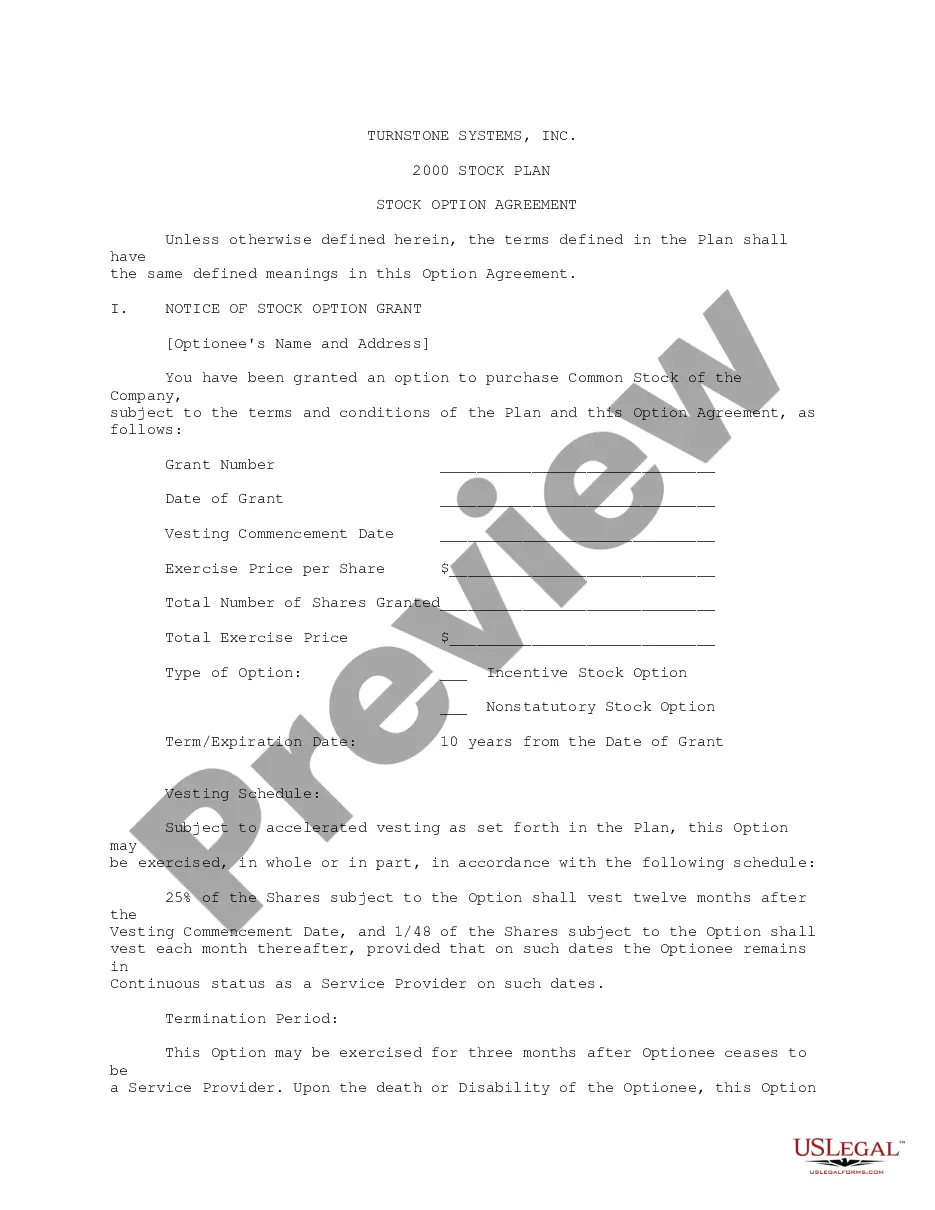






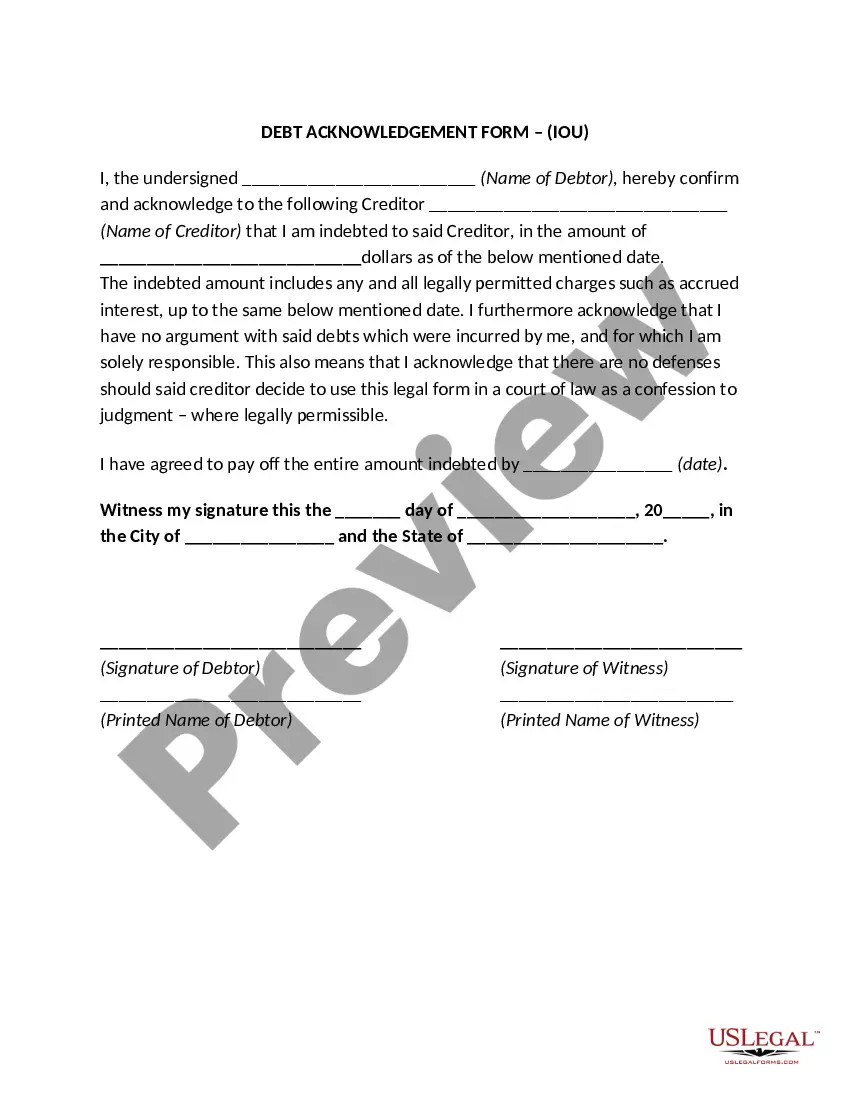
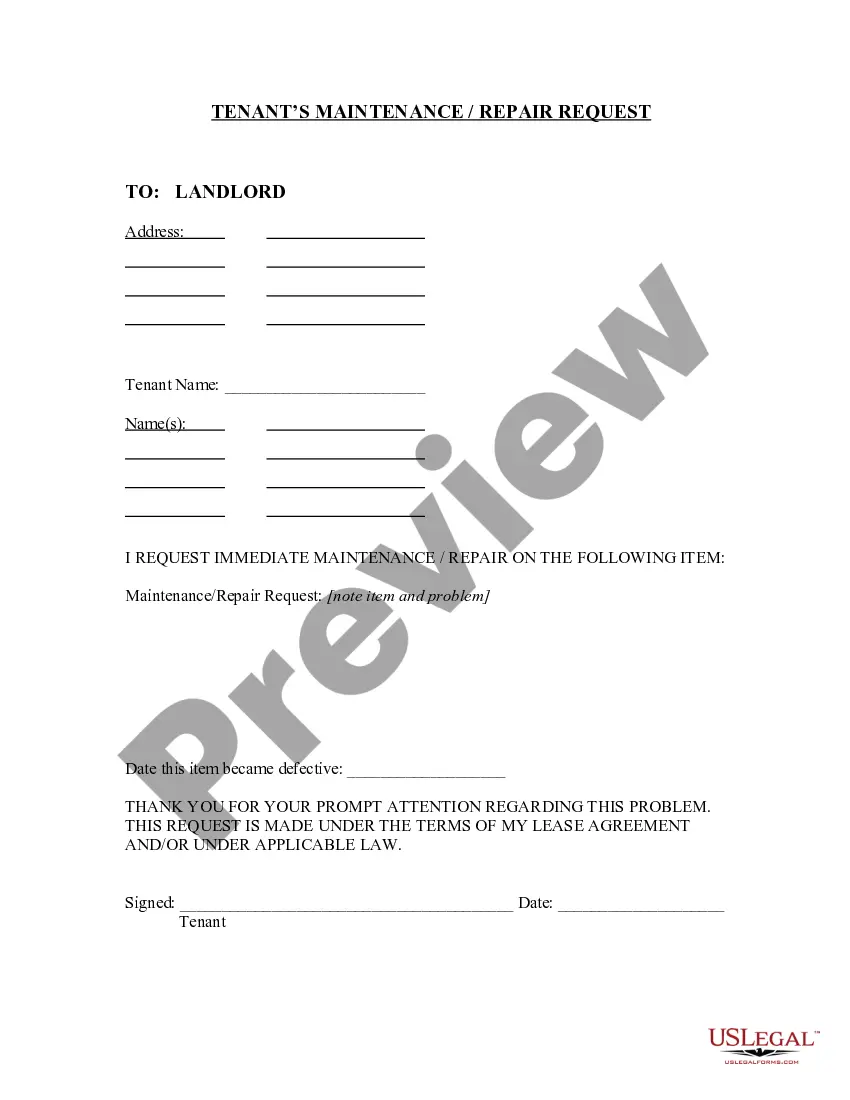

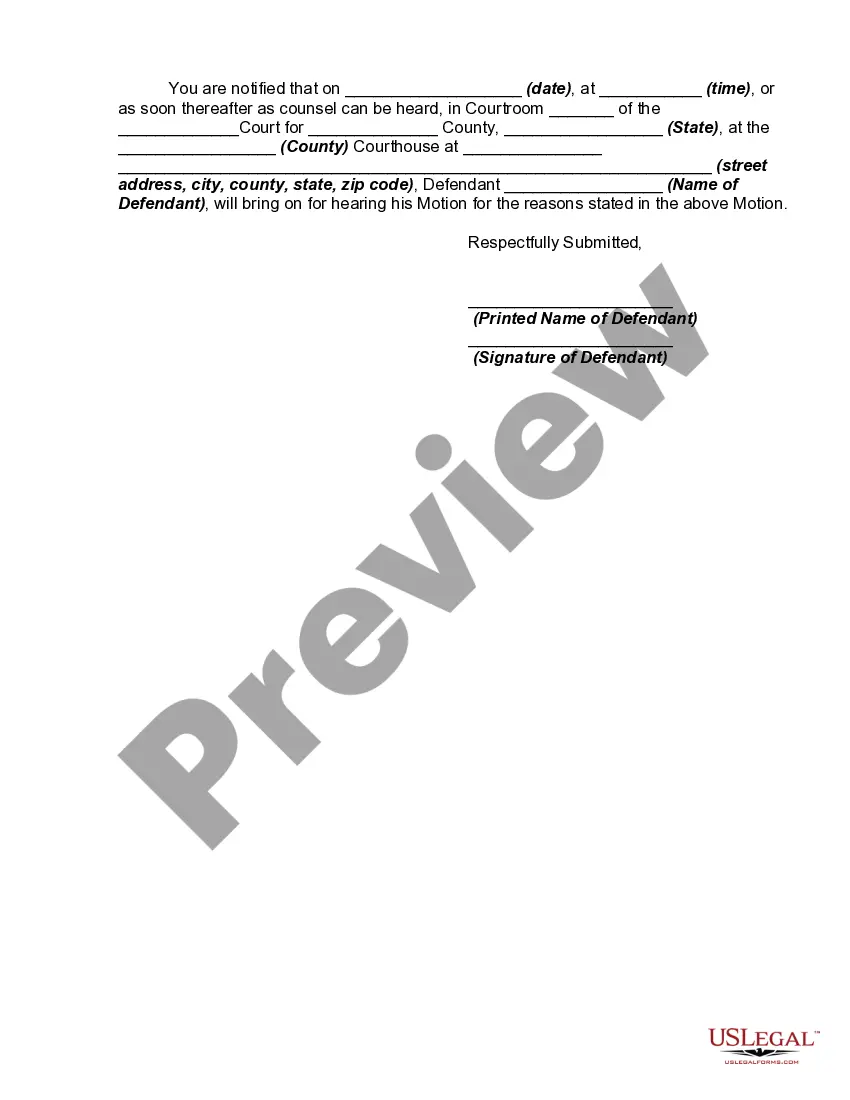
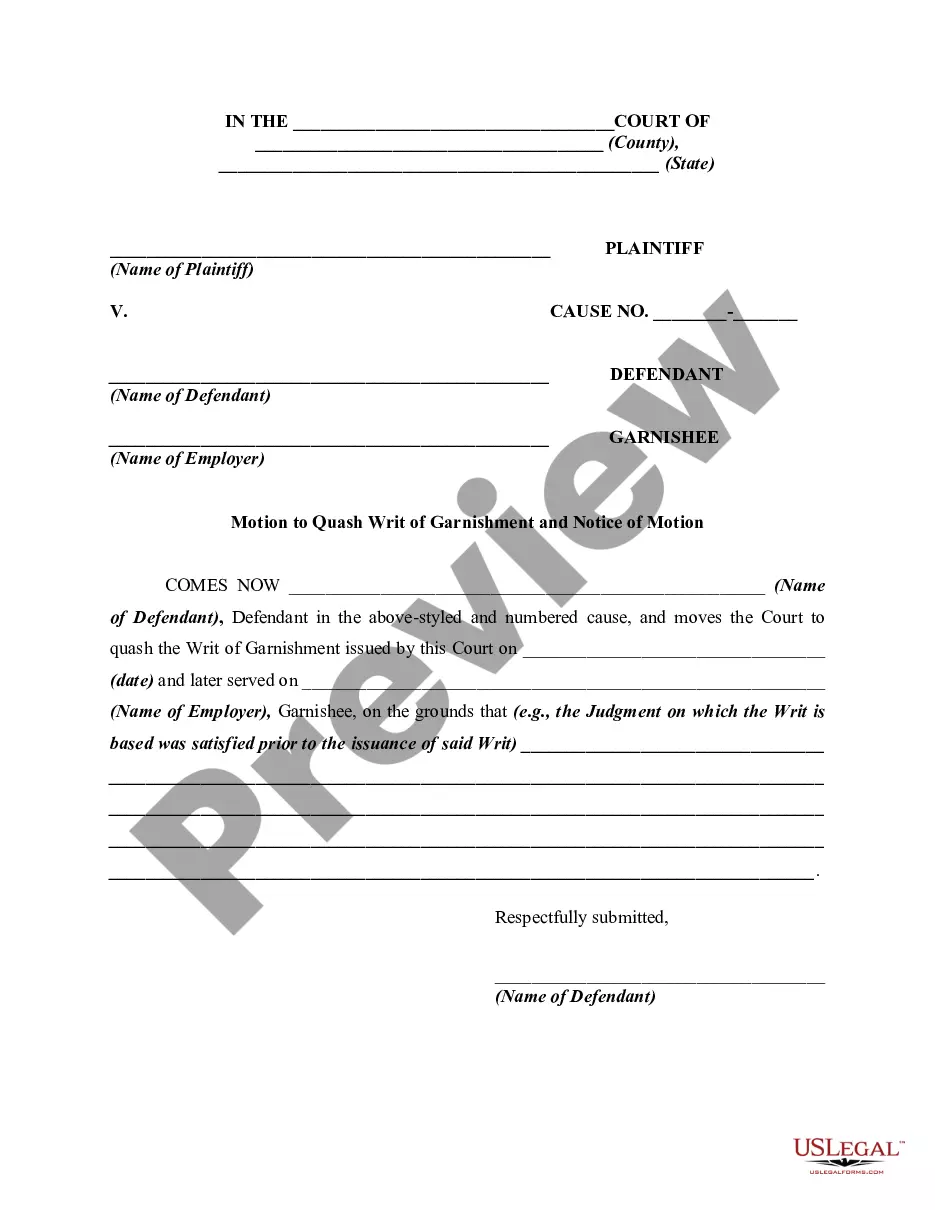
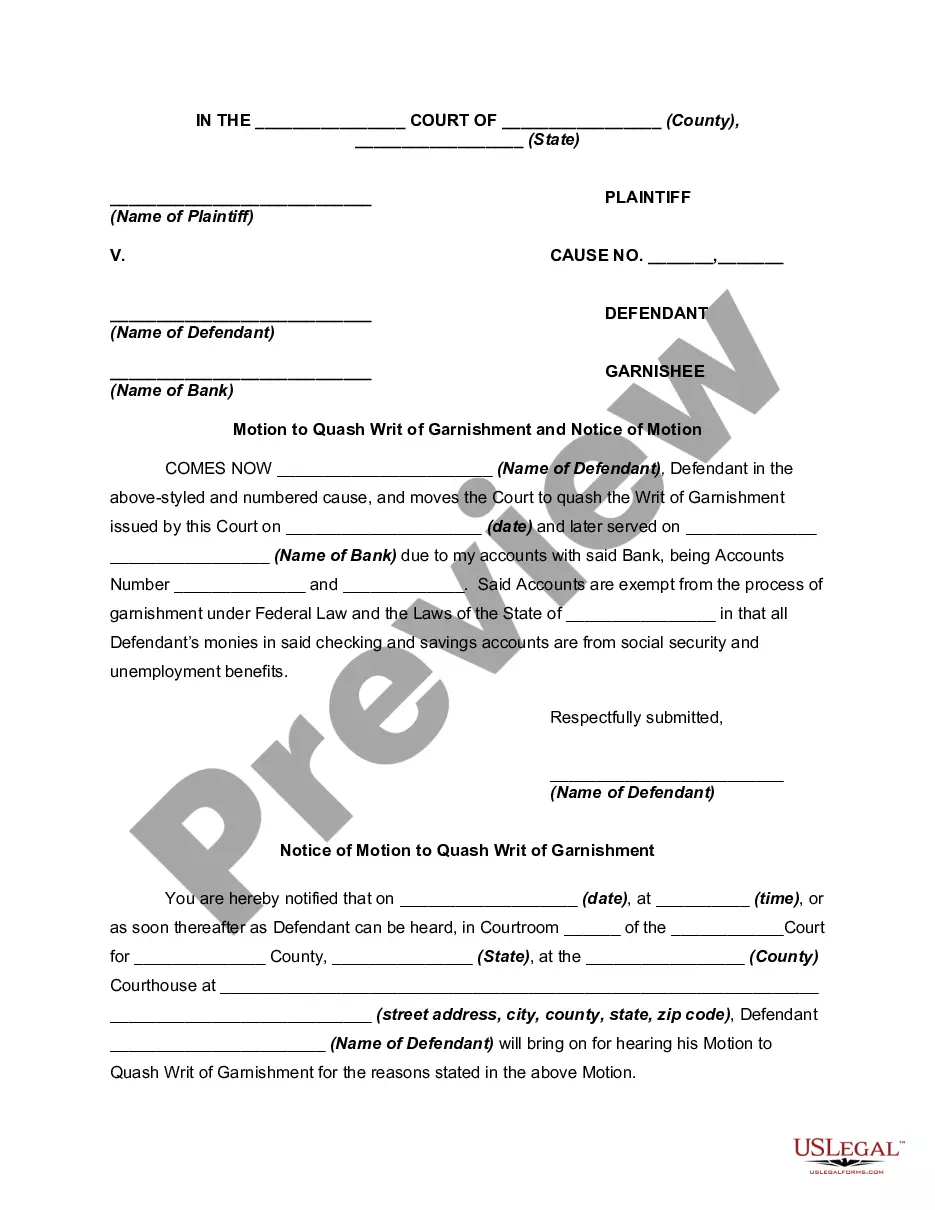
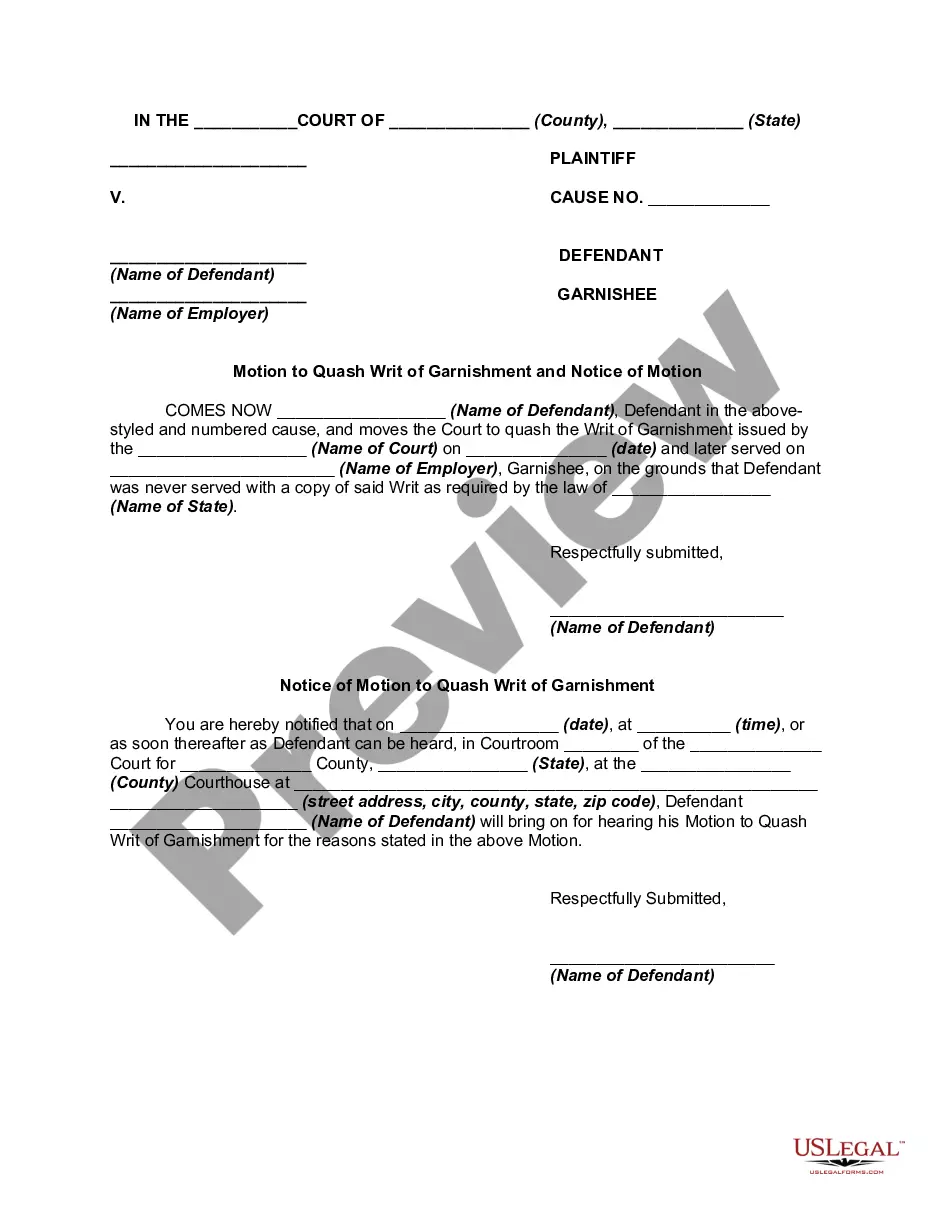
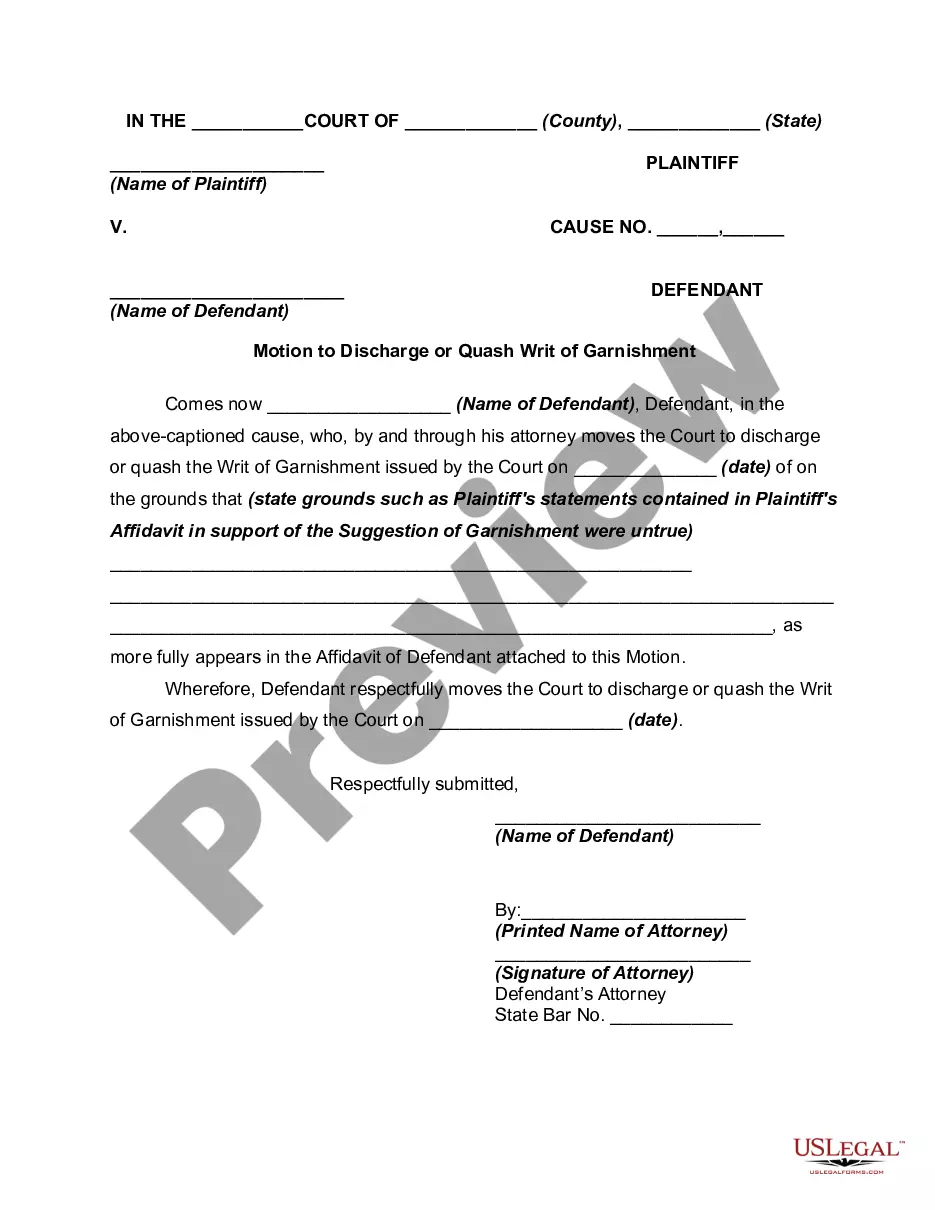
How to fill out Motion To Vacate Judgment, Quash Subpoena Duces Tecum, Dismiss Writ Of Garnishment, And For Leave To File An Answer To Complaint?
Regardless of whether it's for commercial reasons or for private issues, everyone must confront legal circumstances at some point in their lives.
Completing legal paperwork requires meticulous focus, beginning with selecting the correct template form.
With an extensive catalog from US Legal Forms available, you won't need to waste time searching online for the correct template. Utilize the library's easy navigation to find the right form for any circumstance.
- Locate the template you need by using the search bar or browsing through the catalog.
- Review the details of the form to confirm it corresponds with your case, jurisdiction, and area.
- Click on the form's preview to inspect it.
- If it is not the correct document, return to the search feature to find the Sample Motion To Vacate Default Fortnite template you need.
- Obtain the document if it is suitable for your requirements.
- If you already possess a US Legal Forms account, simply click Log in to access your previously stored documents in My documents.
- If you do not have an account yet, you can download the document by clicking Buy now.
- Select the appropriate payment option.
- Complete the account registration form.
- Choose your payment method: credit card or PayPal.
- Select the desired document format and download the Sample Motion To Vacate Default Fortnite.
- Once it is saved, you can fill out the form using editing software or print it and complete it by hand.
Form popularity
FAQ
Nonresidents with a filing requirement will file Form IN-111, Vermont Income Tax Return and Schedule IN-113, Income Adjustment Calculations.
Vermont Residency Utility bill (must list service address). Property tax bill with physical location. Lease or Landlord statement. Vermont EBT (Electronic Benefit Transfer) card or Vermont AIM (Advanced Information Management) identification card. Homeowners/Renters insurance (policy/proof of claim).
Ways to Get Your. Vermont Income Tax Forms. Download fillable PDF forms from the web. Order forms online. Order forms by email. Order forms by phone. For a faster refund, e-file your taxes! For information on free e-filing and tax assistance for qualified taxpayers, visit .tax.vermont.gov.
Although all income earned in Vermont is considered Vermont income, out-of-state employers are not required to begin withholding Vermont Income Tax until an employee has been working from a Vermont location for thirty days.
Understanding the 183-Day Rule Generally, this means that if you spent 183 days or more in the country during a given year, you are considered a tax resident for that year. Each nation subject to the 183-day rule has its own criteria for considering someone a tax resident.
You qualify as a Vermont resident for that part of the taxable year during which: You are domiciled in Vermont, or. You maintain a permanent home in Vermont, and you are present in Vermont for more than 183 days of the taxable year.
Ing to the Vermont website: A Resident is an individual that is domiciled in Vermont or maintains a permanent home, and is physically present in the state for 183 days or more. A Nonresident is an individual that does not qualify as a resident or part-year resident during the tax year.
Utility bill (must list service address). Property tax bill with physical location. Lease or Landlord statement.