Garnishment Leave For Fathers
Description
Get your form ready online
Our built-in tools help you complete, sign, share, and store your documents in one place.
Make edits, fill in missing information, and update formatting in US Legal Forms—just like you would in MS Word.
Download a copy, print it, send it by email, or mail it via USPS—whatever works best for your next step.
Sign and collect signatures with our SignNow integration. Send to multiple recipients, set reminders, and more. Go Premium to unlock E-Sign.
If this form requires notarization, complete it online through a secure video call—no need to meet a notary in person or wait for an appointment.
We protect your documents and personal data by following strict security and privacy standards.

Make edits, fill in missing information, and update formatting in US Legal Forms—just like you would in MS Word.

Download a copy, print it, send it by email, or mail it via USPS—whatever works best for your next step.

Sign and collect signatures with our SignNow integration. Send to multiple recipients, set reminders, and more. Go Premium to unlock E-Sign.

If this form requires notarization, complete it online through a secure video call—no need to meet a notary in person or wait for an appointment.

We protect your documents and personal data by following strict security and privacy standards.
Looking for another form?



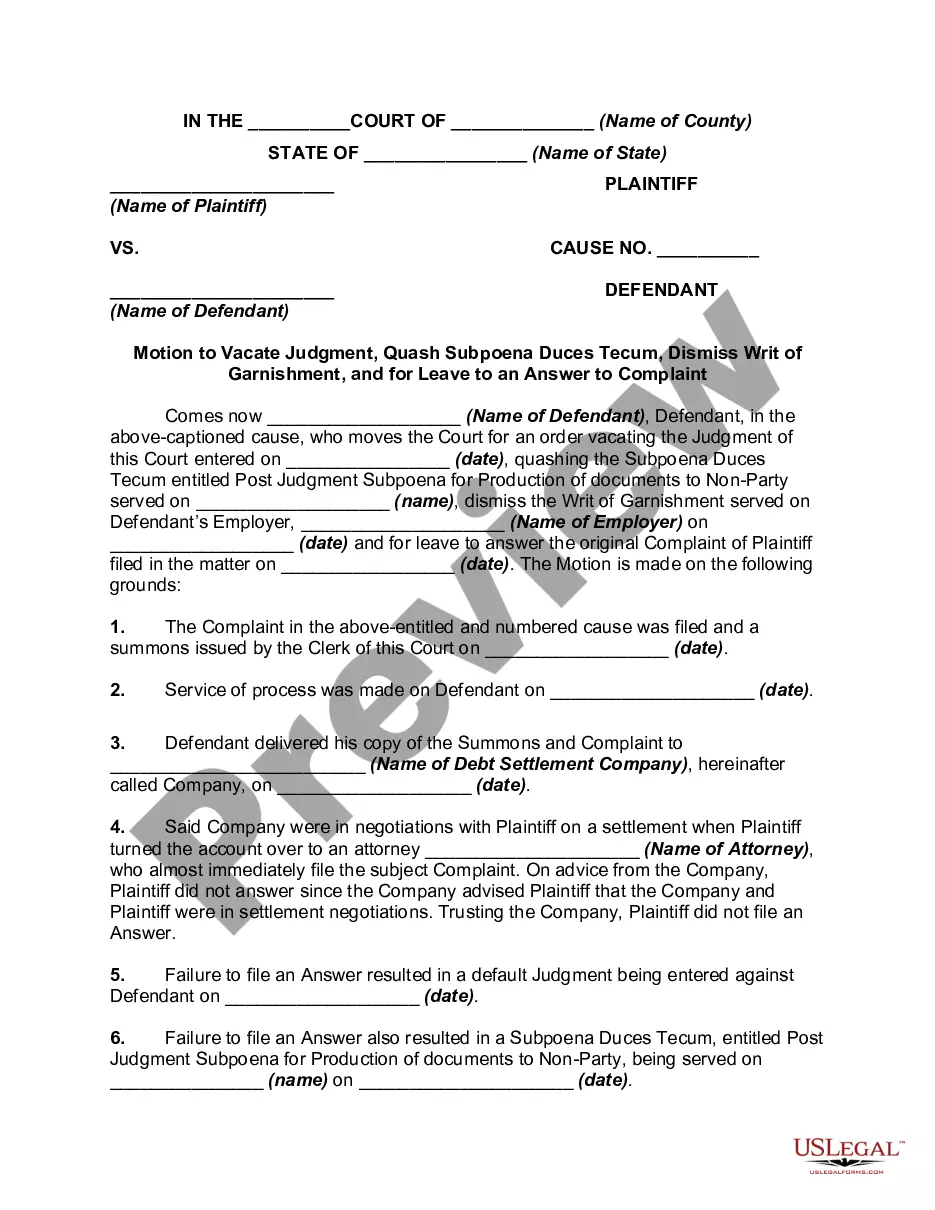
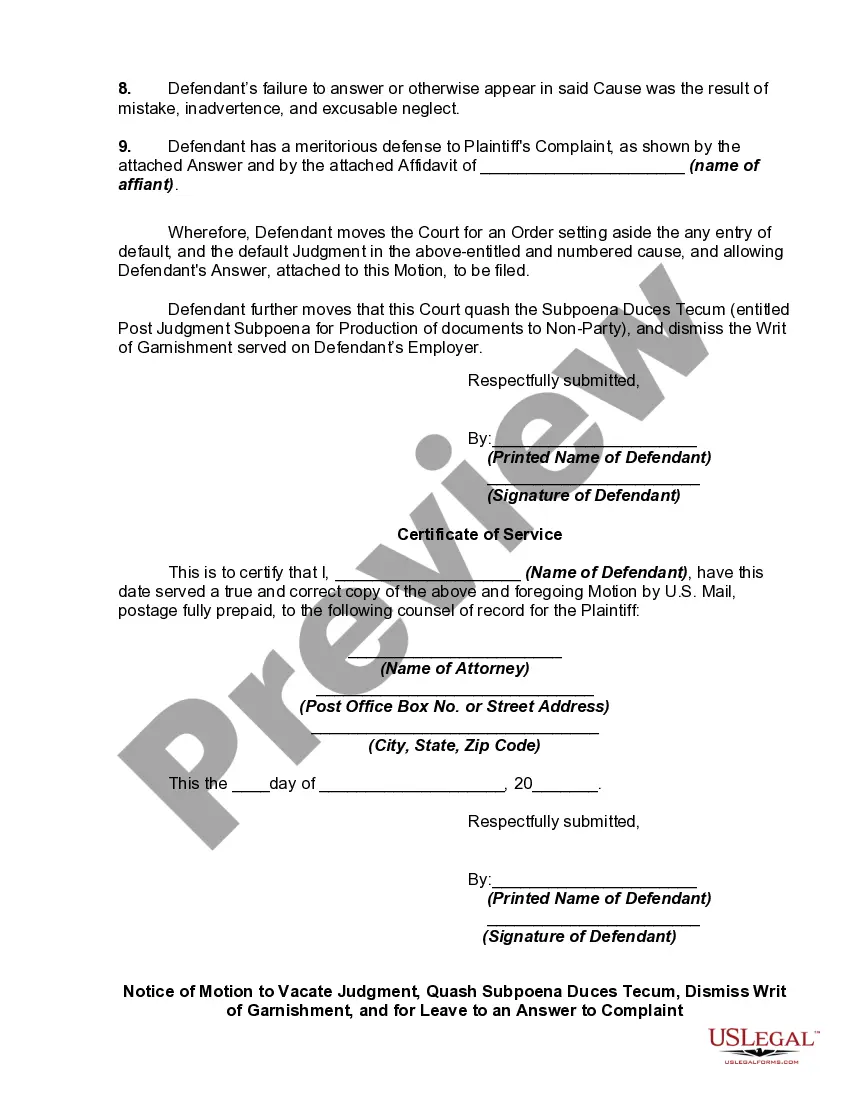
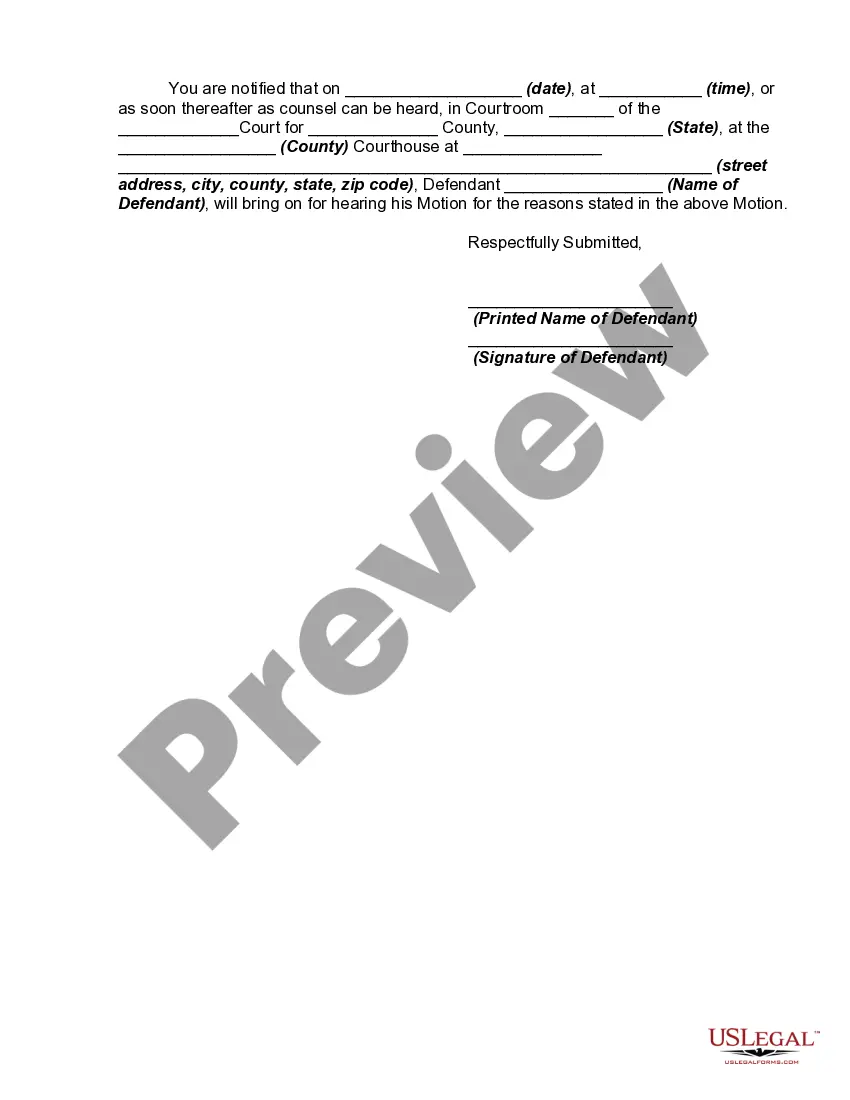
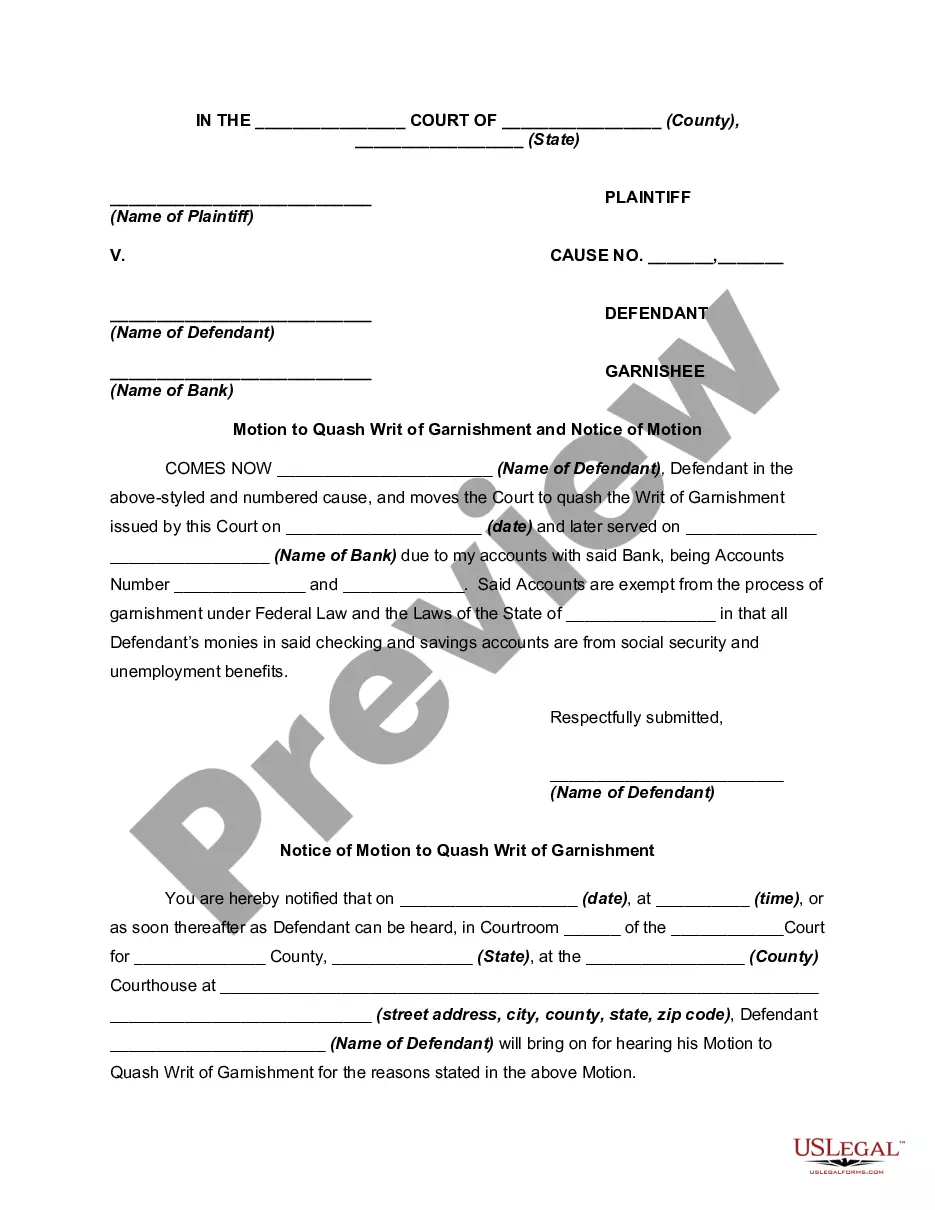
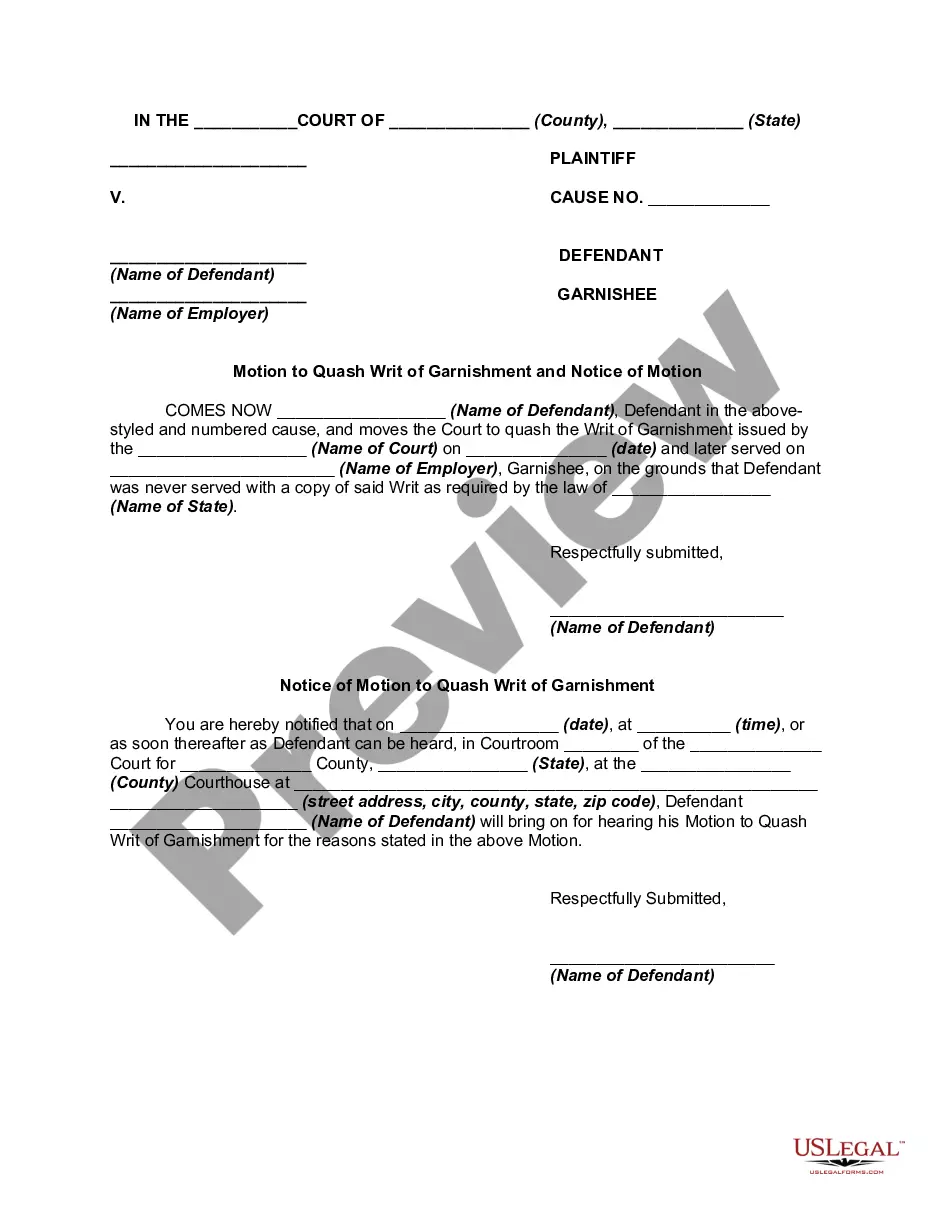
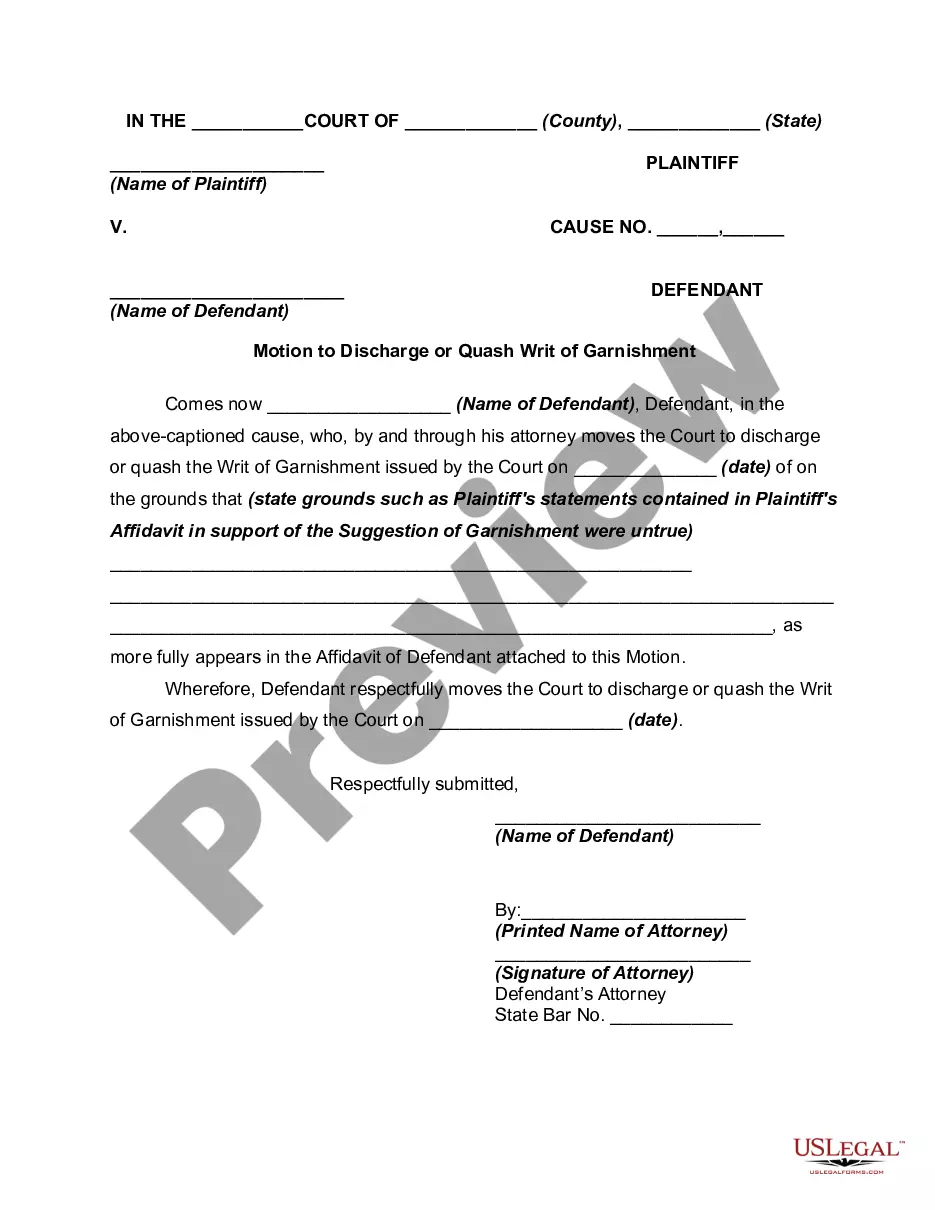
How to fill out Motion To Vacate Judgment, Quash Subpoena Duces Tecum, Dismiss Writ Of Garnishment, And For Leave To File An Answer To Complaint?
It’s clear that you can’t turn into a legal expert instantly, nor can you understand how to swiftly create Garnishment Leave For Fathers without possessing a unique skill set.
Assembling legal documents is a lengthy endeavor that demands specialized training and abilities. So why not delegate the creation of the Garnishment Leave For Fathers to the professionals.
With US Legal Forms, one of the largest legal document collections, you can obtain anything from court documents to templates for internal communication.
You can regain access to your documents from the My documents tab at any time. If you’re an existing client, you can simply Log In, and find and download the template from the same tab.
Regardless of the reason for your documentation—whether financial and legal, or personal—our platform has you covered. Try US Legal Forms today!
- Discover the document you require by utilizing the search bar at the top of the page.
- View it (if this option is available) and review the accompanying description to determine if Garnishment Leave For Fathers is what you seek.
- Initiate your search again if you need another template.
- Sign up for a complimentary account and choose a subscription plan to acquire the template.
- Select Buy now. After the payment is processed, you can obtain the Garnishment Leave For Fathers, complete it, print it, and send or mail it to the appropriate parties.
Form popularity
FAQ
Garnishment rules in Nevada require a court order to initiate the process, ensuring that your rights are protected. Creditors must follow specific procedures, such as notifying you of the garnishment and providing a chance to respond. For fathers considering garnishment leave, understanding these rules is essential to protect your financial interests. US Legal Forms offers comprehensive information and tools to help you comply with these regulations.
Under Nevada law, creditors can garnish up to 25% of your disposable earnings, which is the amount left after mandatory deductions. This means that if you are a father facing garnishment leave, you should plan for how this may impact your financial situation. Knowing the limits can help you prepare and seek assistance. US Legal Forms provides resources to help you understand your limits and rights regarding garnishment.
Texas is one of the most debtor-friendly states in the US because of several protections afforded to debtors under the law and the state constitution. The aim of debtor-friendly laws is to ensure that citizens do not go into severe financial hardship because of unpaid debt.
What States Prohibit Bank Garnishment? Bank garnishment is legal in all 50 states. However, four states prohibit wage garnishment for consumer debts. ing to Debt.org, those states are Texas, South Carolina, Pennsylvania, and North Carolina.
Information in the Letter The notice should include why the employee is receiving the notice, such as not paying child support, as well as the actual percentage that will be deducted. Other items in the letter are how often the deductions will occur, when they will begin and how long the deductions will last.
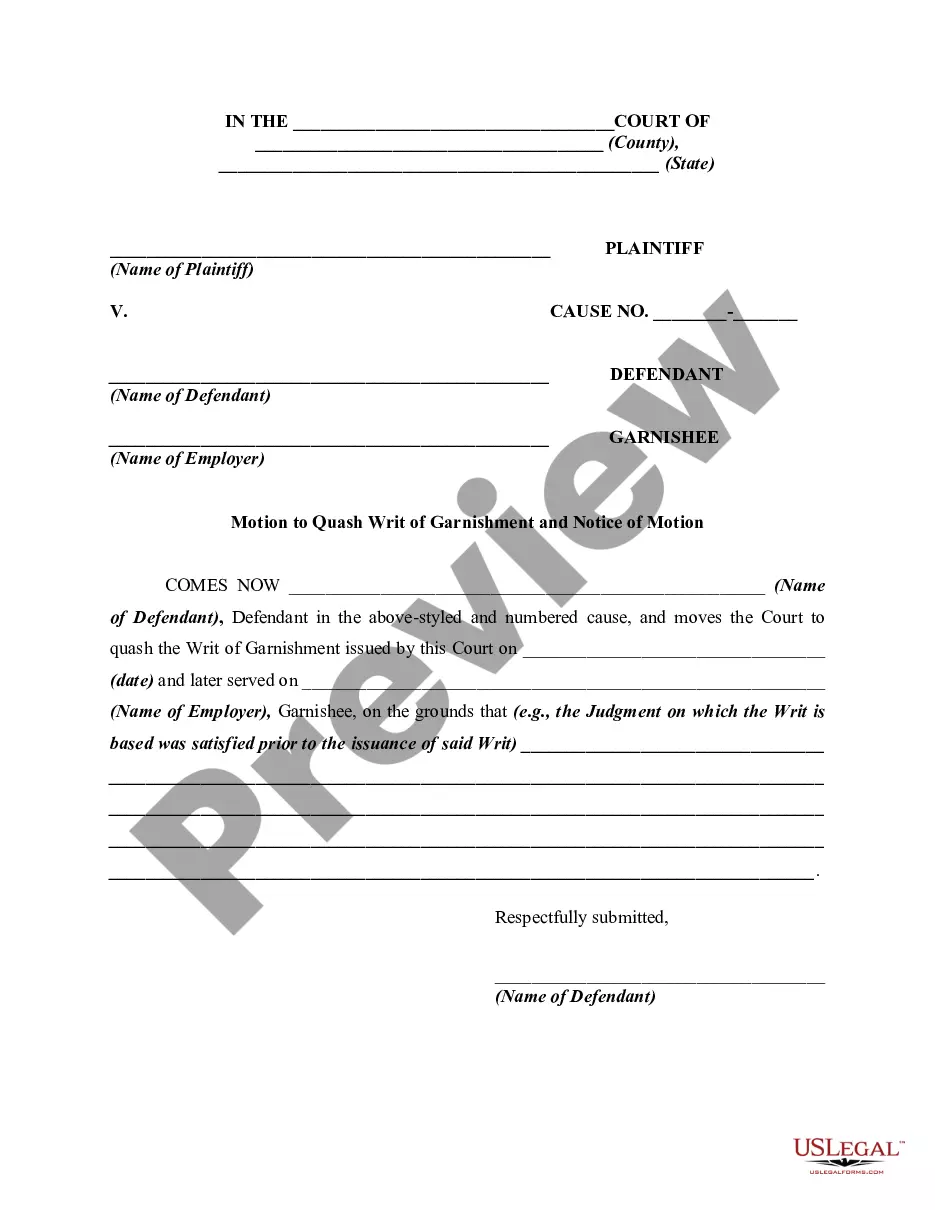
Dear Sir/Madam, I am writing to request that you stop the wage garnishment that is currently being imposed on me. I am unable to make the payments at this time due to [insert reason, such as financial hardship]. I have attached documentation that supports my claim.