Garnishment Leave For Employees
Description
Get your form ready online
Our built-in tools help you complete, sign, share, and store your documents in one place.
Make edits, fill in missing information, and update formatting in US Legal Forms—just like you would in MS Word.
Download a copy, print it, send it by email, or mail it via USPS—whatever works best for your next step.
Sign and collect signatures with our SignNow integration. Send to multiple recipients, set reminders, and more. Go Premium to unlock E-Sign.
If this form requires notarization, complete it online through a secure video call—no need to meet a notary in person or wait for an appointment.
We protect your documents and personal data by following strict security and privacy standards.

Make edits, fill in missing information, and update formatting in US Legal Forms—just like you would in MS Word.

Download a copy, print it, send it by email, or mail it via USPS—whatever works best for your next step.

Sign and collect signatures with our SignNow integration. Send to multiple recipients, set reminders, and more. Go Premium to unlock E-Sign.

If this form requires notarization, complete it online through a secure video call—no need to meet a notary in person or wait for an appointment.

We protect your documents and personal data by following strict security and privacy standards.
Looking for another form?




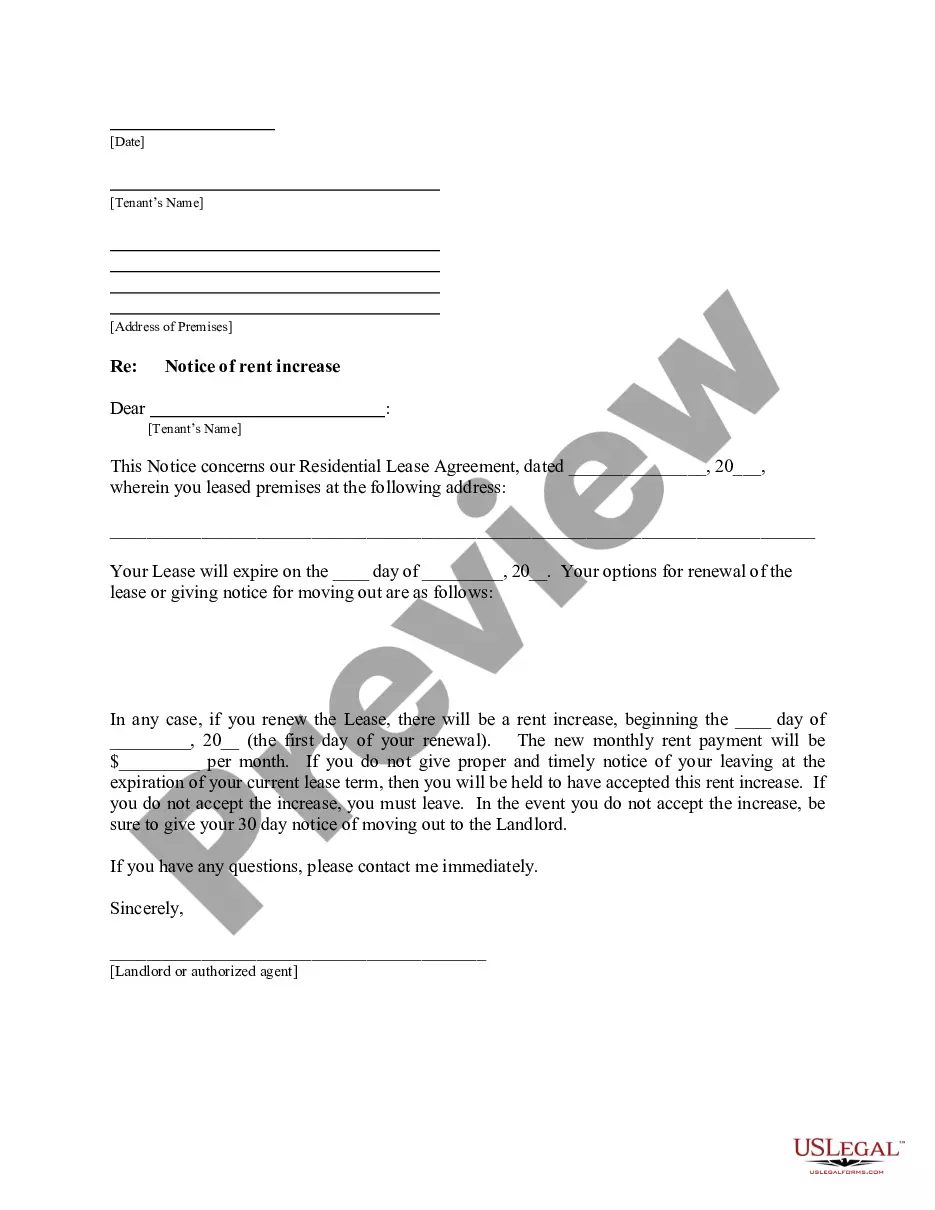


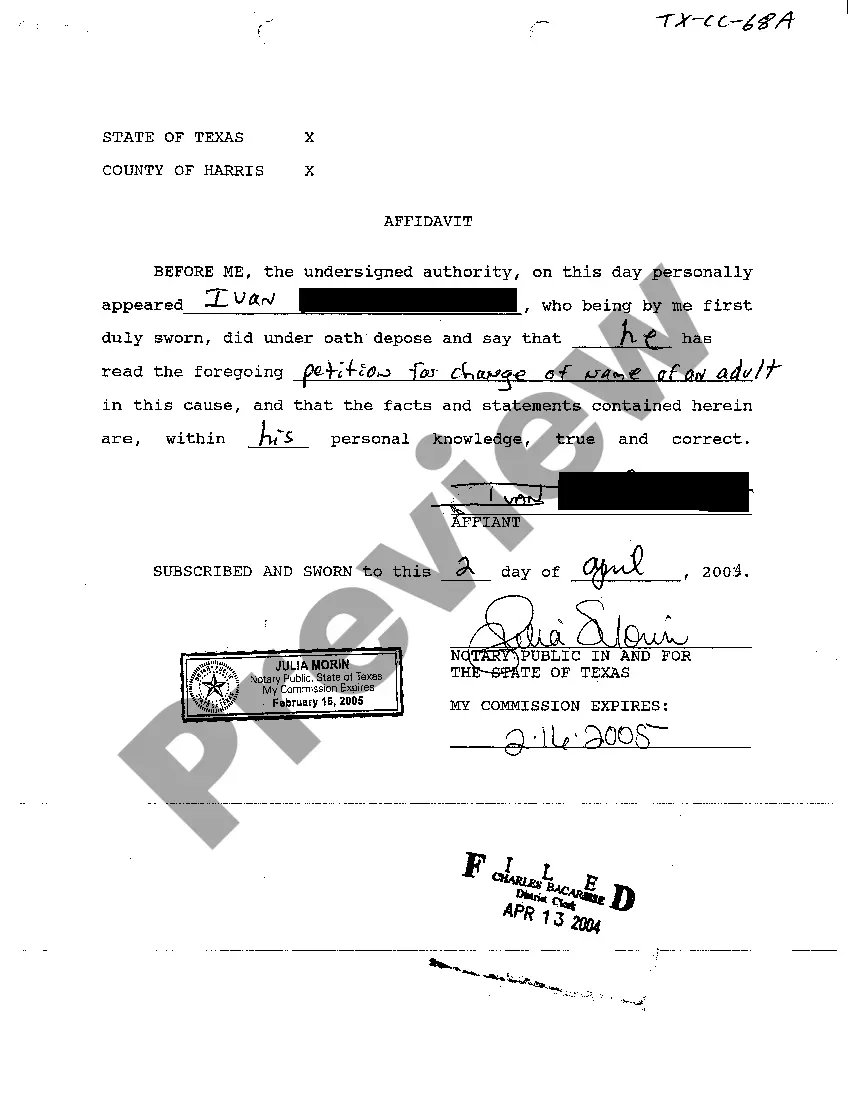
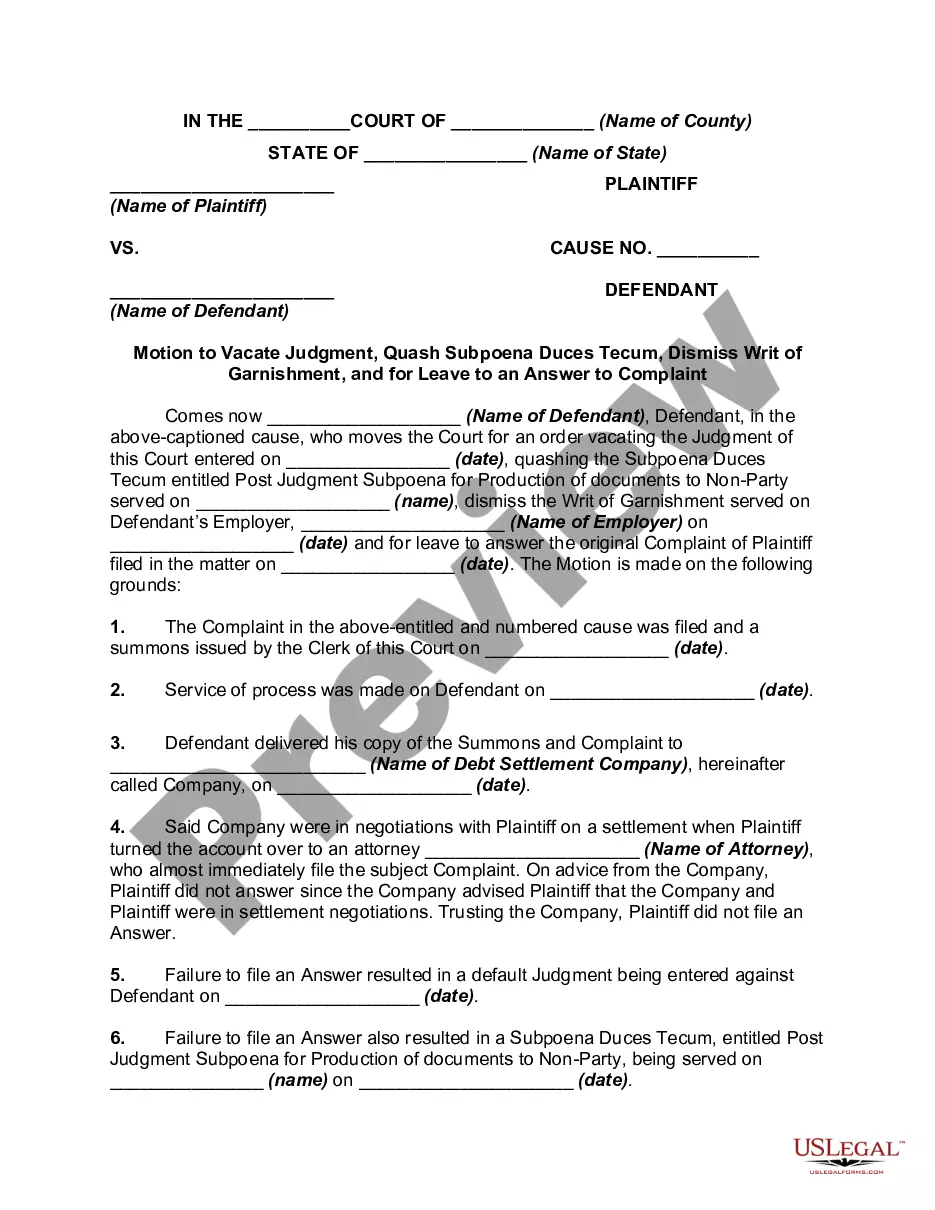
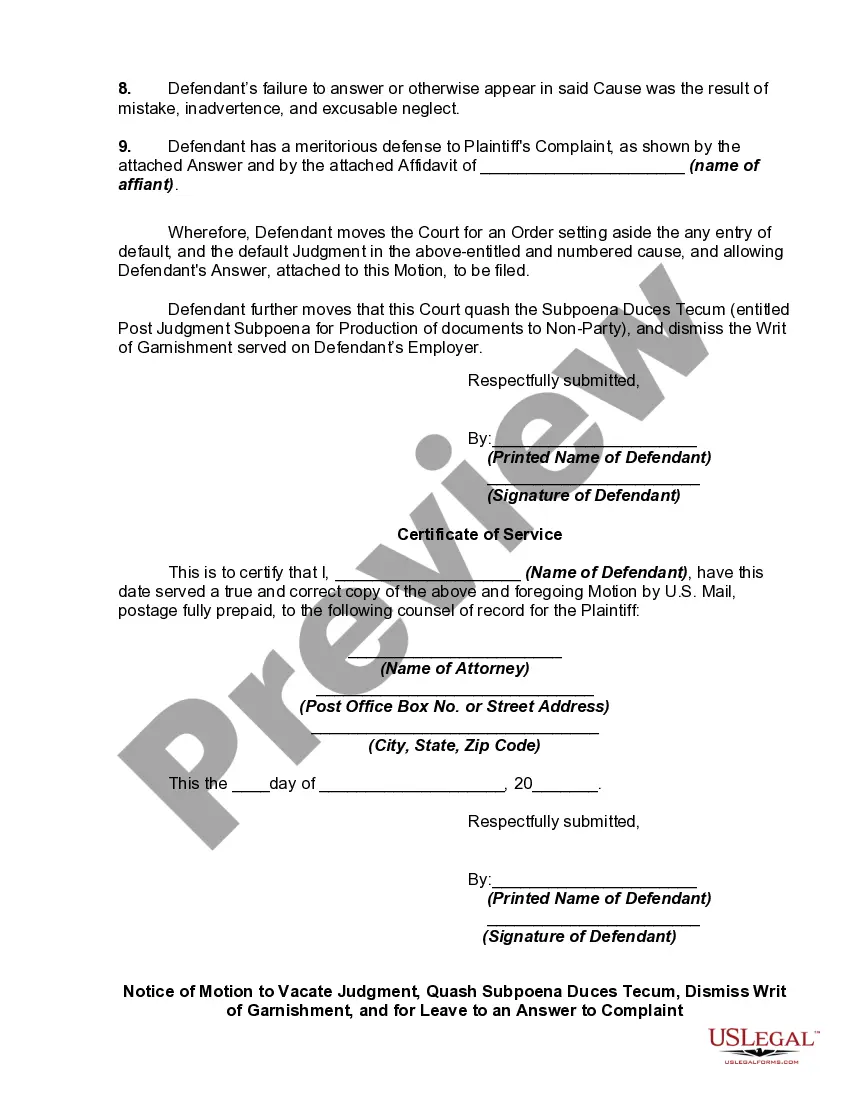
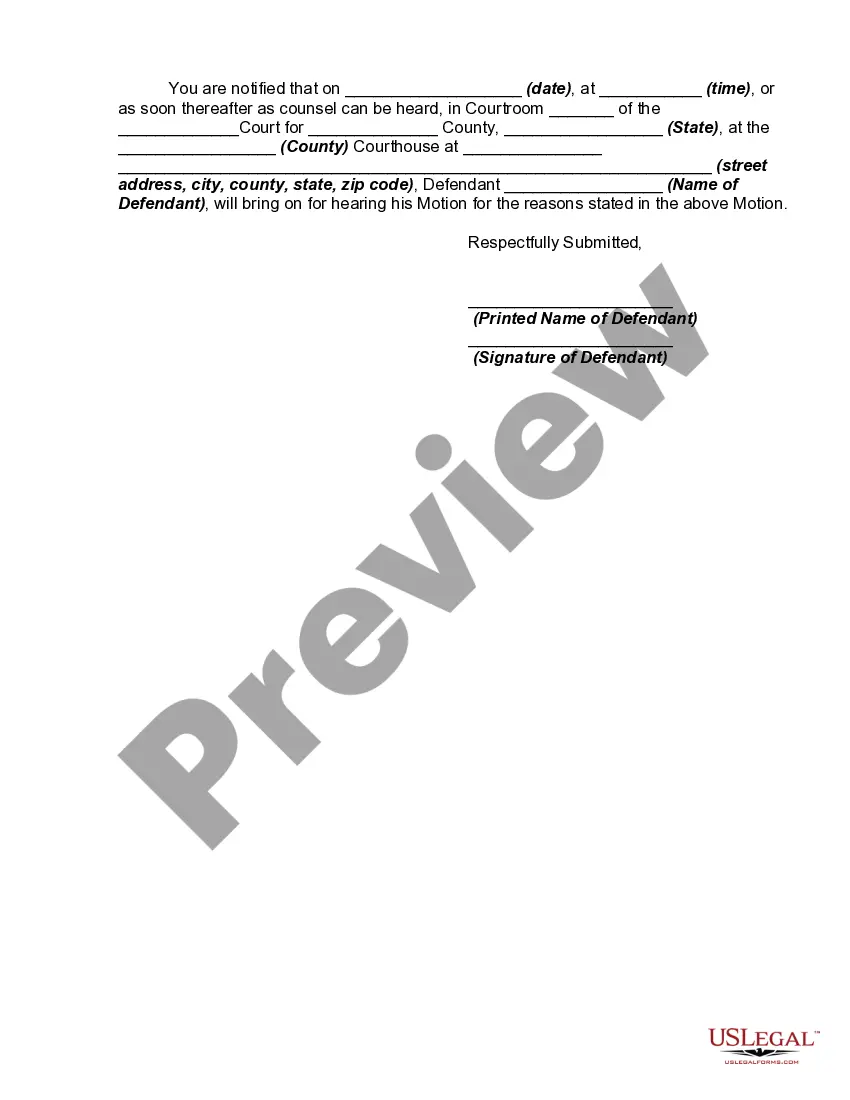
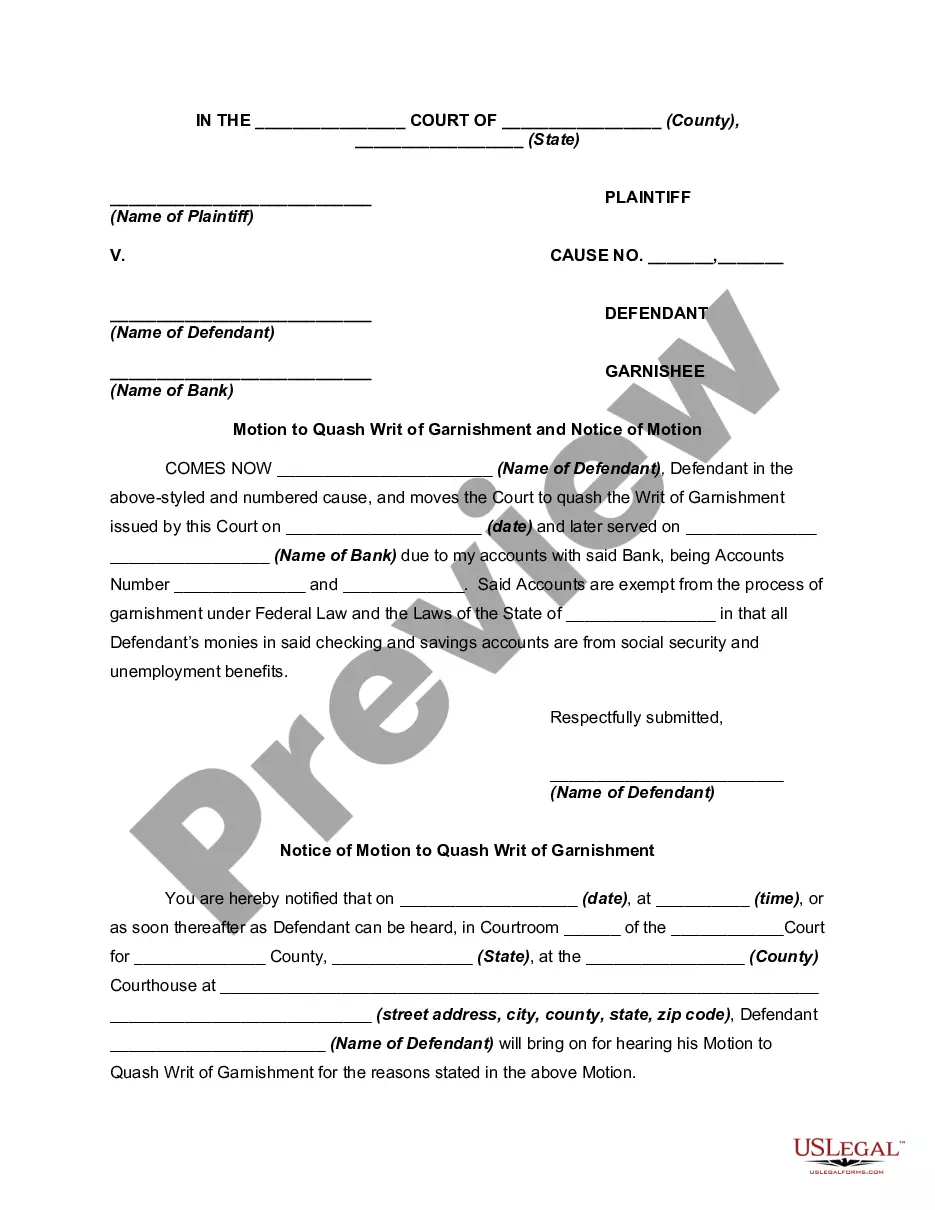
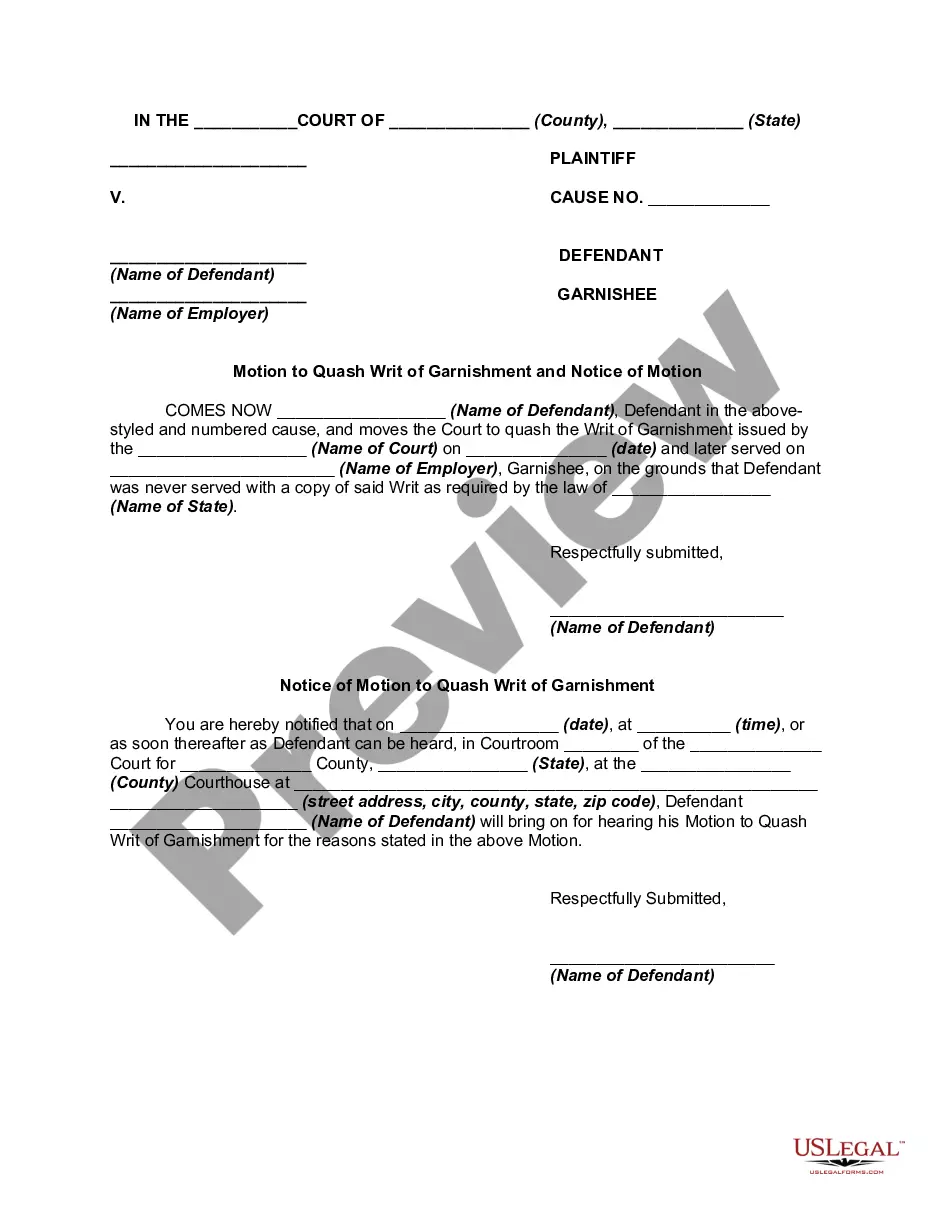
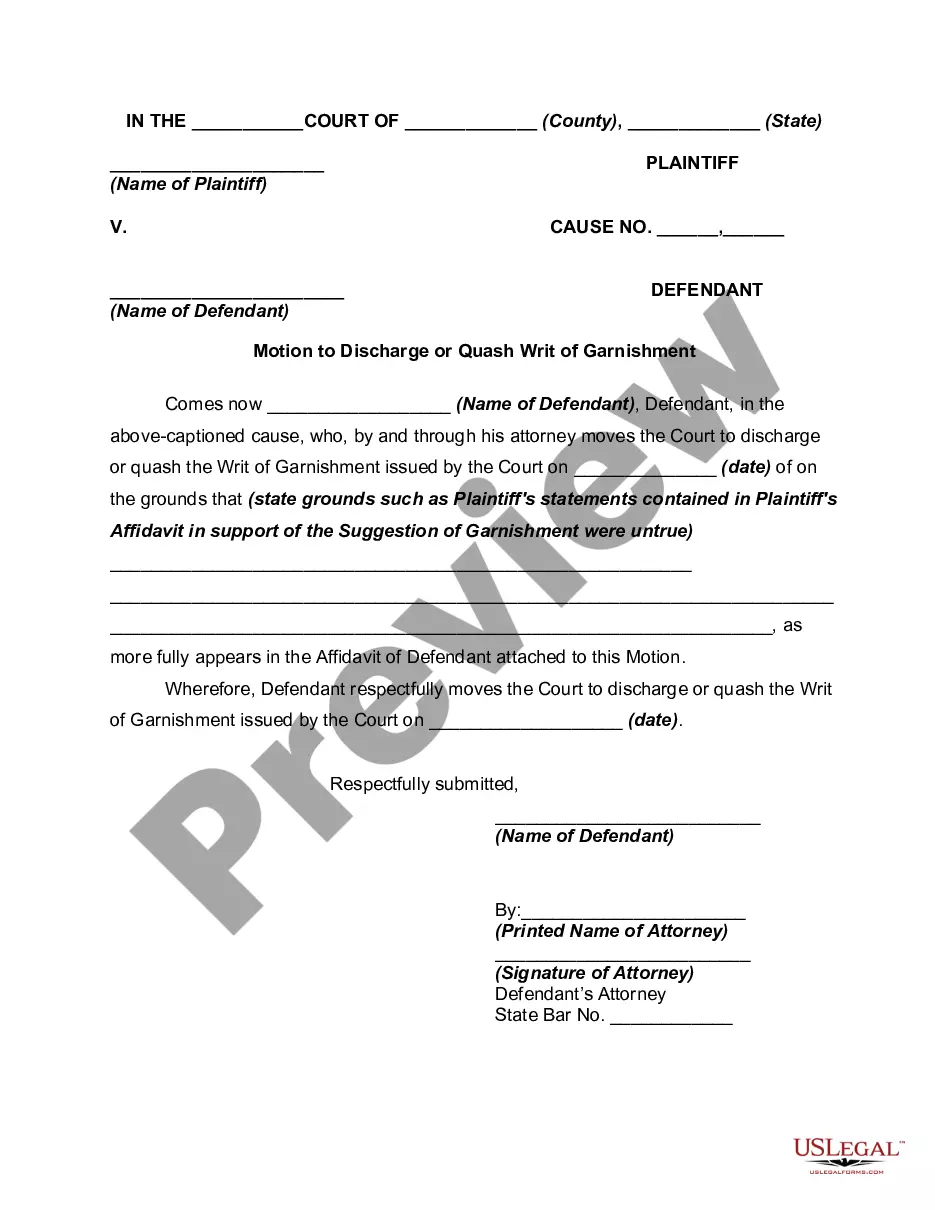
How to fill out Motion To Vacate Judgment, Quash Subpoena Duces Tecum, Dismiss Writ Of Garnishment, And For Leave To File An Answer To Complaint?
Legal documentation management can be perplexing, even for the most seasoned professionals.
If you're searching for a Garnishment Leave For Employees and lack the opportunity to search for the correct and current version, the processes can be challenging.
US Legal Forms addresses any needs you might have, ranging from personal to business documentation, all in one place.
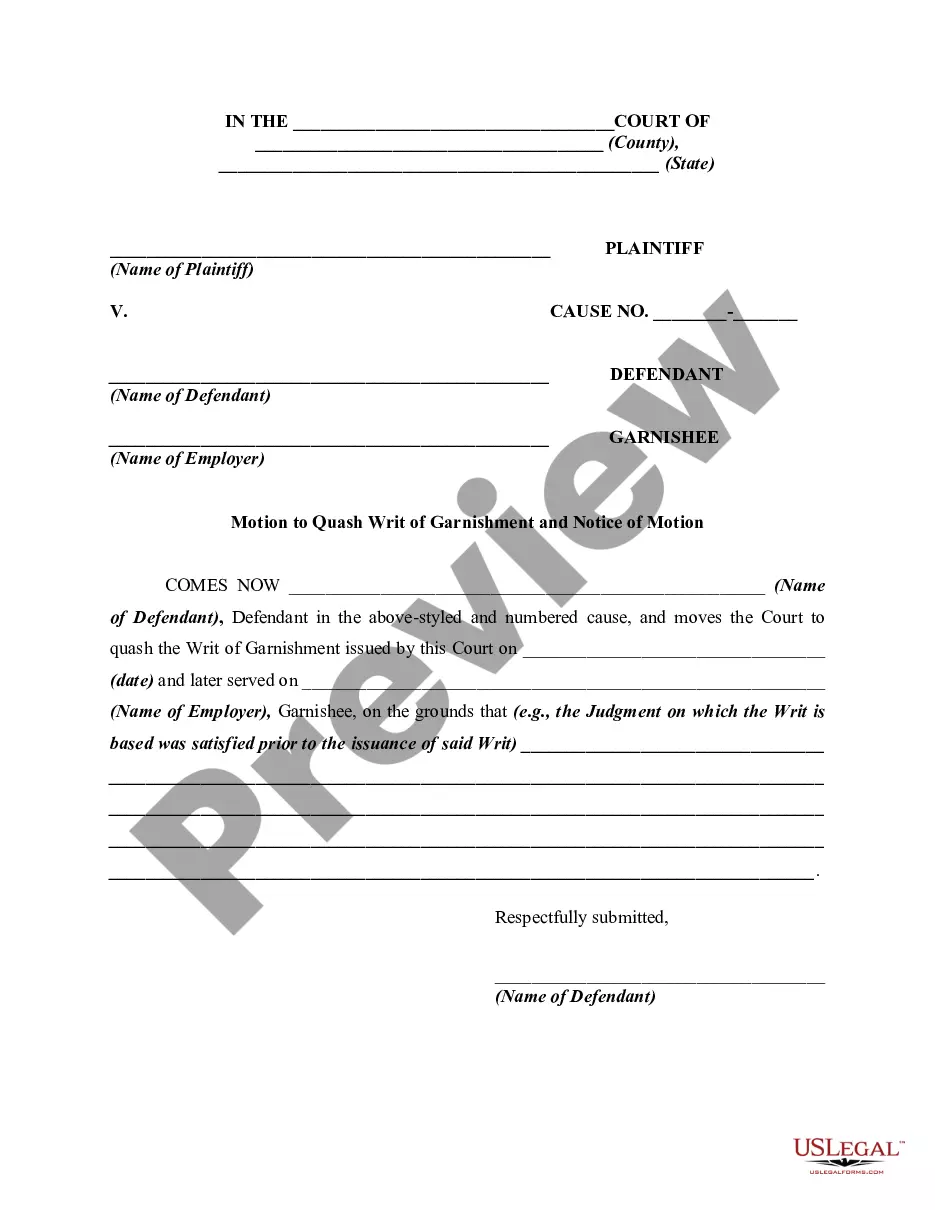
Utilize cutting-edge tools to fill out and manage your Garnishment Leave For Employees.
Here are the steps to follow after acquiring the form you need: Confirm this is the correct form by previewing it and reviewing its description. Ensure that the template is accepted in your state or county. Click Buy Now when you are ready. Select a subscription plan. Choose your desired format, and Download, complete, sign, print, and submit your documents. Take advantage of the US Legal Forms online library, supported by 25 years of experience and reliability. Improve your daily document management in a seamless and user-friendly manner today.
- Access a repository of articles, guides, manuals, and resources pertinent to your situation and needs.
- Save time and effort searching for the documents you require, and leverage US Legal Forms’ advanced search and Review tool to locate and download Garnishment Leave For Employees.
- If you have a subscription, Log In to your US Legal Forms account, search for the form, and download it.
- Check your My documents tab to view the documents you’ve previously saved and manage your folders as you see fit.
- If this is your first experience with US Legal Forms, create a free account and gain unlimited access to all the platform's benefits.
- A comprehensive online form library could be transformative for anyone aiming to handle these situations effectively.
- US Legal Forms is a frontrunner in online legal documentation, offering over 85,000 state-specific legal forms available to you at any time.
- With US Legal Forms, you can access legal and organizational documents specific to your state or county.
Form popularity
FAQ
To inform your employee of wage garnishment, start by sending a written notice that includes details about the garnishment, such as the amount and the reason for the garnishment. It is important to maintain a clear and respectful tone to foster understanding and cooperation. You should also explain how this garnishment leave for employees will affect their paychecks moving forward. Utilizing tools like US Legal Forms can help streamline this process by providing templates for notifications and ensuring compliance with legal requirements.
In Minnesota, garnishment rules dictate that employers must withhold a specific percentage of an employee's disposable earnings. The state has limits on how much can be garnished, depending on the type of debt. Understanding these rules is essential for employers to ensure compliance and to manage garnishment leave for employees effectively.
Employees cannot be fired solely because their wages are garnished, as this would violate federal protection laws. However, repeated failures to comply with court orders or other employment policies may lead to termination. Employers should be aware of these rules to ensure they handle garnishment leave for employees appropriately.
When an employee has their wages garnished, it is important to maintain open communication. Employers should explain the garnishment process and provide resources to help the employee understand their rights. This supportive approach can help employees navigate the impact of garnishment leave for employees on their financial well-being.
If an employer fails to respond to a wage garnishment, they may face legal penalties and could be held responsible for the unpaid amounts. Additionally, the employee may take legal action against the employer for failing to comply with the court order. It is crucial for employers to treat garnishment leave for employees seriously to avoid unnecessary complications.
Handling garnishments in payroll requires accurate calculations and timely deductions. Employers should set up a system to ensure that garnishments are processed regularly and that employees receive their remaining wages promptly. Utilizing payroll software, like US Legal Forms, can simplify the management of garnishments and ensure compliance with garnishment leave for employees.
To handle a garnishment, employers should first verify the validity of the court order. Next, they must calculate the correct amount to deduct from the employee's wages while adhering to state and federal guidelines. By keeping clear communication with the employee, employers can help ease any concerns regarding garnishment leave for employees.
Employers must comply with court orders when garnishing wages, ensuring they take the correct amount from an employee's paycheck. They are responsible for understanding the laws surrounding wage garnishments and maintaining accurate records. Additionally, employers must inform employees about the garnishment process, as garnishment leave for employees can affect their financial situation.