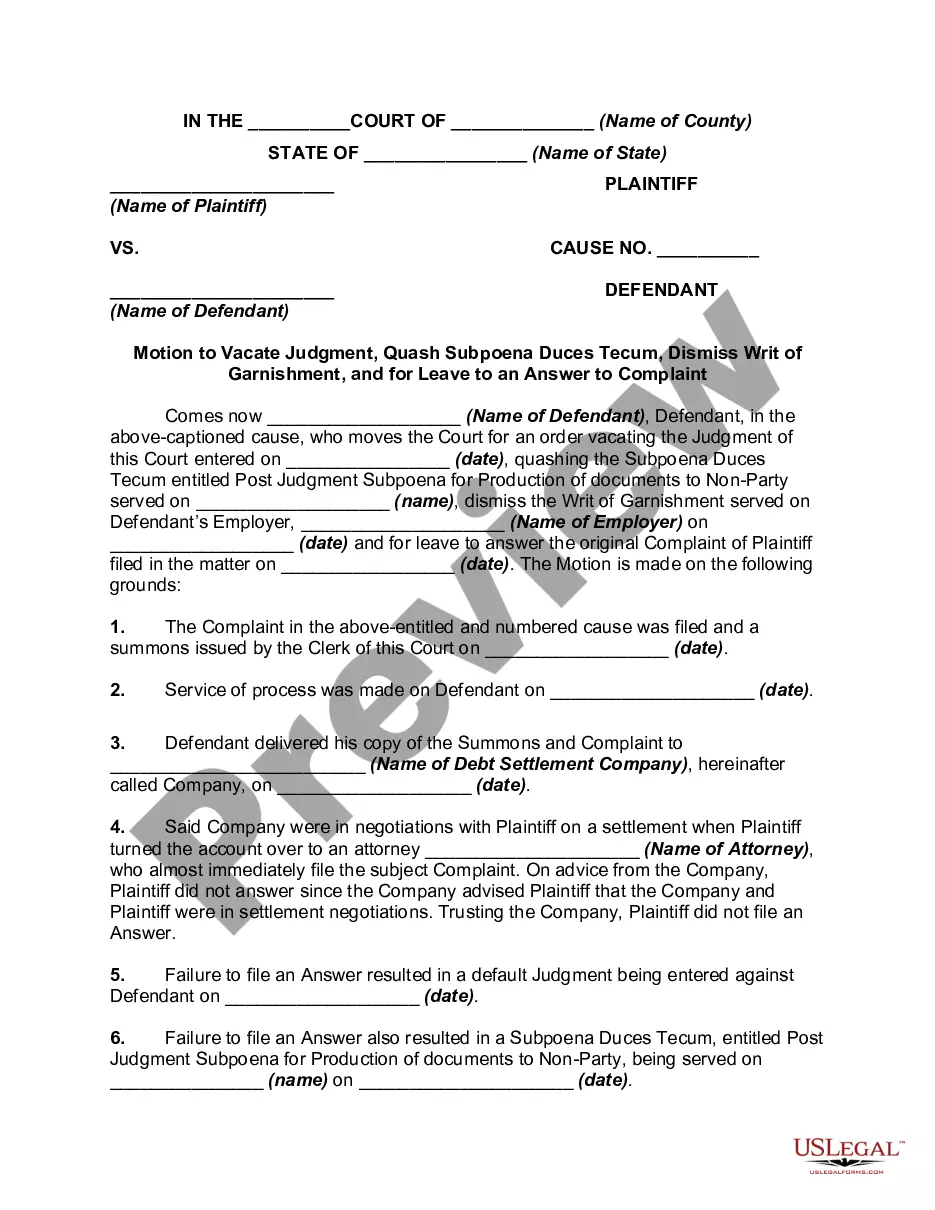
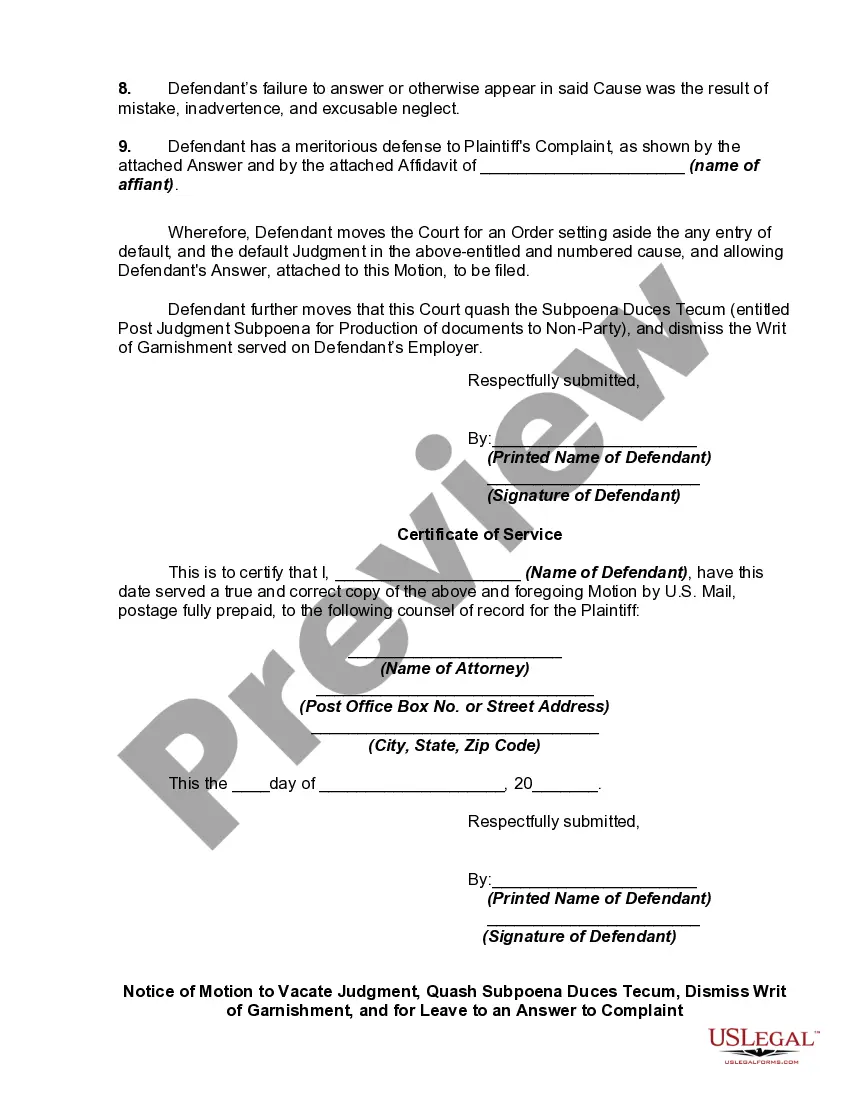
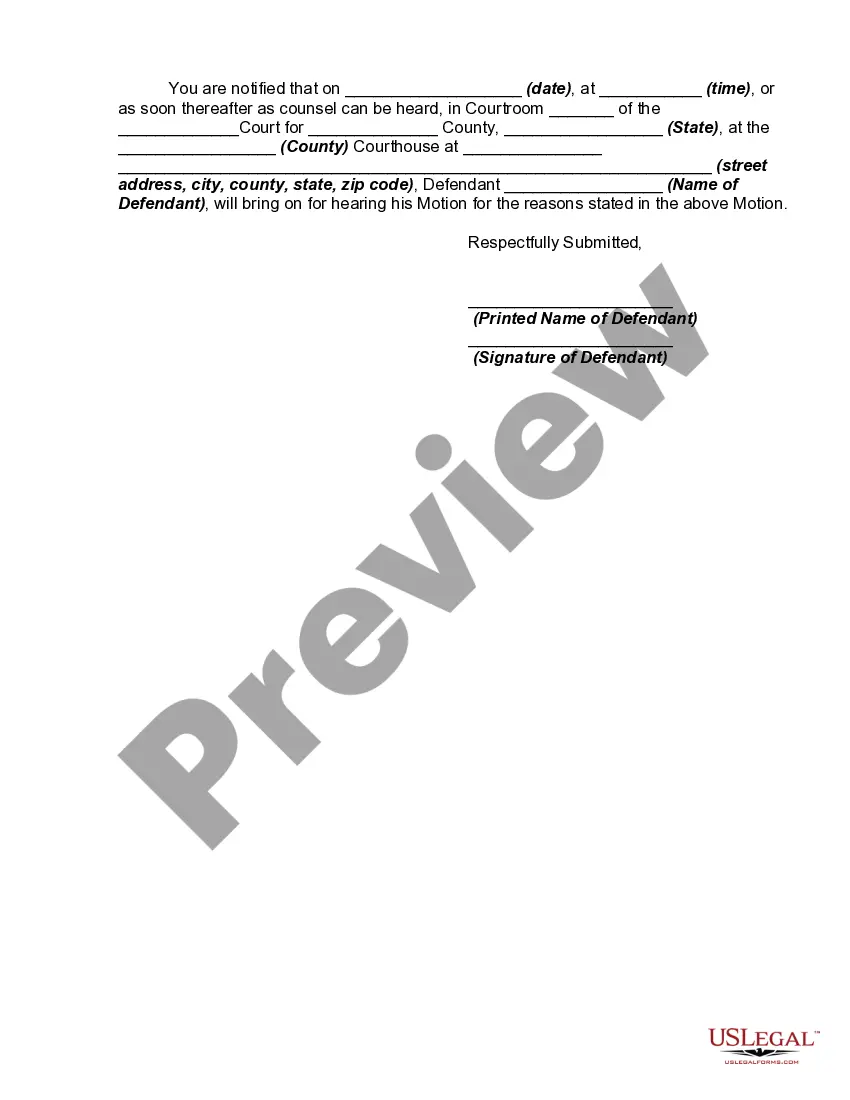
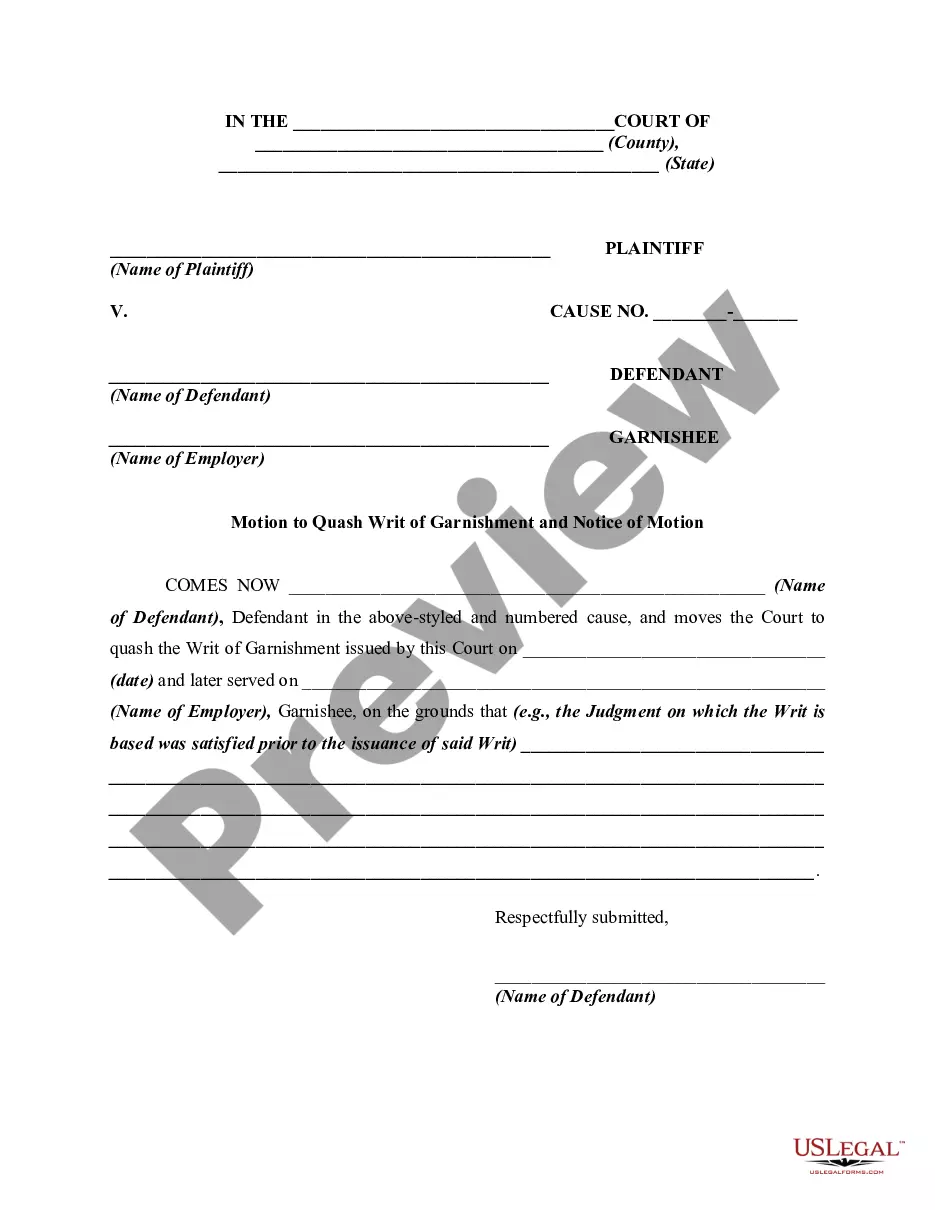
Ct Judgment Motion With Open
Description
Get your form ready online
Our built-in tools help you complete, sign, share, and store your documents in one place.
Make edits, fill in missing information, and update formatting in US Legal Forms—just like you would in MS Word.
Download a copy, print it, send it by email, or mail it via USPS—whatever works best for your next step.
Sign and collect signatures with our SignNow integration. Send to multiple recipients, set reminders, and more. Go Premium to unlock E-Sign.
If this form requires notarization, complete it online through a secure video call—no need to meet a notary in person or wait for an appointment.
We protect your documents and personal data by following strict security and privacy standards.

Make edits, fill in missing information, and update formatting in US Legal Forms—just like you would in MS Word.

Download a copy, print it, send it by email, or mail it via USPS—whatever works best for your next step.

Sign and collect signatures with our SignNow integration. Send to multiple recipients, set reminders, and more. Go Premium to unlock E-Sign.

If this form requires notarization, complete it online through a secure video call—no need to meet a notary in person or wait for an appointment.

We protect your documents and personal data by following strict security and privacy standards.
Looking for another form?
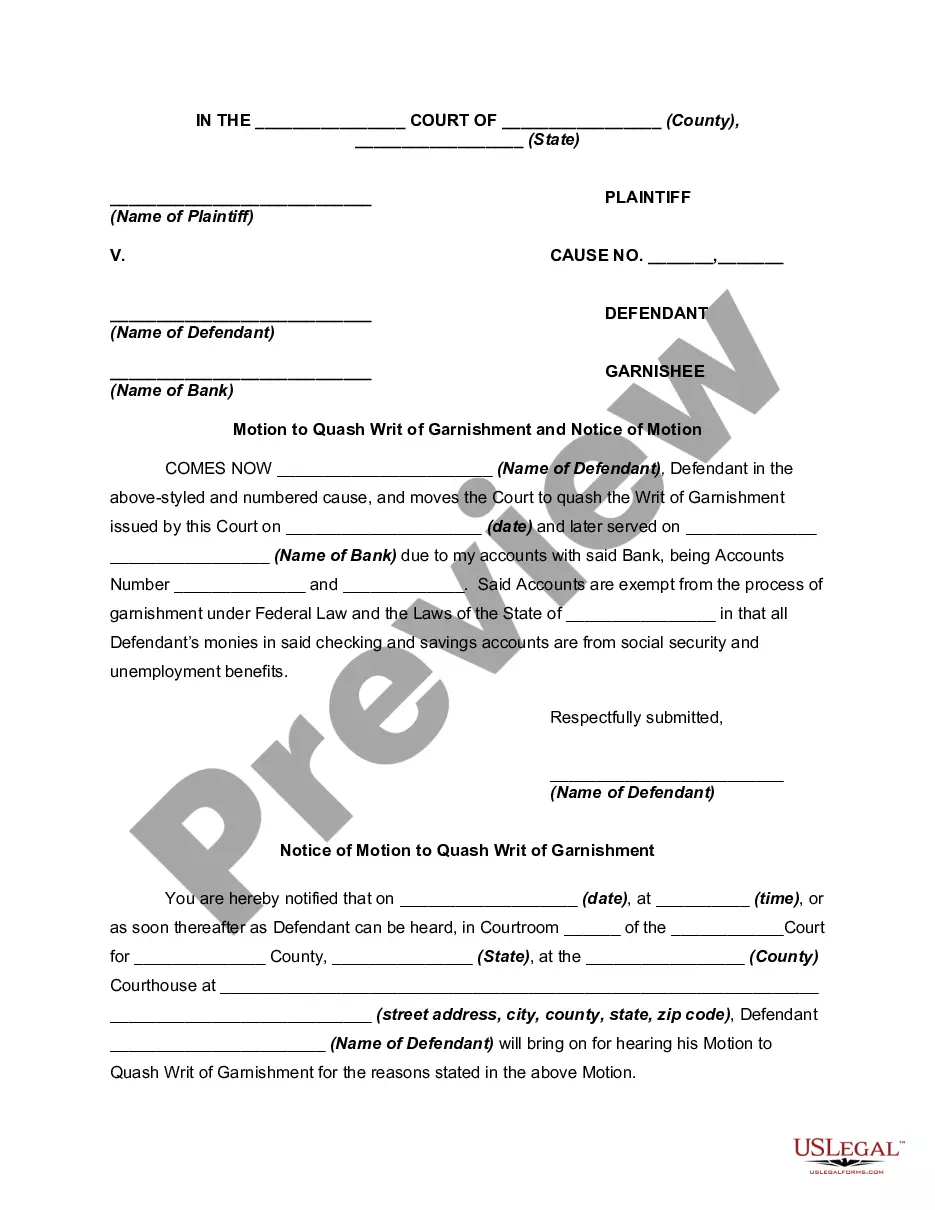
How to fill out Motion To Vacate Judgment, Quash Subpoena Duces Tecum, Dismiss Writ Of Garnishment, And For Leave To File An Answer To Complaint?
Securing a primary location to obtain the latest and most pertinent legal templates is a significant part of navigating bureaucracy.
Selecting the appropriate legal documents requires accuracy and diligence, which is why it is crucial to source Ct Judgment Motion With Open samples exclusively from trusted providers, such as US Legal Forms. An incorrect template can waste your time and delay your situation.
Once you have the form on your device, you can edit it with the editor or print it out and finish it by hand. Eliminate the complications associated with your legal documentation. Browse the comprehensive US Legal Forms library to discover legal templates, verify their applicability to your situation, and download them instantly.
- Utilize the library navigation or search bar to locate your template.
- Examine the form's description to determine if it meets the standards of your state and locality.
- Review the form preview, if available, to confirm that it is indeed the template you need.
- Return to the search to find the correct document if the Ct Judgment Motion With Open is not suitable.
- If you are confident about the form's relevance, download it.
- As a registered user, click Log in to verify and access your chosen templates in My documents.
- Should you not have an account yet, click Buy now to acquire the template.
- Choose the pricing plan that aligns with your preferences.
- Continue with the registration process to finalize your purchase.
- Complete your purchase by selecting a payment method (credit card or PayPal).
- Choose the file format for downloading Ct Judgment Motion With Open.
Form popularity
FAQ
A default judgment in Connecticut occurs when a defendant fails to respond to a lawsuit. In such cases, the court may automatically rule in favor of the plaintiff. This judgment can have significant consequences, including the enforcement of the judgment against the defendant’s assets. It’s important to understand the implications of the Ct judgment motion with open and how to address any default judgment effectively.
A motion to judgment is a request made to the court asking for a formal decision on a legal matter. It is typically used when one party believes the evidence clearly supports their claims, and no further trial is necessary. This motion plays an essential role in legal procedures, especially when discussing a Ct judgment motion with open. Knowing how to file correctly can impact the outcome of your case.
An open judgment refers to a court's decision that has not yet been finalized or closed. In Connecticut, this means you can still take further action regarding the judgment. The concept of an open judgment is crucial when considering a Ct judgment motion with open. You may have the opportunity to change or contest the judgment under certain conditions.
A motion for default judgment in Connecticut is a request made to the court when a defendant fails to respond to a lawsuit. This motion allows you to seek a ruling without the other party's input, streamlining the legal process. Using a CT judgment motion with open can enhance your chances of obtaining a favorable ruling. It serves as a vital tool for reclaiming what you are owed, especially when the other party does not participate.
In Connecticut, a judgment is typically valid for 20 years. This time frame can be extended if the judgment is renewed through a CT judgment motion with open. It’s important for you to keep track of the judgment’s status to ensure proper enforcement. Understanding the duration of your judgment helps in planning your next steps effectively.
To begin a small claims case, review the instructions for self-represented litigants filing small claims actions. You will then electronically file the appropriate small claims Original Notice form and pay the $95 filing fee.
What are the steps in a Contempt of Court action? We file an application for a contempt citation, including the facts supporting the application, with the Clerk of Court, and serve it on the person ordered to pay support. The court holds a hearing to decide whether the violation of the support order is willful.
Statutes of Limitation in Iowa: At a Glance Code SectionIowa Code Annotated (I.C.A.) § 614 et seq.Injury to PersonTwo years (I.C.A. § 614.1(2))Libel/SlanderTwo years (I.C.A. § 614.1(2))FraudFive years (I.C.A. § 614.1(4))Injury to Personal PropertyFive years (I.C.A. § 614.1(4))6 more rows
To begin a small claims case, you must file a petition using a court-approved form. Small claims information and instructions, free fillable and savable forms, and free interactive forms are available on the Iowa Judicial Branch website at: .
The statute of limitations for small claims judgments for execution purposes is twenty years, and liens on those judgments exist for ten years. See Iowa Code sections 614.1(6), 624.23(1), 626.2 and 631.12. However, a judgment can be renewed by filing a new action. See Iowa Code section 614.3.