Court Judgment File For Debt
Description
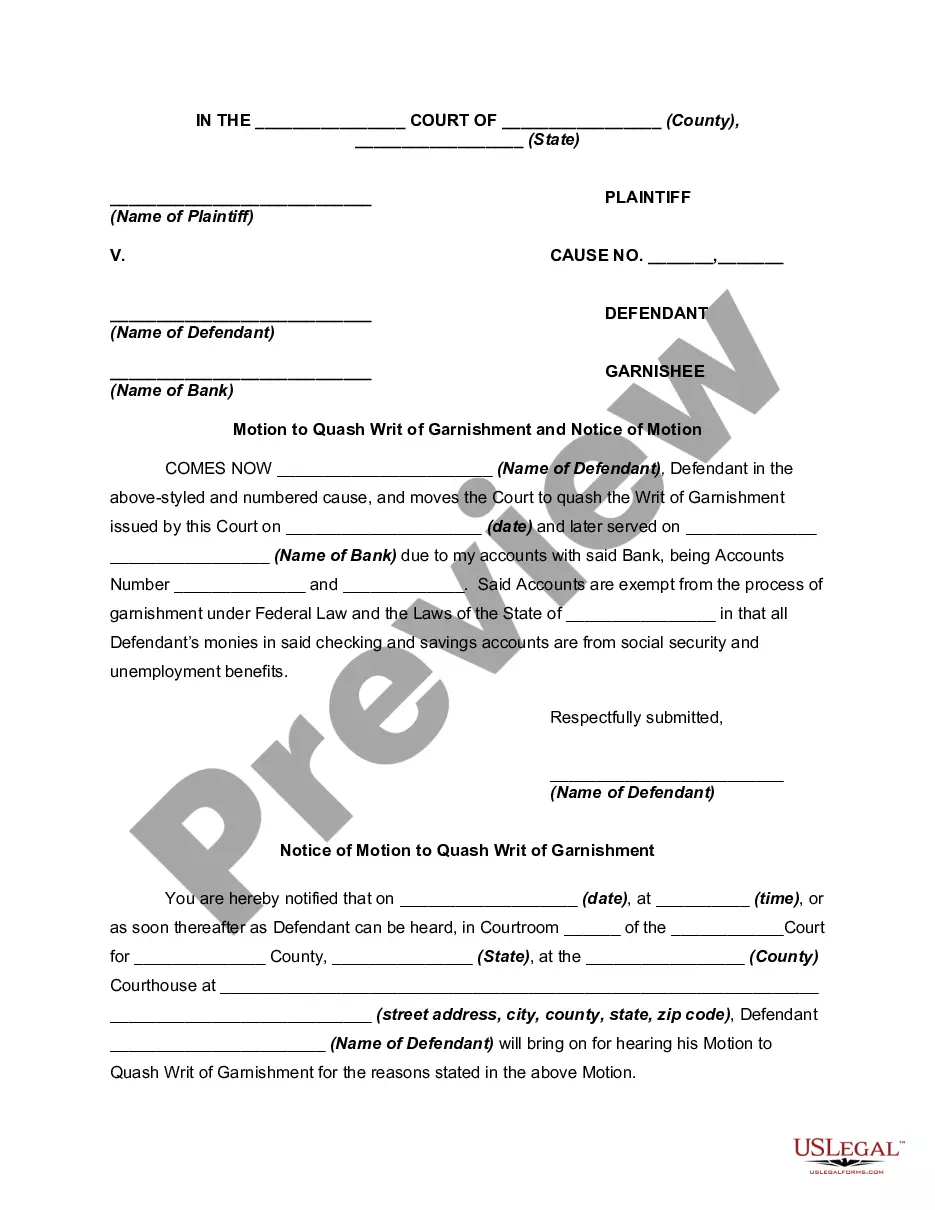
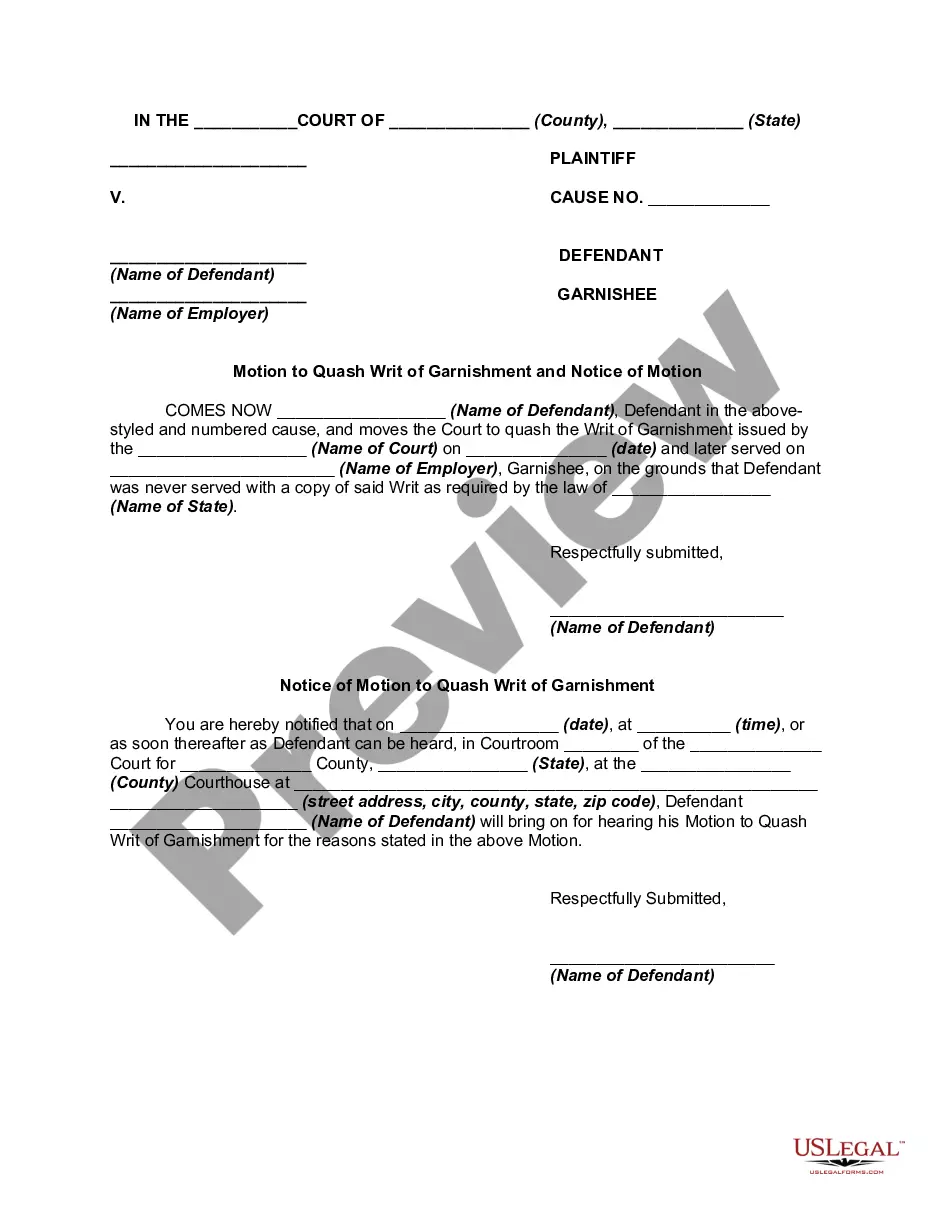
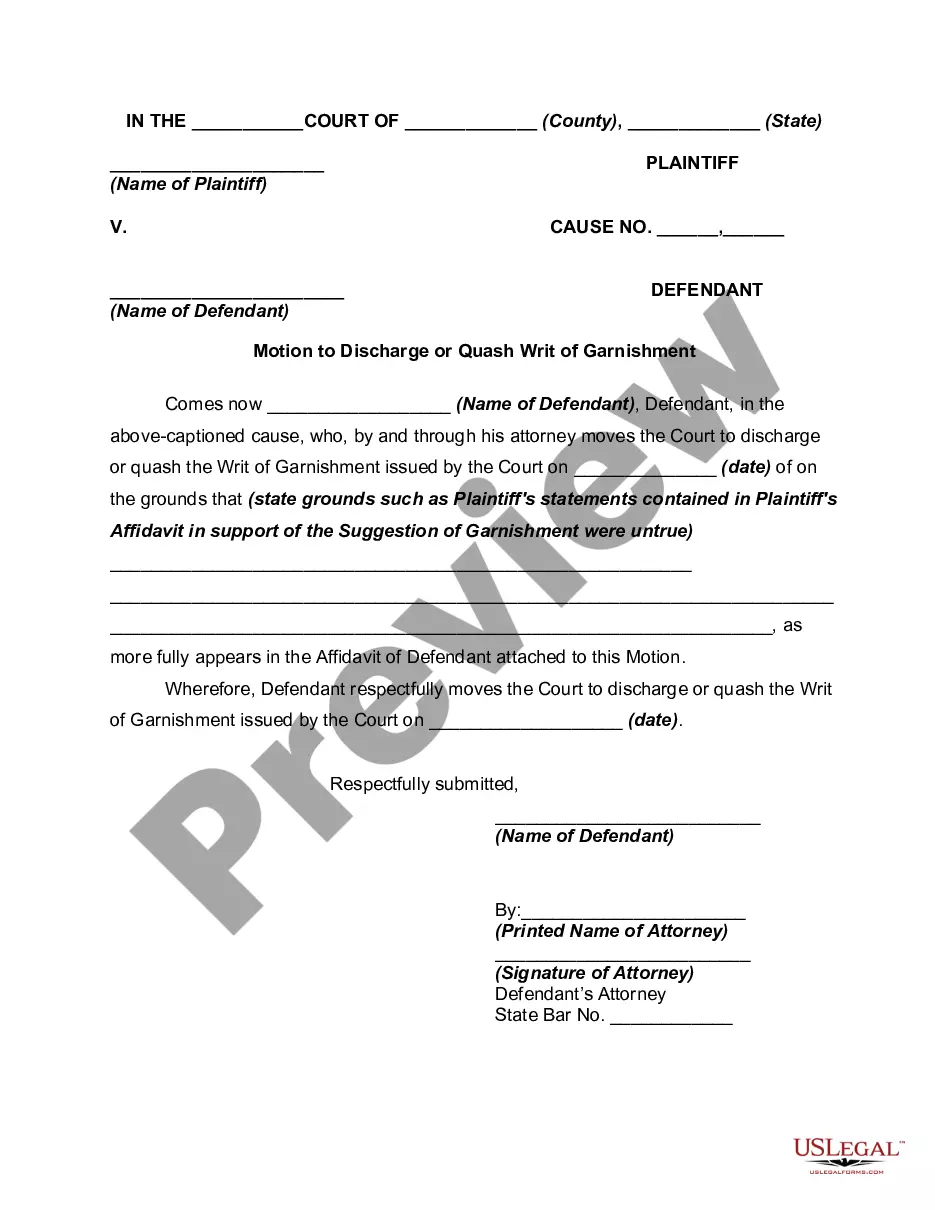
Get your form ready online
Our built-in tools help you complete, sign, share, and store your documents in one place.
Make edits, fill in missing information, and update formatting in US Legal Forms—just like you would in MS Word.
Download a copy, print it, send it by email, or mail it via USPS—whatever works best for your next step.
Sign and collect signatures with our SignNow integration. Send to multiple recipients, set reminders, and more. Go Premium to unlock E-Sign.
If this form requires notarization, complete it online through a secure video call—no need to meet a notary in person or wait for an appointment.
We protect your documents and personal data by following strict security and privacy standards.

Make edits, fill in missing information, and update formatting in US Legal Forms—just like you would in MS Word.

Download a copy, print it, send it by email, or mail it via USPS—whatever works best for your next step.

Sign and collect signatures with our SignNow integration. Send to multiple recipients, set reminders, and more. Go Premium to unlock E-Sign.

If this form requires notarization, complete it online through a secure video call—no need to meet a notary in person or wait for an appointment.

We protect your documents and personal data by following strict security and privacy standards.
Looking for another form?
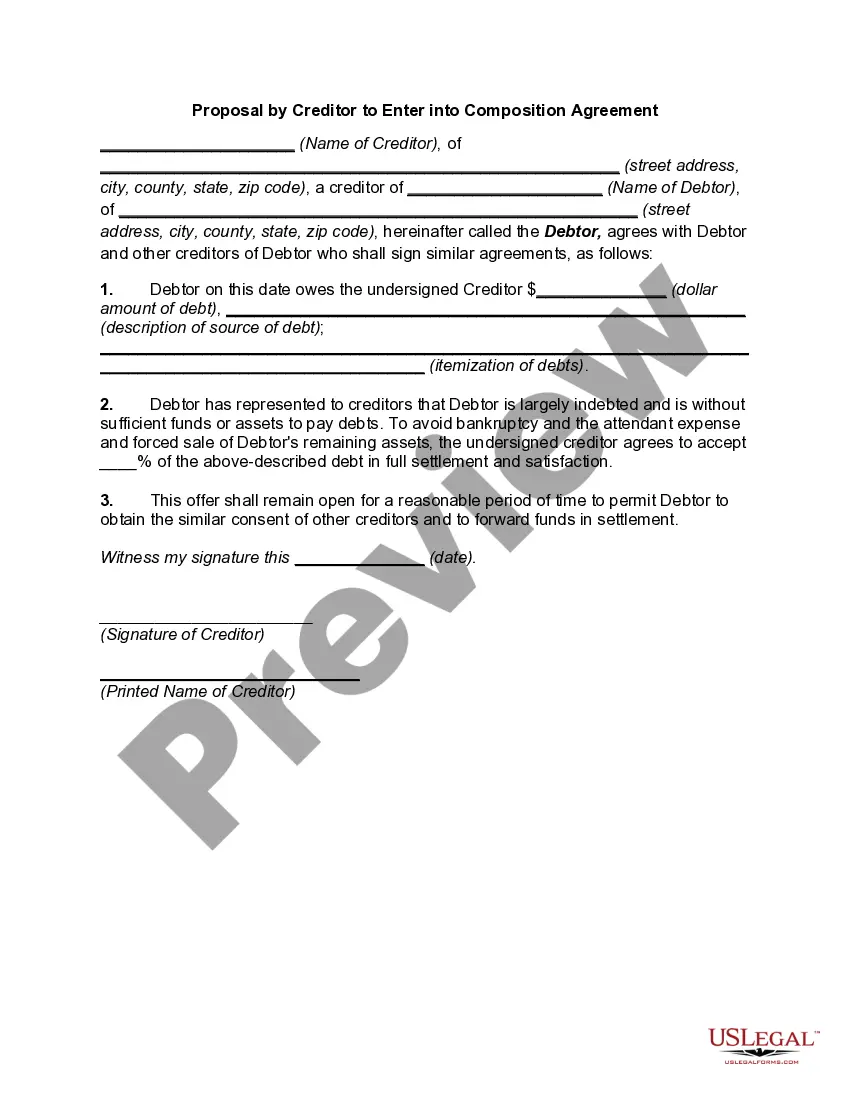



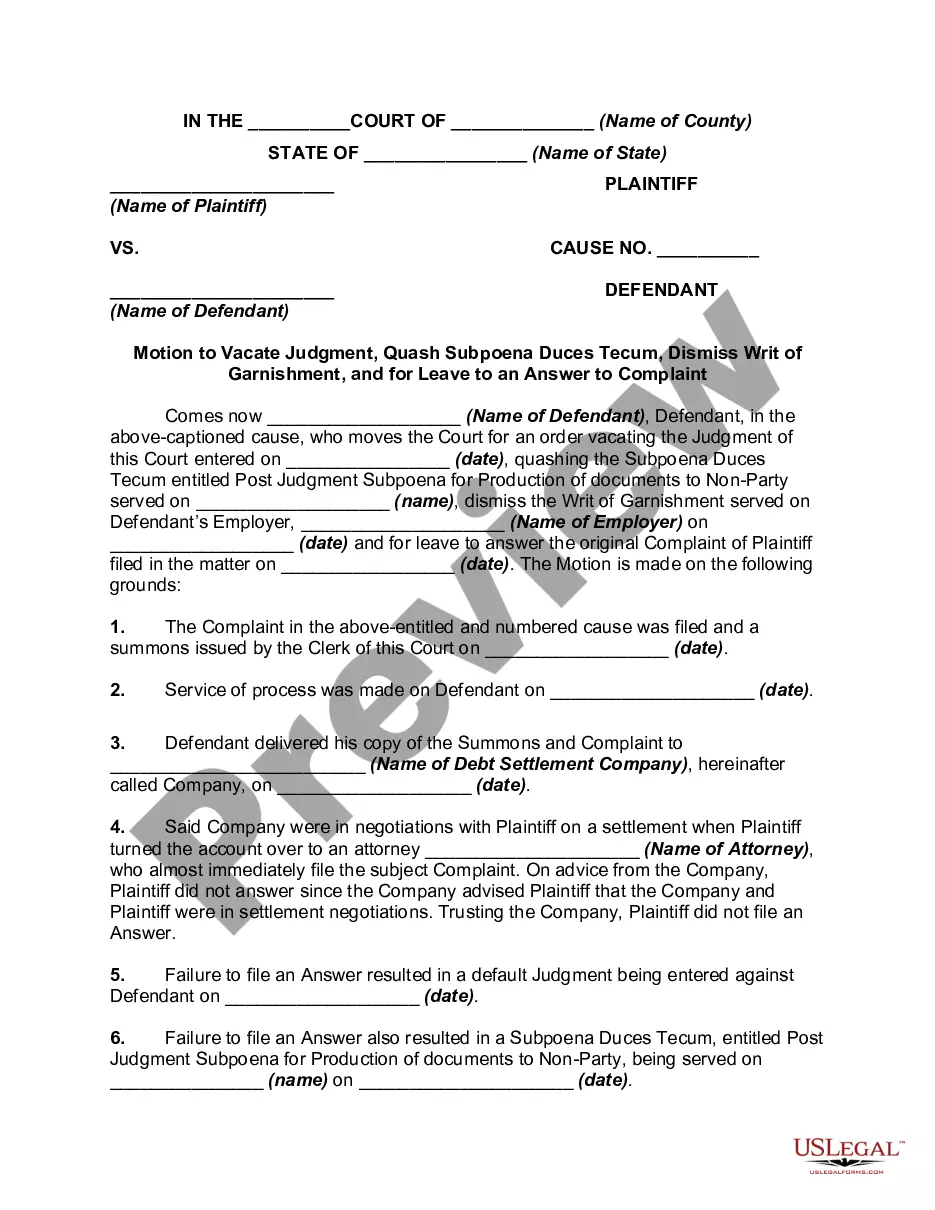
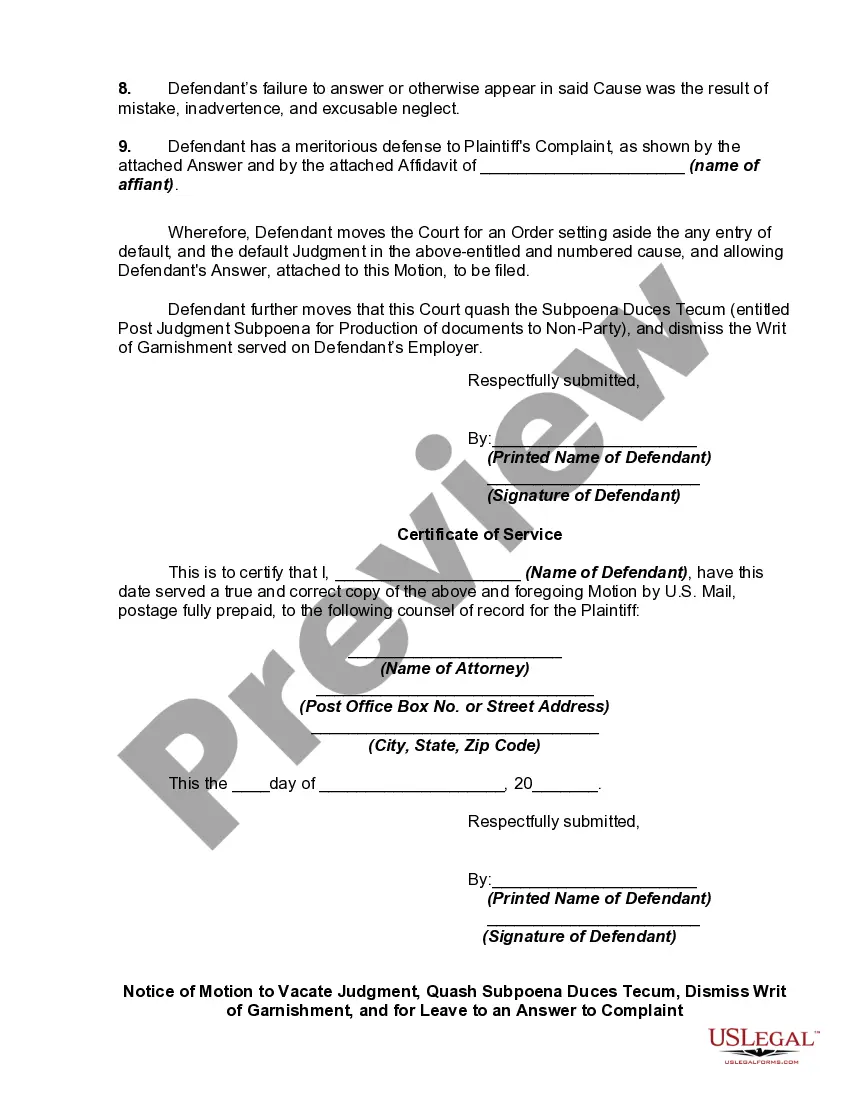
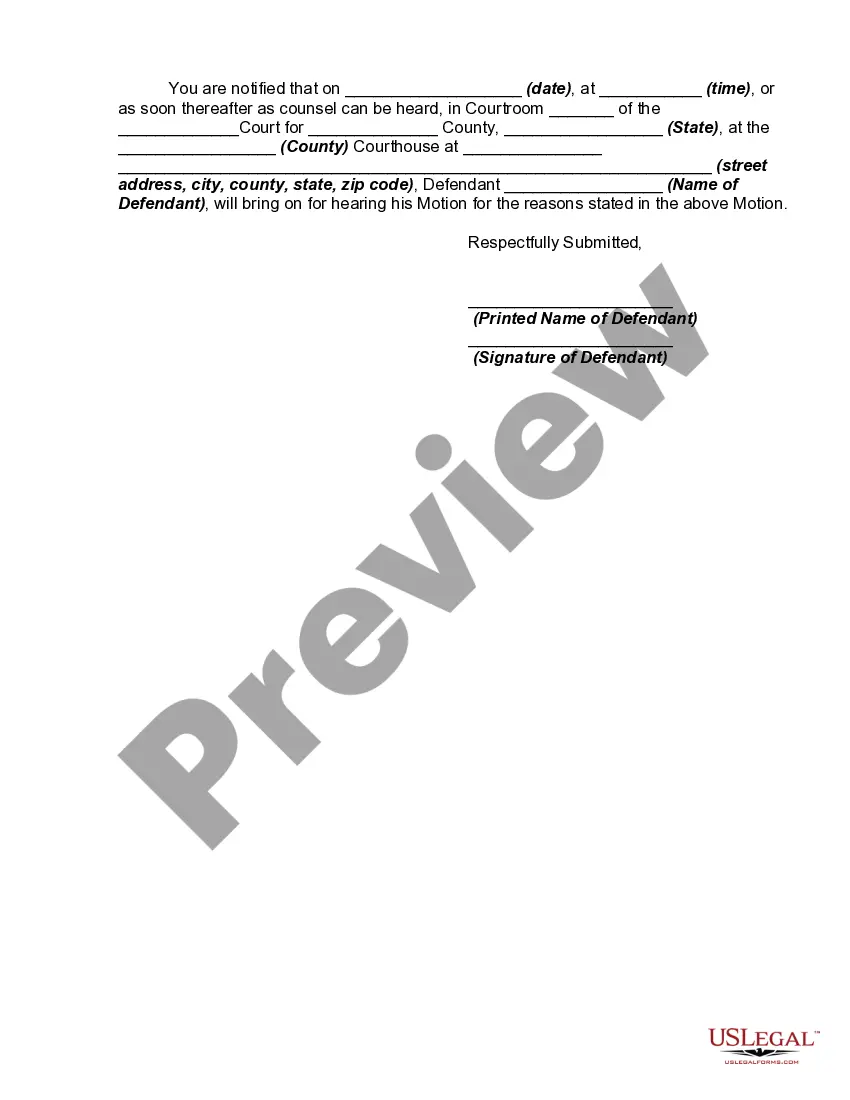
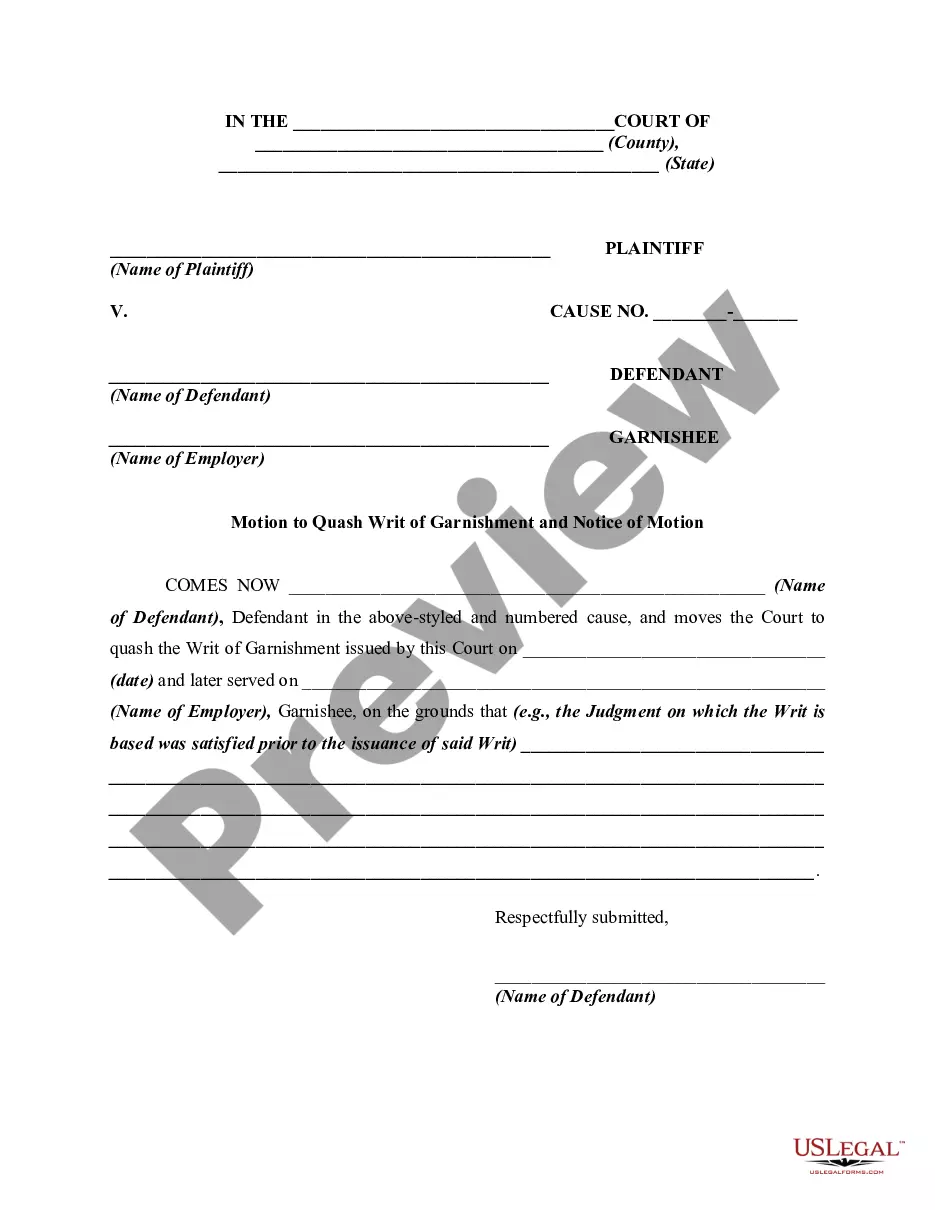
How to fill out Motion To Vacate Judgment, Quash Subpoena Duces Tecum, Dismiss Writ Of Garnishment, And For Leave To File An Answer To Complaint?
It’s common knowledge that you can’t become a legal expert instantly, nor can you master the swift compilation of a Court Judgment File For Debt without a specialized education. Assembling legal documents is a lengthy endeavor that requires specific training and expertise. So why not entrust the preparation of the Court Judgment File For Debt to professionals.
With US Legal Forms, one of the most extensive collections of legal documents, you can access everything from court filings to templates for office correspondence. We recognize how vital it is to comply with and adhere to national and local regulations. That’s why, on our platform, all documents are tailored to the specific location and kept current.
Let’s get started with our platform and obtain the document you need in just a few minutes.
You can access your documents again from the My documents tab whenever needed. If you’re already a customer, you can just Log In, and find and download the template from the same section.
Regardless of the purpose of your forms—be it financial, legal, or personal—our platform is here to assist you. Try US Legal Forms today!
- Locate the document you’re seeking using the search tool at the top of the page.
- Preview it (if this feature is available) and review the accompanying description to determine if the Court Judgment File For Debt meets your requirements.
- Restart your search if you require a different document.
- Create a free account and select a subscription plan to buy the template.
- Click Buy now. Once the purchase is finalized, you can download the Court Judgment File For Debt, complete it, print it, and send or mail it to the appropriate individuals or entities.
Form popularity
FAQ
The format of a judgment typically includes the title of the case, names of the parties involved, and the court where the case was heard. It also states the decision made by the court regarding the debt. This document is then filed and made part of the court judgment file for debt. For precise formatting, consider using resources from platforms like uslegalforms to ensure compliance with legal standards.
A proof of debt judgment is a legal document that verifies a creditor's claim against a debtor's estate or assets. This judgment serves as evidence that the debtor owes a specific amount, facilitating the collection of the debt. If you're navigating debt, understanding proof of debt judgments is essential, as they impact your financial health. A court judgment file for debt will contain information crucial for managing such judgments.
The three types of judgments, as previously mentioned, are default judgments, consent judgments, and summary judgments. Each type serves a unique purpose in the legal process associated with debt. Default judgments provide a solution when one party does not appear in court, while consent judgments are mutually agreed upon. Conversely, summary judgments expedite cases where the facts are not contested, saving time and resources.
The three main types of judgments include default judgments, consent judgments, and summary judgments. A default judgment occurs when a party does not respond to a lawsuit, leading the court to rule in favor of the other party. A consent judgment arises when both parties agree to the terms of the debt repayment. Lastly, a summary judgment is issued when the court determines no material facts are in dispute, allowing for a legal decision without a full trial.
Enforcing a judgment an Examination in Aid of Execution. if employed, an application to garnish the debtor's wages. if the debtor is a landlord, an application to garnish rents. an application to seize and sell the debtor's personal and/or real property.
A Writ of Enforcement (Writ) is a document filed with the Clerk of the Court of Queen's Bench and then registered with the Personal Property Registry (PPR) which entitles you to enforce your Judgment.
Getting a Certificate of Default Judgment is not the end of the Court process. If the Defendant does not voluntarily pay you the amount awarded in the Judgment, you must then take steps to enforce (collect) the Judgment. The Court does not collect the money for you.
If a judgment is entered against you, a debt collector will have stronger tools, like garnishment, to collect the debt. A judgment is an official result of a lawsuit in court. In debt collection lawsuits, the judge may award the creditor or debt collector a judgment against you.
Under U.S. law, an individual seeking to enforce a foreign judgment, decree or order in this country must file suit before a competent court. The court will determine whether to recognize and enforce the foreign judgment.