Answer Court File With Federal
Description
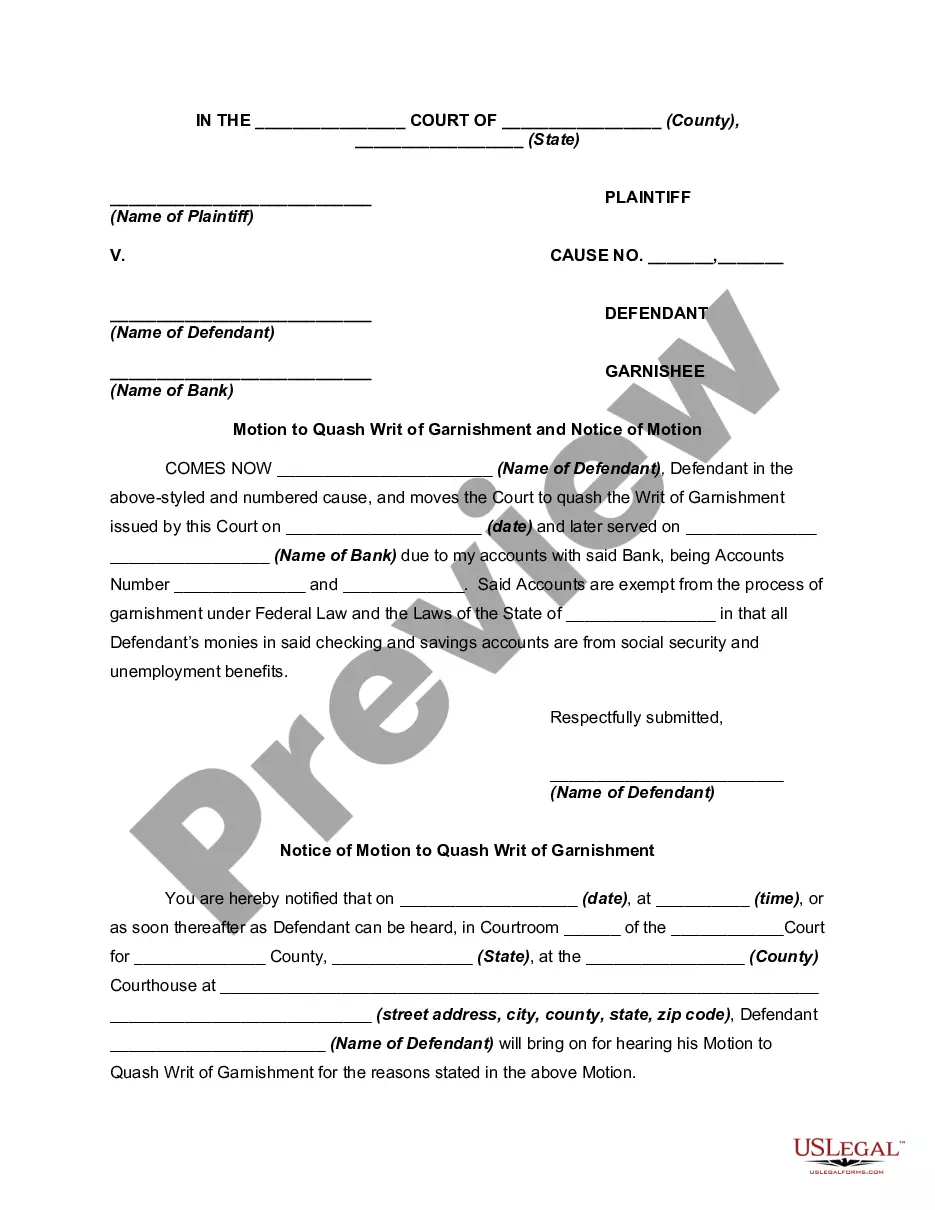
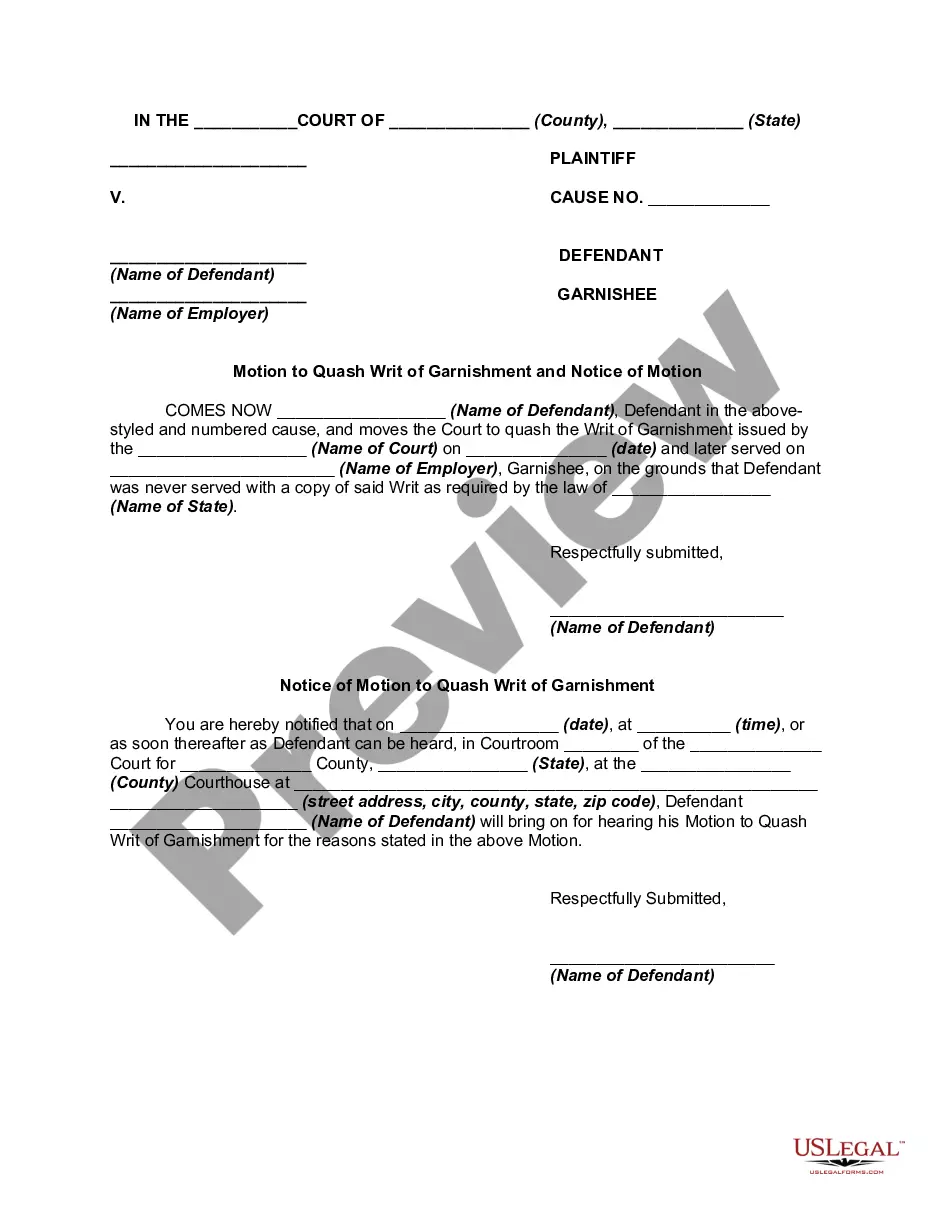
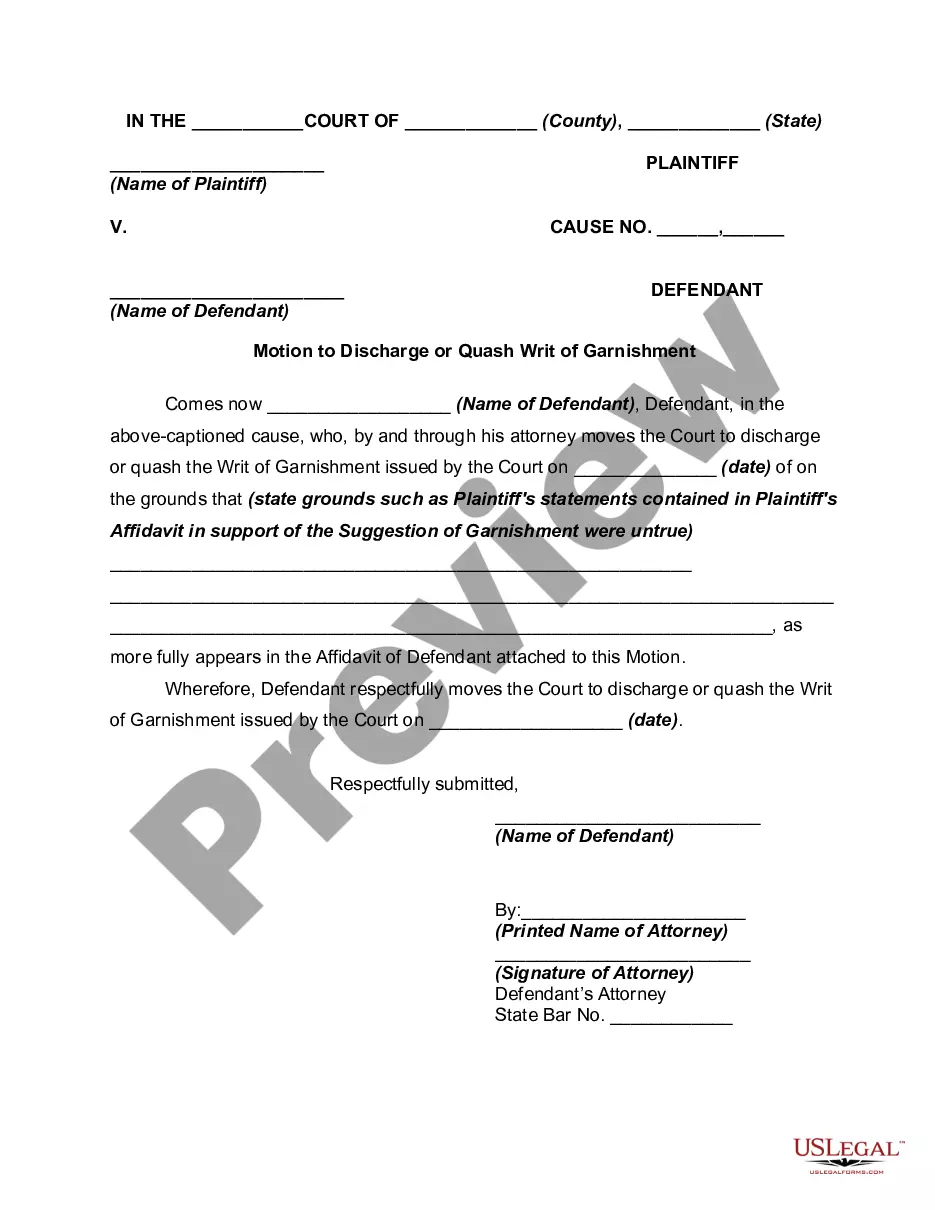
Get your form ready online
Our built-in tools help you complete, sign, share, and store your documents in one place.
Make edits, fill in missing information, and update formatting in US Legal Forms—just like you would in MS Word.
Download a copy, print it, send it by email, or mail it via USPS—whatever works best for your next step.
Sign and collect signatures with our SignNow integration. Send to multiple recipients, set reminders, and more. Go Premium to unlock E-Sign.
If this form requires notarization, complete it online through a secure video call—no need to meet a notary in person or wait for an appointment.
We protect your documents and personal data by following strict security and privacy standards.

Make edits, fill in missing information, and update formatting in US Legal Forms—just like you would in MS Word.

Download a copy, print it, send it by email, or mail it via USPS—whatever works best for your next step.

Sign and collect signatures with our SignNow integration. Send to multiple recipients, set reminders, and more. Go Premium to unlock E-Sign.

If this form requires notarization, complete it online through a secure video call—no need to meet a notary in person or wait for an appointment.

We protect your documents and personal data by following strict security and privacy standards.
Looking for another form?
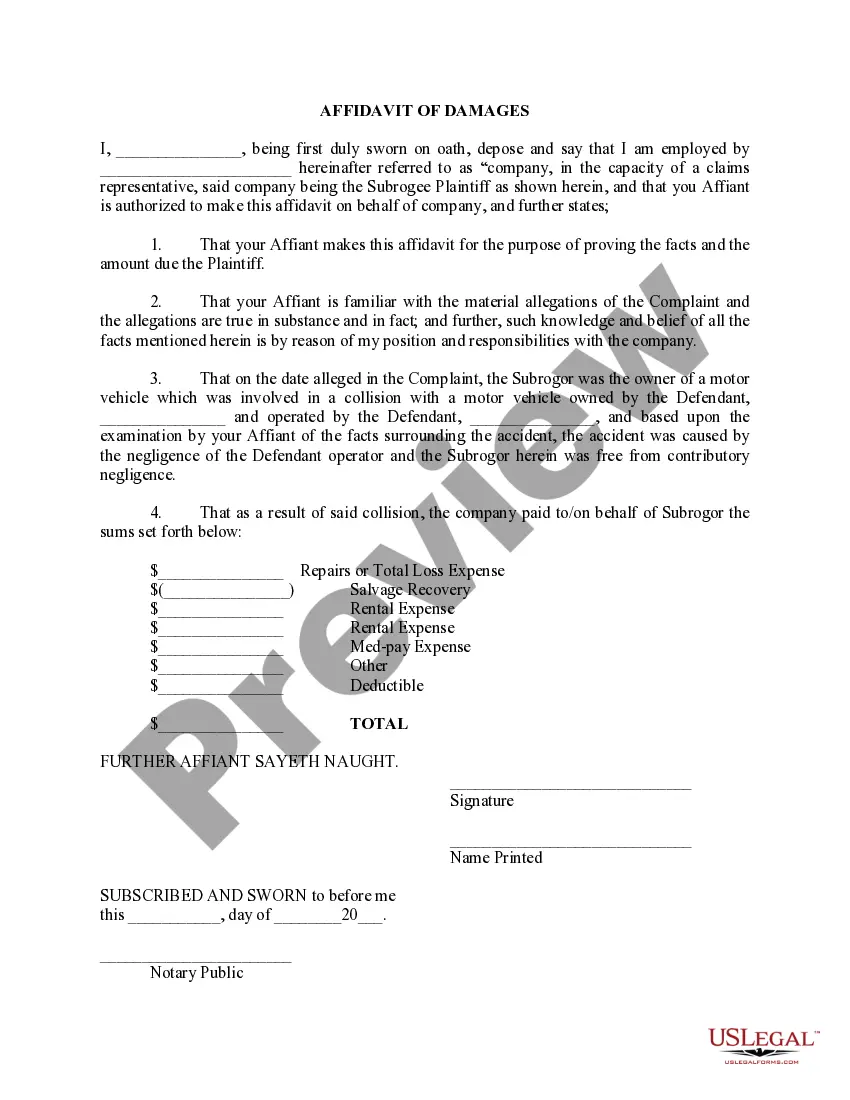
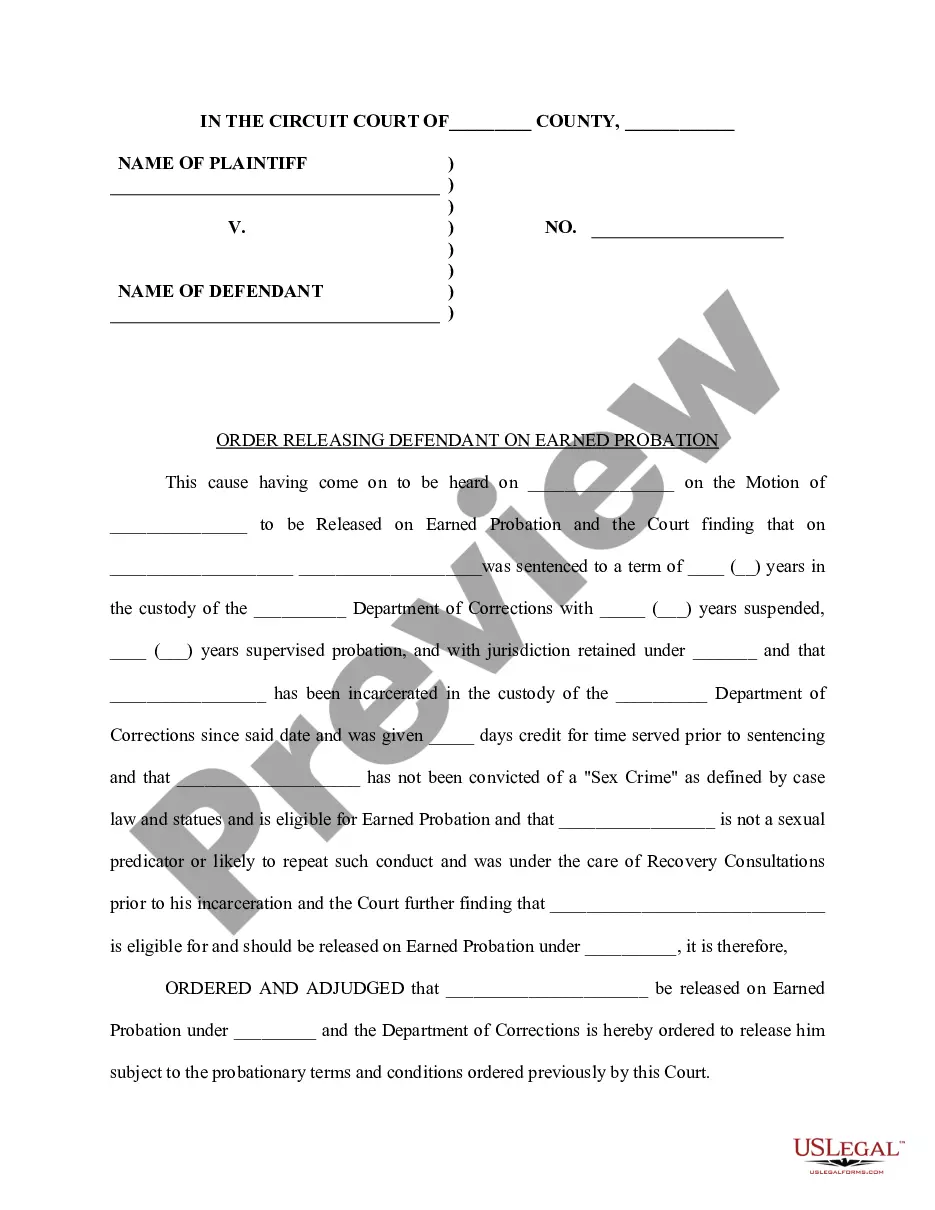
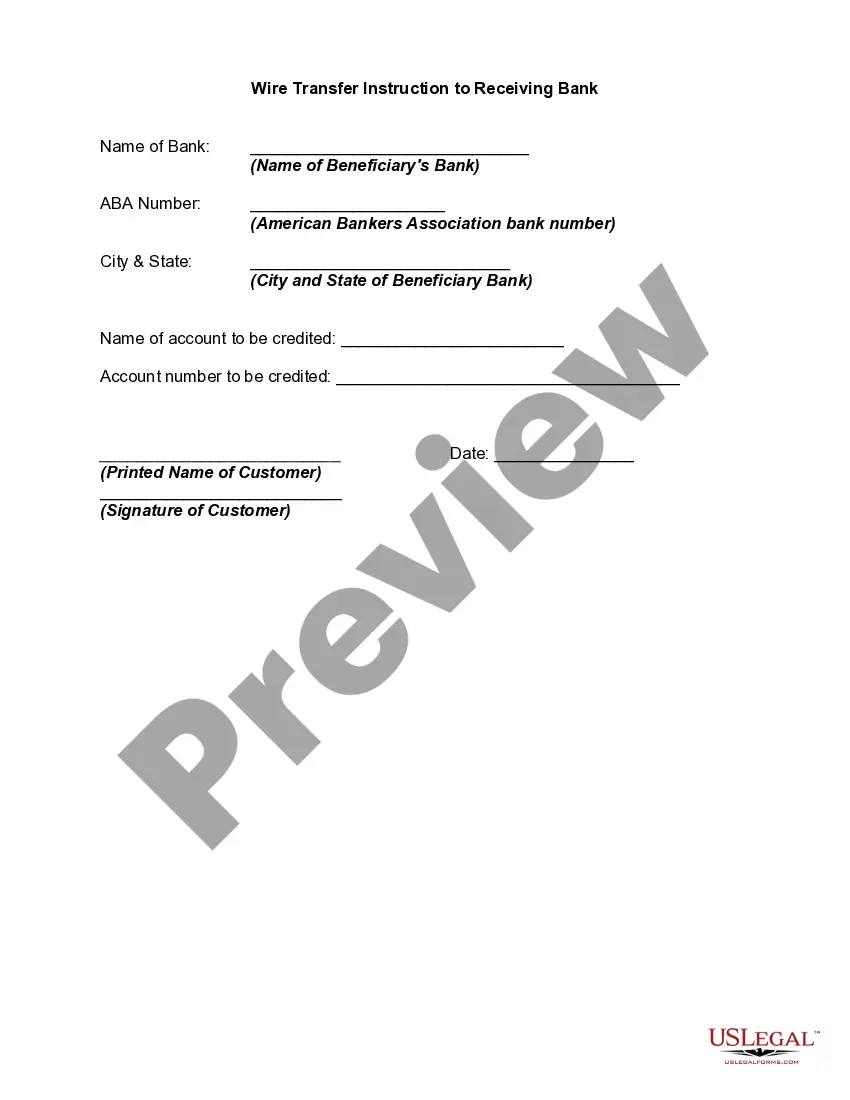

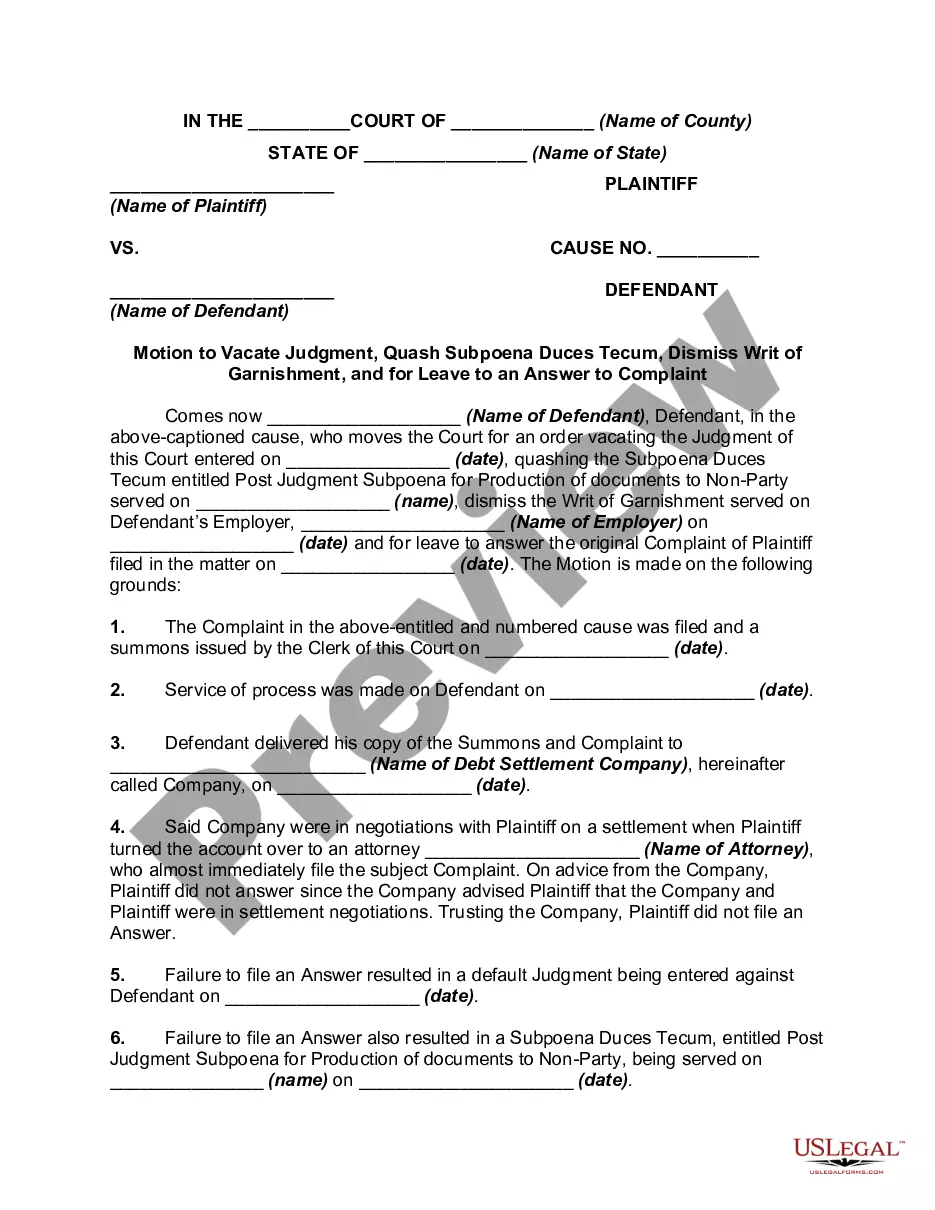
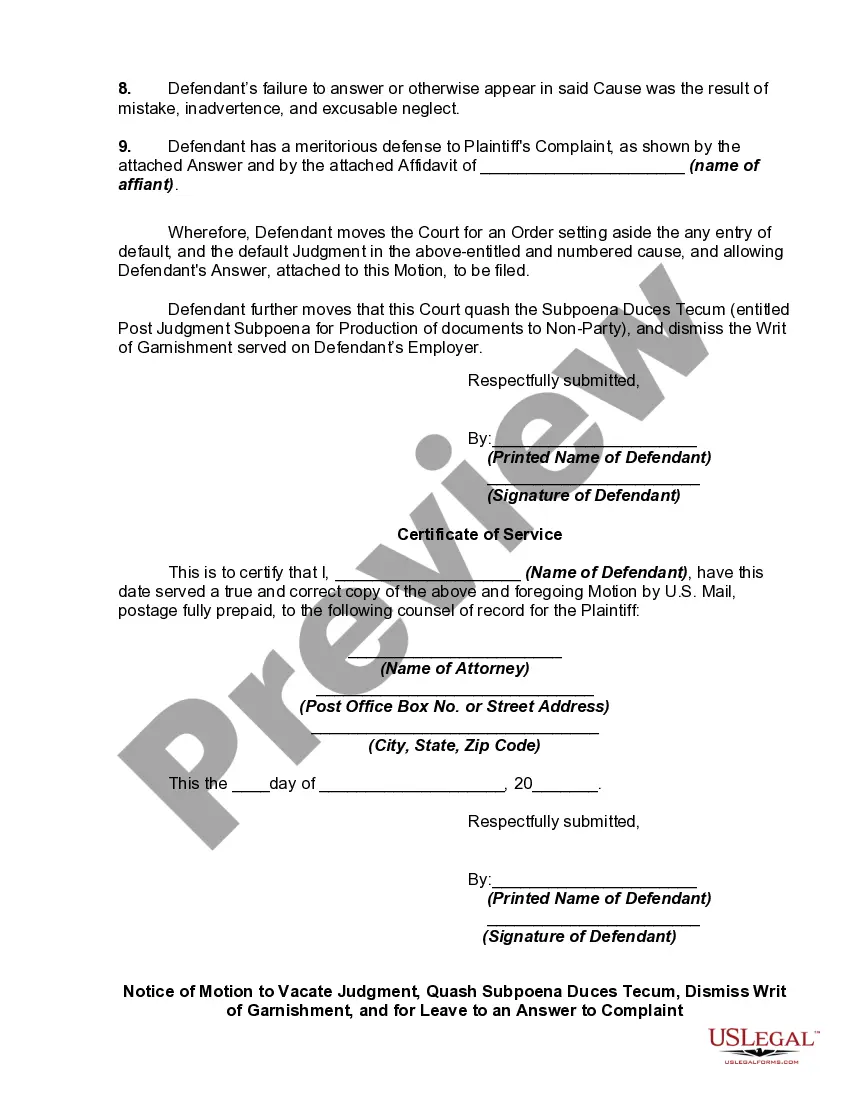
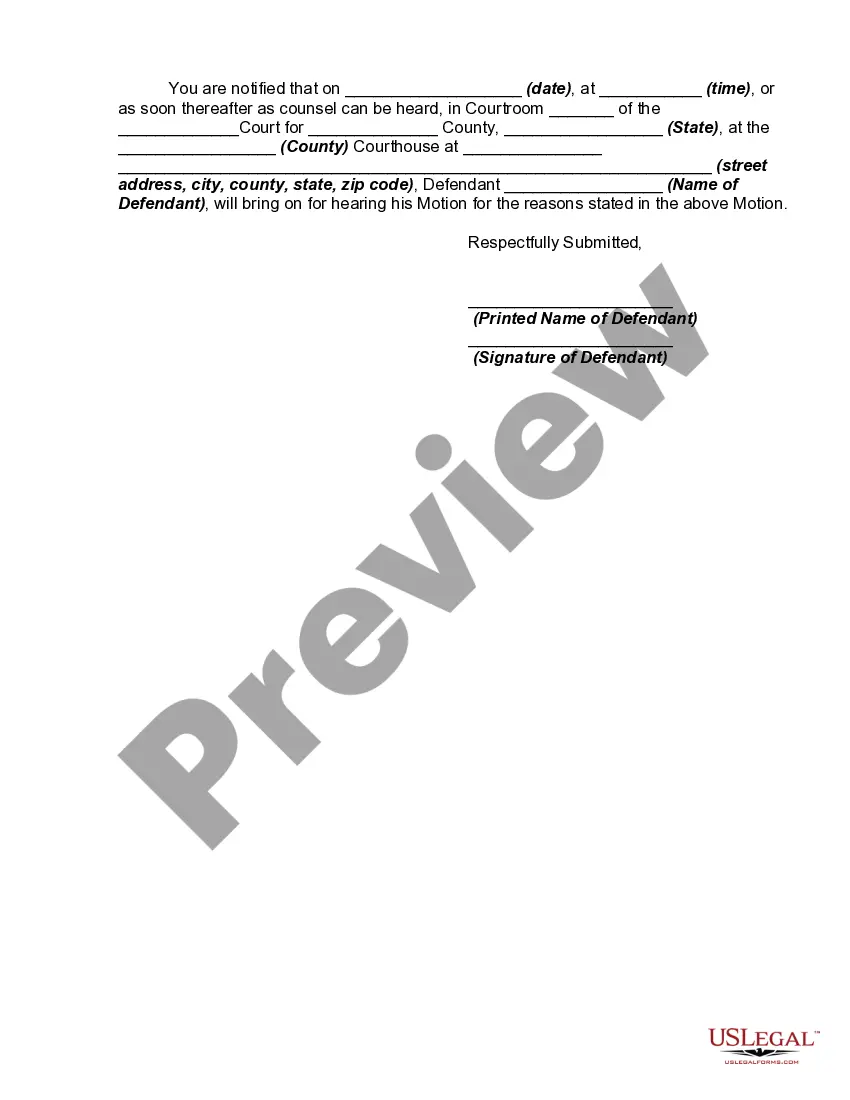
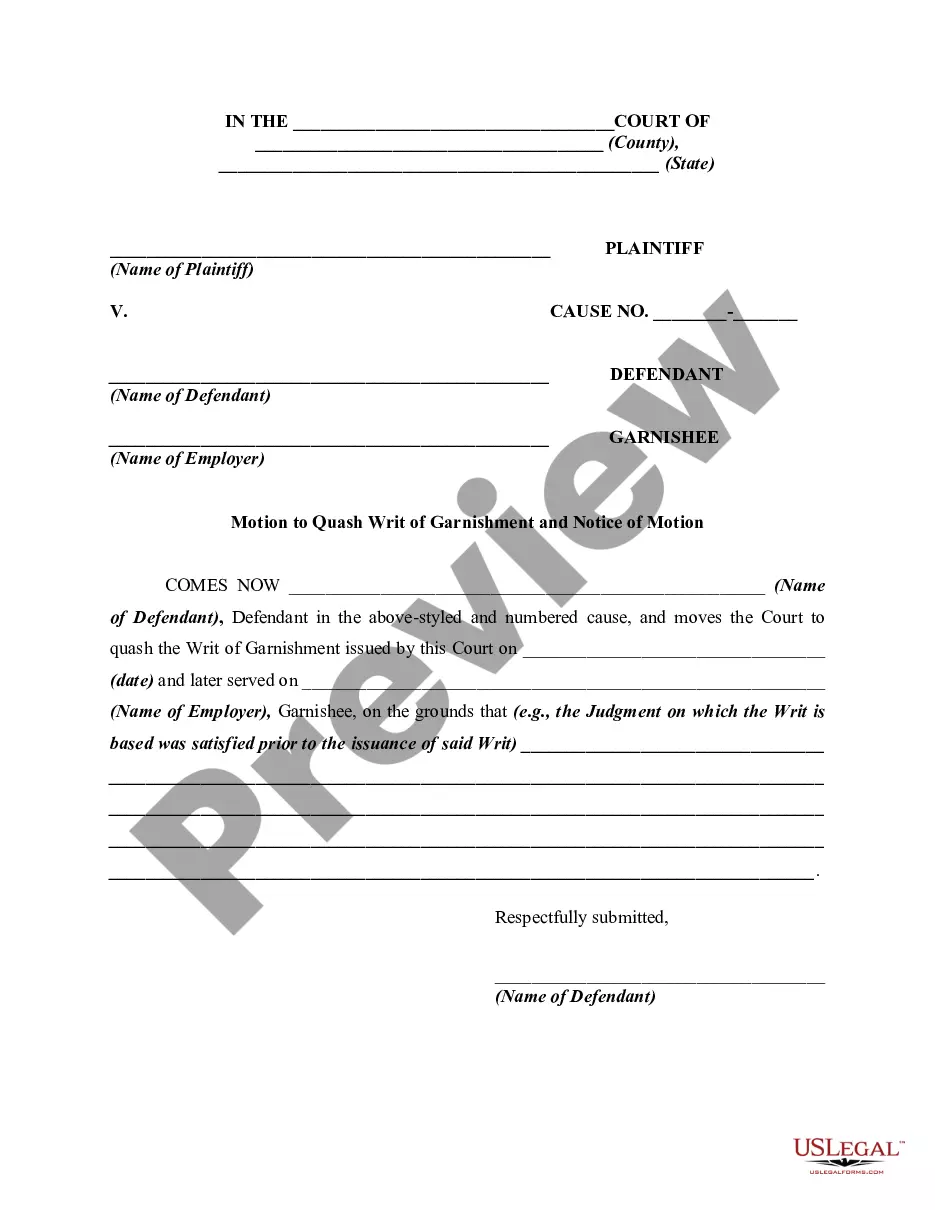
How to fill out Motion To Vacate Judgment, Quash Subpoena Duces Tecum, Dismiss Writ Of Garnishment, And For Leave To File An Answer To Complaint?
The Response Court Document With Federal you observe on this page is a versatile official template created by experienced attorneys in accordance with federal and local regulations.
For over 25 years, US Legal Forms has supplied individuals, businesses, and legal practitioners with more than 85,000 authenticated, state-specific documents for any commercial and personal event. It’s the quickest, simplest, and most dependable way to acquire the forms you require, as the service ensures the utmost level of data protection and anti-malware safety.
Select the format you want for your Response Court Document With Federal (PDF, Word, RTF) and download the template onto your device.
- Search for the document you require and examine it.
- Look through the file you searched and preview it or verify the form description to ensure it meets your requirements. If it doesn’t, utilize the search bar to find the suitable one. Click Buy Now after you have found the template you need.
- Register and Log In.
- Choose the pricing option that works for you and create an account. Use PayPal or a credit card to make a quick payment. If you already have an account, Log In and check your subscription to proceed.
- Obtain the fillable template.
Form popularity
FAQ
Hear this out loud PauseWhen drafting an answer, one must: (1) follow the local, state, and federal court rules; (2) research the legal claims in the adversary's complaint; (3) respond to the adversary's factual allegations; and (4) assert affirmative defenses, counterclaims, cross-claims, or third-party claims, if applicable.
Hear this out loud PauseRespond to each paragraph in the Complaint. Read each sentence of the Complaint. Each paragraph should be numbered. If everything in the paragraph is false, do not write that paragraph number anywhere. D and explain which specific parts of the paragraph are true.
In law, an answer refers to a defendant's first formal written statement to a plaintiff's initial petition or complaint. This opening written statement will admit or deny the allegations, or demand more information about the claims of wrongdoing.
Hear this out loud PauseAn answer is a formal written response to the plaintiff's complaint in which the defendant responds to all of the allegations in the complaint and sets forth any defenses to all or part of plaintiff's claims.
Hear this out loud PauseAlways check your court's local rules as well as the Federal Rules of Civil Procedure. Generally, a party served with a complaint must respond within 21 days after being served. See Fed.