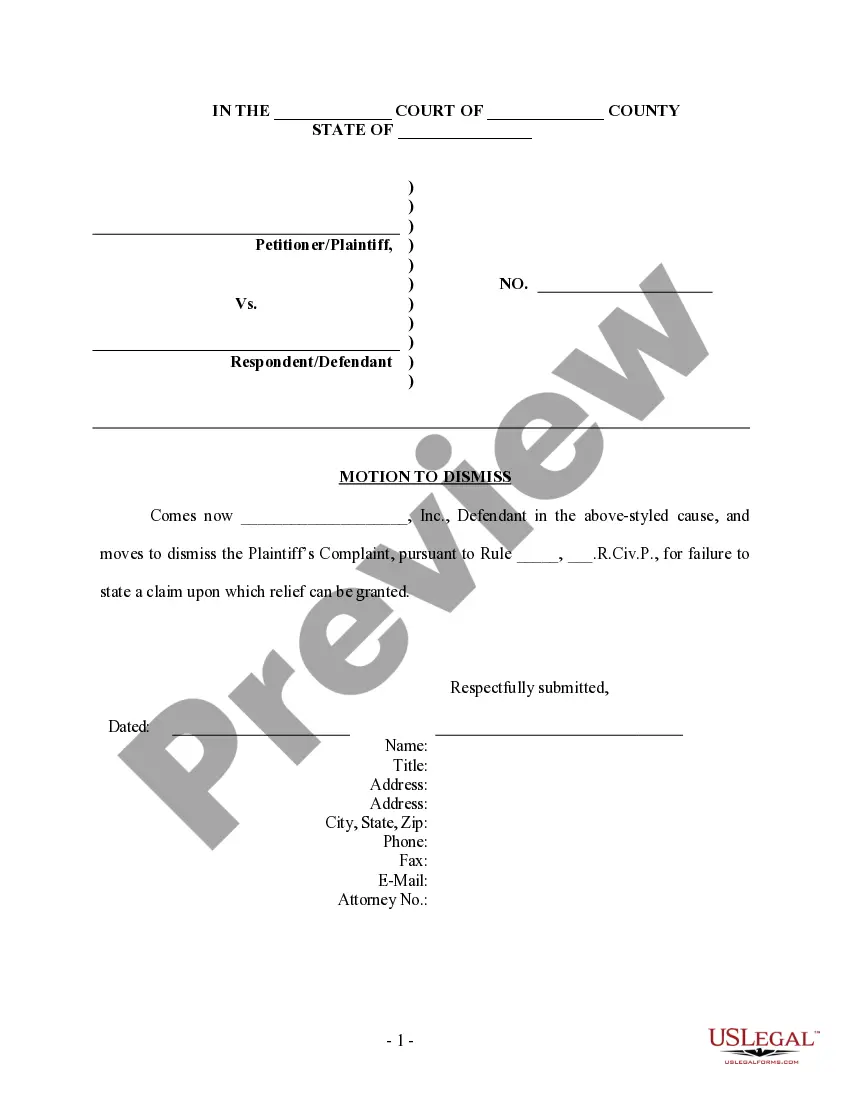
Motion To Dismiss Order Of Protection Illinois
Description
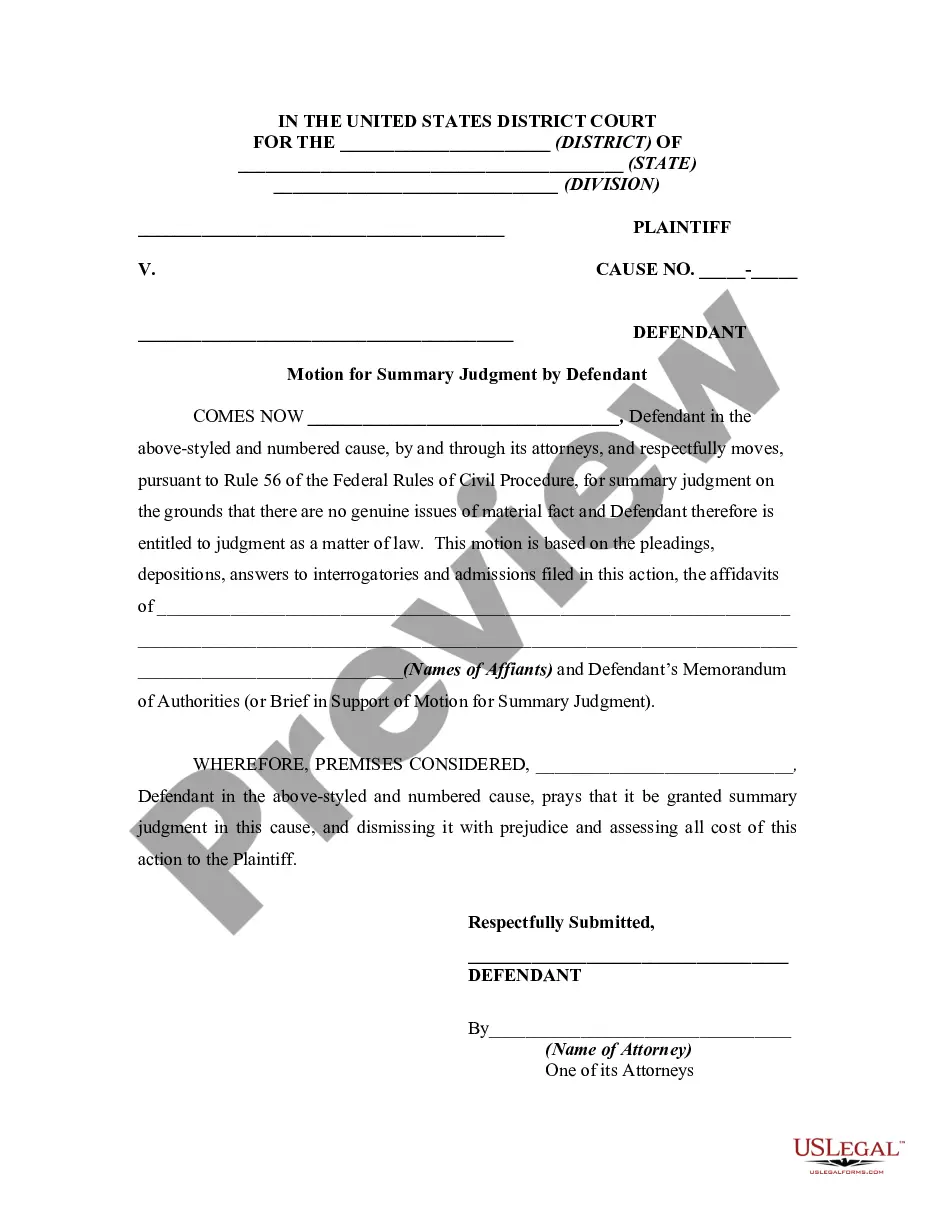
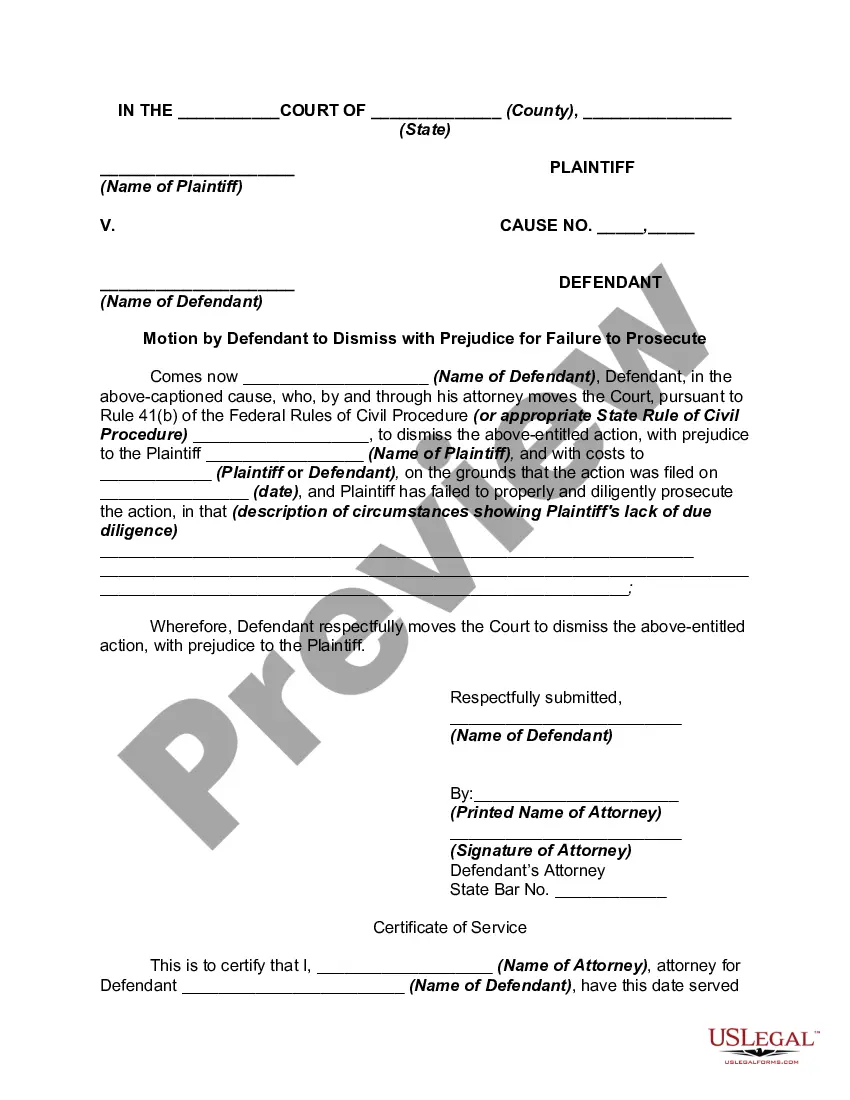
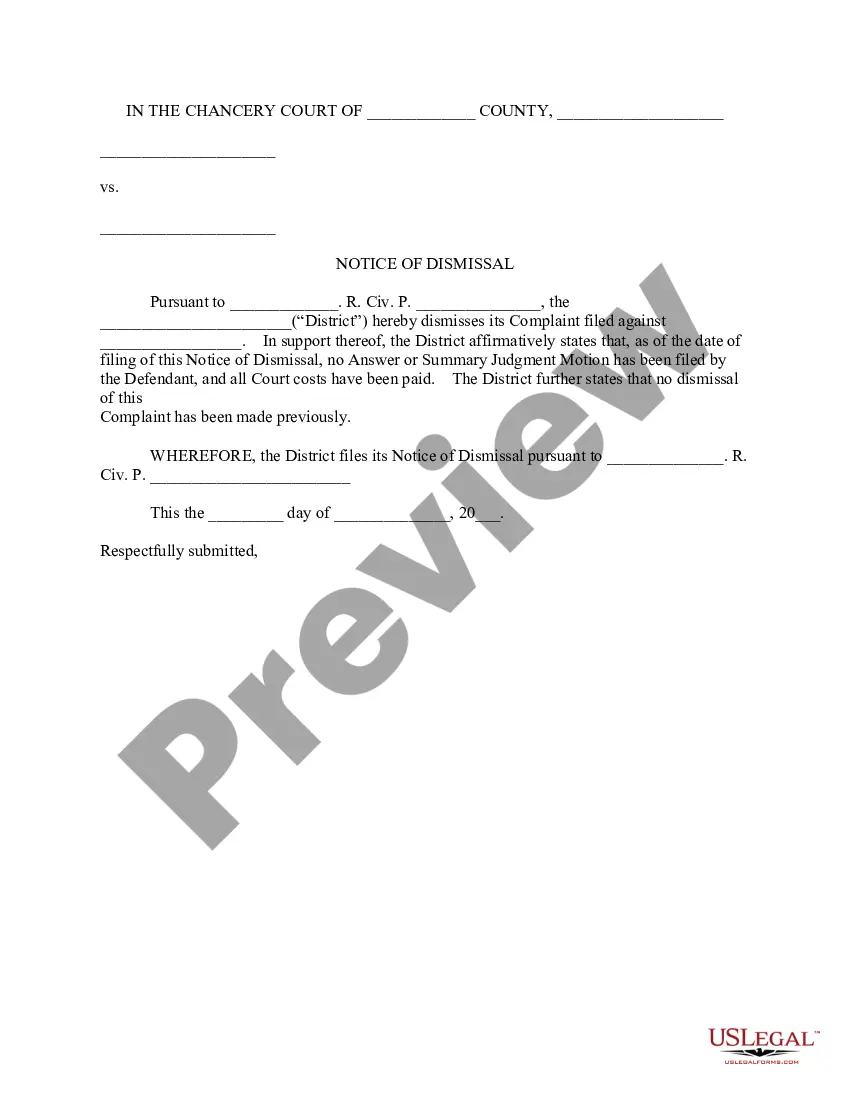
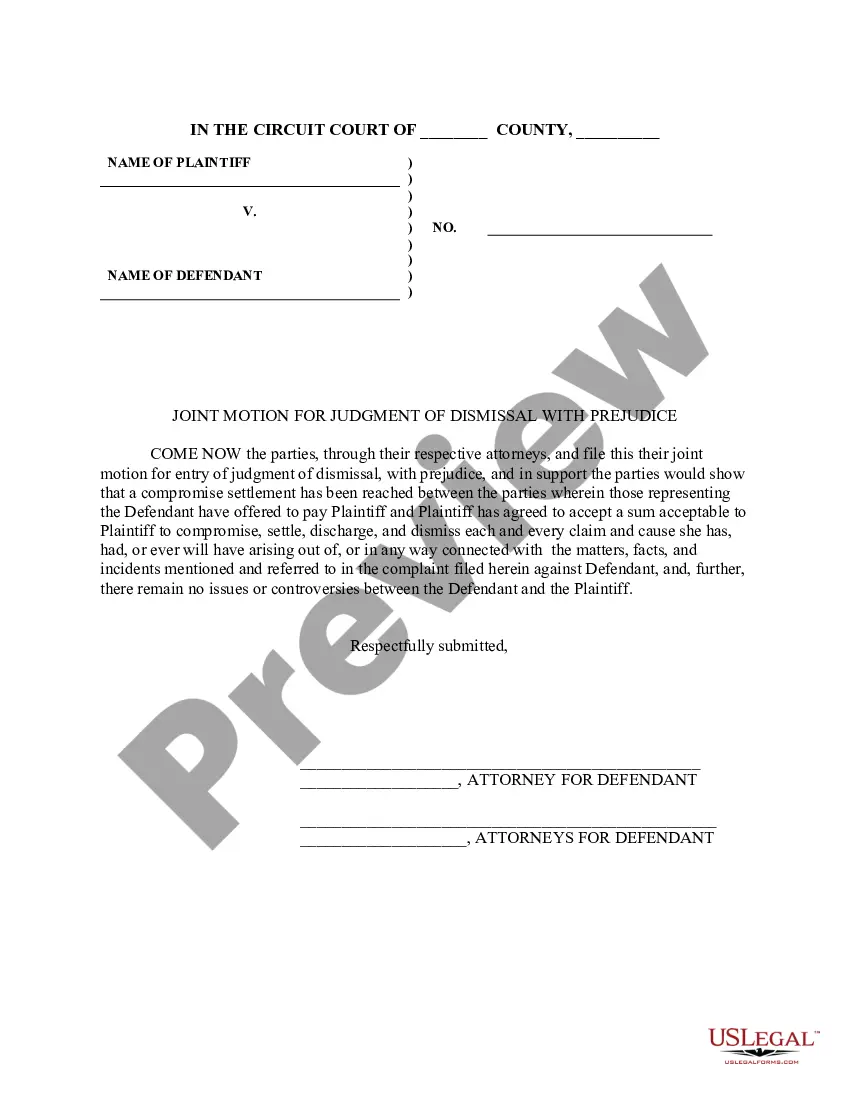
Get your form ready online
Our built-in tools help you complete, sign, share, and store your documents in one place.
Make edits, fill in missing information, and update formatting in US Legal Forms—just like you would in MS Word.
Download a copy, print it, send it by email, or mail it via USPS—whatever works best for your next step.
Sign and collect signatures with our SignNow integration. Send to multiple recipients, set reminders, and more. Go Premium to unlock E-Sign.
If this form requires notarization, complete it online through a secure video call—no need to meet a notary in person or wait for an appointment.
We protect your documents and personal data by following strict security and privacy standards.

Make edits, fill in missing information, and update formatting in US Legal Forms—just like you would in MS Word.

Download a copy, print it, send it by email, or mail it via USPS—whatever works best for your next step.

Sign and collect signatures with our SignNow integration. Send to multiple recipients, set reminders, and more. Go Premium to unlock E-Sign.

If this form requires notarization, complete it online through a secure video call—no need to meet a notary in person or wait for an appointment.

We protect your documents and personal data by following strict security and privacy standards.
Looking for another form?
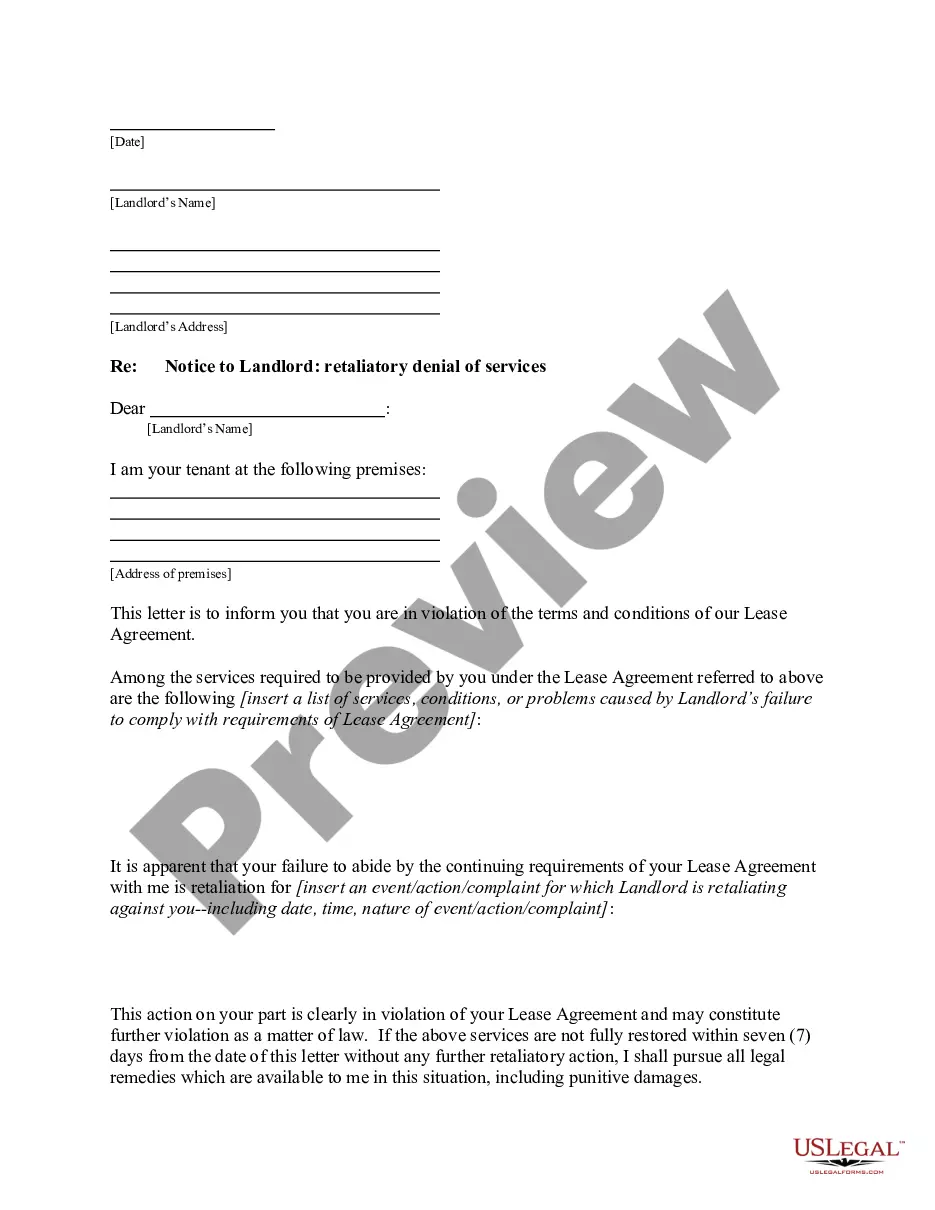
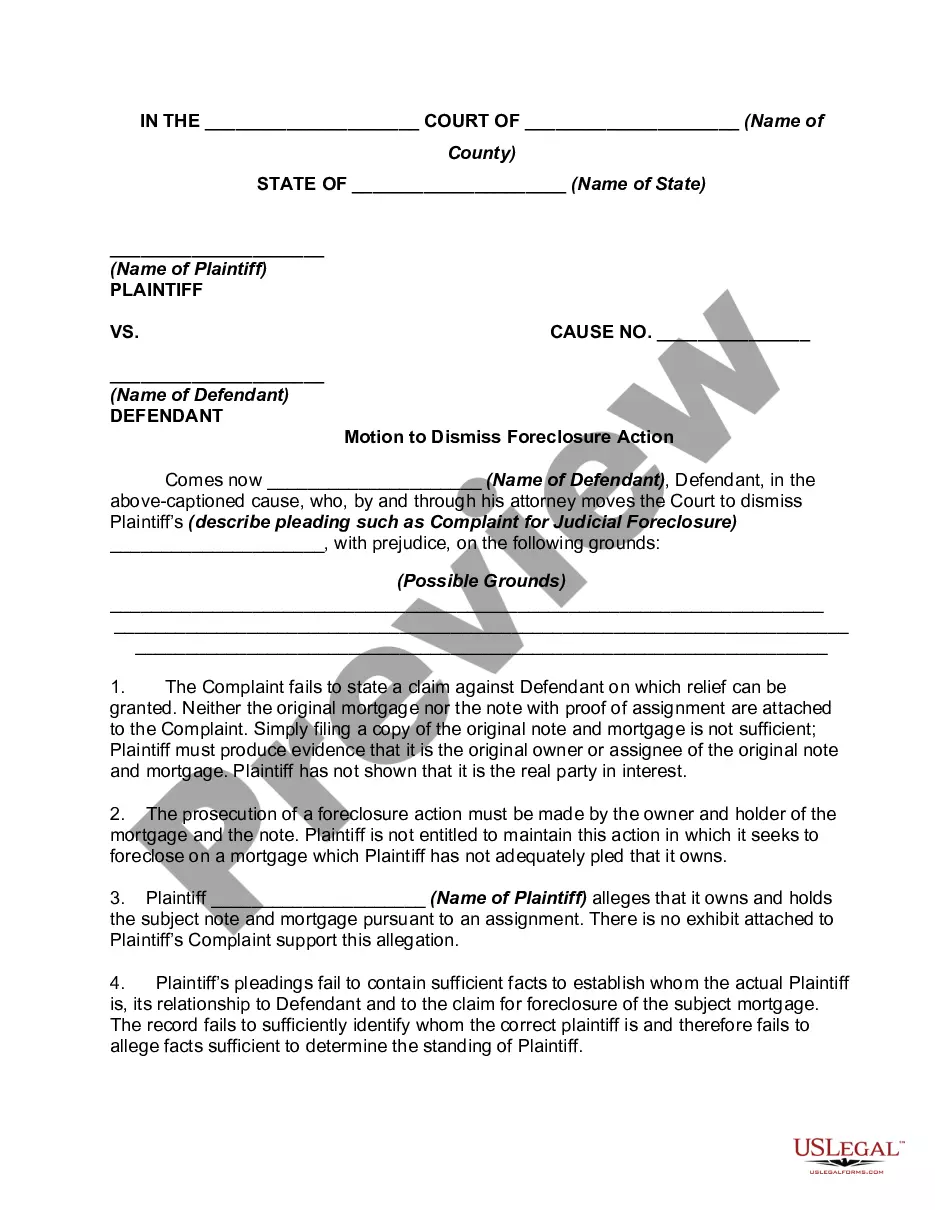
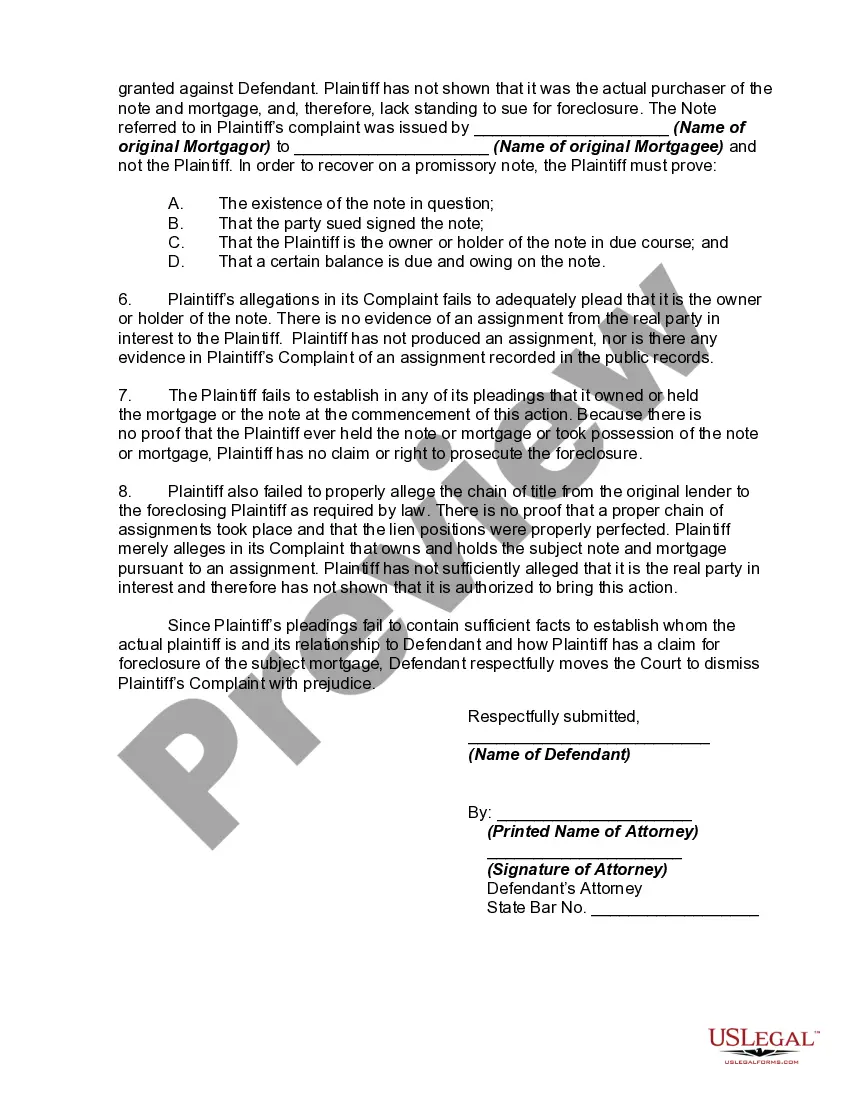
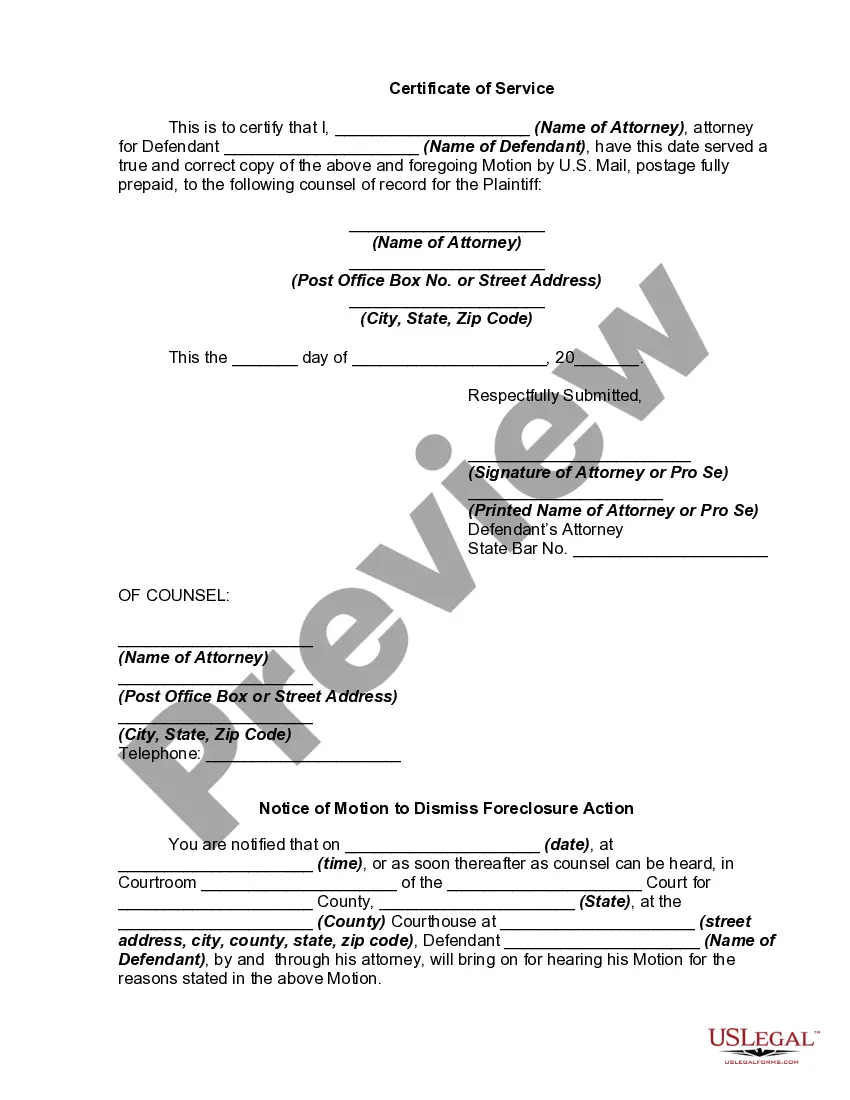
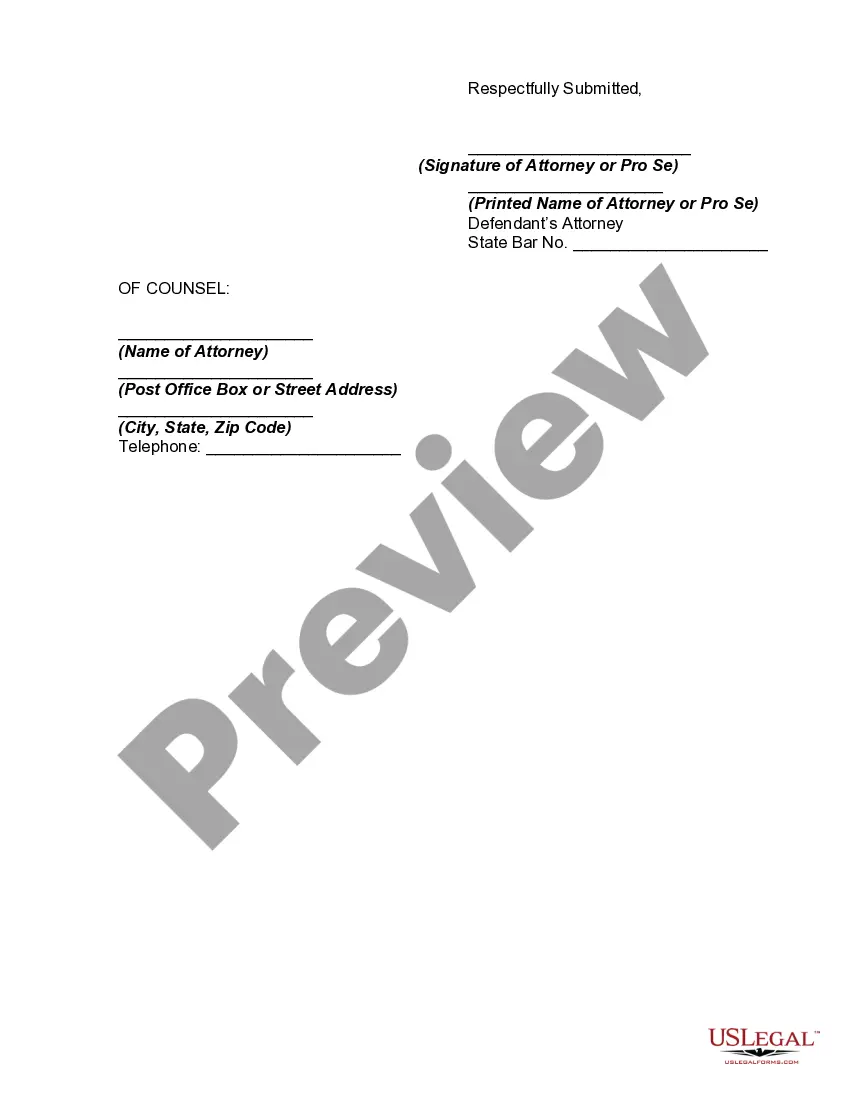
How to fill out Motion To Dismiss Foreclosure Action And Notice Of Motion?
The Motion To Dismiss Order Of Protection Illinois displayed on this site is a versatile legal template crafted by skilled attorneys in compliance with national and regional regulations.
For over 25 years, US Legal Forms has supplied individuals, businesses, and legal professionals with more than 85,000 validated, region-specific documents for any commercial and personal scenario.
Subscribe to US Legal Forms to access verified legal templates for all of life's circumstances at your fingertips.
- Browse for the document you require and review it.
- Examine the sample you looked for and view it or assess the form description to confirm it meets your requirements. If it doesn’t, utilize the search bar to locate the suitable one. Click Buy Now when you have identified the template you seek.
- Register and Log In.
- Choose the pricing plan that fits your needs and set up an account. Use PayPal or a credit card to process a fast payment. If you already possess an account, Log In and verify your subscription to continue.
- Acquire the editable template.
- Select the format you prefer for your Motion To Dismiss Order Of Protection Illinois (PDF, DOCX, RTF) and download the document onto your device.
- Complete and authenticate the paperwork.
- Print the template to fill it out manually. Alternatively, use an online versatile PDF editor to efficiently and accurately complete and sign your form with an eSignature.
- Download your documents again.
- Use the same document again whenever required. Open the My documents tab in your account to redownload any previously acquired forms.
Form popularity
FAQ
You can seek to reverse an order of protection in Illinois by filing a motion with the court. In your motion to dismiss order of protection, you should present valid reasons, such as new evidence or a change in circumstances. It's critical to demonstrate that the order is no longer necessary to ensure the safety of the involved parties. Legal advice can enhance your chances of success.
If someone is trying to obtain or has already obtained a protection order against you, you have a couple of options. You can file an opposition to the application or a motion asking the court to dissolve or modify the order, or you can appeal from the court's grant of an extended protection order.
The order of protection doesn't go on your criminal record; it's part of a civil case. However, it is visible to law enforcement and those working in the court system.
Appealing an Illinois Restraining Order Appealing an order of protection is possible if you take the proper actions once you are served the order and can provide sufficient evidence to support your claim that such an order should not be filed against you.
You can go to court and file a Motion to Modify or a Motion to Terminate your Order of Protection. A Motion to Modify will change the order. A Motion to Terminate will end the order. The clerk will set a court date, and you will have to mail a copy of the motion to the abuser.
To appeal a temporary restraining order (or denial), you must file your Notice of Appeal within 2 days after the date of the order or denial. See Supreme Court Rule 307(d) for further information.