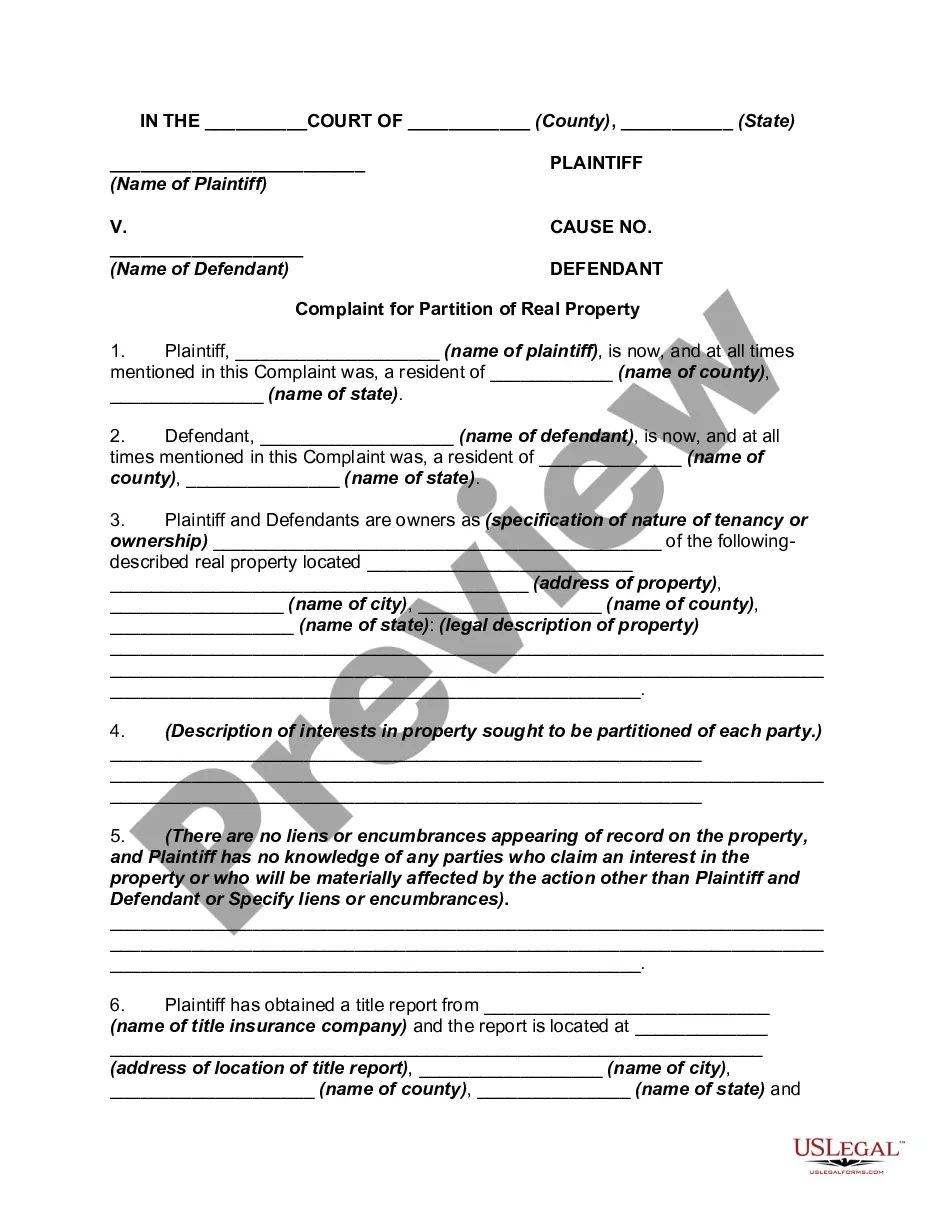
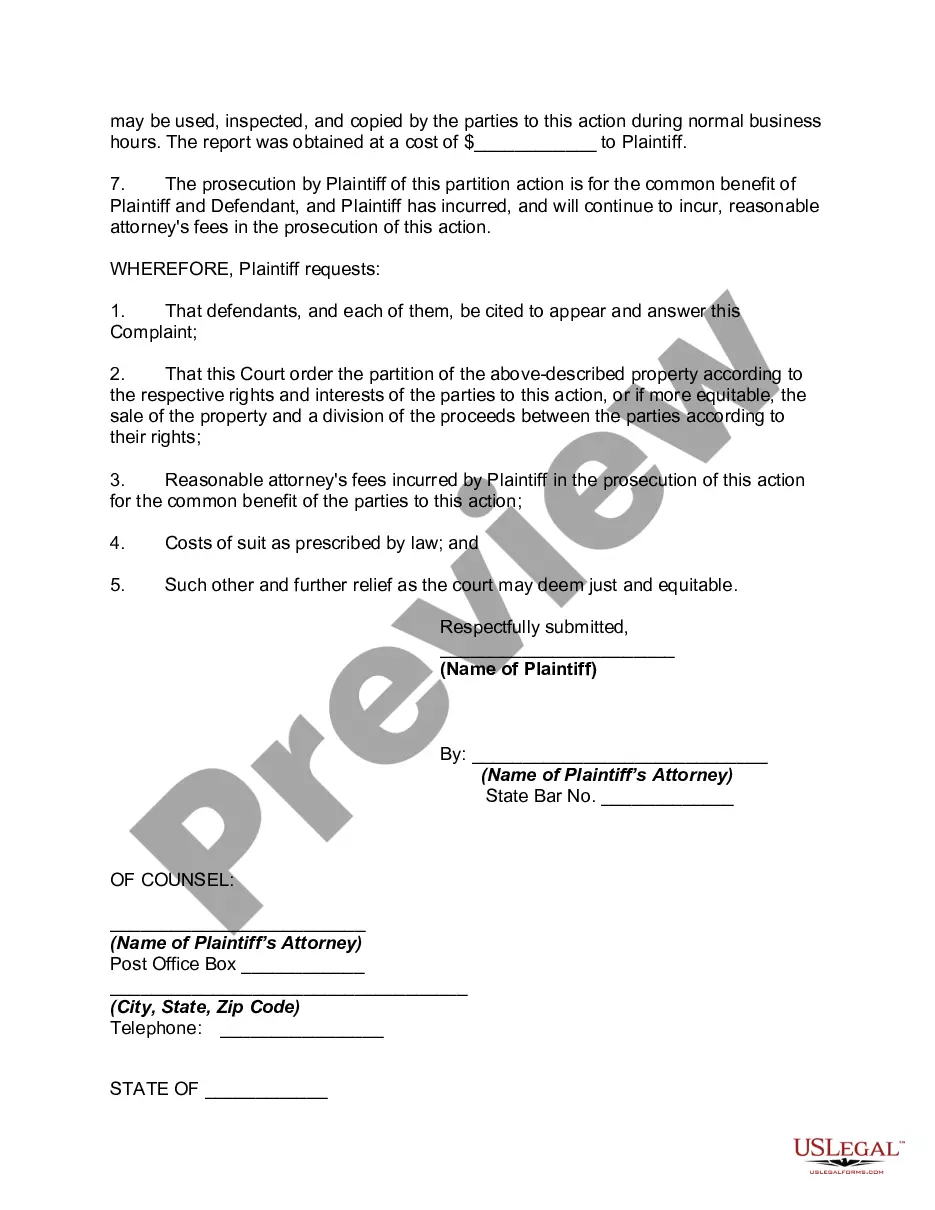
Petition For Partition Of Real Property Form Ny
Description
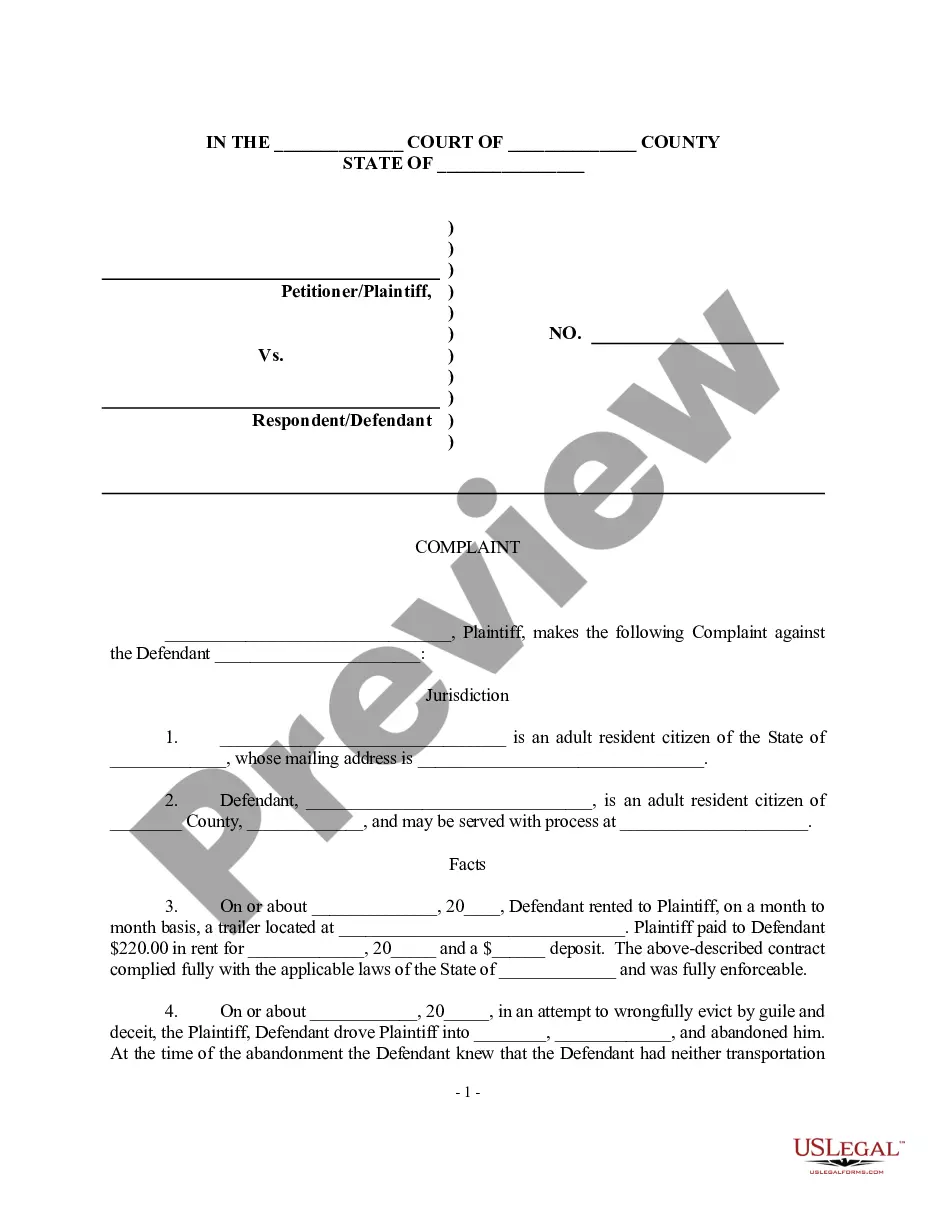
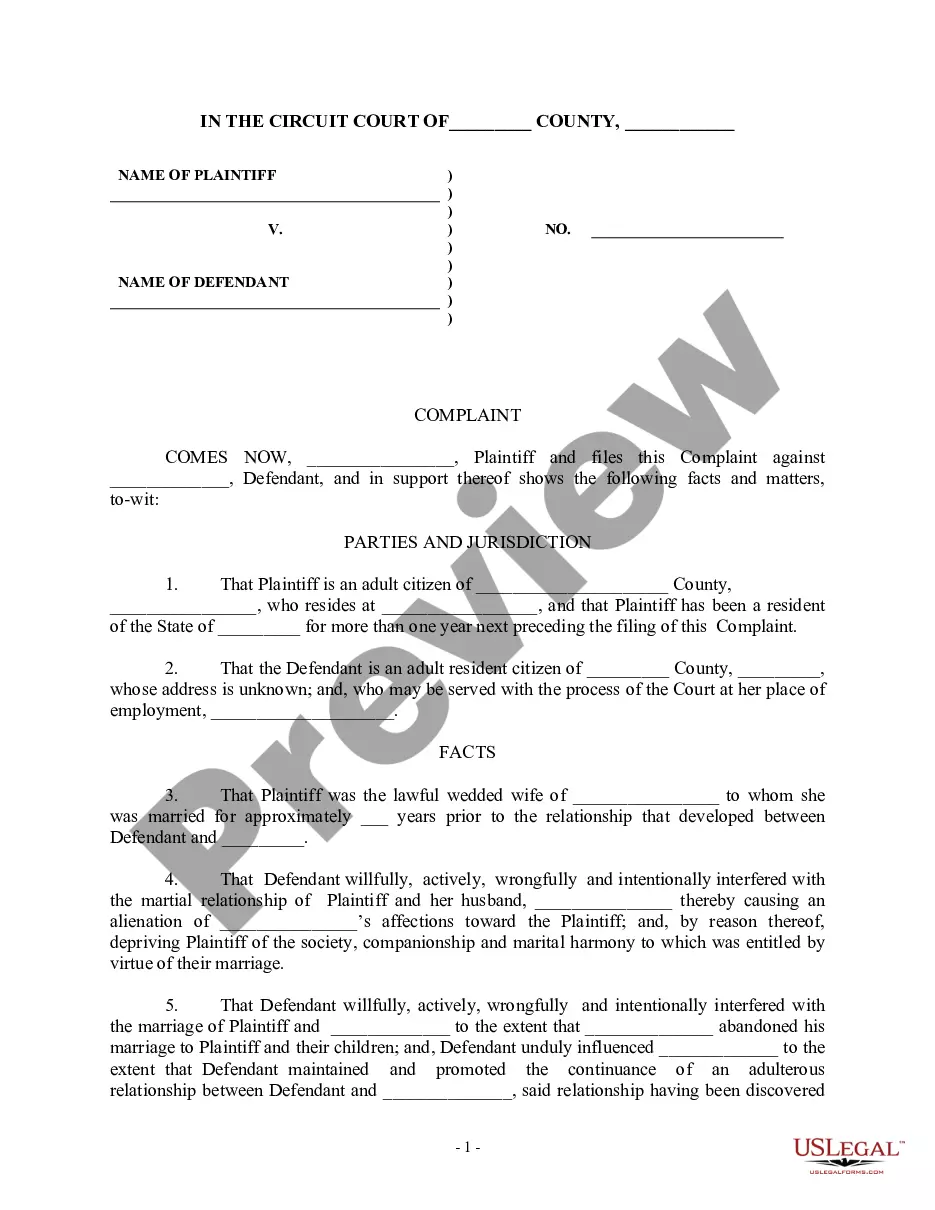
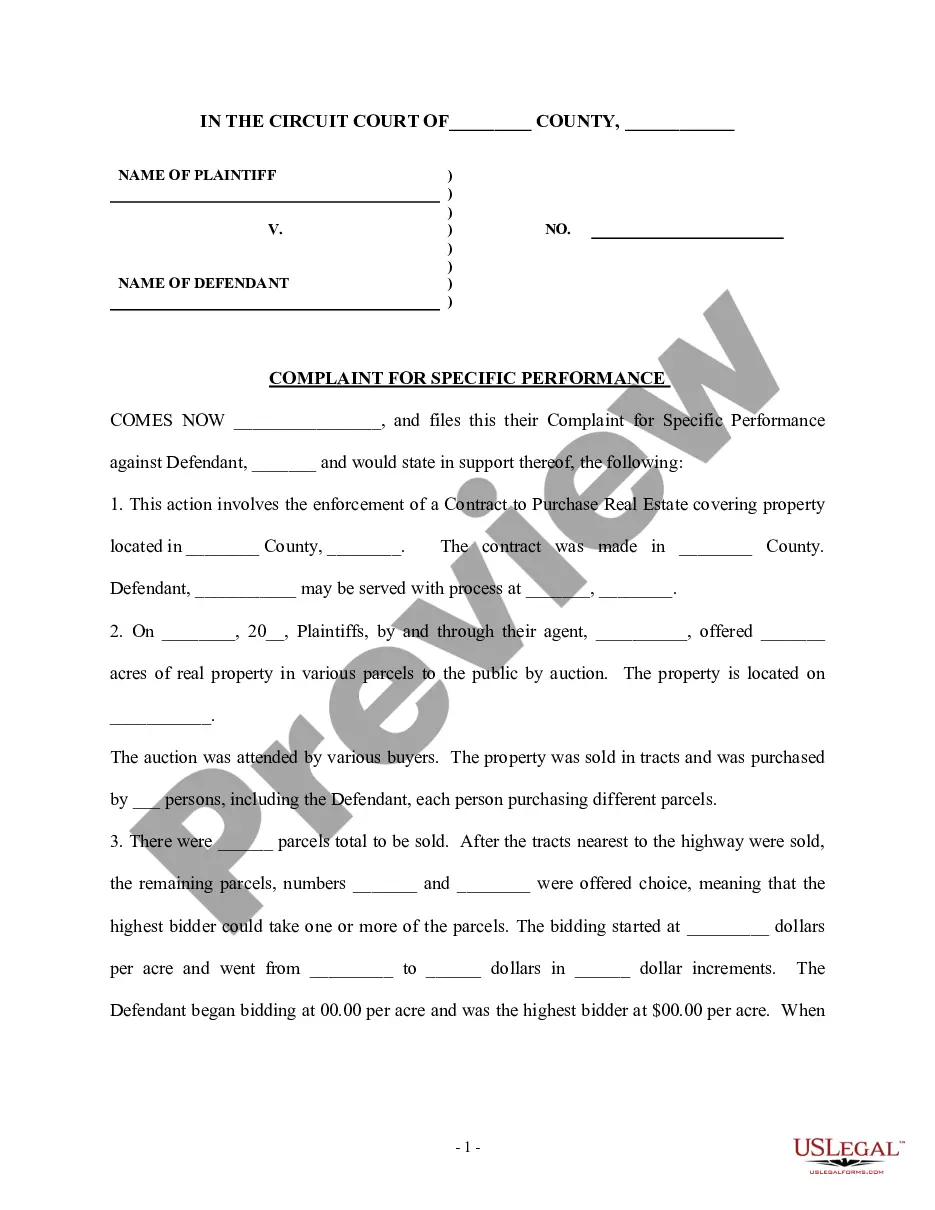
Get your form ready online
Our built-in tools help you complete, sign, share, and store your documents in one place.
Make edits, fill in missing information, and update formatting in US Legal Forms—just like you would in MS Word.
Download a copy, print it, send it by email, or mail it via USPS—whatever works best for your next step.
Sign and collect signatures with our SignNow integration. Send to multiple recipients, set reminders, and more. Go Premium to unlock E-Sign.
If this form requires notarization, complete it online through a secure video call—no need to meet a notary in person or wait for an appointment.
We protect your documents and personal data by following strict security and privacy standards.

Make edits, fill in missing information, and update formatting in US Legal Forms—just like you would in MS Word.

Download a copy, print it, send it by email, or mail it via USPS—whatever works best for your next step.

Sign and collect signatures with our SignNow integration. Send to multiple recipients, set reminders, and more. Go Premium to unlock E-Sign.

If this form requires notarization, complete it online through a secure video call—no need to meet a notary in person or wait for an appointment.

We protect your documents and personal data by following strict security and privacy standards.
Looking for another form?
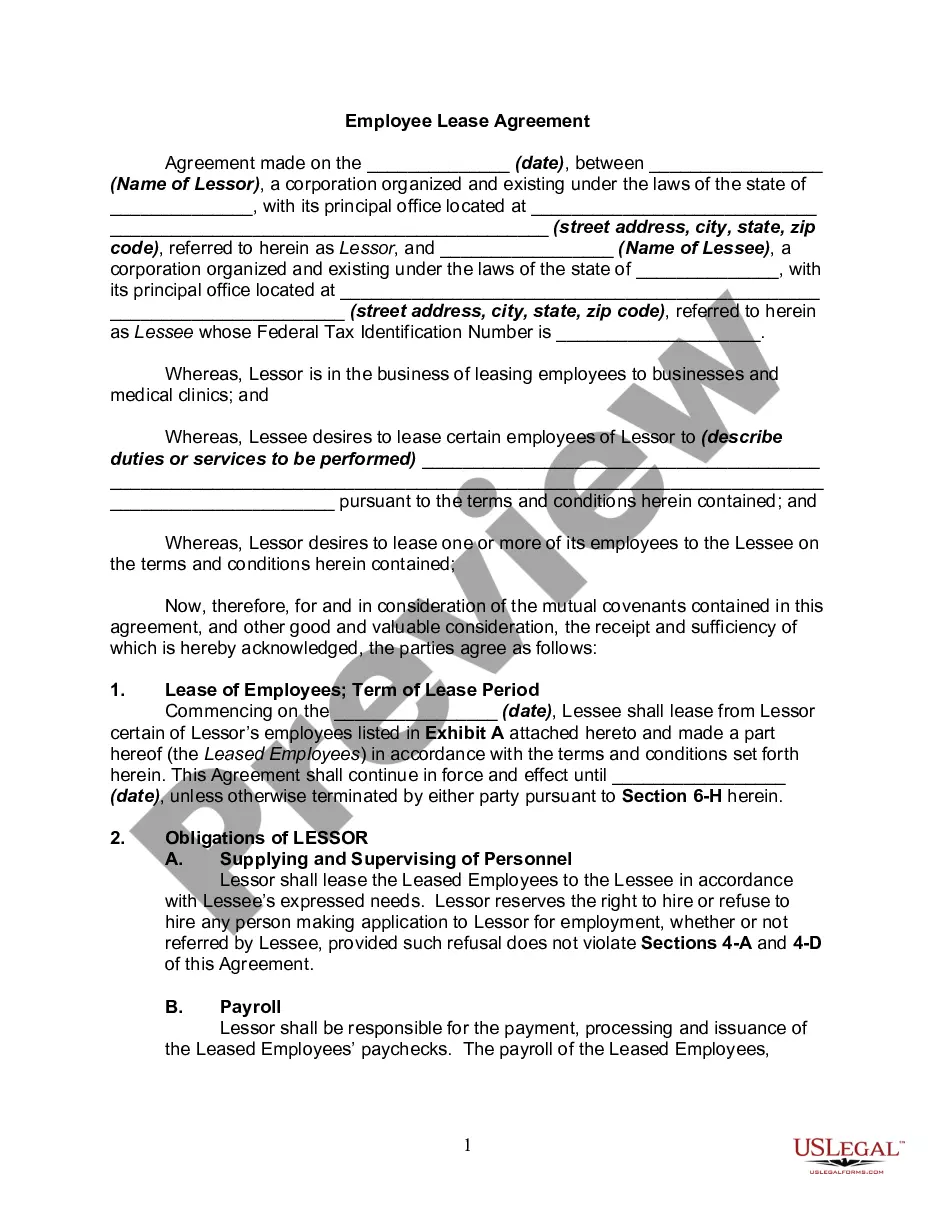
How to fill out Complaint For Partition Of Real Property?
It’s well-known that you cannot instantly become a legal specialist, nor can you swiftly learn how to prepare the Petition For Partition Of Real Property Form Ny without a unique skill set. Assembling legal documents is a lengthy process that requires particular education and expertise. So why not let the experts handle the preparation of the Petition For Partition Of Real Property Form Ny.
With US Legal Forms, one of the most comprehensive libraries of legal documents, you can discover anything from court paperwork to templates for internal corporate correspondence. We comprehend the importance of compliance and adherence to federal and local regulations. This is why all templates on our website are location-specific and current.
Let’s start with our website and obtain the form you need in just a few moments.
You can re-access your forms from the My documents tab at any time. If you are an existing customer, you can simply Log In, and locate and download the template from the same tab.
Regardless of the purpose of your forms—whether legal and financial, or personal—our website has you covered. Experience US Legal Forms today!
- Locate the document you require by utilizing the search bar at the top of the webpage.
- Preview it (if this option is available) and review the accompanying description to ascertain whether the Petition For Partition Of Real Property Form Ny meets your requirements.
- Restart your search if you need another form.
- Create a free account and select a subscription plan to purchase the form.
- Click Buy now. Once the payment is completed, you can access the Petition For Partition Of Real Property Form Ny, fill it out, print it, and send or deliver it to the relevant individuals or organizations.
Form popularity
FAQ
You must be at least 18 years old. You have to have mental capacity, which means you're able to fully understand your POA and its consequences. Your agent must also be at least 18 years old and have mental capacity. Your POA must be typed or written in legible font (nothing smaller than 12 point).
In New York, you must notarize the POA and also have it witnessed by two people who are not named in the POA as agents. The notary public can serve as a witness, so you might need to find only one more witness.
A "Durable" Power of Attorney enables the Agent to act for the Principal even after the Principal is not mentally competent or physically able to make decisions. The "Durable" Power of Attorney may be used immediately, and is effective until it is revoked by the Principal, or until the Principal's death.
A statutory short form power of attorney used by an individual residing in New York to authorize a third party to manage the individual's property and financial matters.
All powers of attorney must now be witnessed by two persons who are not named as either agents or as permissible recipients of gifts. It is done in the same manner as witnesses to a will. The statute cross-references N.Y. Estates, Powers and Trusts Law (EPTL) 3-2.1(a)(2), and the notary may be one of the witnesses.
A power of attorney, or POA, is a legal document that lets you grant another person the authority to make decisions on your behalf. This person is called your agent or proxy.
New York's new POA law requires that the principal's signature be notarized in addition to the POA being signed with two witnesses present (note that the notary can be one of your witnesses). New York's old power of attorney law also required POAs to be notarized, but didn't require them to be witnessed.
All powers of attorney must now be witnessed by two persons who are not named as either agents or as permissible recipients of gifts. It is done in the same manner as witnesses to a will. The statute cross-references N.Y. Estates, Powers and Trusts Law (EPTL) 3-2.1(a)(2), and the notary may be one of the witnesses.