Probate Estate Form Without Will
Description
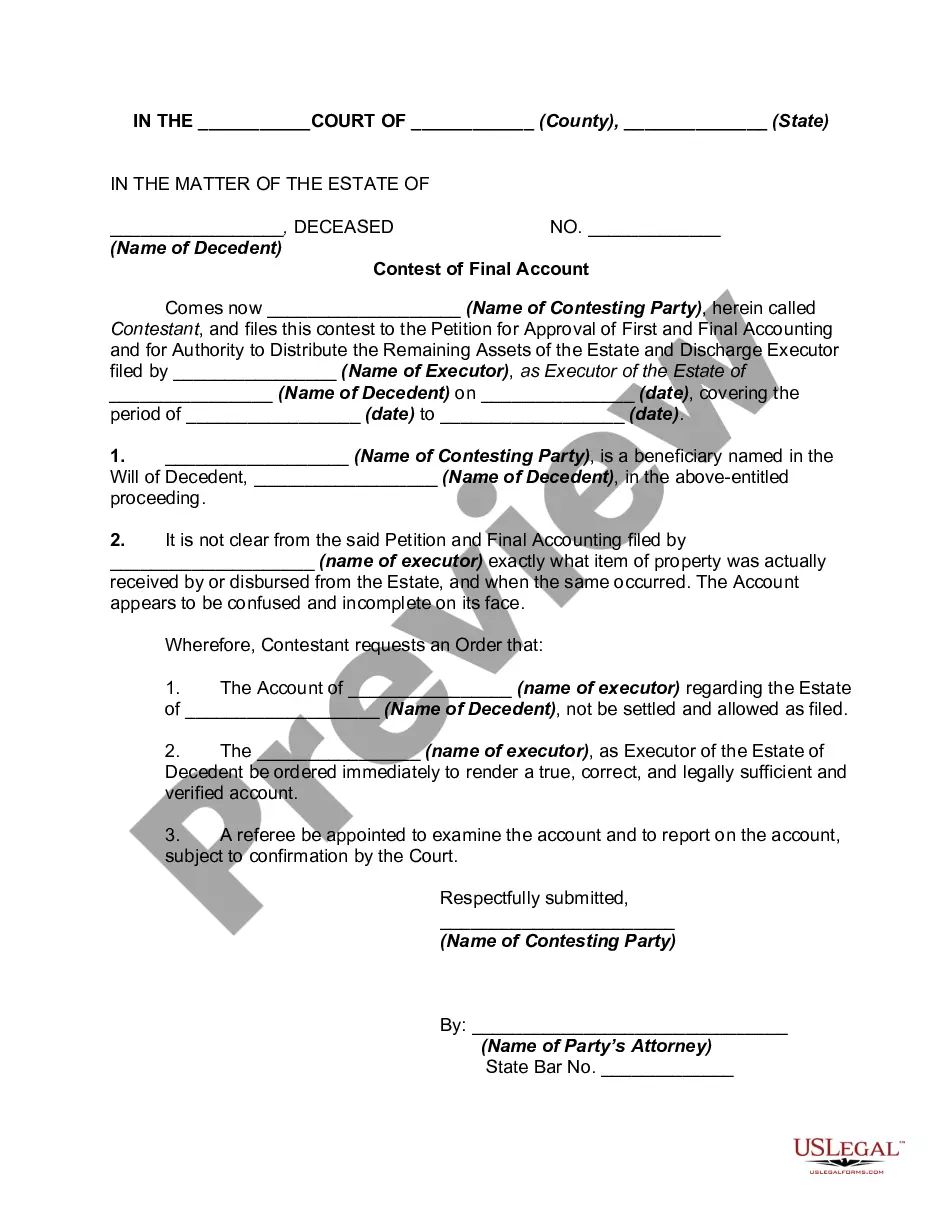
Get your form ready online
Our built-in tools help you complete, sign, share, and store your documents in one place.
Make edits, fill in missing information, and update formatting in US Legal Forms—just like you would in MS Word.
Download a copy, print it, send it by email, or mail it via USPS—whatever works best for your next step.
Sign and collect signatures with our SignNow integration. Send to multiple recipients, set reminders, and more. Go Premium to unlock E-Sign.
If this form requires notarization, complete it online through a secure video call—no need to meet a notary in person or wait for an appointment.
We protect your documents and personal data by following strict security and privacy standards.

Make edits, fill in missing information, and update formatting in US Legal Forms—just like you would in MS Word.

Download a copy, print it, send it by email, or mail it via USPS—whatever works best for your next step.

Sign and collect signatures with our SignNow integration. Send to multiple recipients, set reminders, and more. Go Premium to unlock E-Sign.

If this form requires notarization, complete it online through a secure video call—no need to meet a notary in person or wait for an appointment.

We protect your documents and personal data by following strict security and privacy standards.
Looking for another form?







How to fill out Contest Of Final Account And Proposed Distributions In A Probate Estate?
It’s well known that you cannot become a legal authority instantly, nor can you discover how to swiftly prepare Probate Estate Form Without Will without the necessity of a specialized skill set.
Assembling legal documents is a lengthy process that demands specific training and expertise. So why not entrust the creation of the Probate Estate Form Without Will to the experts.
With US Legal Forms, one of the most comprehensive legal template repositories, you can access everything from court paperwork to templates for office correspondence. We understand how crucial compliance and adherence to federal and local regulations are.
You can access your documents again from the My documents section at any time. If you are an existing customer, you can simply Log In, and locate and download the template from the same section.
Regardless of the objective of your paperwork—whether financial and legal, or personal—our platform has everything you need. Try US Legal Forms today!
- Start by finding the form you require using the search bar at the top of the webpage.
- Preview it (if this feature is available) and read the accompanying description to determine if Probate Estate Form Without Will is what you need.
- Initiate another search if you require any other form.
- Create a free account and select a subscription plan to acquire the form.
- Click Buy now. Once the payment is finalized, you can download the Probate Estate Form Without Will, fill it out, print it, and send it by mail to the appropriate individuals or organizations.
Form popularity
FAQ
To fill out paperwork for probate effectively, start by collecting necessary documents, such as the death certificate and asset information. You'll need to complete specific forms, including a probate estate form without will, which can help you present the estate's details clearly. Using solutions like USLegalForms can ensure you have the correct paperwork and guidance throughout.
Some common assets that do not go through probate include life insurance benefits, retirement accounts, and property held in trust. These assets typically transfer directly to beneficiaries, simplifying the process for loved ones. Understanding how a probate estate form without will factors into this can help you prepare for possible estate planning needs. Always consult resources like USLegalForms for clarity.
Filling out a probate inventory begins with gathering all relevant information about the deceased's assets. You should list each item, provide its value, and note its location. If you need assistance, a probate estate form without will can streamline this process. Consider using platforms like USLegalForms for easy-to-follow templates.
In Minnesota, you generally have three years to file for probate after death, but this can depend on the specifics of the estate. It is wise to address probate matters promptly to avoid complications with asset distribution. Using a probate estate form without will helps to streamline the process and ensure timely resolution.
When someone dies in Minnesota without a will, their estate is subject to intestate succession laws. This means the state will determine how assets are distributed among legal heirs. By filing a probate estate form without will, you can ensure that the deceased’s wishes are respected according to state guidelines.
The order of inheritance in Minnesota starts with the surviving spouse and children. If there are no children, parents and siblings may inherit next. Adhering to the probate estate form without will process ensures that the estate is settled according to this order, providing transparency to all involved parties.
In Minnesota, if there is no will, the state's intestacy laws determine who inherits. Generally, the deceased's spouse and children will inherit first, followed by other relatives. Submitting a probate estate form without will is crucial to initiate the proper distribution of the estate under these laws.
Yes, you can petition for probate without a will by filing a specific form in your jurisdiction. This process involves preparing a probate estate form without will that details the deceased's assets and potential heirs. Completing this correctly is essential to ensure that the estate is administered according to the law.
An executor cannot independently decide who receives what without a will. Instead, they must adhere to state laws regarding intestate succession, which outline the distribution of assets based on kinship. Using a probate estate form without will can streamline this process and help clarify the executor's role and responsibilities.
If there is no will, inheritance follows state laws on intestacy, which dictate who inherits the deceased's assets. Usually, close relatives, such as spouses and children, receive priority. In the absence of close relatives, state laws determine secondary heirs, illustrating the importance of completing a probate estate form without will to clarify the distribution of assets.