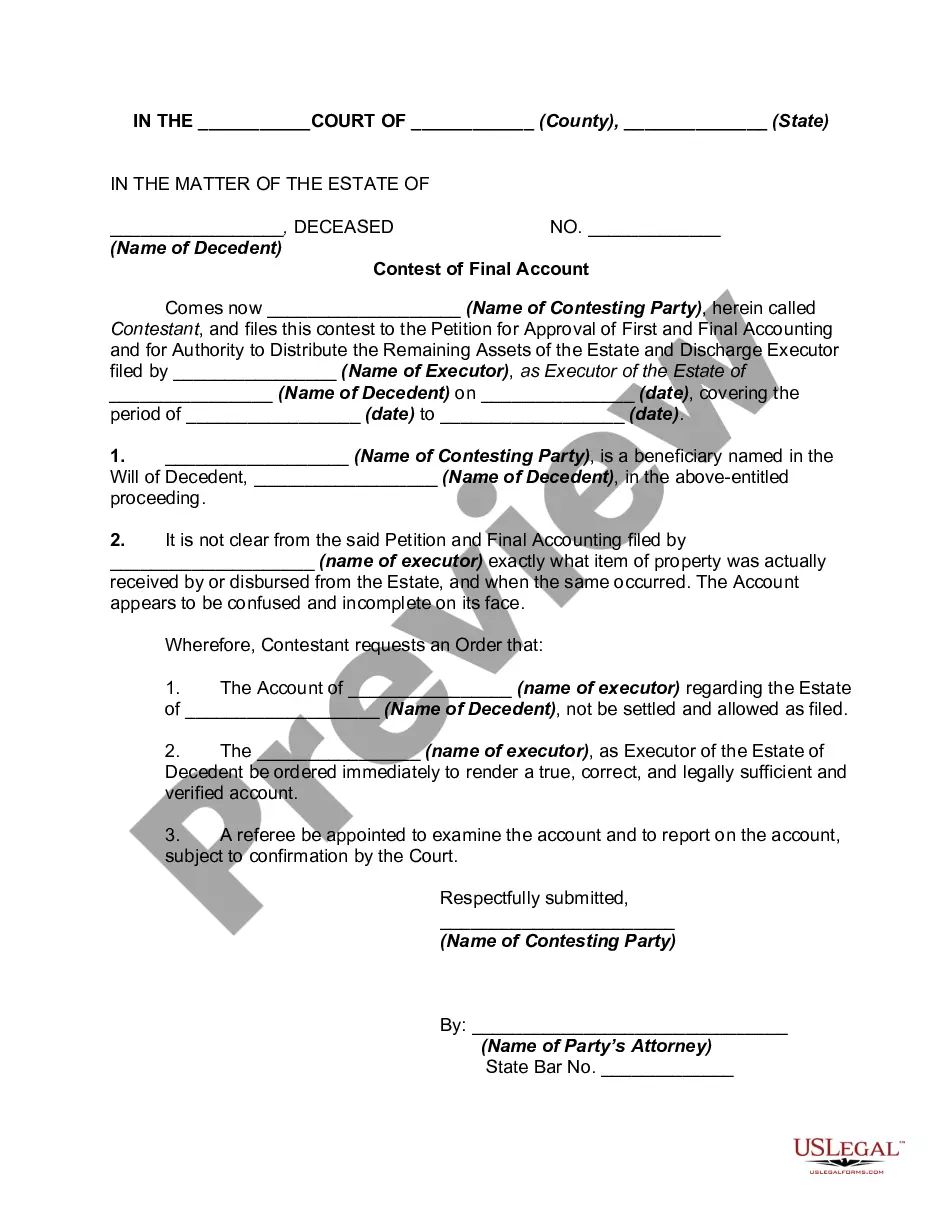
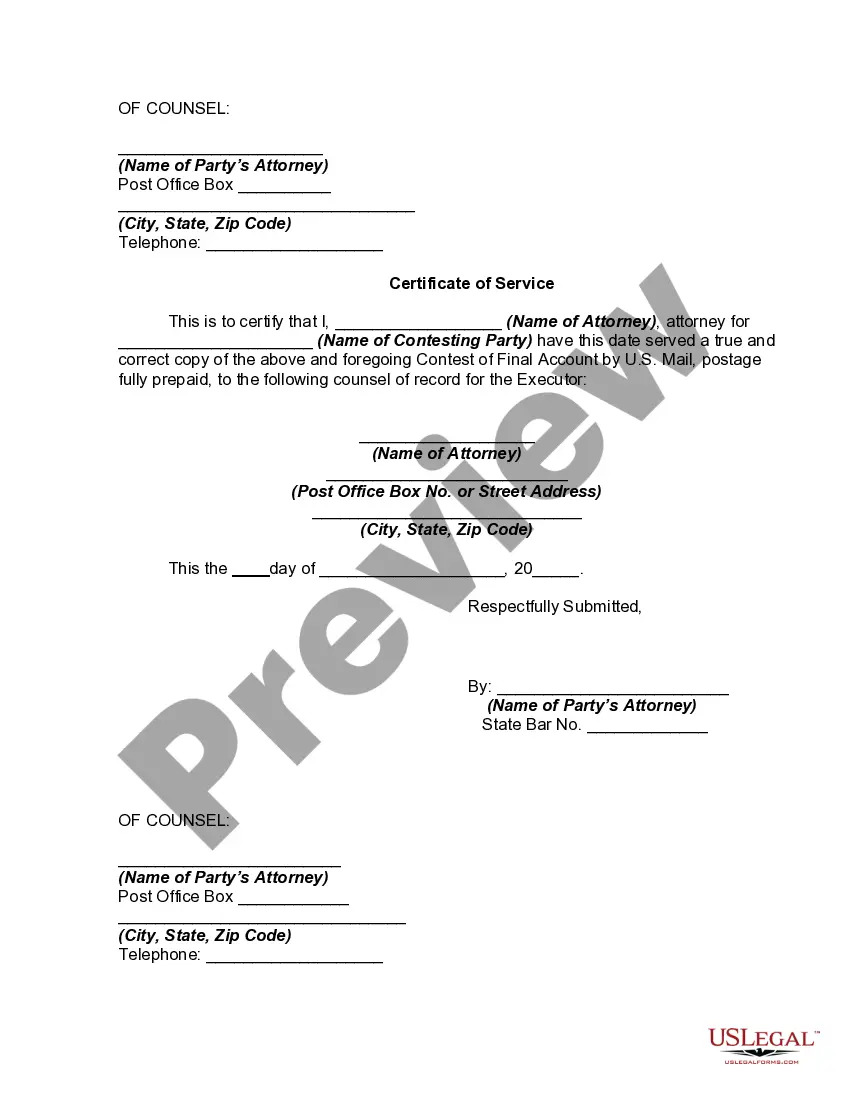
Final Account Estate Sample For Real
Description
Get your form ready online
Our built-in tools help you complete, sign, share, and store your documents in one place.
Make edits, fill in missing information, and update formatting in US Legal Forms—just like you would in MS Word.
Download a copy, print it, send it by email, or mail it via USPS—whatever works best for your next step.
Sign and collect signatures with our SignNow integration. Send to multiple recipients, set reminders, and more. Go Premium to unlock E-Sign.
If this form requires notarization, complete it online through a secure video call—no need to meet a notary in person or wait for an appointment.
We protect your documents and personal data by following strict security and privacy standards.

Make edits, fill in missing information, and update formatting in US Legal Forms—just like you would in MS Word.

Download a copy, print it, send it by email, or mail it via USPS—whatever works best for your next step.

Sign and collect signatures with our SignNow integration. Send to multiple recipients, set reminders, and more. Go Premium to unlock E-Sign.

If this form requires notarization, complete it online through a secure video call—no need to meet a notary in person or wait for an appointment.

We protect your documents and personal data by following strict security and privacy standards.
Looking for another form?
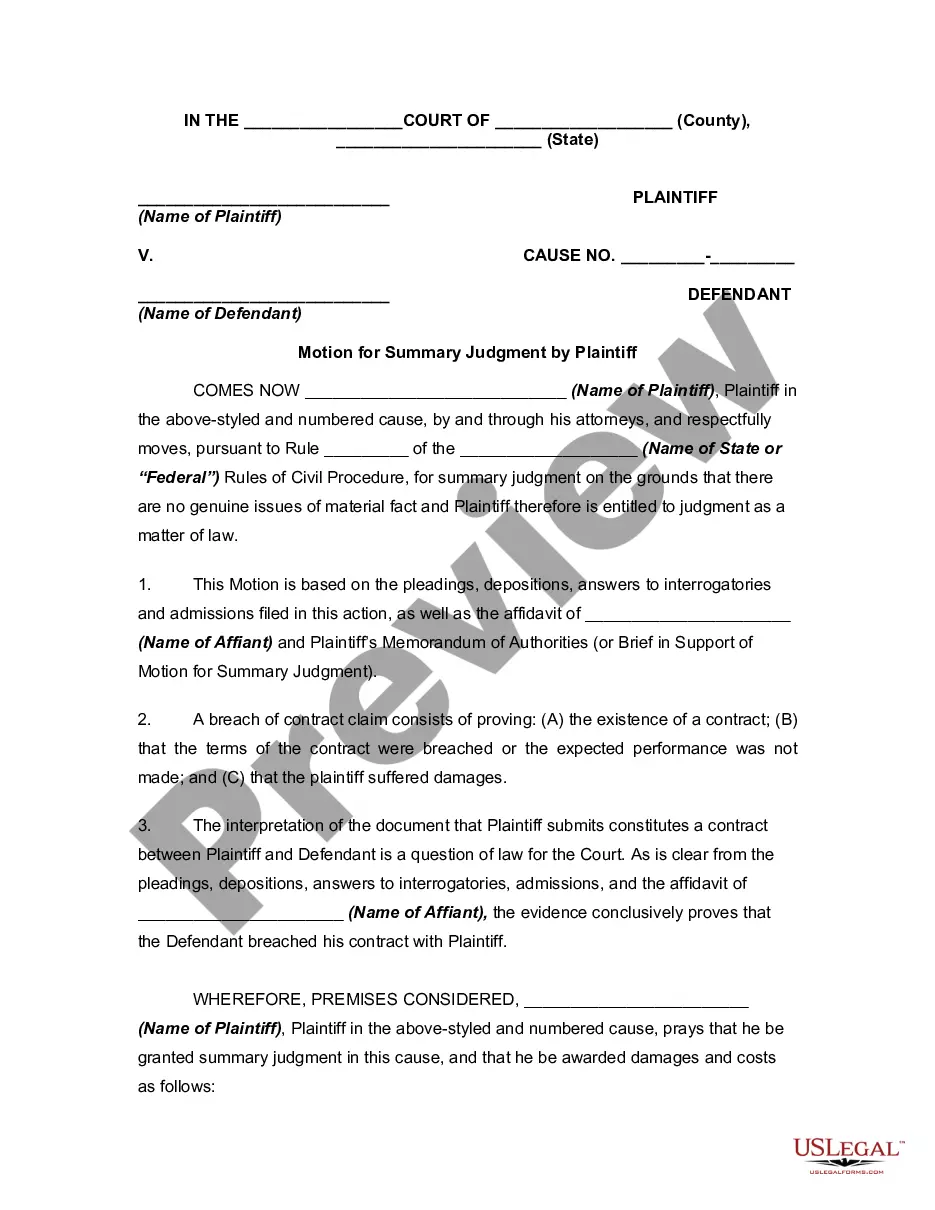
How to fill out Contest Of Final Account And Proposed Distributions In A Probate Estate?
Obtaining a reliable source to access the most up-to-date and pertinent legal templates is part of the challenge of navigating bureaucracy.
Identifying the appropriate legal documents demands accuracy and carefulness, which is why it is essential to obtain Final Account Estate Sample For Real exclusively from trustworthy providers, such as US Legal Forms. An incorrect template will squander your time and delay your circumstances.
Once the form is on your device, you can modify it using the editor or print it and fill it out by hand. Eliminate the difficulties associated with your legal documents. Explore the extensive US Legal Forms library to locate legal samples, evaluate their relevance to your situation, and download them instantly.
- Utilize the library navigation or search function to find your sample.
- Review the form’s details to determine if it meets the criteria of your state and locality.
- Check the form preview, if available, to ensure the template is what you need.
- Return to the search and find an appropriate template if the Final Account Estate Sample For Real does not fulfill your requirements.
- If you are confident about the form’s suitability, download it.
- If you are a registered user, click Log in to verify and access your selected documents in My documents.
- If you do not have an account yet, click Buy now to acquire the template.
- Select the pricing plan that aligns with your needs.
- Continue to the registration to complete your purchase.
- Finish your purchase by selecting a payment option (credit card or PayPal).
- Choose the document format for downloading Final Account Estate Sample For Real.
Form popularity
FAQ
A Final Account is a complete record detailing the assets, receipts, and disbursements made during a probate administration.
By way of example, in a relatively simple estate an informal accounting can consist of copies of all of the estate account statements and a copy of the fiduciaries check register. If there was real property sold by the fiduciary a copy of the closing statement should be provided to the beneficiaries.
All beneficiaries do not need to formally approve estate accounts; however, it is best practice for the Executor(s) and main beneficiaries to sign the estate accounts to show a legal agreement across all parties. Nevertheless, the beneficiaries are entitled to receive a copy of them and review the information.
Typically, you need to make it known that you are the executor of the estate and are not taking responsibility for the transaction yourself. You can do this by simply signing your name and putting your title of executor of the estate afterward.
An informal accounting for an estate is a document that outlines the financial activities of the estate. This type of accounting is often used to prepare financial statements of affairs. It includes details about assets and liabilities, income and expenses, donations or transfers from the estate, and tax information.