Final Account Distributions Estate Withholding
Description
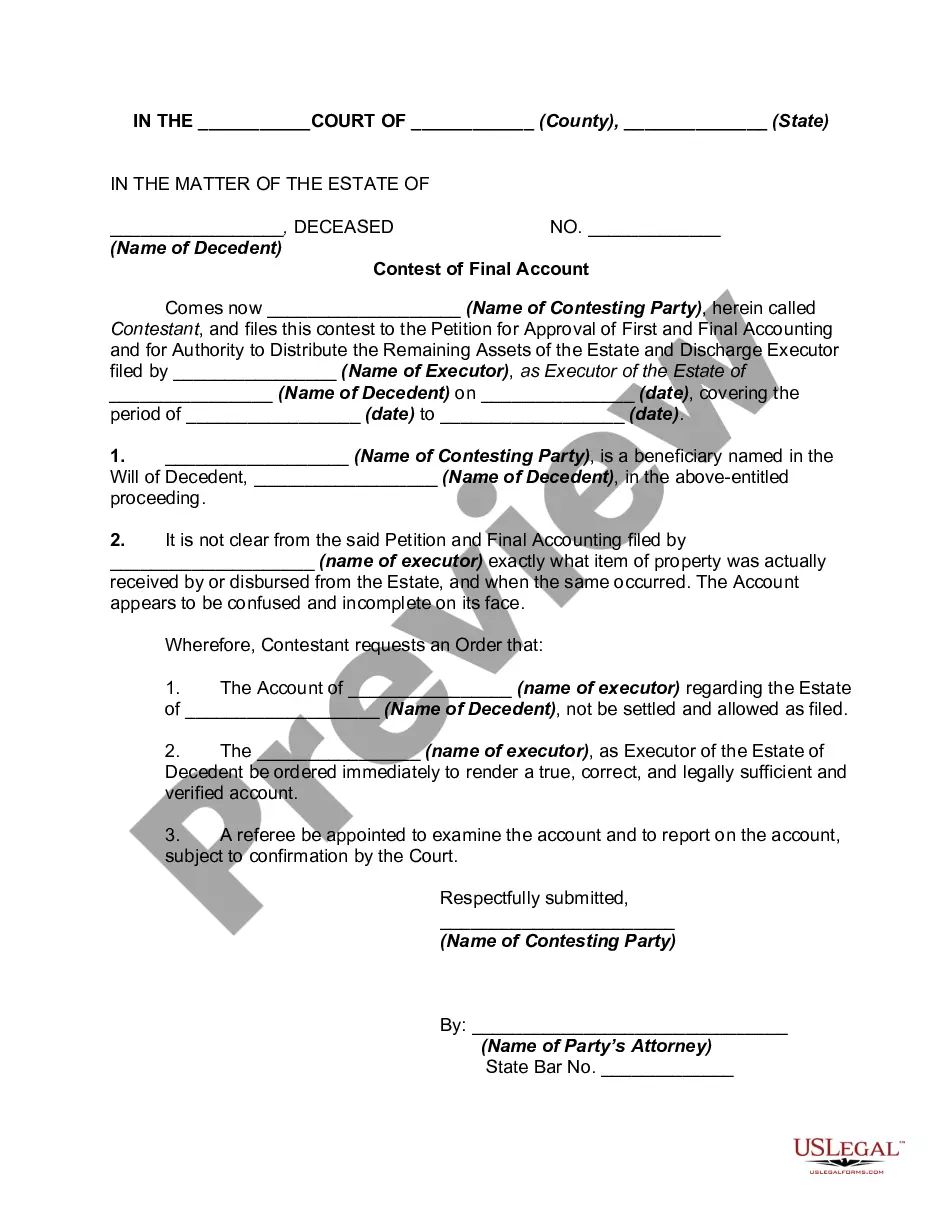
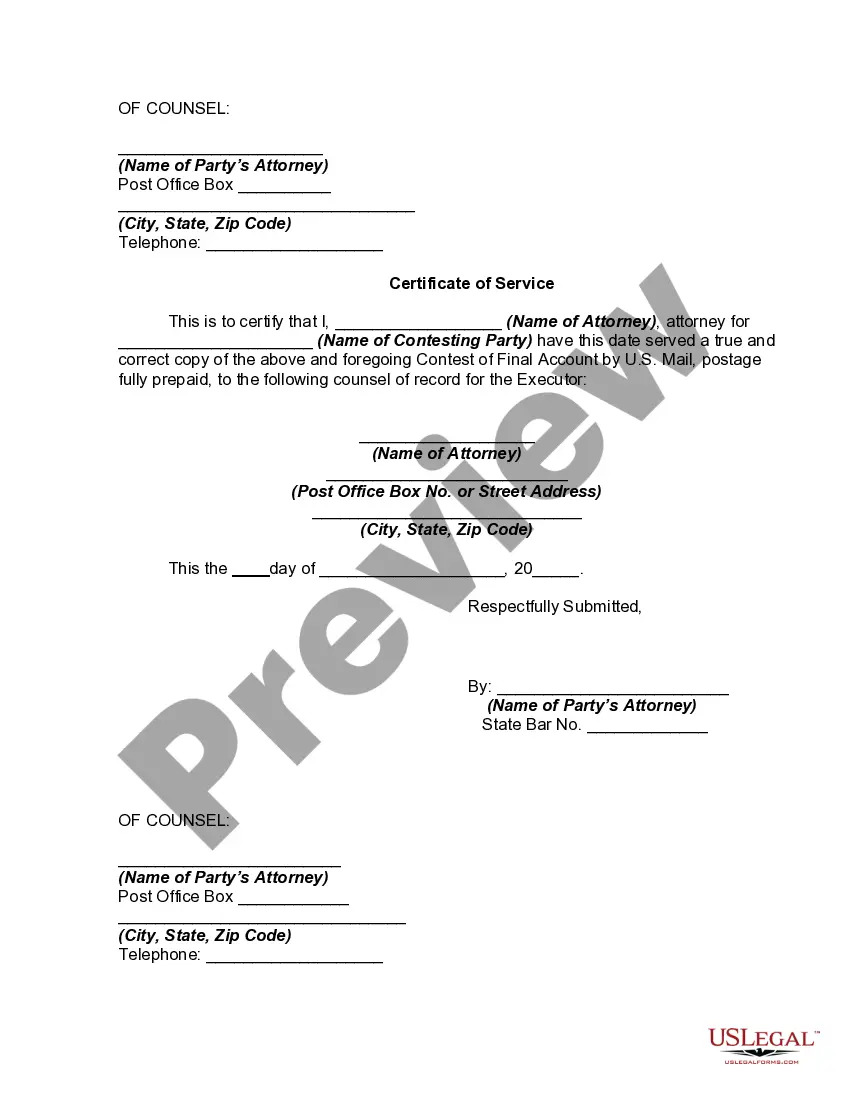
Get your form ready online
Our built-in tools help you complete, sign, share, and store your documents in one place.
Make edits, fill in missing information, and update formatting in US Legal Forms—just like you would in MS Word.
Download a copy, print it, send it by email, or mail it via USPS—whatever works best for your next step.
Sign and collect signatures with our SignNow integration. Send to multiple recipients, set reminders, and more. Go Premium to unlock E-Sign.
If this form requires notarization, complete it online through a secure video call—no need to meet a notary in person or wait for an appointment.
We protect your documents and personal data by following strict security and privacy standards.

Make edits, fill in missing information, and update formatting in US Legal Forms—just like you would in MS Word.

Download a copy, print it, send it by email, or mail it via USPS—whatever works best for your next step.

Sign and collect signatures with our SignNow integration. Send to multiple recipients, set reminders, and more. Go Premium to unlock E-Sign.

If this form requires notarization, complete it online through a secure video call—no need to meet a notary in person or wait for an appointment.

We protect your documents and personal data by following strict security and privacy standards.
Looking for another form?







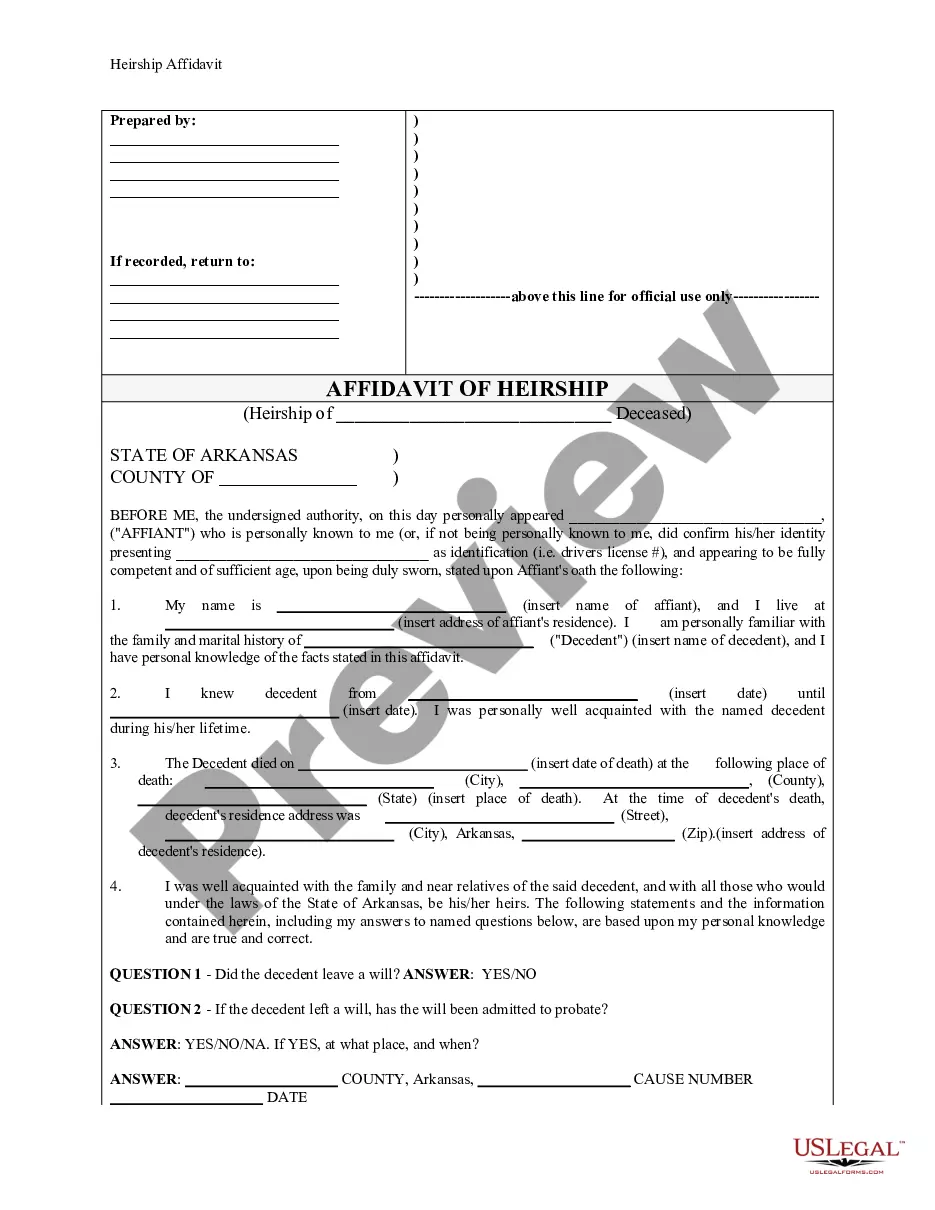

How to fill out Contest Of Final Account And Proposed Distributions In A Probate Estate?
Whether for commercial reasons or for individual matters, everyone has to tackle legal circumstances sooner or later in their lives.
Filling out legal paperwork necessitates meticulous consideration, starting with choosing the appropriate form template.
With a comprehensive US Legal Forms library available, you no longer need to waste time hunting for the correct template online. Utilize the library’s straightforward navigation to discover the suitable form for any circumstance.
- Locate the form you require by utilizing the search box or catalog browsing.
- Review the form’s details to confirm it corresponds with your situation, state, and area.
- Click on the form’s preview to examine it.
- If it is the incorrect document, return to the search tool to find the Final Account Distributions Estate Withholding template you need.
- Obtain the file when it aligns with your needs.
- If you already possess a US Legal Forms account, click Log in to retrieve previously saved templates in My documents.
- If you do not have an account yet, you can acquire the form by clicking Buy now.
- Choose the appropriate pricing option.
- Complete the account registration form.
- Select your payment method: you can use a credit card or a PayPal account.
- Pick the document format you desire and download the Final Account Distributions Estate Withholding.
- Once it is downloaded, you can fill out the form using editing software or print it and complete it manually.
Form popularity
FAQ
The final account report for an estate summarizes the financial activities associated with the estate's administration, culminating in the final distributions to beneficiaries. It outlines all relevant financial data, including assets, debts, and distributions, ensuring that everything aligns with the legal obligations of the executor. This report plays a vital role in the final account distributions estate withholding process, helping to clarify any tax responsibilities. Using platforms like US Legal Forms can simplify the preparation of this report, making the entire process more efficient and user-friendly.
A final account for an estate is a comprehensive financial report that details all transactions made during the estate administration. This includes income, expenses, distributions to beneficiaries, and any taxes withheld. By presenting this information, the executor ensures transparency and compliance with legal requirements, particularly regarding final account distributions estate withholding. Understanding this process is crucial for beneficiaries to grasp the estate's financial standing.
Yes, estate distributions are reported to the IRS through the estate's tax return, typically using Form 1041. The executor must provide beneficiaries with a Schedule K-1, which details their share of the estate's income and distributions. This reporting is essential for accurate final account distributions estate withholding, ensuring beneficiaries understand their tax responsibilities. US Legal Forms can provide the necessary forms and instructions to facilitate this process.
To report distributions from an estate, you need to ensure that each beneficiary receives a Schedule K-1 form, detailing their share of the estate's income. This form should accompany the estate's tax return, Form 1041, which you must file with the IRS. Proper documentation helps ensure compliance and clarity in final account distributions estate withholding. Utilizing resources from US Legal Forms can streamline this reporting process.
Not every estate is required to file Form 706, United States Estate (and Generation-Skipping Transfer) Tax Return. The requirement depends on the estate's value, which must exceed the federal exemption limit. If the estate is below this threshold, you typically do not need to file, but it's crucial to check for state-specific requirements. Understanding these details can simplify final account distributions estate withholding.
To prepare a final accounting for an estate, start by gathering all financial documents related to the estate, including bank statements, receipts, and invoices. You should list all income, expenses, and distributions made to beneficiaries. This comprehensive overview will aid in transparency and accuracy during the final account distributions estate withholding process. Consider using platforms like US Legal Forms for templates and guidance.
To report estate distributions to the IRS, you must first determine the tax implications of the distributions. The estate executor typically files Form 1041, U.S. Income Tax Return for Estates and Trusts, which includes information about distributions. You also need to issue Schedule K-1 to beneficiaries, detailing their share of the estate income. This process ensures accurate final account distributions estate withholding.
Final distribution in probate refers to the process where an estate's remaining assets are distributed to beneficiaries after all debts, taxes, and expenses have been settled. This step is crucial because it ensures that the estate is distributed according to the deceased's wishes or state laws. During this process, final account distributions estate withholding may occur to manage any potential tax liabilities. Understanding this process helps beneficiaries know what to expect and how to prepare for receiving their assets.