Distributions Probate Without A Will
Description
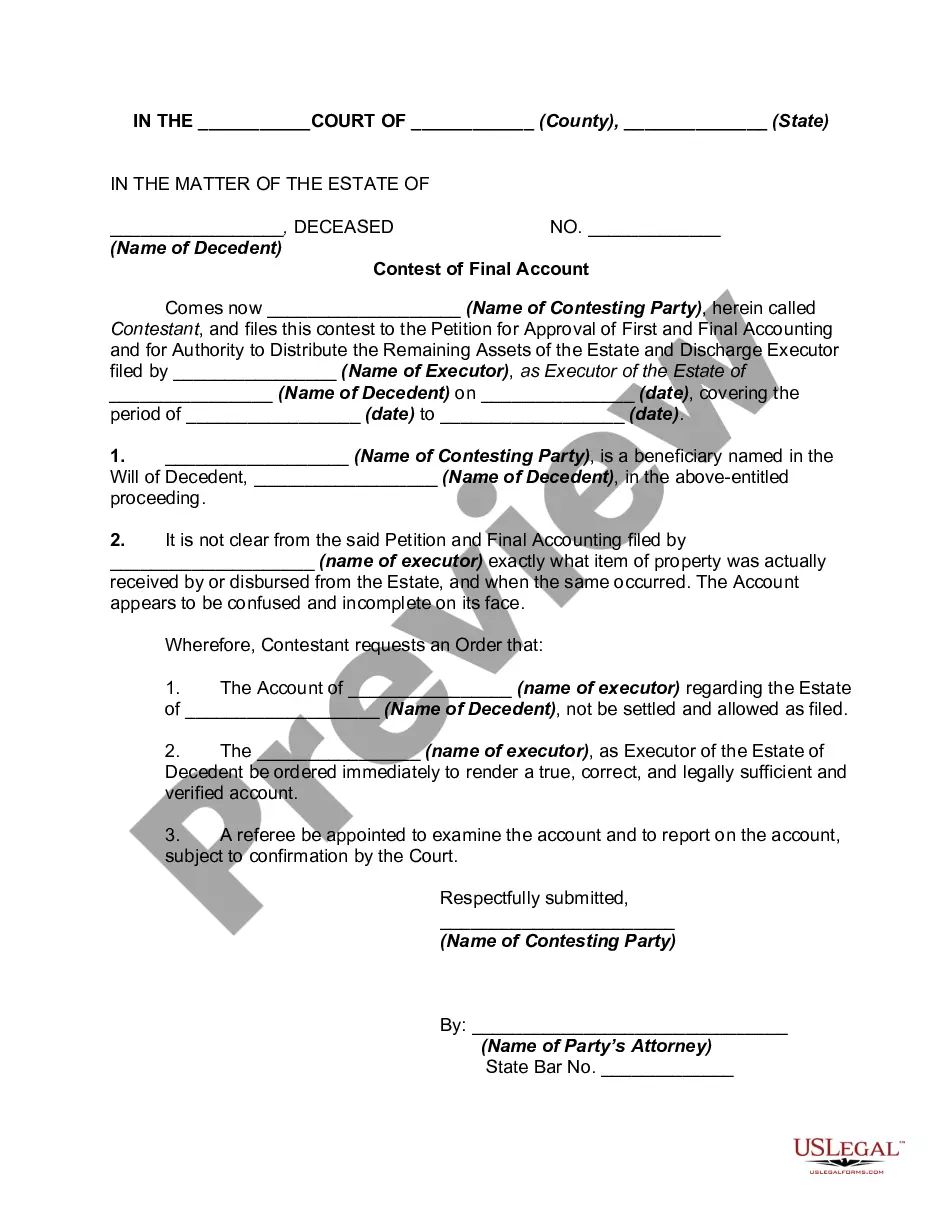
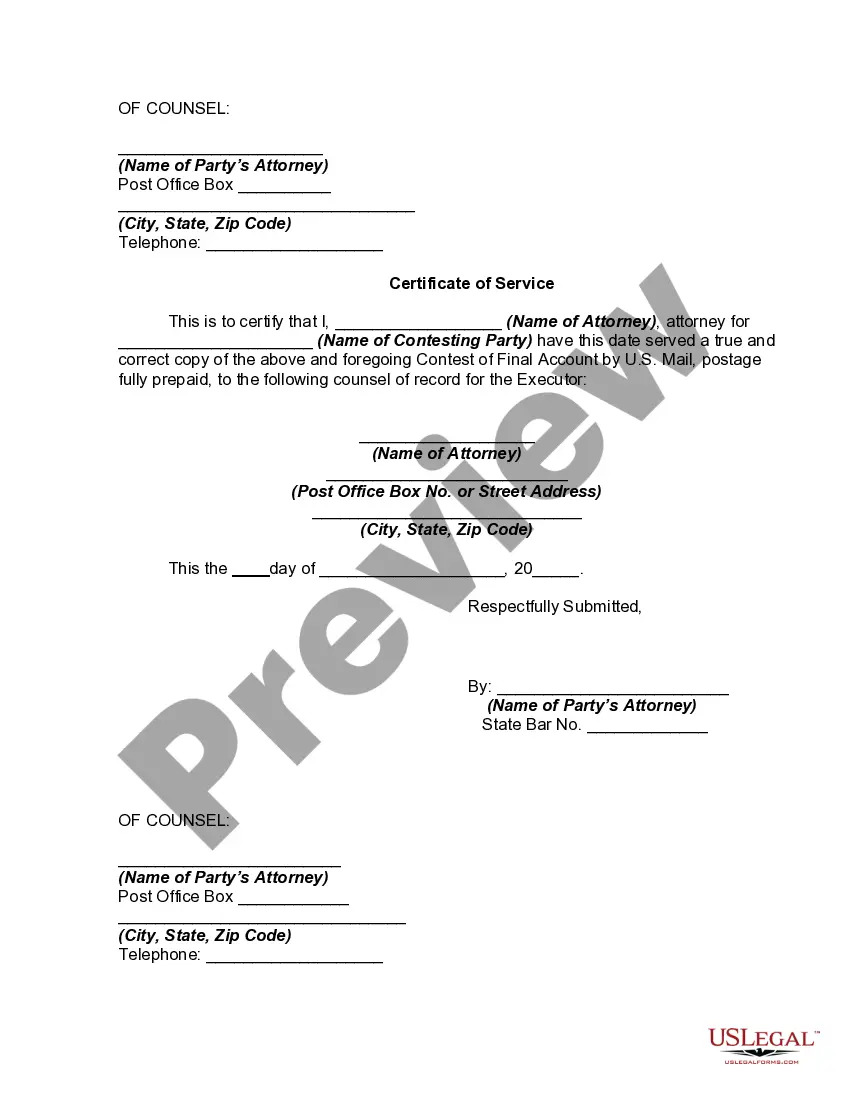
Get your form ready online
Our built-in tools help you complete, sign, share, and store your documents in one place.
Make edits, fill in missing information, and update formatting in US Legal Forms—just like you would in MS Word.
Download a copy, print it, send it by email, or mail it via USPS—whatever works best for your next step.
Sign and collect signatures with our SignNow integration. Send to multiple recipients, set reminders, and more. Go Premium to unlock E-Sign.
If this form requires notarization, complete it online through a secure video call—no need to meet a notary in person or wait for an appointment.
We protect your documents and personal data by following strict security and privacy standards.

Make edits, fill in missing information, and update formatting in US Legal Forms—just like you would in MS Word.

Download a copy, print it, send it by email, or mail it via USPS—whatever works best for your next step.

Sign and collect signatures with our SignNow integration. Send to multiple recipients, set reminders, and more. Go Premium to unlock E-Sign.

If this form requires notarization, complete it online through a secure video call—no need to meet a notary in person or wait for an appointment.

We protect your documents and personal data by following strict security and privacy standards.
Looking for another form?

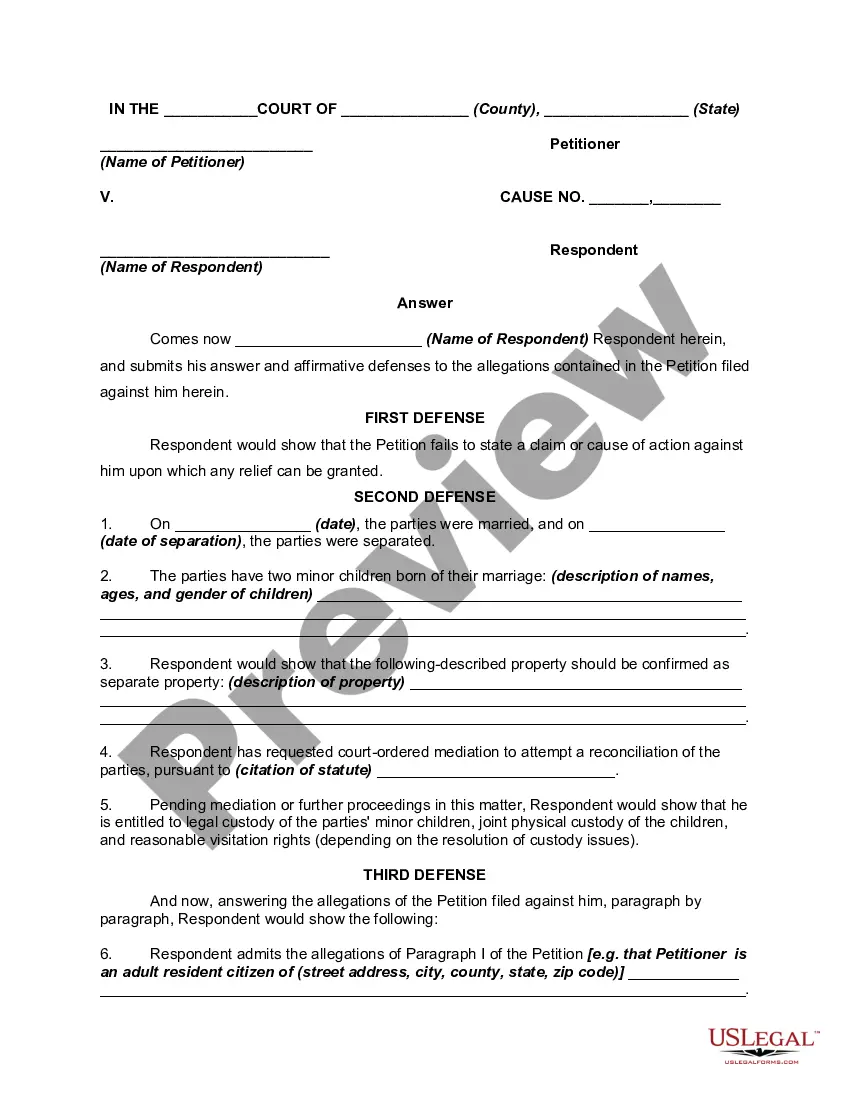



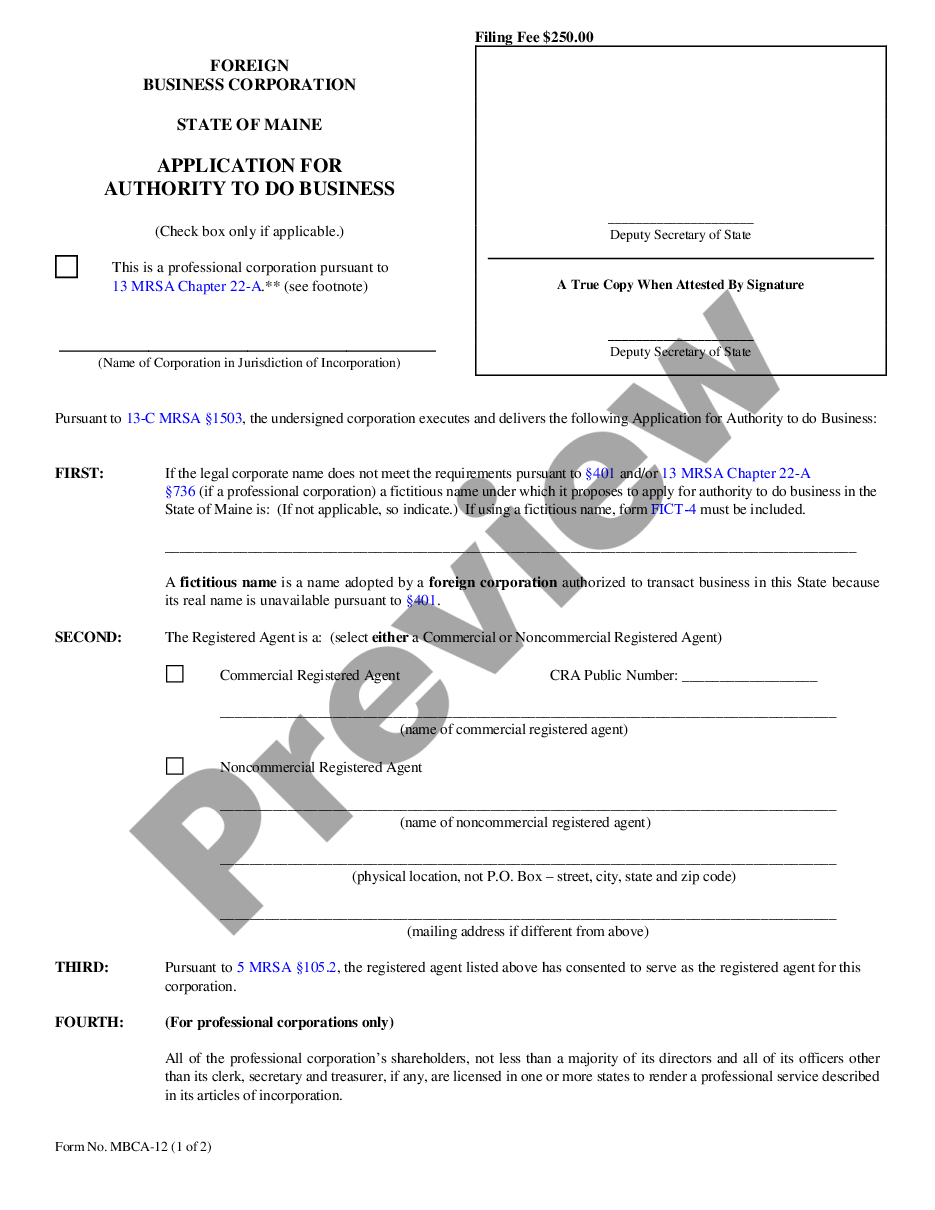


How to fill out Contest Of Final Account And Proposed Distributions In A Probate Estate?
Creating legal documents from the ground up can occasionally be daunting.
Certain situations may require extensive investigation and substantial financial investment.
If you're looking for a more straightforward and cost-effective method of preparing Distributions Probate Without A Will or any other forms without the hassle, US Legal Forms is always available to assist you.
Our online library of over 85,000 current legal documents encompasses nearly every aspect of your financial, legal, and personal affairs.
However, before jumping straight to downloading Distributions Probate Without A Will, please keep these suggestions in mind: Review the document preview and descriptions to ensure you have located the form you need. Confirm that the template you select aligns with the rules and regulations of your state and county. Choose the most appropriate subscription option to purchase the Distributions Probate Without A Will. Download the document, then complete, sign, and print it out. US Legal Forms has a solid reputation and over 25 years of experience. Join us today and make document handling a simple and efficient process!
- With just a few clicks, you can quickly obtain state- and county-specific templates meticulously crafted for you by our legal professionals.
- Utilize our website whenever you require dependable and trustworthy services to swiftly find and download the Distributions Probate Without A Will.
- If you're familiar with our site and have an existing account, simply Log In, choose the form, and download it right away or re-download it at any time from the My documents section.
- Don't have an account? No worries. It only takes a few minutes to create one and explore the library.
Form popularity
FAQ
When a person passes away without a will, the estate undergoes distributions probate without a will. The state laws determine how the assets get divided among the surviving family members. Typically, spouses and children are the primary beneficiaries, but if those relatives are absent, the distribution may extend to parents or siblings. Understanding these legal nuances can help you navigate the process more effectively, and using a platform like US Legal Forms can simplify your approach to managing the estate.
In Delaware, to initiate probate, you need to file a petition with the Register of Wills, along with the death certificate and a list of assets. If there is no will, policies covering distributions probate without a will will apply. You also must notify heirs and creditors, allowing them to file claims against the estate. Legal assistance can be invaluable in understanding these requirements.
In the absence of a will, the probate process still occurs, but follows intestacy laws. The court will appoint an administrator to manage the estate and settle debts before distributing assets. This differs from traditional probate, focusing on fair distributions probate without a will. Engaging a legal professional can help navigate this complex process.
When there is no will, the estate is distributed according to state intestacy laws. These laws typically prioritize the deceased's spouse and children, followed by other family members. The court oversees the process to ensure fair distributions probate without a will. This means understanding local laws is crucial for all involved parties.
To probate an estate without a will, start by identifying the appropriate court to file in. Next, gather information about the deceased's assets, debts, and potential heirs. You will then submit a petition to commence the probate process, detailing the proposed distributions probate without a will. Court approval will be necessary to move forward.
Yes, settling an estate without probate is possible in Alabama under certain circumstances. If the deceased's estate falls below a specific value, you may use a simplified process. You can also utilize a small estate affidavit, enabling distributions probate without a will. Consider consulting with a legal expert to explore your options.
Filing for probate without a will involves several key steps. First, you must determine the appropriate probate court in your area. Next, gather necessary documents, including information about the deceased's assets and potential heirs. Finally, submit the required petition to the court, outlining distributions probate without a will, and await the court's decision.
In Virginia, when a person passes away without a will, the law determines how to handle distributions probate without a will. The state follows intestacy laws, which dictate that assets distribute according to a set order of relatives. Typically, immediate family members, like spouses, children, and parents, receive priority in asset distribution. To navigate this process smoothly, consider using US Legal Forms to understand your options and ensure proper handling of your loved one's estate.