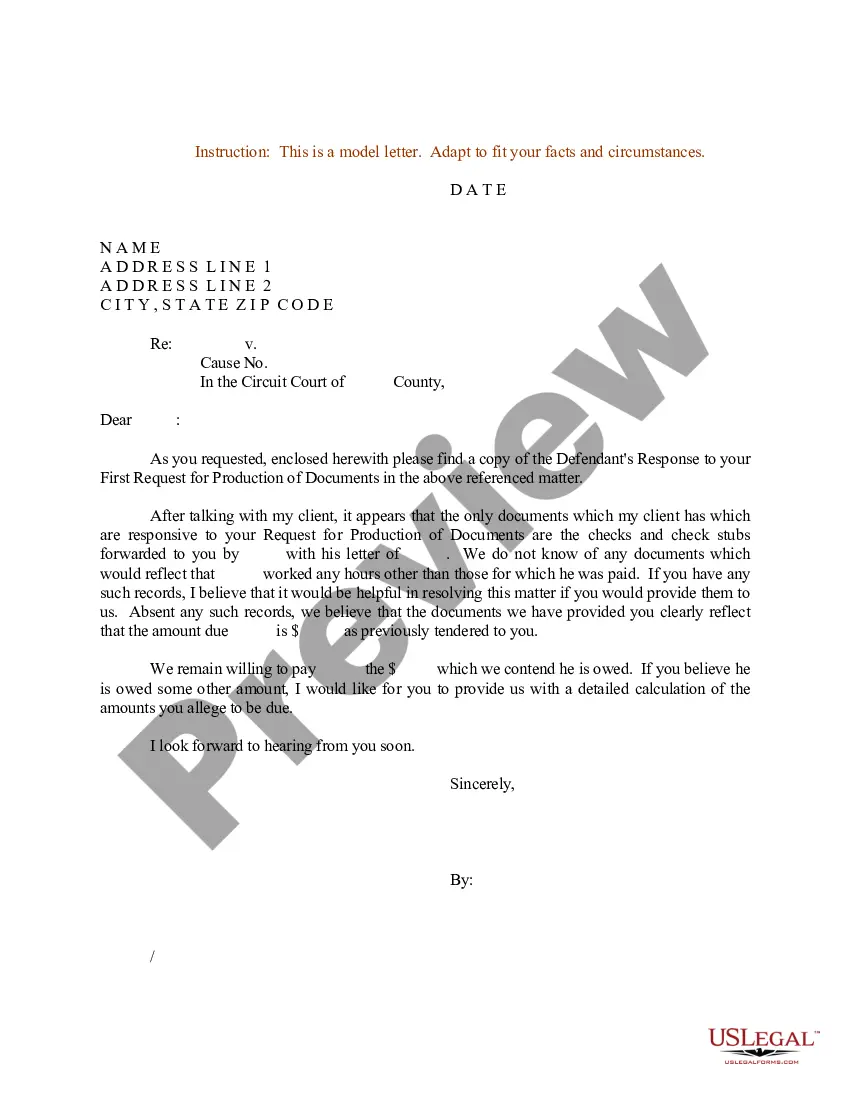
Objection To Request For Production Of Documents At Deposition California
Description
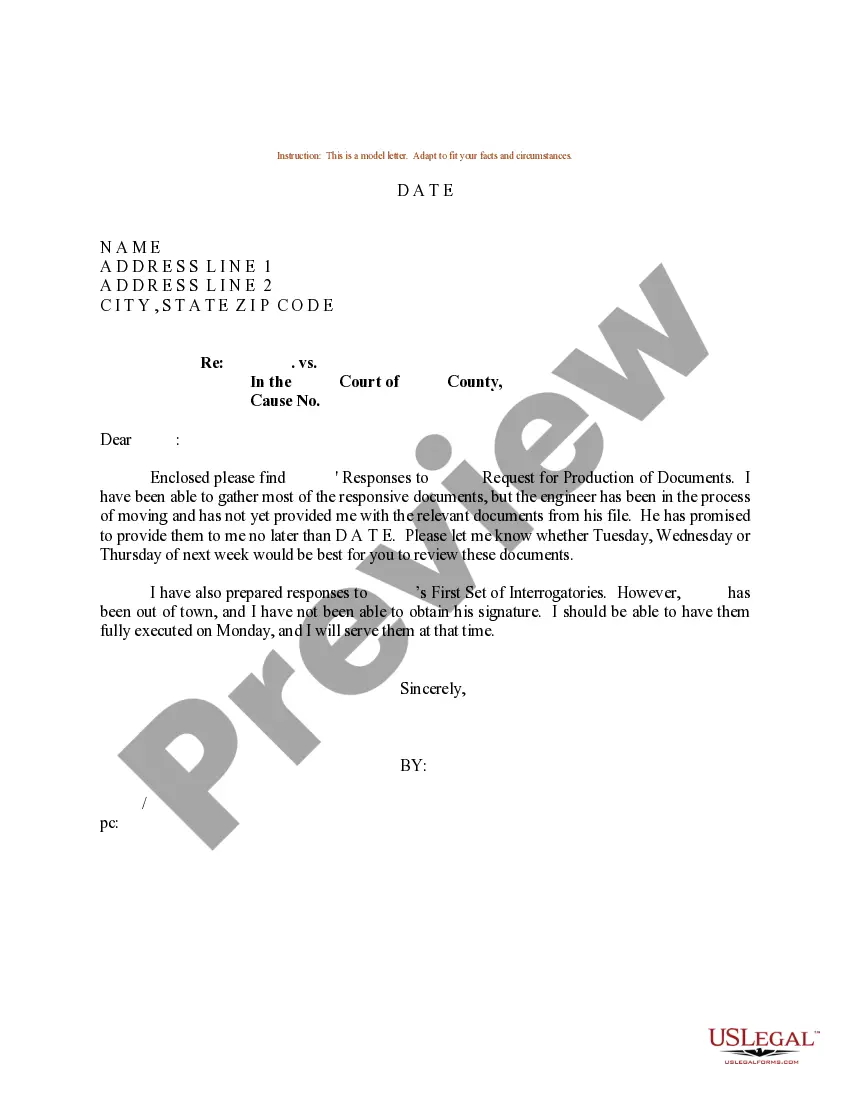
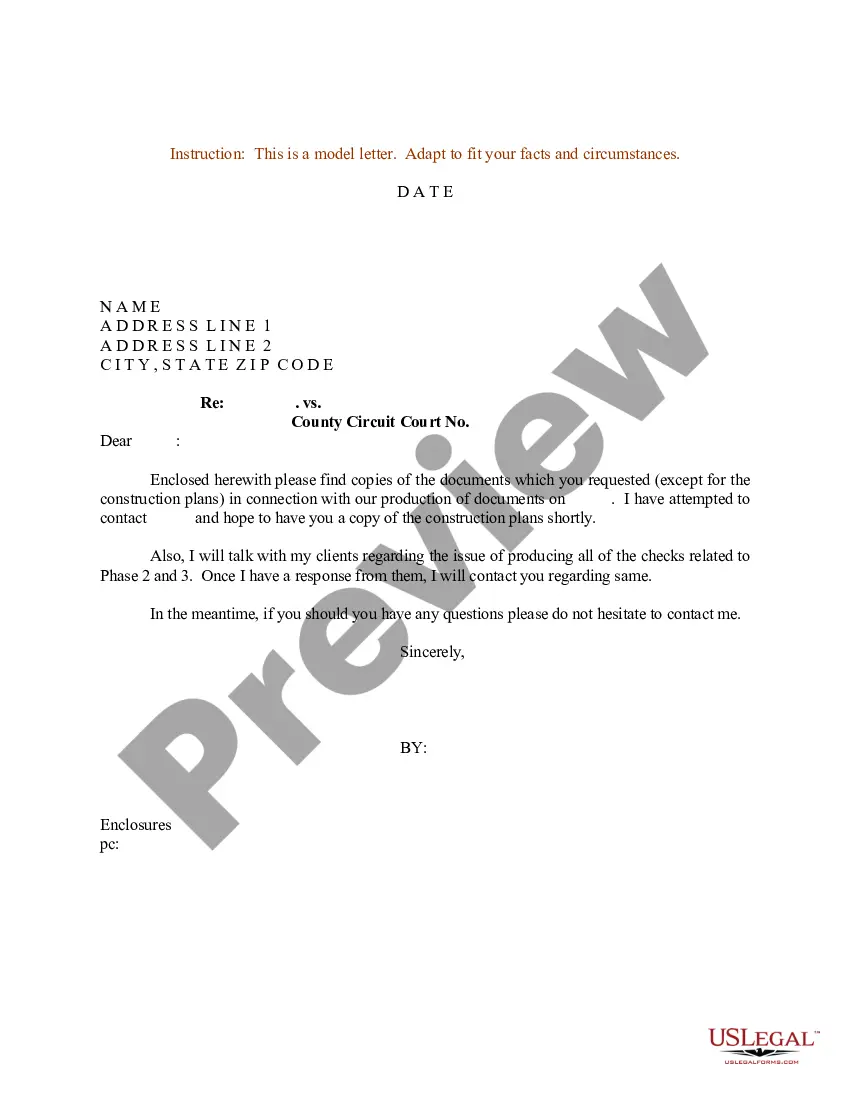
Get your form ready online
Our built-in tools help you complete, sign, share, and store your documents in one place.
Make edits, fill in missing information, and update formatting in US Legal Forms—just like you would in MS Word.
Download a copy, print it, send it by email, or mail it via USPS—whatever works best for your next step.
Sign and collect signatures with our SignNow integration. Send to multiple recipients, set reminders, and more. Go Premium to unlock E-Sign.
If this form requires notarization, complete it online through a secure video call—no need to meet a notary in person or wait for an appointment.
We protect your documents and personal data by following strict security and privacy standards.

Make edits, fill in missing information, and update formatting in US Legal Forms—just like you would in MS Word.

Download a copy, print it, send it by email, or mail it via USPS—whatever works best for your next step.

Sign and collect signatures with our SignNow integration. Send to multiple recipients, set reminders, and more. Go Premium to unlock E-Sign.

If this form requires notarization, complete it online through a secure video call—no need to meet a notary in person or wait for an appointment.

We protect your documents and personal data by following strict security and privacy standards.
Looking for another form?
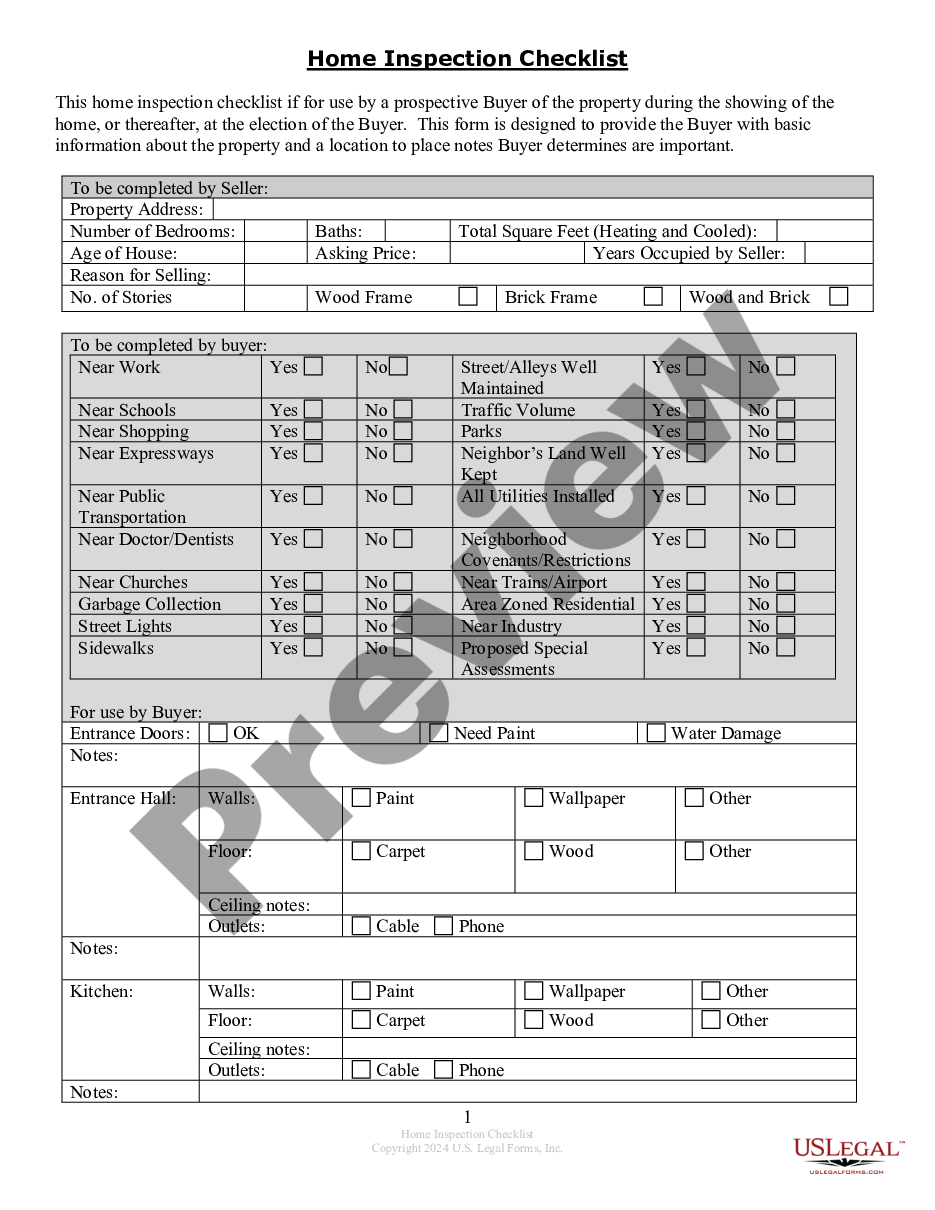
How to fill out Sample Letter For Request For Production Of Document?
It's well-known that you cannot transform into a legal authority instantly, nor can you ascertain how to swiftly compose an Objection To Request For Production Of Documents At Deposition California without possessing a particular set of expertise.
Assembling legal papers is a lengthy endeavor necessitating specialized training and abilities.
So why not entrust the preparation of the Objection To Request For Production Of Documents At Deposition California to the professionals.
You can regain access to your documents from the My documents tab at any point. If you're already a client, you can simply Log In, and find and download the template from the same section.
Regardless of the aim of your documentation—be it financial and legal, or personal—our platform has it all. Give US Legal Forms a try now!
- Find the form you need using the search bar at the top of the webpage.
- View it (if this feature is available) and examine the accompanying description to determine if the Objection To Request For Production Of Documents At Deposition California is what you're looking for.
- Restart your search if you require another form.
- Create a free account and choose a subscription plan to purchase the form.
- Click Buy now. Once the payment is finalized, you can download the Objection To Request For Production Of Documents At Deposition California, fill it out, print it, and either send it or mail it to the intended individuals or entities.
Form popularity
FAQ
Every equipment lease should include the following fundamental contract elements: Lessor: The equipment owner who will be renting out the equipment. Lessee: The renter who will be paying for the privilege to use the gear. Term: The length of time the lessee will lease the equipment.
An equipment lease is a contractual agreement between the owner of the equipment and a lessee who wants to use the equipment for a specific period in exchange for set payments. In some cases, the lease allows the lessee to purchase the equipment at the end of the term with a balloon, or large, payment.
Yes, Microsoft Word has a free lease agreement template that you can customize to create your own contract and minimize any potential problems between tenant and landlord.
An equipment lease agreement is a contractual agreement where the lessor, who is the owner of the equipment, allows the lessee to use the equipment for a specified period in exchange for periodic payments. The subject of the lease may be vehicles, factory machines, or any other equipment.
An Equipment Hire Agreement outlines: The value and identifying characteristics of the equipment (like a serial number) Any restrictions on how the equipment may be used. Whether the equipment hirer will maintain and repair the equipment, and replace damaged or lost equipment.
The indemnification clause in an equipment rental contract outlines who's responsible if something goes wrong while the equipment is in the customer's possession. In this clause, you should outline any specific rules or restrictions regarding how the equipment should be used.
Here's a list of common fields that should be covered in your lease agreement: Basic information about all tenants. Include the full name and contact information of each tenant. ... Description of rental property. ... Security deposit. ... Monthly rent amount. ... Utilities. ... Lease term. ... Policies. ... Late fees.
What a Tenancy Agreement Should Contain Tenant's identity and address for the Landlord. The property address. The commencement and termination dates of the tenancy/lease. The rent amount. Additional charges, such as legal fees, agency commissions, security deposits, service charges, etc. Tenant and landlord obligations.