Vivos Qtip Donors Document Withdrawal
Description
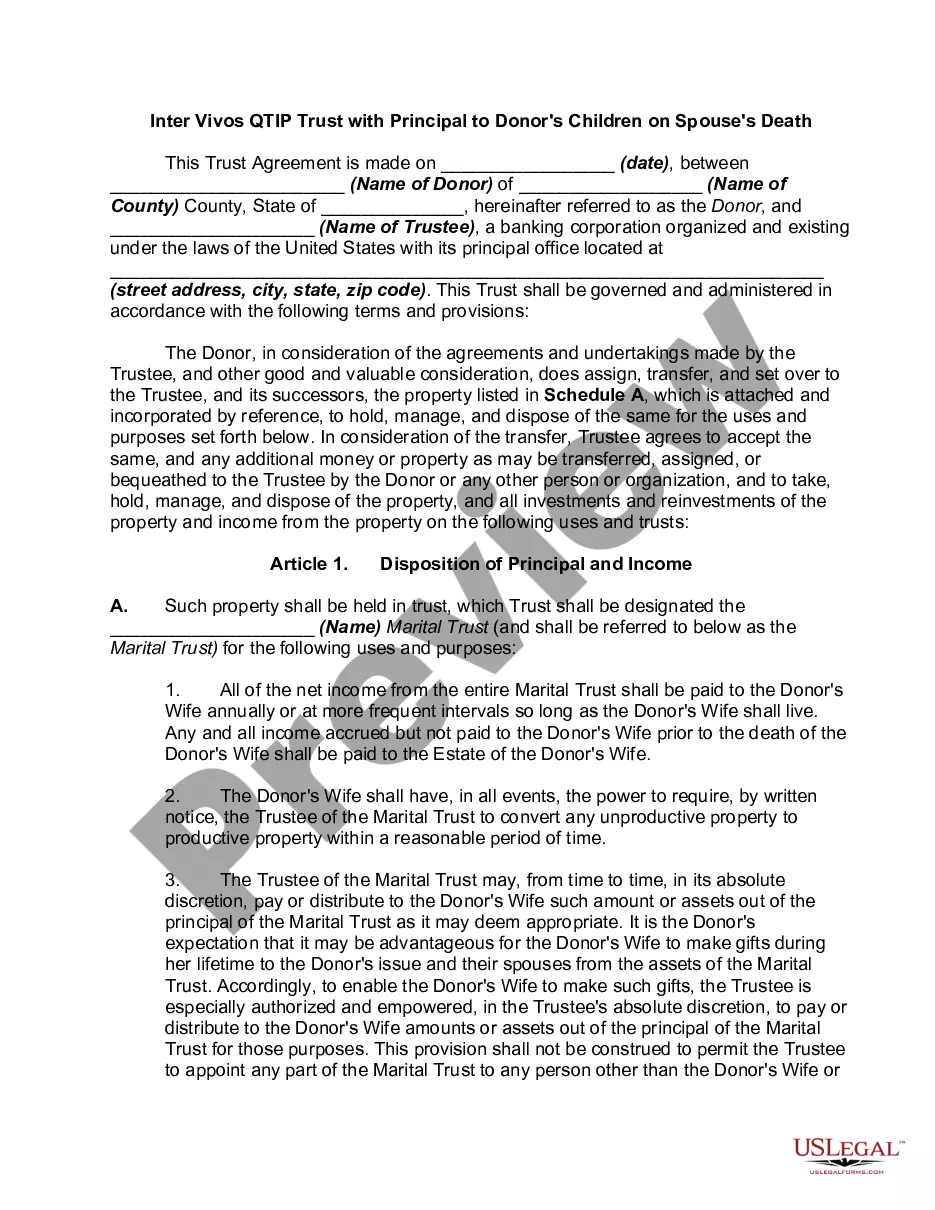
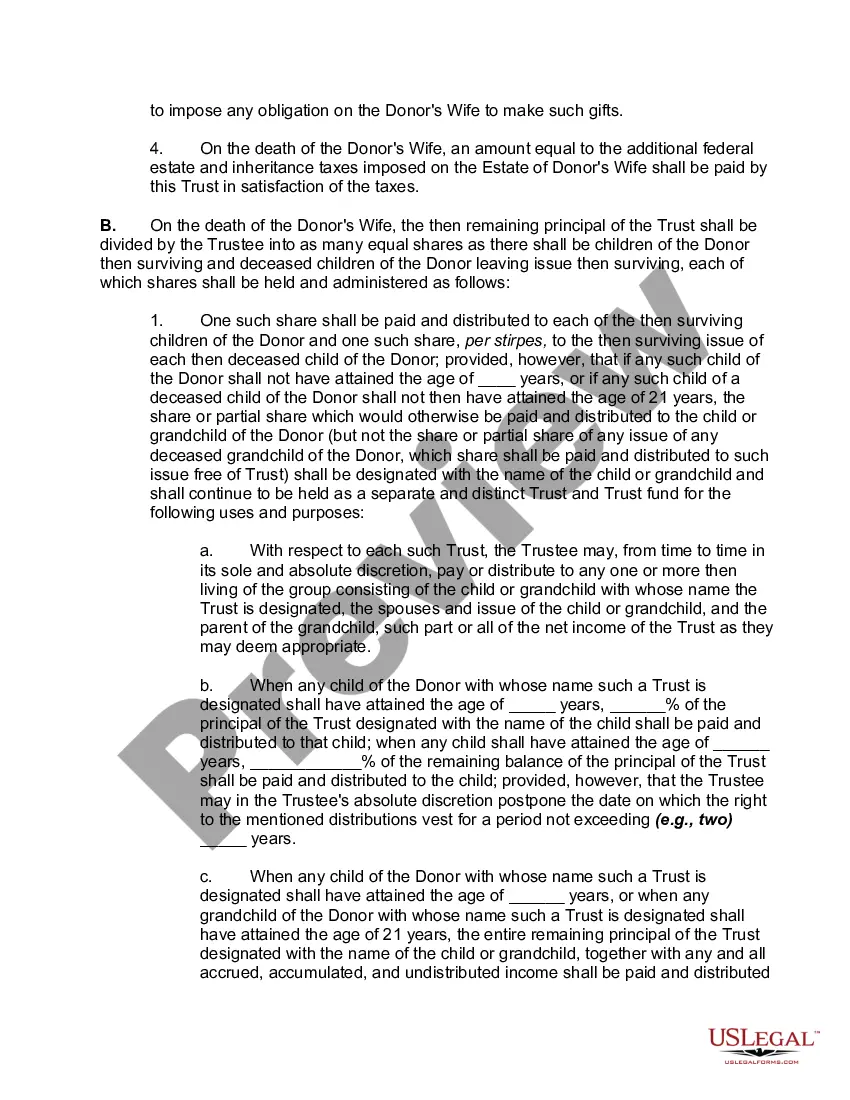
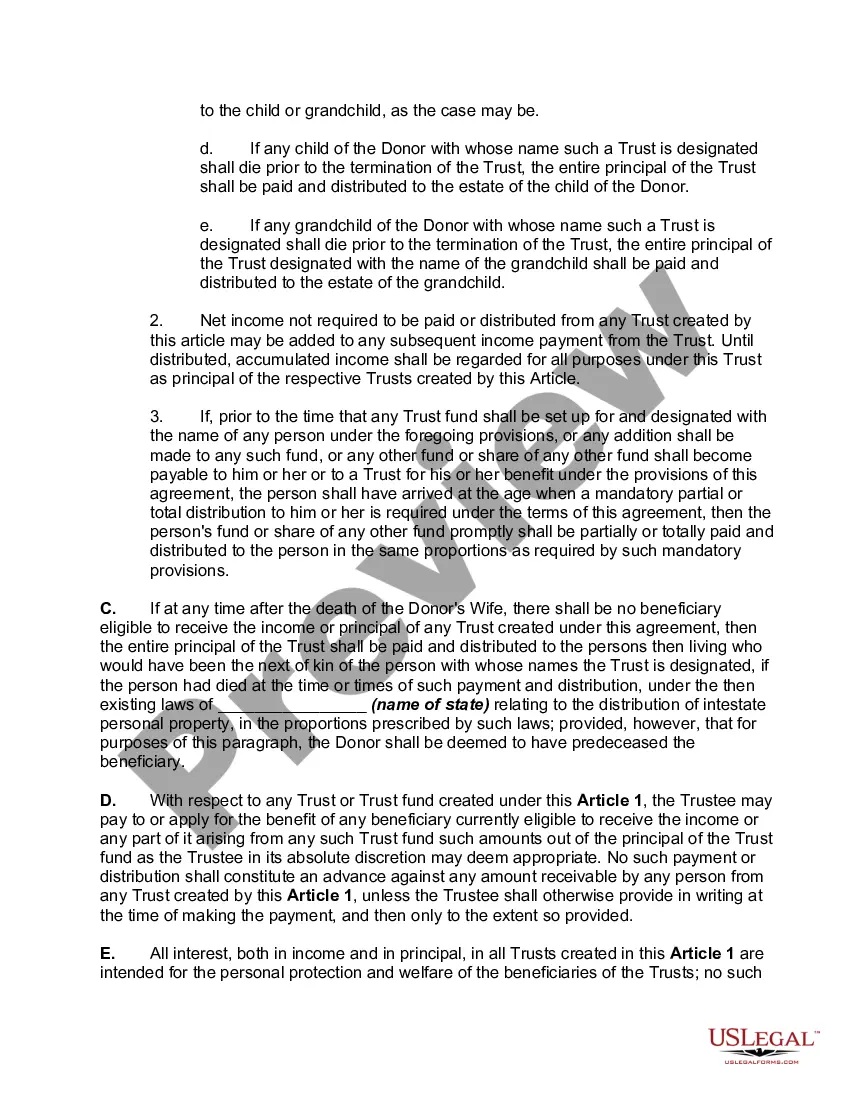
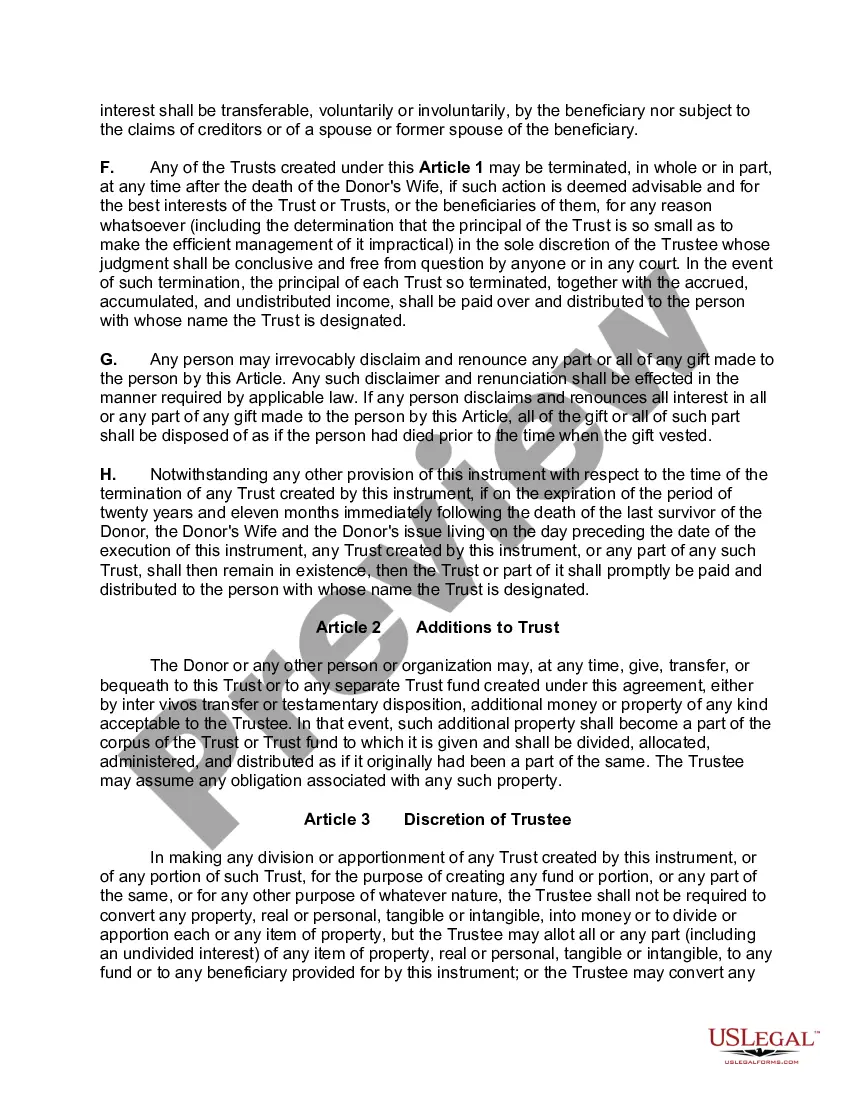

Get your form ready online
Our built-in tools help you complete, sign, share, and store your documents in one place.
Make edits, fill in missing information, and update formatting in US Legal Forms—just like you would in MS Word.
Download a copy, print it, send it by email, or mail it via USPS—whatever works best for your next step.
Sign and collect signatures with our SignNow integration. Send to multiple recipients, set reminders, and more. Go Premium to unlock E-Sign.
If this form requires notarization, complete it online through a secure video call—no need to meet a notary in person or wait for an appointment.
We protect your documents and personal data by following strict security and privacy standards.

Make edits, fill in missing information, and update formatting in US Legal Forms—just like you would in MS Word.

Download a copy, print it, send it by email, or mail it via USPS—whatever works best for your next step.

Sign and collect signatures with our SignNow integration. Send to multiple recipients, set reminders, and more. Go Premium to unlock E-Sign.

If this form requires notarization, complete it online through a secure video call—no need to meet a notary in person or wait for an appointment.

We protect your documents and personal data by following strict security and privacy standards.
Looking for another form?





How to fill out Inter Vivos QTIP Trust With Principal To Donor's Children On Spouse's Death?
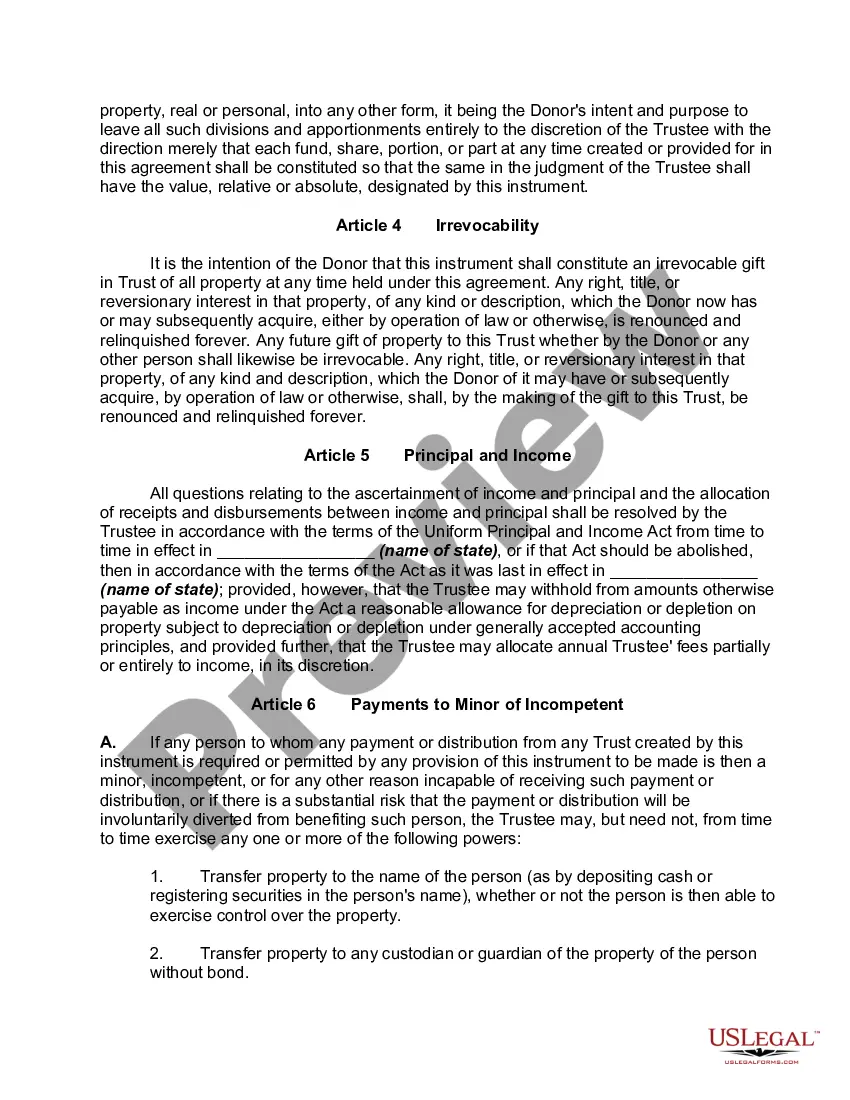
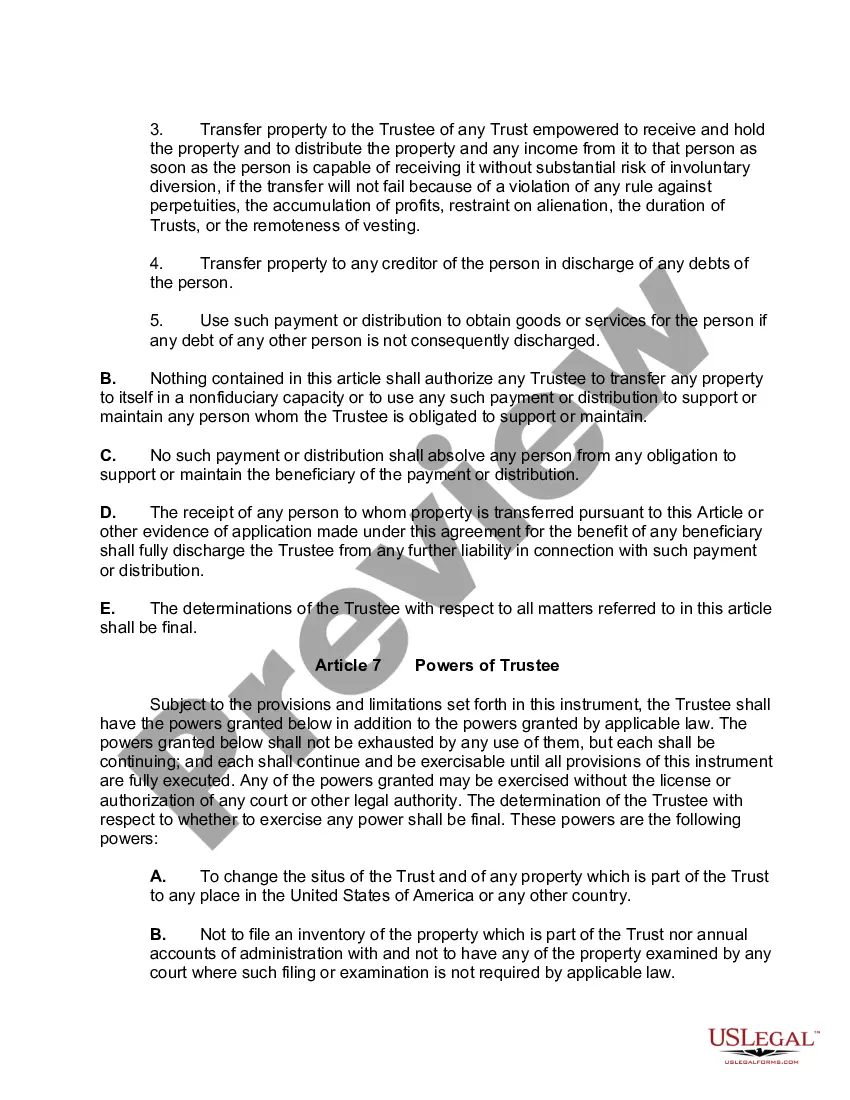
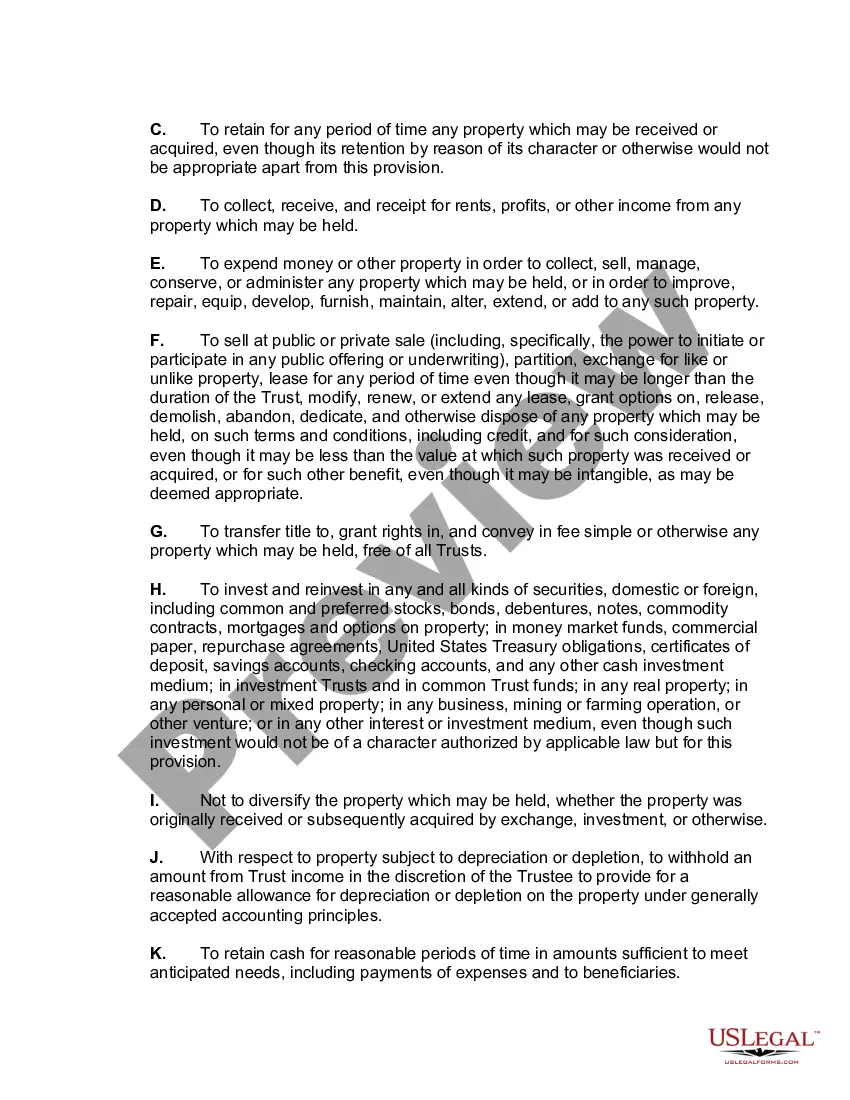
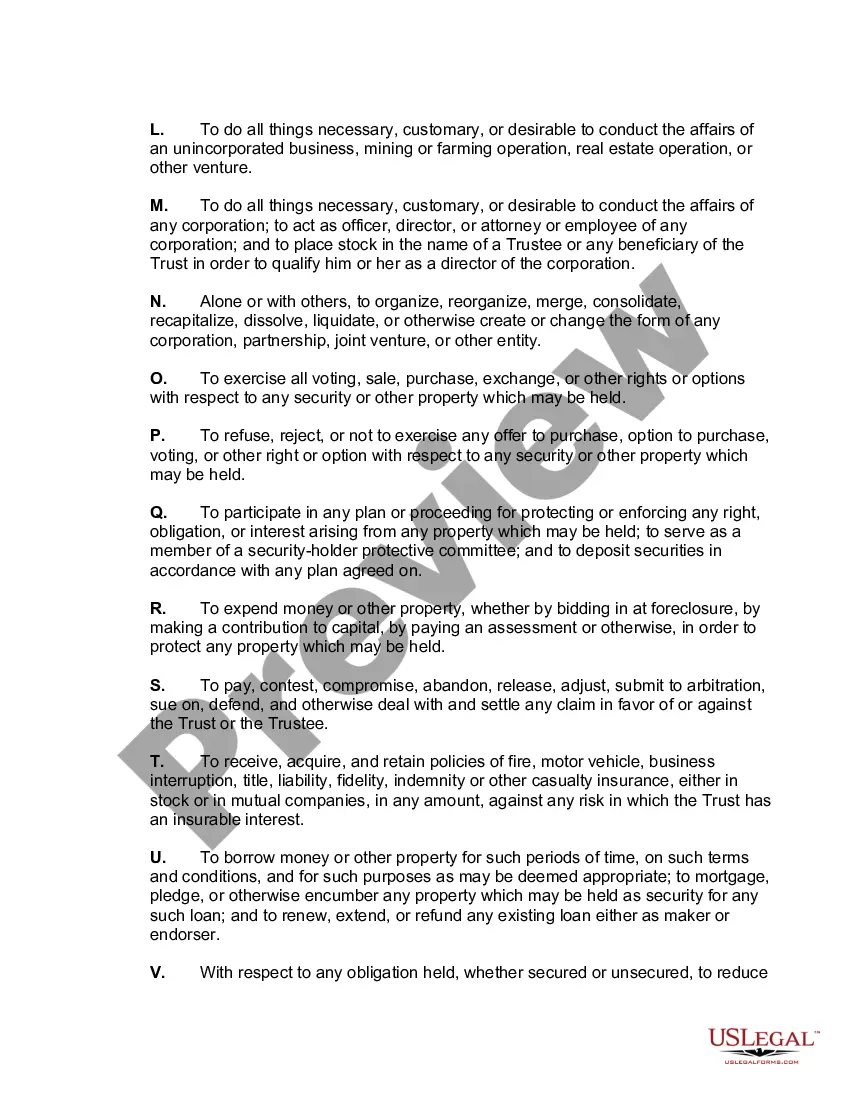
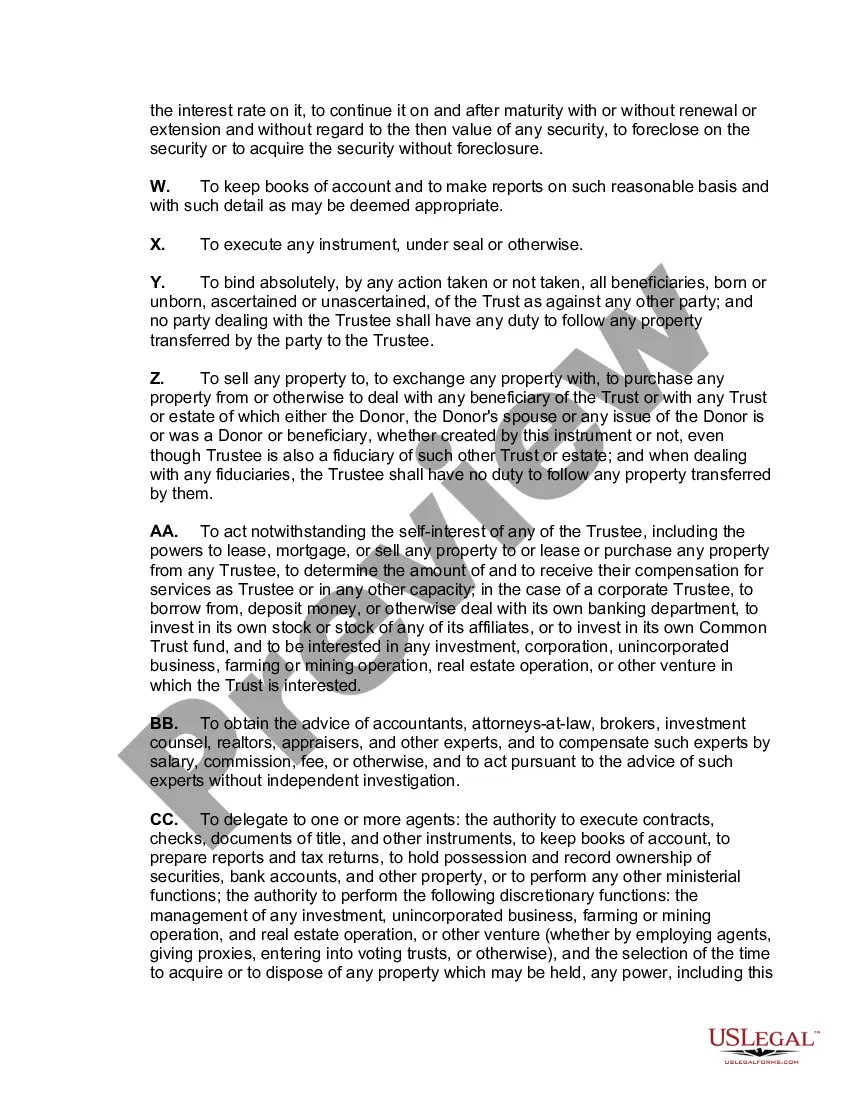
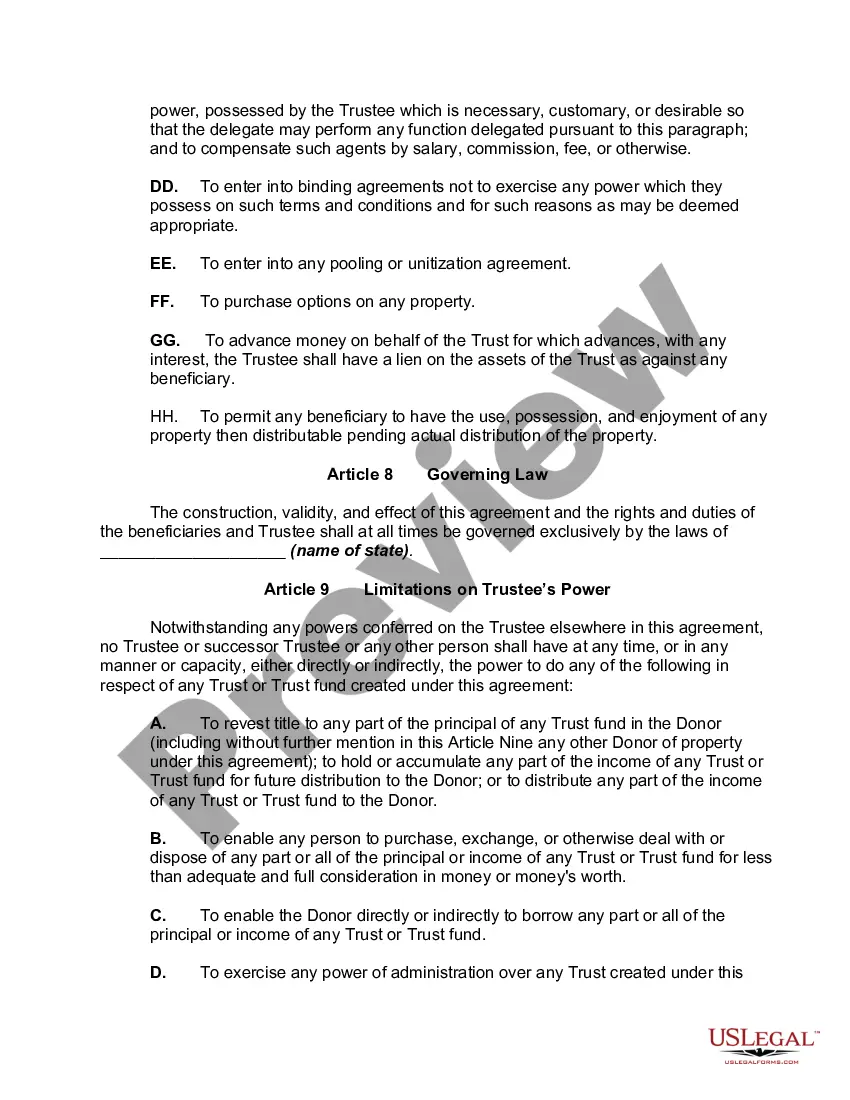
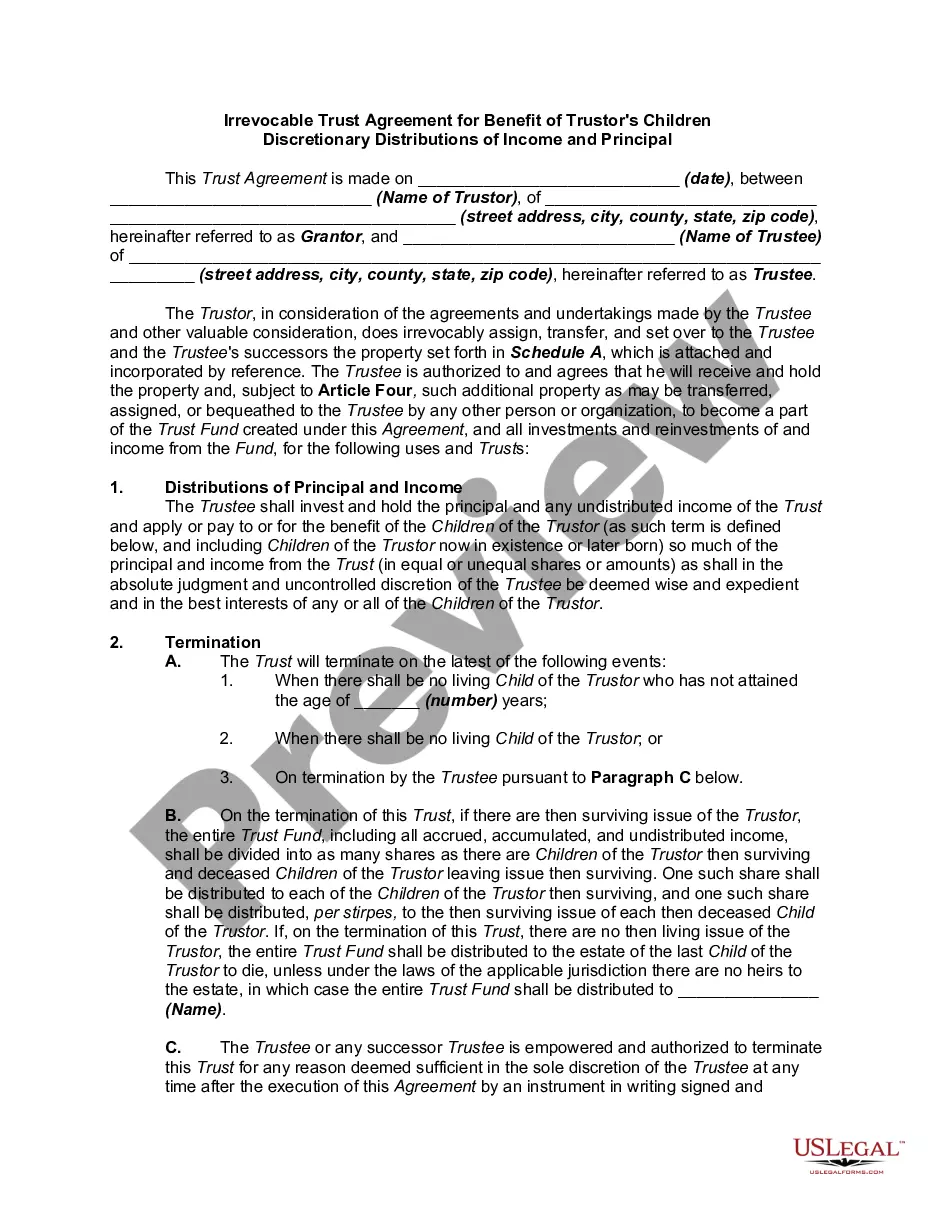
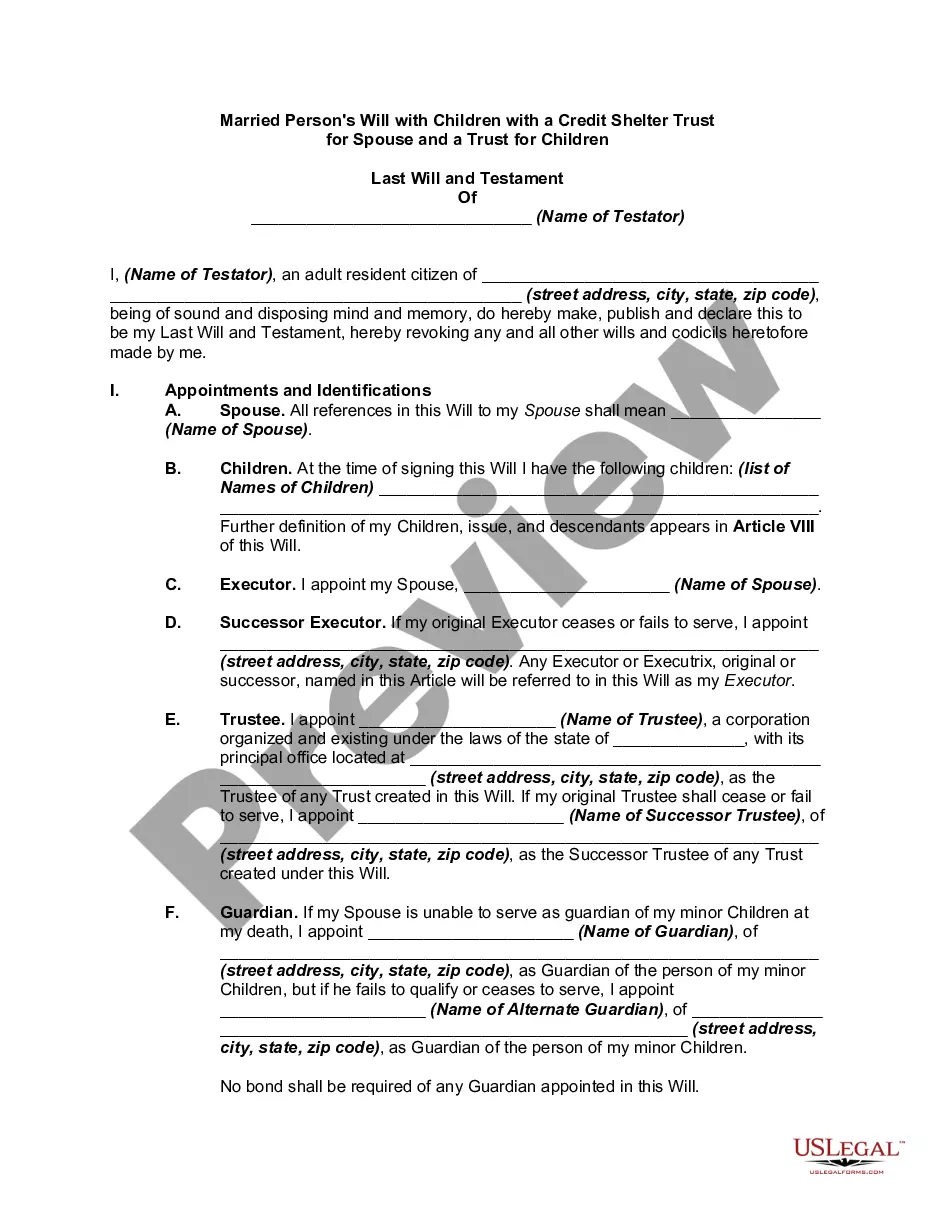
The Vivos Qtip Donors Document Withdrawal displayed on this page is a versatile legal template created by experienced attorneys in accordance with federal and local laws.
For over 25 years, US Legal Forms has offered individuals, organizations, and legal professionals more than 85,000 verified, state-specific forms for any business and personal occasion.
Subscribe to US Legal Forms to access verified legal templates for all of life's situations at your convenience.
- Search for the document you require and examine it.
- Browse through the file you searched and preview it or check the form description to confirm it meets your needs. If it does not, use the search feature to locate the correct one. Click Buy Now once you have found the template you are looking for.
- Subscribe and Log Into your account.
- Select the pricing plan that fits your needs and create an account. Use PayPal or a credit card to make a quick payment. If you already possess an account, Log In and view your subscription to continue.
- Obtain the fillable template.
Form popularity
FAQ
Yes, a QTIP trust is typically included in the surviving spouse's estate. This inclusion occurs because the trust assets are considered part of the surviving spouse’s estate for estate tax purposes. However, the surviving spouse may benefit from potential tax advantages, especially with proper planning. You should consider the Vivos qtip donors document withdrawal strategies to help optimize your estate planning.
Qualified terminable interest trusts (QTIP trusts) are an estate planning tool used to maximize a couple's applicable exclusion amounts while qualifying for the marital deduction. Full property interest transfers to spouses do not trigger most gift or estate taxes under the marital deduction.
If you give someone cash or property valued at more than the 2023 annual exclusion limit of $17,000 ($34,000 for married joint filers), you'll have to fill out Form 709 for gift tax purposes.
First, complete the General Information section on part one of the form. Line 12 would also allow you to check off on whether you and your spouse made joint gifts for the tax year. If not, you may skip lines 13 through 18. Note that your spouse must also sign Form 709 in the appropriate spot if you made joint gifts.
The surviving spouse named within a QTIP trust typically receives payments from the trust based on the income the trust generates, similar to stock dividends. Payments can be made from the principal if the grantor allows it when the trust is created.
A reverse QTIP trust operates the same way as a QTIP trust, with the exception being the decedent allocates his or her remaining generation-skipping transfer (GST) tax exemption to the assets funding the reverse QTIP trust.