Trust Spouses Death With Dignity
Description
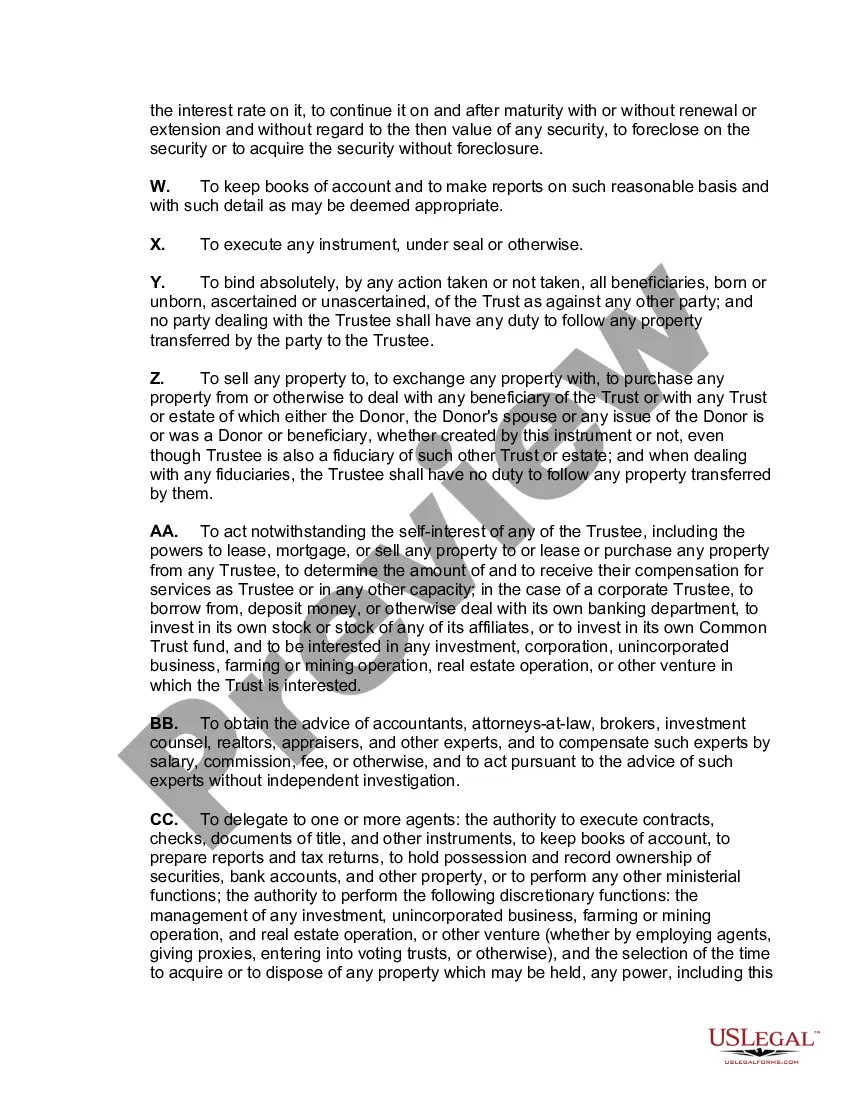
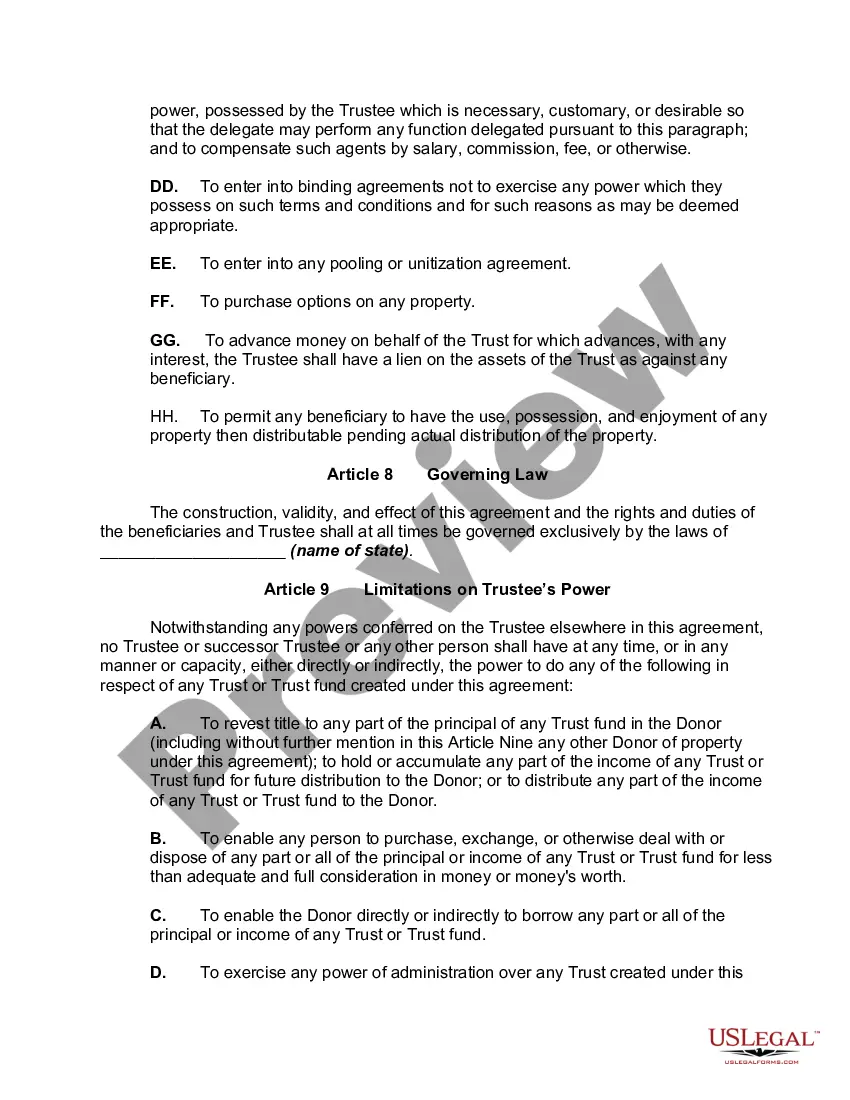

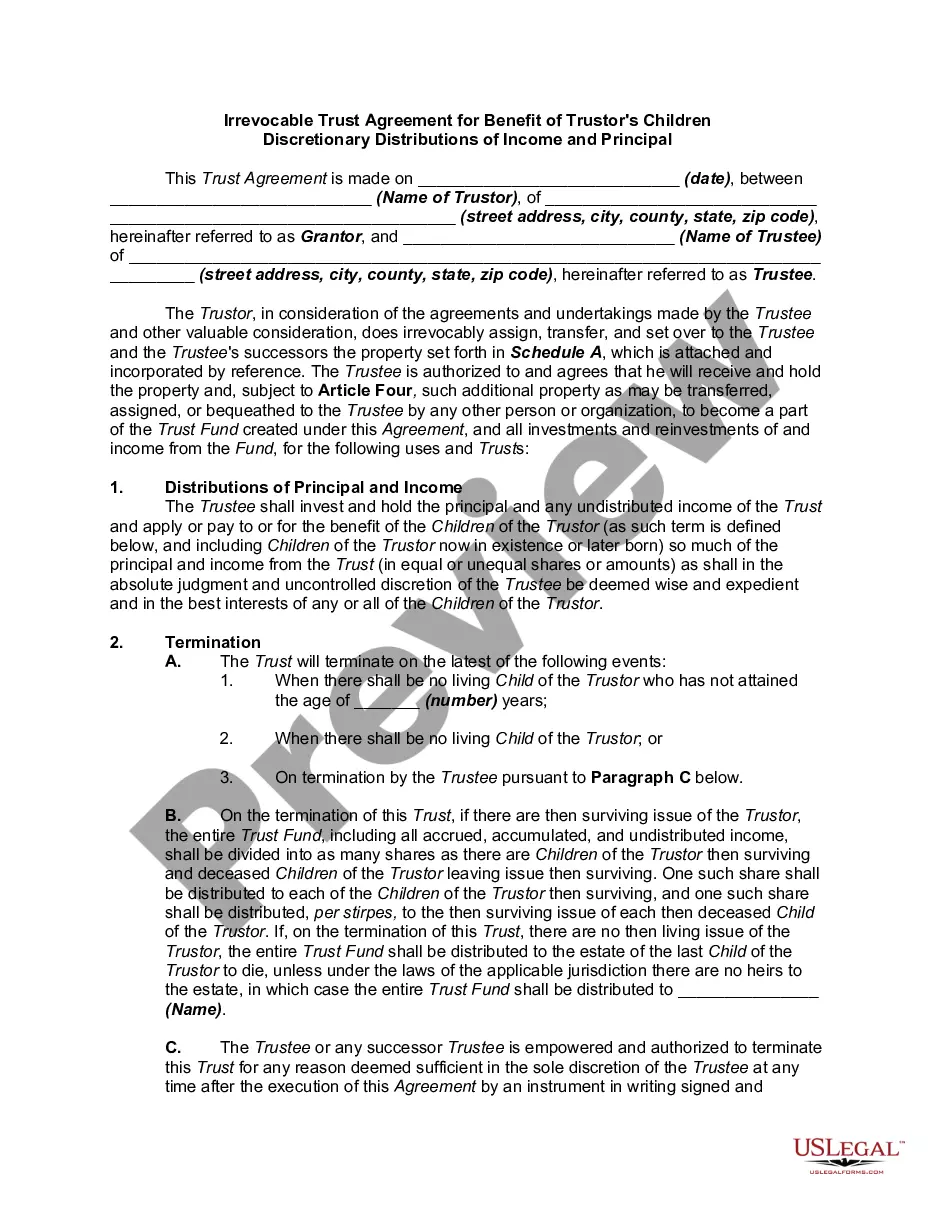
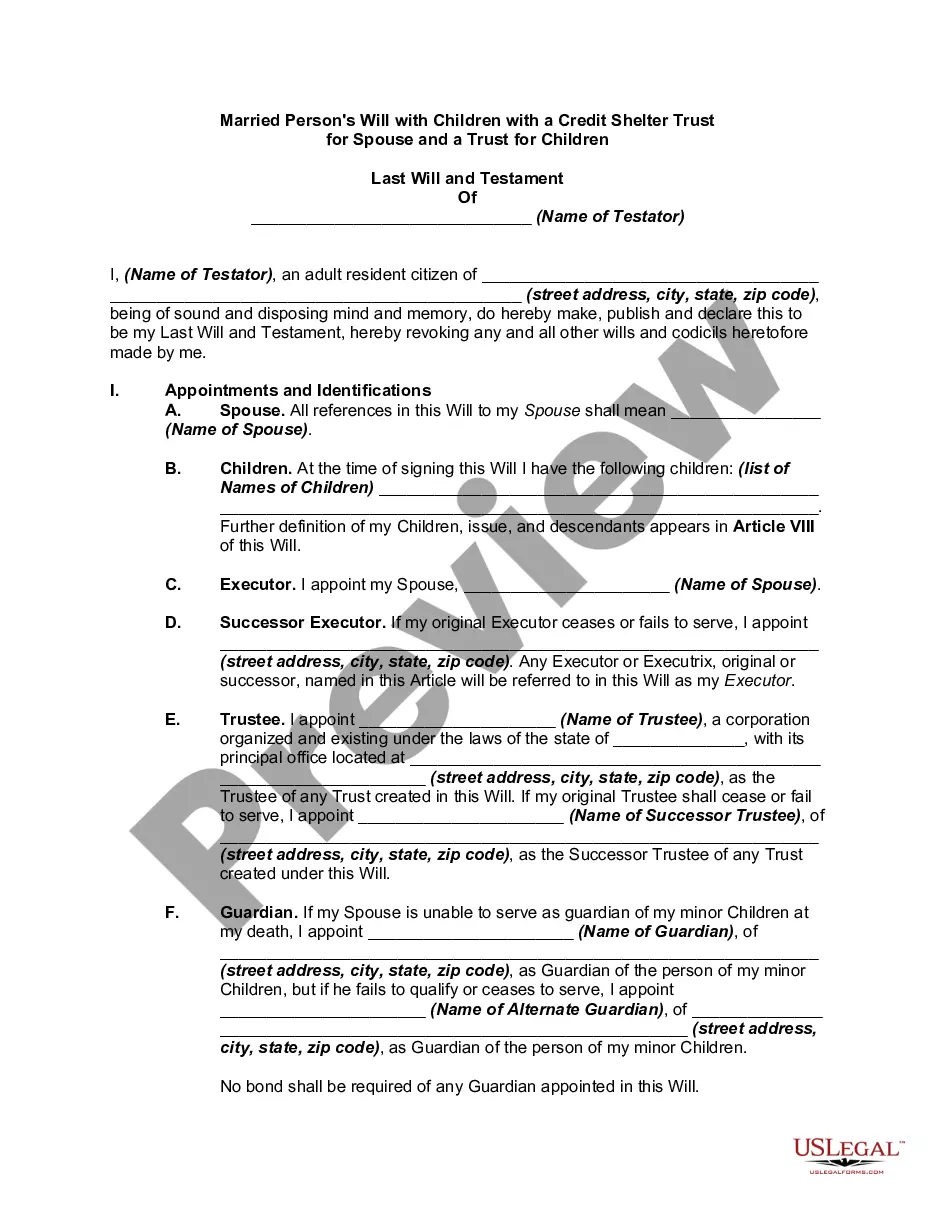
Get your form ready online
Our built-in tools help you complete, sign, share, and store your documents in one place.
Make edits, fill in missing information, and update formatting in US Legal Forms—just like you would in MS Word.
Download a copy, print it, send it by email, or mail it via USPS—whatever works best for your next step.
Sign and collect signatures with our SignNow integration. Send to multiple recipients, set reminders, and more. Go Premium to unlock E-Sign.
If this form requires notarization, complete it online through a secure video call—no need to meet a notary in person or wait for an appointment.
We protect your documents and personal data by following strict security and privacy standards.

Make edits, fill in missing information, and update formatting in US Legal Forms—just like you would in MS Word.

Download a copy, print it, send it by email, or mail it via USPS—whatever works best for your next step.

Sign and collect signatures with our SignNow integration. Send to multiple recipients, set reminders, and more. Go Premium to unlock E-Sign.

If this form requires notarization, complete it online through a secure video call—no need to meet a notary in person or wait for an appointment.

We protect your documents and personal data by following strict security and privacy standards.
Looking for another form?
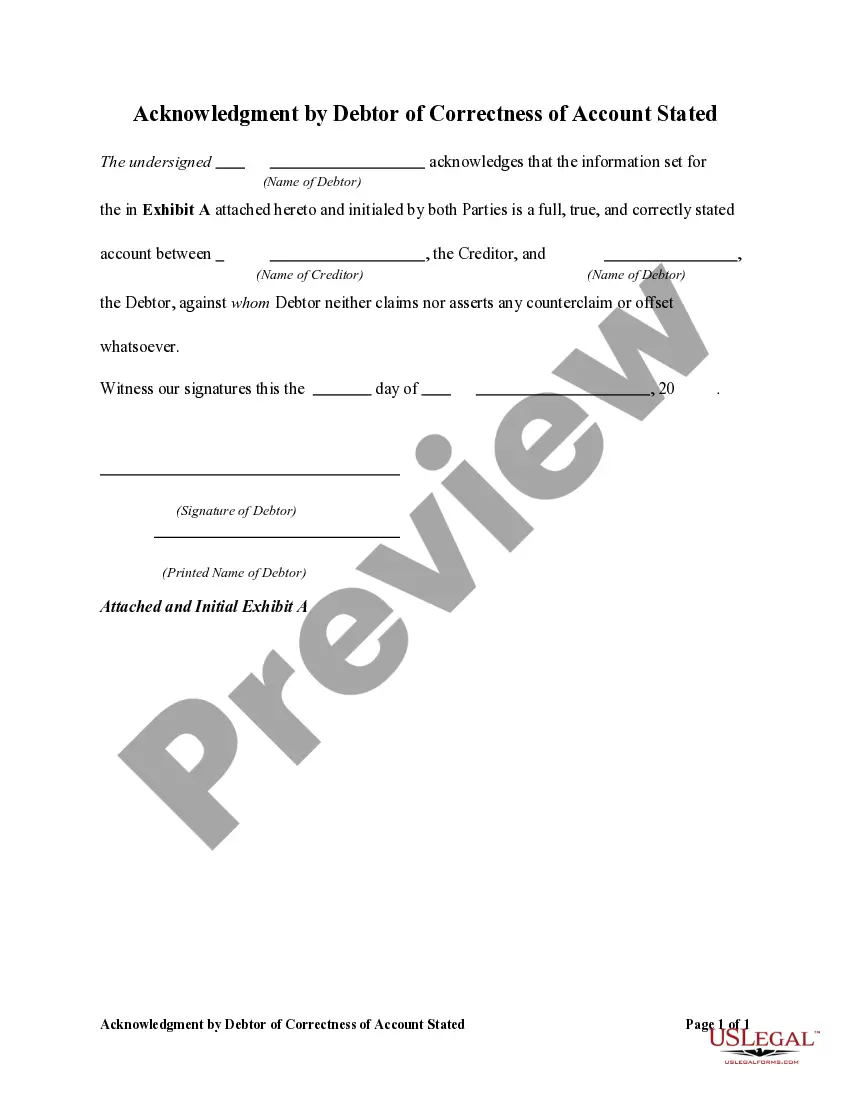
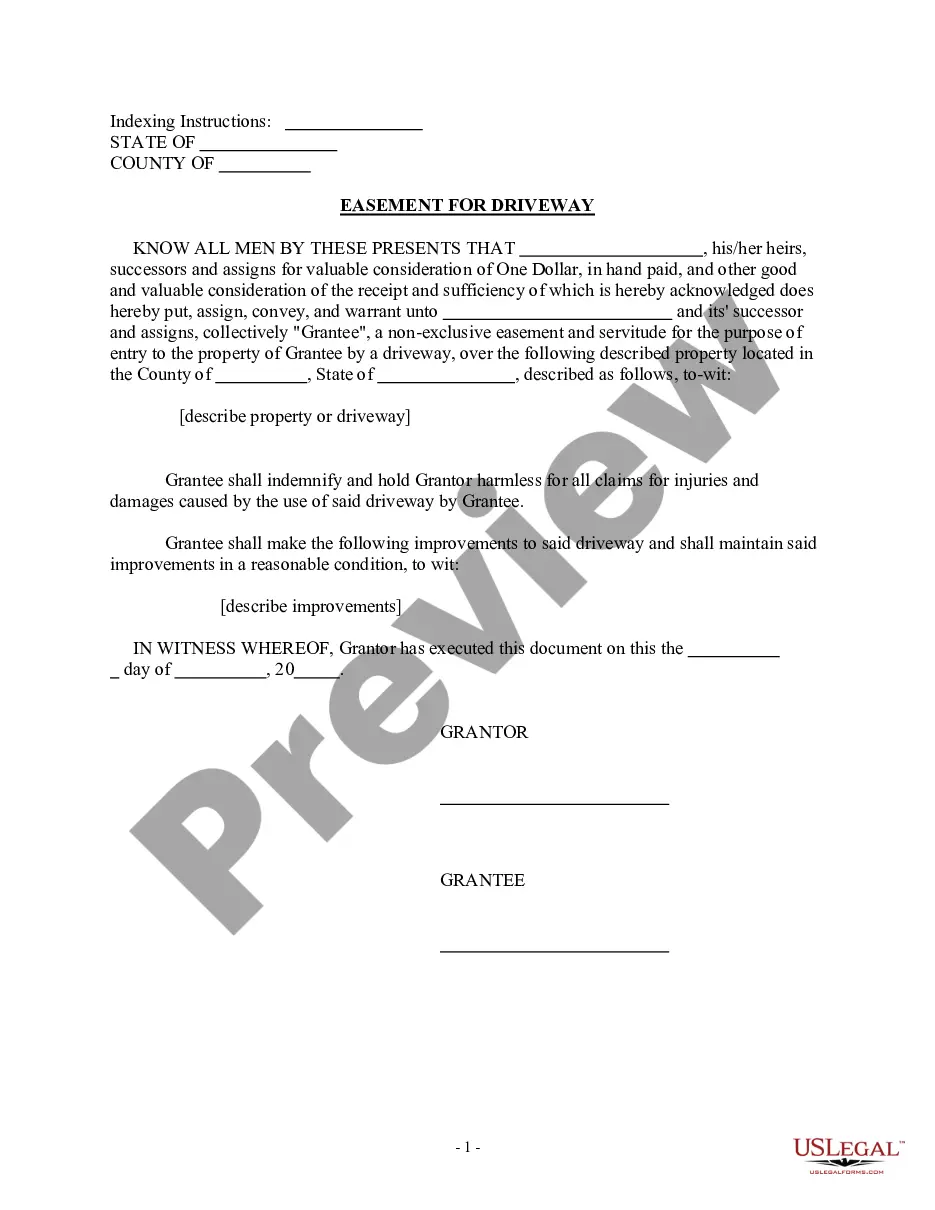


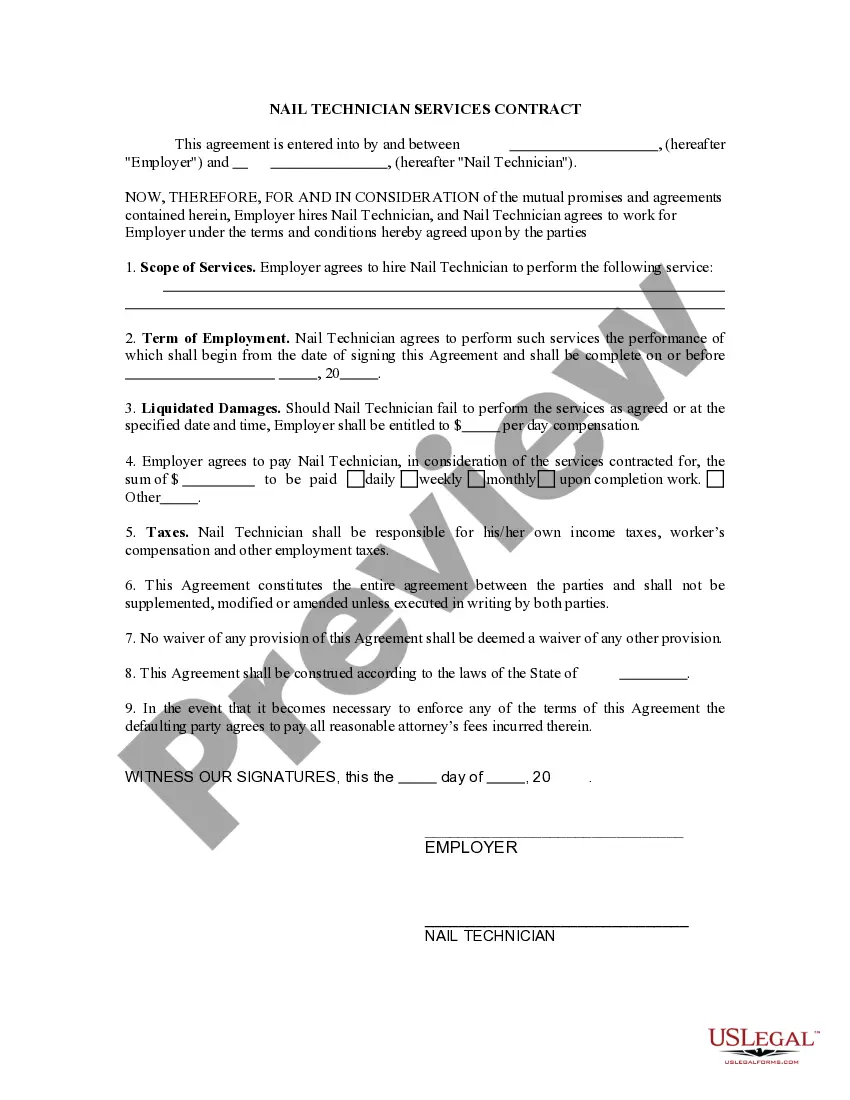
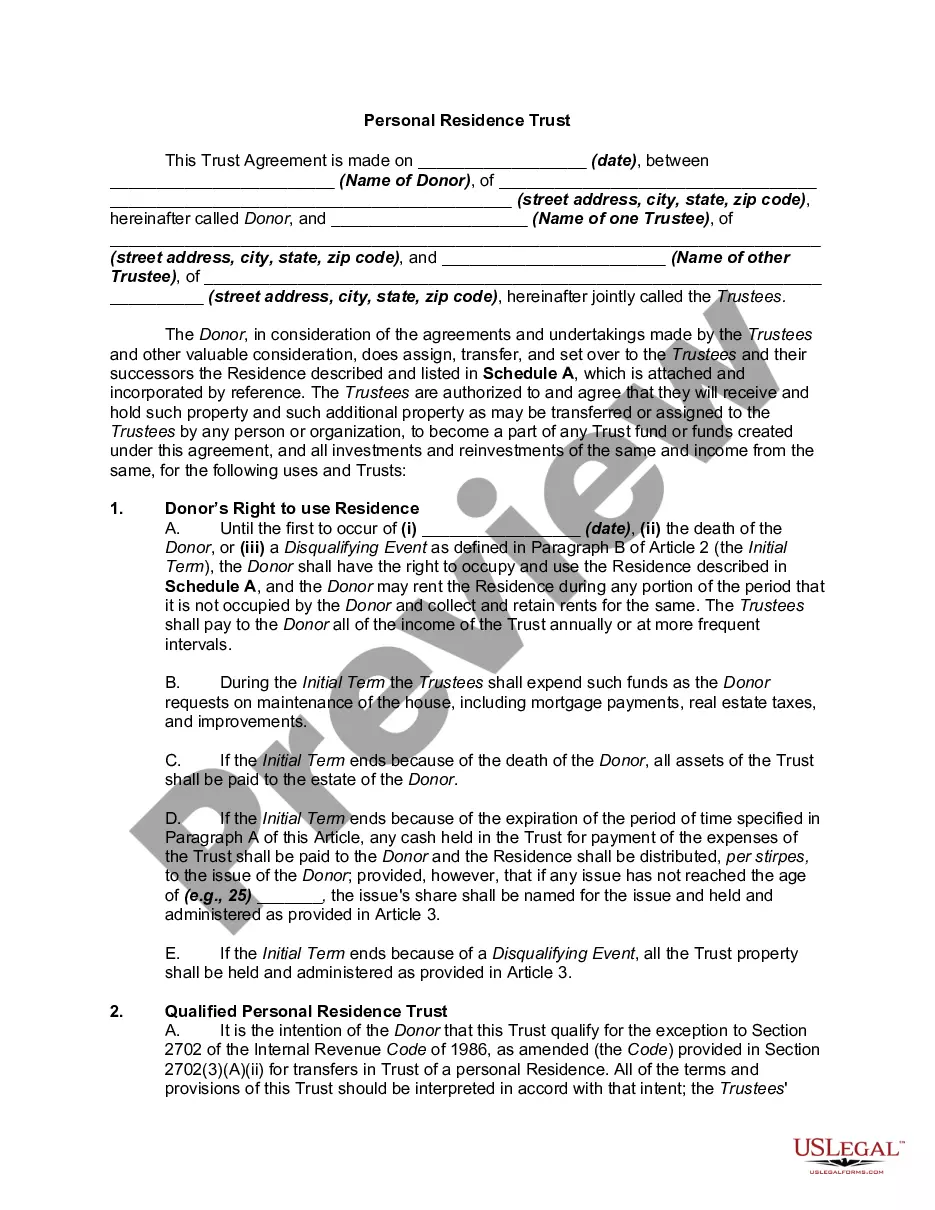
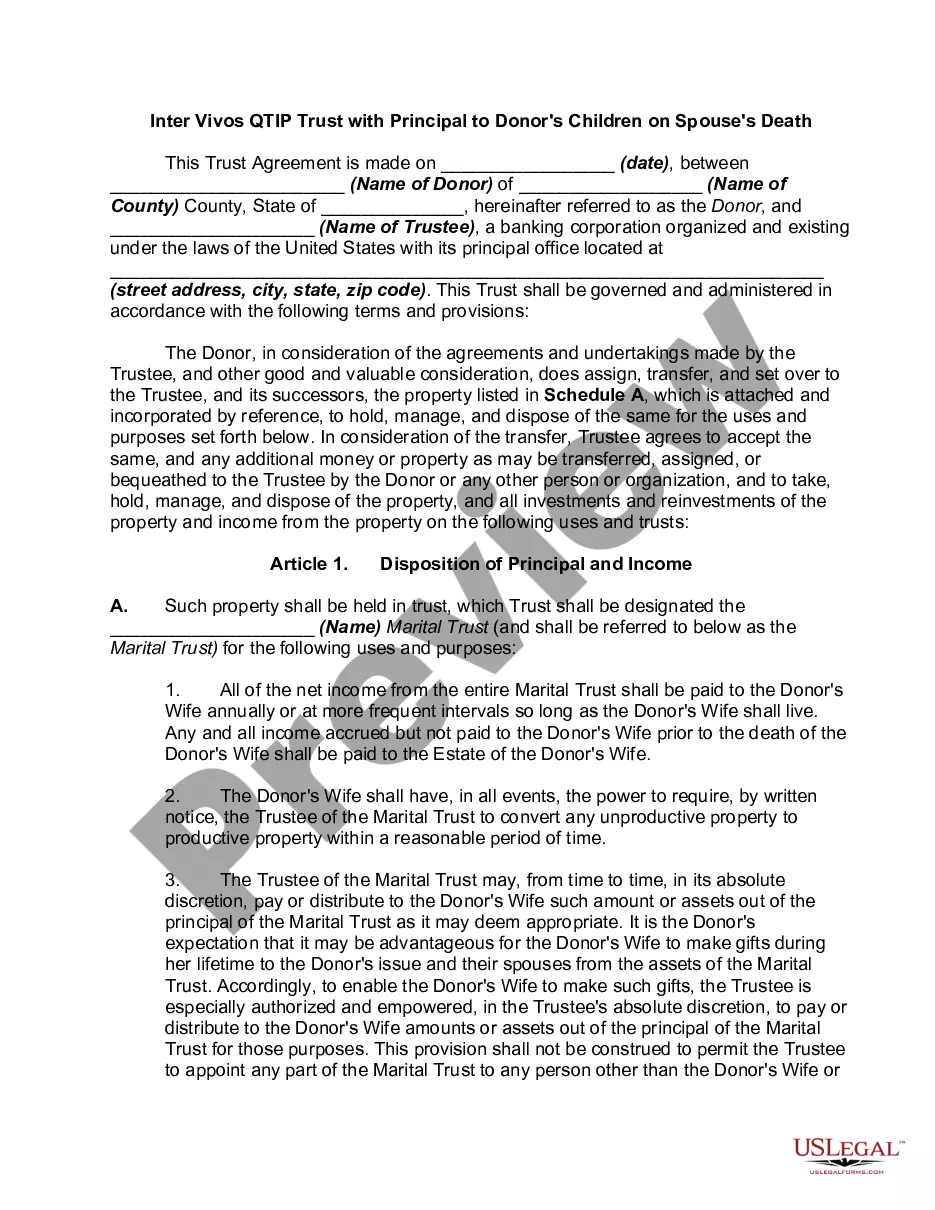
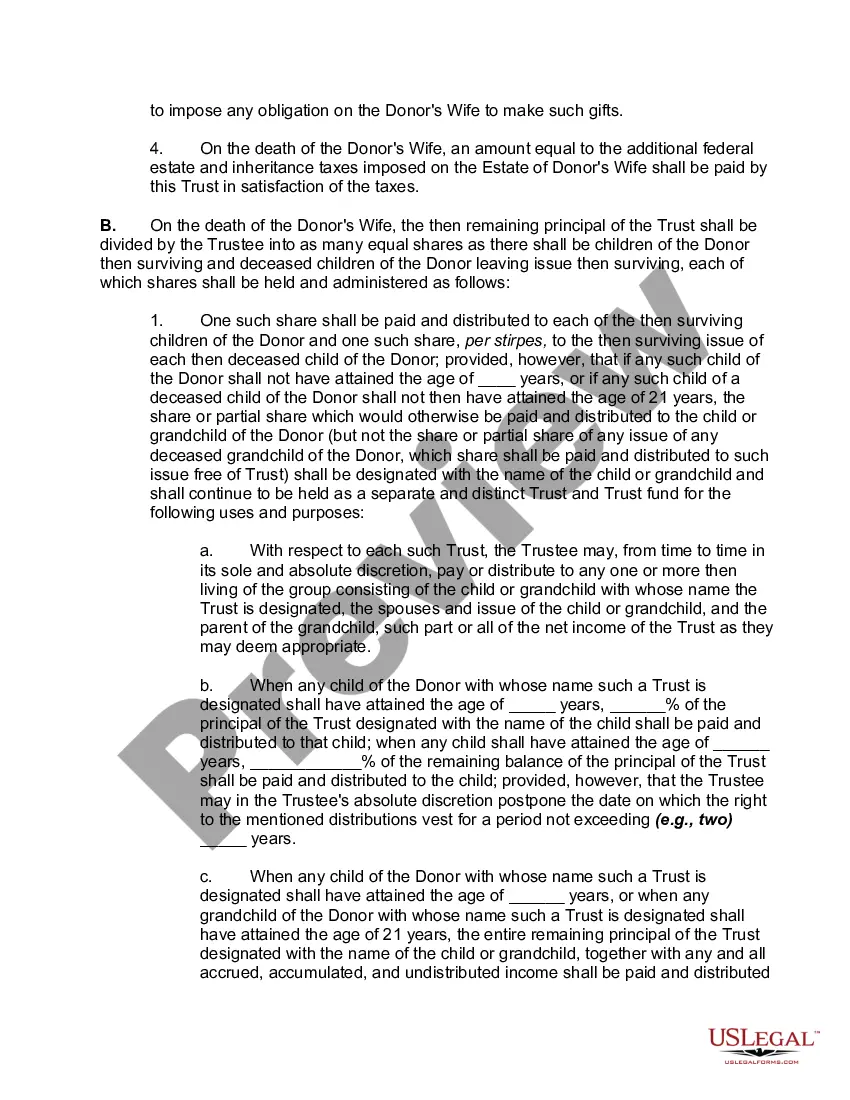
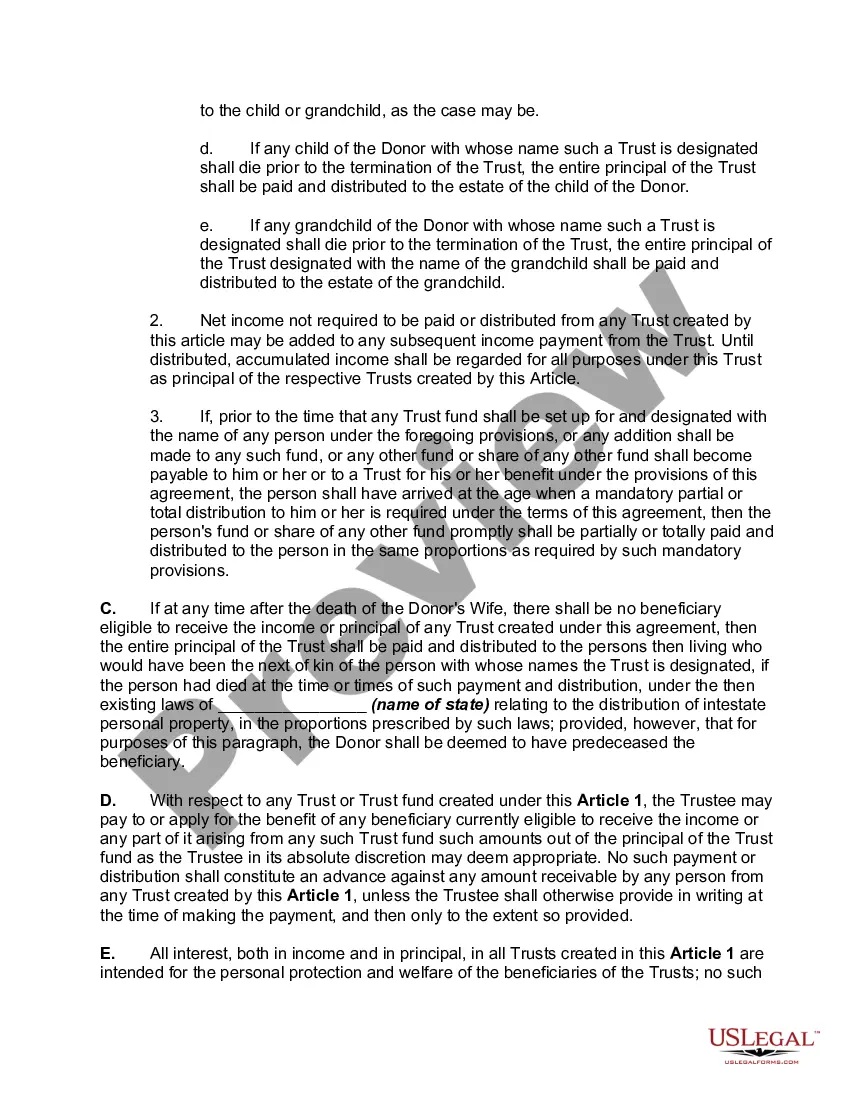
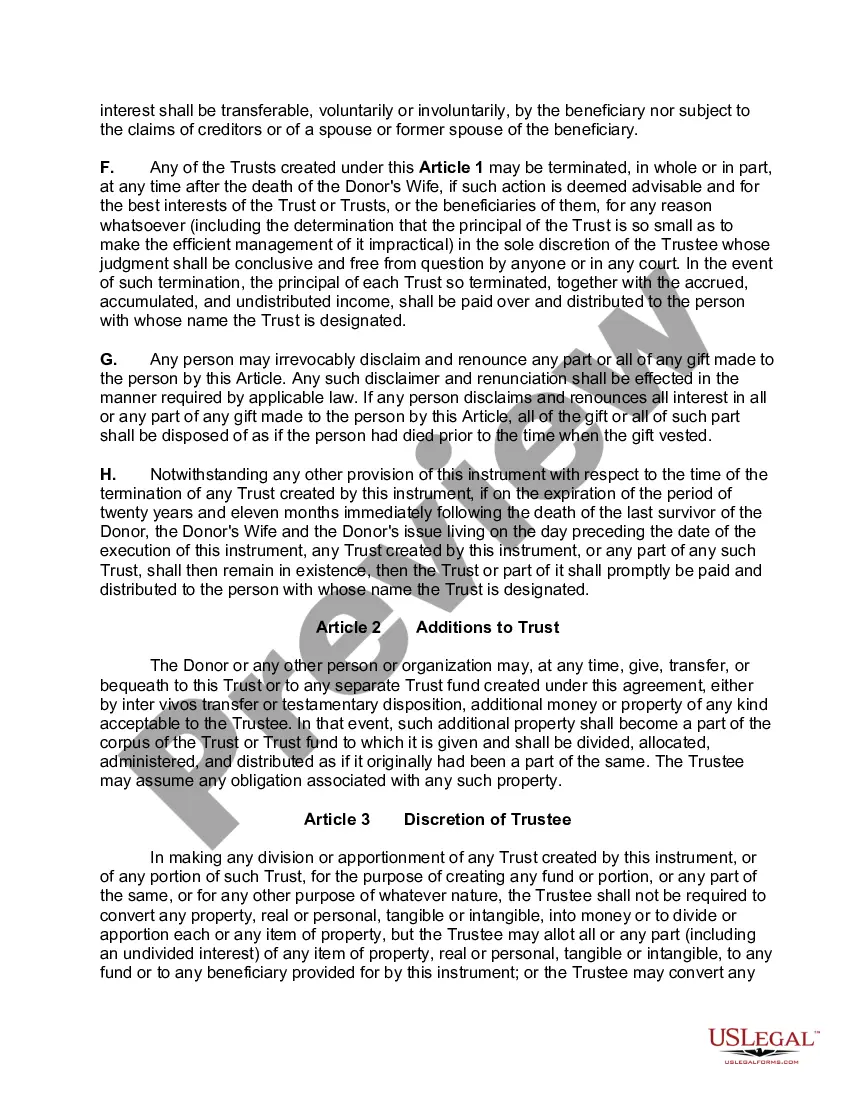
How to fill out Inter Vivos QTIP Trust With Principal To Donor's Children On Spouse's Death?
- If you are a returning user, log into your account and select the necessary form template. Ensure your subscription is active, and renew if needed.
- For first-time users, start by previewing and reviewing the form descriptions. Make sure to select the template that fits your requirements and complies with local jurisdiction laws.
- If you need other forms, utilize the Search feature to locate additional templates that meet your criteria. Confirm their suitability before proceeding.
- To purchase the document, click the Buy Now button and select your desired subscription plan. You'll need to create an account for full access.
- Complete your purchase by entering your payment details, either via credit card or PayPal, to secure your subscription.
- Download the form to your device for easy access anytime. You can find it later in the My Forms section of your profile.
By following these steps, you ensure that your forms are ready, complying with legal standards and tailored to your spouse's wishes. Remember, US Legal Forms provides an extensive library of over 85,000 forms, giving you the resources you need for every situation.
Start your journey today by accessing US Legal Forms and ensure peace of mind regarding your spouse's end-of-life wishes.
Form popularity
FAQ
When you think about the qualifications to trust spouses death with dignity, various criteria come into play. Generally, the person must be a resident of a state that allows death with dignity laws, be of legal age, and have a terminal illness. Importantly, they should also demonstrate mental competence to make this decision. Familiarizing yourself with state regulations can provide clarity.
An example of Death with Dignity could involve a patient in hospice care who, facing a terminal illness, opts for medication to peacefully reduce their suffering. This decision, made with the support of their family and healthcare team, allows them to trust spouses death with dignity. It emphasizes the importance of having control over one's own life and leaving on a note that feels right for them.
Dying with dignity can be illustrated by a person who, after consulting with their loved ones and medical professionals, decides to end their life on their own terms, minimizing pain and suffering. This choice reflects their desire to trust spouses death with dignity, ensuring they leave life in a way that aligns with their values. Such an approach fosters comfort and peace for both the individual and their family.
To qualify for death with dignity, an individual typically must be terminally ill and able to make informed decisions about their care. This option allows those who want to trust spouses death with dignity to choose a peaceful and controlled end to their life, rather than facing prolonged suffering. Medical evaluations and specific legal requirements also play a critical role in this process.
Losing dignity can occur in many situations, such as suffering from debilitating medical conditions without the ability to communicate or make choices. It often means feeling powerless and dependent on others for basic needs. By considering the option to trust spouses death with dignity, individuals can maintain their sense of self and autonomy even in challenging circumstances.
To trust spouses with death with dignity, certain conditions must be met. Typically, qualified individuals are adults facing terminal illnesses, where the prognosis indicates a limited time to live. Patients must also demonstrate the mental capacity to make informed decisions. Additionally, they must comply with state guidelines to ensure their choice is respected and legally recognized.
Dignitas may provide assistance, but strict criteria exist for those with dementia. The eligibility criteria underline the importance of being able to make informed decisions, as Trust spouses death with dignity must prioritize the individual's autonomy and consent. Individuals facing dementia might need to explore other avenues available under their local laws. Consulting with professionals who specialize in end-of-life care can offer clarity.
Yes, traveling to Dignitas for assisted dying is legal under Swiss law. Individuals seeking to Trust spouses death with dignity can find services that align with their values and needs. Many people seek this option when they want to take control of their end-of-life decisions. However, it is important to understand the legal implications and requirements associated with such a choice.