Trust Fftg
Description

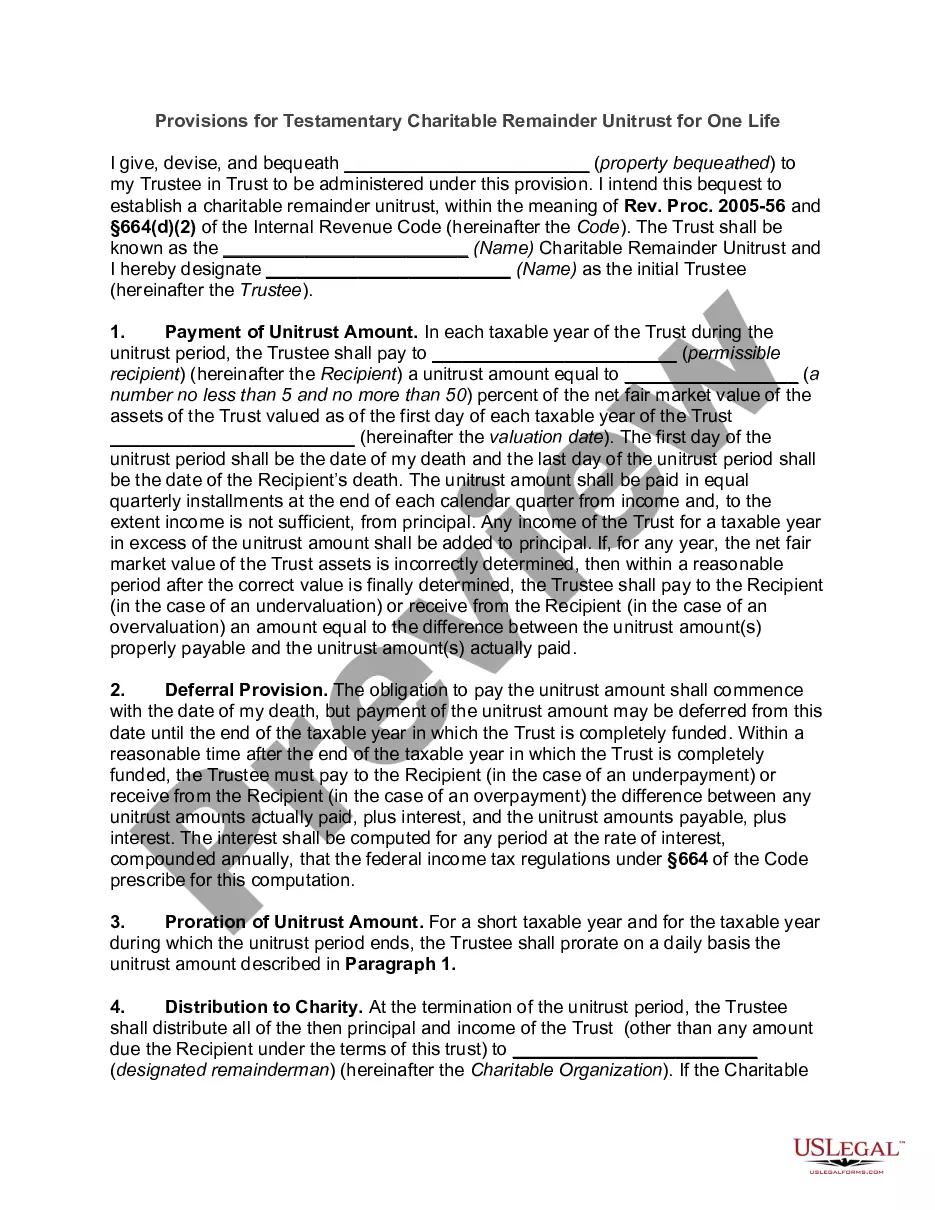
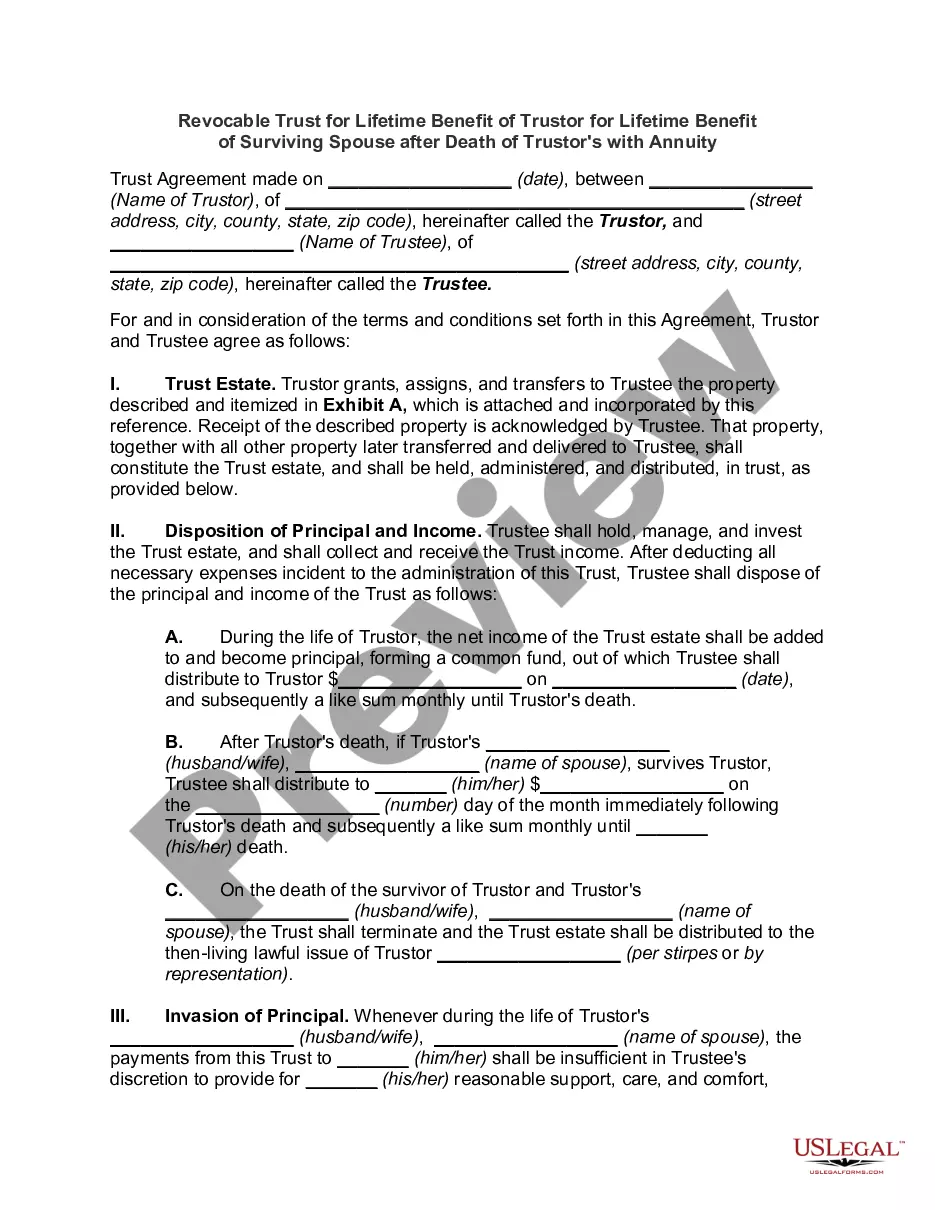
Get your form ready online
Our built-in tools help you complete, sign, share, and store your documents in one place.
Make edits, fill in missing information, and update formatting in US Legal Forms—just like you would in MS Word.
Download a copy, print it, send it by email, or mail it via USPS—whatever works best for your next step.
Sign and collect signatures with our SignNow integration. Send to multiple recipients, set reminders, and more. Go Premium to unlock E-Sign.
If this form requires notarization, complete it online through a secure video call—no need to meet a notary in person or wait for an appointment.
We protect your documents and personal data by following strict security and privacy standards.

Make edits, fill in missing information, and update formatting in US Legal Forms—just like you would in MS Word.

Download a copy, print it, send it by email, or mail it via USPS—whatever works best for your next step.

Sign and collect signatures with our SignNow integration. Send to multiple recipients, set reminders, and more. Go Premium to unlock E-Sign.

If this form requires notarization, complete it online through a secure video call—no need to meet a notary in person or wait for an appointment.

We protect your documents and personal data by following strict security and privacy standards.
Looking for another form?

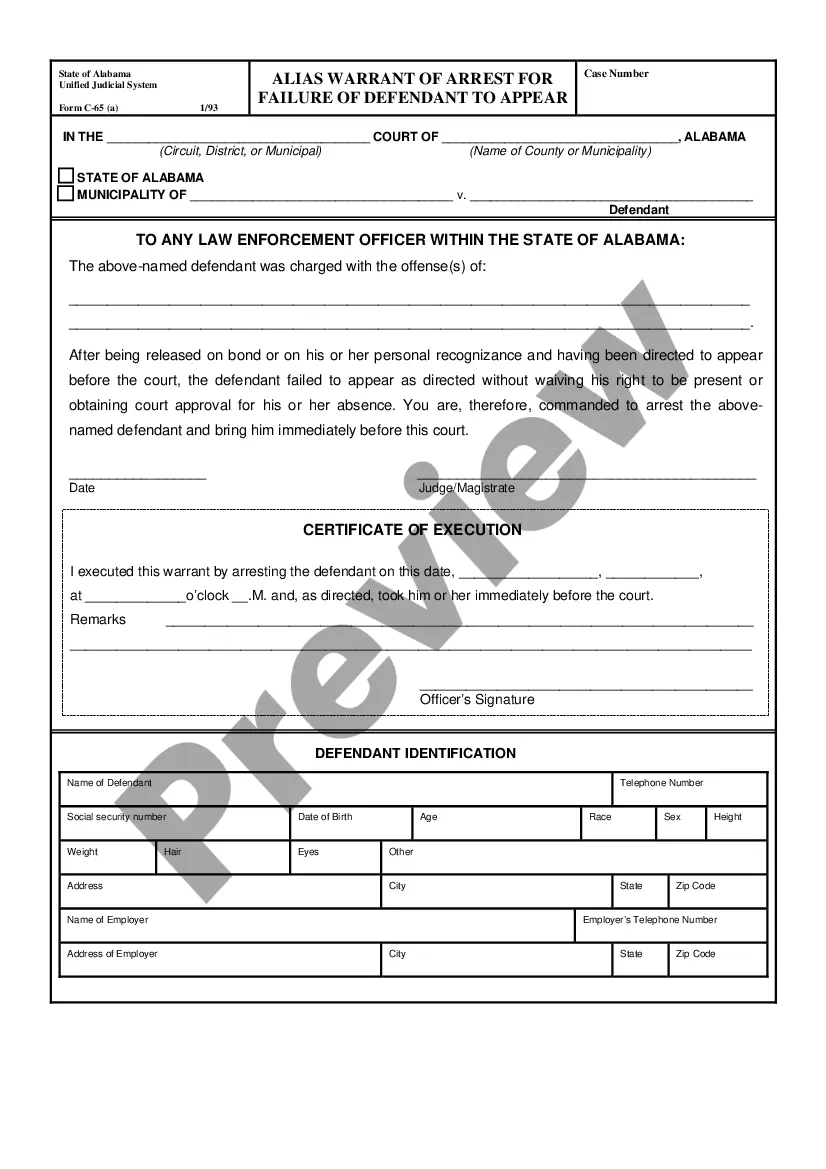





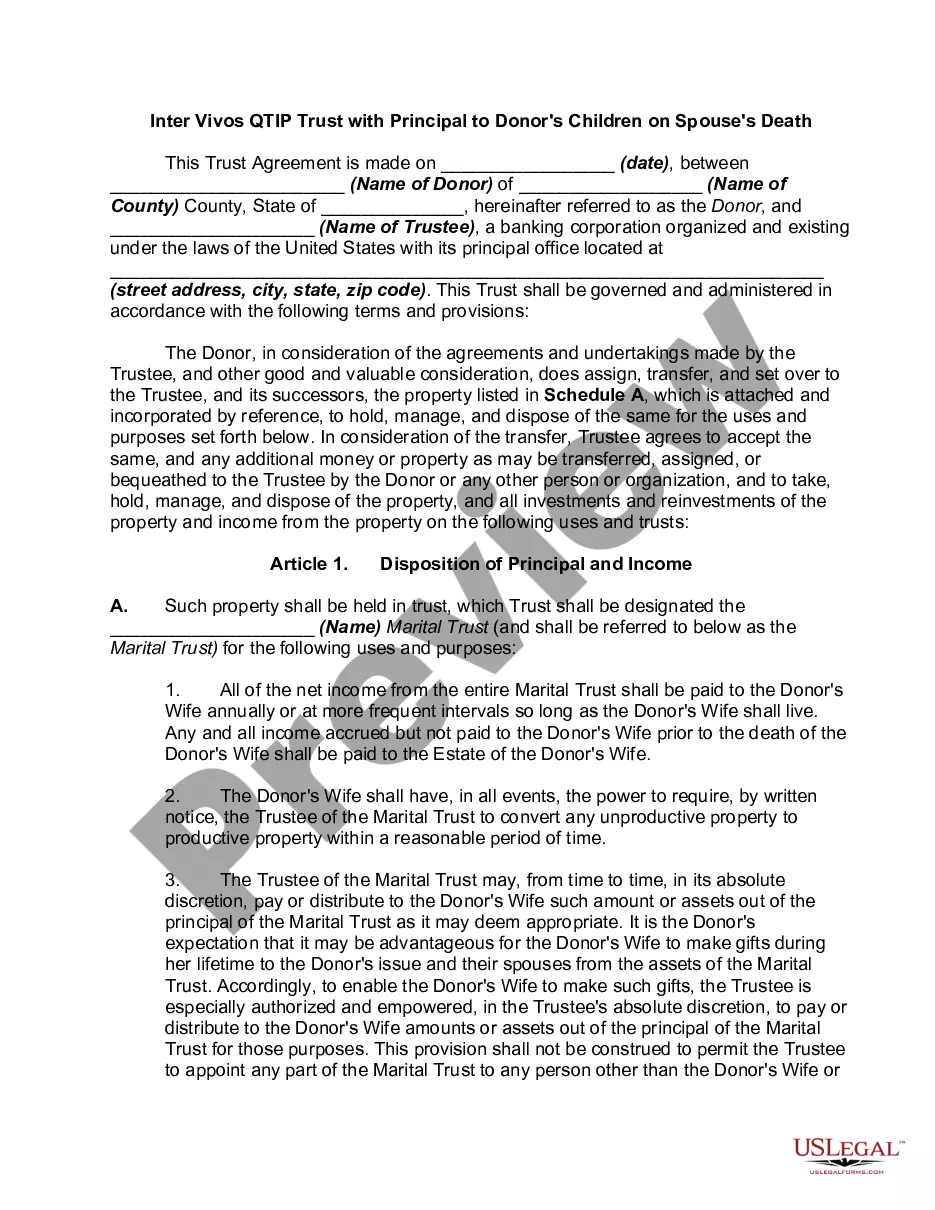
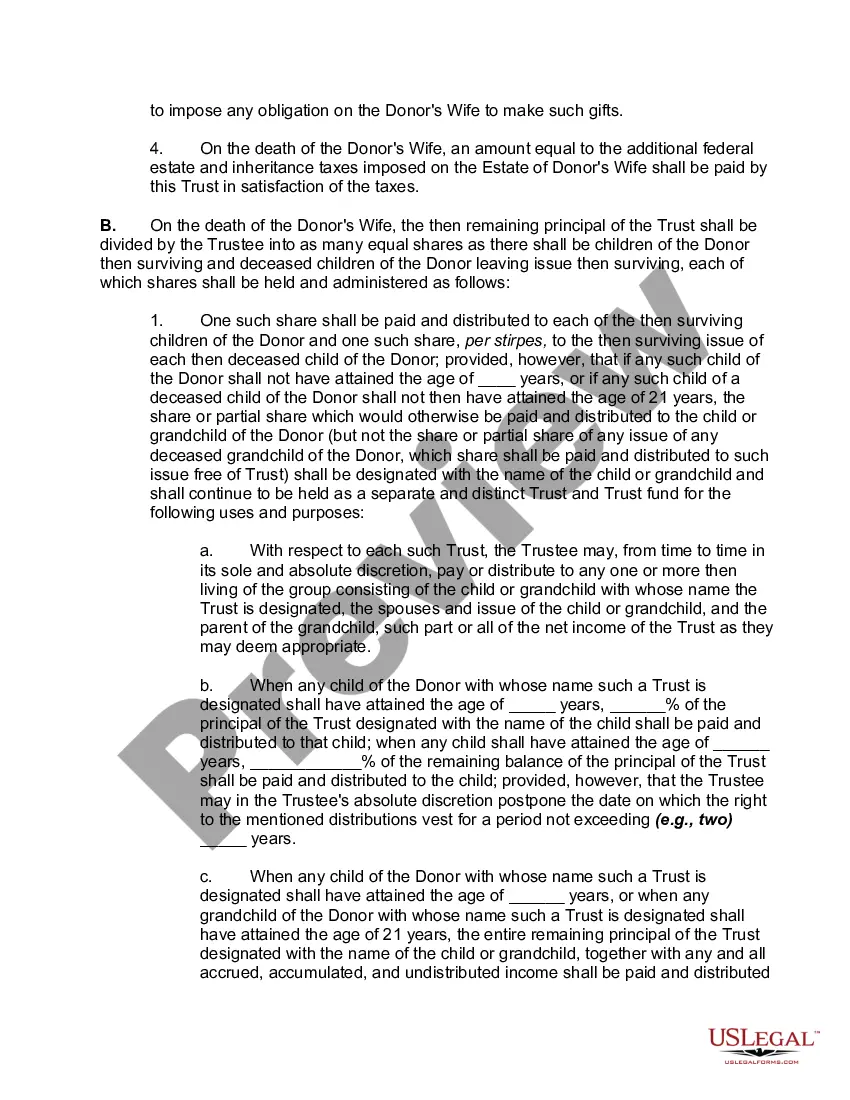
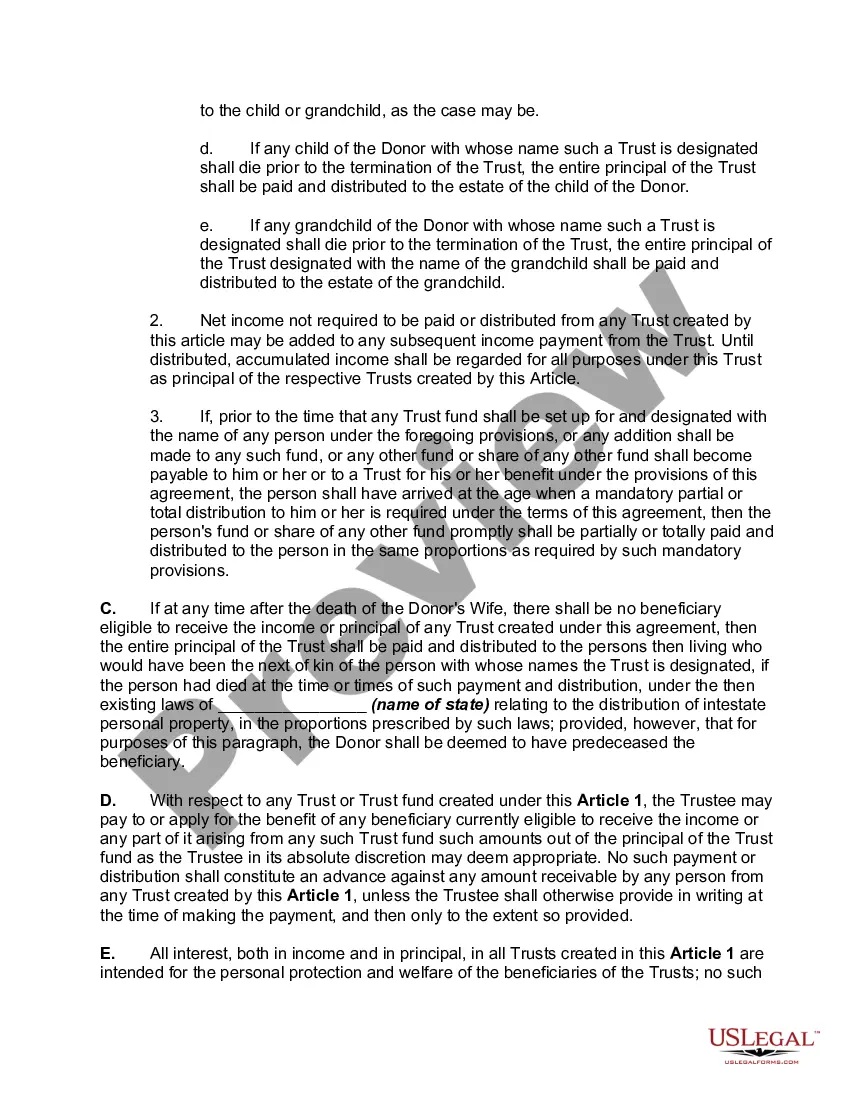
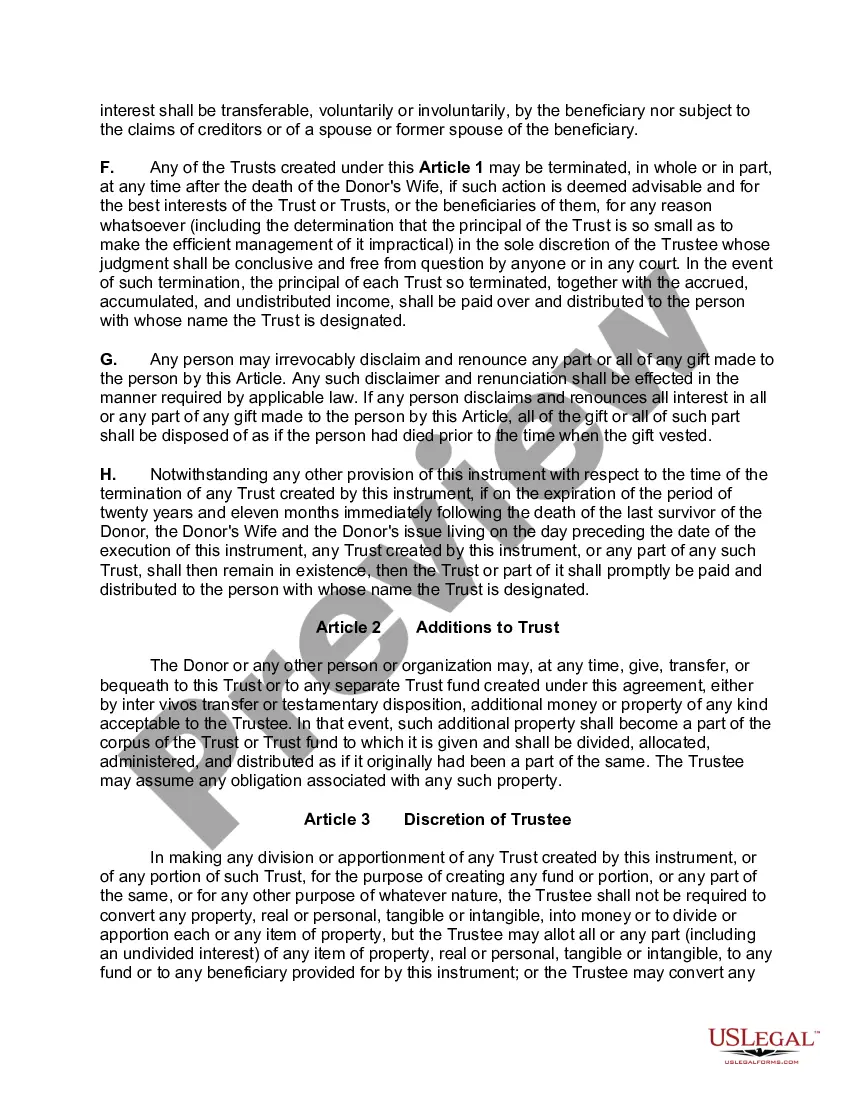
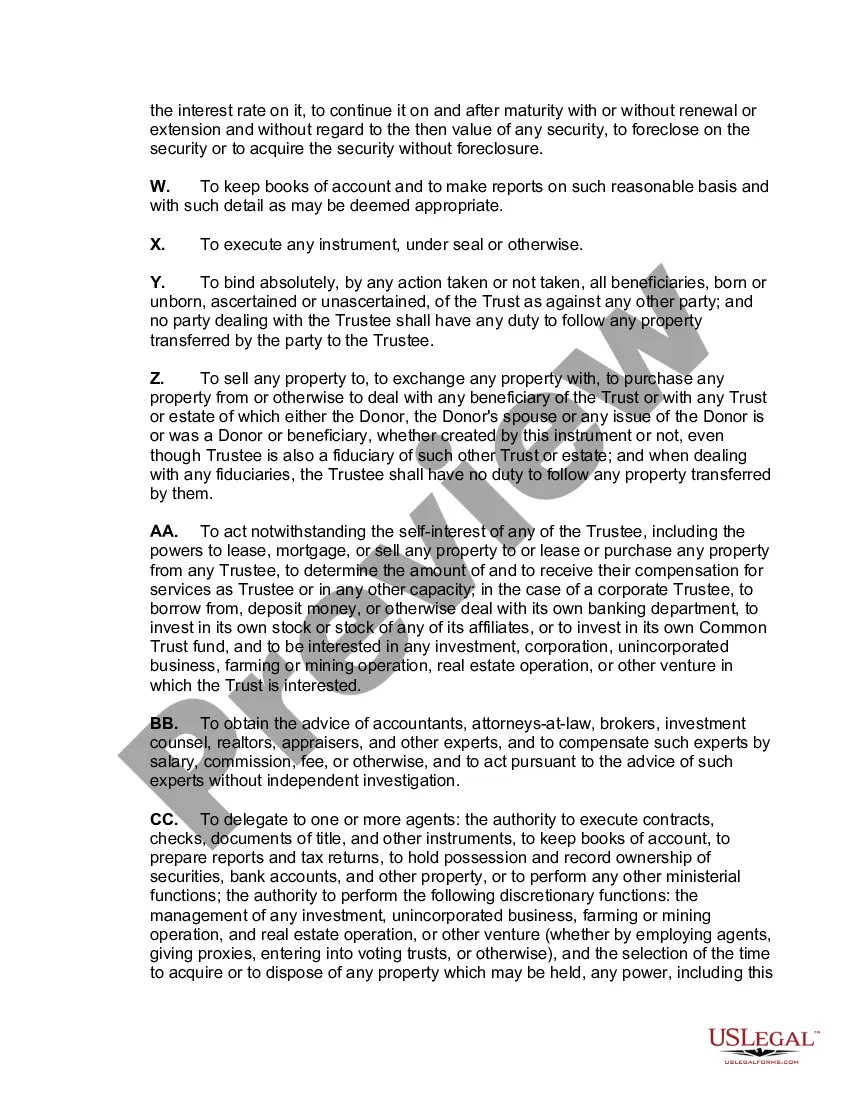
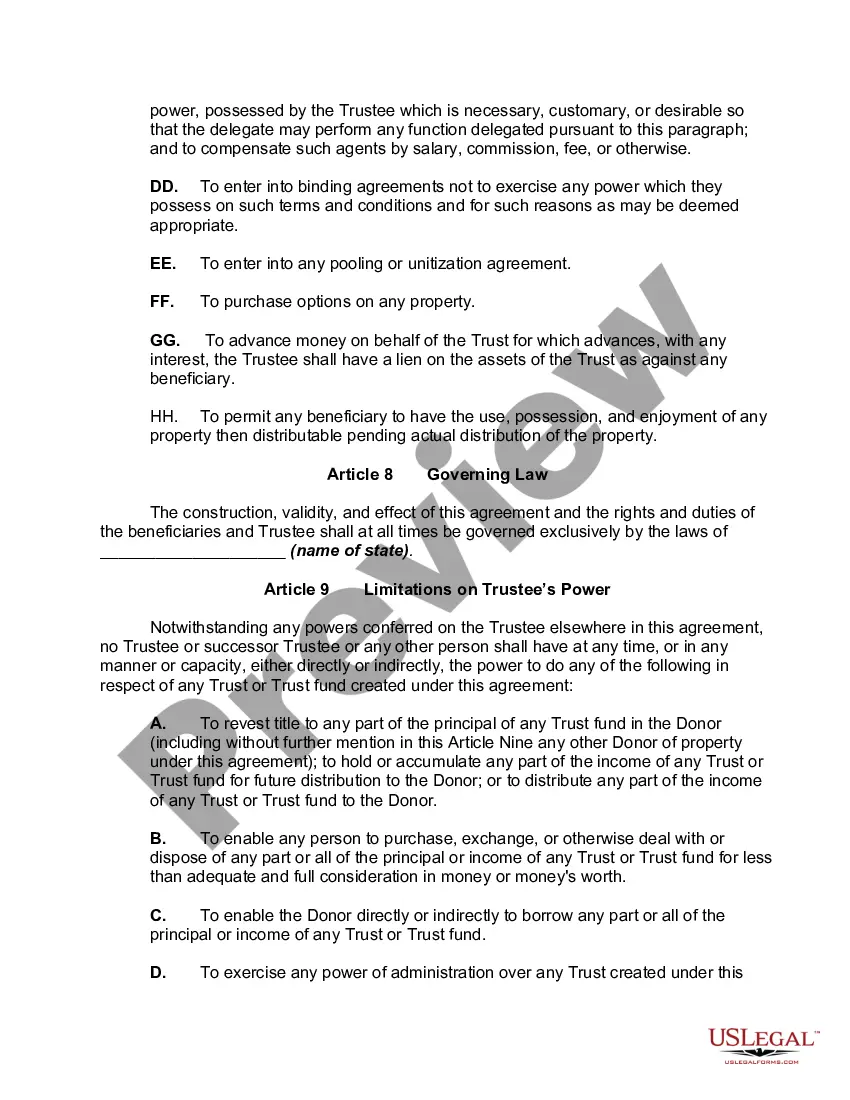
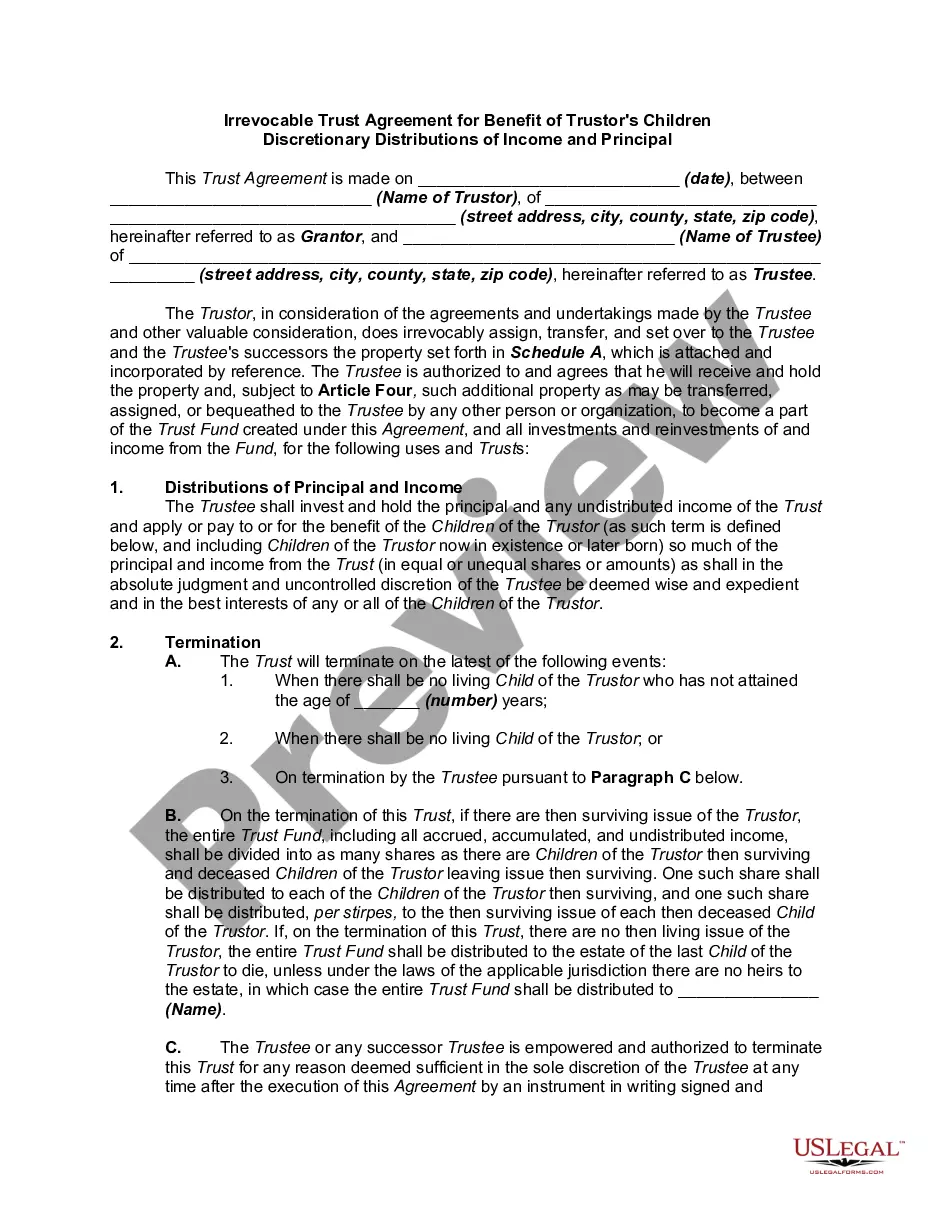
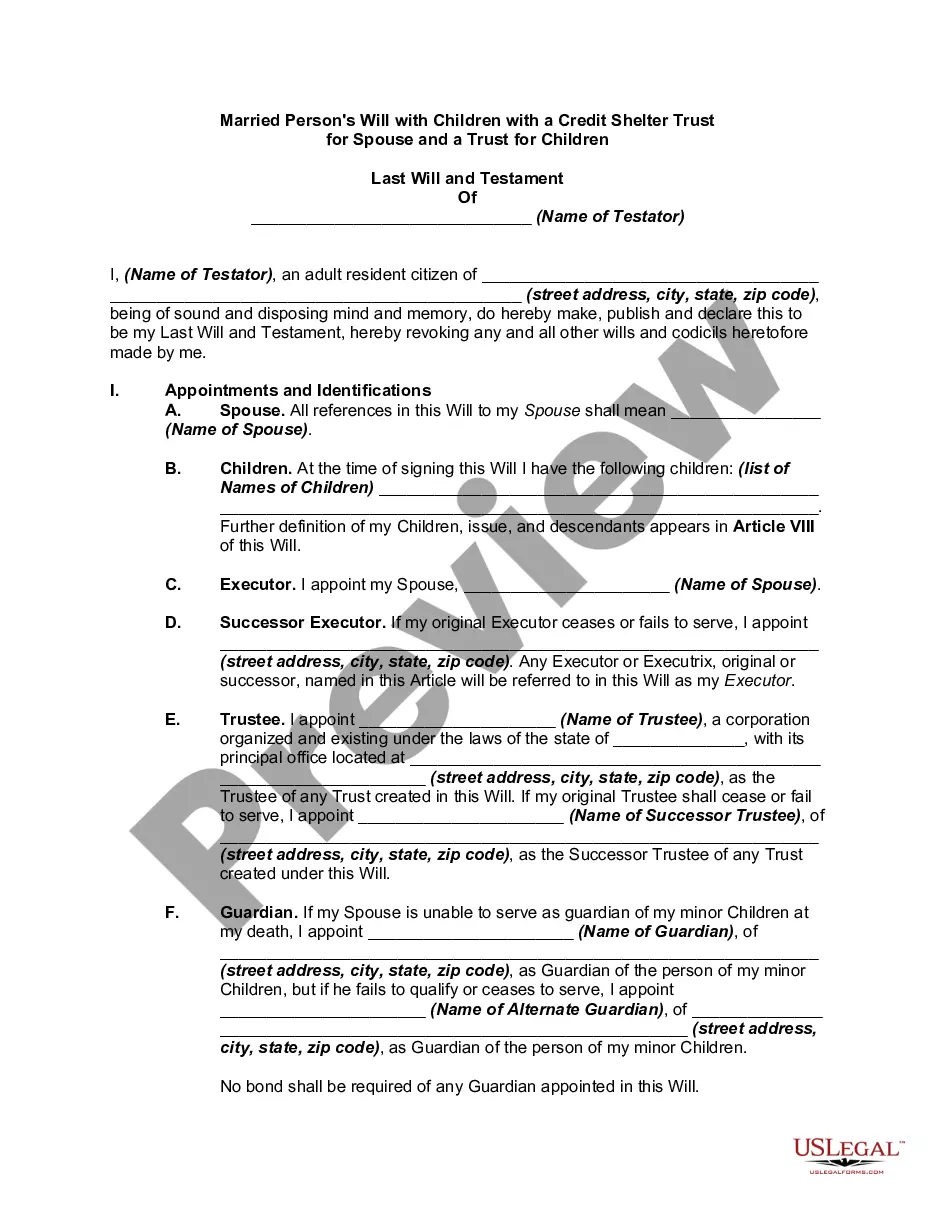
How to fill out Inter Vivos QTIP Trust With Principal To Donor's Children On Spouse's Death?
- If you have an existing account, log in and ensure your subscription is active. Click on the Download button to save your required form template.
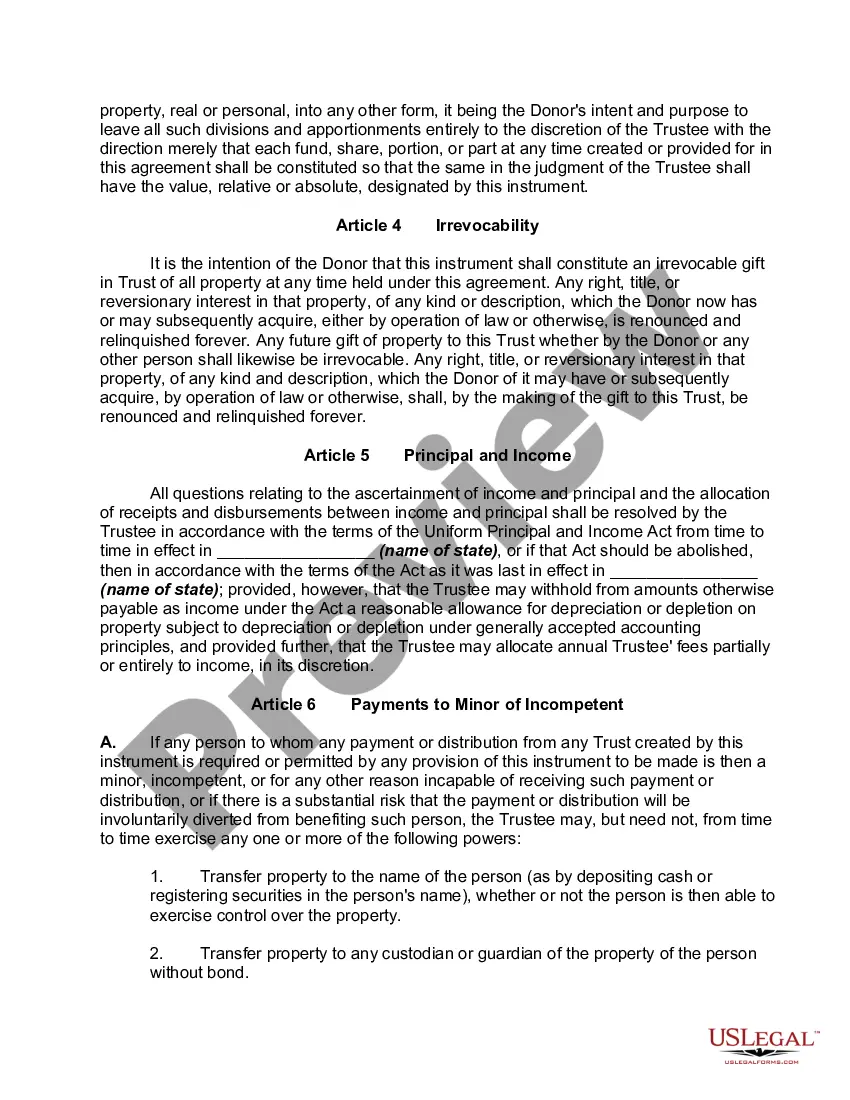
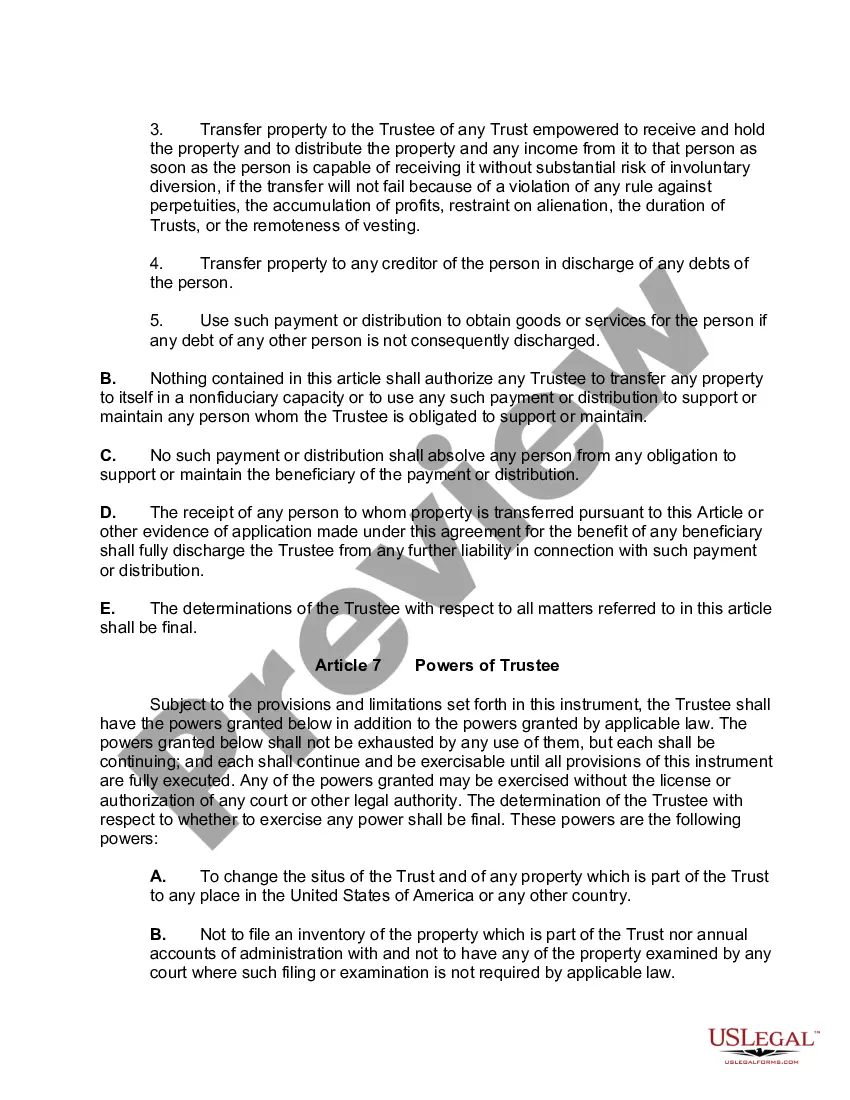
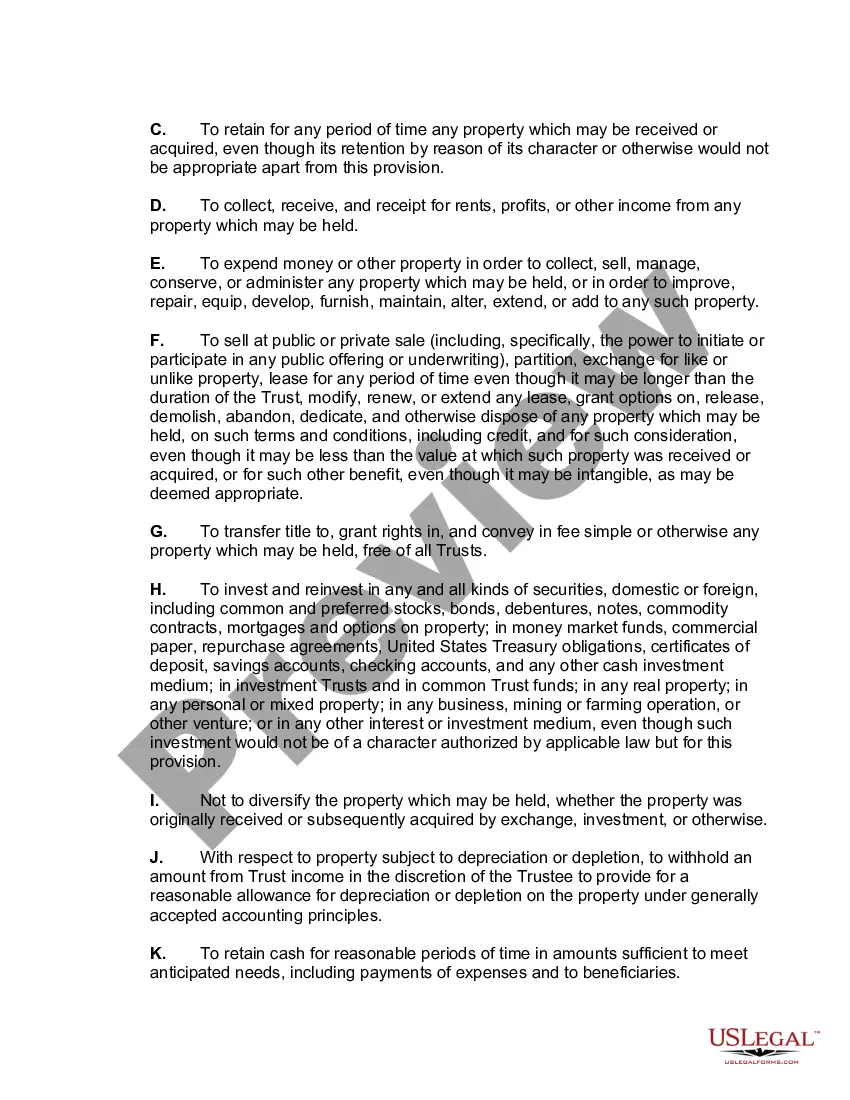
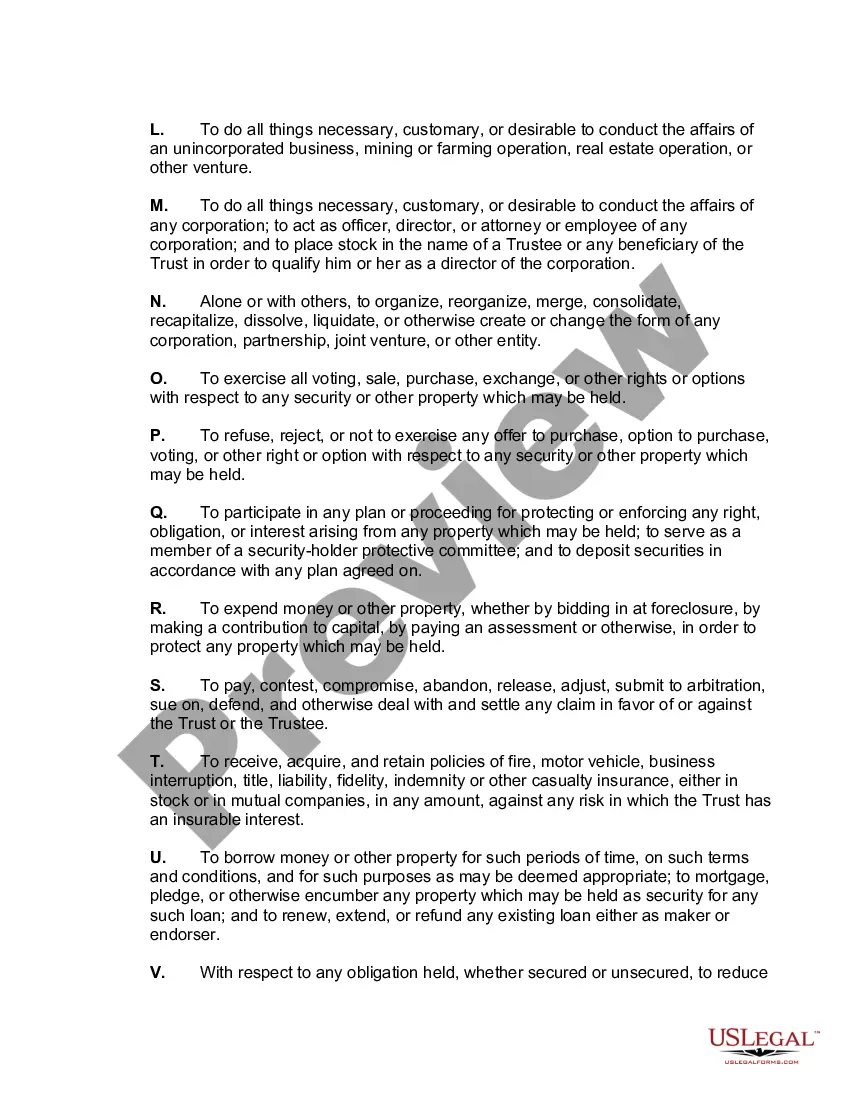
- If you’re new, start by exploring the Preview mode and reading the form description. Ensure the chosen document meets your specific needs and adheres to local jurisdiction requirements.
- Should you need a different form, utilize the Search tab at the top to find the right template that suits your needs.
- Proceed to purchase the document by clicking on the Buy Now button. Select your preferred subscription plan and create an account to access the comprehensive library.
- Complete the payment process using your credit card or PayPal, securing your subscription.
- Finally, download your form to your device. You can access it anytime through the My Forms section of your profile.
By following these steps, you can easily navigate through the extensive resources available at US Legal Forms, ensuring that you have the necessary documents at your fingertips.
Start your journey with US Legal Forms today and ensure your legal documentation is precise and efficient. Trust fftg for all your legal form needs!
Form popularity
FAQ
Filing a trust fund requires completing IRS Form 1041, along with any necessary schedules. You'll report the trust's income, deductions, and beneficiary distributions. To simplify this process, consider using Trust fftg, which can provide guidance tailored to your trust's needs.
Filing for a foreign grantor trust involves specific IRS forms and disclosure statements. You'll generally need to provide detailed information about the trust's income and assets. Trust fftg offers resources that can help you navigate these requirements and ensure compliance with U.S. tax laws.
To file a tax return for a trust, you typically need to complete IRS Form 1041. You will report all income, deductions, and distributions associated with the trust within this form. Leveraging Trust fftg can guide you through this process, making it more straightforward.
The IRS has implemented rules that require greater transparency around trust income and distributions. These rules ensure that trusts are accurately reporting their income and paying any due taxes. Staying informed about these regulations is crucial, and platforms like Trust fftg can help simplify compliance.
To file a return for a trust, you should use TurboTax Premier or TurboTax Self-Employed. These versions cover the necessary forms for reporting trust income and distributions. When you use TurboTax in conjunction with Trust fftg, you can streamline your tax filing process and ensure compliance.
Yes, trusts typically need to file a tax return. The requirement to file depends on the type of trust you have established. If the trust generates income, it may need to report this income to the IRS. Understanding your filing obligations can help you manage your trust efficiently, especially with services like Trust fftg.
You can prove trust income by providing documentation such as annual statements from the trust, tax returns, and any forms received from the trust regarding distributions. These records verify the income received and are important for tax reporting. Keeping these documents organized can simplify the process of proving your income. UsLegalForms can assist you in maintaining consistent and accurate records for your Trust fftg.
To report income from a trust, you must complete your personal tax return using the information provided on IRS Form 1041 and Schedule K-1. Ensure that you accurately reflect the amount of income you've received from the trust. Failing to report this can lead to tax complications. For guidance, you can explore resources available through UsLegalForms when managing your Trust fftg.
Documenting trust income involves keeping accurate records of all transactions and distributions within the trust. This includes bank statements, investment documents, and copies of the trust itself. It is essential to maintain thorough documentation for tax purposes and to fulfill legal requirements. Consider using tools from UsLegalForms to organize your records effectively for your Trust fftg.
The IRS form used for reporting trust income is Form 1041, also known as the U.S. Income Tax Return for Estates and Trusts. Trusts must file this form if they earn more than a specific amount of income during the tax year. Beneficiaries will typically receive a Schedule K-1, which details their share of trust income to report on their personal tax returns. Properly filing these forms is critical for your Trust fftg.