Trust After Spouse Dies
Description
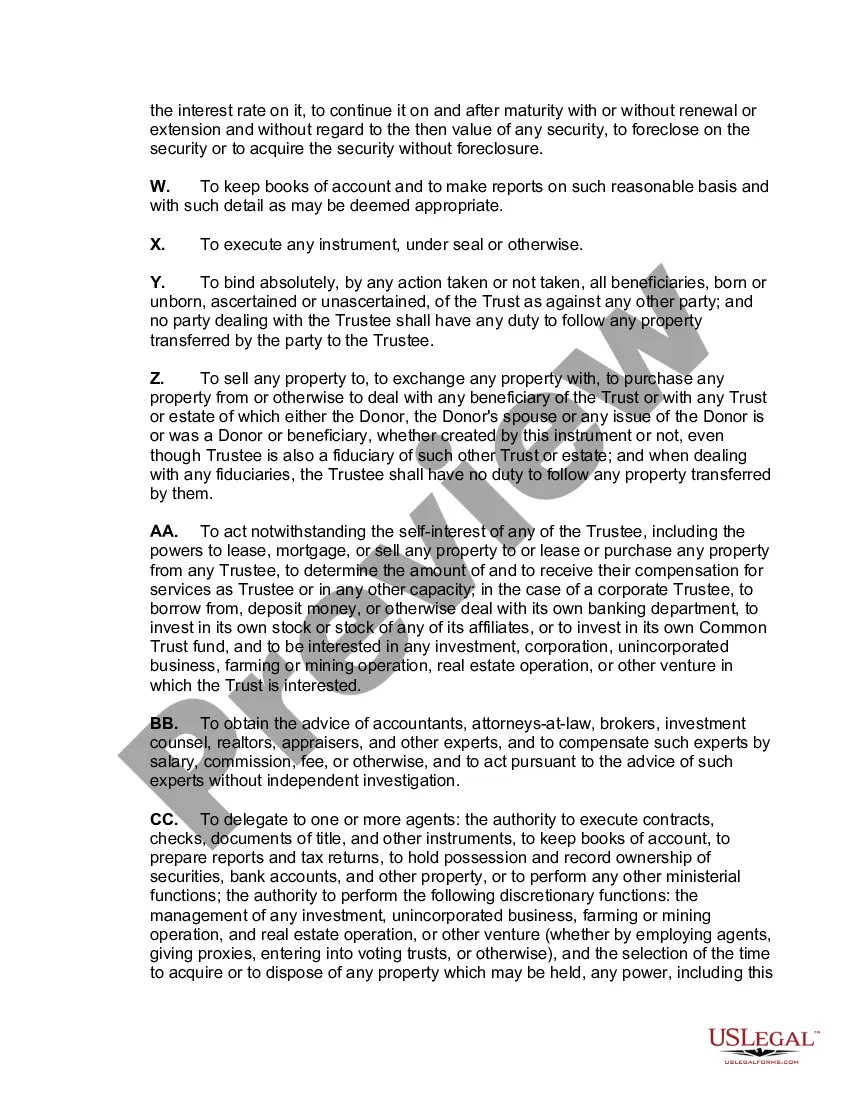
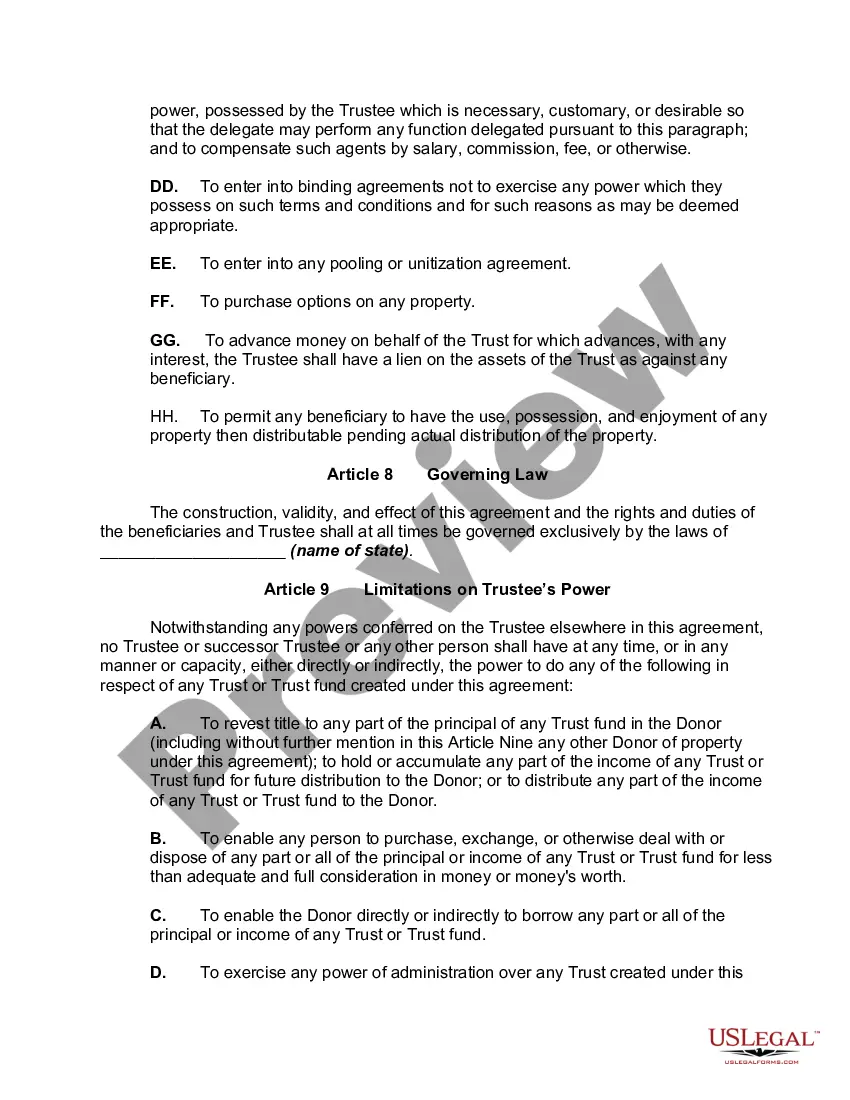

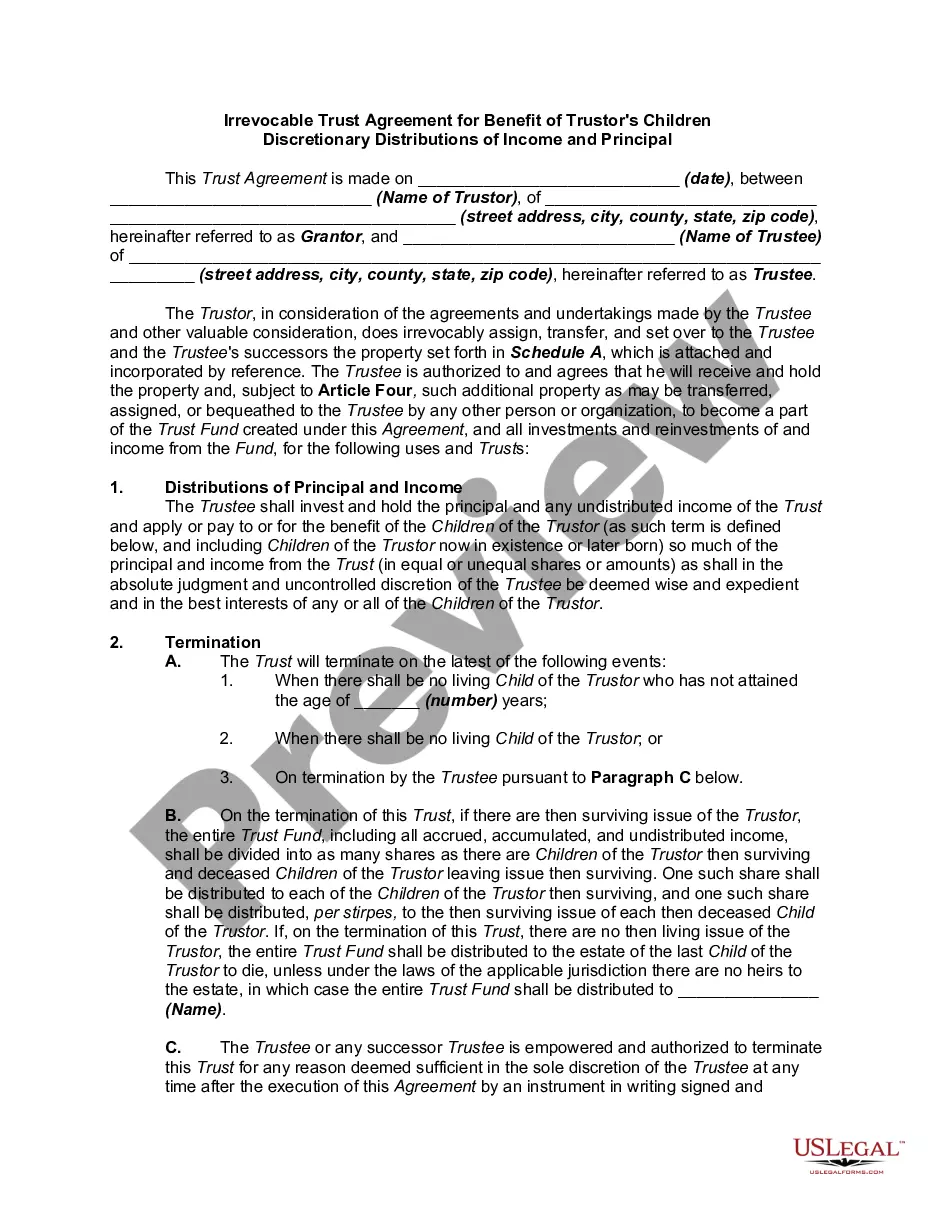
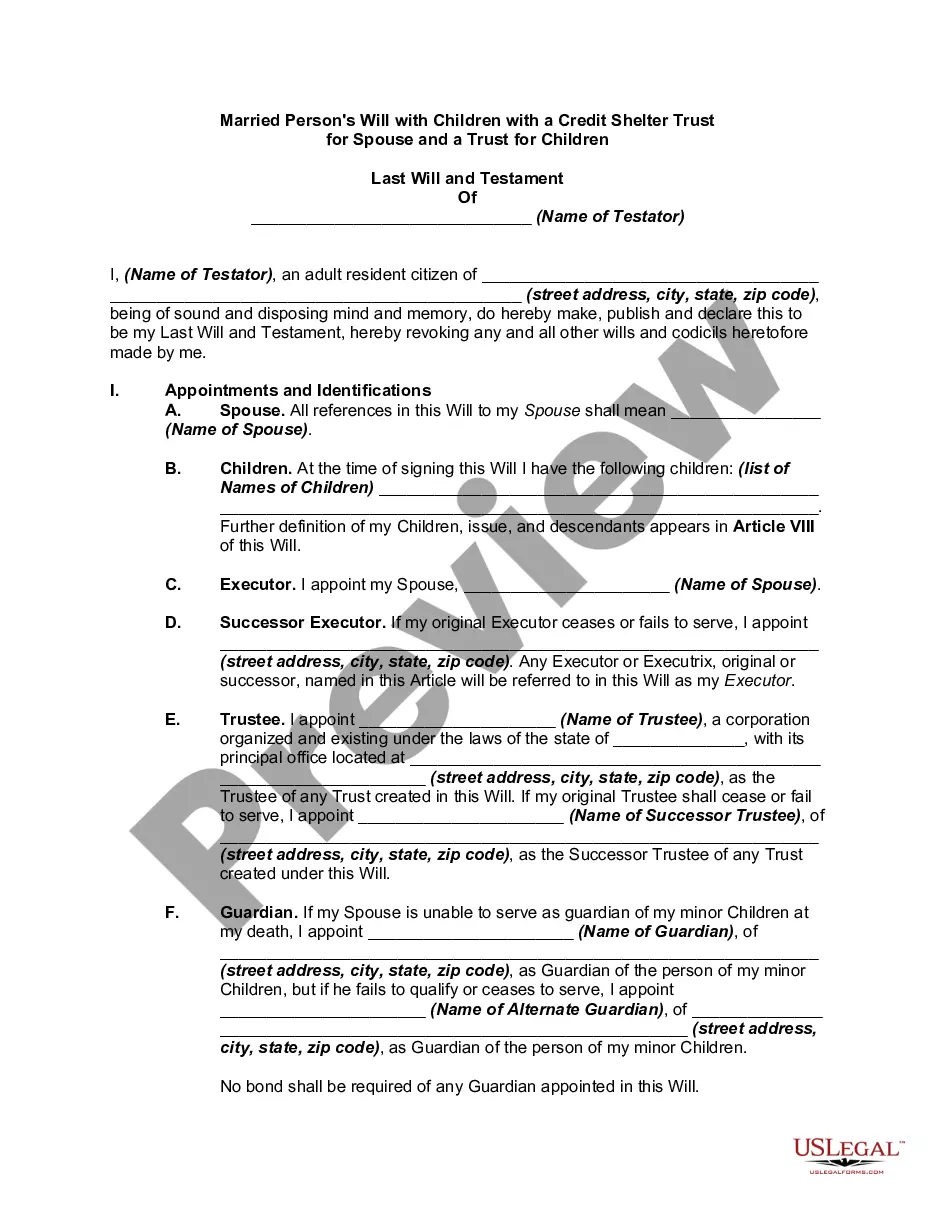
Get your form ready online
Our built-in tools help you complete, sign, share, and store your documents in one place.
Make edits, fill in missing information, and update formatting in US Legal Forms—just like you would in MS Word.
Download a copy, print it, send it by email, or mail it via USPS—whatever works best for your next step.
Sign and collect signatures with our SignNow integration. Send to multiple recipients, set reminders, and more. Go Premium to unlock E-Sign.
If this form requires notarization, complete it online through a secure video call—no need to meet a notary in person or wait for an appointment.
We protect your documents and personal data by following strict security and privacy standards.

Make edits, fill in missing information, and update formatting in US Legal Forms—just like you would in MS Word.

Download a copy, print it, send it by email, or mail it via USPS—whatever works best for your next step.

Sign and collect signatures with our SignNow integration. Send to multiple recipients, set reminders, and more. Go Premium to unlock E-Sign.

If this form requires notarization, complete it online through a secure video call—no need to meet a notary in person or wait for an appointment.

We protect your documents and personal data by following strict security and privacy standards.
Looking for another form?

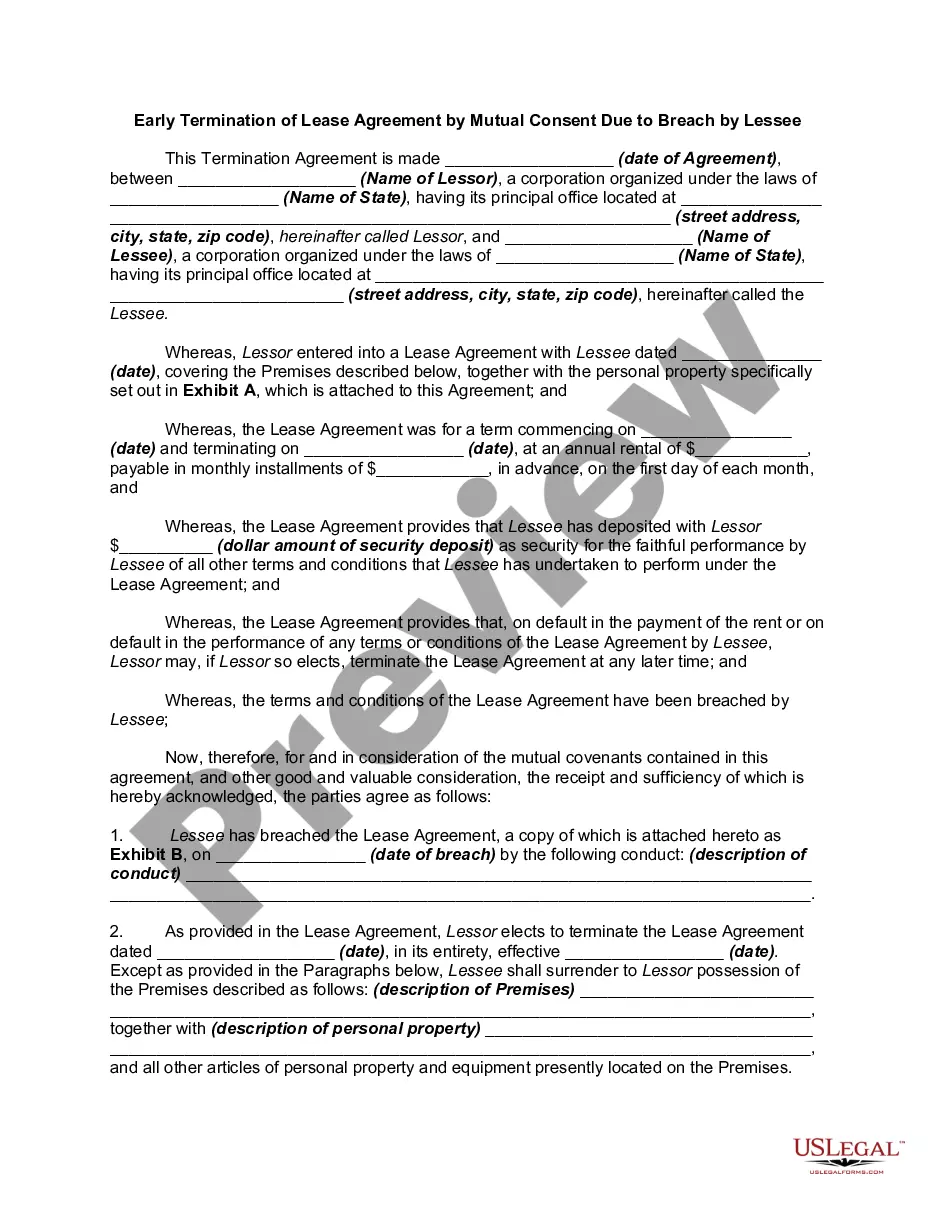








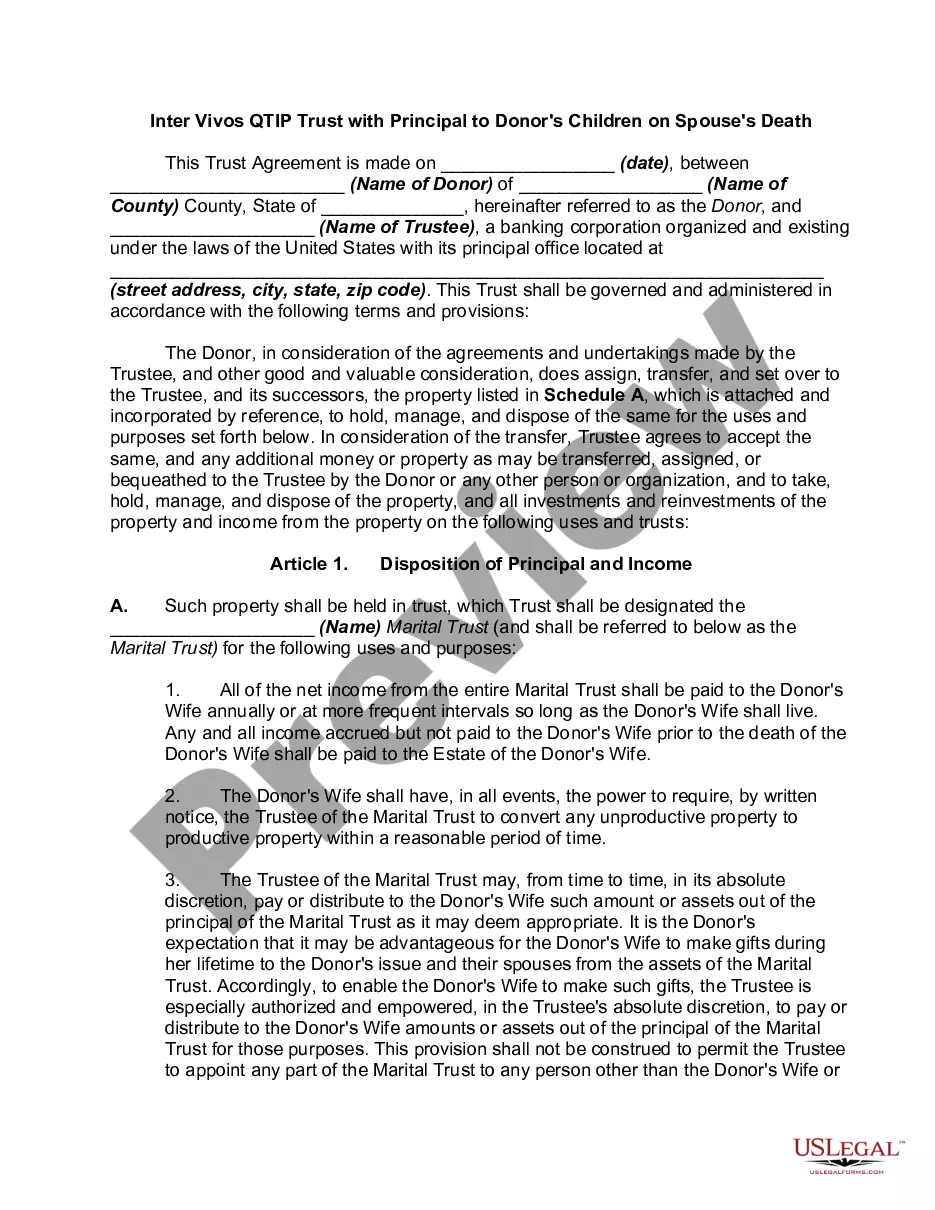
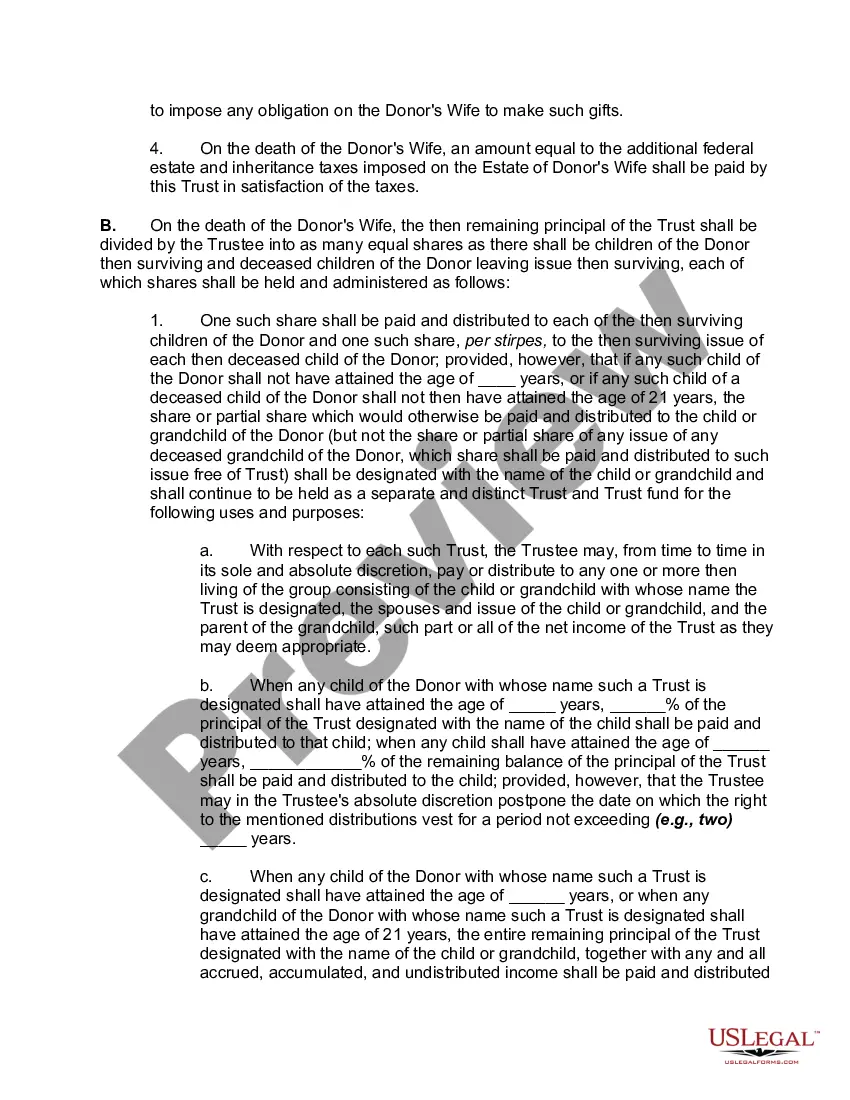
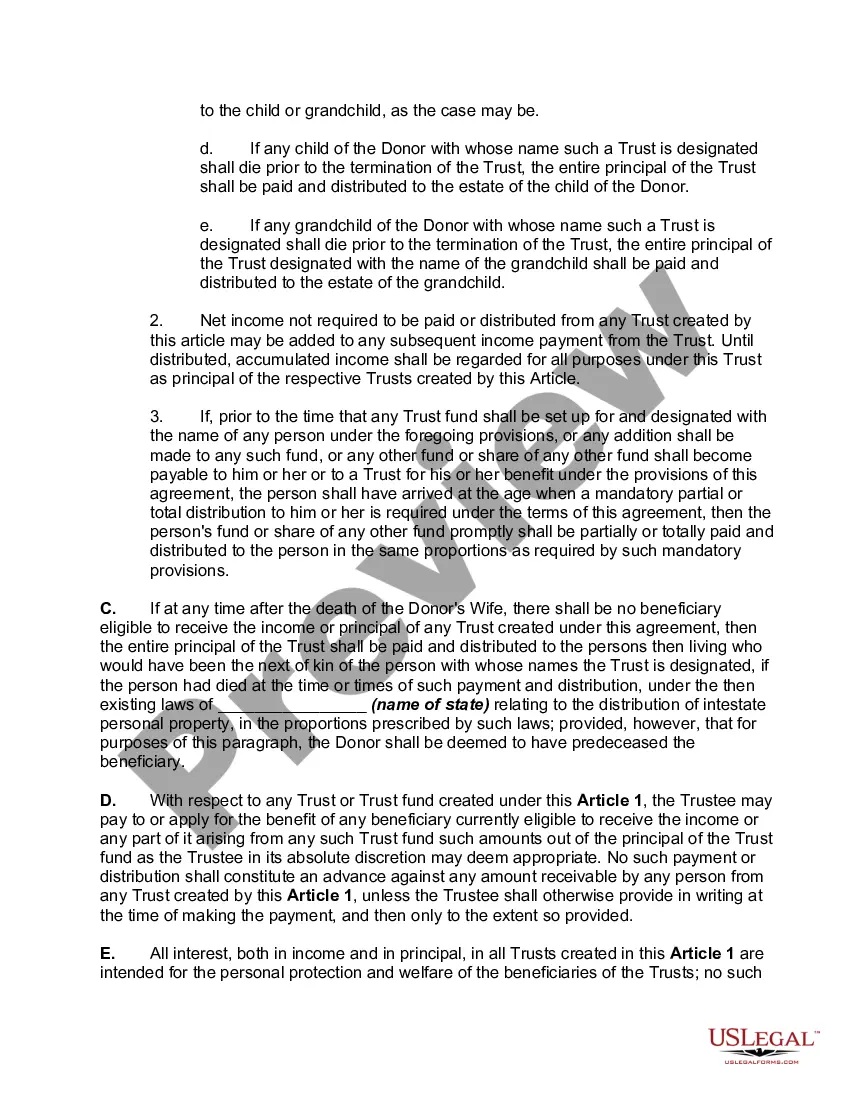
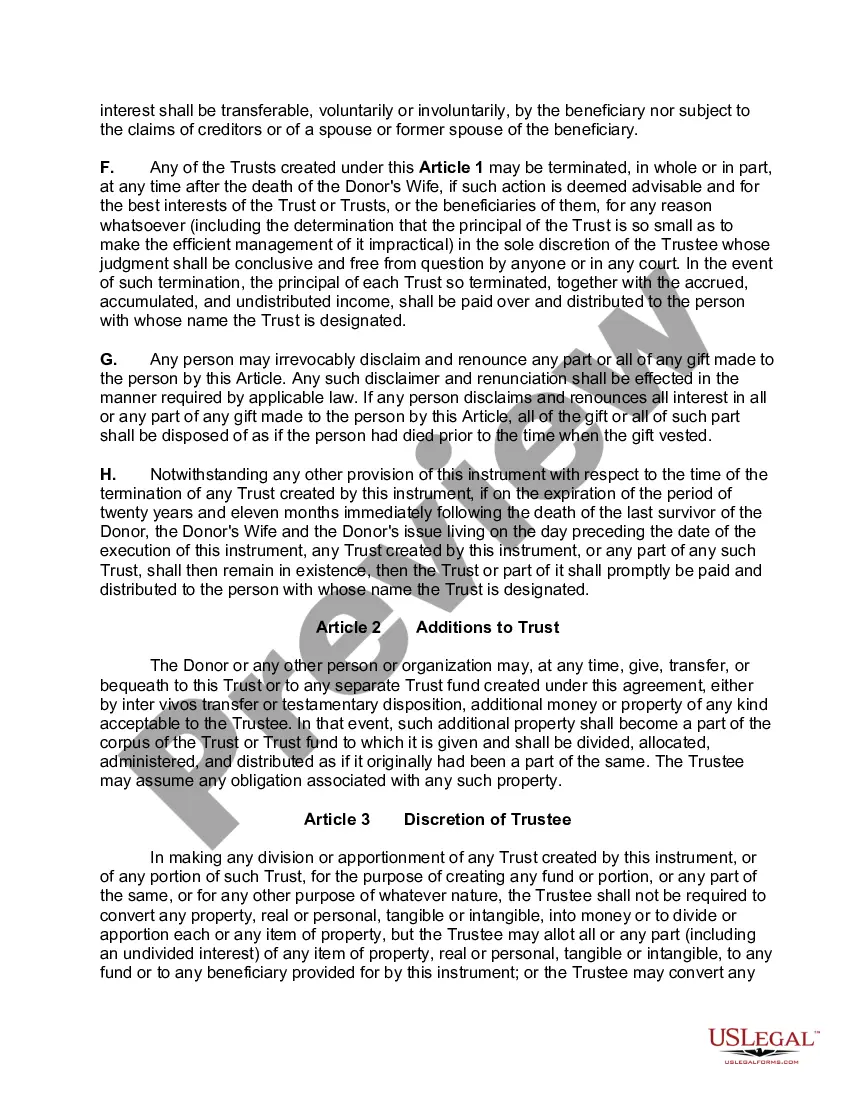
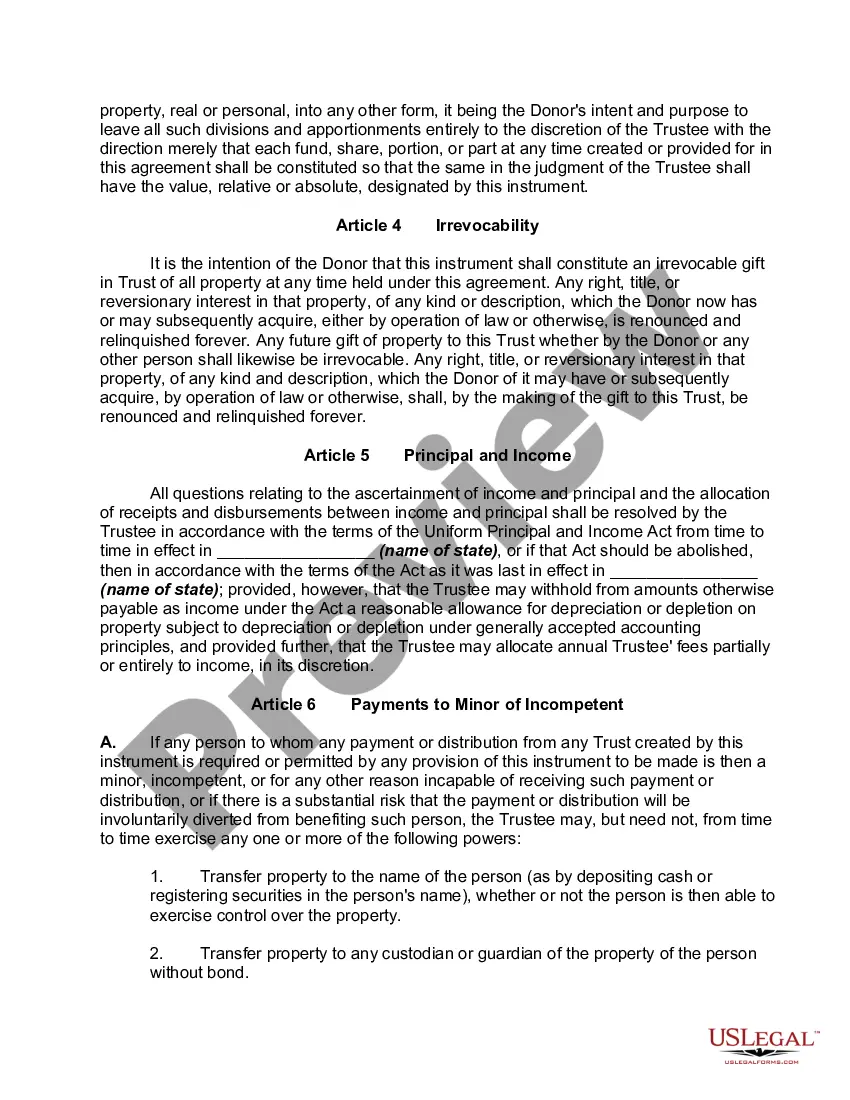
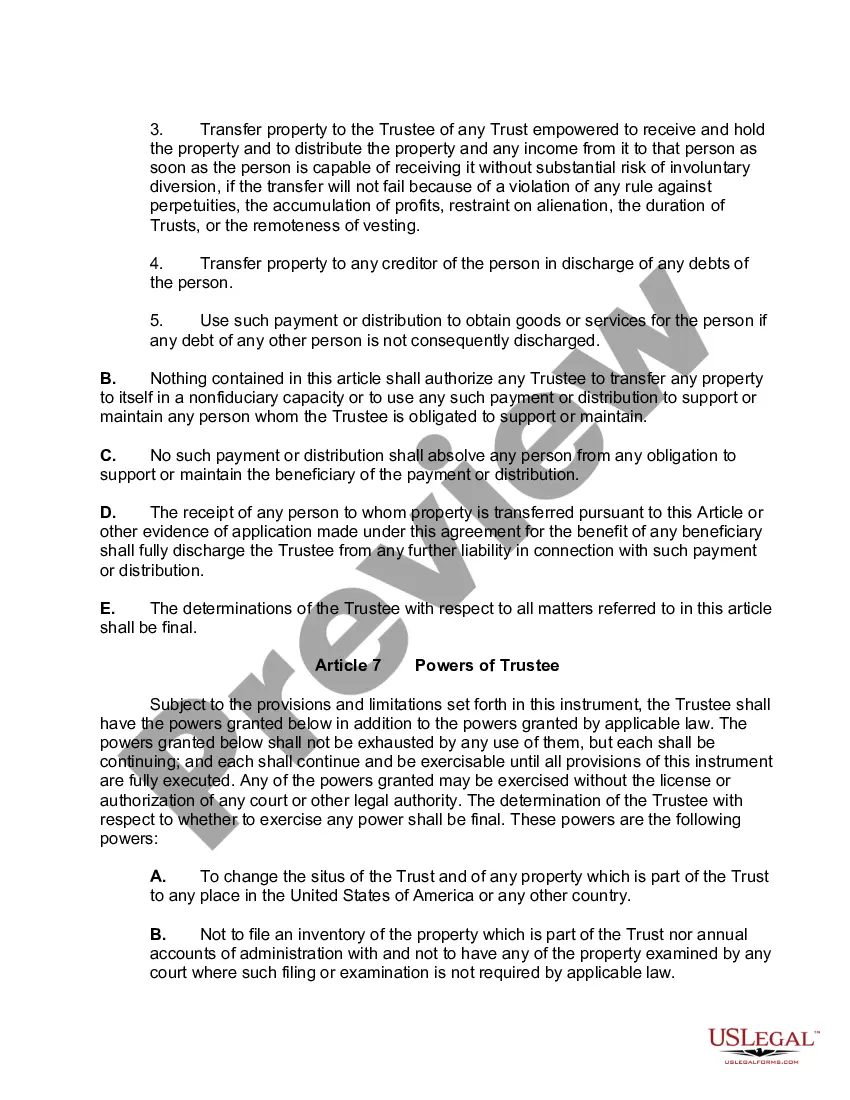
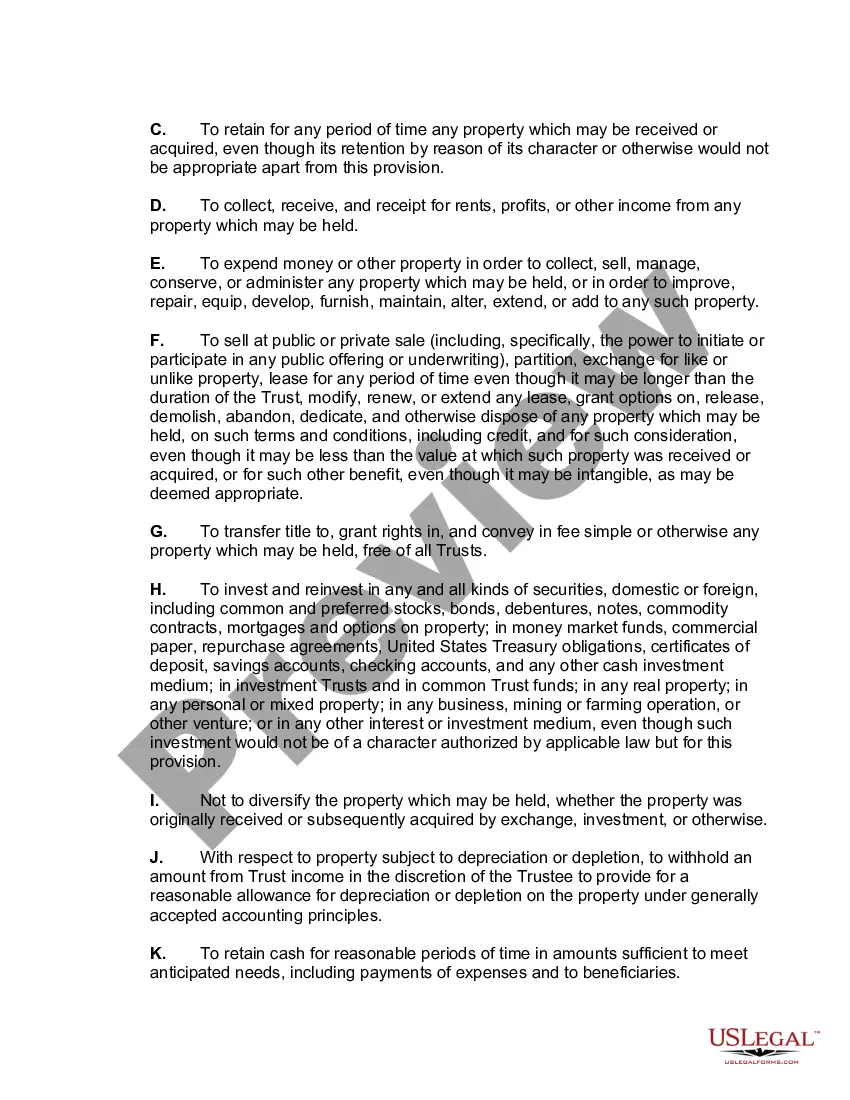
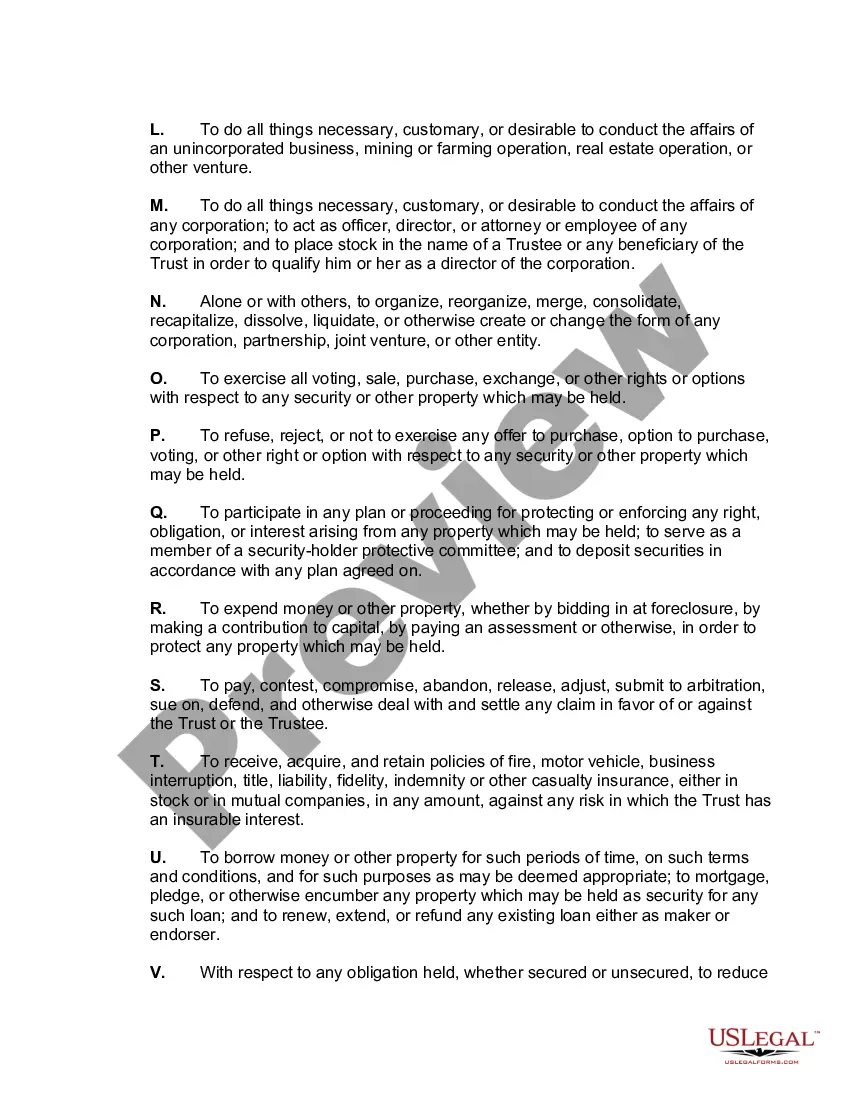
How to fill out Inter Vivos QTIP Trust With Principal To Donor's Children On Spouse's Death?
- If you're a returning user, log in to your account and download the necessary form by clicking the Download button. Ensure your subscription is current; renew it if needed.
- For first-time users, review the Preview mode and form description thoroughly. Confirm you select the correct form that aligns with your requirements and complies with local laws.
- If adjustments are necessary, utilize the Search tab to find additional templates. Continue only if the selected form meets your criteria.
- Proceed to purchase the document by clicking the Buy Now button and choosing your preferred subscription plan. You will need to register for account access.
- Complete your transaction by entering your credit card information or linking your PayPal account to finalize the subscription.
- Download your form and save it to your device for completion. You can access your downloaded templates again anytime through the My Forms section.
US Legal Forms provides a robust collection of legal templates, allowing individuals and attorneys to promptly execute necessary documents.
Don’t hesitate—start managing your legal documents efficiently today with US Legal Forms for complete peace of mind.
Form popularity
FAQ
The first step when a spouse dies is to ensure that you have the proper legal documents ready for necessary arrangements. Start by securing the death certificate and contacting local authorities, if required, to inform them of the passing. Next, you should review any trusts or estate plans in place to understand your position. US Legal Forms offers valuable resources to help you navigate these early steps and manage your trust after your spouse dies effectively.
After the death of a spouse, it can be tempting to make quick decisions, but it is crucial to avoid acting impulsively. Do not rush to liquidate assets or change beneficiaries on trusts or accounts, as this can complicate the estate settlement process. Instead, take your time to review existing trusts after your spouse dies with proper legal guidance. This method ensures you respect your spouse's wishes and maintain stability during this transition.
When a spouse dies, you will need to gather necessary documents that establish identity and legal rights. First, obtain the death certificate, which is essential for any legal proceedings and financial matters. Additionally, you may need to review and update legal documents like wills and trusts after the spouse dies. Using a platform like US Legal Forms can simplify this process by providing the right templates and guidance.
If your parents are concerned about how their assets will be managed after their death, establishing a trust can provide peace of mind. A trust helps ensure their wishes are fulfilled and can protect their assets from probate. Assessing their financial situation and discussing options with a legal professional may help you decide the best path forward.
The biggest mistake parents make when setting up a trust fund is failing to communicate their intentions with beneficiaries. Without clear guidelines, misunderstandings may arise, leading to disputes about the trust's management. To prevent these issues, consider using platforms like uslegalforms to ensure clarity and address complexities when establishing a trust after spouse dies.
A family trust can lead to complications if family members disagree on management or distribution of assets. Conflicts may arise, creating tension and stress among family members. It is vital to communicate clearly with all parties involved to mitigate these issues and ensure the trust functions as intended, especially as concerns arise after the death of a spouse.
The downside of putting assets in a trust includes the potential for reduced control over those assets during your lifetime. Once assets are in a trust, you may have to navigate specific rules and guidelines regarding their use. It's important to weigh these considerations against the benefits, particularly when considering a trust after spouse dies.
When one spouse dies, the trust allows for a seamless transfer of assets to the surviving spouse or beneficiaries. The trust remains in effect, helping to avoid probate and ensuring that the deceased spouse's wishes are honored. This arrangement can provide financial stability and clarity during a challenging time.
Generally, a trust becomes irrevocable after the death of a spouse, which means you cannot make changes to it. However, some trusts may allow for certain amendments, depending on their specific provisions. Consulting a legal expert will help clarify if modifications are possible in your particular scenario. USLegalForms is a great resource for understanding your options and rights regarding trusts after a spouse dies.
After the death of a spouse, refrain from neglecting important financial obligations and decisions. It’s essential to review the trust after spouse dies and ensure that all responsibilities are handled properly. Ignoring these details can complicate matters for heirs and beneficiaries. Seeking help from experts can help streamline the process.