Qtip Spouses Form Blank With The Following
Description
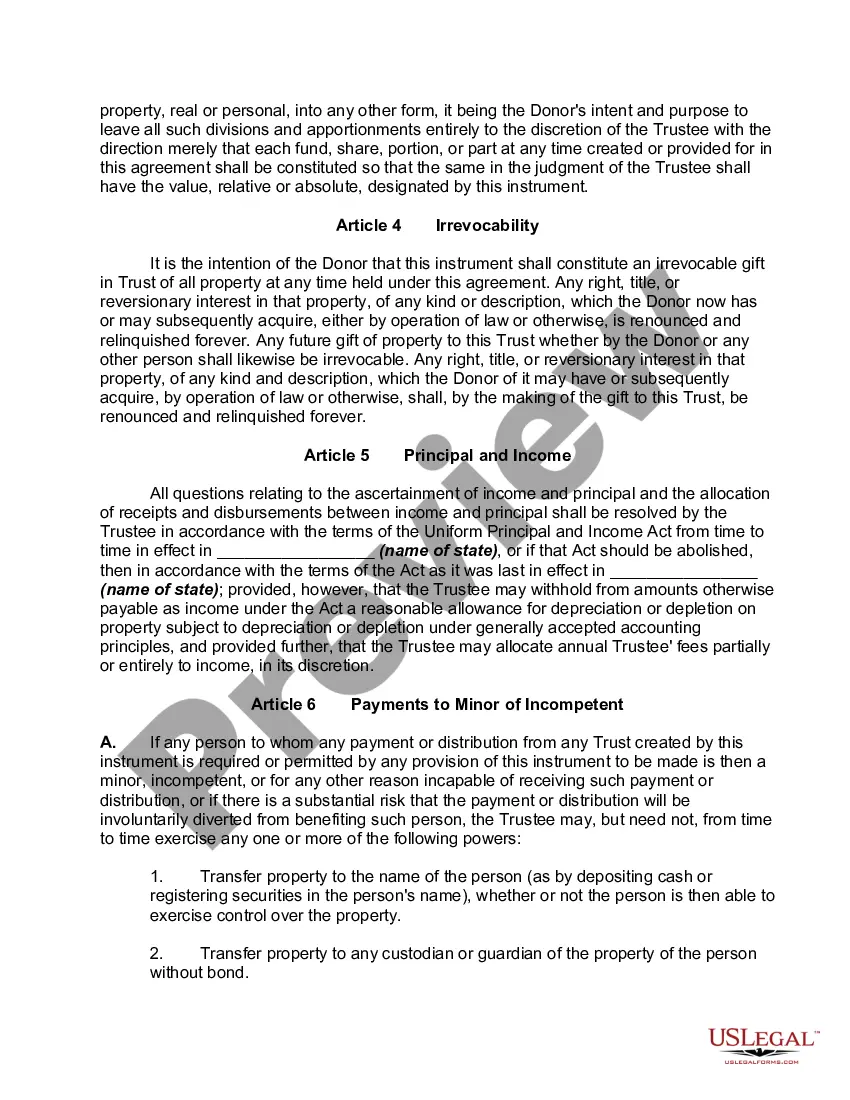
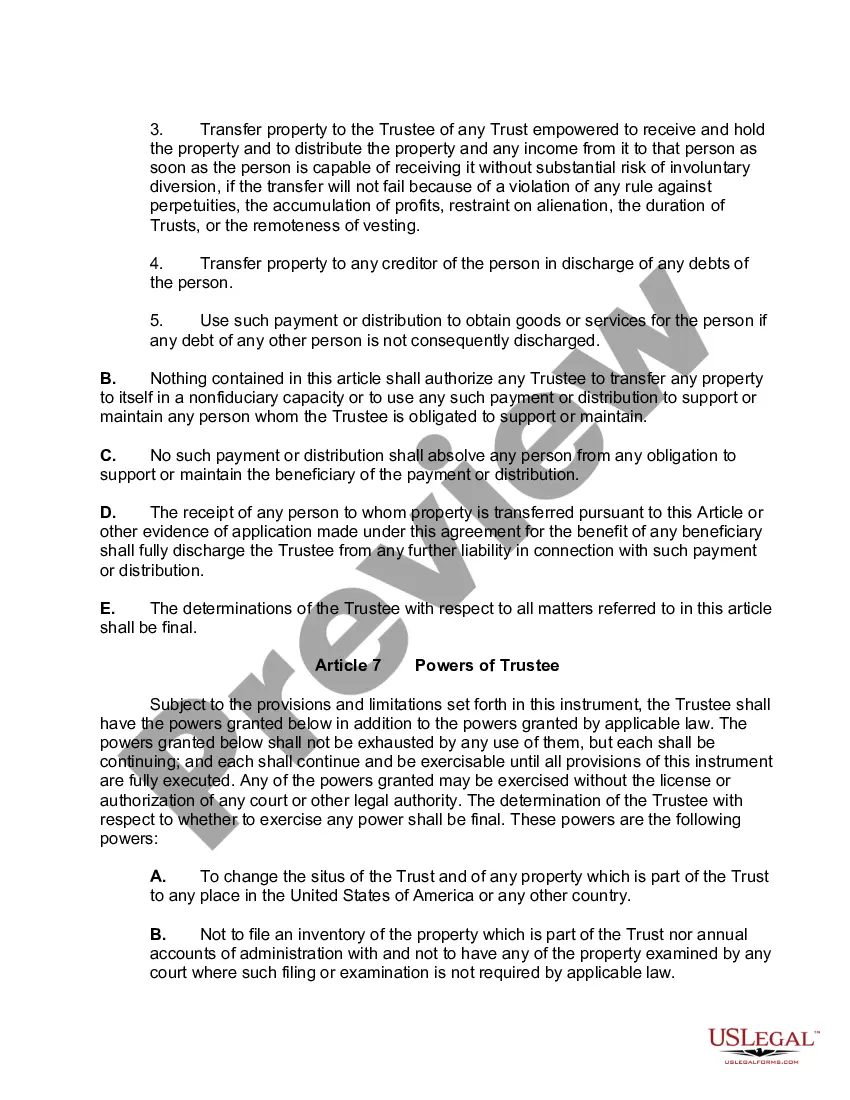
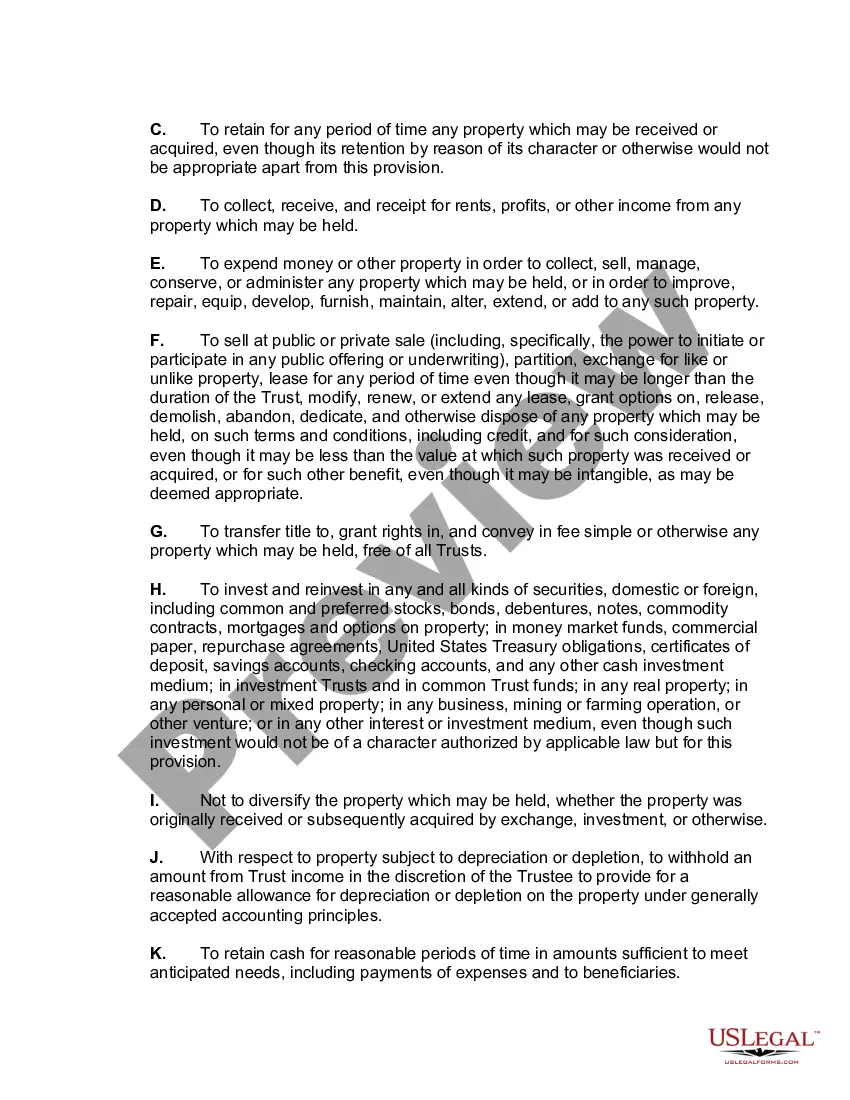
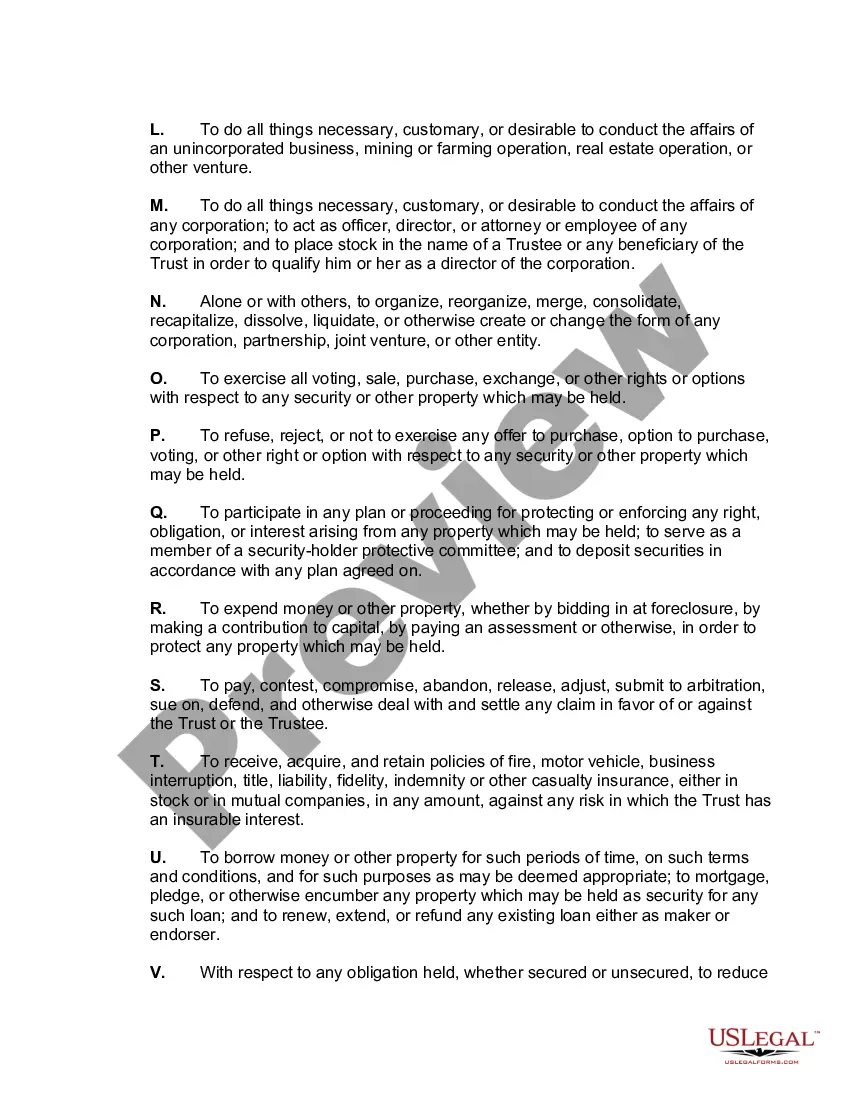

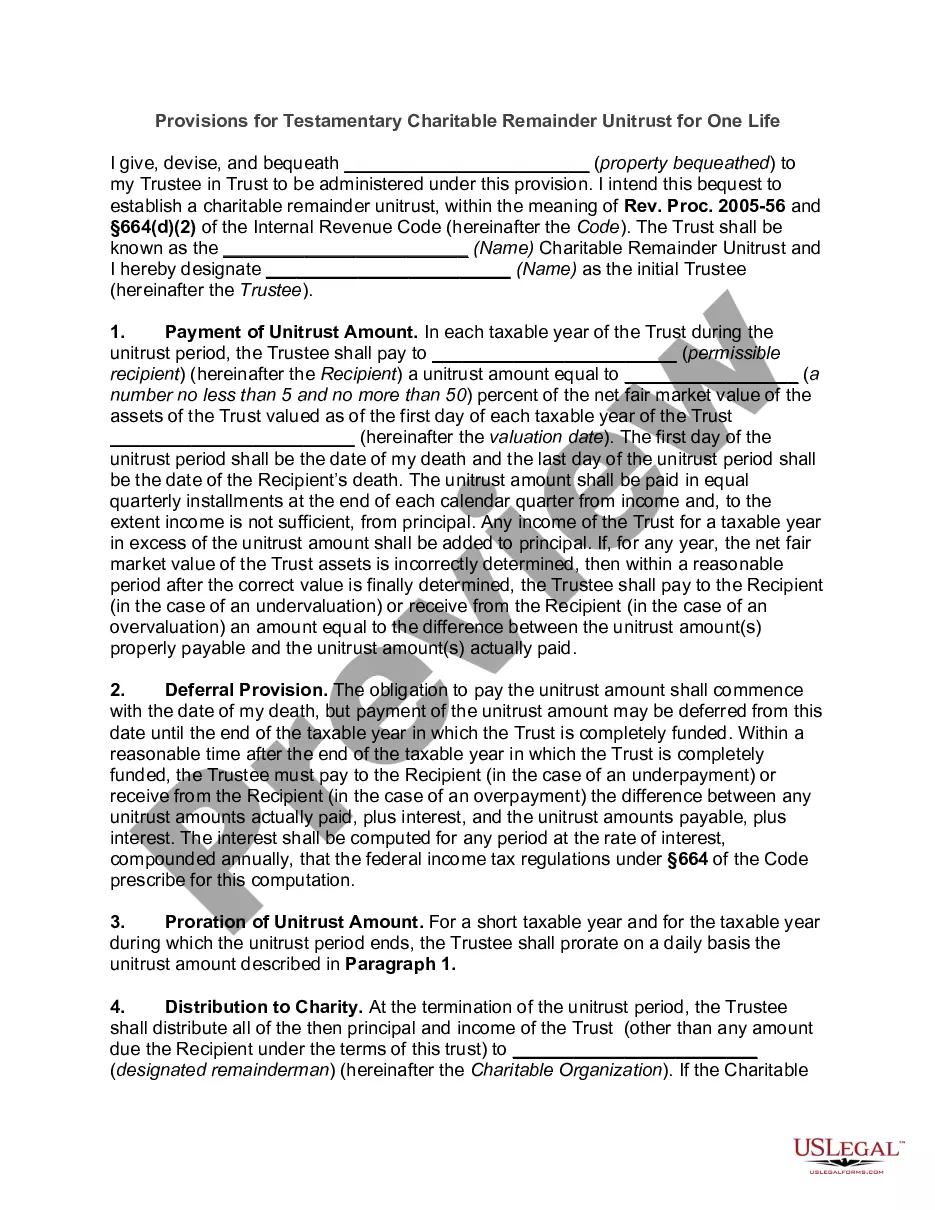
Get your form ready online
Our built-in tools help you complete, sign, share, and store your documents in one place.
Make edits, fill in missing information, and update formatting in US Legal Forms—just like you would in MS Word.
Download a copy, print it, send it by email, or mail it via USPS—whatever works best for your next step.
Sign and collect signatures with our SignNow integration. Send to multiple recipients, set reminders, and more. Go Premium to unlock E-Sign.
If this form requires notarization, complete it online through a secure video call—no need to meet a notary in person or wait for an appointment.
We protect your documents and personal data by following strict security and privacy standards.

Make edits, fill in missing information, and update formatting in US Legal Forms—just like you would in MS Word.

Download a copy, print it, send it by email, or mail it via USPS—whatever works best for your next step.

Sign and collect signatures with our SignNow integration. Send to multiple recipients, set reminders, and more. Go Premium to unlock E-Sign.

If this form requires notarization, complete it online through a secure video call—no need to meet a notary in person or wait for an appointment.

We protect your documents and personal data by following strict security and privacy standards.
Looking for another form?






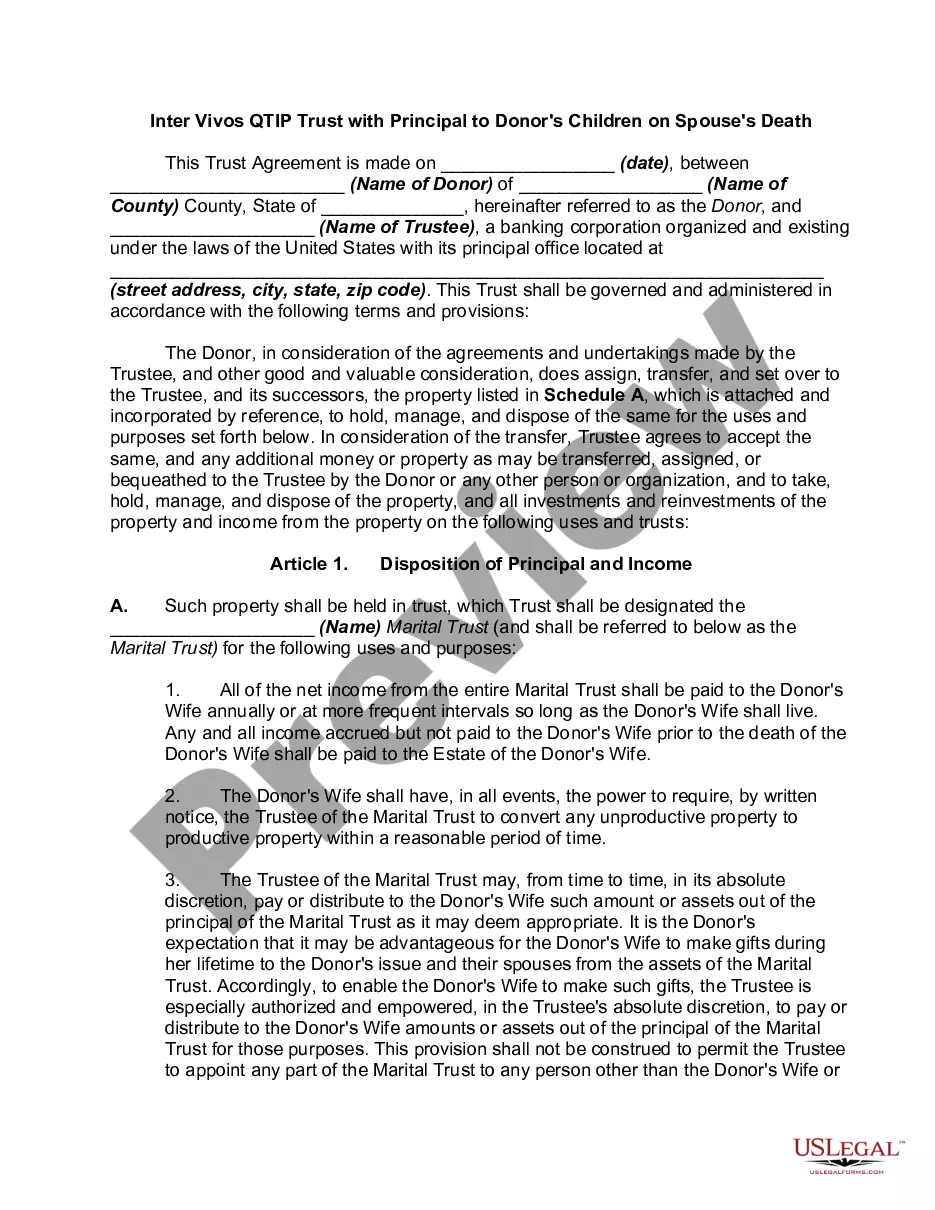
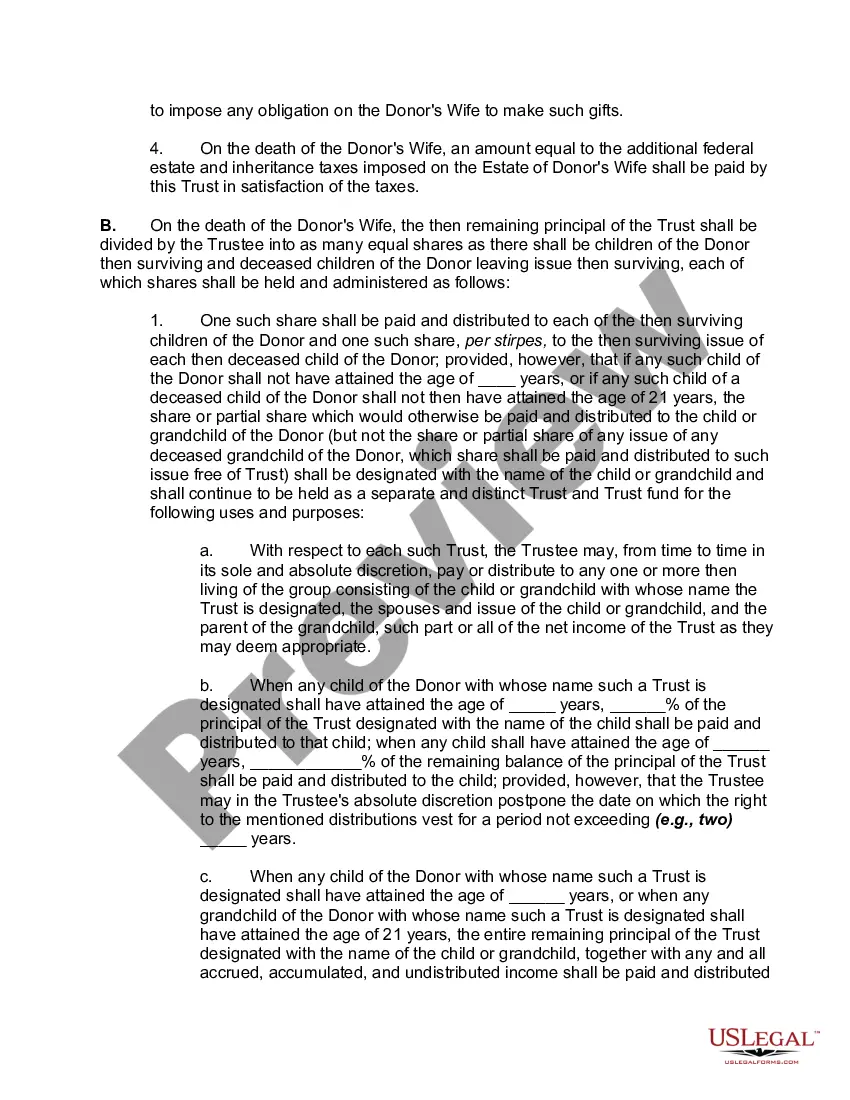
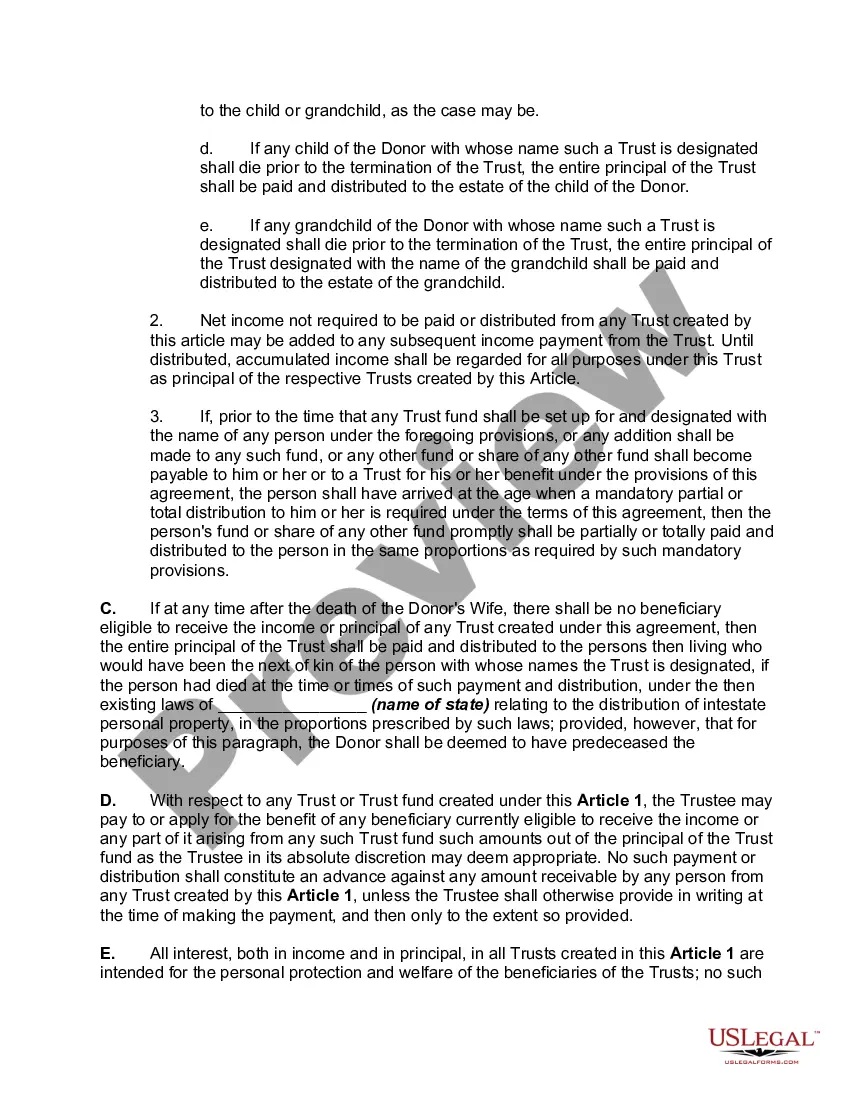
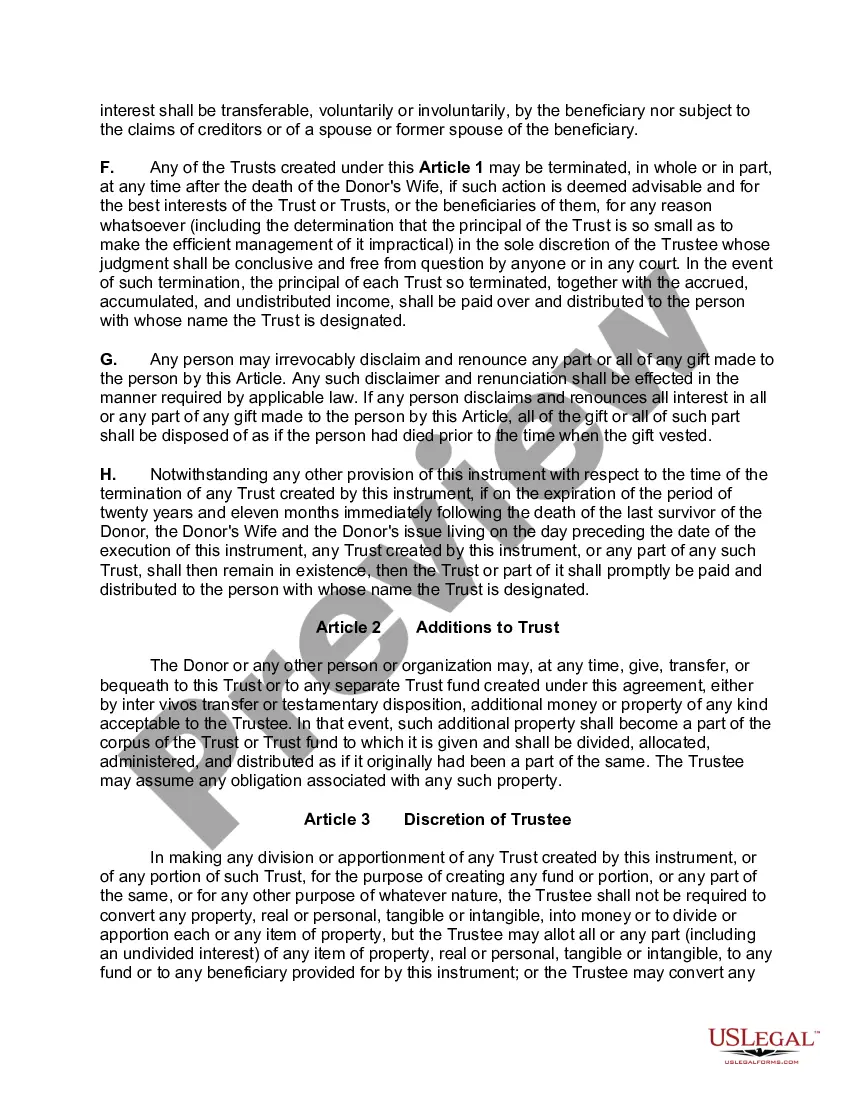
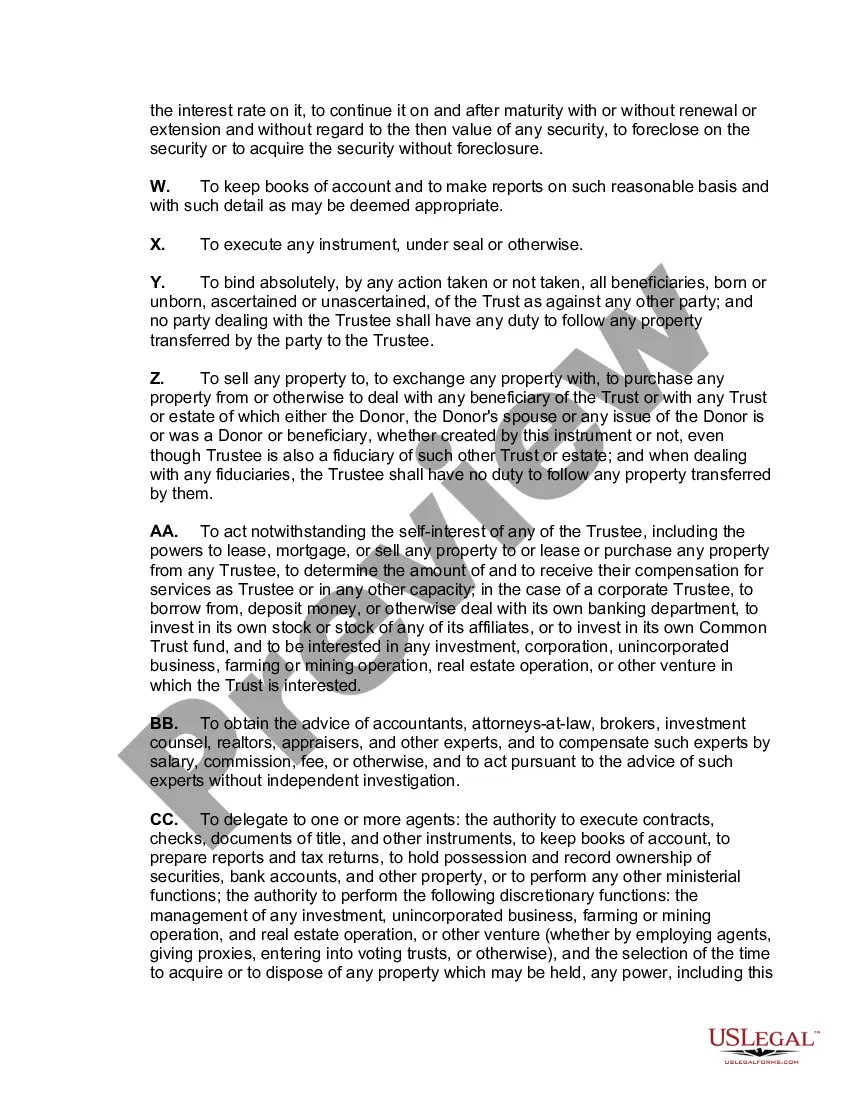
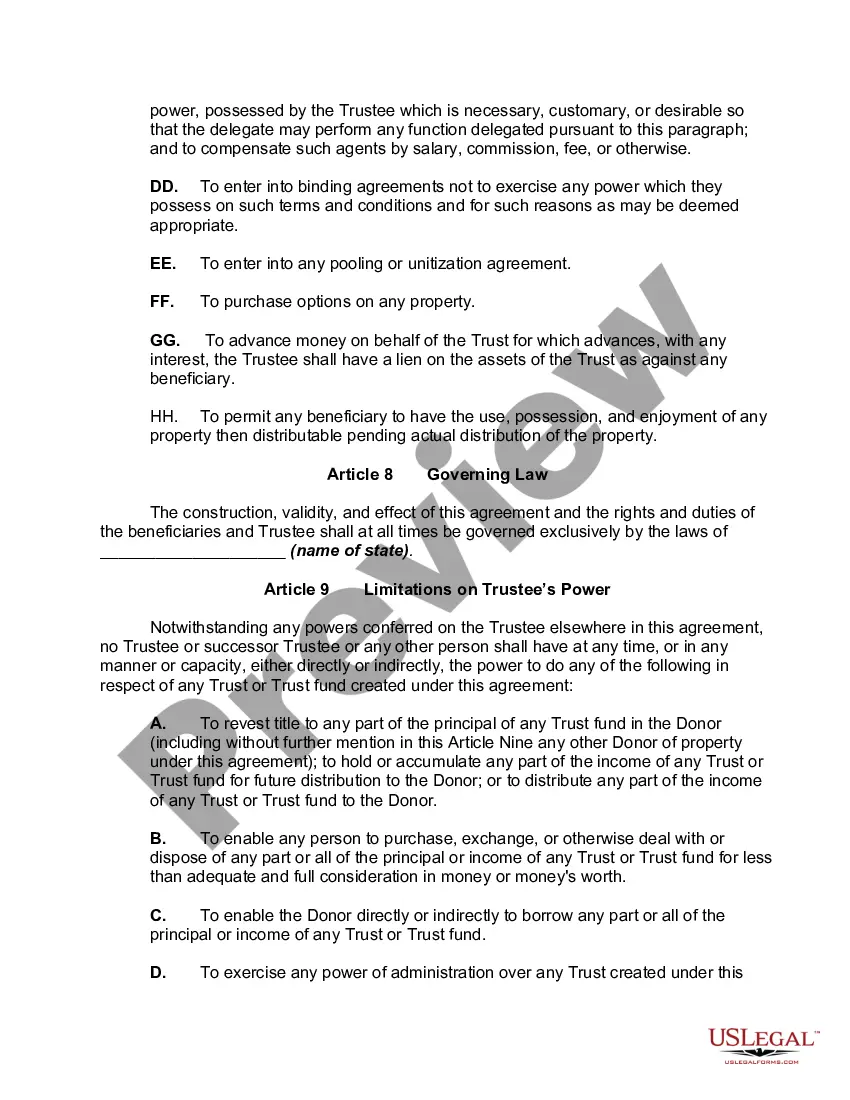
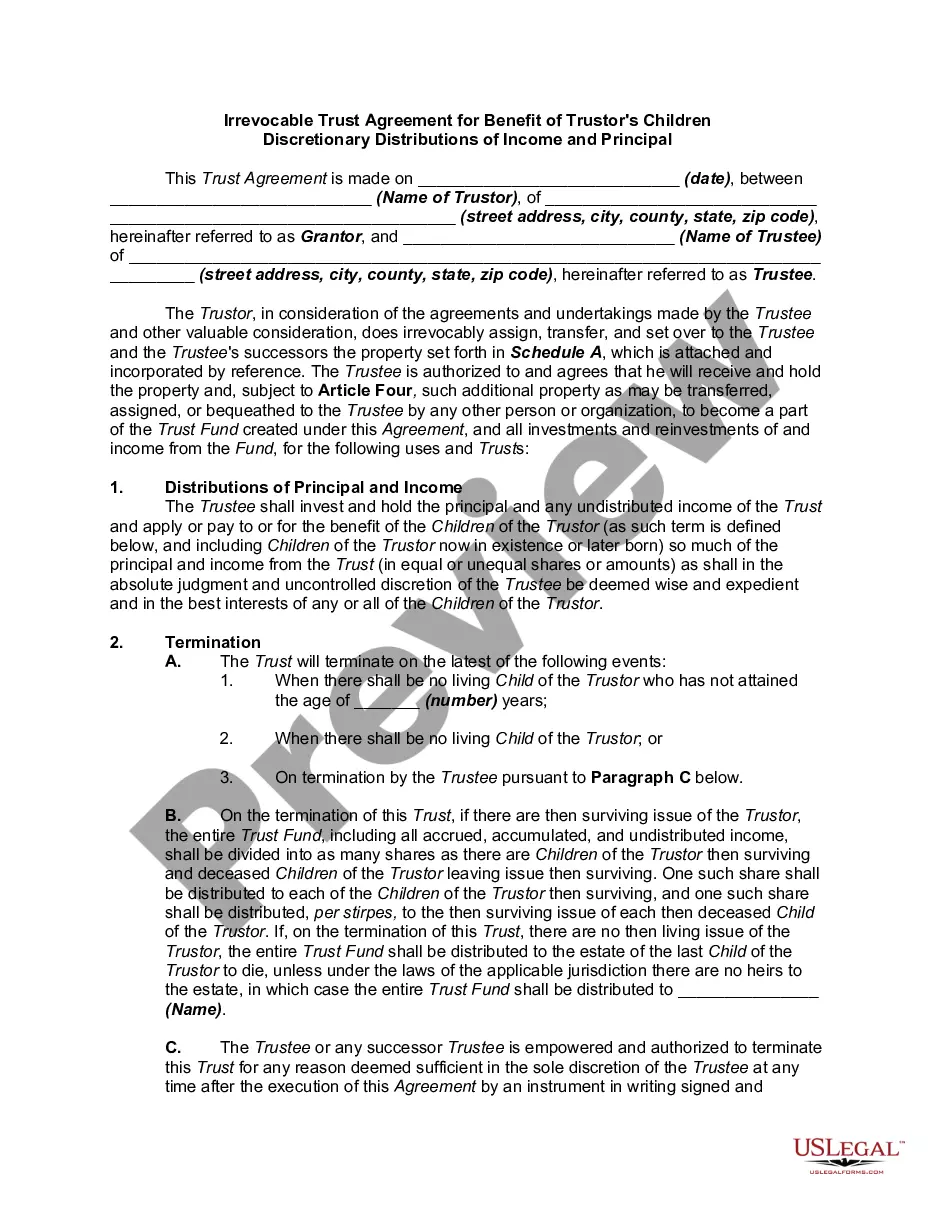
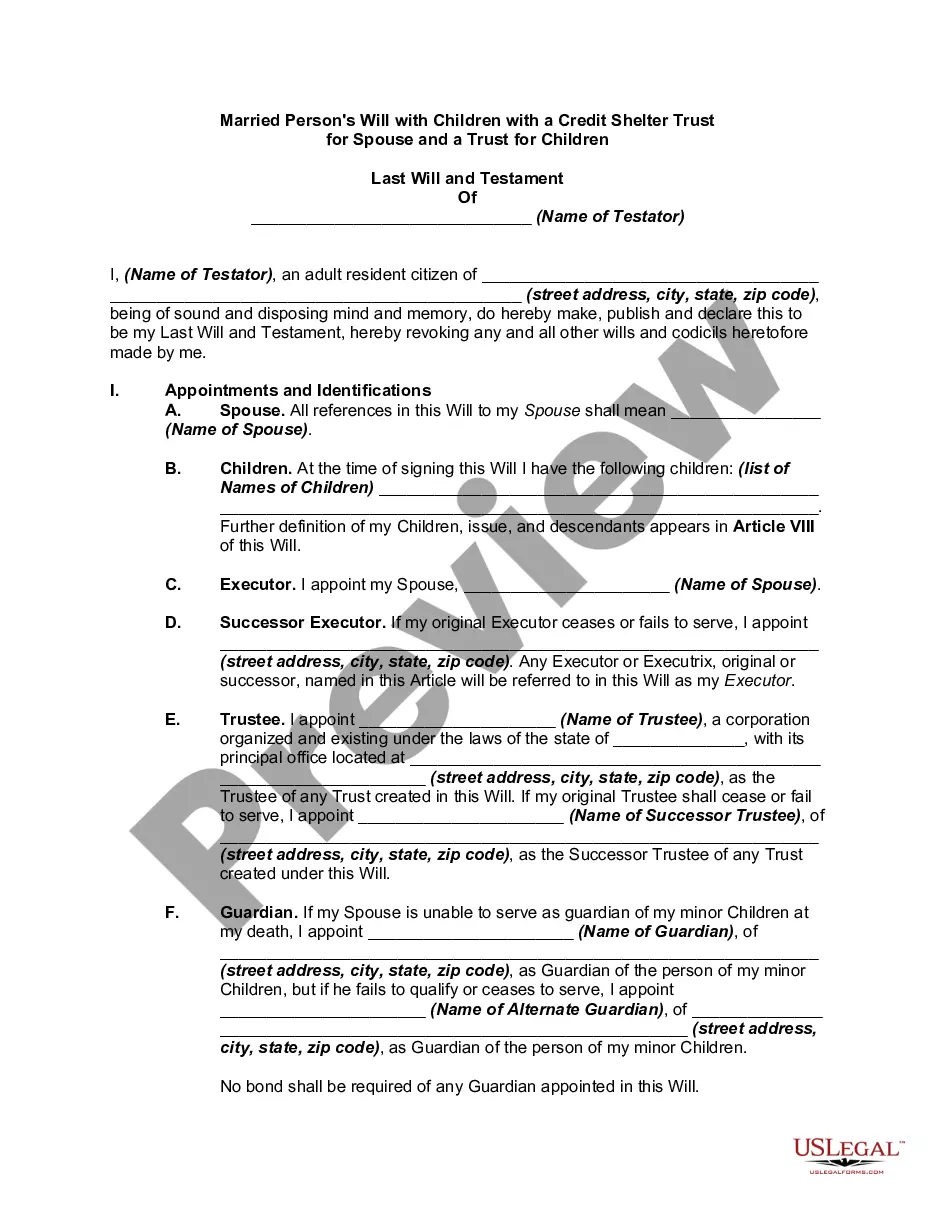
How to fill out Inter Vivos QTIP Trust With Principal To Donor's Children On Spouse's Death?
- Log in to your US Legal Forms account if you’re already a member. Ensure your subscription is active, or renew it if necessary.
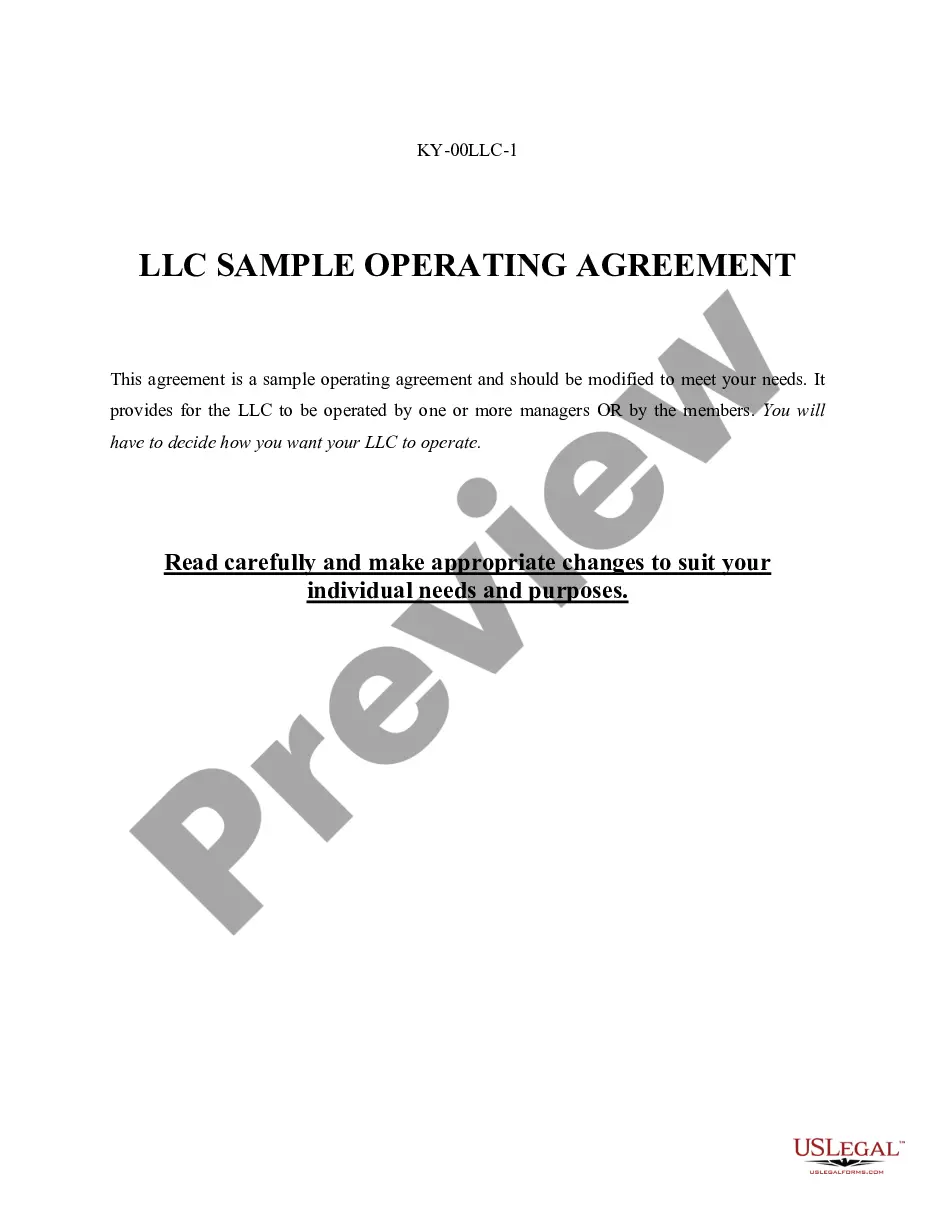
- Browse the form library and locate the QTIP spouses form. Use the Preview mode to confirm it meets your local jurisdiction criteria.
- If needed, utilize the Search function to find alternative forms that suit your requirements better.
- Select the desired form and click on the Buy Now button. Choose an appropriate subscription plan and create an account for full access.
- Enter your payment information through credit card or PayPal to complete the purchase.
- Download the form to your device from the My Forms menu for easy access and completion later.
In conclusion, using US Legal Forms for your QTIP spouses form needs ensures you have the necessary tools at your fingertips. With their extensive collection and premium expert assistance, you can easily create legally sound documents tailored to your requirements.
Don’t wait—start your journey with US Legal Forms today and simplify your legal document process!
Form popularity
FAQ
Absolutely, the surviving spouse can make a QTIP election to qualify for the marital deduction on their deceased spouse's estate tax return. This election allows the surviving spouse to receive income from the trust while deferring taxes until their own death. Making a timely QTIP election can greatly benefit the surviving spouse. Using the Qtip spouses form blank simplifies the election process.
Yes, a surviving spouse can serve as the trustee of a QTIP trust. This position allows the surviving spouse to manage the trust's assets and distributions according to the trust's terms. Serving as trustee can provide greater control and ensure that the spouse's needs are promptly met. When dealing with trust documents, the Qtip spouses form blank can be a valuable tool.
The election for a surviving spouse allows them to choose to treat all or part of a deceased spouse's estate as part of their taxable estate. This election can help the surviving spouse minimize their overall tax burden, especially when assets are left in a QTIP trust. It's advantageous for the surviving spouse to make informed decisions regarding this election as they navigate estate planning. The Qtip spouses form blank can assist you in this process.
A present interest gift refers to property or assets that the recipient can immediately access and use. This type of gift qualifies for the federal gift tax exclusion, allowing the giver to transfer value without immediate tax implications. It contrasts with a future interest gift, where the recipient cannot use the gift until a later date. Understanding the implications of the Qtip spouses form blank can be beneficial in your planning.
Typically, an AB trust becomes irrevocable upon the death of the first spouse. This means that the surviving spouse generally cannot modify the terms of the trust. However, certain provisions might allow for limited changes depending on trust documentation. Utilizing the Qtip spouses form blank can guide you through the complexities involved.
In a QTIP trust, a surviving spouse can hold a general power of appointment over the trust assets. This power allows the spouse to direct the distribution of trust property to themselves or others. This flexibility can make it easier for the surviving spouse to manage the trust and meet their needs. Remember, understanding how to navigate the Qtip spouses form blank can help clarify these powers.
A surviving spouse typically holds an income interest in a QTIP trust for their lifetime. This means they are entitled to receive all income generated by the trust's assets during this period. Upon the death of the surviving spouse, the remaining assets in the trust are distributed according to the trust's instructions, providing security and predictability in asset distribution.
The QTIP rule allows a surviving spouse to receive income from a trust while providing for the tax deduction for the deceased spouse's estate. This means that the trust's income is taxed as part of the surviving spouse's income instead of the deceased spouse's estate. By using the QTIP rule, estate planners can achieve favorable tax treatment while ensuring that the surviving spouse is supported.
To qualify as a QTIP trust, two primary requirements must be fulfilled. Firstly, the trust must provide that all income generated from the trust's assets is distributed to the surviving spouse at least annually. Secondly, the trust must be structured so that it is irrevocable, preventing changes once it is established, thereby ensuring the intended protection for the surviving spouse.
A common example of a QTIP involves a situation where a husband sets up a QTIP trust for his wife. Upon his death, his assets, such as investments or property, are transferred into the QTIP trust, providing income to his wife for her lifetime. After her passing, any remaining assets in the trust pass to other beneficiaries as designated by the husband.