Qtip Spouses Form Blank For 202
Description
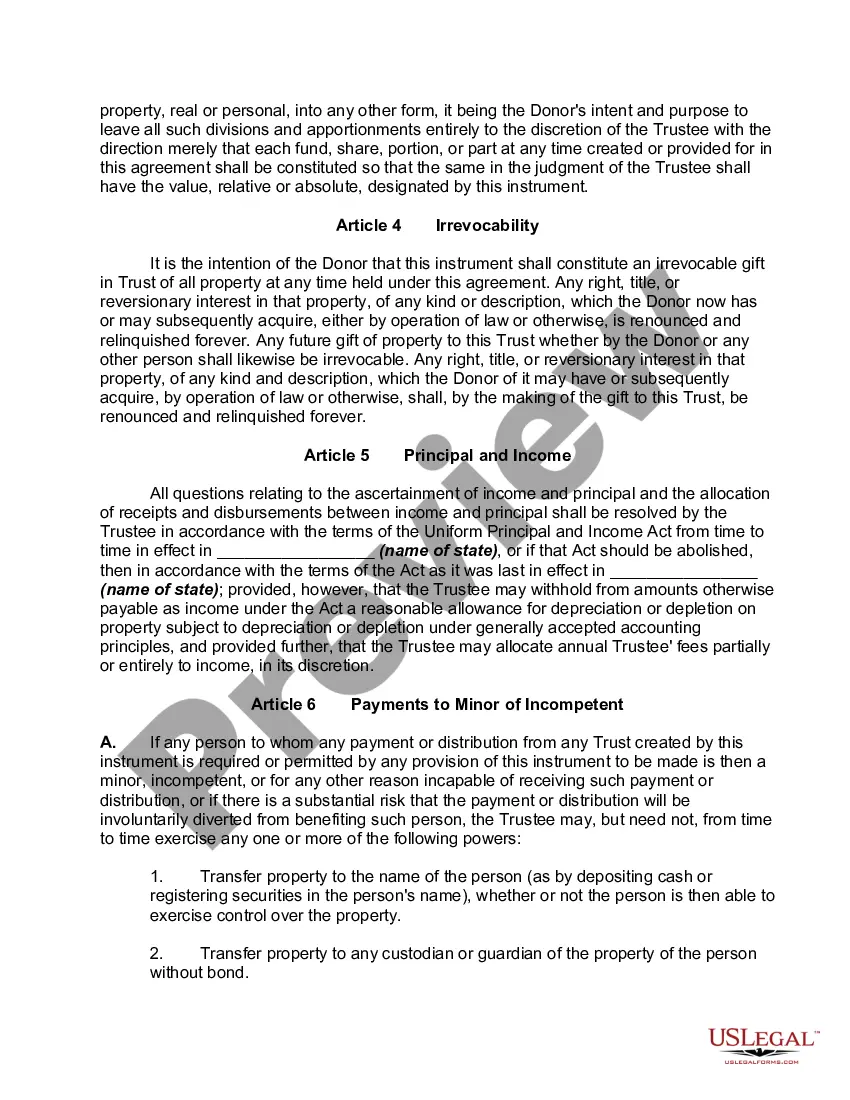
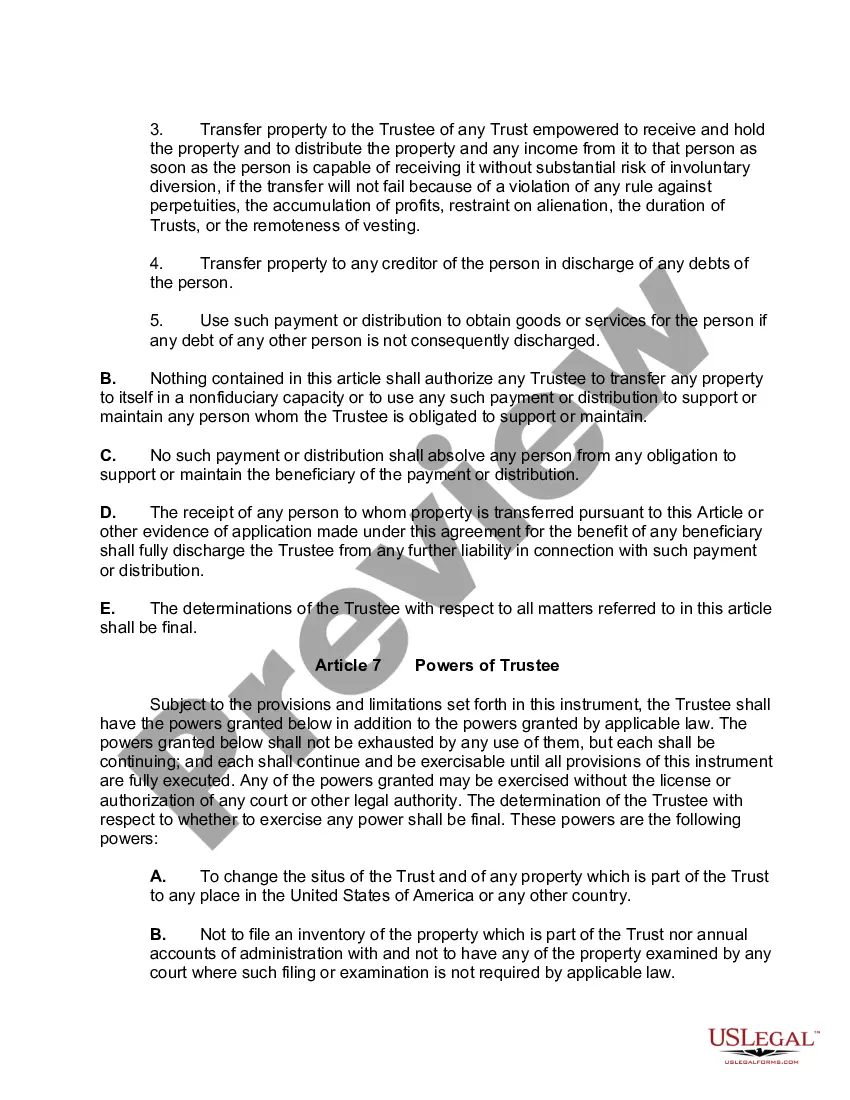
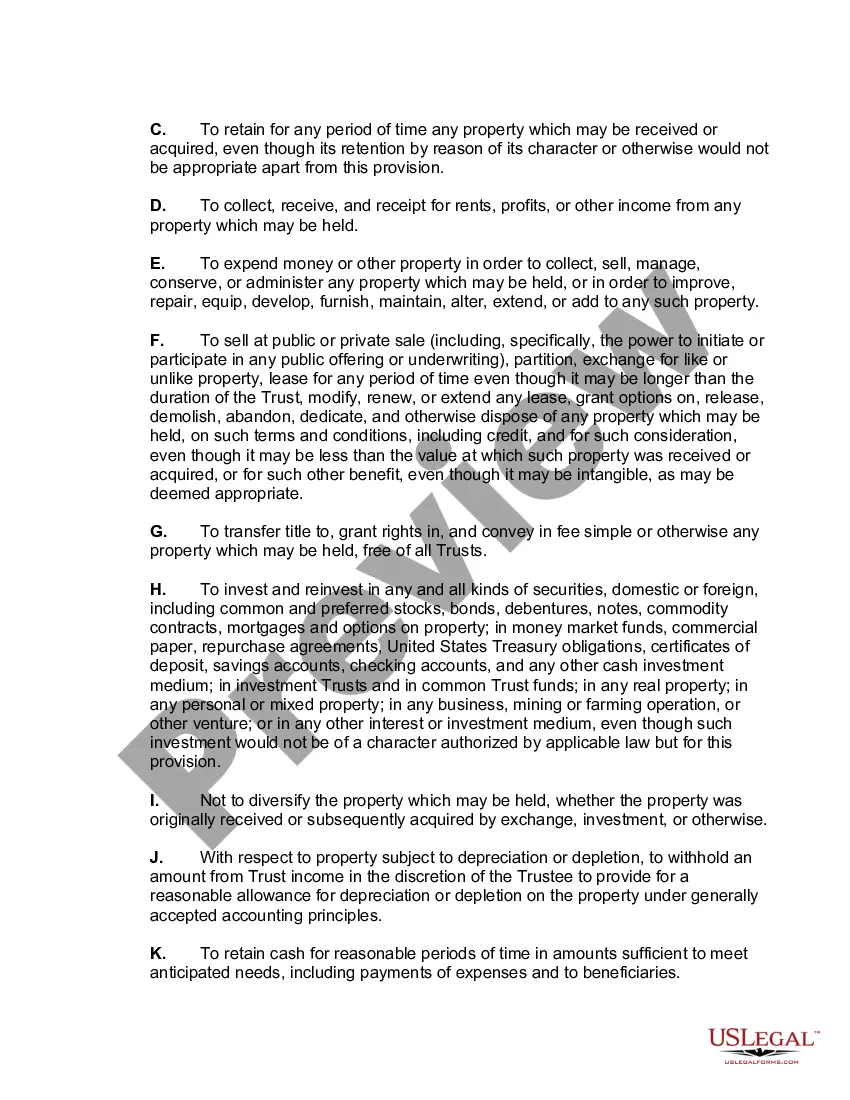
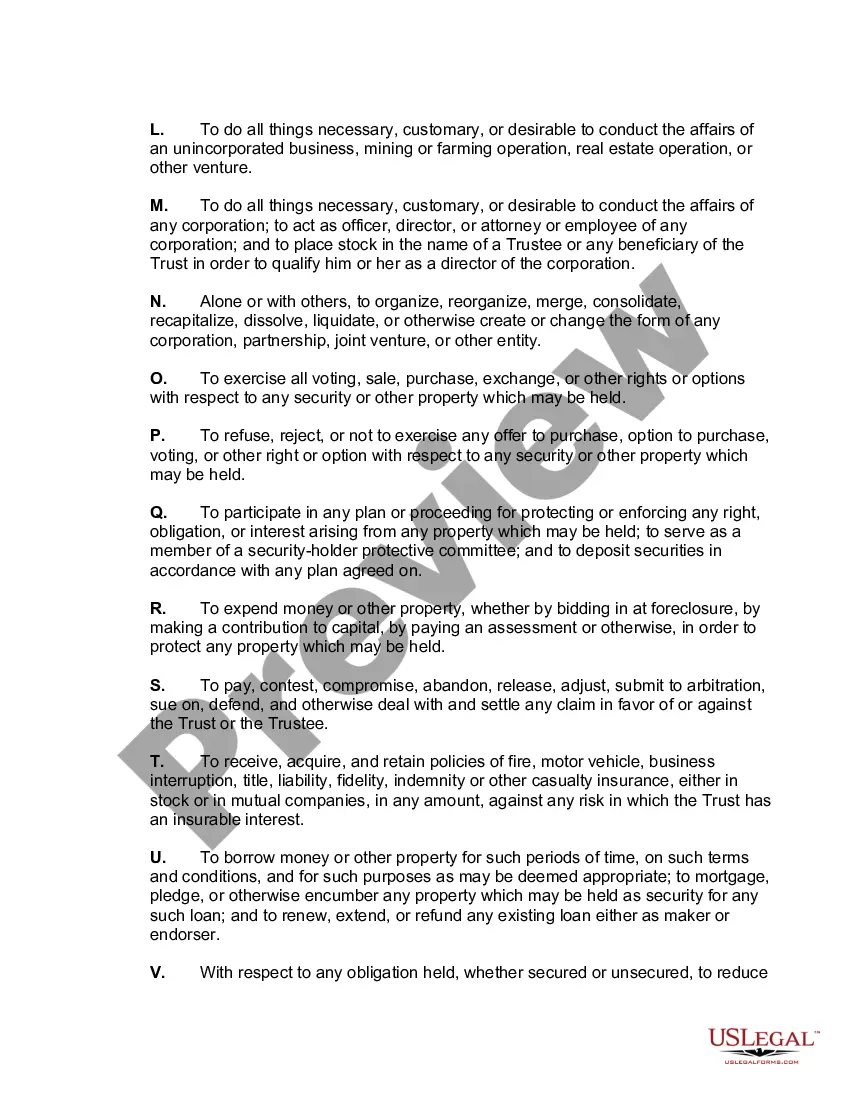
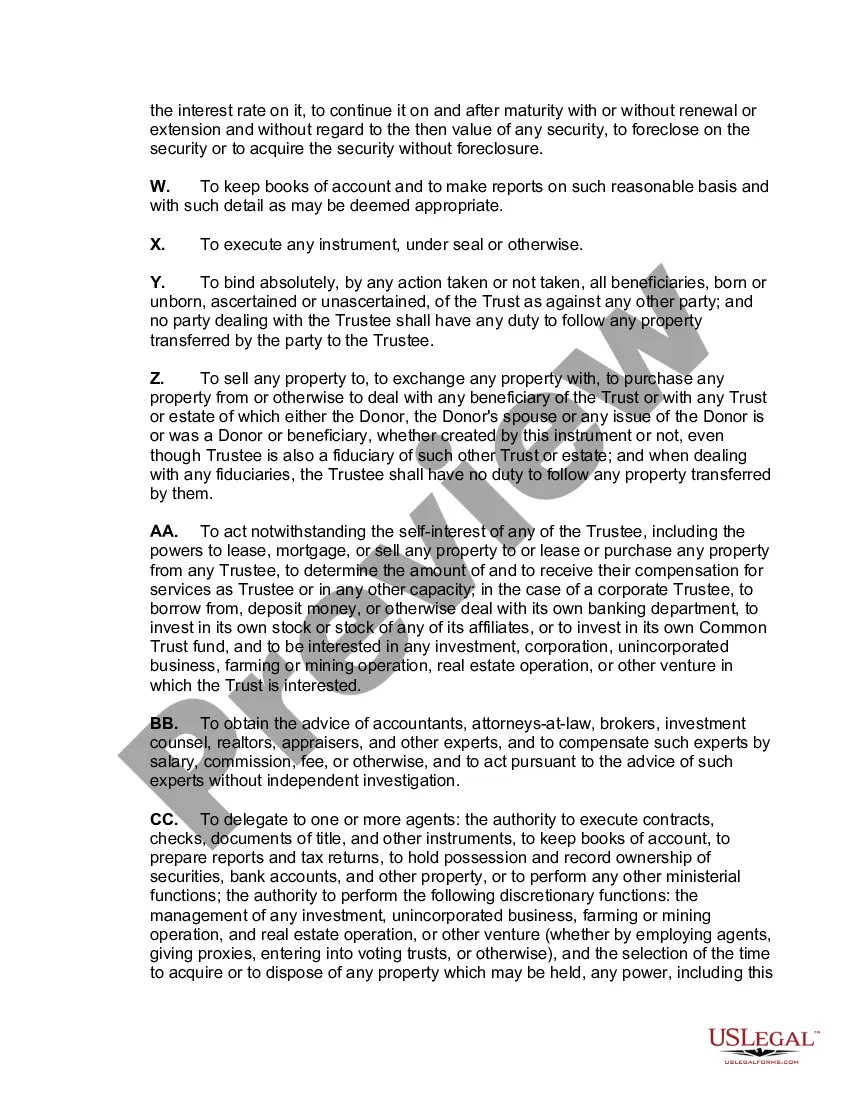
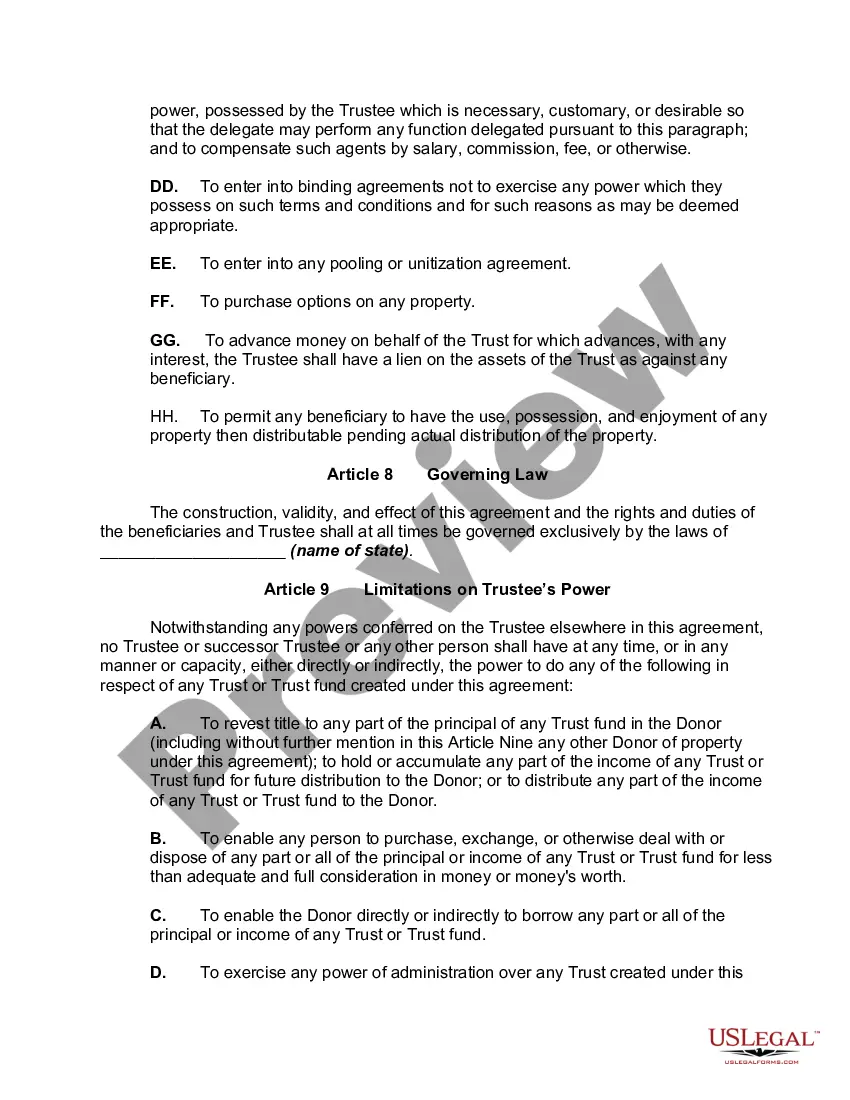

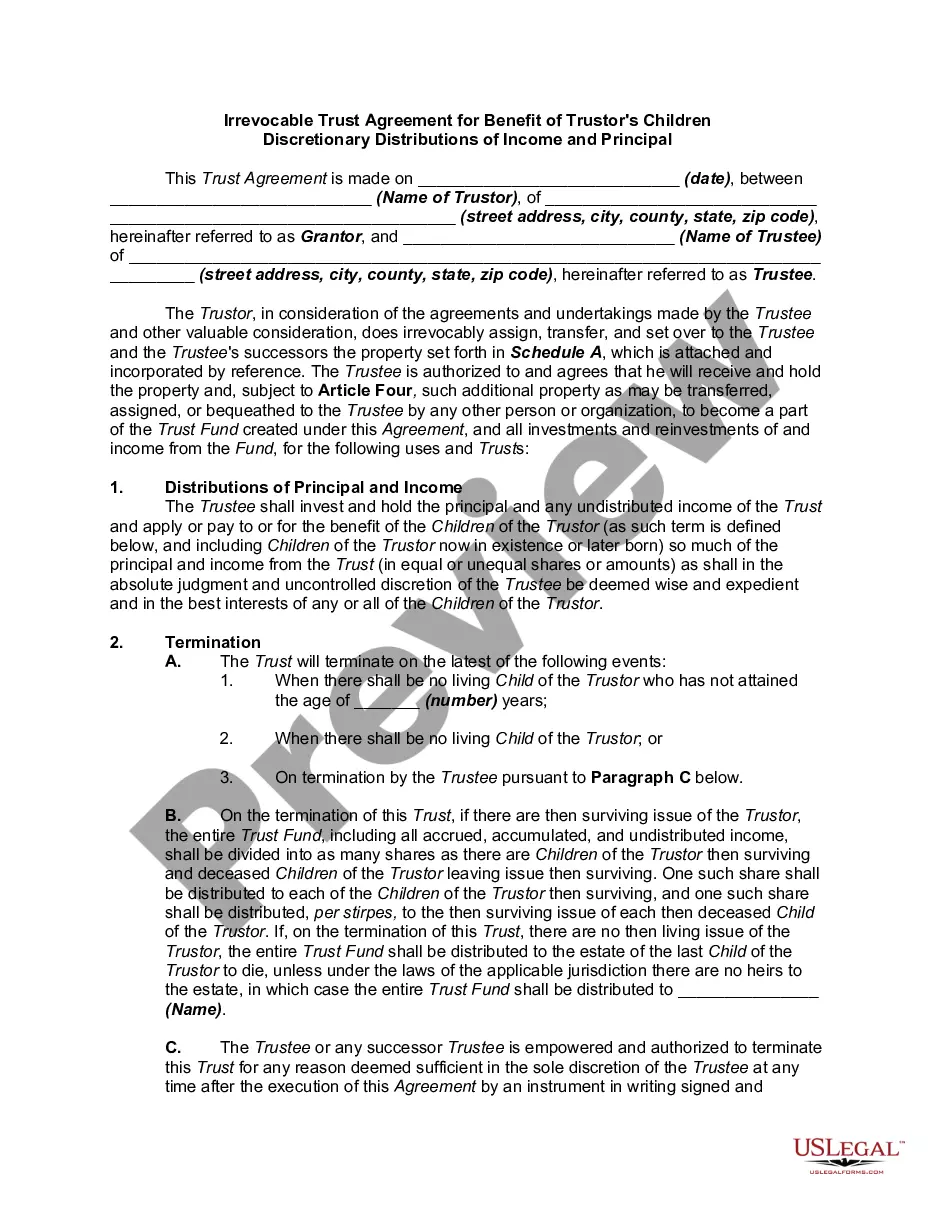
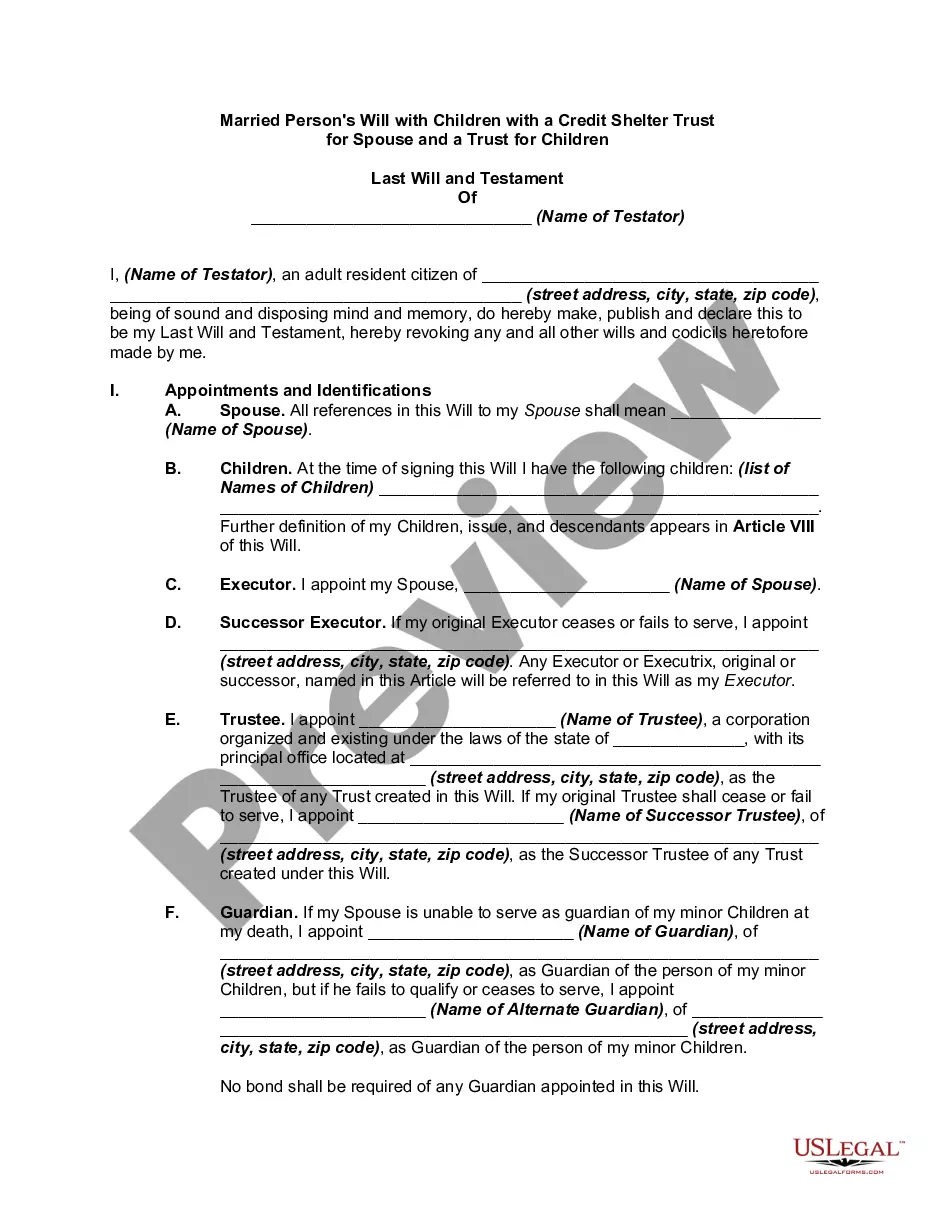
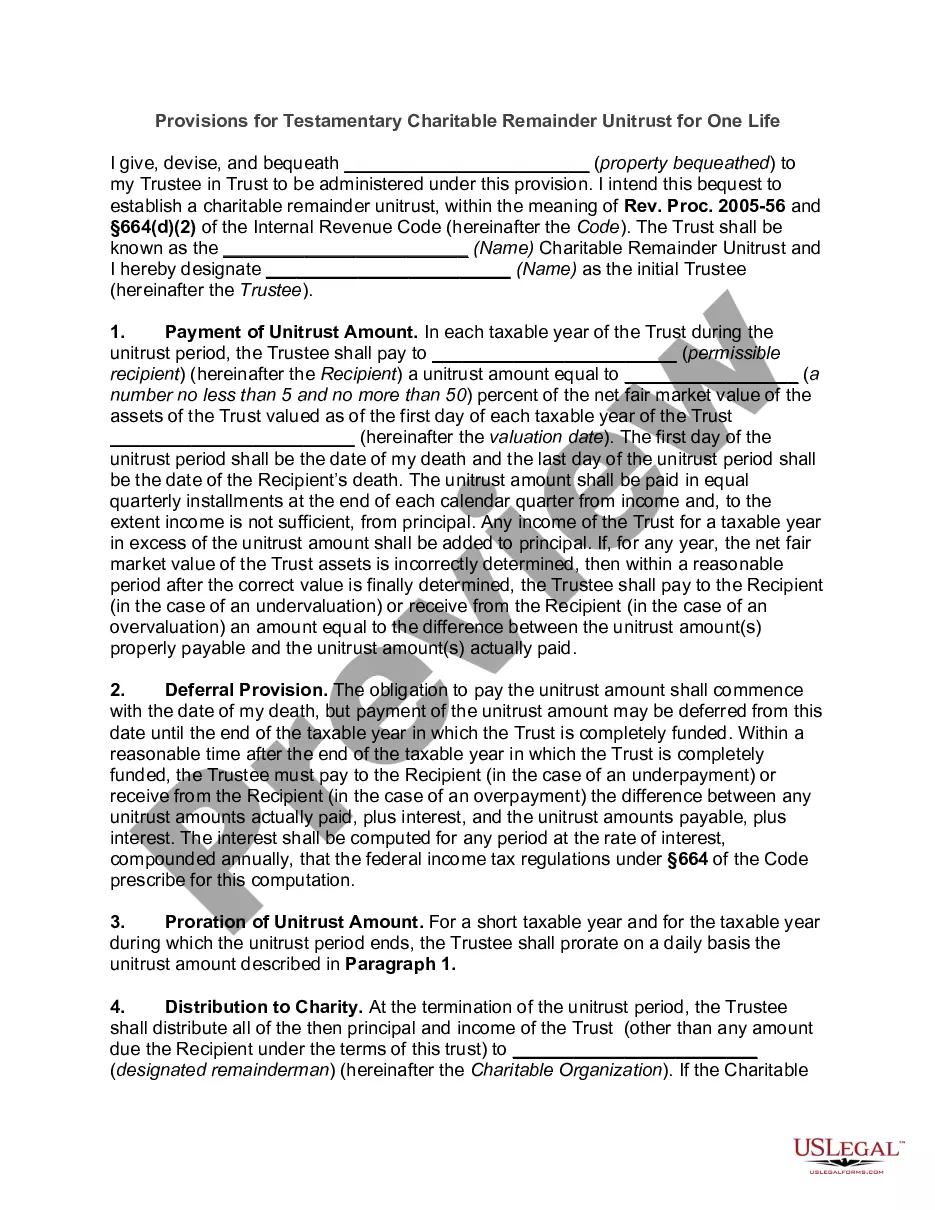
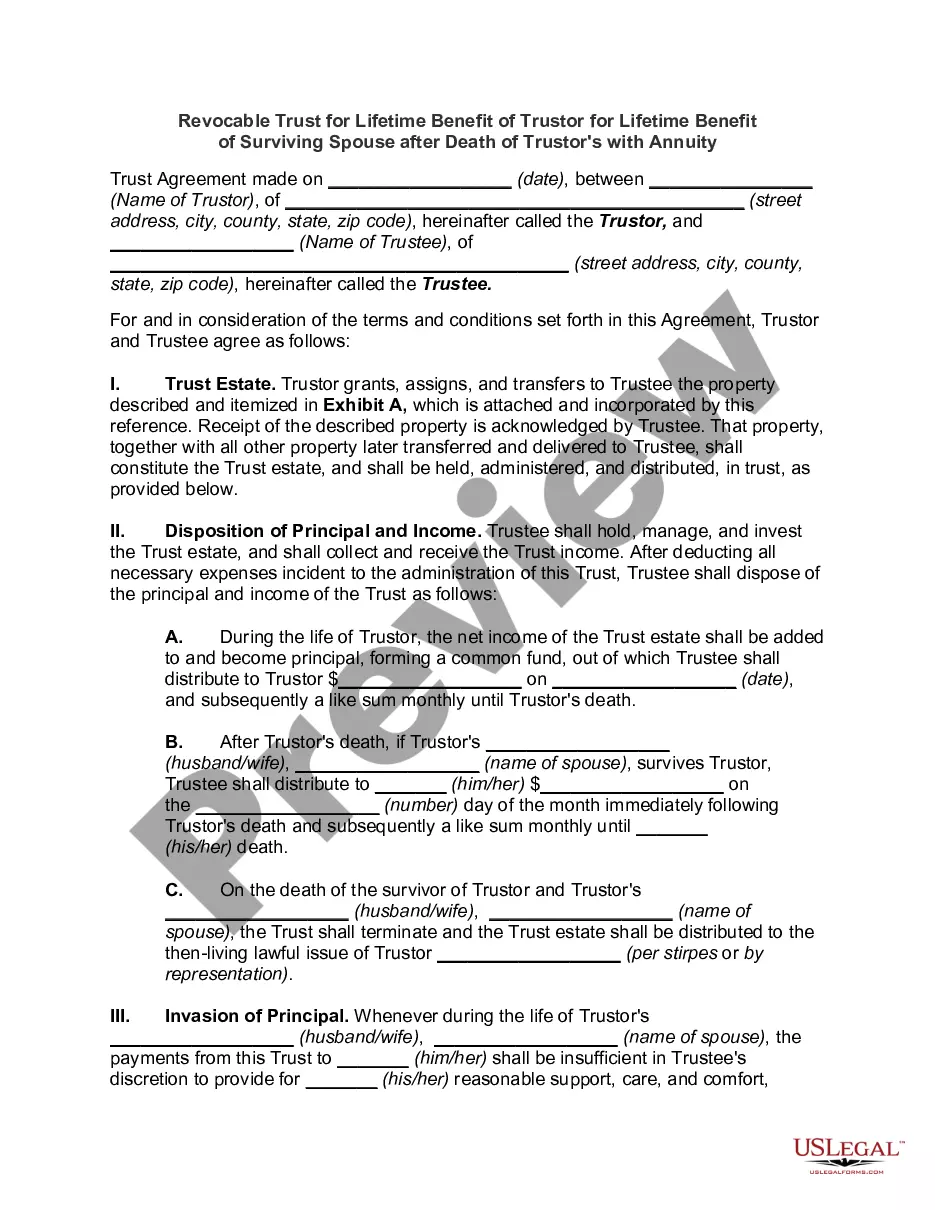
Get your form ready online
Our built-in tools help you complete, sign, share, and store your documents in one place.
Make edits, fill in missing information, and update formatting in US Legal Forms—just like you would in MS Word.
Download a copy, print it, send it by email, or mail it via USPS—whatever works best for your next step.
Sign and collect signatures with our SignNow integration. Send to multiple recipients, set reminders, and more. Go Premium to unlock E-Sign.
If this form requires notarization, complete it online through a secure video call—no need to meet a notary in person or wait for an appointment.
We protect your documents and personal data by following strict security and privacy standards.

Make edits, fill in missing information, and update formatting in US Legal Forms—just like you would in MS Word.

Download a copy, print it, send it by email, or mail it via USPS—whatever works best for your next step.

Sign and collect signatures with our SignNow integration. Send to multiple recipients, set reminders, and more. Go Premium to unlock E-Sign.

If this form requires notarization, complete it online through a secure video call—no need to meet a notary in person or wait for an appointment.

We protect your documents and personal data by following strict security and privacy standards.
Looking for another form?




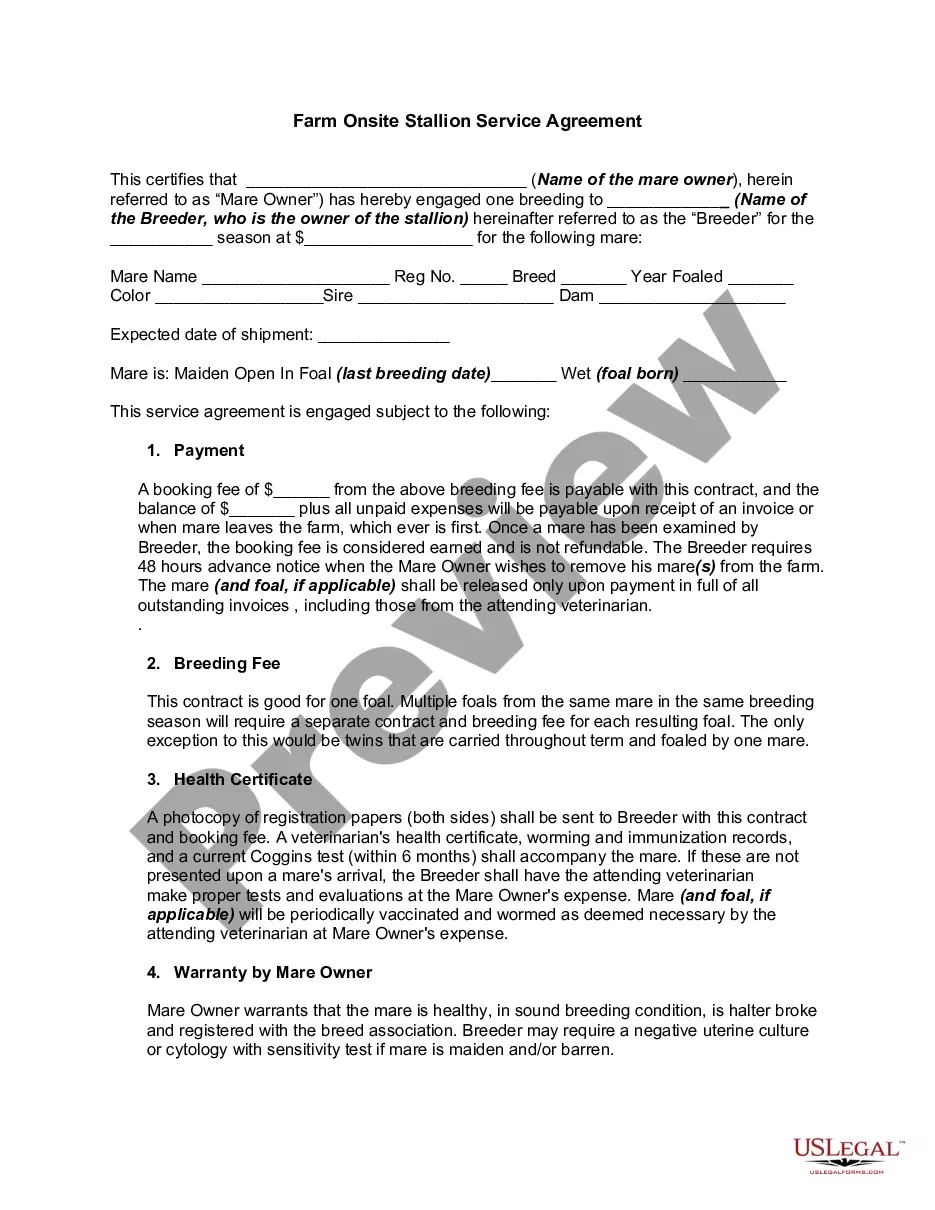
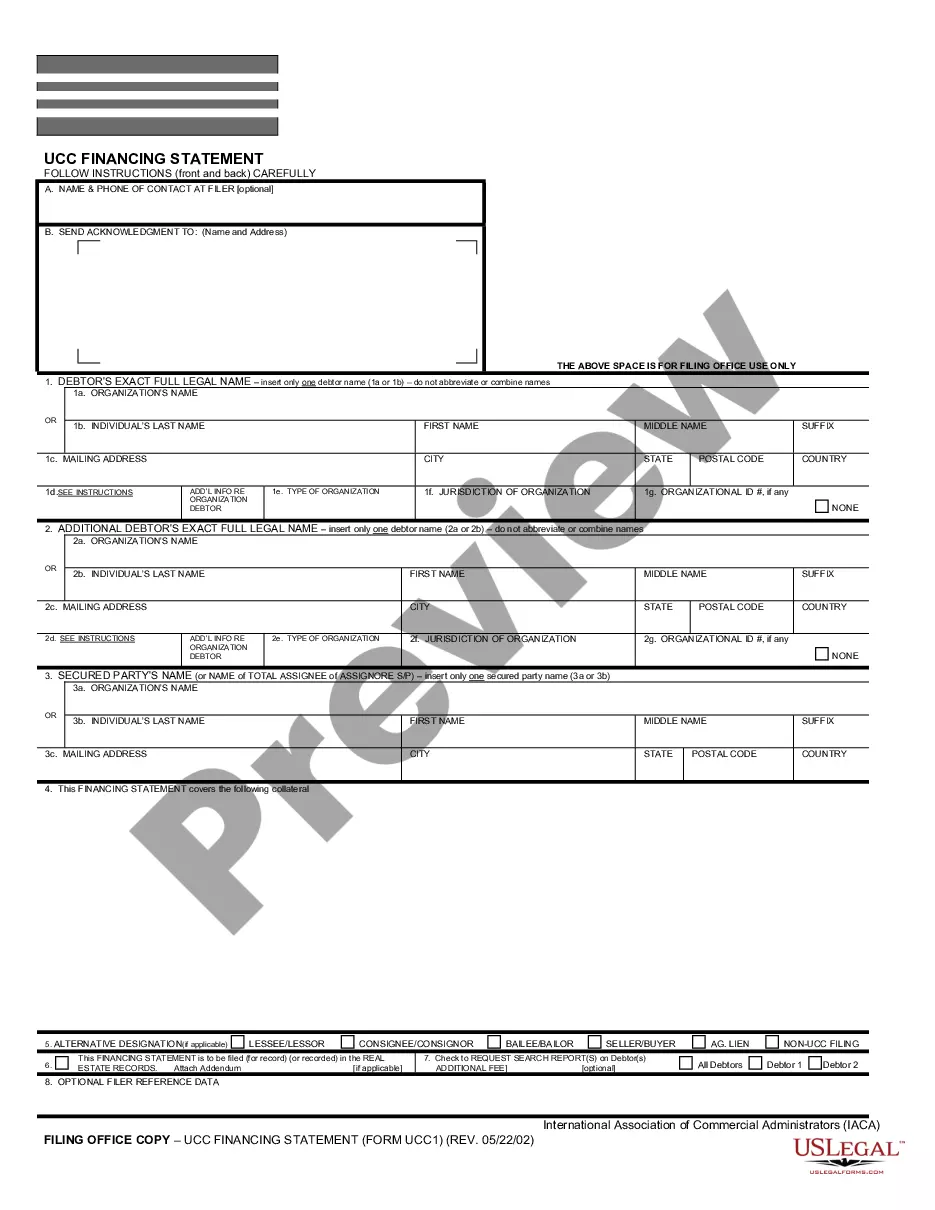


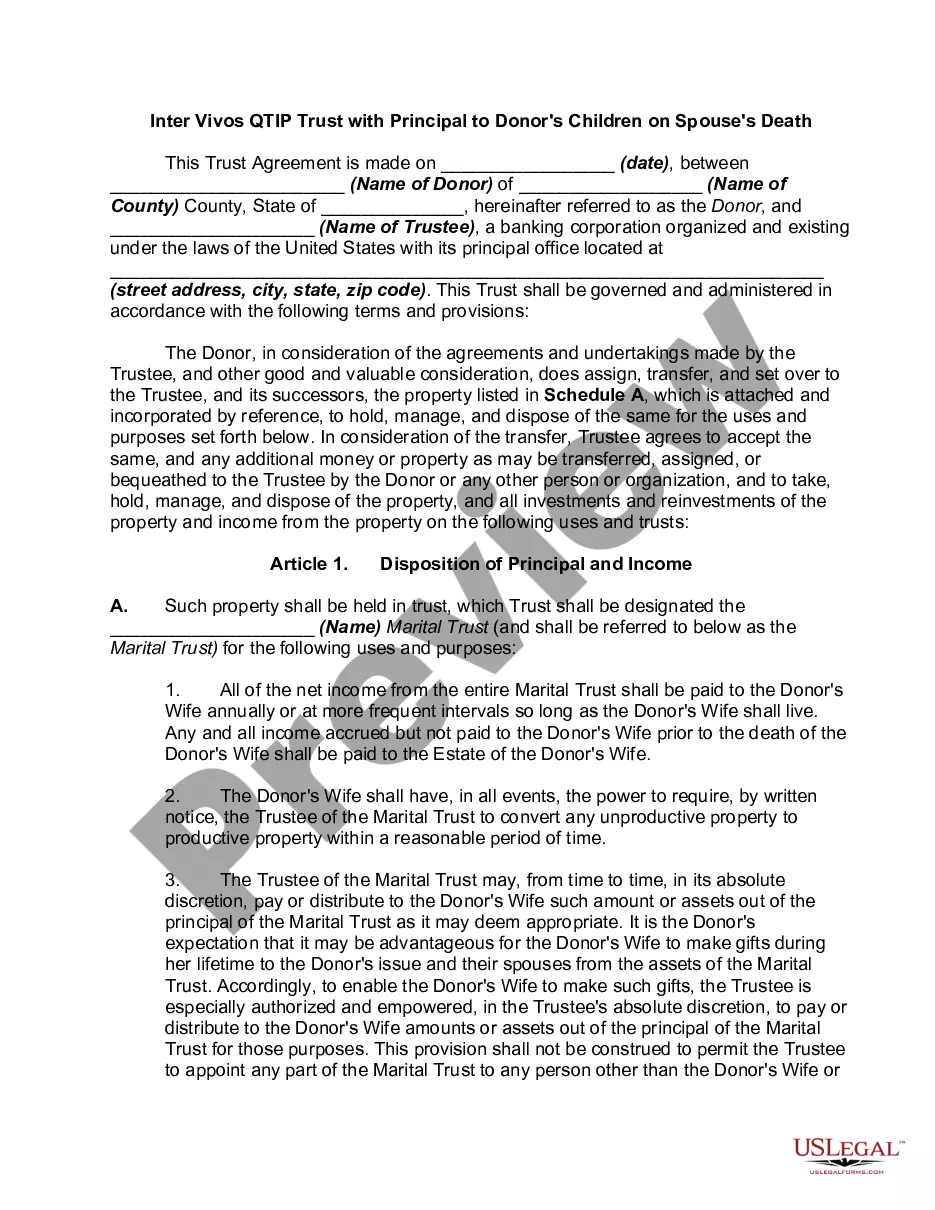
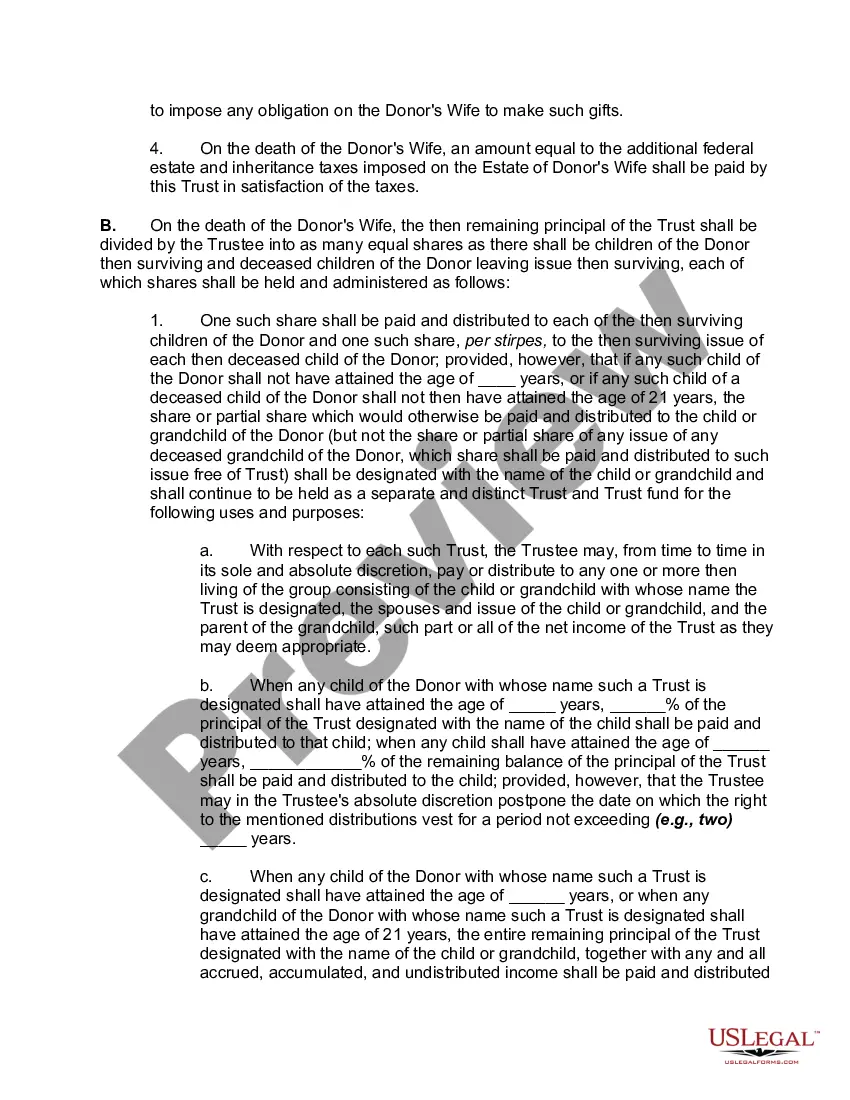
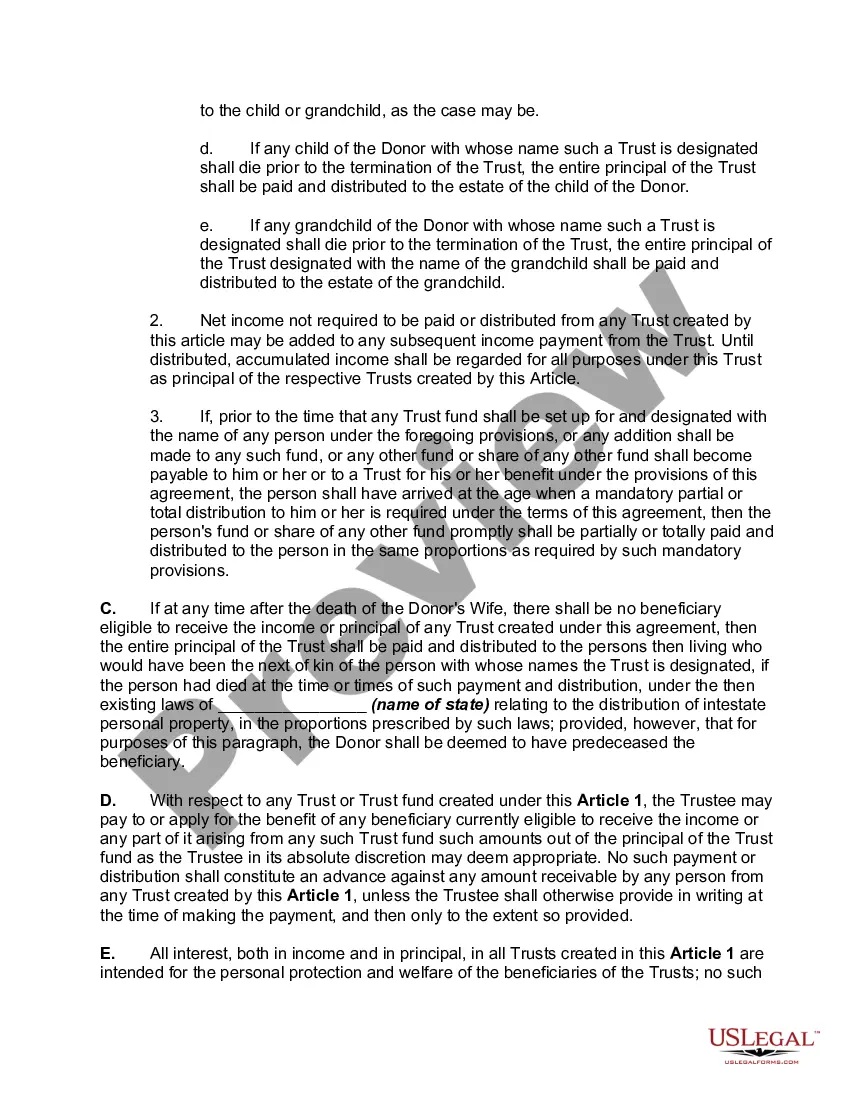
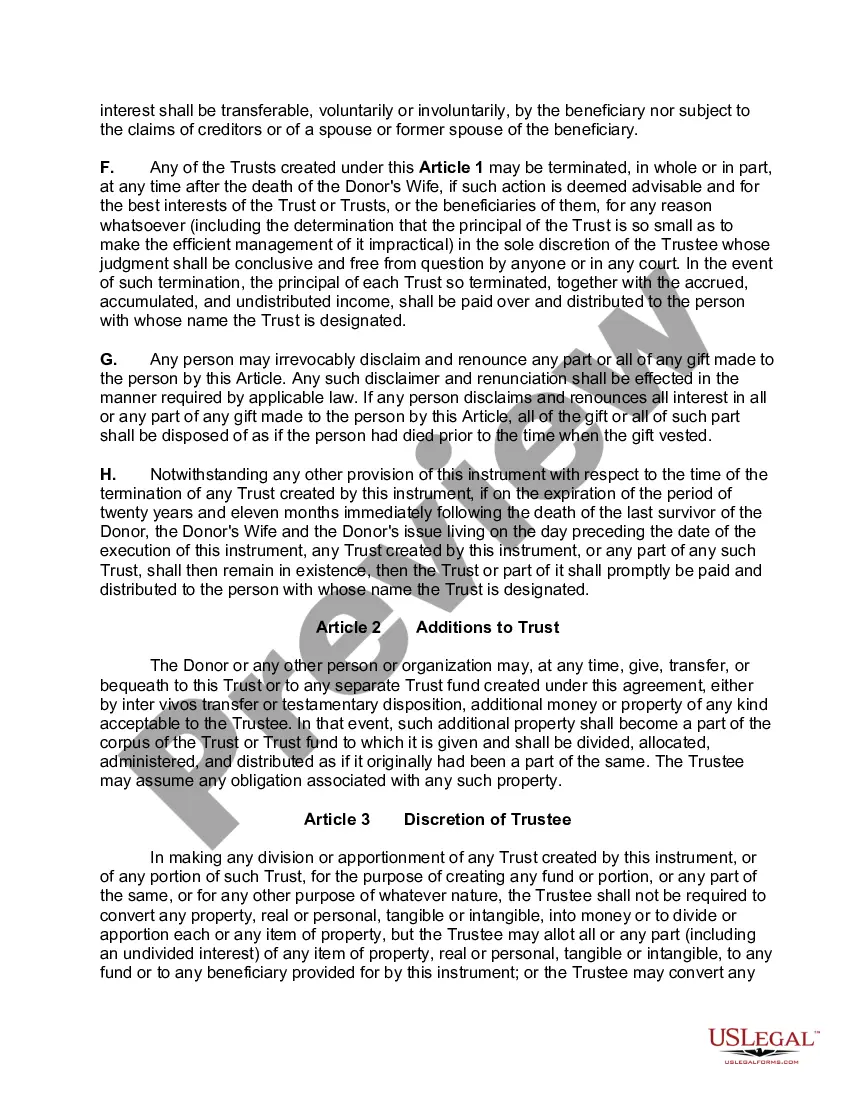
How to fill out Inter Vivos QTIP Trust With Principal To Donor's Children On Spouse's Death?
- Log in to your account if you're a returning user and download the form template directly to your device by clicking the Download button. Ensure your subscription is up to date, or renew it as necessary.
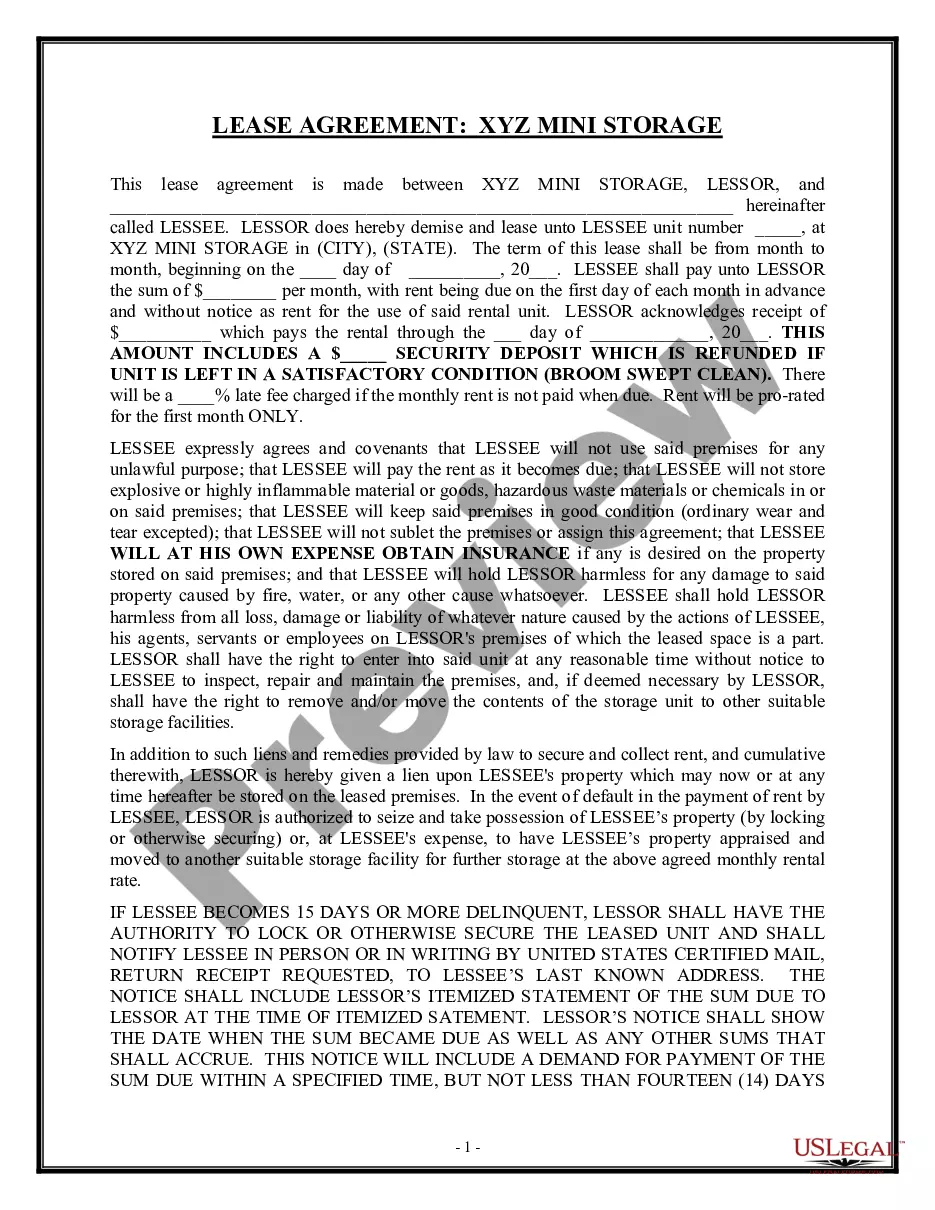
- For first-time users, begin by reviewing the Preview mode and form description to confirm that you have selected the appropriate form for your jurisdiction.
- If adjustments are needed, utilize the Search tab to find the correct template that meets your legal requirements.
- Click on the Buy Now button for the chosen document and select your preferred subscription plan, creating an account to access vast resources.
- Complete your purchase by entering your payment information through credit card or PayPal to finalize your subscription.
- Download your selected form and save it for completion. You can access it again anytime via the My Forms menu.
With US Legal Forms, you benefit from a robust collection of legal documents, ensuring you have access to more forms at a lower cost than competitors. Additionally, premium support from experts ensures your forms are filled out correctly and meet legal standards.
Start your journey with US Legal Forms today to ensure you have the right legal documents at your fingertips. Sign up now and experience the ease of legal form acquisition!
Form popularity
FAQ
To file for portability, you need to complete IRS Form 706 and submit it within nine months of the decedent's death. Be sure to include any relevant QTIP spouses form blank for 202 to ensure that all marital deductions are claimed. Portability allows you to transfer any unused estate tax exemption to the surviving spouse, which could be beneficial for future estate planning.
Yes, it is possible to make a QTIP election on a late-filed return, but strict procedures must be followed. You should include the necessary QTIP spouses form blank for 202 with your late return. Proper documentation and well-timed submissions are crucial to ensure that your election will be accepted by the IRS.
Filing taxes after a spouse passes away can be complex. You will need to gather documents, including the deceased spouse's income records and any QTIP spouses form blank for 202. Typically, you can file jointly for the year of death if you did so in prior years. This approach may allow you to benefit from a higher standard deduction and lower tax rates.
To make a QTIP election on Form 706, you need to complete the QTIP spouses form blank for 202 and include it with your estate tax return. First, gather essential documents and ensure the property qualifies for QTIP treatment. You must elect the QTIP by indicating it on the form, thus allowing your spouse to benefit from the income generated by the trust. If you need assistance with the process, consider using the resources available on uslegalforms, which can guide you through each step seamlessly.
The optimum marital deduction refers to the ideal amount of estate that can be transferred to a surviving spouse without incurring estate taxes. This strategy maximizes the financial support for the surviving spouse while minimizing tax liabilities. It's essential to understand how different trusts, including QTIP, can play a role in achieving this goal. For thorough planning, consider using the Qtip spouses form blank for 202 as part of your approach.
Yes, QTIP trusts do qualify for the marital deduction, making them a popular choice for married couples. This qualification allows the assets in the trust to avoid immediate estate tax liability. Instead, taxes are deferred until the surviving spouse’s death, which can provide significant financial advantages. You can make this process easier by accessing the Qtip spouses form blank for 202.
Certain transfers do not qualify for the marital deduction, including those to non-citizen spouses. Additionally, property gifted directly to someone other than the surviving spouse does not receive this benefit. Understanding these limitations is essential when planning your estate, as you want to maximize the benefits for your surviving spouse. Consider the Qtip spouses form blank for 202 as a resource to help navigate these complexities.
Making a QTIP election is a straightforward process. You file IRS Form 706, also known as the United States Estate (and Generation-Skipping Transfer) Tax Return, and indicate your intention to treat the trust as a QTIP trust. This election allows the surviving spouse to receive distributions from the trust, which can be crucial for financial security. Remember to utilize the Qtip spouses form blank for 202 to streamline this process.
Yes, a QTIP trust does qualify for the marital deduction. This means that the assets in the QTIP trust can pass to the surviving spouse without incurring federal estate taxes at the time of the decedent’s death. It is an effective tool in estate planning, allowing you to control how the assets are distributed after your spouse's passing. Ensure you use the Qtip spouses form blank for 202 to make the appropriate elections.
A bypass trust, often referred to as a credit shelter trust, generally does not qualify for the marital deduction. This is because assets placed in a bypass trust are not considered part of the surviving spouse's estate. Therefore, when planning your estate, you should understand that the bypass trust serves different purposes than a QTIP trust. Utilizing the Qtip spouses form blank for 202 can help clarify your estate planning needs.