Qtip Spouses Death With A Disability
Description
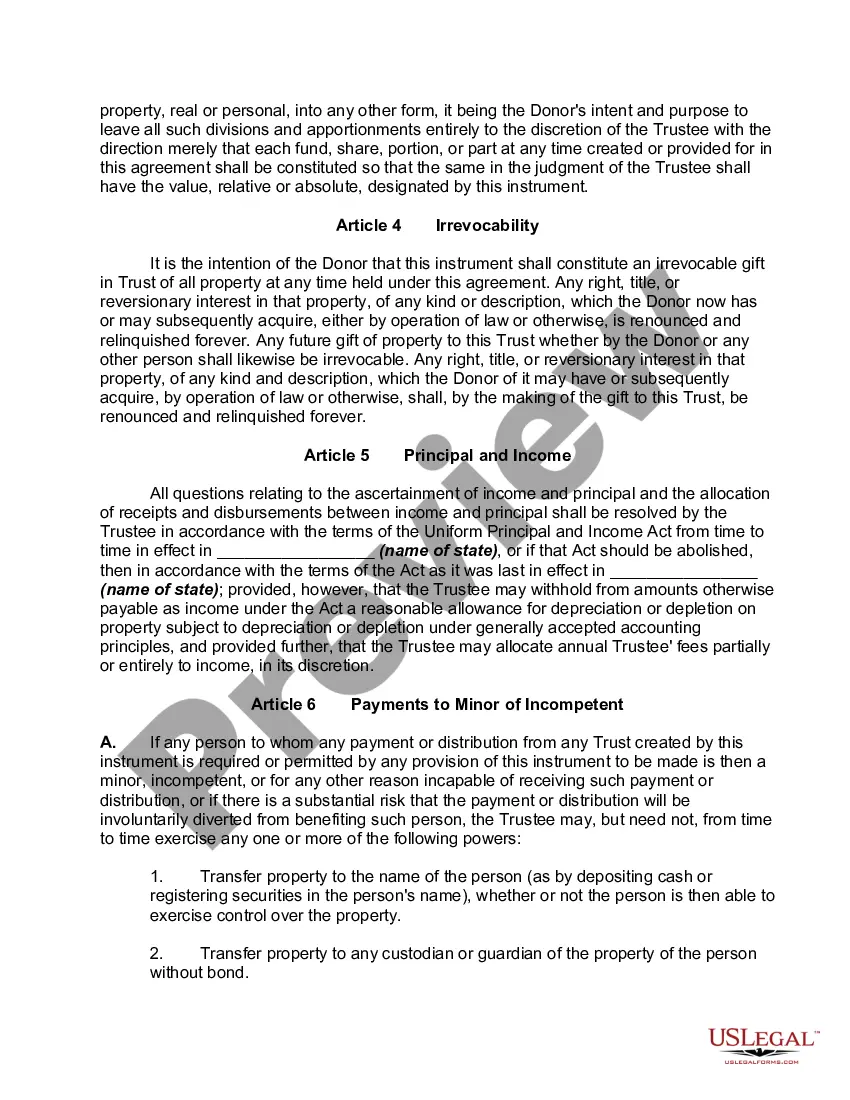
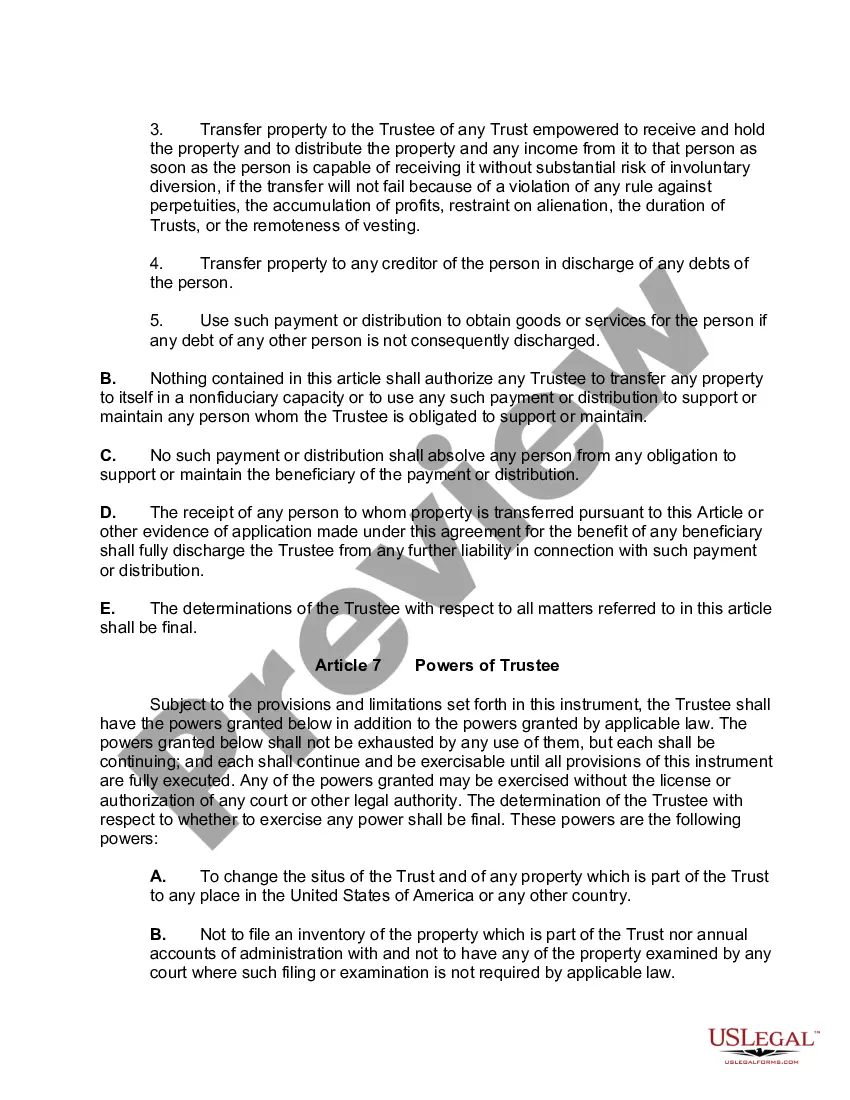
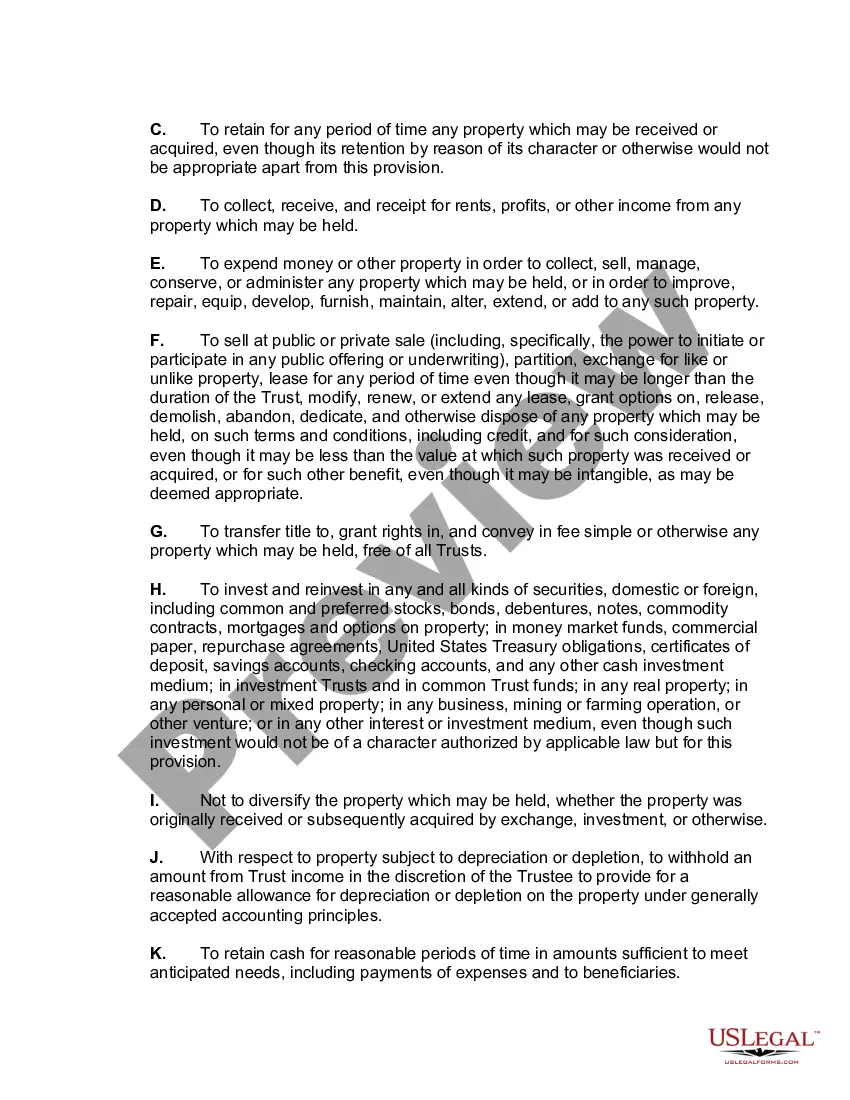
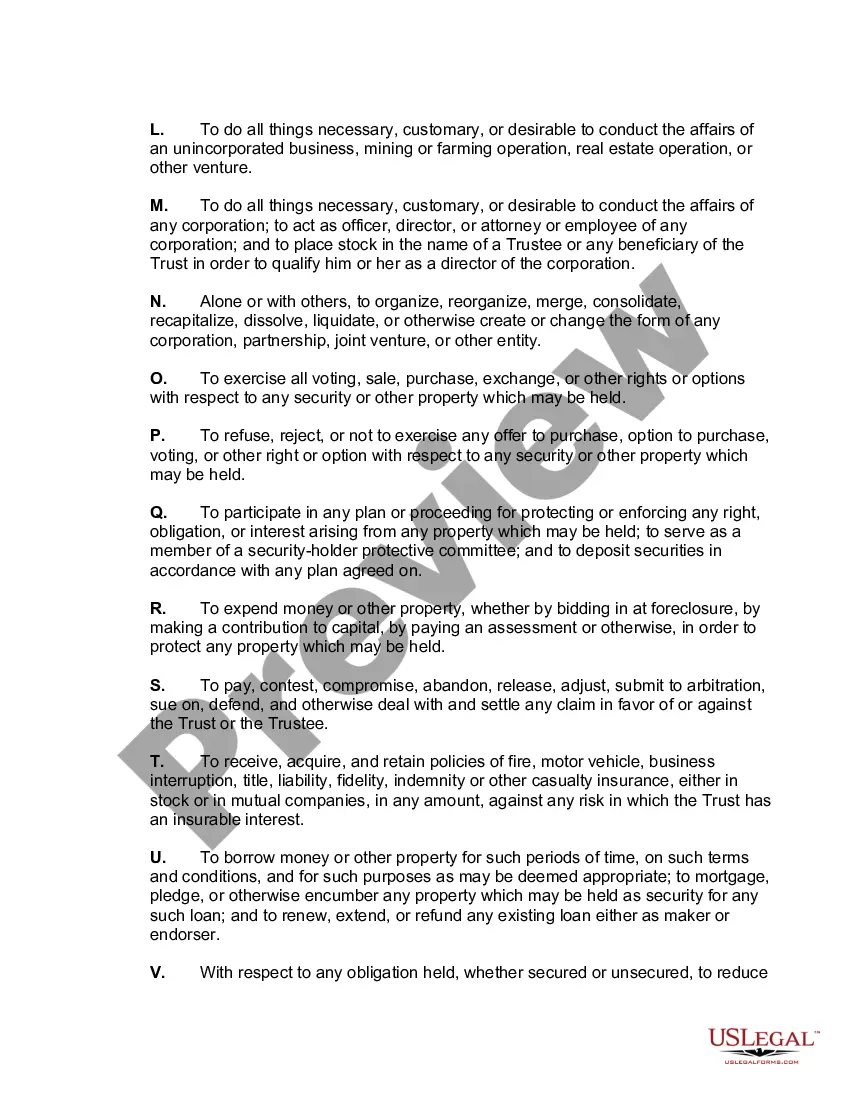
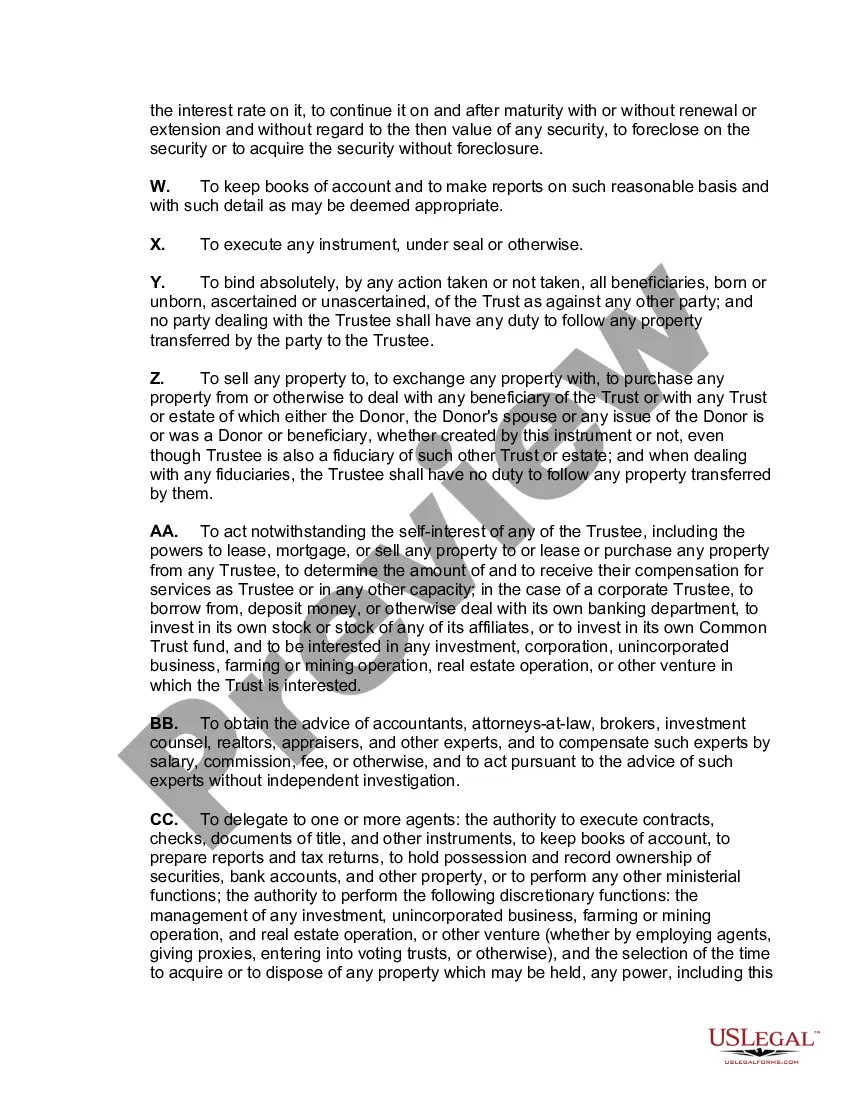
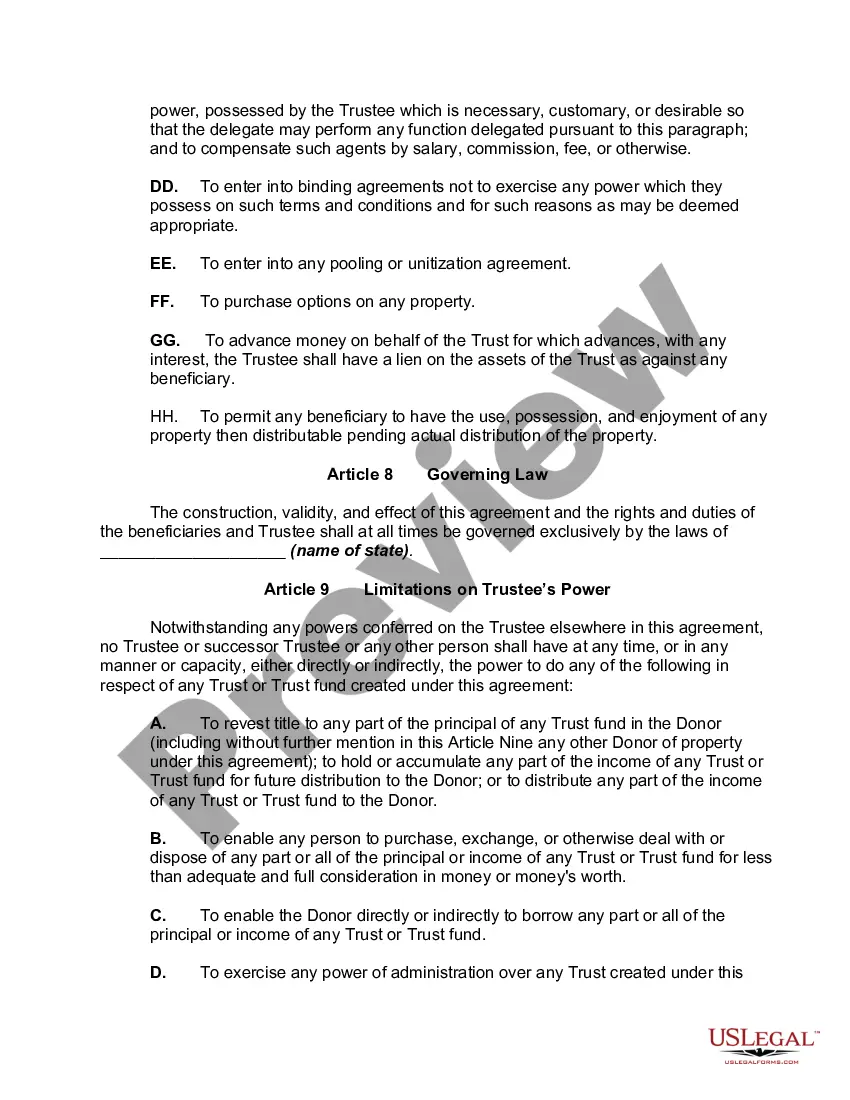

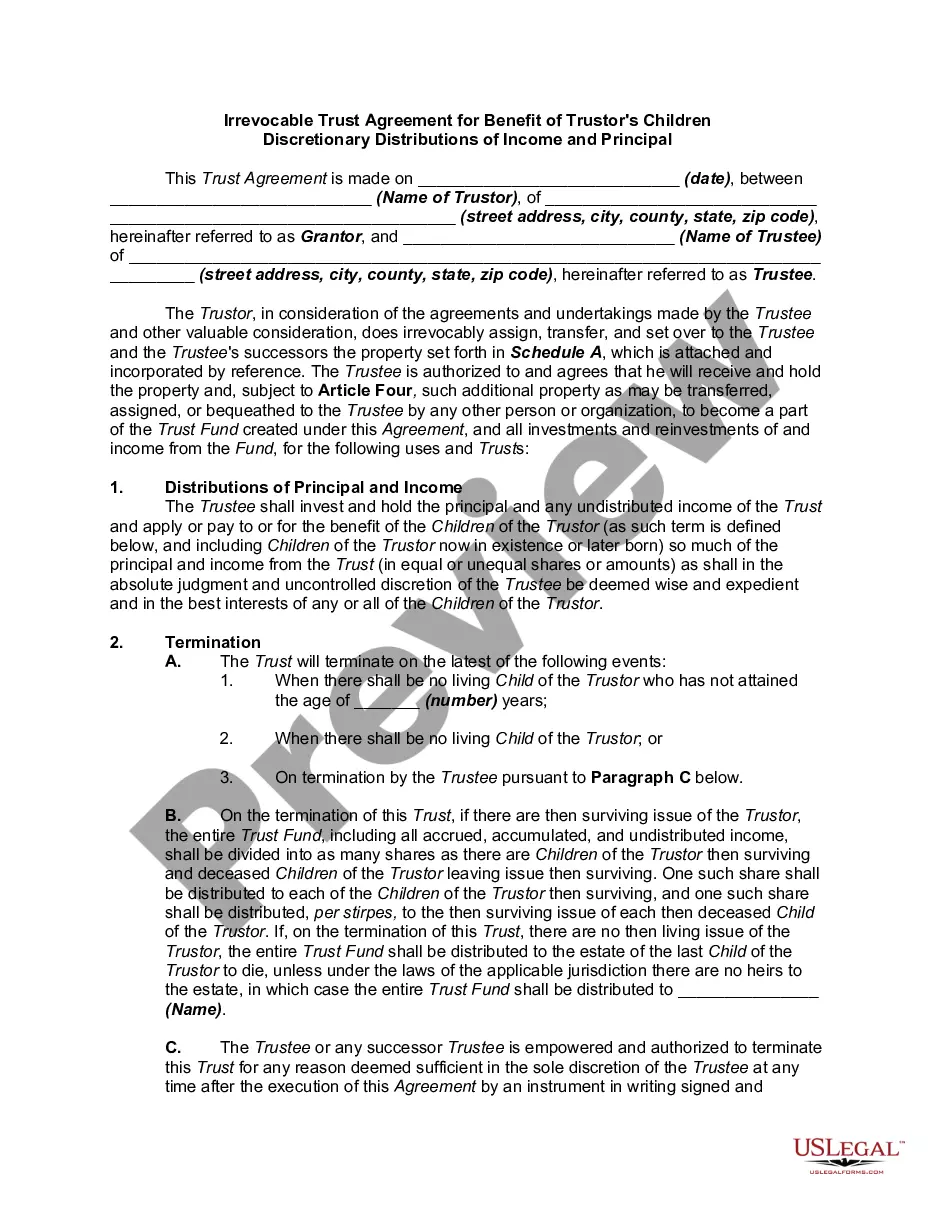
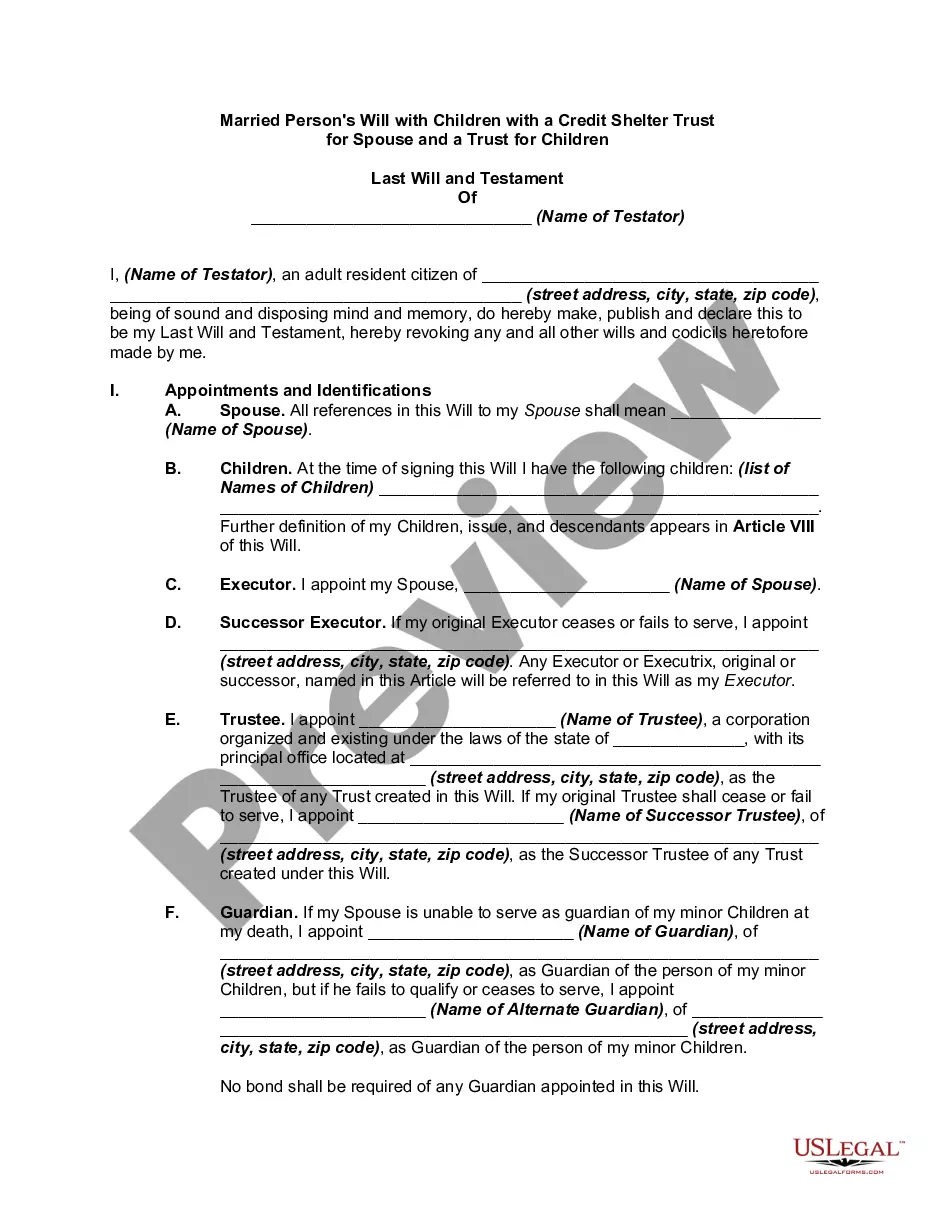
Get your form ready online
Our built-in tools help you complete, sign, share, and store your documents in one place.
Make edits, fill in missing information, and update formatting in US Legal Forms—just like you would in MS Word.
Download a copy, print it, send it by email, or mail it via USPS—whatever works best for your next step.
Sign and collect signatures with our SignNow integration. Send to multiple recipients, set reminders, and more. Go Premium to unlock E-Sign.
If this form requires notarization, complete it online through a secure video call—no need to meet a notary in person or wait for an appointment.
We protect your documents and personal data by following strict security and privacy standards.

Make edits, fill in missing information, and update formatting in US Legal Forms—just like you would in MS Word.

Download a copy, print it, send it by email, or mail it via USPS—whatever works best for your next step.

Sign and collect signatures with our SignNow integration. Send to multiple recipients, set reminders, and more. Go Premium to unlock E-Sign.

If this form requires notarization, complete it online through a secure video call—no need to meet a notary in person or wait for an appointment.

We protect your documents and personal data by following strict security and privacy standards.
Looking for another form?







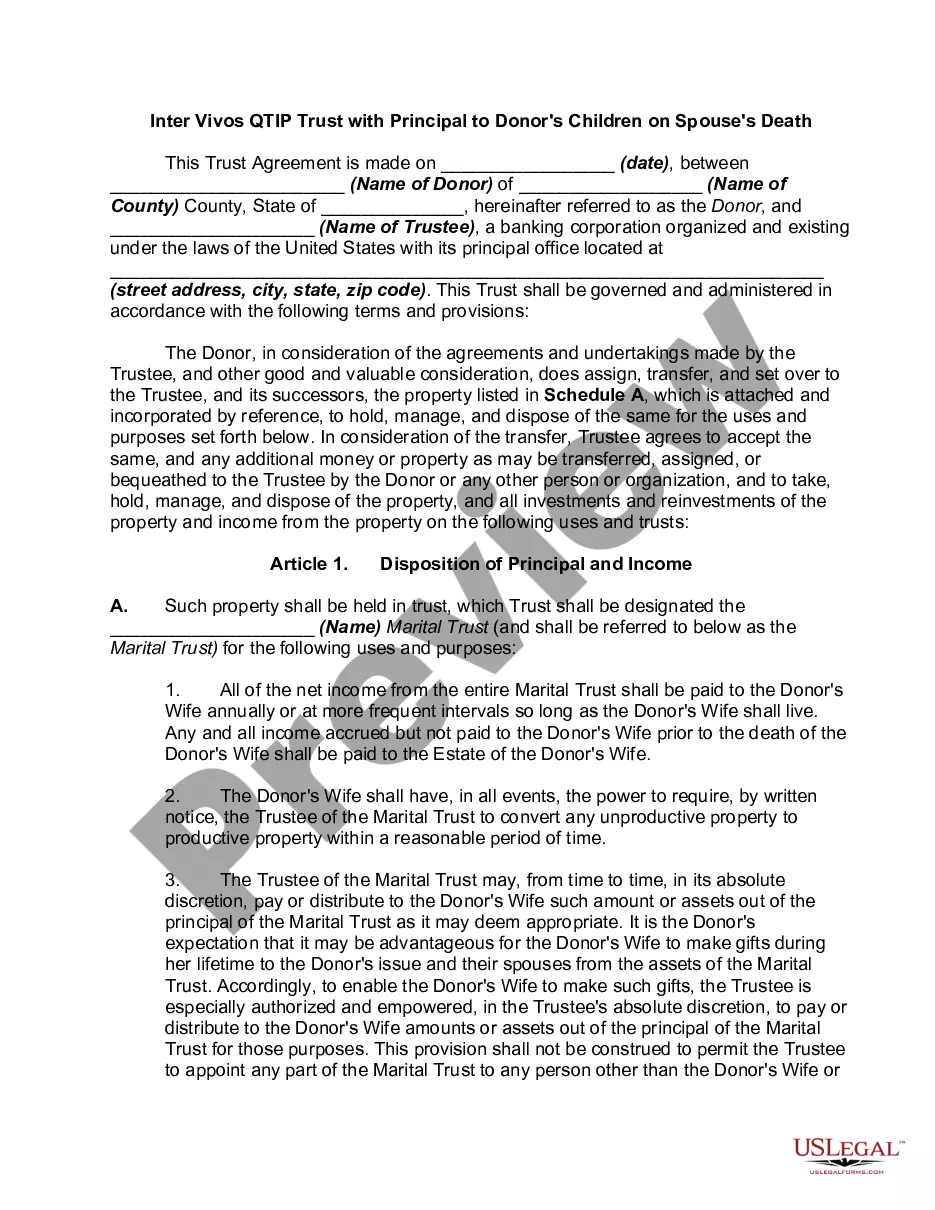
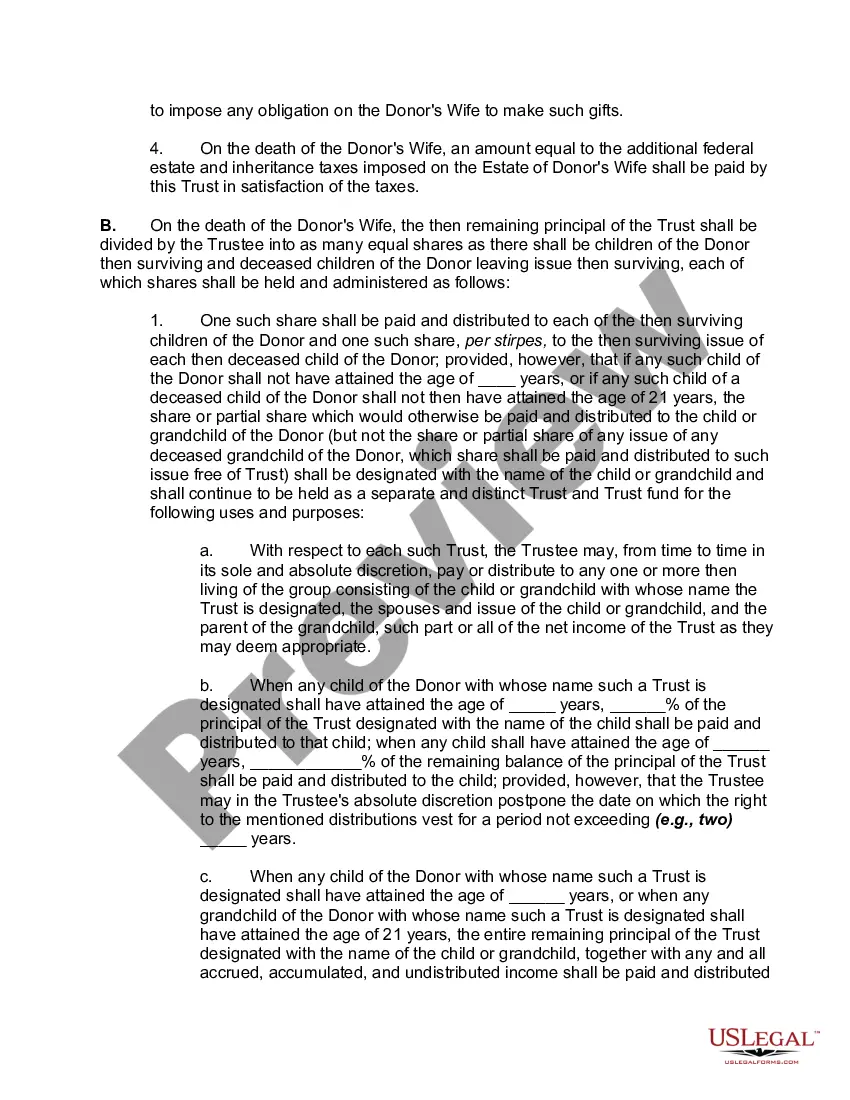
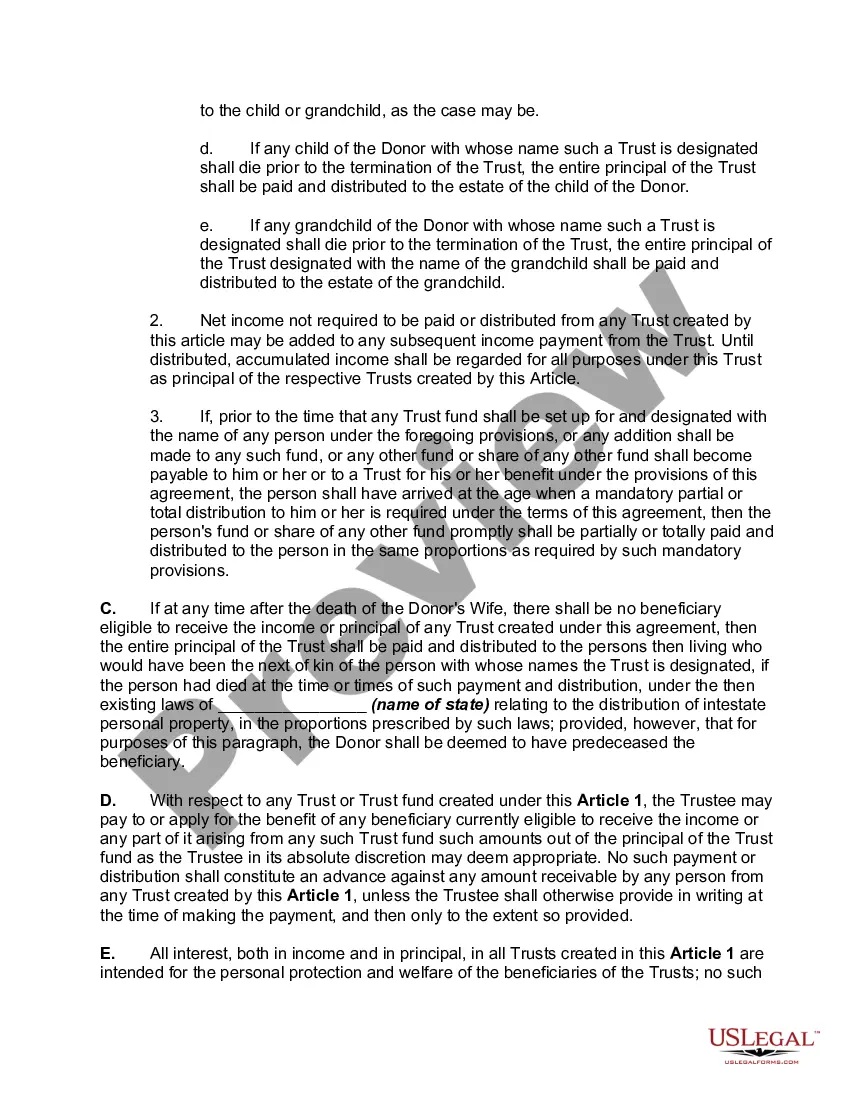
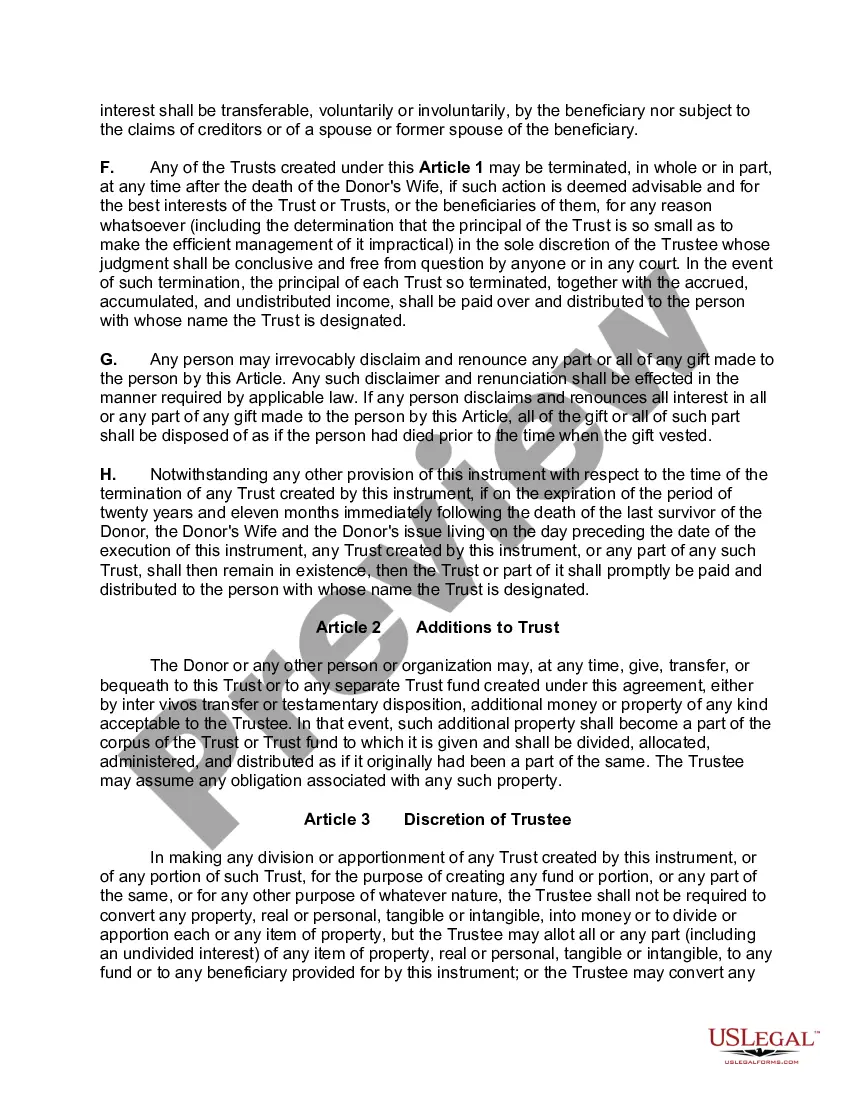
How to fill out Inter Vivos QTIP Trust With Principal To Donor's Children On Spouse's Death?
- If you're a returning user, log in to your account to easily download the required template by clicking the Download button. Verify that your subscription is still active; if not, renew it based on your payment plan.
- For first-time users, start by reviewing the Preview mode and form descriptions. Make certain you select the form that best fits your situation and aligns with local laws.
- If your initial choice seems off, utilize the Search function to find the correct template that meets your legal necessities.
- Once you've found your form, purchase it by clicking the Buy Now button and select your subscription plan. You will need to register for an account to gain full access to the library.
- Complete your payment by entering your credit card information or utilizing your PayPal account to finalize your subscription.
- After purchasing, download the form to your device. You can always re-access this document later through the My Forms section of your profile.
By using US Legal Forms, you gain access to an extensive library of over 85,000 customizable legal documents, making it easier to find precisely what you need.
Enjoy the peace of mind that comes with knowing your legal documents are accurate and prepared with the assistance of knowledgeable experts. Begin your journey today!
Form popularity
FAQ
The spousal power of appointment in a trust refers to the authority given to the spouse to decide how trust assets are distributed among beneficiaries after their passing. This power is particularly beneficial in a QTIP trust, as it allows the surviving spouse to make critical decisions that reflect their preferences and the dynamics of the family. Understanding this power is essential for effective estate planning, especially when dealing with the complexities surrounding a spouse's death with a disability. For detailed insights, check out the resources at uslegalforms.
While QTIP trusts provide various benefits, there are some downsides to consider. One significant drawback is the potential estate tax implications that may arise, particularly if the trust holds substantial assets. Additionally, managing the trust may require legal assistance, which could result in unexpected costs. If you're exploring the implications of a QTIP trust after a spouse's death with a disability, uslegalforms can help clarify your situation and guide you through the process.
Yes, a marital trust can indeed have a power of appointment included, and this feature can enhance its effectiveness, particularly in a scenario involving a QTIP trust after a spouse's death with a disability. This power allows the initial trustee or the surviving spouse to designate the beneficiaries of the assets, offering flexibility for future distributions. It is essential to evaluate how this power interacts with other provisions of the trust to maximize its benefits.
Yes, a surviving spouse can serve as the trustee of a QTIP trust, which can greatly simplify the management of the trust's assets. This arrangement allows the spouse to maintain control and make decisions that align with their needs, especially after the death of a partner with a disability. By taking on this role, the surviving spouse can ensure that the trust is administered according to their wishes and legal standards. For guidance on this matter, consider visiting uslegalforms.
In the context of QTIP trusts, the surviving spouse may receive certain powers of appointment, depending on how the trust is structured. Often, these powers allow the surviving spouse to decide who benefits from the trust after their death. This flexibility can help in managing assets effectively, especially in cases where a QTIP trust is set up due to a spouse's death with a disability. If you are navigating these complexities, uslegalforms offers resources to assist you.
To establish a QTIP trust, the trust must meet several criteria. It must provide for the surviving spouse to receive all income during their lifetime, and it must include a clear plan for asset distribution after the spouse's passing. For assistance with setting up a QTIP trust properly, consider using UsLegalForms. They offer resources and guidance tailored for your unique situation.
First, a QTIP trust must provide the surviving spouse with all income generated by the trust during their lifetime. Second, upon the death of the surviving spouse, the remaining assets must be transferred to the beneficiaries designated by the deceased spouse. Considering these requirements ensures that your QTIP trust functions effectively even in challenging circumstances like a spouse’s death with a disability.
The QTIP rule permits assets placed in a QTIP trust to qualify for the marital deduction for estate tax purposes. This means that when a spouse dies with a disability, the assets in the QTIP trust are not taxed until the surviving spouse passes away. By understanding the QTIP rule, you can create an effective strategy for protecting your spouse's financial interests.
QTIP, or Qualified Terminable Interest Property, requires specific conditions to manage assets after a spouse's death with a disability. The trust must provide income to the surviving spouse for their lifetime while ensuring that, upon their death, the remaining assets go to designated beneficiaries. This structure allows control over asset distribution while supporting the needs of a spouse with a disability.
A surviving spouse in a QTIP trust generally has a life interest, allowing them to receive all income generated by the trust during their lifetime. This provision can provide financial stability and peace of mind, particularly in situations involving a spouse's death with a disability. Ensuring that this is structured properly can make a significant difference in long-term financial outcomes.