Qtip
Description

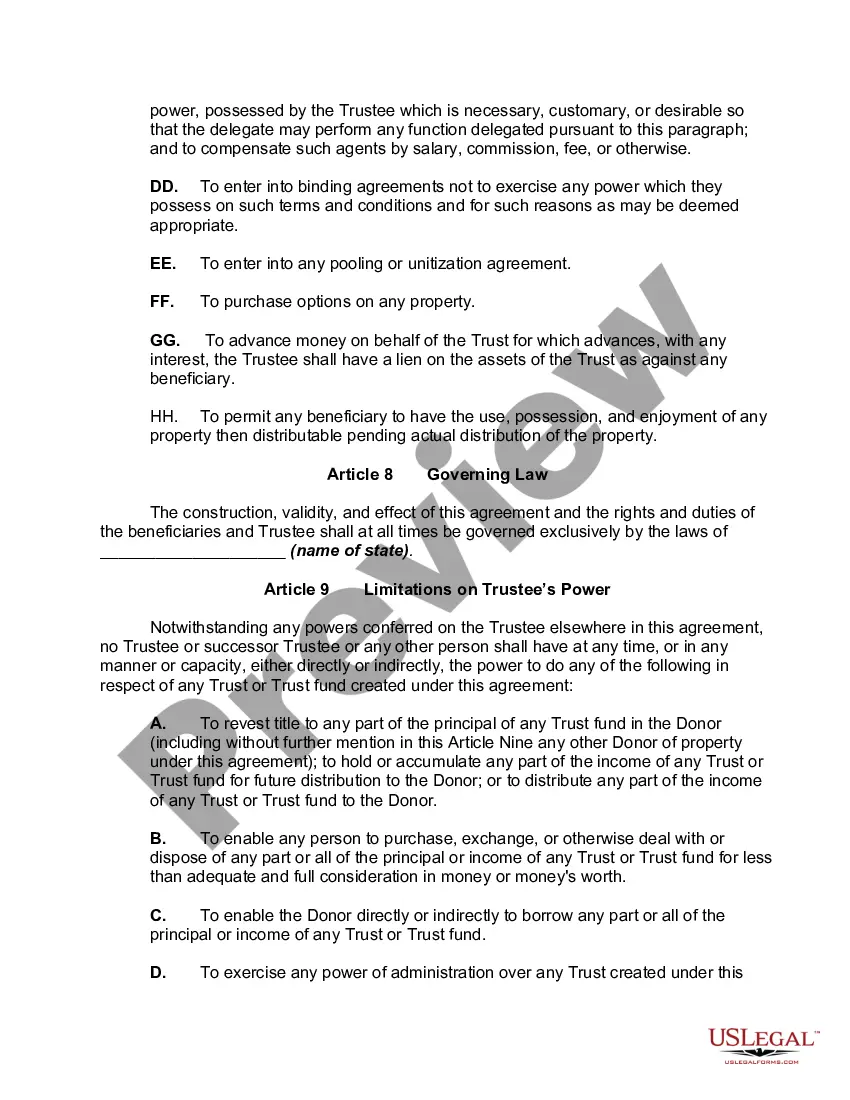

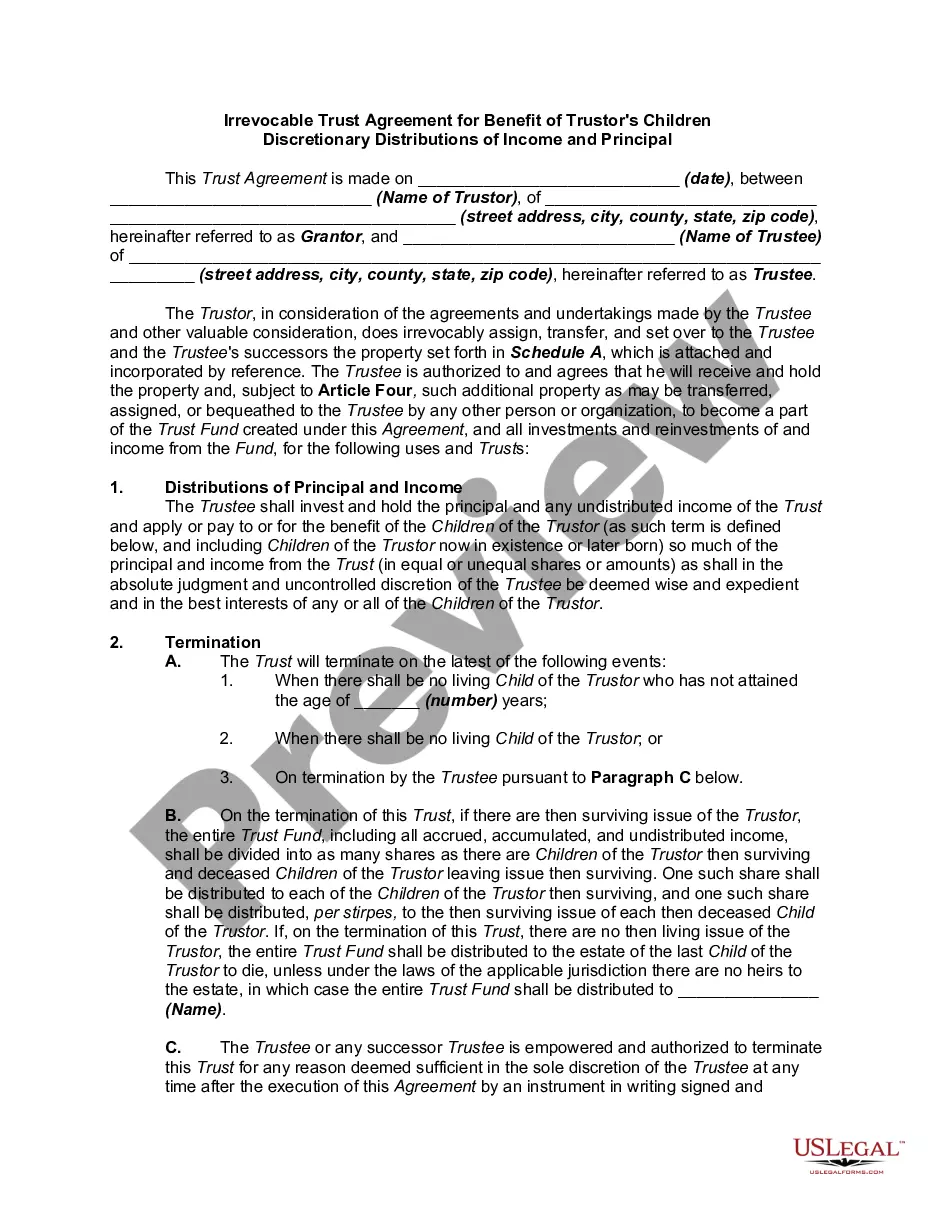
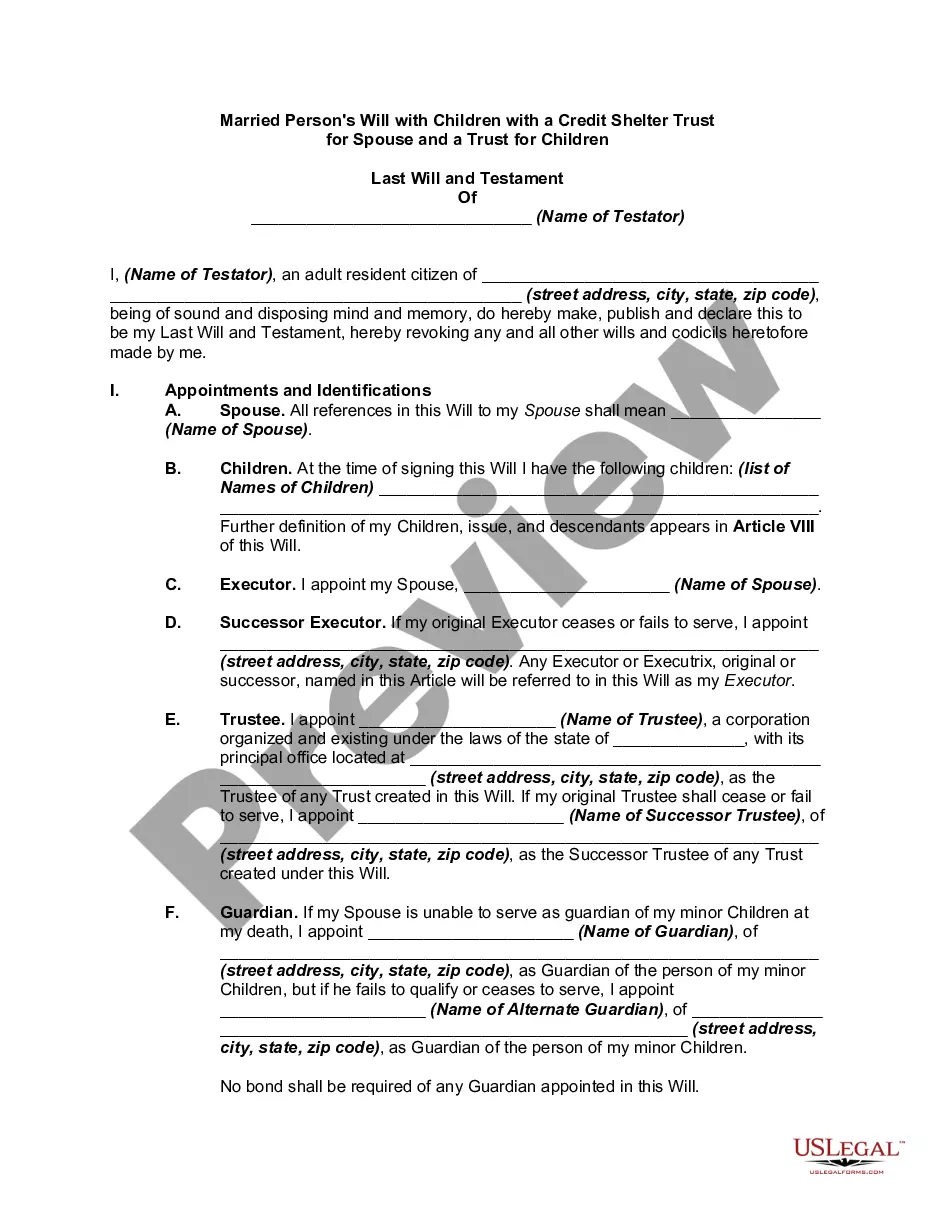
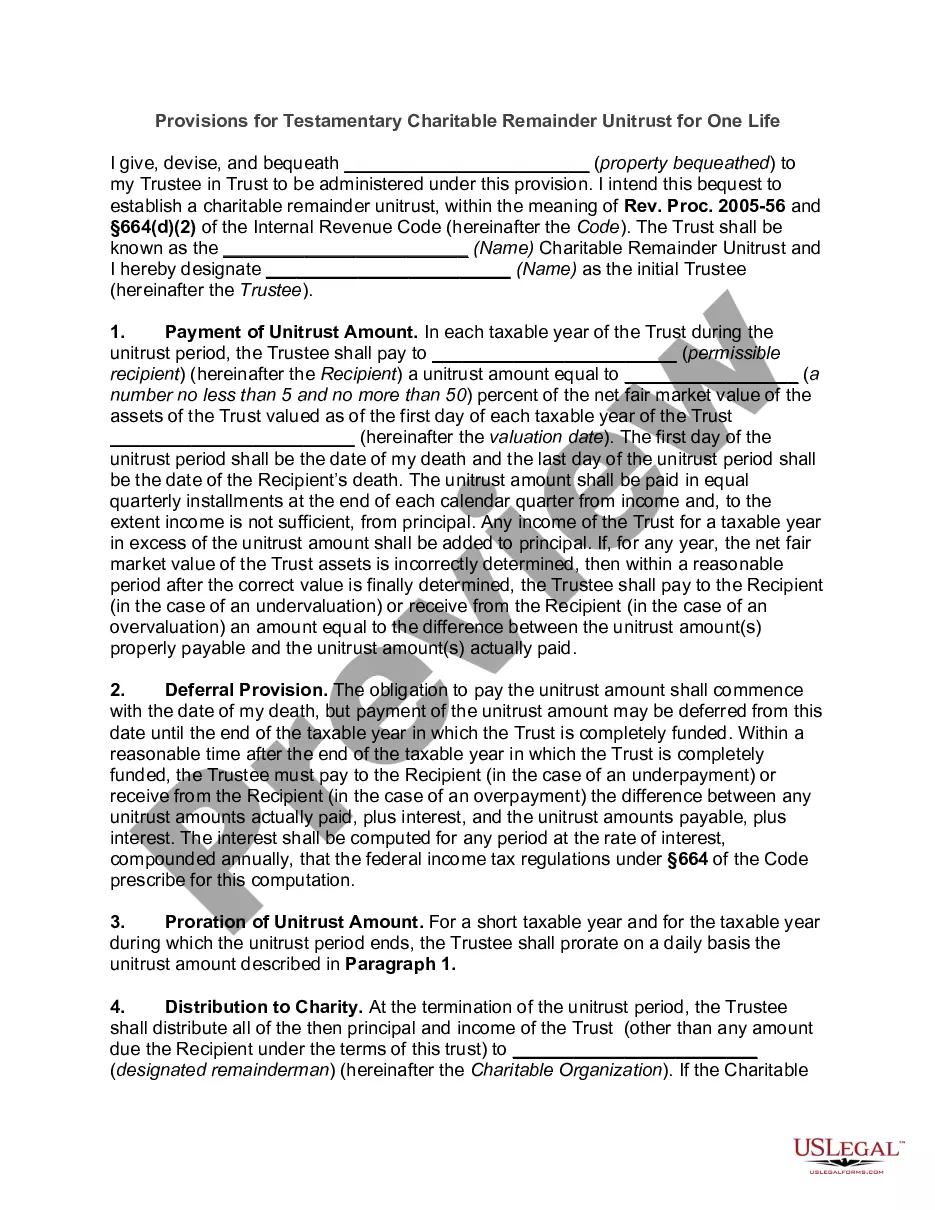
Get your form ready online
Our built-in tools help you complete, sign, share, and store your documents in one place.
Make edits, fill in missing information, and update formatting in US Legal Forms—just like you would in MS Word.
Download a copy, print it, send it by email, or mail it via USPS—whatever works best for your next step.
Sign and collect signatures with our SignNow integration. Send to multiple recipients, set reminders, and more. Go Premium to unlock E-Sign.
If this form requires notarization, complete it online through a secure video call—no need to meet a notary in person or wait for an appointment.
We protect your documents and personal data by following strict security and privacy standards.

Make edits, fill in missing information, and update formatting in US Legal Forms—just like you would in MS Word.

Download a copy, print it, send it by email, or mail it via USPS—whatever works best for your next step.

Sign and collect signatures with our SignNow integration. Send to multiple recipients, set reminders, and more. Go Premium to unlock E-Sign.

If this form requires notarization, complete it online through a secure video call—no need to meet a notary in person or wait for an appointment.

We protect your documents and personal data by following strict security and privacy standards.
Looking for another form?
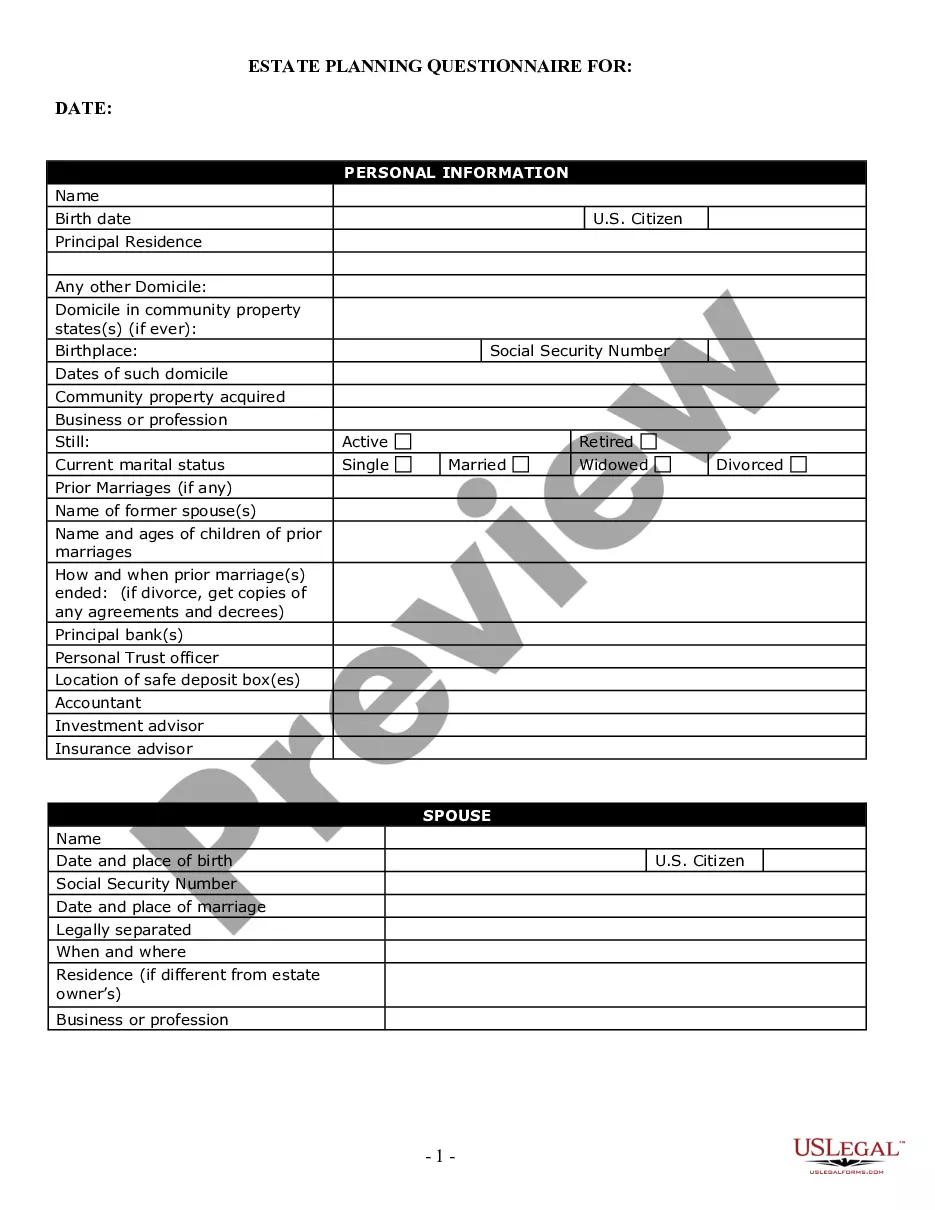

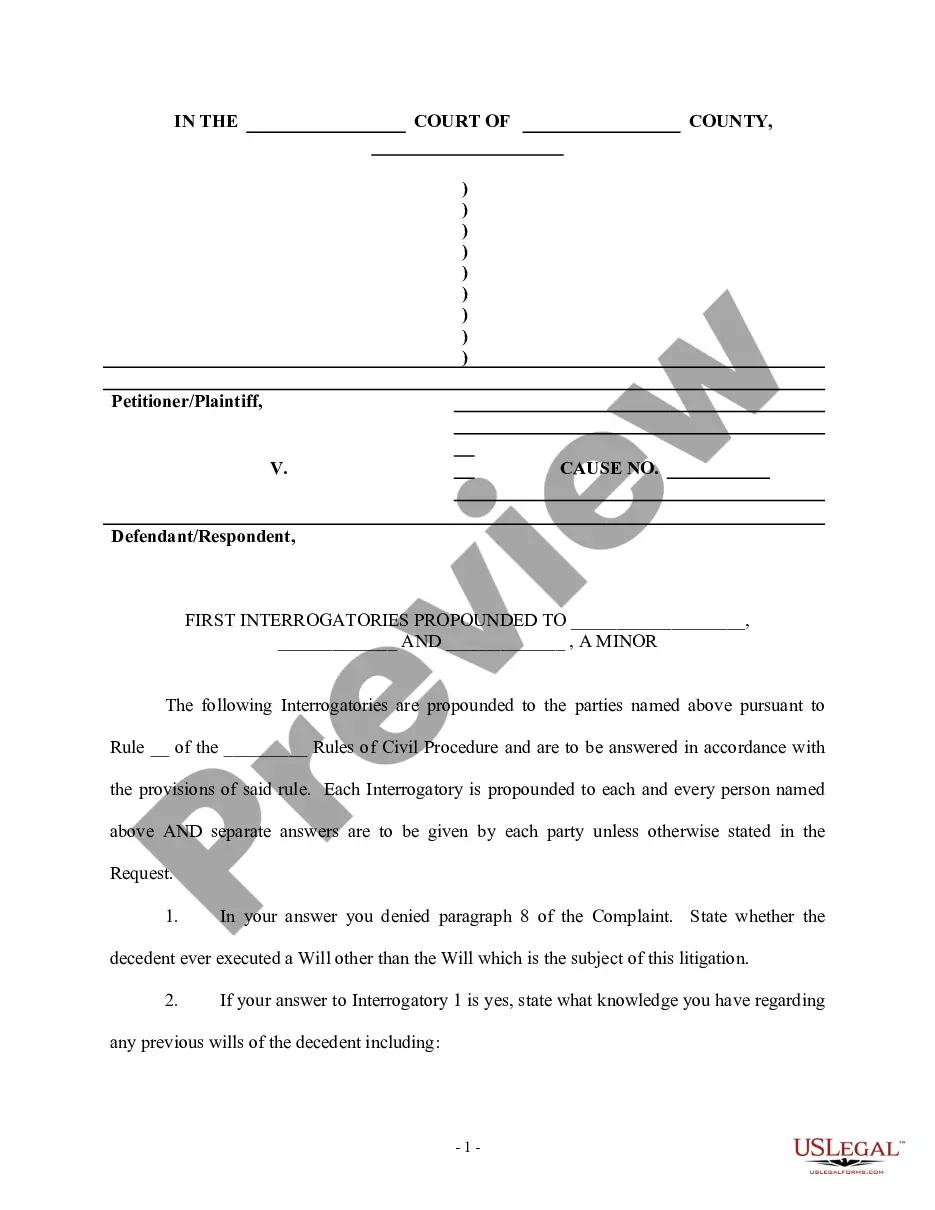




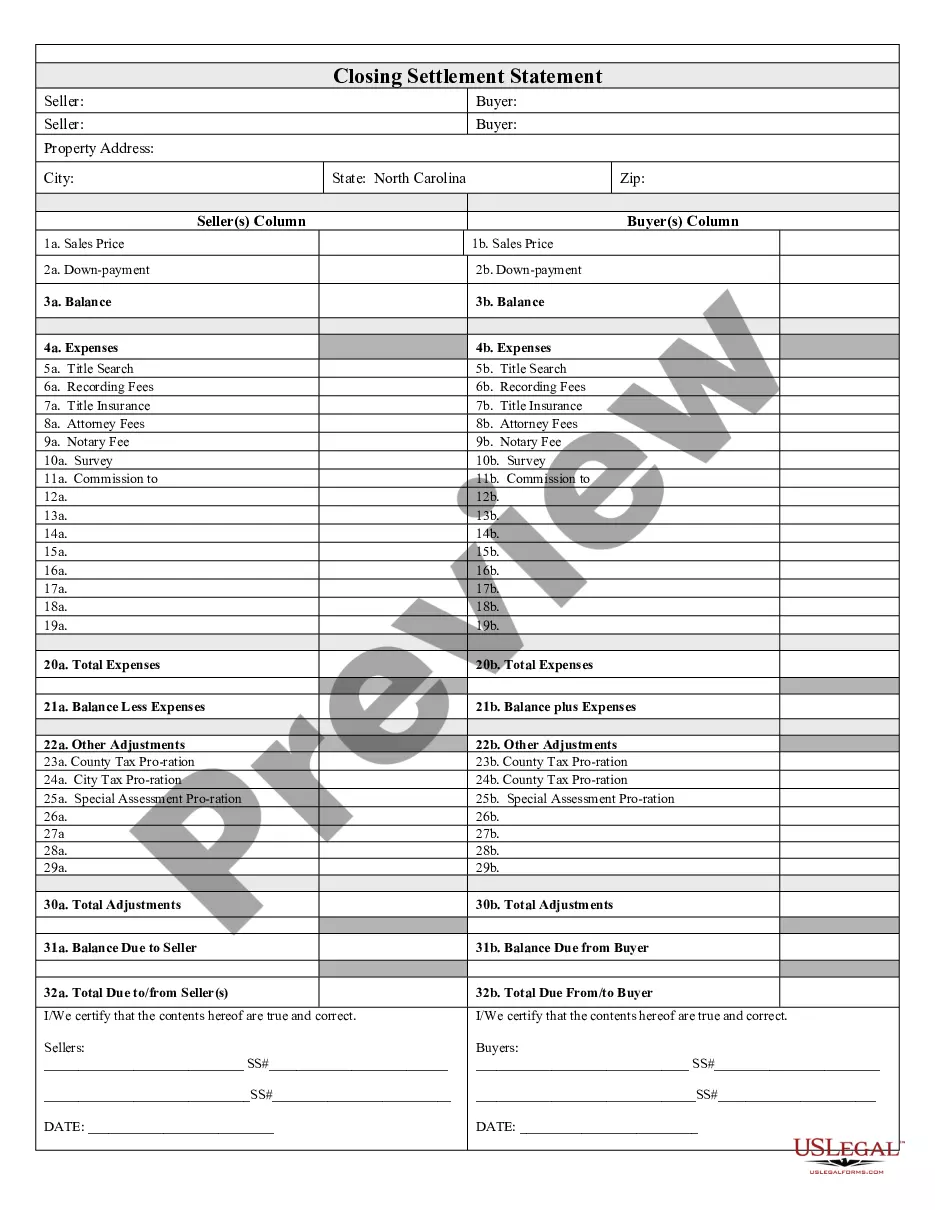
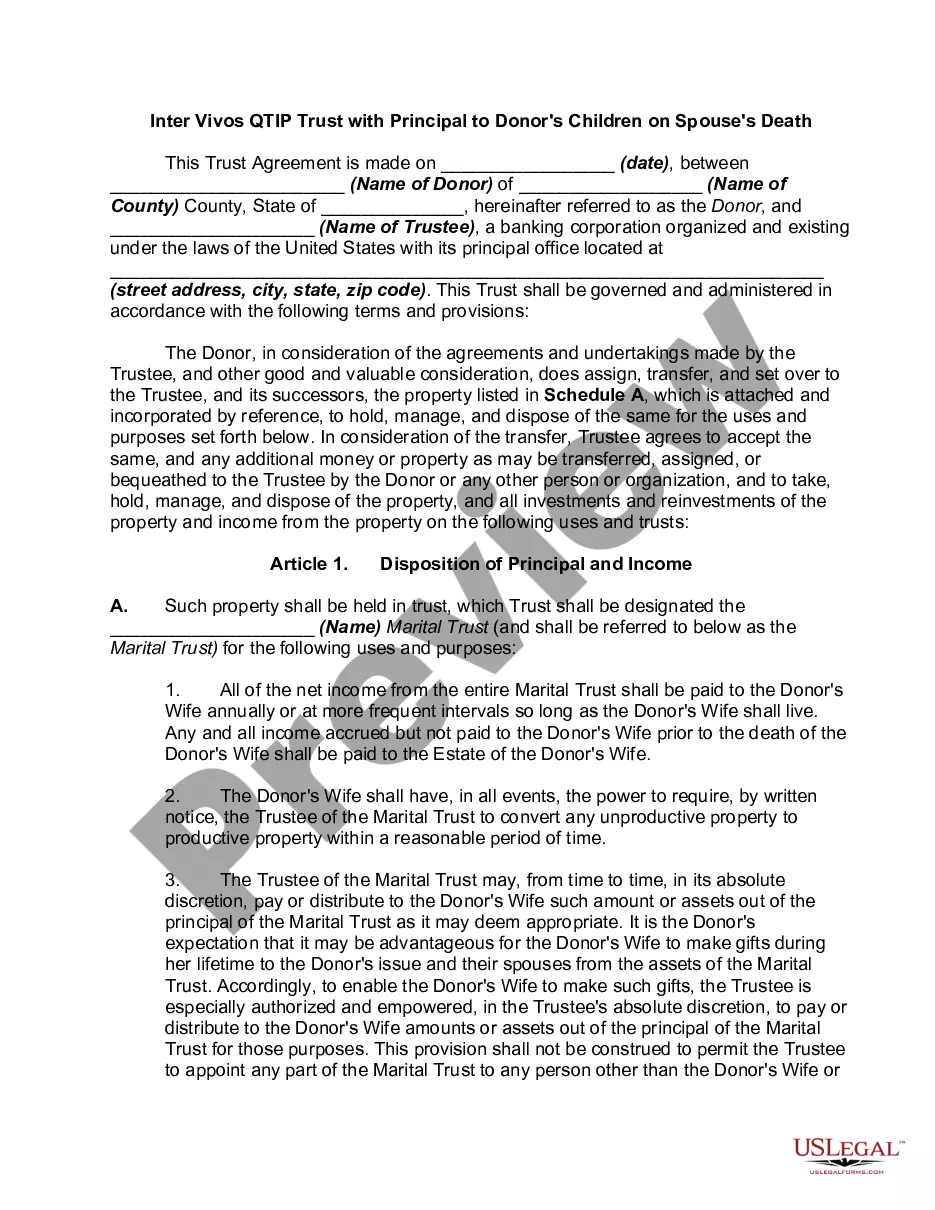
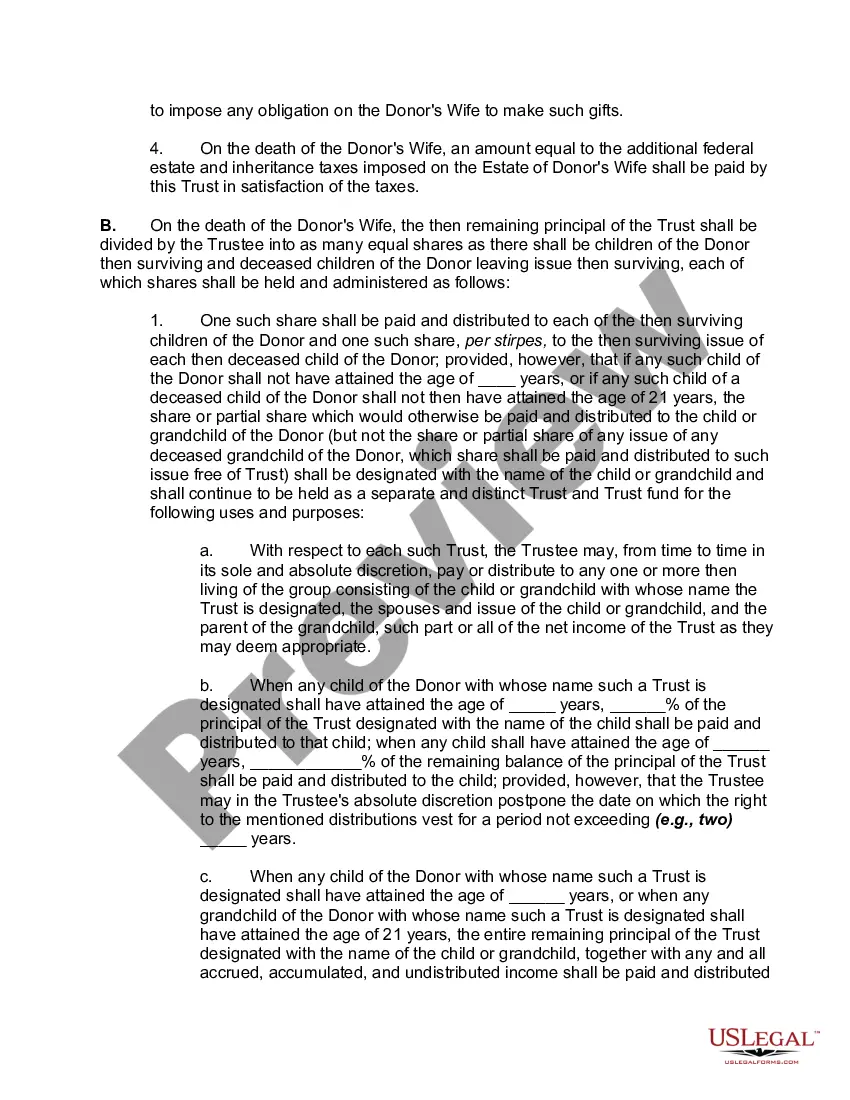
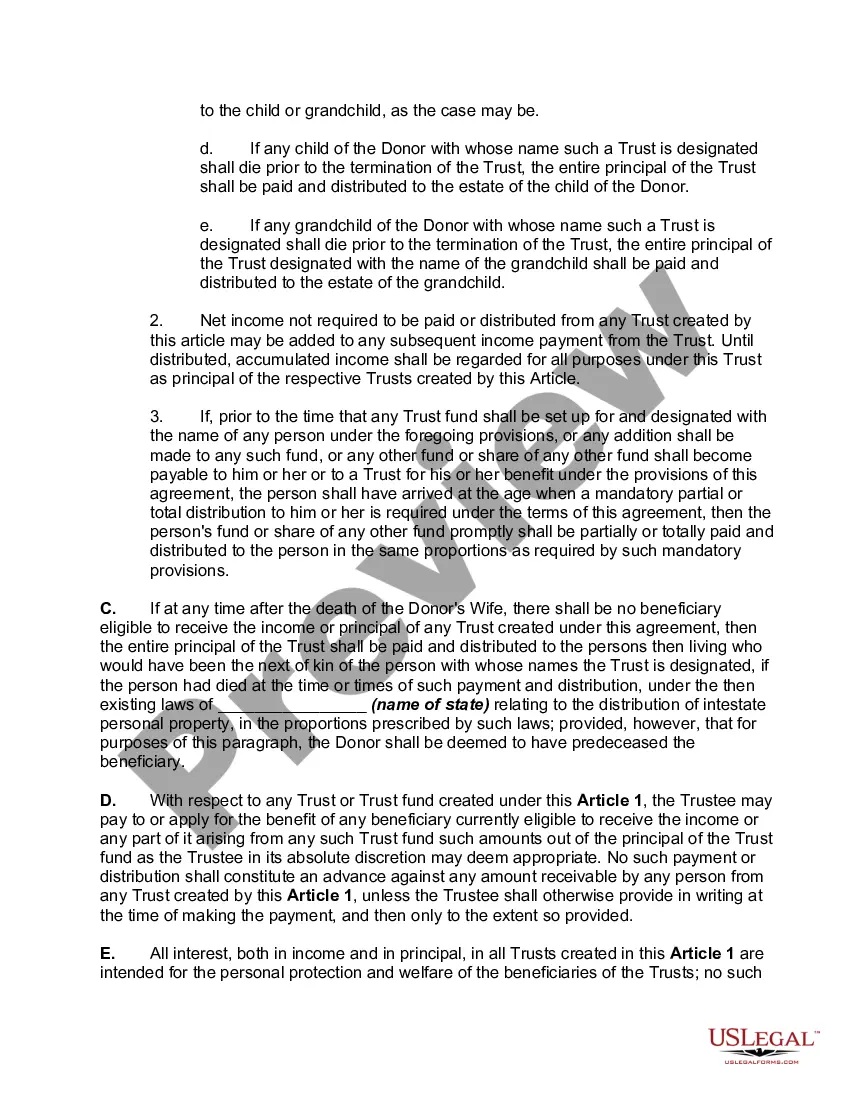
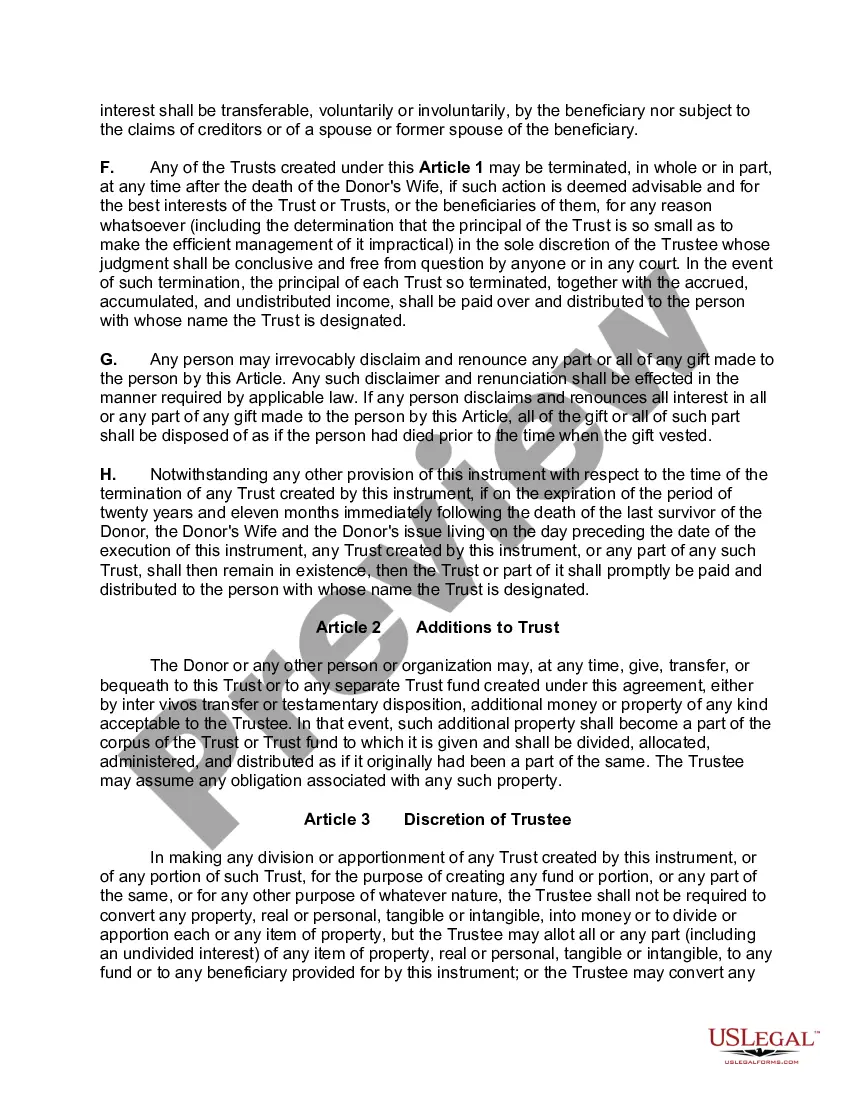
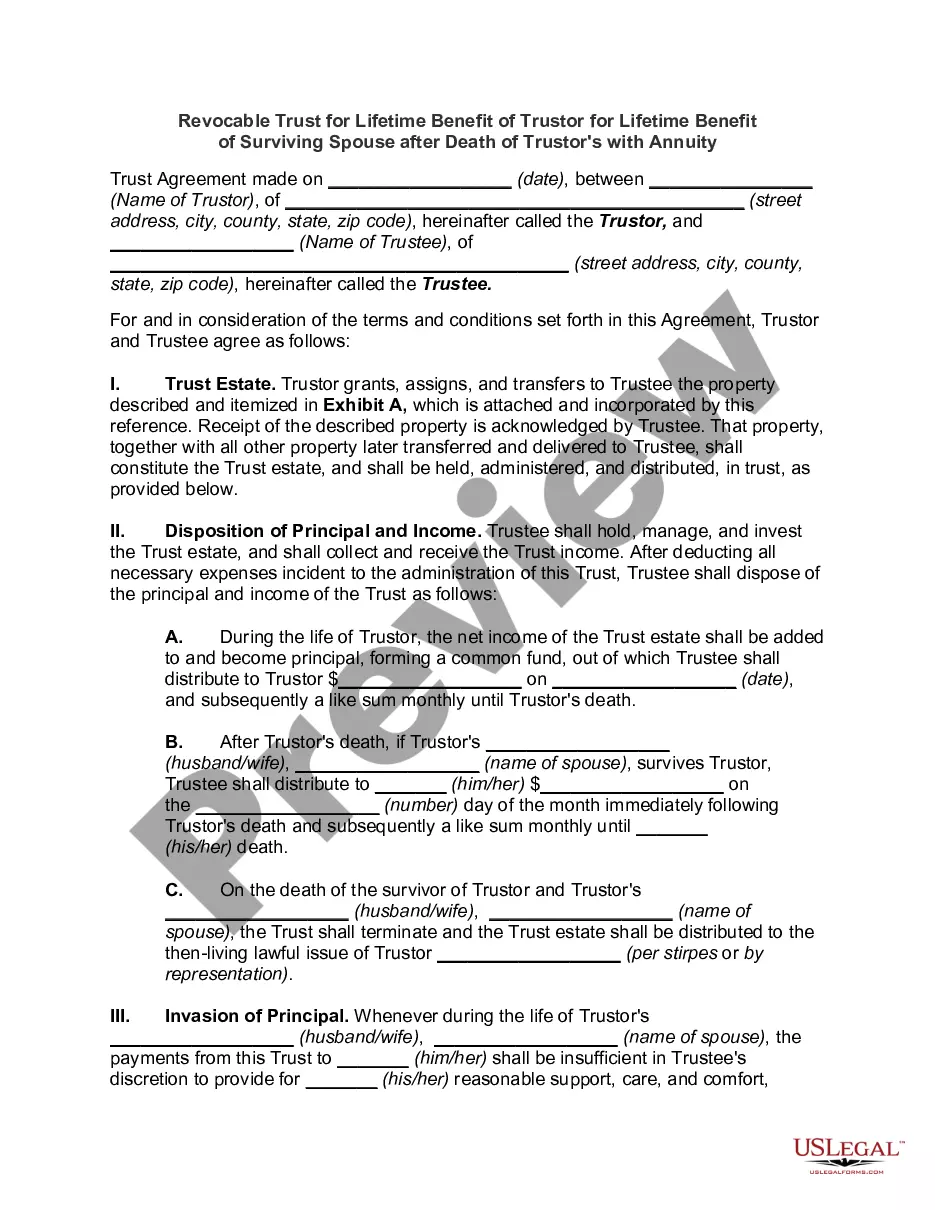
How to fill out Inter Vivos QTIP Trust With Principal To Donor's Children On Spouse's Death?
- If you're a returning user, log into your account and download your form by clicking the Download button. Ensure your subscription remains active; renew it if necessary.
- For first-time users, start by examining the form descriptions and previews to choose the document that suits your requirements and adheres to local jurisdiction regulations.
- Should you need a different template, utilize the Search feature above to locate the right form.
- Once you find the appropriate document, proceed to purchase by clicking the Buy Now button and selecting your preferred subscription plan.
- Complete your transaction by entering your credit card information or opting for PayPal for payment.
- Finally, download your form and save it to your device. You can revisit it anytime from the My Forms section in your profile.
By following these steps, you will efficiently harness the capabilities of US Legal Forms, enabled by Qtip, to create well-crafted legal documents.
Start today and empower yourself with the legal expertise at your fingertips!
Form popularity
FAQ
A QTIP trust must meet specific requirements to qualify for tax benefits. Firstly, the trust must provide all income to the surviving spouse during their lifetime. Secondly, the trust must ensure that the remaining assets are distributed according to the trustor's wishes after the spouse's death, fulfilling critical estate planning requirements.
It is best to avoid inserting a Q-tip deep into your ear canal. Ideally, you should only clean the outer areas of your ear to prevent damaging the eardrum. Use a Q-tip gently, focusing on the visible areas, and if you feel discomfort, seek medical advice instead.
While using a Q-tip to unclog an ear can seem effective, most experts advise caution. Instead of inserting the Q-tip deep into the ear, gently clean around the outer part. For deeper clogs, consider consulting a healthcare professional, as improper use of a Q-tip could push wax further in, creating more issues.
The Q-tip rule allows a surviving spouse to receive income from a trust while deferring taxes. This rule ensures that the trust property qualifies for the marital deduction, benefitting the survivor with a steady income stream. Understanding the Q-tip rule helps clarify tax responsibilities and estate planning strategies.
In a QTIP trust, the surviving spouse generally pays the income tax on the trust income. This structure allows the assets to remain in the trust, deferring estate taxes until the surviving spouse's passing. It's essential to plan carefully, as tax implications can vary based on individual circumstances.
Setting up a QTIP trust involves several steps. First, you work with an estate planning attorney to draft the trust document, specifying terms such as beneficiaries and distribution methods. Next, you fund the trust by transferring assets into it, ensuring tax benefits and protections for the surviving spouse.
One disadvantage of a QTIP trust is that it can lead to higher estate taxes for the beneficiaries. Since the surviving spouse receives income from the trust, their assets may increase, impacting their ultimate estate size. Furthermore, the QTIP trust has specific requirements that must be met, which can complicate estate planning.
While QTIP trusts offer benefits, they also have downsides to consider. These trusts can be complex and may require detailed record-keeping for tax purposes. Additionally, the surviving spouse may not have full control over trust assets, which can lead to frustrations in managing affairs. It is wise to weigh these factors and consider using resources like US Legal Forms for comprehensive legal assistance.
Yes, a QTIP election can usually be made on a late-filed estate tax return, but specific conditions must be met. You will need to demonstrate adequate reason for the delay. Seeking advice from tax professionals familiar with QTIP elections can ensure that you follow the correct process and meet all legal requirements.
Filing a gift tax return may be necessary when transferring assets into a QTIP trust if the gifts exceed the yearly exclusion limit. Even if you do not owe any tax, the return is crucial for tracking your lifetime gifting limits. If you are uncertain, consulting the US Legal Forms platform can provide clarity and resources to help you navigate this requirement effortlessly.