Inter Vivos Trust Form For Colorado
Description
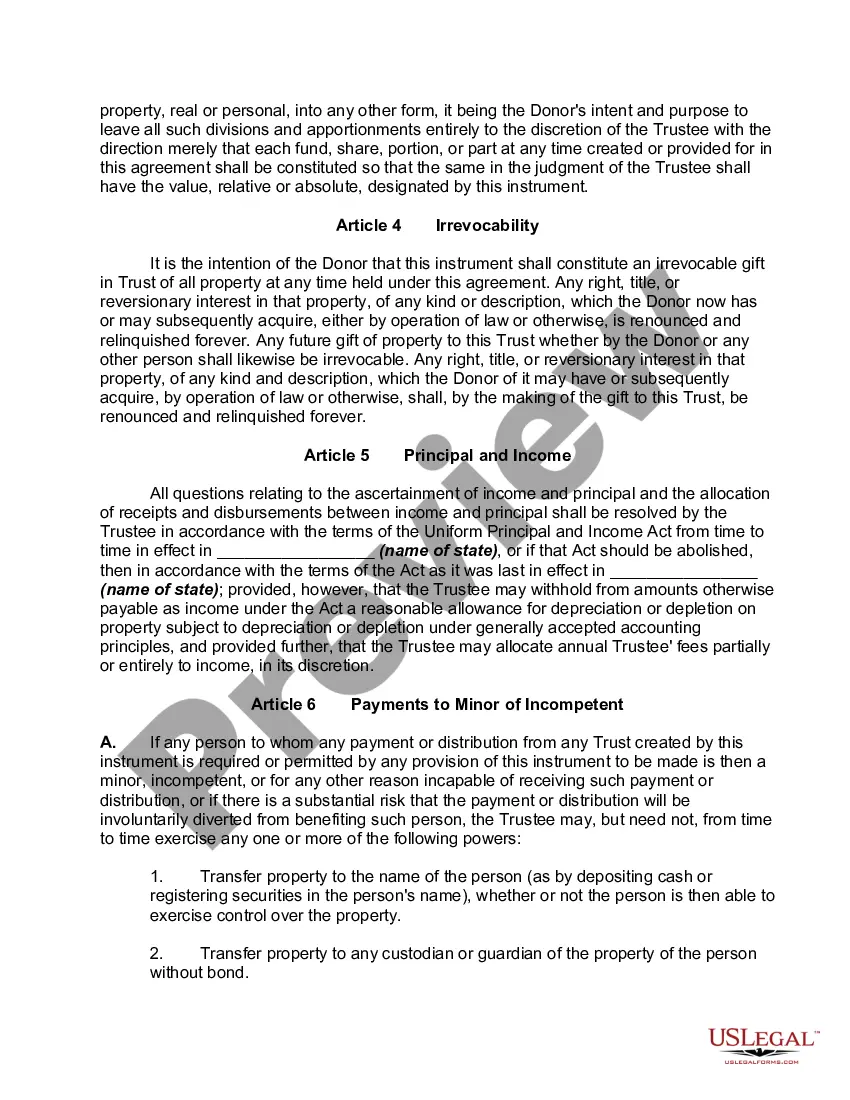
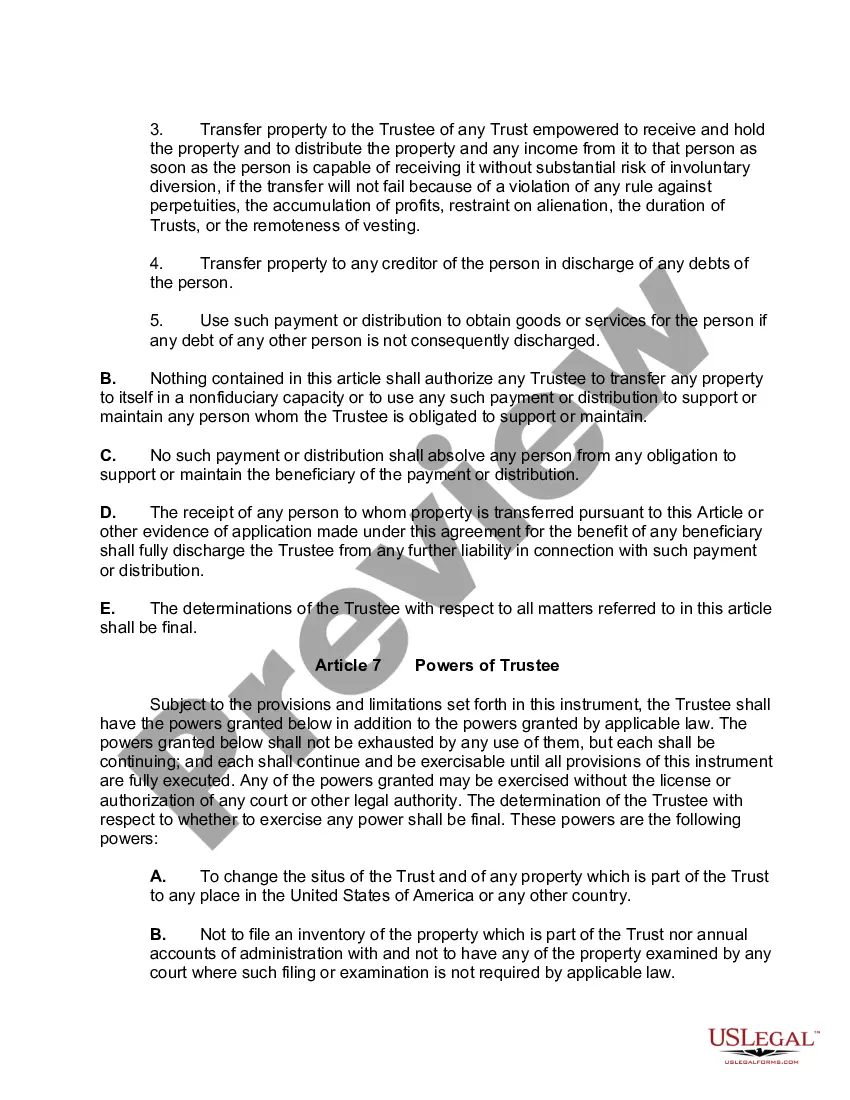
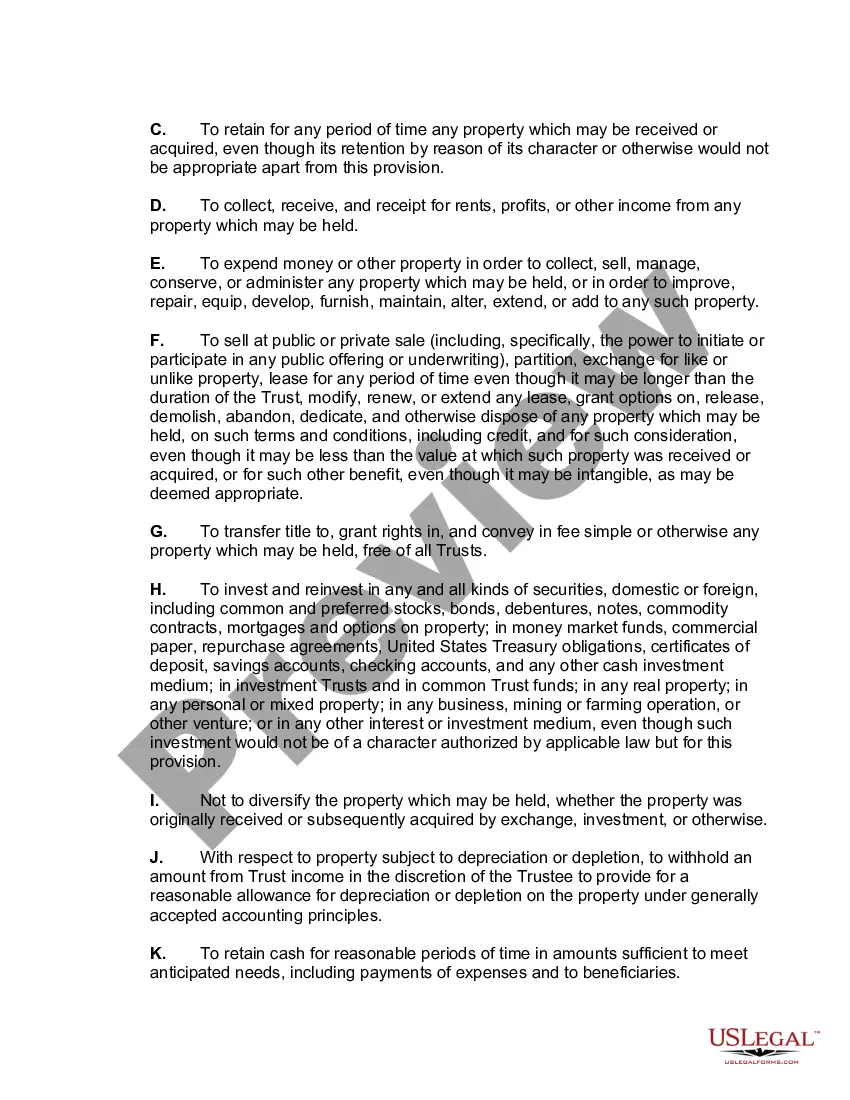

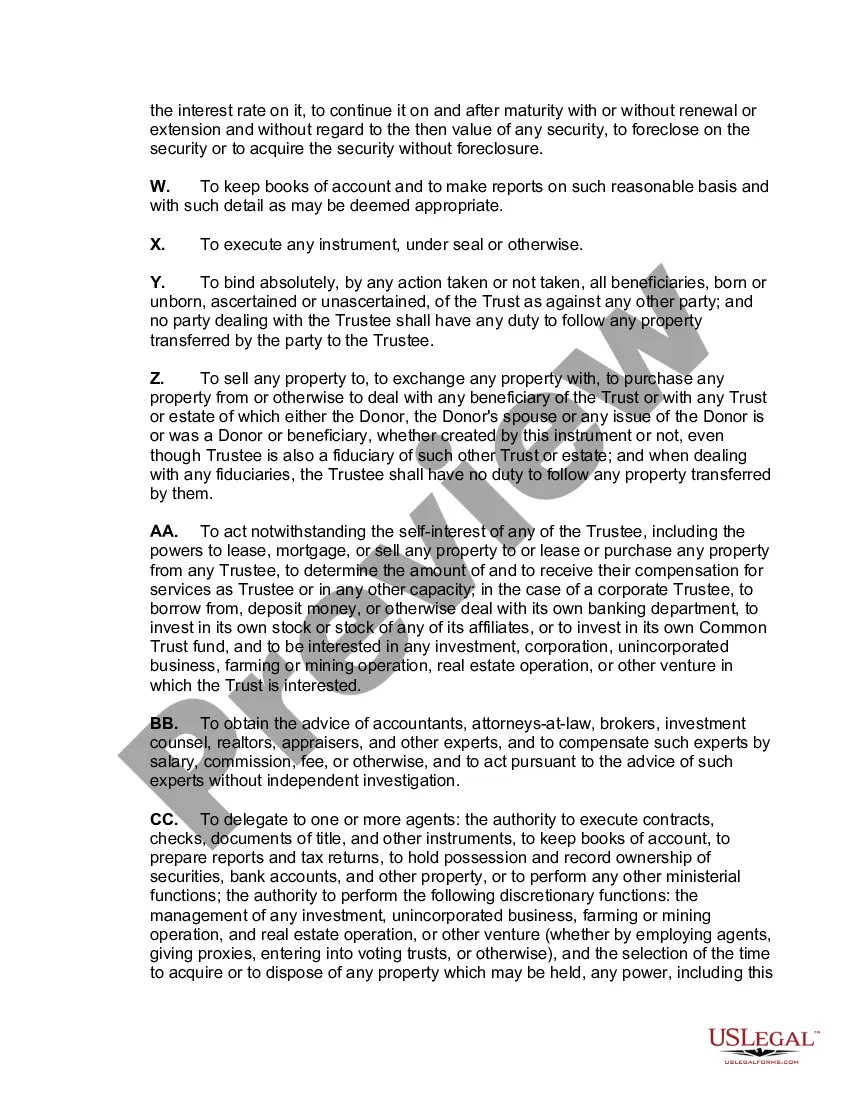
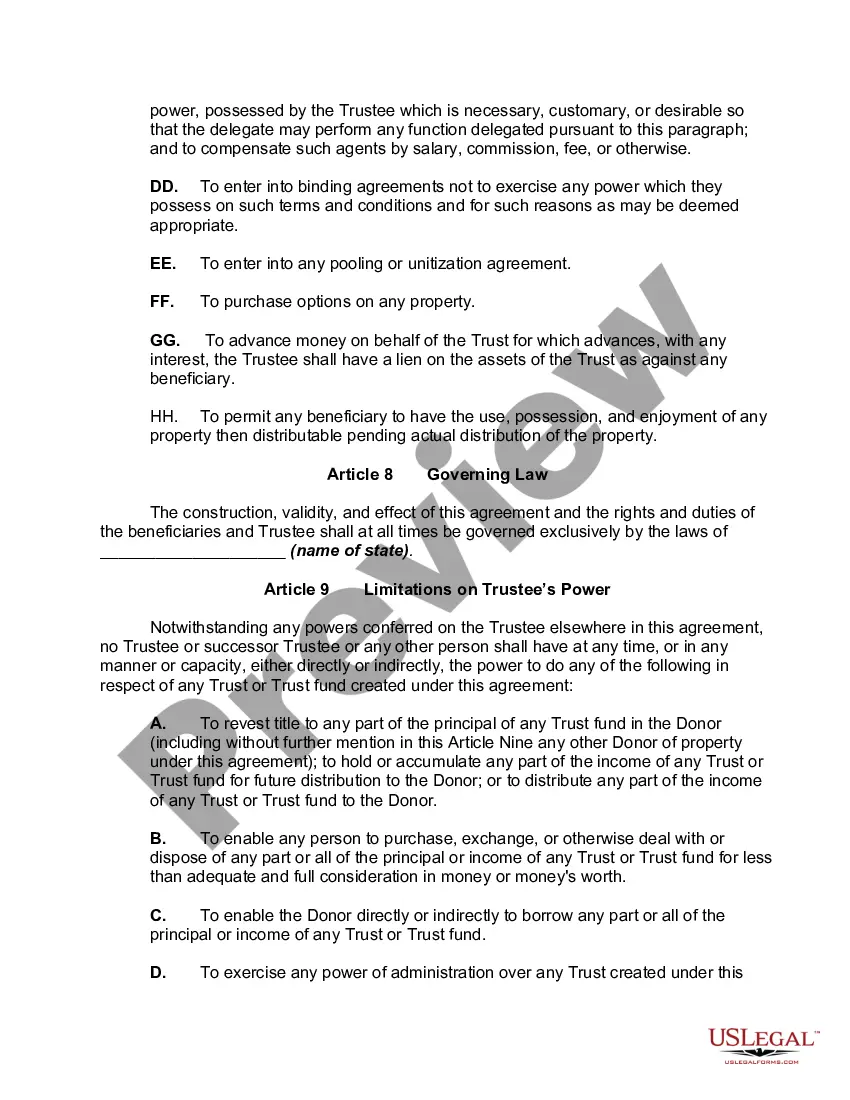

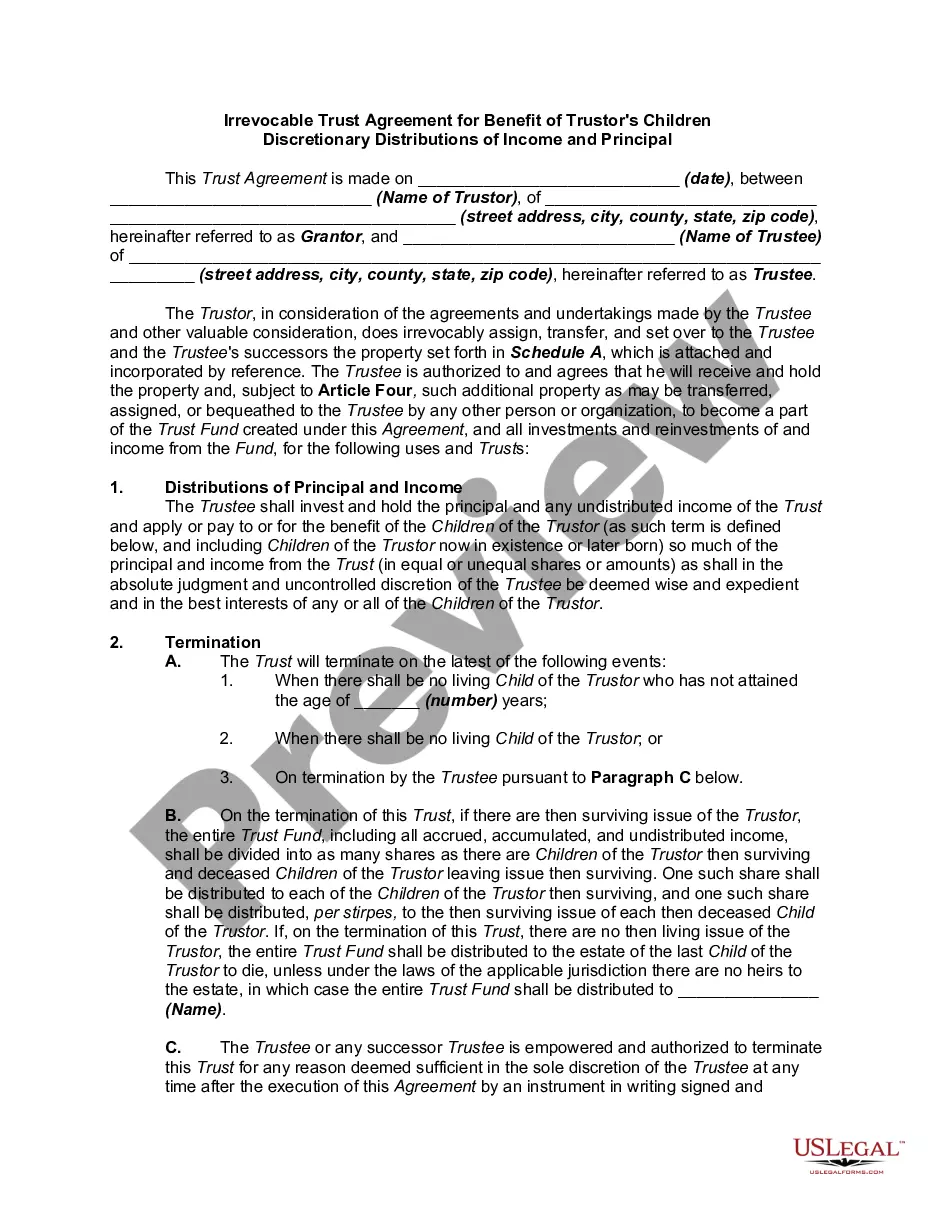
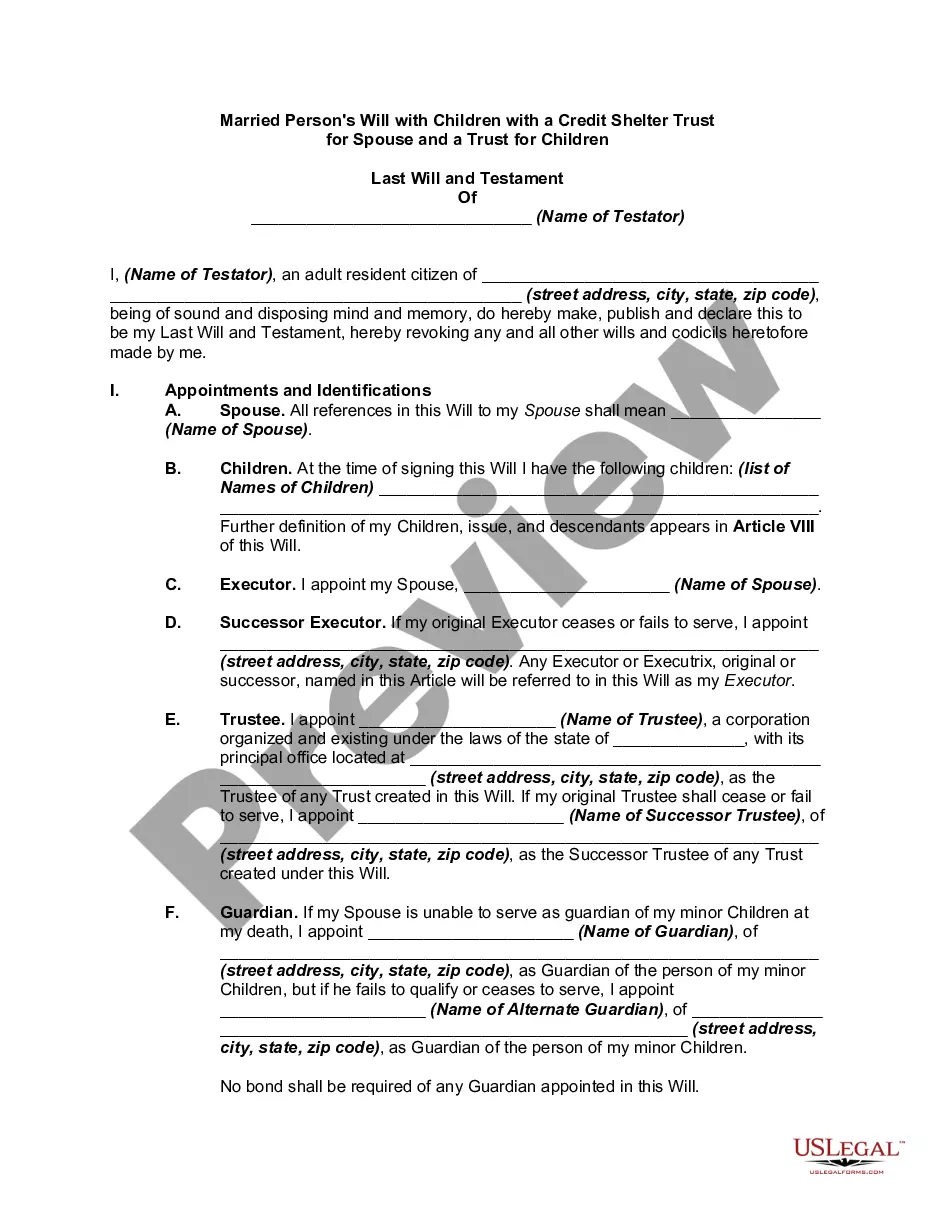
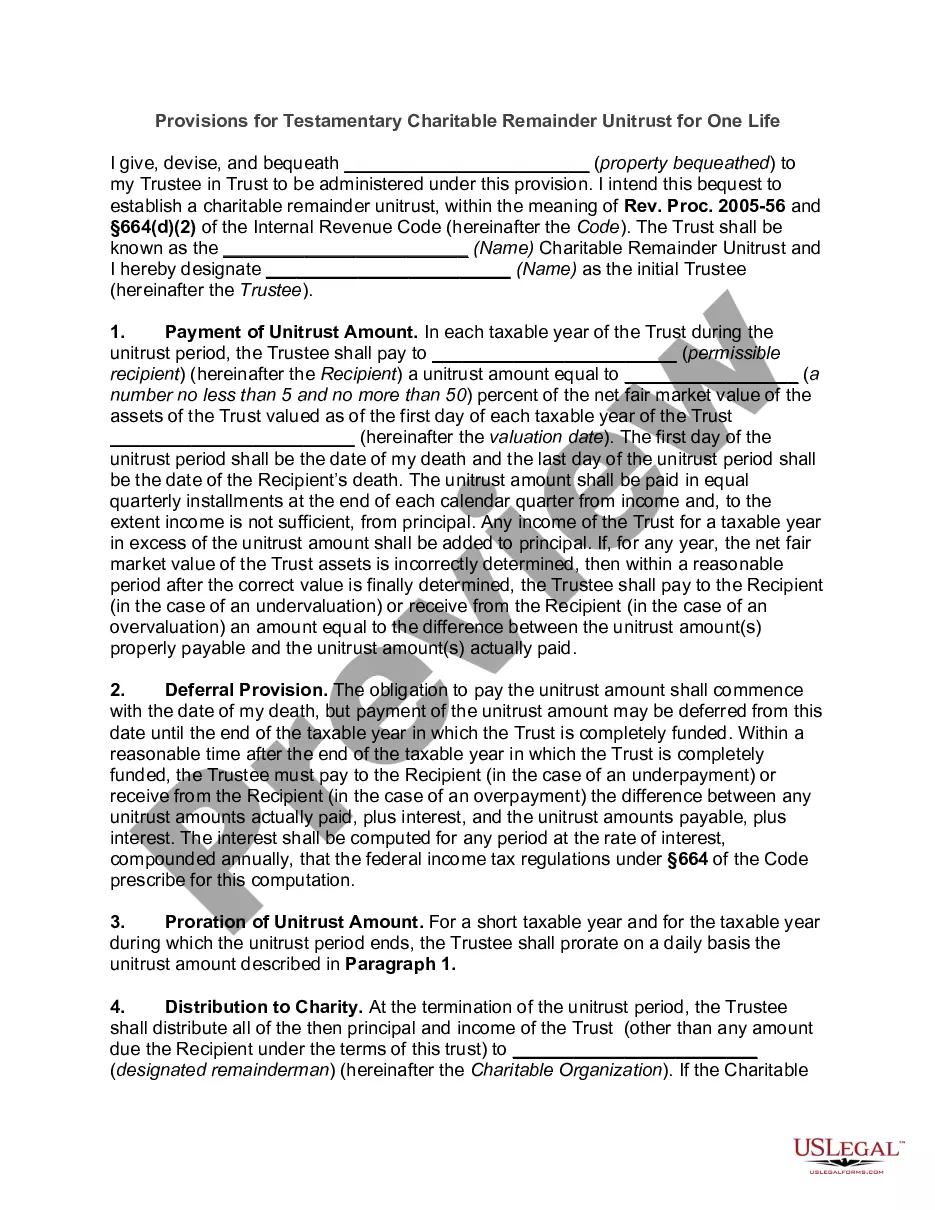
Get your form ready online
Our built-in tools help you complete, sign, share, and store your documents in one place.
Make edits, fill in missing information, and update formatting in US Legal Forms—just like you would in MS Word.
Download a copy, print it, send it by email, or mail it via USPS—whatever works best for your next step.
Sign and collect signatures with our SignNow integration. Send to multiple recipients, set reminders, and more. Go Premium to unlock E-Sign.
If this form requires notarization, complete it online through a secure video call—no need to meet a notary in person or wait for an appointment.
We protect your documents and personal data by following strict security and privacy standards.

Make edits, fill in missing information, and update formatting in US Legal Forms—just like you would in MS Word.

Download a copy, print it, send it by email, or mail it via USPS—whatever works best for your next step.

Sign and collect signatures with our SignNow integration. Send to multiple recipients, set reminders, and more. Go Premium to unlock E-Sign.

If this form requires notarization, complete it online through a secure video call—no need to meet a notary in person or wait for an appointment.

We protect your documents and personal data by following strict security and privacy standards.
Looking for another form?






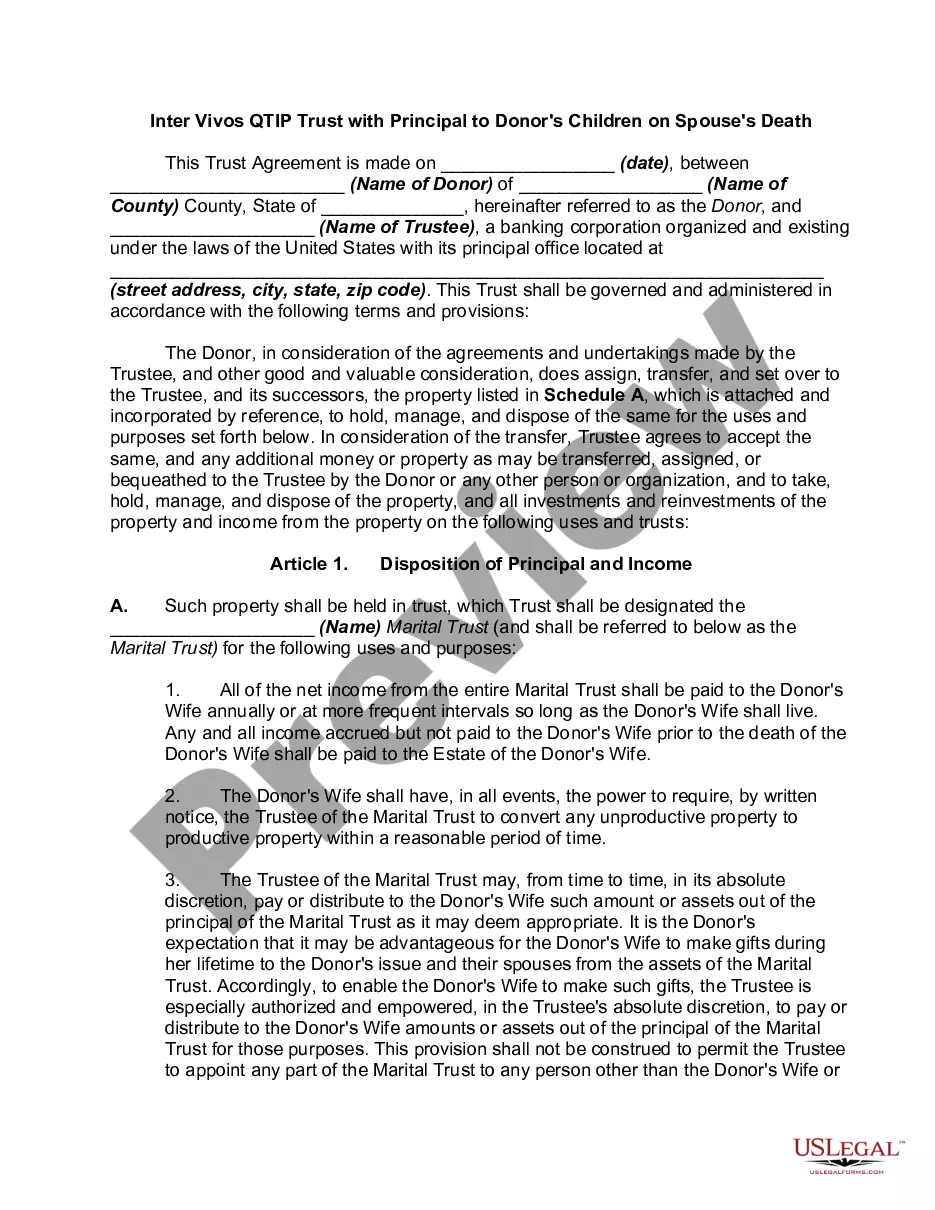
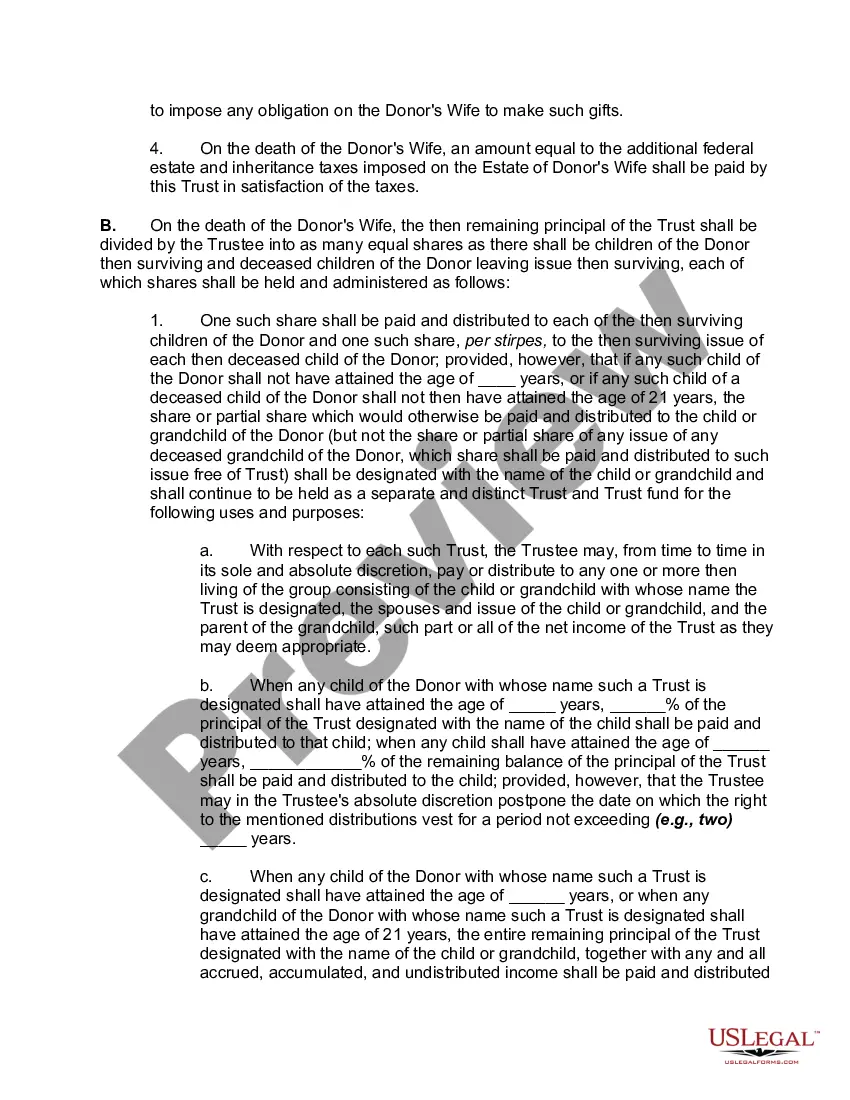
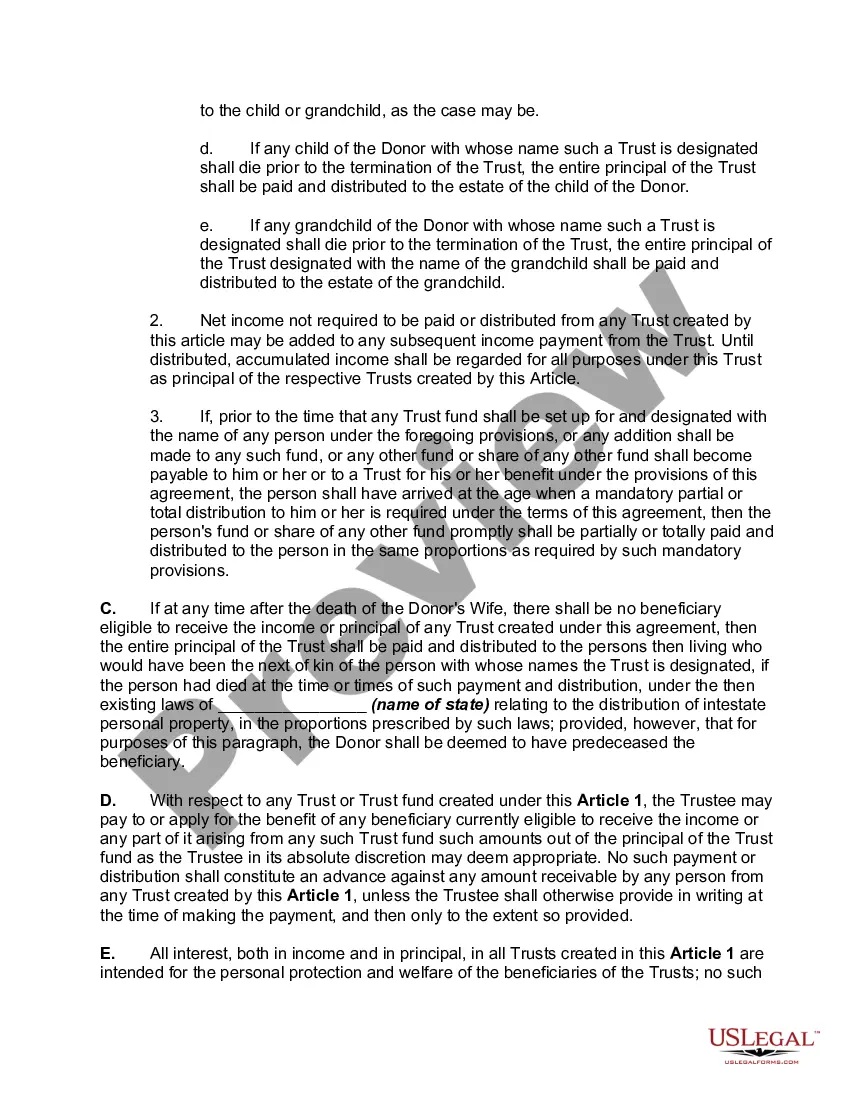
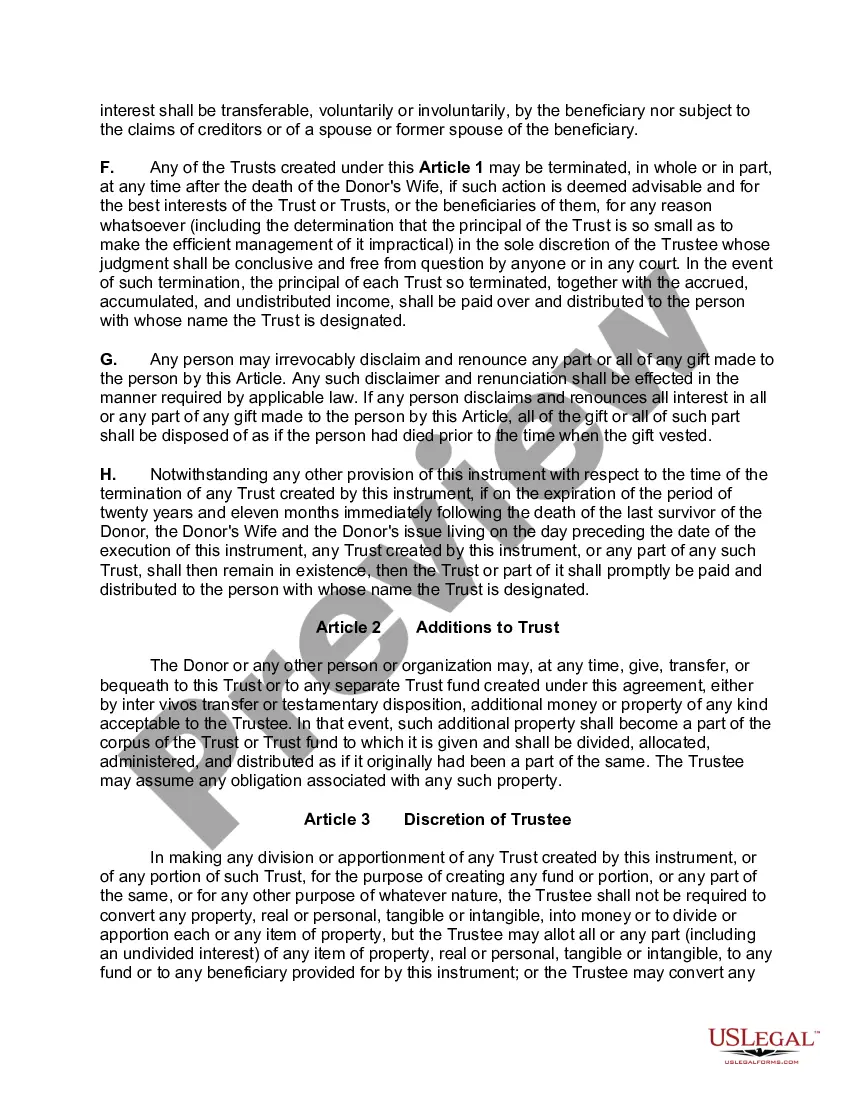
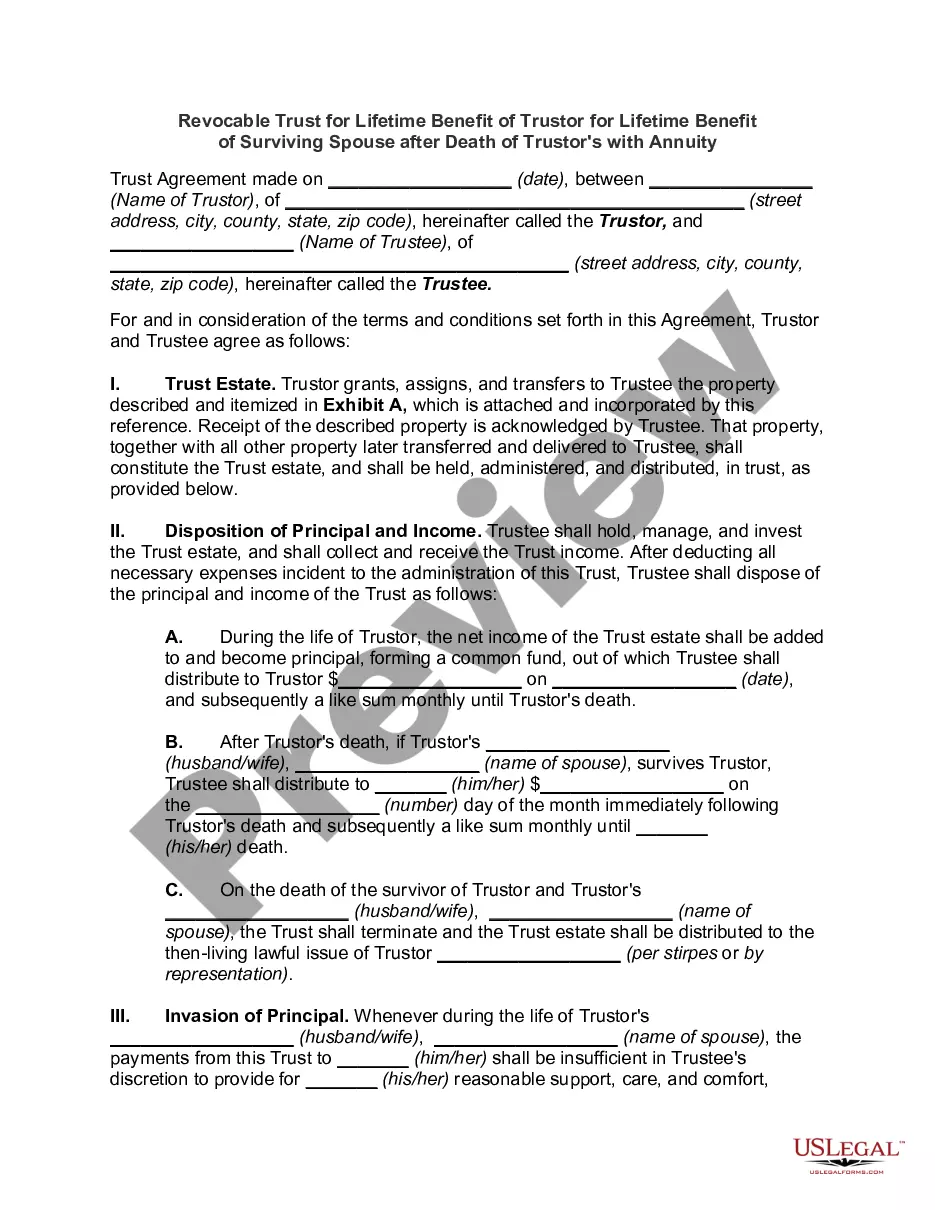
How to fill out Inter Vivos QTIP Trust With Principal To Donor's Children On Spouse's Death?
Utilizing legal templates that adhere to federal and local regulations is crucial, and the internet provides numerous choices to select from.
However, what's the value in spending time searching for the correct Inter Vivos Trust Form For Colorado example online when the US Legal Forms digital library already has such templates compiled in one location.
US Legal Forms is the most comprehensive online legal repository with more than 85,000 fillable templates created by attorneys for any professional and personal scenario. They are easy to navigate with all documents categorized by state and intended use. Our experts stay updated with legislative modifications, so you can always trust that your form is current and compliant when obtaining an Inter Vivos Trust Form For Colorado from our site.
All templates you discover via US Legal Forms are reusable. To re-download and complete previously saved forms, access the My documents section in your account. Benefit from the most extensive and user-friendly legal document service!
- Review the template using the Preview option or through the text description to ensure it satisfies your needs.
- If needed, find another sample using the search function at the top of the page.
- Click Buy Now when you've discovered the suitable form and choose a subscription plan.
- Create an account or sign in and complete your payment with PayPal or a credit card.
- Select the format for your Inter Vivos Trust Form For Colorado and download it.
Form popularity
FAQ
In Colorado, a trust does not need to be recorded with the state to be valid. However, it is advisable to keep a copy of your inter vivos trust form for Colorado in a safe place, accessible to your heirs. This helps ensure that your wishes are carried out as intended. If you choose to hold real property in trust, such property may need to be recorded in the county where it is located.
To fill out a certification of trust form, first gather the necessary information about the trust, including the names of the trustees and beneficiaries. Make sure to include relevant dates, such as the date the trust was created. While completing the form, ensure that you accurately describe the trust's powers and limitations. If you are using an inter vivos trust form for Colorado, you can find templates on the US Legal Forms platform, which simplifies the process and ensures compliance with state laws.
Yes, you can write your own trust in Colorado, provided that it meets state laws. By using an inter vivos trust form for Colorado, you can ensure that all necessary legal requirements are included. However, consider reviewing your draft with a legal professional to avoid any potential issues, ensuring your trust is valid and enforceable.
You can find a trust amendment form on various legal websites, including U.S. Legal Forms. They offer customizable templates specifically designed for Colorado, making it easier for you to create an inter vivos trust form for Colorado. This service ensures you get the correct format and information, saving you time and reducing stress.
Setting up an inter vivos trust form for Colorado involves several steps. First, you should determine what assets you wish to include in the trust and identify your beneficiaries. Next, drafting the trust document is crucial; this is where a platform like USLegalForms can be invaluable, as it offers guided templates to ensure your trust complies with Colorado laws. Finally, funding the trust by transferring assets into it will complete the process.
Yes, an inter vivos trust form for Colorado must be in writing to be legally enforceable. The written document establishes the terms of the trust and provides clarity to all parties involved. Ensuring that your inter vivos trust is properly documented not only secures your asset distribution wishes but also helps avoid any potential legal challenges.
Unlike some legal documents, an inter vivos trust form for Colorado does not need to be recorded to be valid. However, it is wise to keep the trust document in a secure location and provide copies to the trustee and beneficiaries. Recording the trust can be beneficial in ensuring public awareness of the trust's existence and preventing future disputes.
To create a valid inter vivos trust form for Colorado, you must first have a competent grantor, who is typically the person creating the trust. The grantor needs to clearly outline the trust's objectives and designate beneficiaries. Additionally, the trust must have a designated trustee to manage the trust assets according to the terms set forth by the grantor.