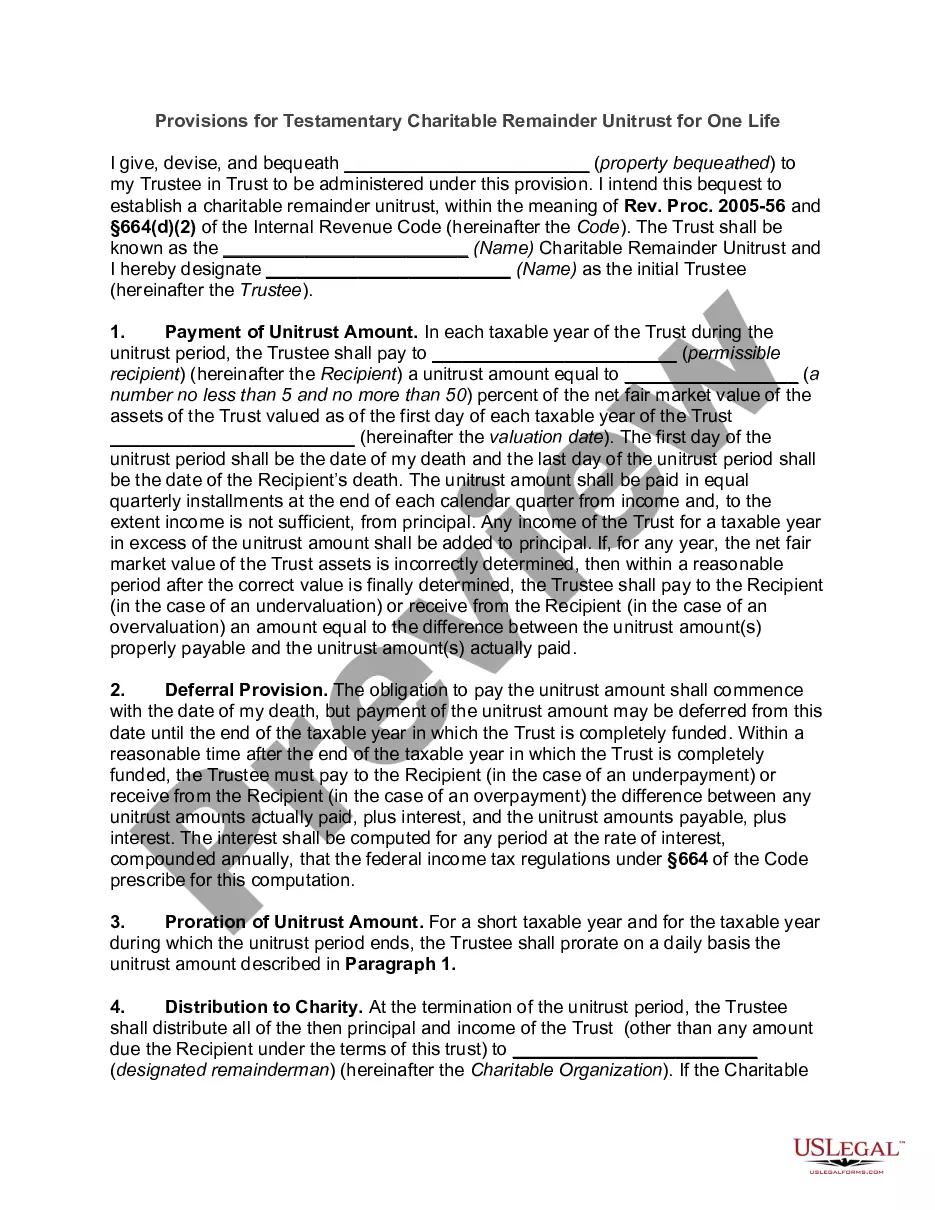
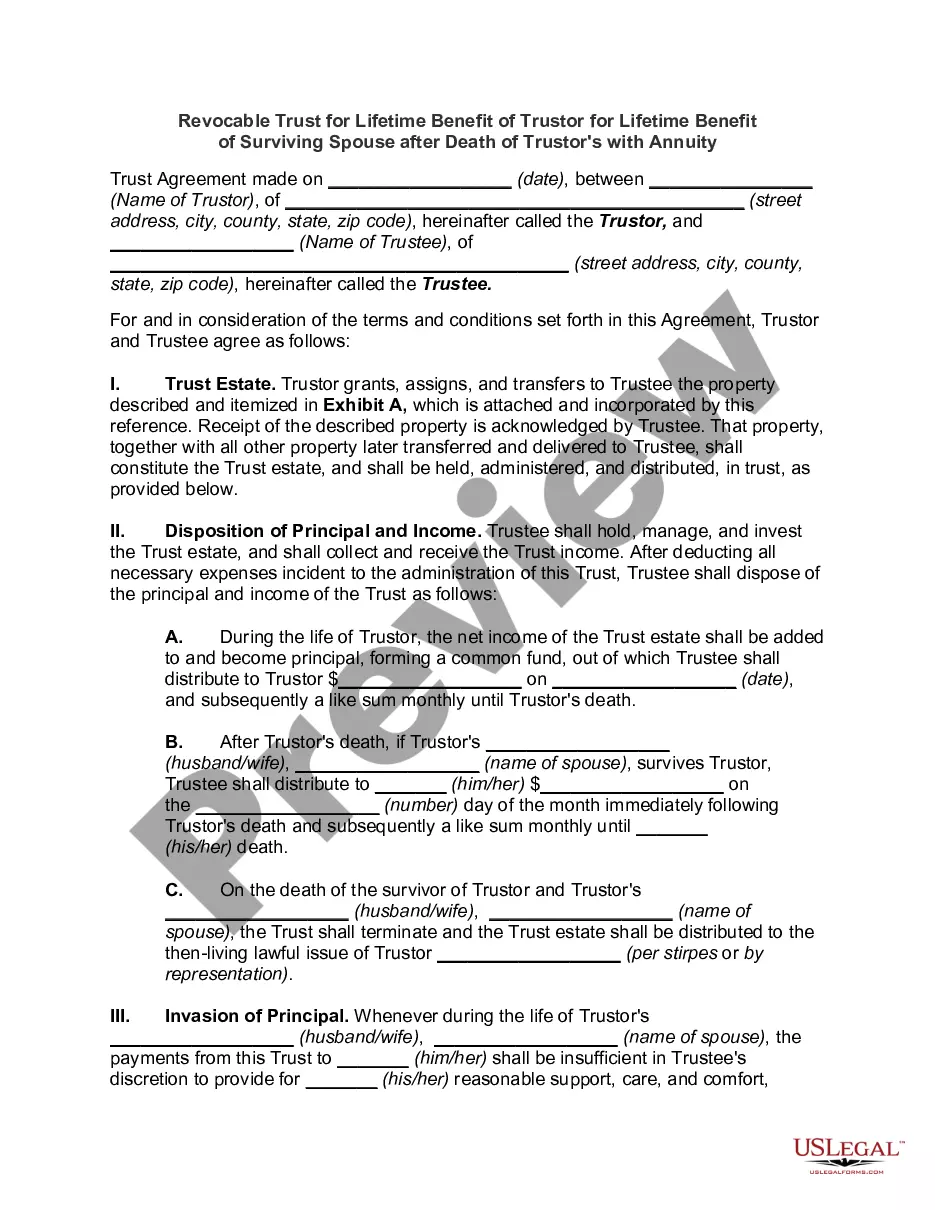
Any Trust Property For Transfer
Description
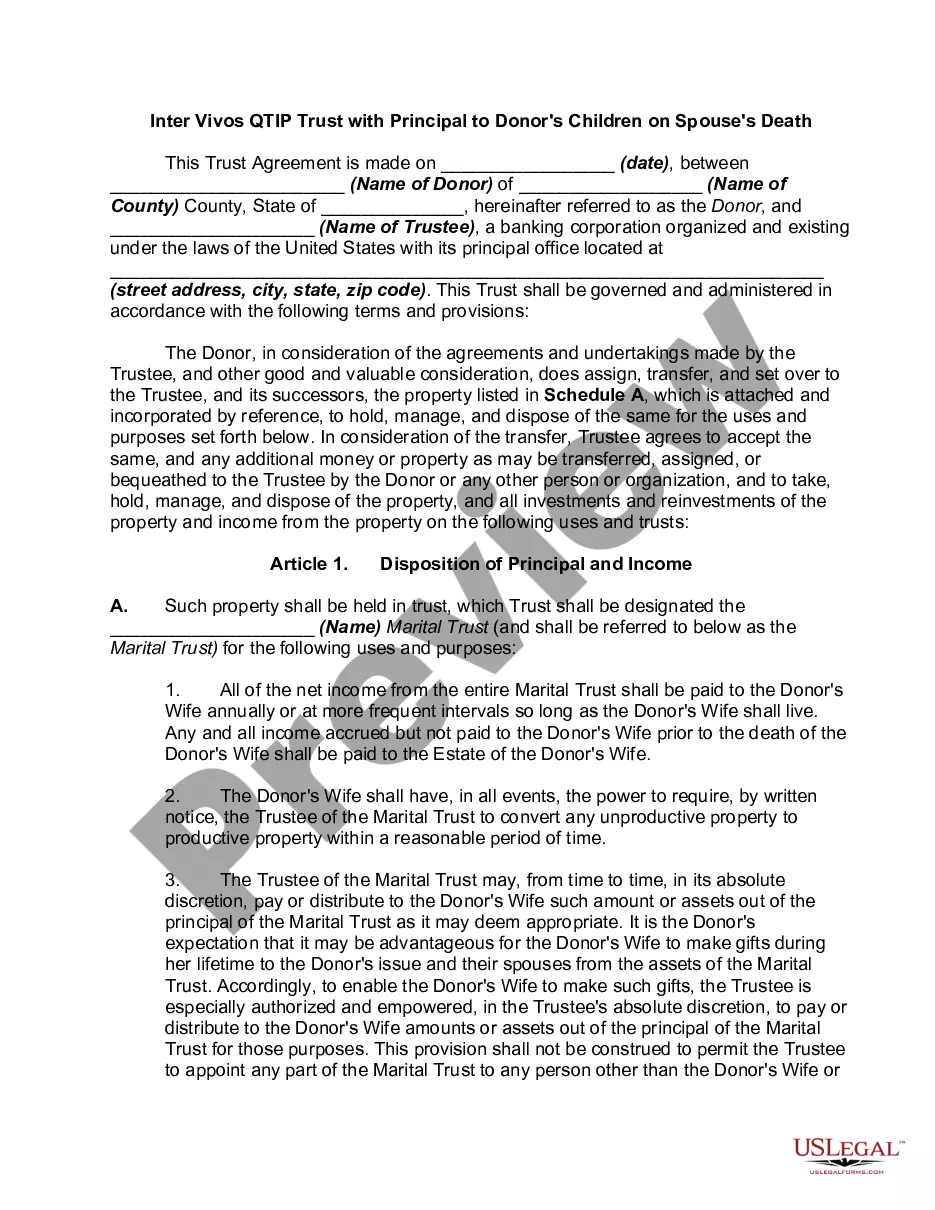
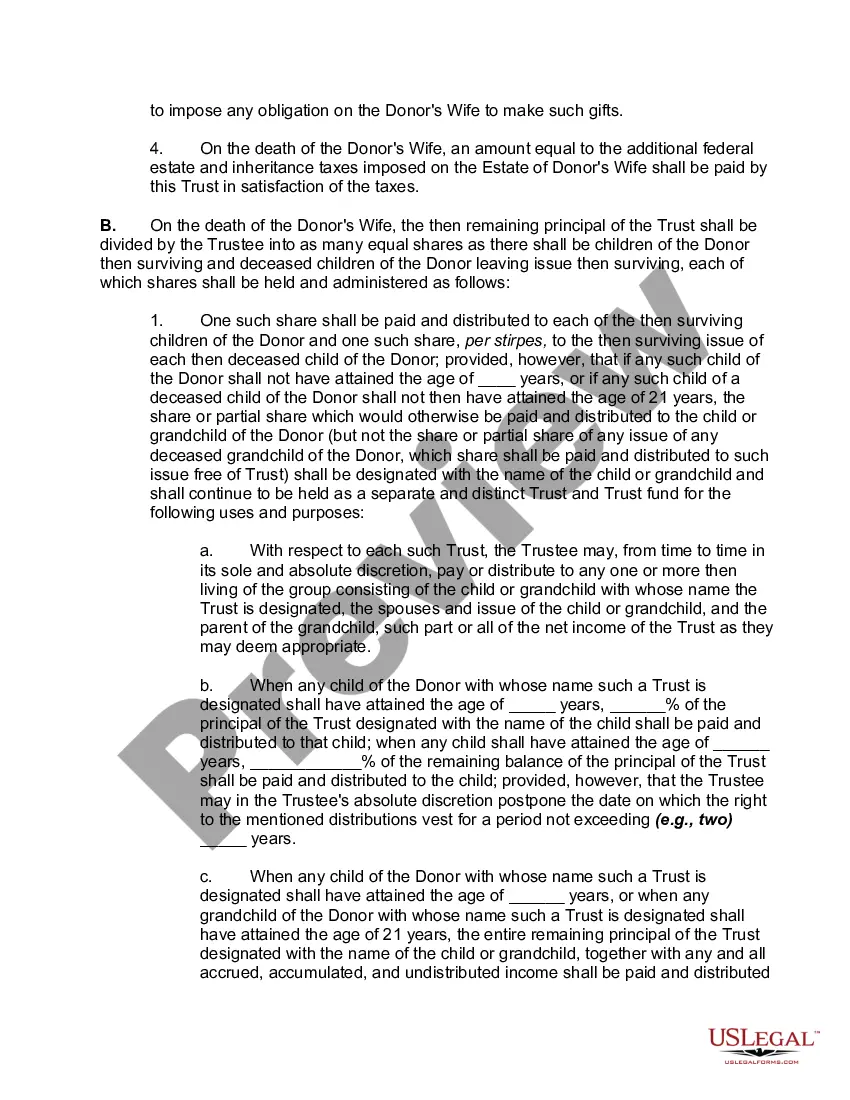
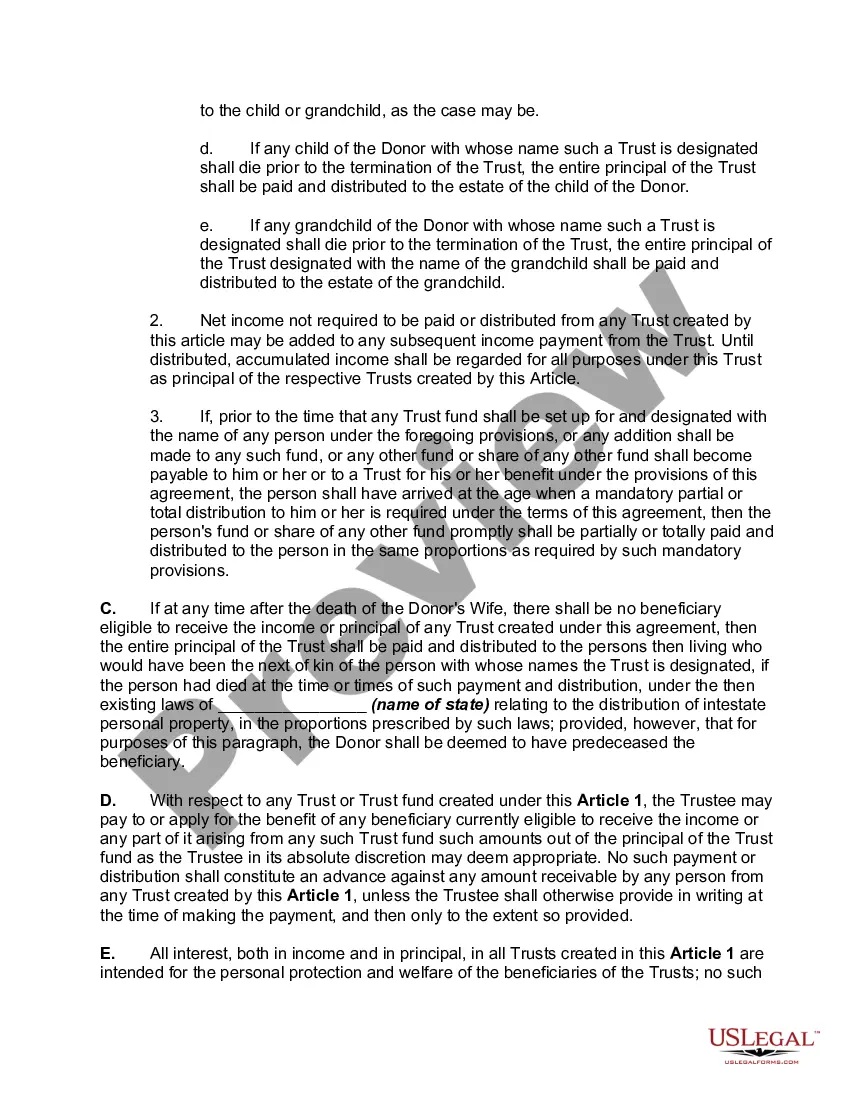
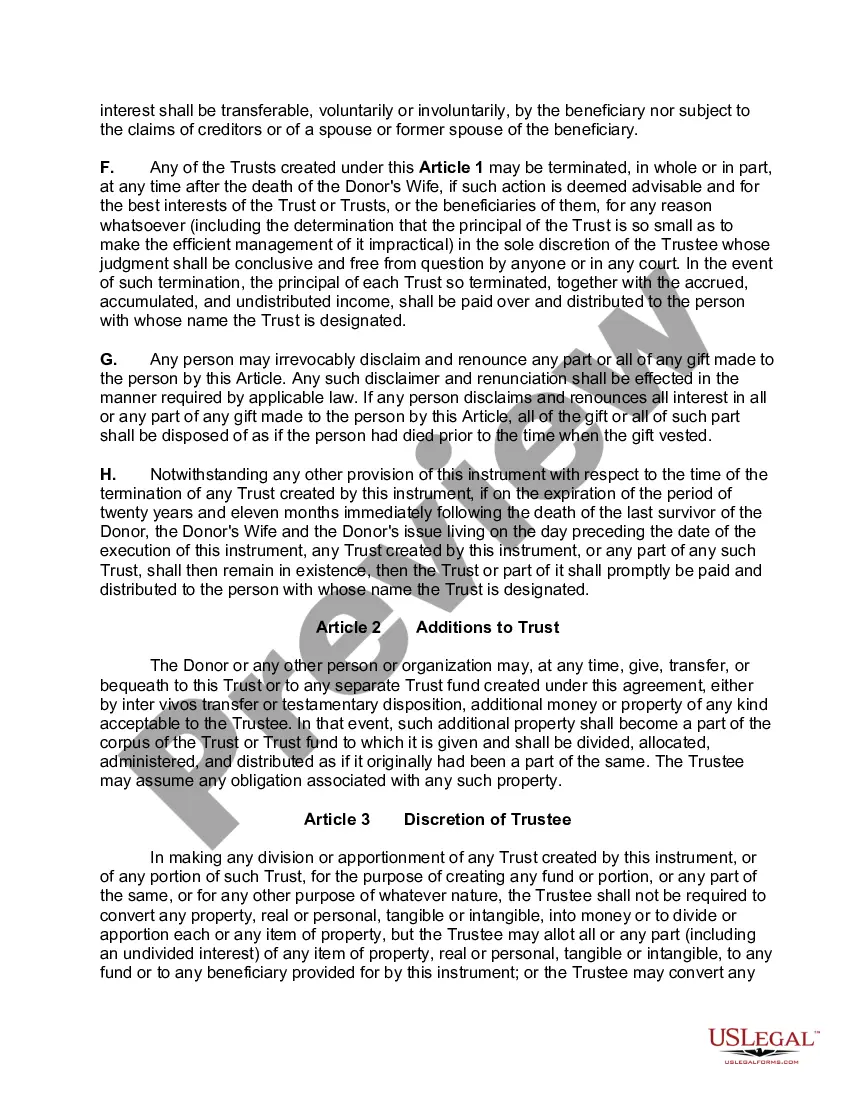
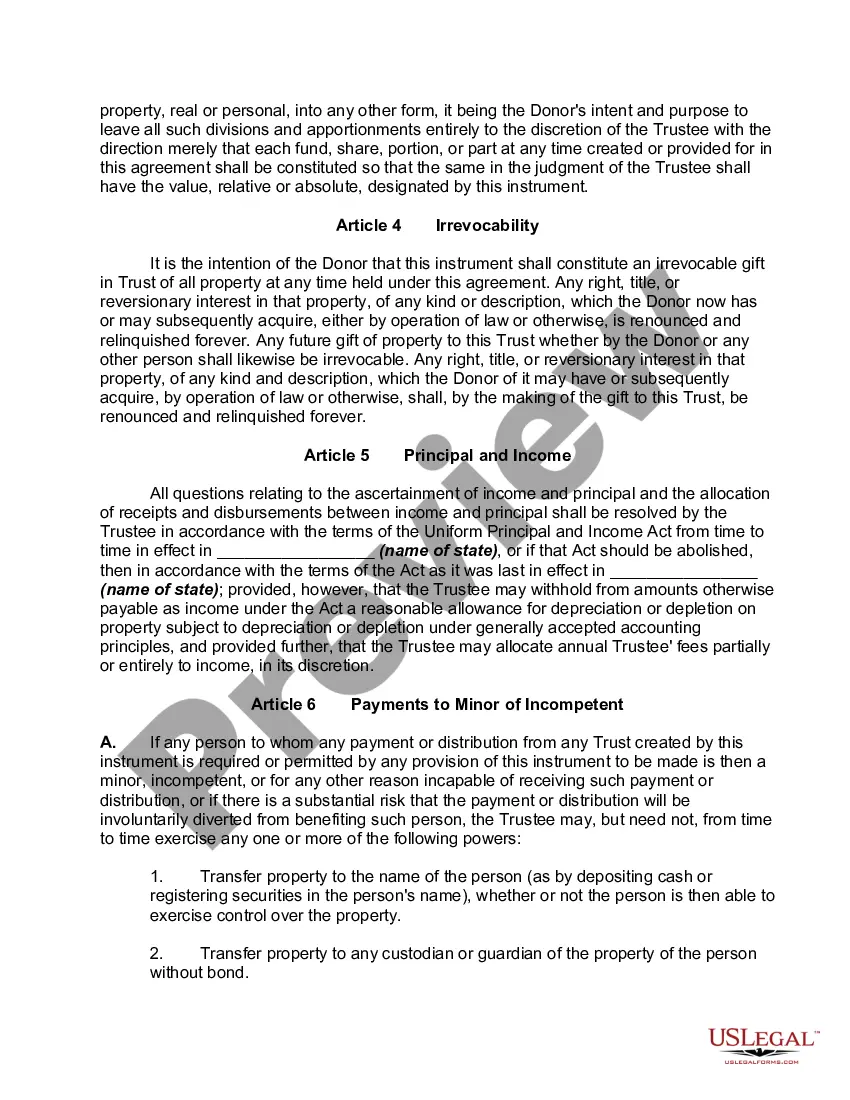
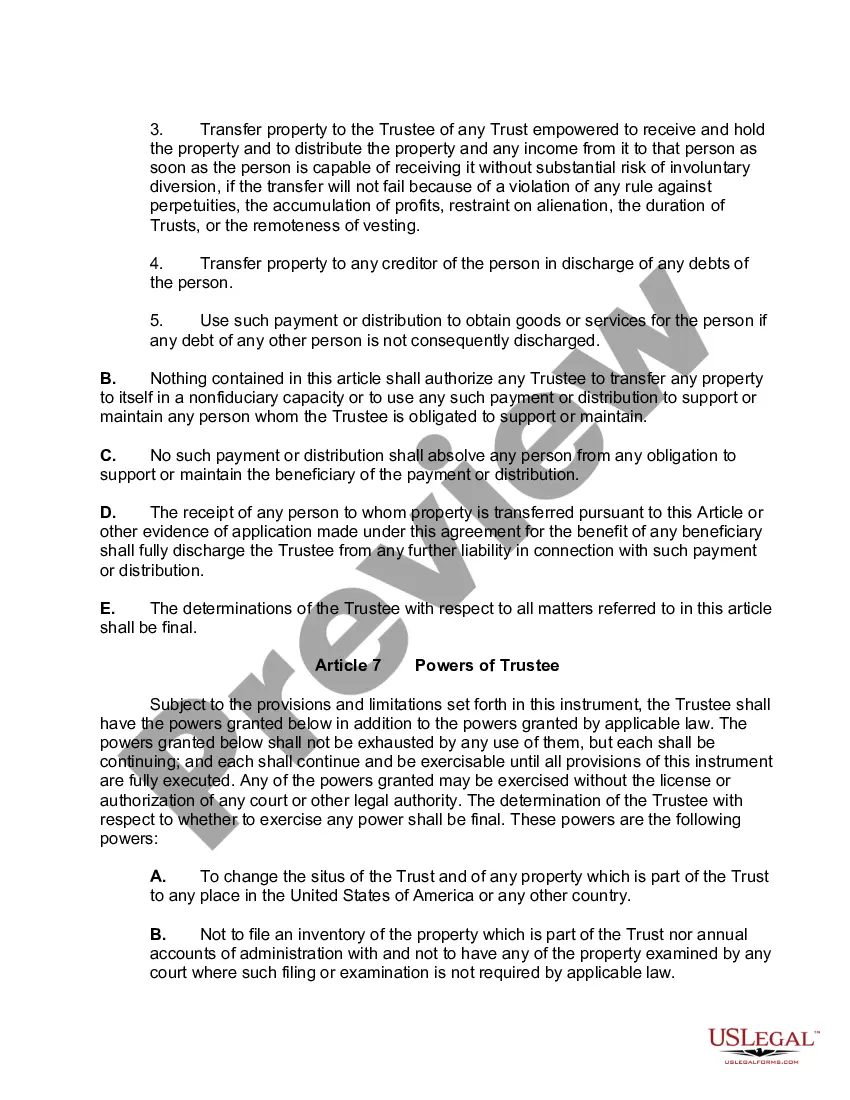
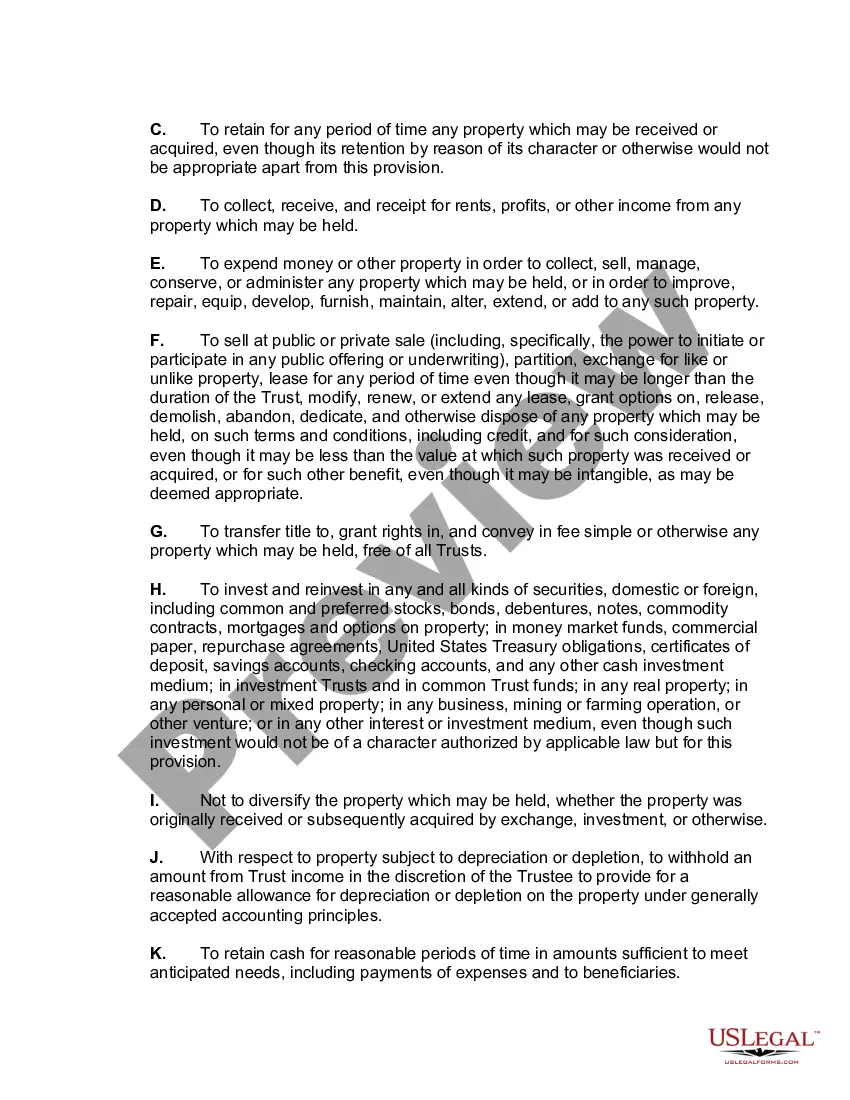
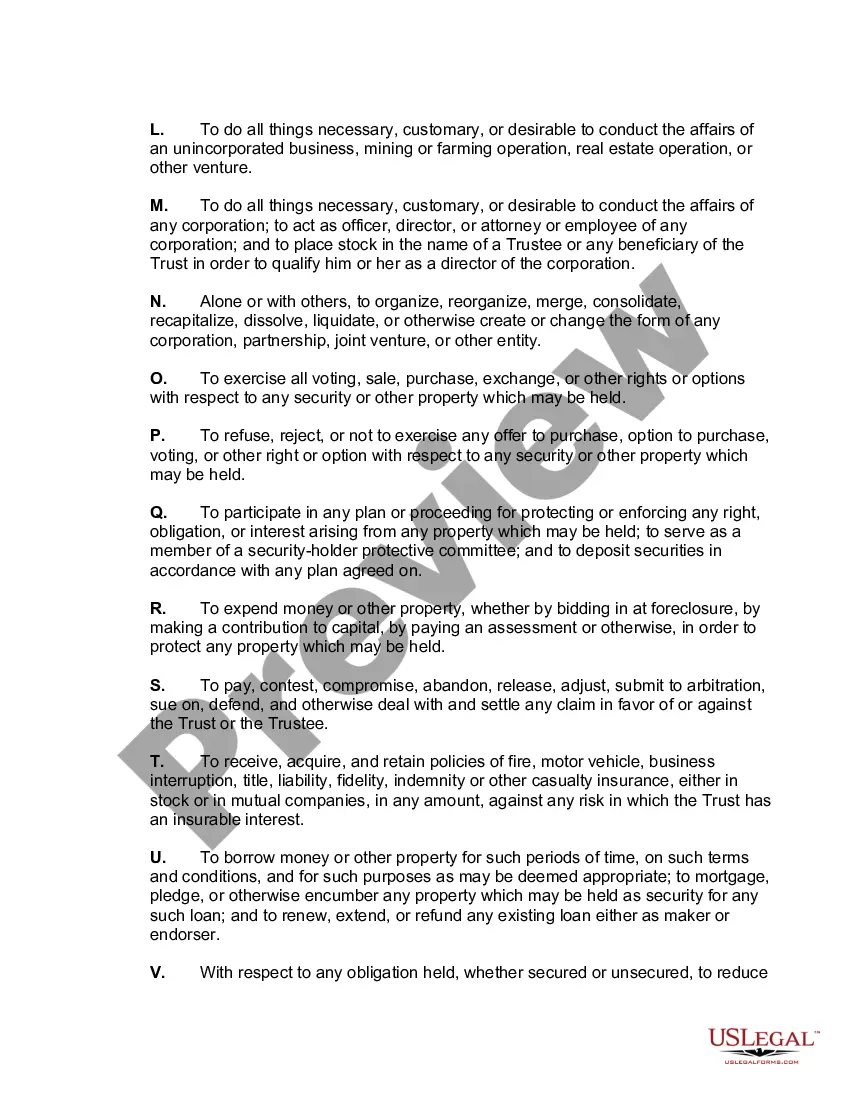
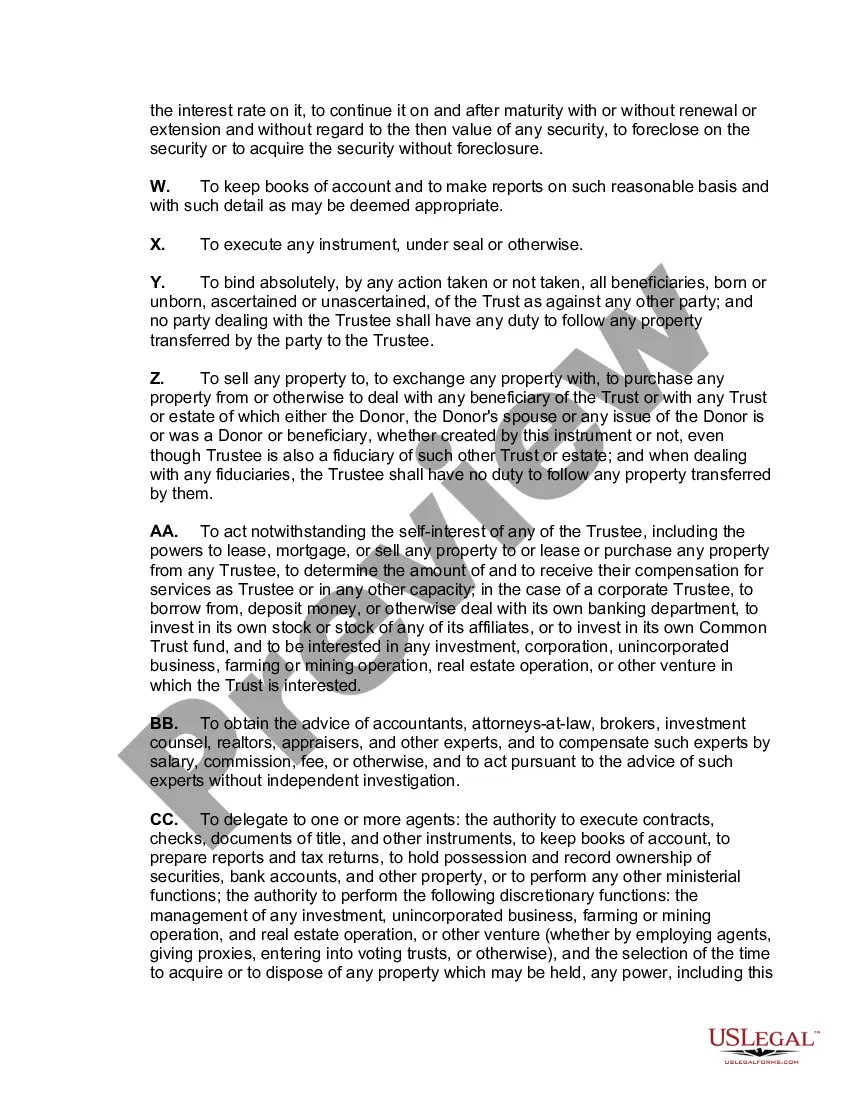
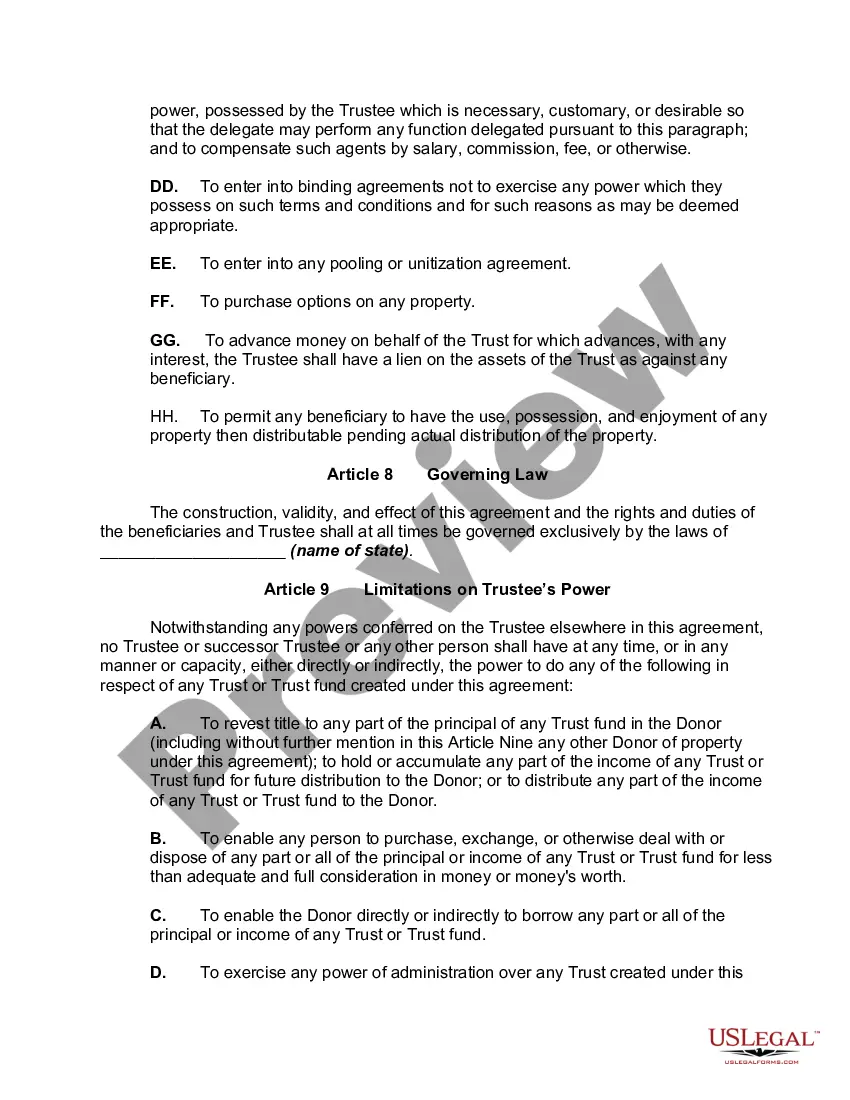

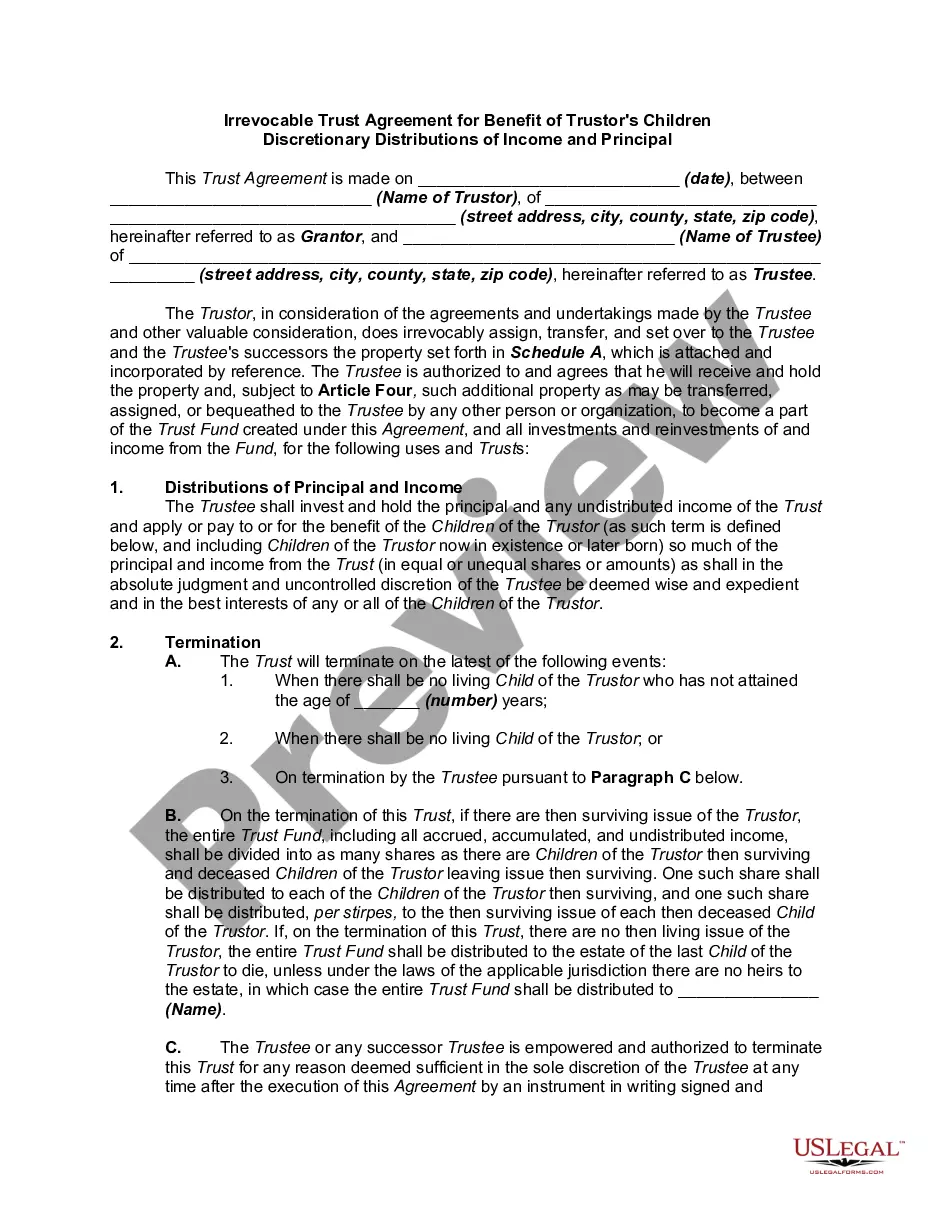
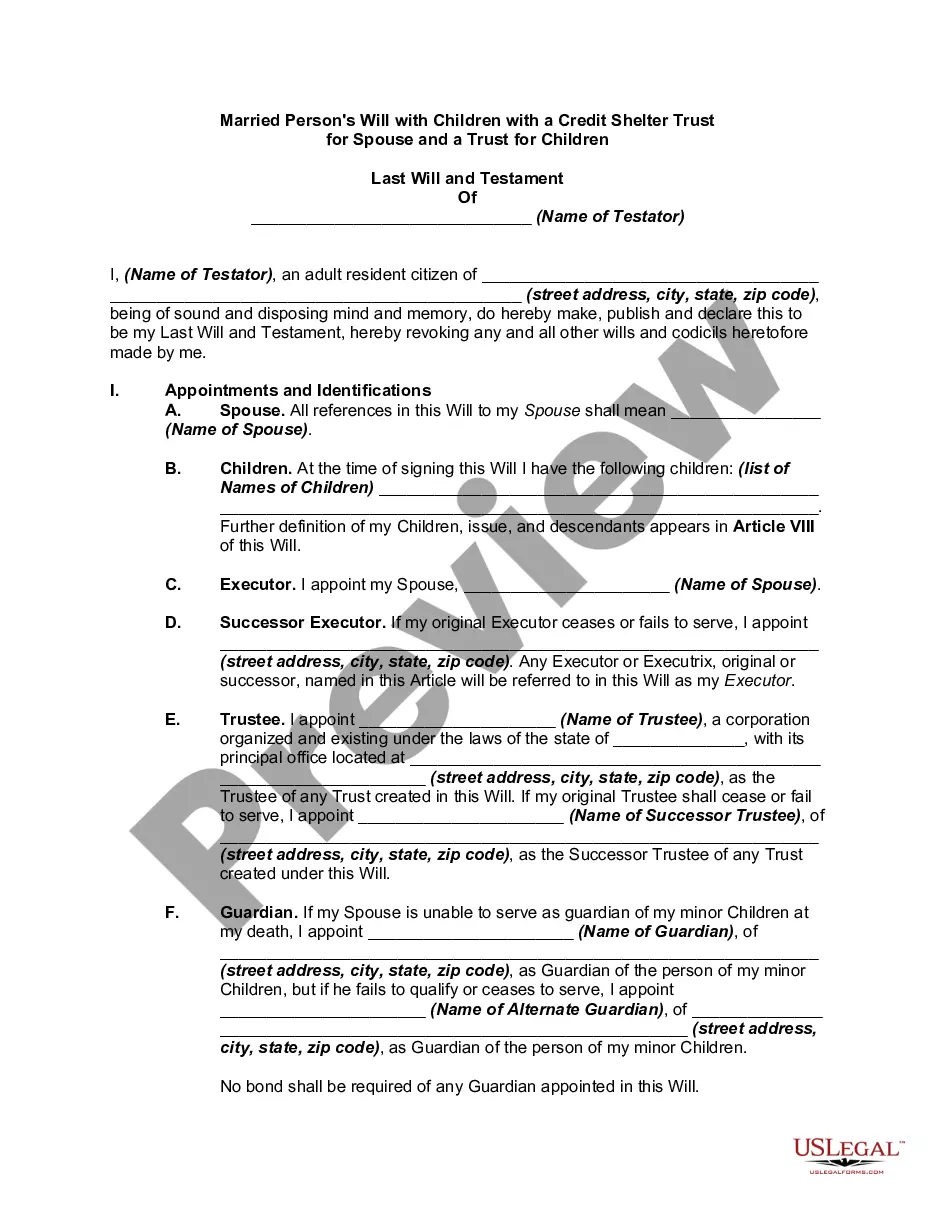
Get your form ready online
Our built-in tools help you complete, sign, share, and store your documents in one place.
Make edits, fill in missing information, and update formatting in US Legal Forms—just like you would in MS Word.
Download a copy, print it, send it by email, or mail it via USPS—whatever works best for your next step.
Sign and collect signatures with our SignNow integration. Send to multiple recipients, set reminders, and more. Go Premium to unlock E-Sign.
If this form requires notarization, complete it online through a secure video call—no need to meet a notary in person or wait for an appointment.
We protect your documents and personal data by following strict security and privacy standards.

Make edits, fill in missing information, and update formatting in US Legal Forms—just like you would in MS Word.

Download a copy, print it, send it by email, or mail it via USPS—whatever works best for your next step.

Sign and collect signatures with our SignNow integration. Send to multiple recipients, set reminders, and more. Go Premium to unlock E-Sign.

If this form requires notarization, complete it online through a secure video call—no need to meet a notary in person or wait for an appointment.

We protect your documents and personal data by following strict security and privacy standards.
Looking for another form?


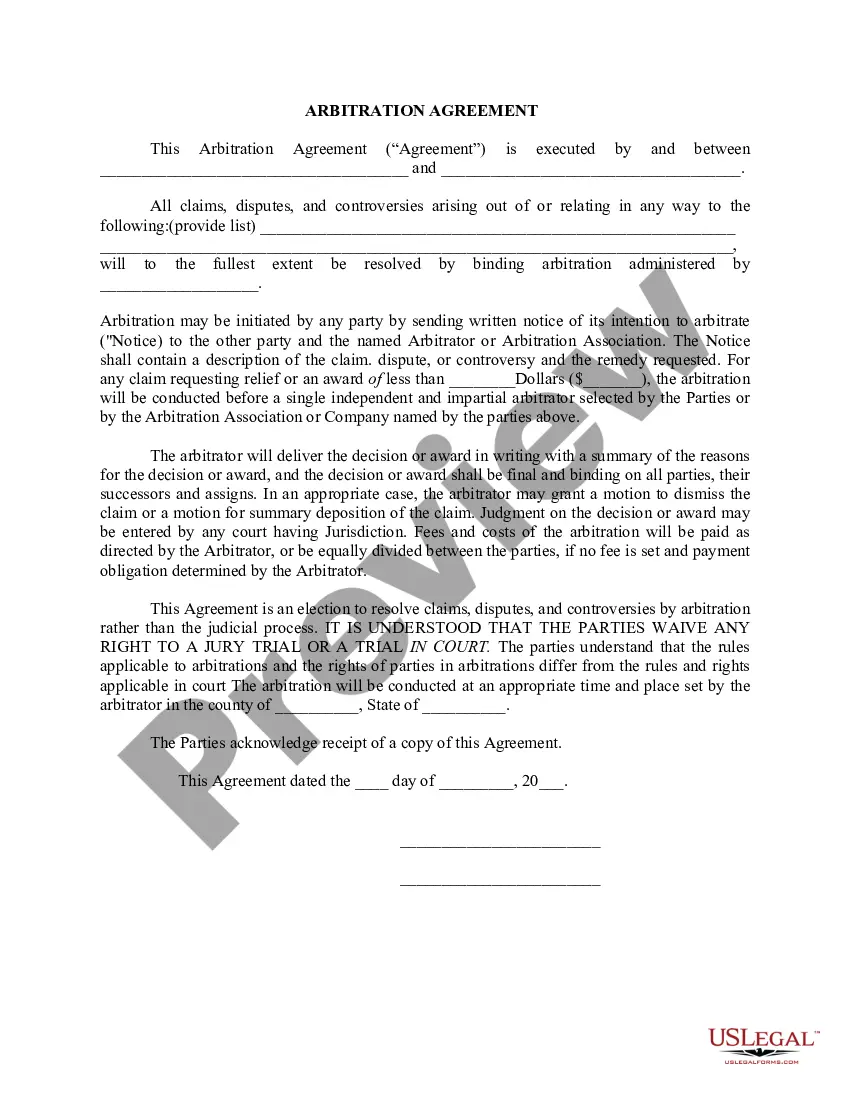




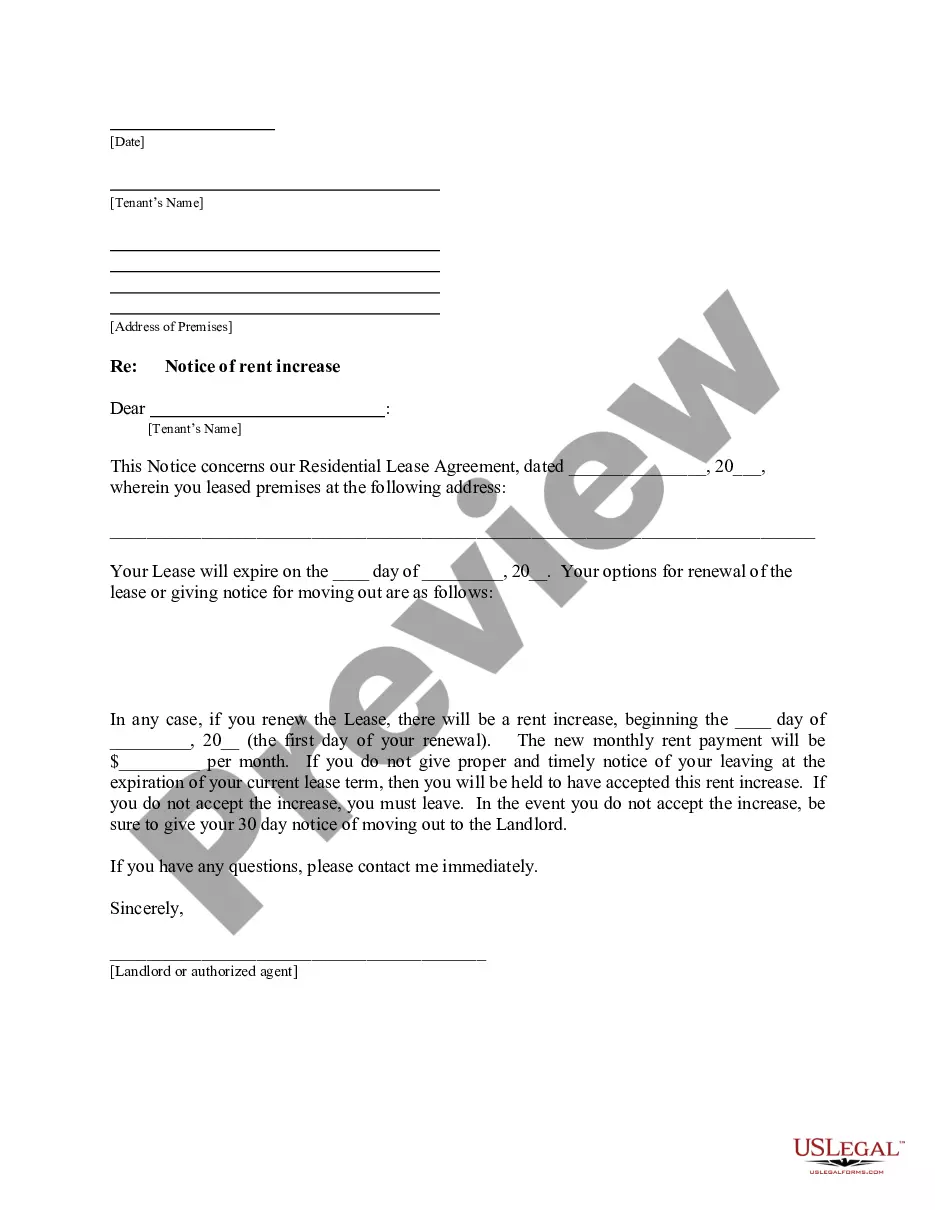
How to fill out Inter Vivos QTIP Trust With Principal To Donor's Children On Spouse's Death?
Utilizing lawful templates that comply with federal and state laws is crucial, and the web provides numerous alternatives to select from.
However, what is the benefit of spending time searching for the appropriate Any Trust Property For Transfer example online when the US Legal Forms digital library already consolidates such templates in one location.
US Legal Forms represents the most comprehensive virtual legal repository with over 85,000 editable templates created by attorneys for various business and personal situations.
Enjoy the most expansive and user-friendly legal documentation service!
- They are simple to navigate, with all documents organized by jurisdiction and intended use.
- Our experts stay informed on legislative changes, ensuring your form remains current and compliant when acquiring an Any Trust Property For Transfer from our platform.
- Acquiring an Any Trust Property For Transfer is straightforward and swift for both existing and new users.
- If you already possess an account with an active subscription, Log In and secure the document sample you require in the appropriate format.
- If you are new to our site, adhere to the instructions below.
Form popularity
FAQ
A release of liability, also known as a liability waiver or a hold harmless agreement, is a contract in which one party agrees not to hold another party liable for damages or injury. These contracts are common in fields that involve some risk to property, finances, or health.
A liability waiver form is a legal contract that educates one party about the risks associated with an activity. Once signed, it prevents the participant from opening a lawsuit against the company in the event of damage or loss, effectively shifting responsibility for injuries from the company to the customer.
Here is all that pertains writing an effective liability waiver: Get help. Writing a waiver should not be complicated. ... Use the correct structure. ... Proper formatting. ... Include a subject line. ... Include a caution! ... Talk about the activity risks. ... Do not forget an assumption of risk. ... Hold harmless.
To build a waiver of liability: Choose a waiver template. Determine the type of activity or service. State the purpose of the waiver. Identify the risks. Include a title. Include customer information. Include waiver terms. Include a statement of understanding.
A liability waiver form is a legal contract that educates one party about the risks associated with an activity. Once signed, it prevents the participant from opening a lawsuit against the company in the event of damage or loss, effectively shifting responsibility for injuries from the company to the customer.
Examples of waivers include the waiving of parental rights, waiving liability, tangible goods waivers, and waivers for grounds of inadmissibility. Waivers are common when finalizing lawsuits, as one party does not want the other pursuing them after a settlement is transferred.
Under Ontario's Occupiers' Liability Act, occupiers (meaning anyone who has ownership, possession or control of a premise) can obtain and rely on waivers. In order to do so, they must take reasonable steps to bring to your attention that by signing a waiver, you are in fact giving up your legal right to sue them.