Agreement Merging Firms With The Us
Description
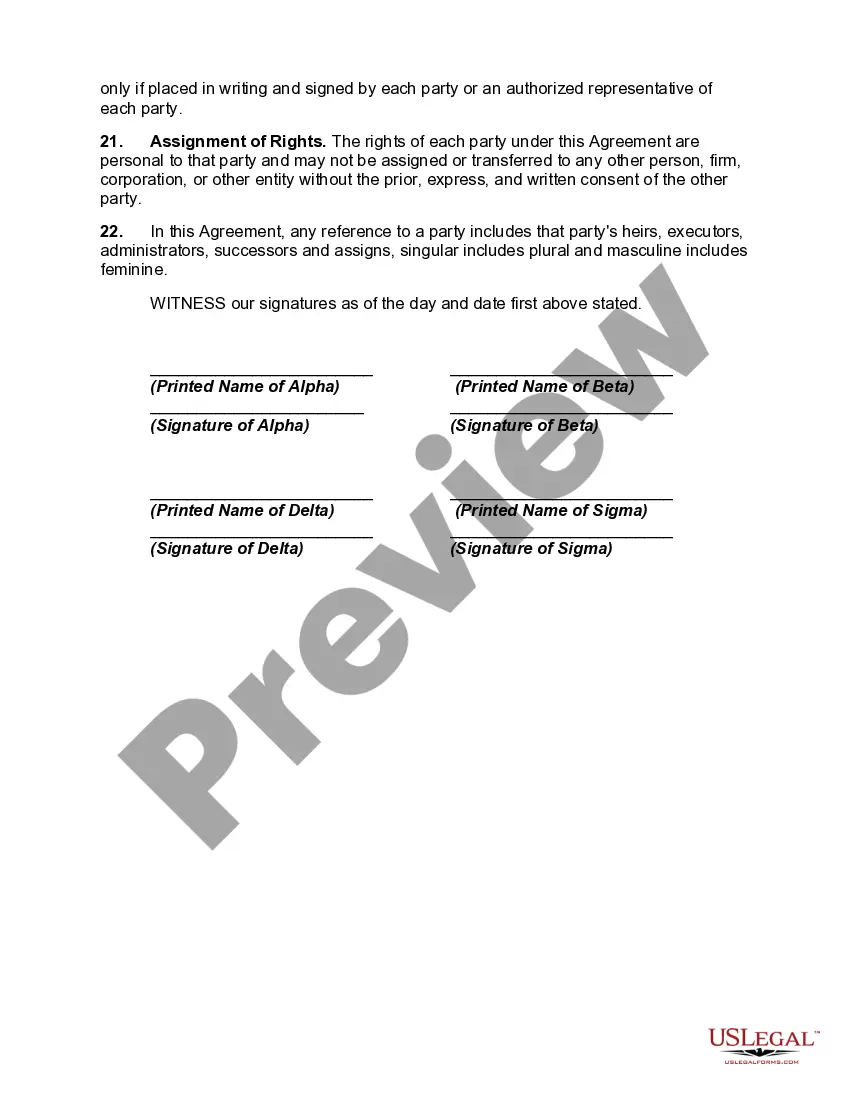
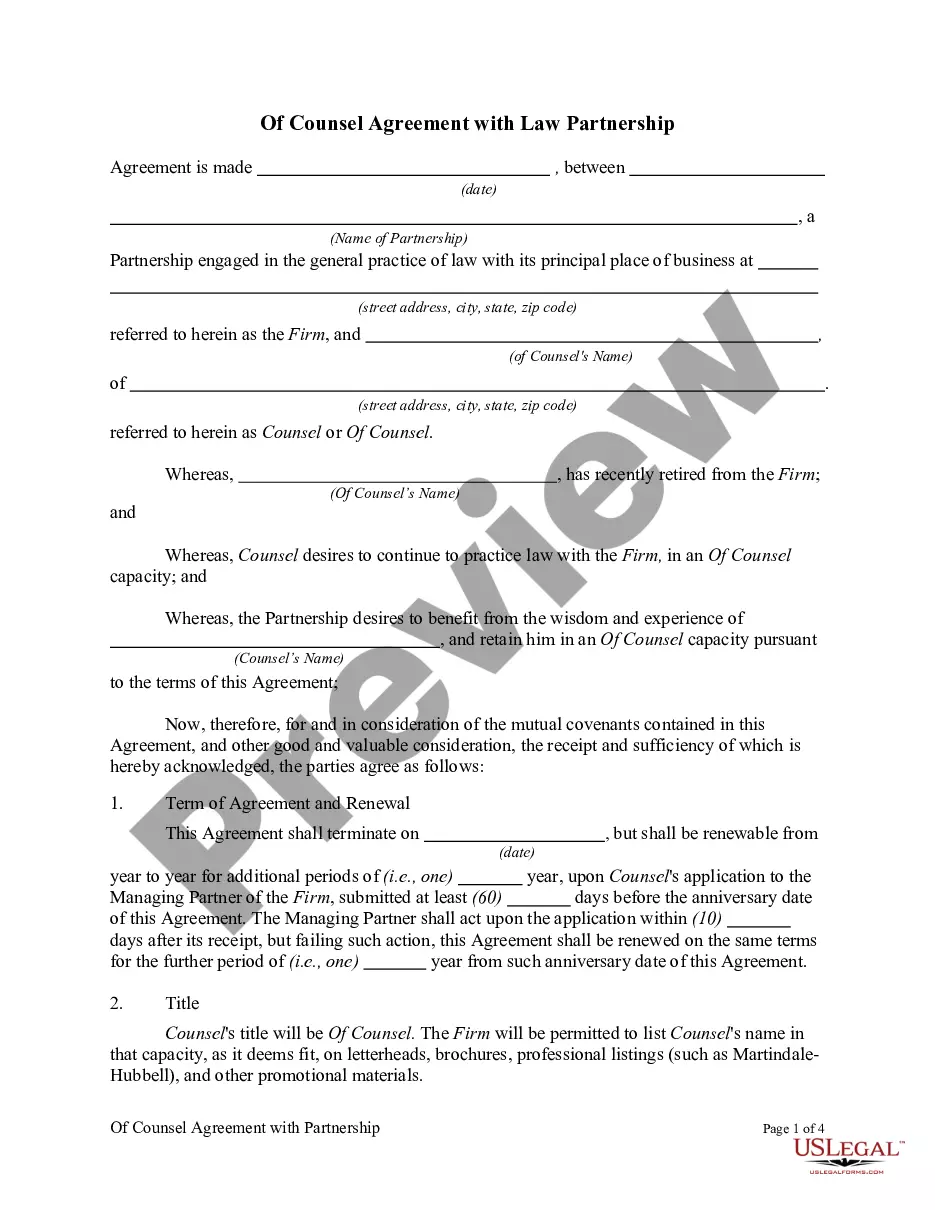
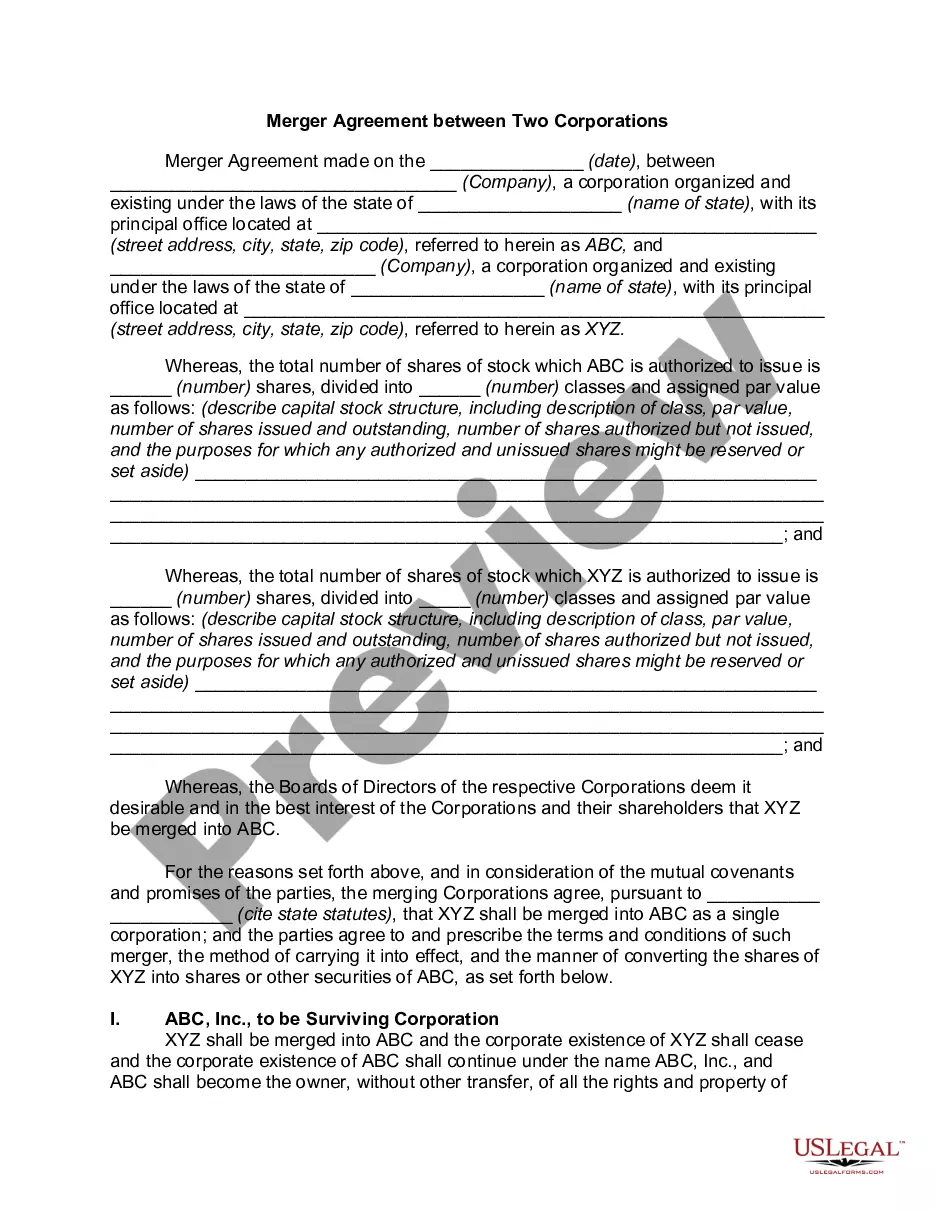
Get your form ready online
Our built-in tools help you complete, sign, share, and store your documents in one place.
Make edits, fill in missing information, and update formatting in US Legal Forms—just like you would in MS Word.
Download a copy, print it, send it by email, or mail it via USPS—whatever works best for your next step.
Sign and collect signatures with our SignNow integration. Send to multiple recipients, set reminders, and more. Go Premium to unlock E-Sign.
If this form requires notarization, complete it online through a secure video call—no need to meet a notary in person or wait for an appointment.
We protect your documents and personal data by following strict security and privacy standards.

Make edits, fill in missing information, and update formatting in US Legal Forms—just like you would in MS Word.

Download a copy, print it, send it by email, or mail it via USPS—whatever works best for your next step.

Sign and collect signatures with our SignNow integration. Send to multiple recipients, set reminders, and more. Go Premium to unlock E-Sign.

If this form requires notarization, complete it online through a secure video call—no need to meet a notary in person or wait for an appointment.

We protect your documents and personal data by following strict security and privacy standards.
Looking for another form?

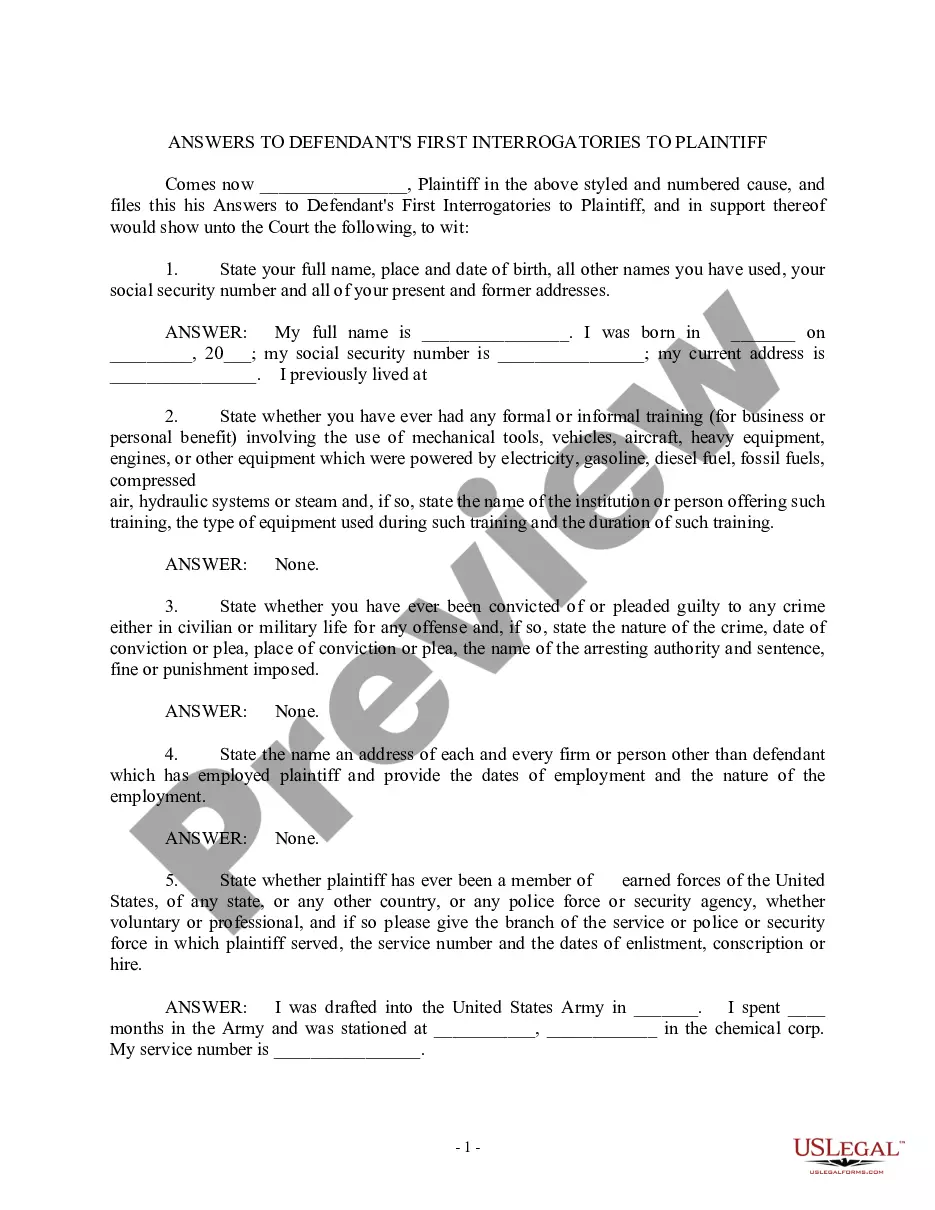
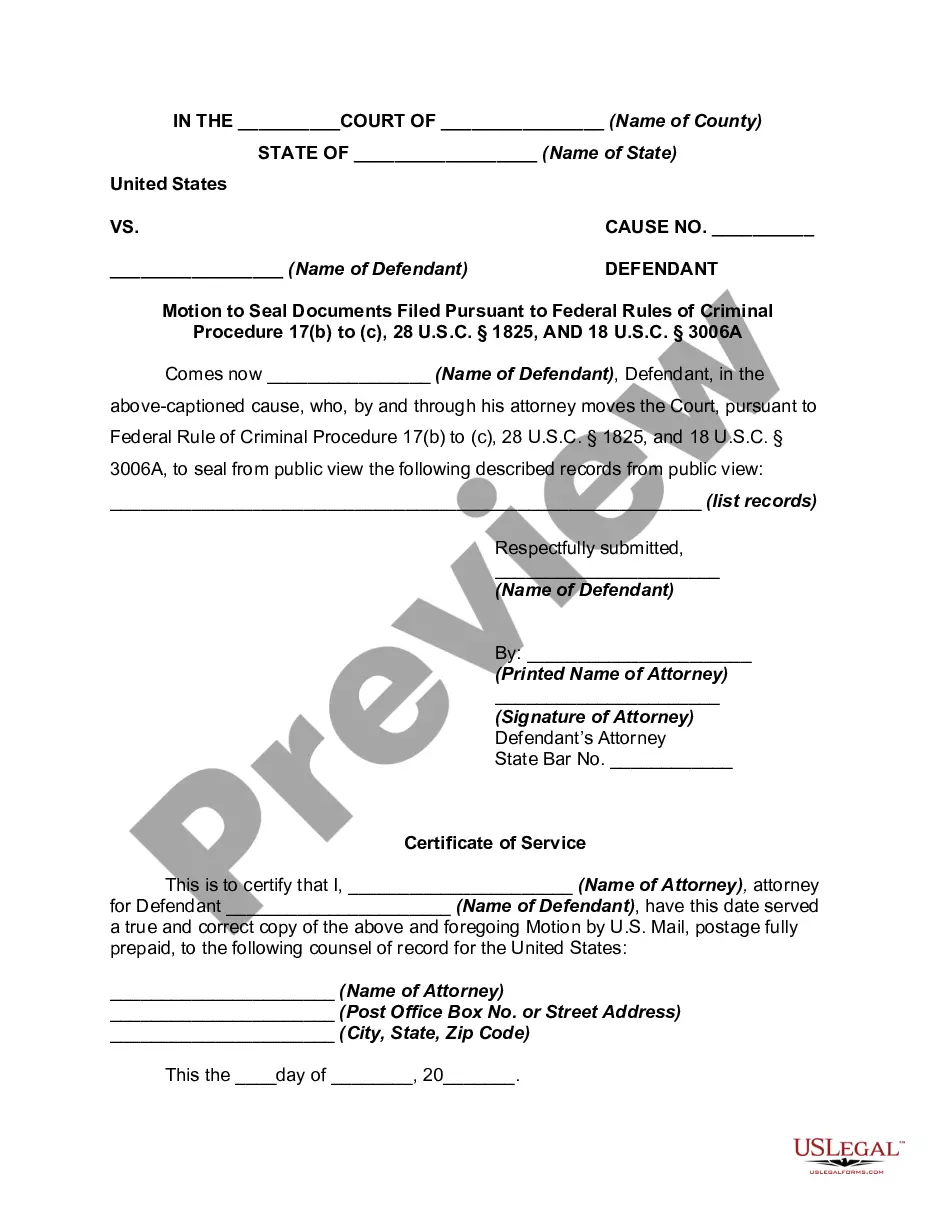
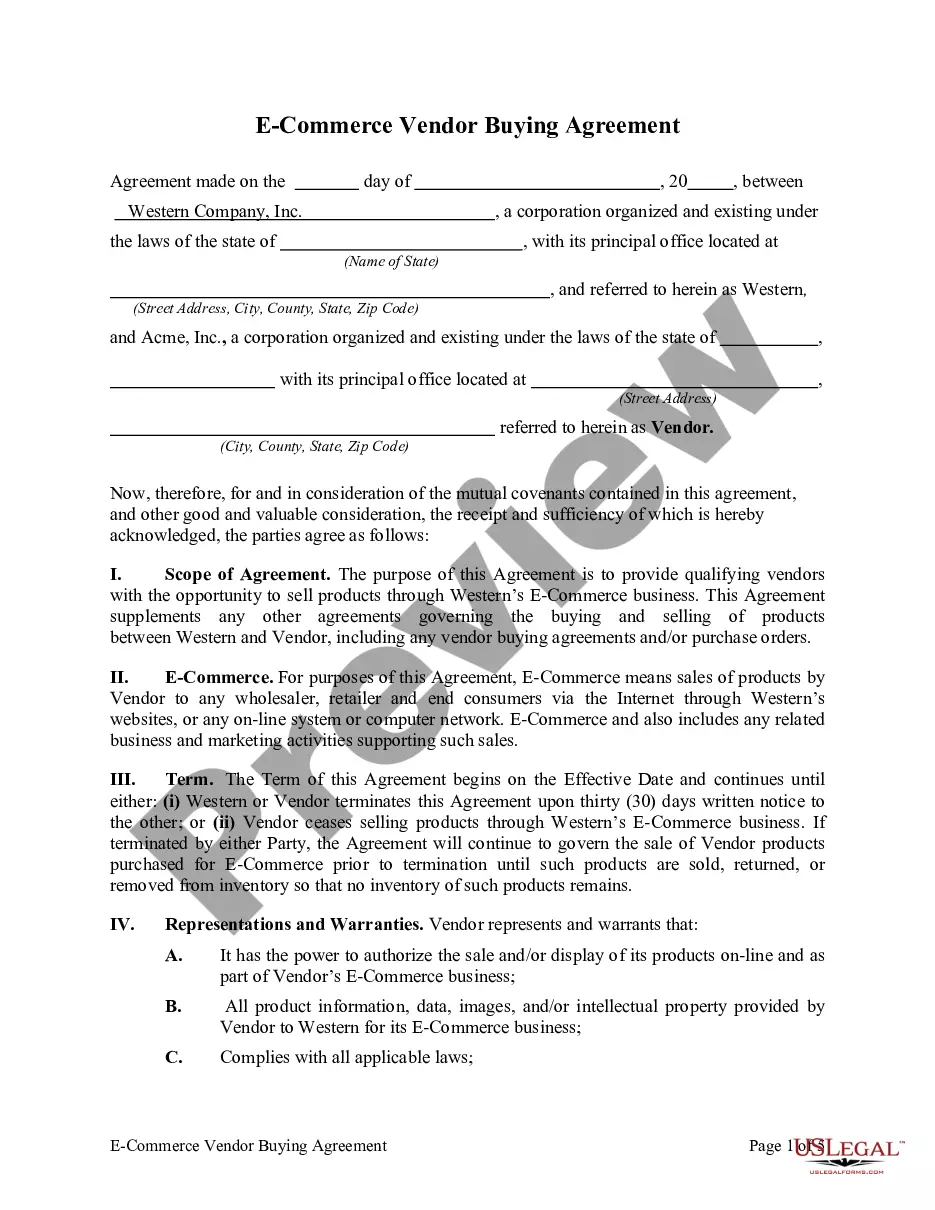
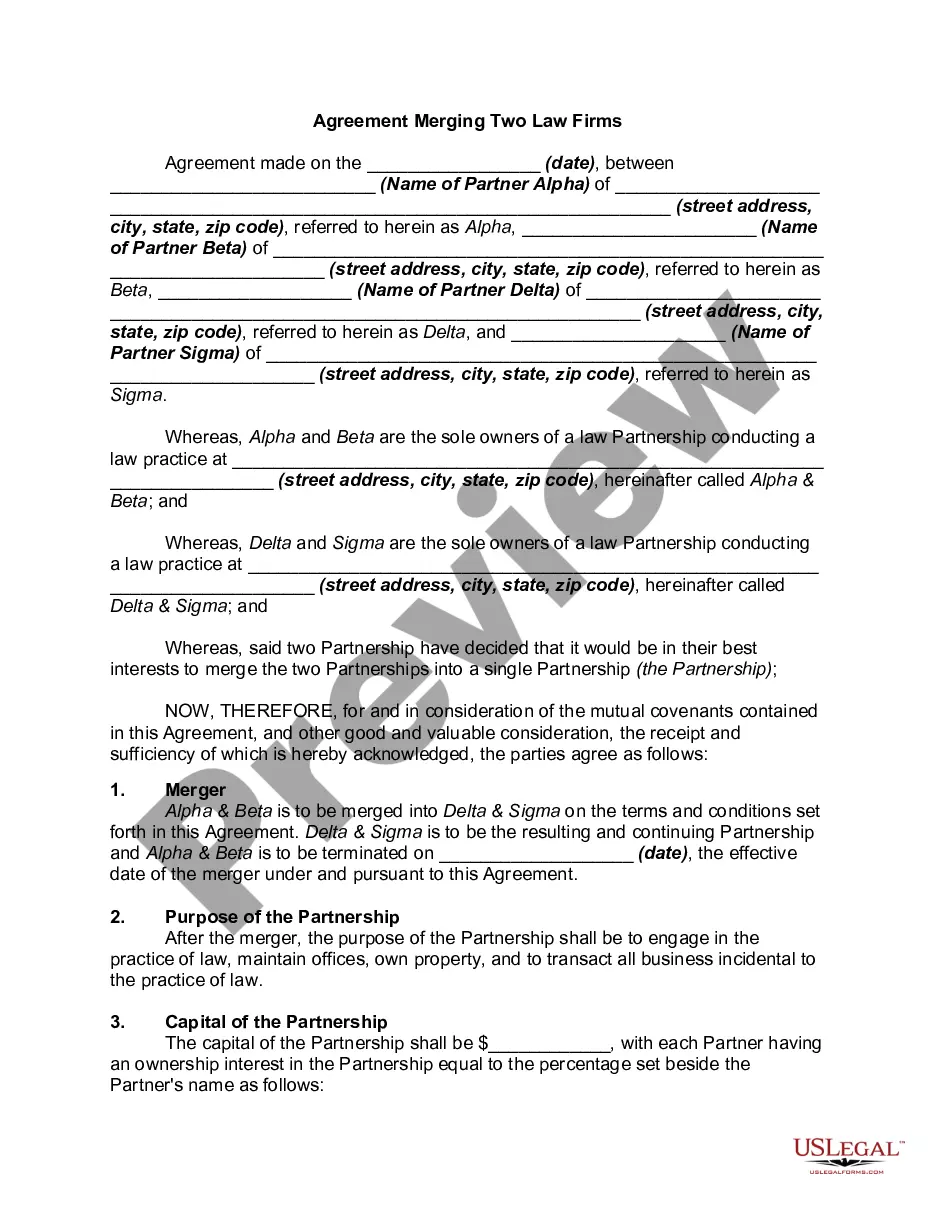
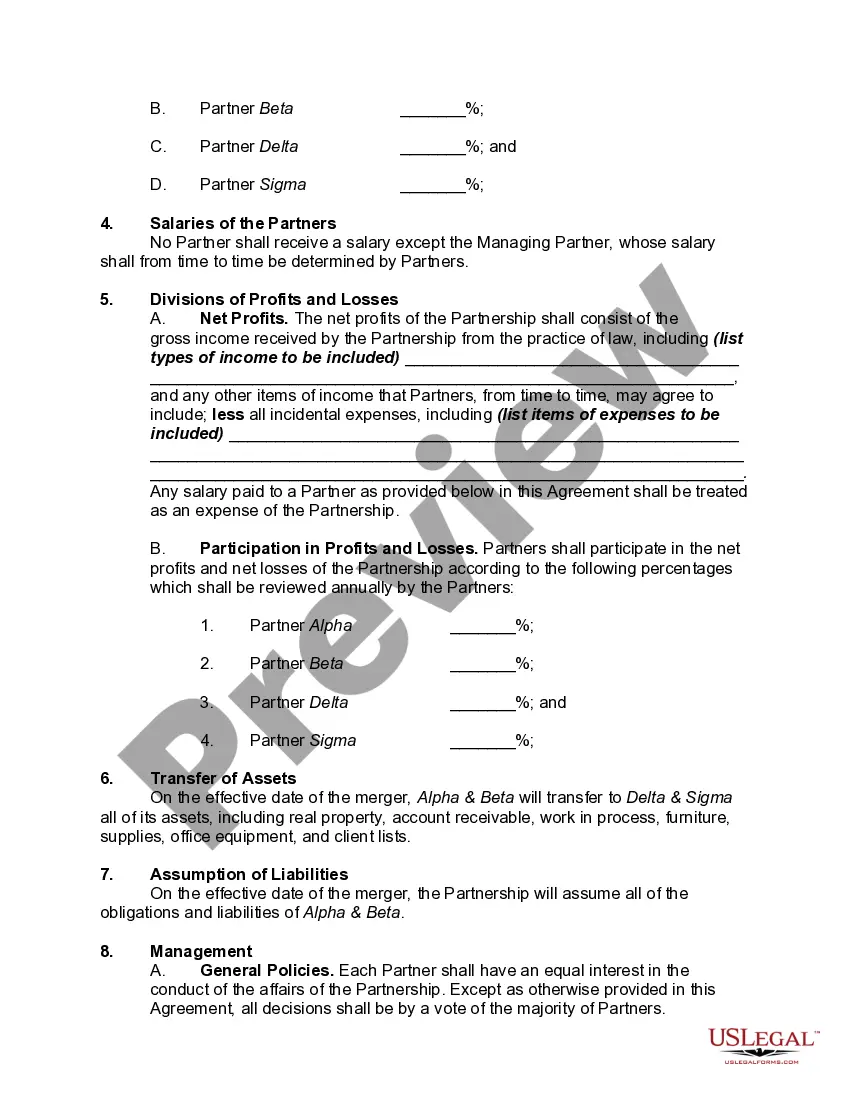
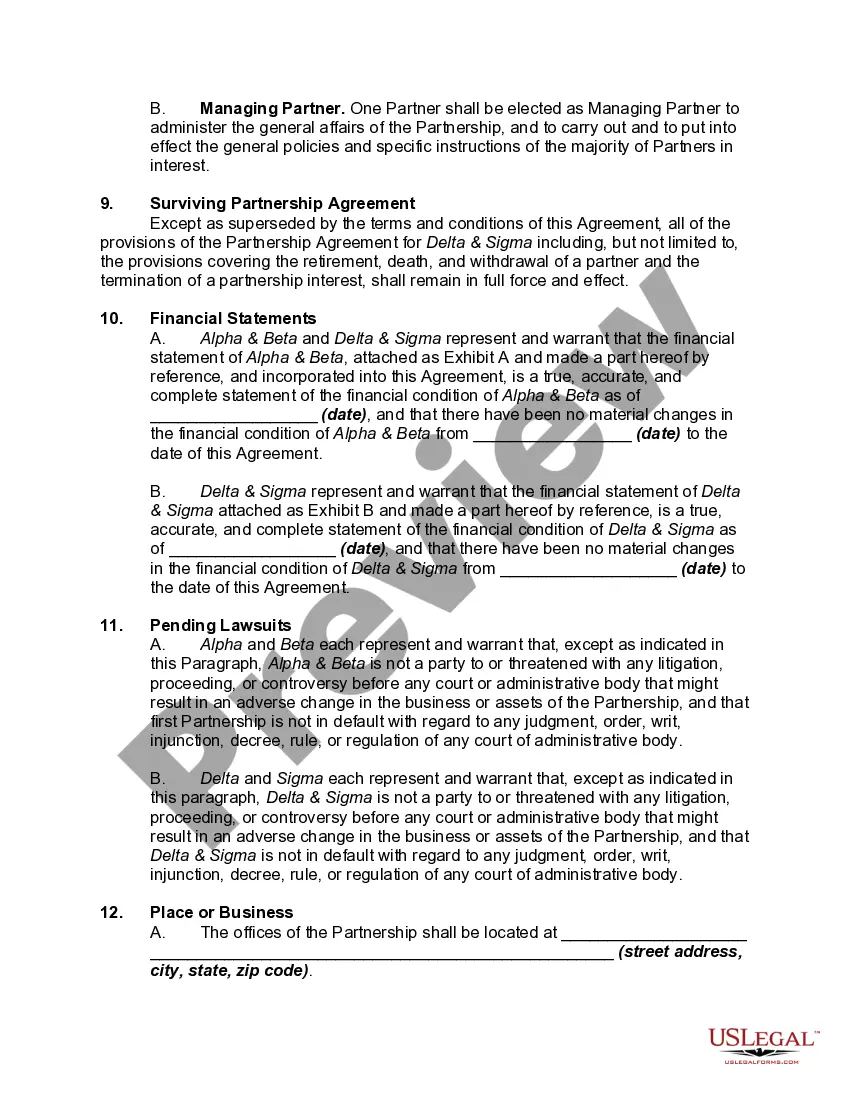
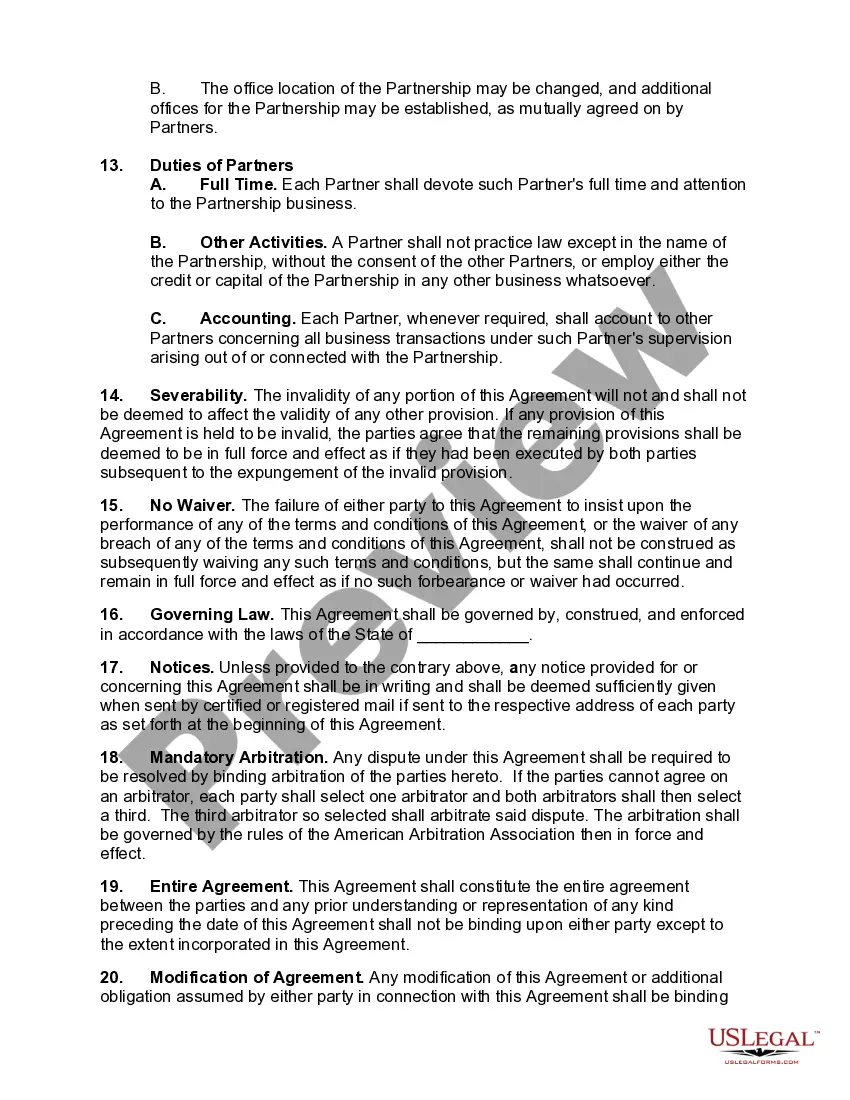
How to fill out Agreement Merging Two Law Firms?
- Log in to your US Legal Forms account if you're a returning user, and check your subscription status to ensure it's valid.
- Review the available form templates in Preview mode, ensuring you select one that aligns with your local jurisdiction.
- If needed, utilize the Search tab to find alternative forms that better suit your requirements.
- Select the appropriate document by clicking 'Buy Now' and pick your preferred subscription plan. You’ll need to create an account to access the forms.
- Complete your purchase by entering your payment information via credit card or PayPal.
- Download the finalized template to your device and access it anytime through the 'My Forms' section in your profile.
In conclusion, US Legal Forms not only provides a wide array of legal templates but also ensures that you have expert assistance to fill them out effectively. By following these simple steps, you can easily navigate through the form selection and purchase process.
Start your journey today by visiting US Legal Forms and streamline your legal document needs!
Form popularity
FAQ
Yes, merger agreements are typically filed publicly, which ensures transparency for stakeholders, including investors and customers. The process includes the submission of various documents that detail the agreement merging firms with the US. These filings help maintain regulatory compliance and inform the public about significant corporate changes. You can find these filings through regulatory bodies or financial news outlets.
Mergers can be a mixed bag for employees, with both challenges and opportunities arising. On one hand, the agreement merging firms with the US may lead to job insecurity, especially in overlapping roles. On the other hand, they can create new growth opportunities, career paths, and likely improved resources for existing employees. The outcome often hinges on how well the companies handle communication and integration.
When two companies join forces, it is commonly referred to as a merger or a business combination. This term reflects the collaborative effort of the agreement merging firms with the US, focusing on mutual benefits and strategic growth. Such partnerships can enhance market presence and operational capabilities. The merger solidifies the companies’ commitment to a unified future.
Typically, layoffs depend on the merge strategy and the companies involved. Often, redundancies in overlapping roles are the first to be examined after the agreement merging firms with the US is finalized. However, companies aim to retain key talent and minimize layoffs to maintain productivity. Decisions can also vary based on company culture and the intended direction post-merger.
The merge process begins with due diligence, where both companies assess each other’s finances, operations, and culture. Next, the firms negotiate terms and draft the merger agreement. Once both parties sign the agreement merging firms with the US, they will often seek regulatory approval. Finally, the integration of operations, systems, and teams takes place to ensure a smooth transition.
The four main types of mergers and acquisitions (M&A) include horizontal, vertical, conglomerate, and market-extension mergers. Horizontal mergers occur between companies in the same industry, aiming to increase market share. Vertical mergers involve businesses at different stages of the supply chain, while conglomerate mergers occur between unrelated companies. For individuals exploring agreement merging firms with the US, recognizing these types can aid in identifying strategic opportunities.
A merger agreement is a legal document that outlines the terms and conditions under which two or more companies come together to form a single entity. This agreement details aspects such as valuation, the structure of the merger, and the rights and obligations of each party involved. For those seeking information about agreement merging firms with the US, understanding this document is essential, as it serves as the foundation for the merger process.
The decision for companies to merge depends on several stakeholders, including company executives and shareholders. However, regulatory approval plays a critical role in the process. Agencies like the FTC and DOJ assess potential mergers for compliance with antitrust laws. This ensures that the merger does not harm market competition, key for agreement merging firms with the US.
You can merge two companies you own, but doing so requires careful consideration of any legal implications. First, ensure that you comply with state laws regarding mergers and the structure of both companies. Next, draft a merger agreement that outlines the terms of the consolidation. Using professional services like USLegalForms can help you create compliant agreements for agreement merging firms with the US.
Yes, you can merge two corporations, granted you follow the legal requirements set by state and federal laws. Both businesses must agree on the merger terms and initiate the necessary procedures. This process includes drafting a merger agreement, obtaining shareholder approvals, and fulfilling regulatory obligations. Utilizing resources from agreement merging firms with the US can streamline this process.