Creditor Write Off With Taxes
Description
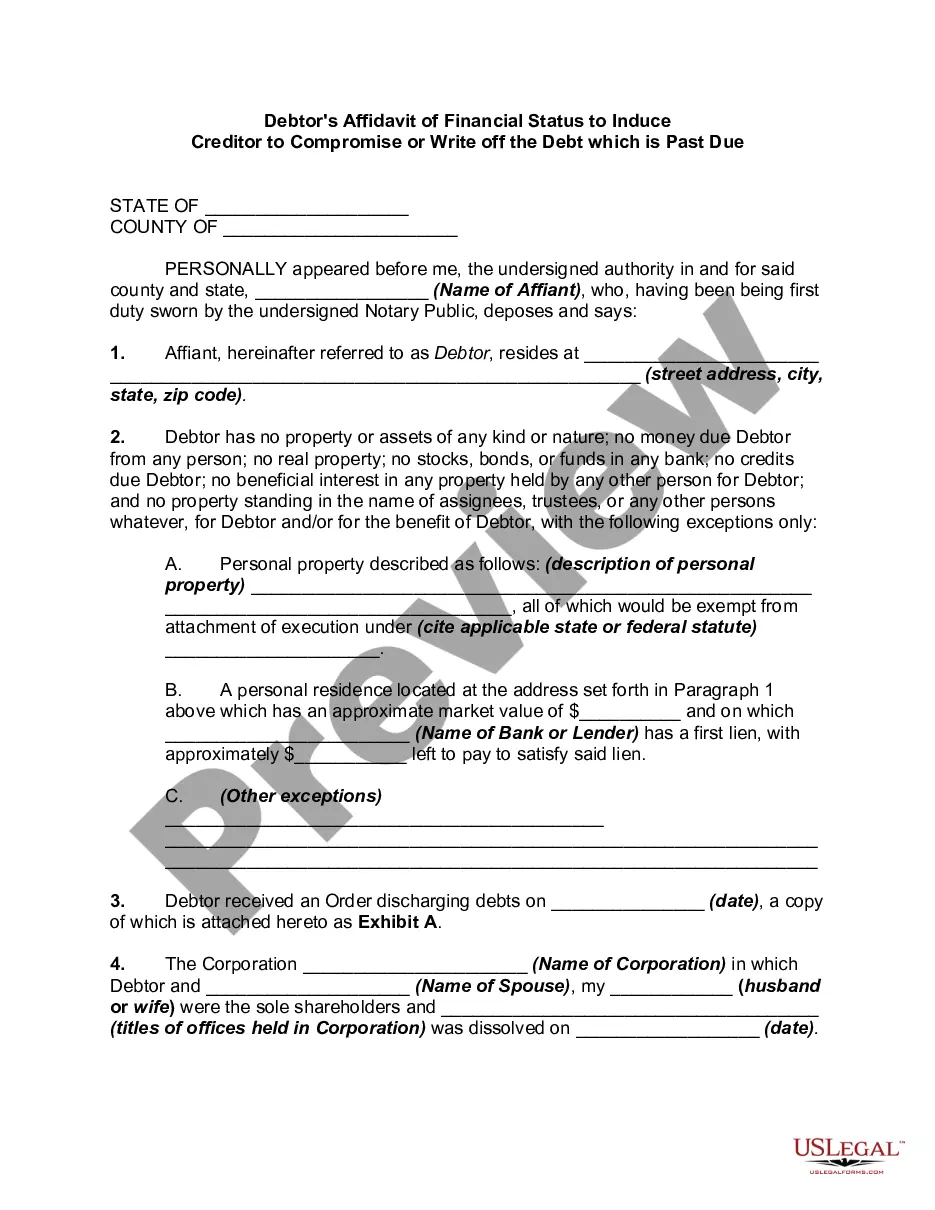
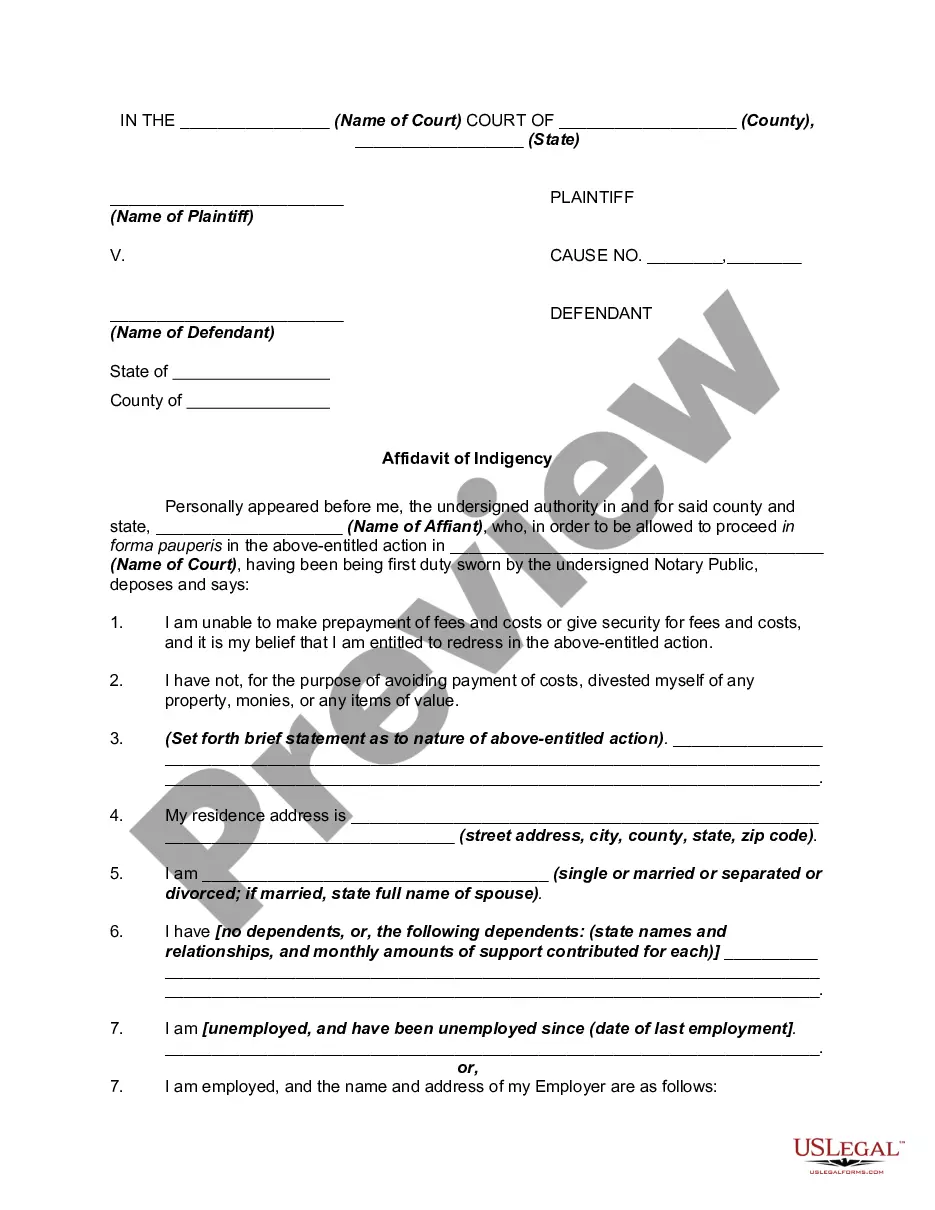
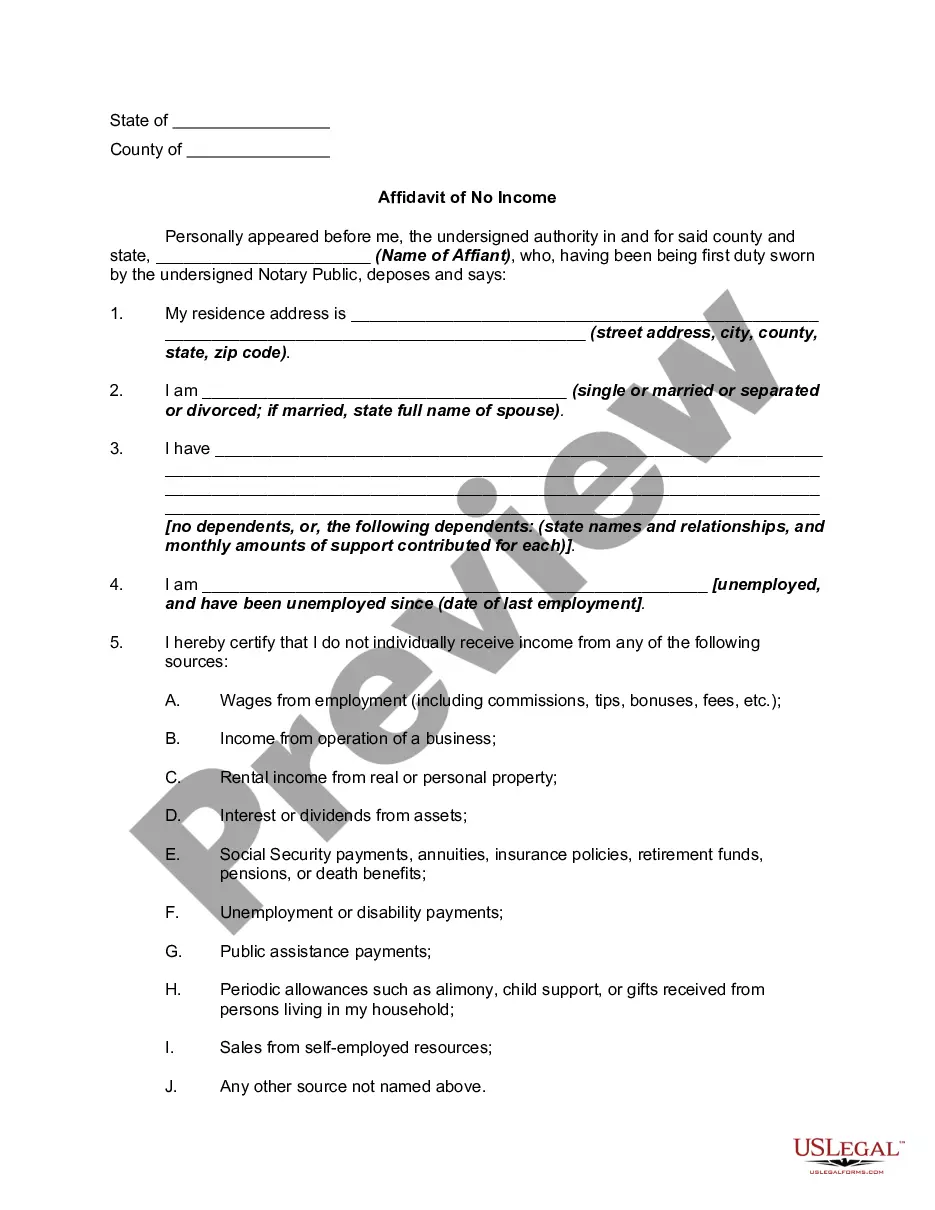
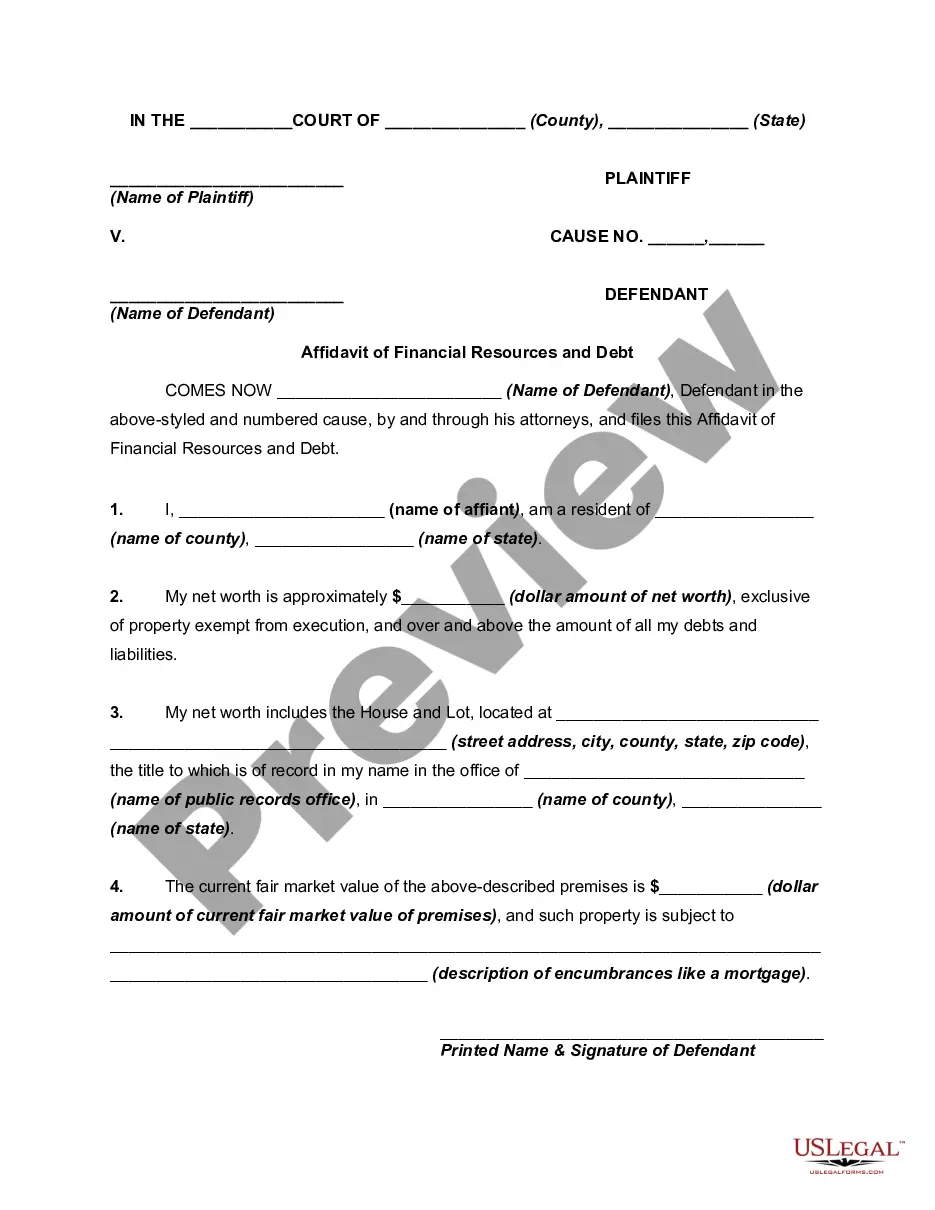



How to fill out Debtor's Affidavit Of Financial Status To Induce Creditor To Compromise Or Write Off The Debt Which Is Past Due - Assets And Liabilities?
Managing legal documents can be daunting, even for seasoned professionals.
When you seek a Creditor Write Off With Taxes and lack the time to search for the accurate and current version, the process may be challenging.
US Legal Forms meets all your requirements, ranging from personal to corporate paperwork, in one location.
Leverage advanced tools to complete and manage your Creditor Write Off With Taxes.
Here are the steps to follow after accessing the form you require: Validate that it is the correct document by previewing it and reviewing its description; ensure that the template is accepted in your state or county; select Buy Now when ready; choose a subscription plan; select the format you desire, and Download, complete, sign, print, and submit your document. Take advantage of the US Legal Forms online library, backed by 25 years of experience and reliability. Transform your daily document management into a seamless and user-friendly experience today.
- Utilize a valuable repository of articles, guides, and manuals pertinent to your situation and requirements.
- Conserve time and effort searching for the forms you need, and use US Legal Forms' sophisticated search and Review feature to find Creditor Write Off With Taxes.
- If you possess a membership, Log In to your US Legal Forms account, search for the document, and obtain it.
- Check the My documents section to review the documents you have previously downloaded and to organize your folders as desired.
- If it’s your first time using US Legal Forms, create an account and gain unlimited access to all the platform's benefits.
- A robust online form repository can be transformative for anyone aiming to address these matters effectively.
- US Legal Forms stands out as a leading provider of web-based legal documents, offering over 85,000 state-specific legal forms accessible at any moment.
- With US Legal Forms, you can access state- or county-specific legal and business documents.
Form popularity
FAQ
Sole proprietorships write off bad debts on line 27a of Schedule C, Profit or Loss From Business. Partnerships use line 12 of Form 1065, U.S. Return of Partnership Income. Bad debt deductions for S corporations go on line 10 of Form 1120-S, U.S. Income Tax Return for an S Corporation.
In general, if your debt is canceled, forgiven, or discharged for less than the amount owed, the amount of the canceled debt is taxable. If taxable, you must report the canceled debt on your tax return for the year in which the cancellation occurred.
Box 1 - Date of the identifiable event. ... Box 2 - Amount of debt discharged. ... Box 3 - Interest, if included in box 2. ... Box 4 - Debt description. ... Box 5 - Check Here if the Debtor Was Personally Liable for Repayment of the Debt. ... Box 6 - Identifiable event code. ... Box 7 - Fair market value of property.
Form 1099-C is a federal tax form required by the IRS. Lenders and other creditors must submit a copy to the agency and to taxpayers whenever they cancel or forgive a debt worth $600 or more. Forms must be sent to taxpayers by Jan.
Generally, to deduct a bad debt, you must have previously included the amount in your income or loaned out your cash. If you're a cash method taxpayer (most individuals are), you generally can't take a bad debt deduction for unpaid salaries, wages, rents, fees, interests, dividends, and similar items of taxable income.