Pllc With For Loop
Description
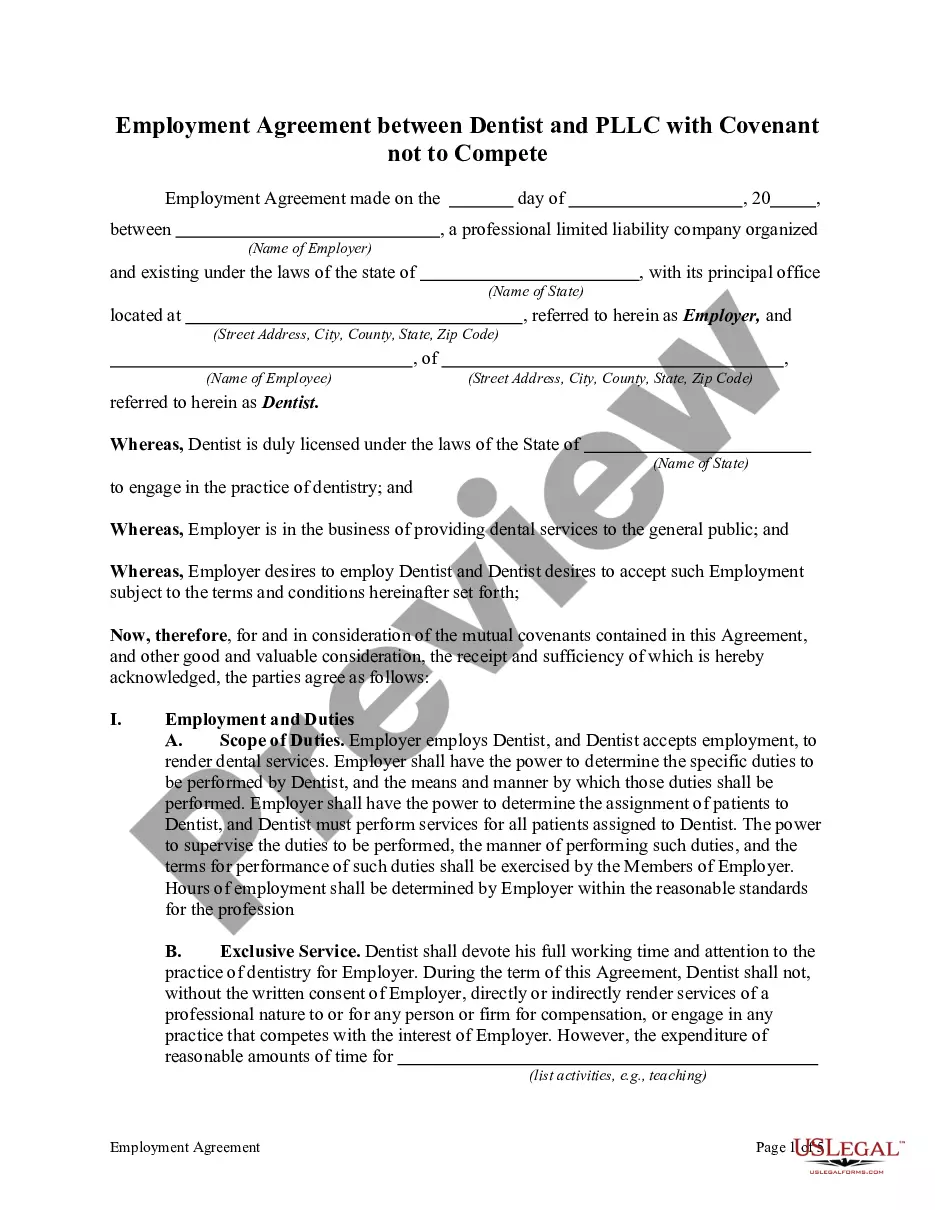
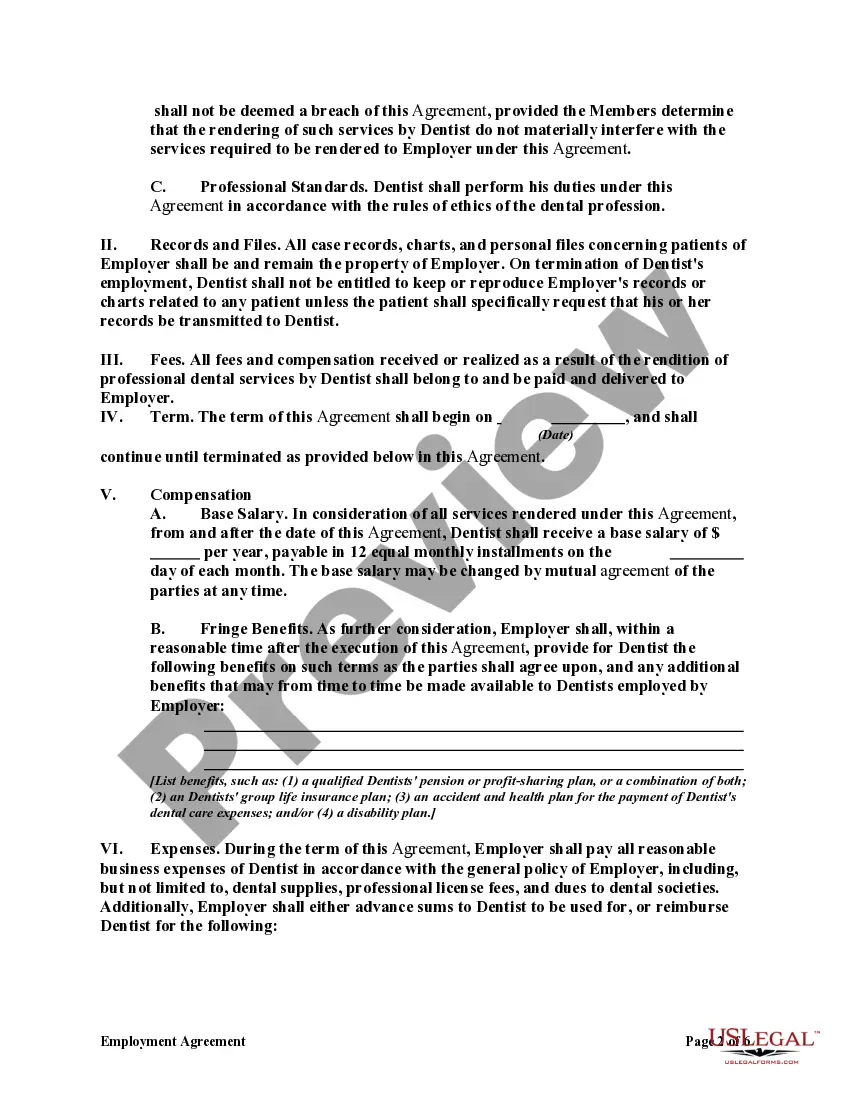
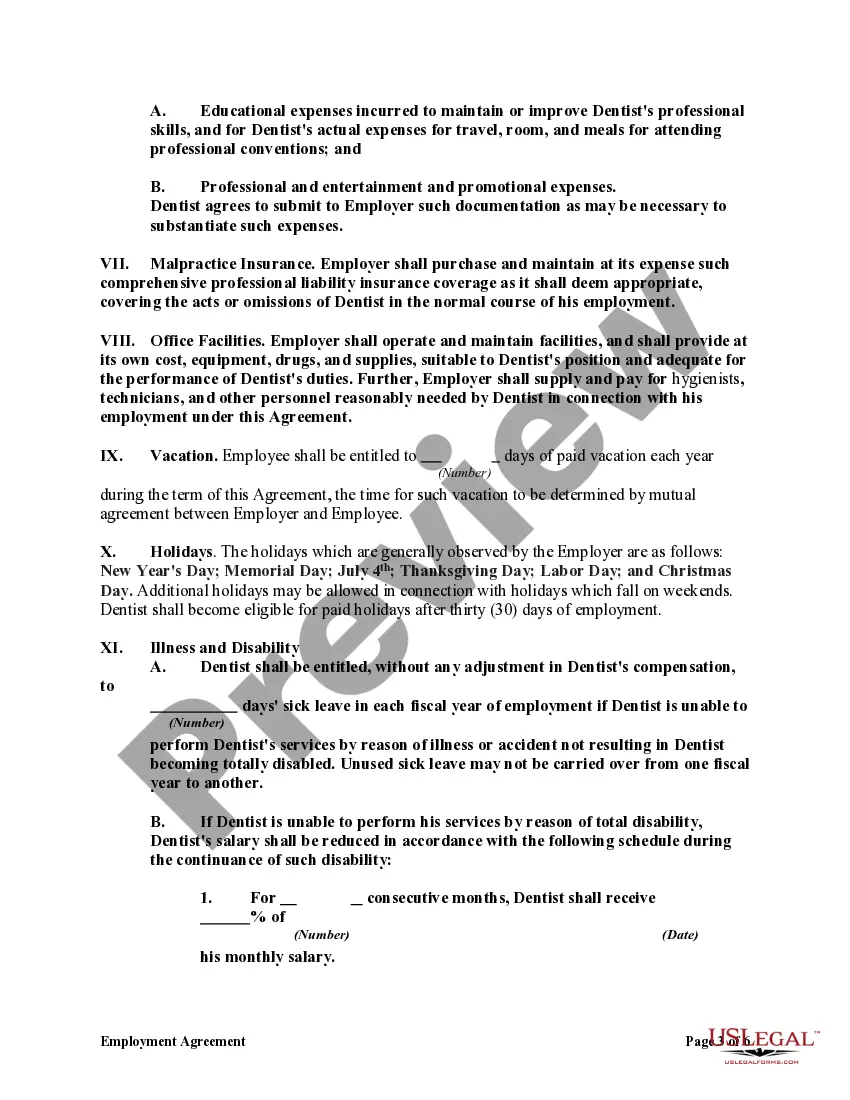

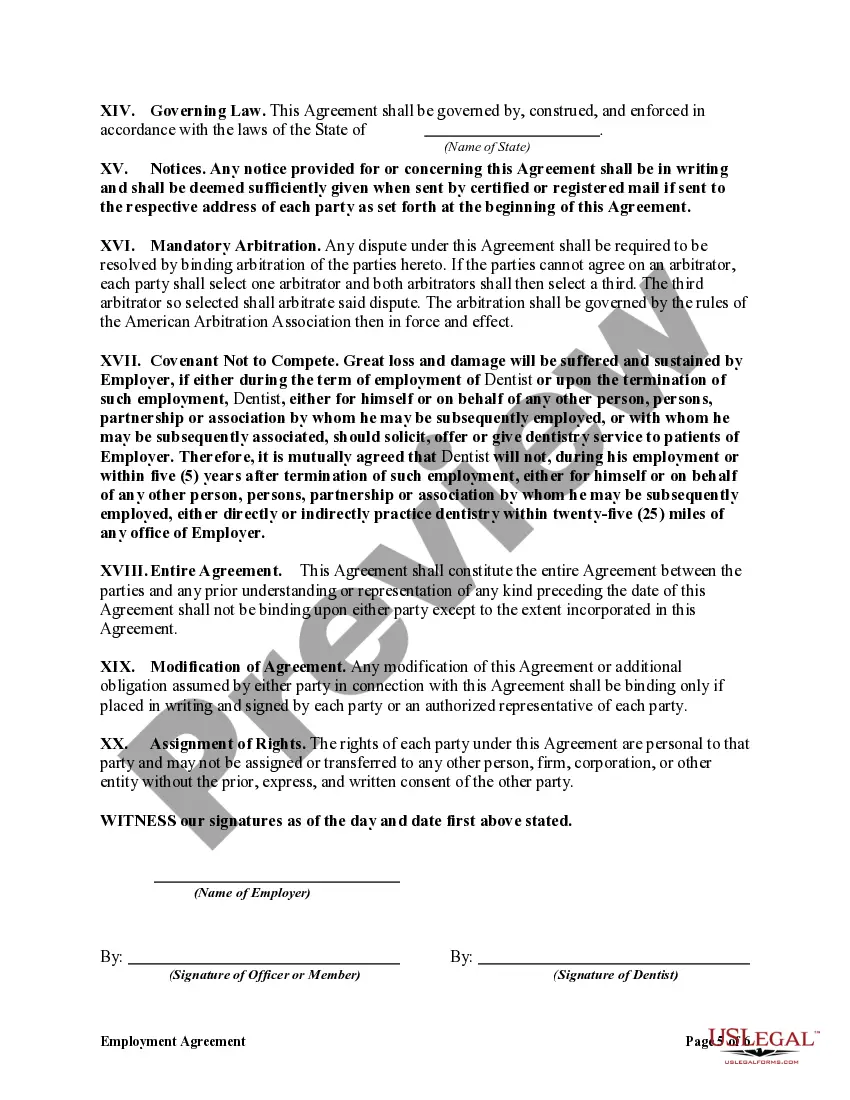

Get your form ready online
Our built-in tools help you complete, sign, share, and store your documents in one place.
Make edits, fill in missing information, and update formatting in US Legal Forms—just like you would in MS Word.
Download a copy, print it, send it by email, or mail it via USPS—whatever works best for your next step.
Sign and collect signatures with our SignNow integration. Send to multiple recipients, set reminders, and more. Go Premium to unlock E-Sign.
If this form requires notarization, complete it online through a secure video call—no need to meet a notary in person or wait for an appointment.
We protect your documents and personal data by following strict security and privacy standards.

Make edits, fill in missing information, and update formatting in US Legal Forms—just like you would in MS Word.

Download a copy, print it, send it by email, or mail it via USPS—whatever works best for your next step.

Sign and collect signatures with our SignNow integration. Send to multiple recipients, set reminders, and more. Go Premium to unlock E-Sign.

If this form requires notarization, complete it online through a secure video call—no need to meet a notary in person or wait for an appointment.

We protect your documents and personal data by following strict security and privacy standards.
Looking for another form?
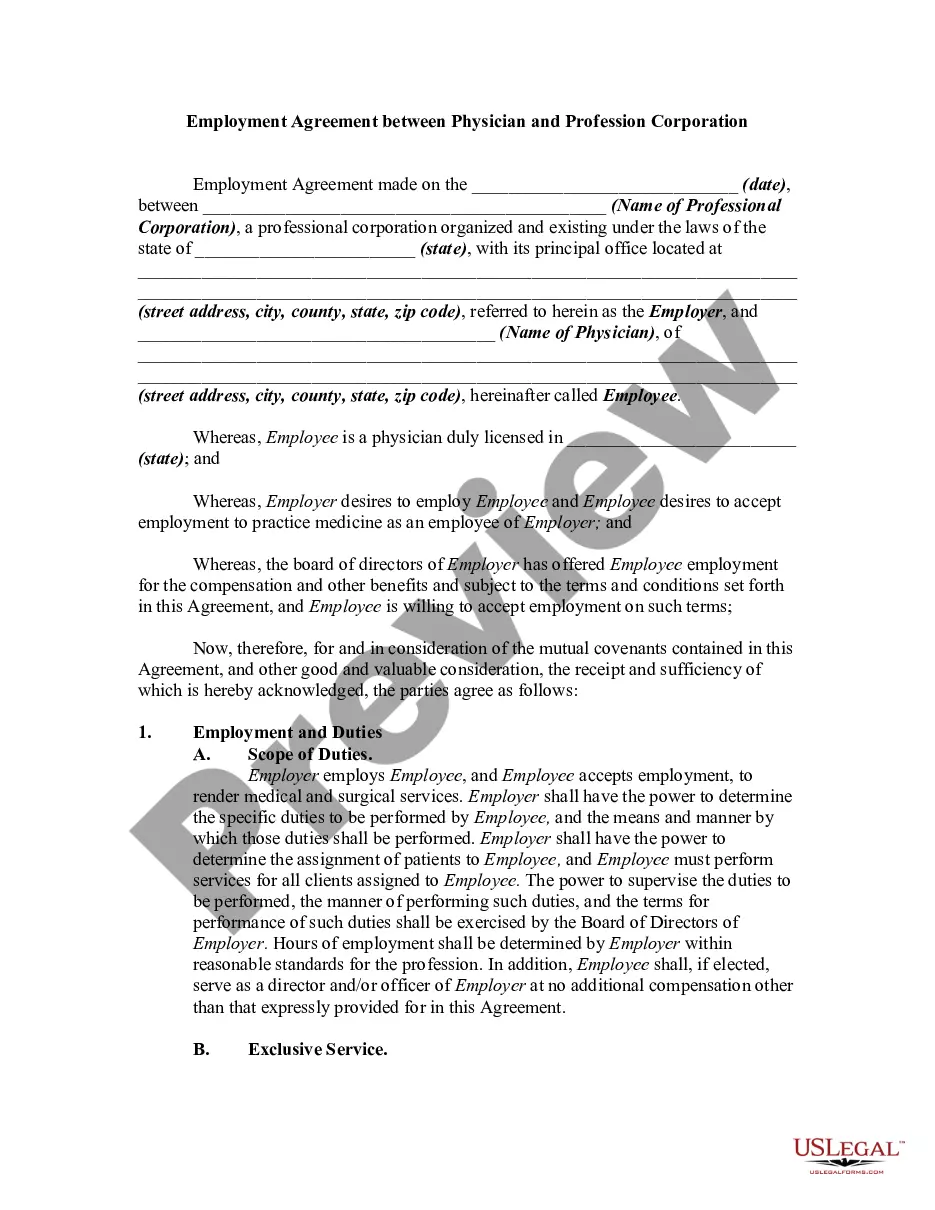
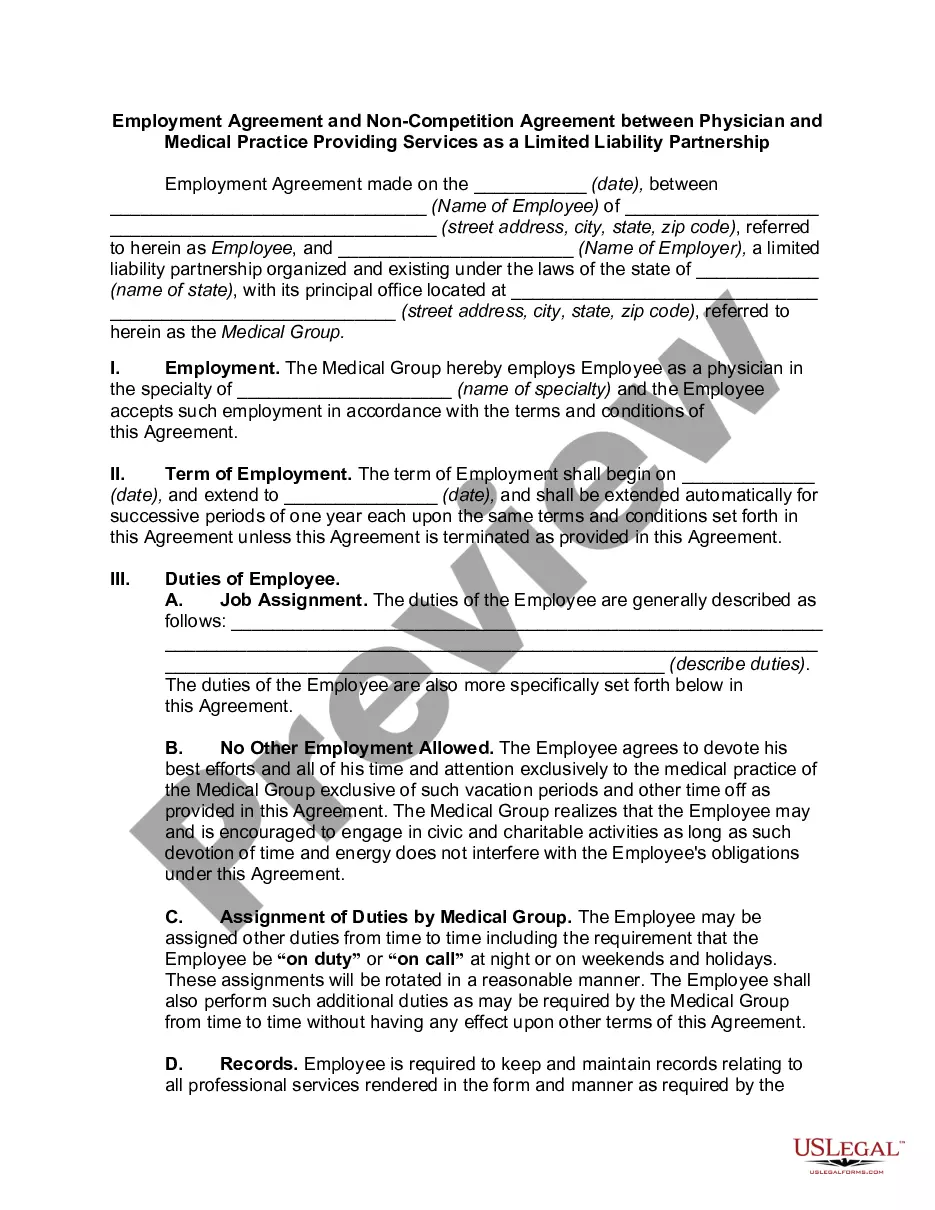
How to fill out Employment Agreement Between Dentist And PLLC With Covenant Not To Compete?
- For returning users, log in to your account and access your desired form template from your device by clicking the Download button. Verify that your subscription is active; renew it if required.
- If this is your first time, begin by reviewing the form in Preview mode. Ensure it meets your requirements and complies with your local jurisdiction.
- If the selected document isn't suitable, utilize the Search feature to locate an alternate template. Confirm it fits your needs before proceeding.
- Purchase the document by clicking the Buy Now option and selecting your preferred subscription plan. Ensure you create an account to gain access to the full range of documents.
- Complete your payment by entering your credit card details or through your PayPal account, securing access to the library.
- Finally, download the form onto your device, enabling you to complete it easily. You can also find it in the My Forms section whenever necessary.
In conclusion, US Legal Forms provides a rich array of resources that empower both individuals and attorneys. With over 85,000 forms available and access to expert assistance, you can confidently navigate the legal landscape.
Get started with US Legal Forms today and ensure your legal documents are executed efficiently!
Form popularity
FAQ
Small proprietary companies, while beneficial in many ways, do come with some disadvantages. They may face restrictions on raising capital and could have limited access to certain grants or funds that larger entities enjoy. Additionally, they might not attract the same level of talent as larger firms due to perceived stability issues. Understanding these challenges can help you make informed decisions when considering your business structure, such as the advantages a PLLC with for loop can offer.
The primary purpose of a PLLC is to provide professional services while limiting personal liability. This structure allows licensed professionals, such as lawyers or doctors, to protect their personal assets from business debts and legal actions. By forming a PLLC, professionals can operate their business with a level of security that a traditional partnership or sole proprietorship may lack. Ultimately, a PLLC creates a balance between flexibility and protection for professionals.
PLLCs, or Professional Limited Liability Companies, are typically taxed as pass-through entities. This means that the income generated by the PLLC flows directly to its owners, avoiding double taxation at the corporate level. However, depending on your specific circumstances, you may also choose to have your PLLC taxed as an S corporation or a C corporation. This flexibility in taxation allows you to tailor your approach, ensuring that your PLLC meets your financial needs.
Yes, the IRS recognizes PLLCs as valid business entities. However, how a PLLC is taxed depends on the number of members and their choices regarding tax treatment. The IRS allows PLLCs to elect to be treated as a corporation, partnership, or sole proprietorship. Clarifying your tax status with a qualified professional can help you take full advantage of the benefits of operating as a PLLC.
A single member PLLC is typically treated as a disregarded entity by the IRS, meaning it does not file a separate tax return. Instead, the member reports business income and expenses on their personal tax return using Schedule C. This streamlined taxation process simplifies filing requirements for single member PLLCs. Always consult a tax advisor to ensure compliance and optimize your tax strategy.
Registering a PLLC involves several key steps, beginning with choosing a unique name that complies with state requirements. You must complete the necessary application forms and submit them to your state's Secretary of State. Additionally, certain states may require proof of professional licensure, depending on your business type. US Legal Forms offers a user-friendly platform to help you navigate these registration steps smoothly.
A major advantage of a PLLC over an LLC is the professional liability protection it offers to licensed professionals. A PLLC helps members limit personal liability for professional negligence or malpractice claims. This structure is especially beneficial for individuals in fields such as law, medicine, or accounting. By choosing a PLLC, professionals can safeguard their personal assets while enjoying the flexibility of an LLC.
A PLLC is generally required to file a tax return unless it has no income or expenses for the year. Regardless of tax status, members need to report their share of income on their personal tax returns. This ensures that all income is accounted for, which aligns with IRS expectations. Consulting with a tax professional can provide clarity regarding your specific obligations.
Yes, a PLLC does file a tax return, much like any other business entity. The IRS requires PLLCs to report income, deductions, and credits on the tax return. Members of a PLLC should determine how they want to be taxed, which can influence how they file. Depending on your chosen tax status, the process may vary slightly.
While a PLLC offers many benefits, it does have some disadvantages. For instance, PLLCs often face stricter regulatory requirements compared to general LLCs. Additionally, members must be licensed professionals in their respective fields, limiting eligibility. Furthermore, in some cases, income may be subject to self-employment taxes. Evaluate these factors carefully when deciding on your business structure.