Private Trust Vs Public Trust
Description
Get your form ready online
Our built-in tools help you complete, sign, share, and store your documents in one place.
Make edits, fill in missing information, and update formatting in US Legal Forms—just like you would in MS Word.
Download a copy, print it, send it by email, or mail it via USPS—whatever works best for your next step.
Sign and collect signatures with our SignNow integration. Send to multiple recipients, set reminders, and more. Go Premium to unlock E-Sign.
If this form requires notarization, complete it online through a secure video call—no need to meet a notary in person or wait for an appointment.
We protect your documents and personal data by following strict security and privacy standards.

Make edits, fill in missing information, and update formatting in US Legal Forms—just like you would in MS Word.

Download a copy, print it, send it by email, or mail it via USPS—whatever works best for your next step.

Sign and collect signatures with our SignNow integration. Send to multiple recipients, set reminders, and more. Go Premium to unlock E-Sign.

If this form requires notarization, complete it online through a secure video call—no need to meet a notary in person or wait for an appointment.

We protect your documents and personal data by following strict security and privacy standards.
Looking for another form?








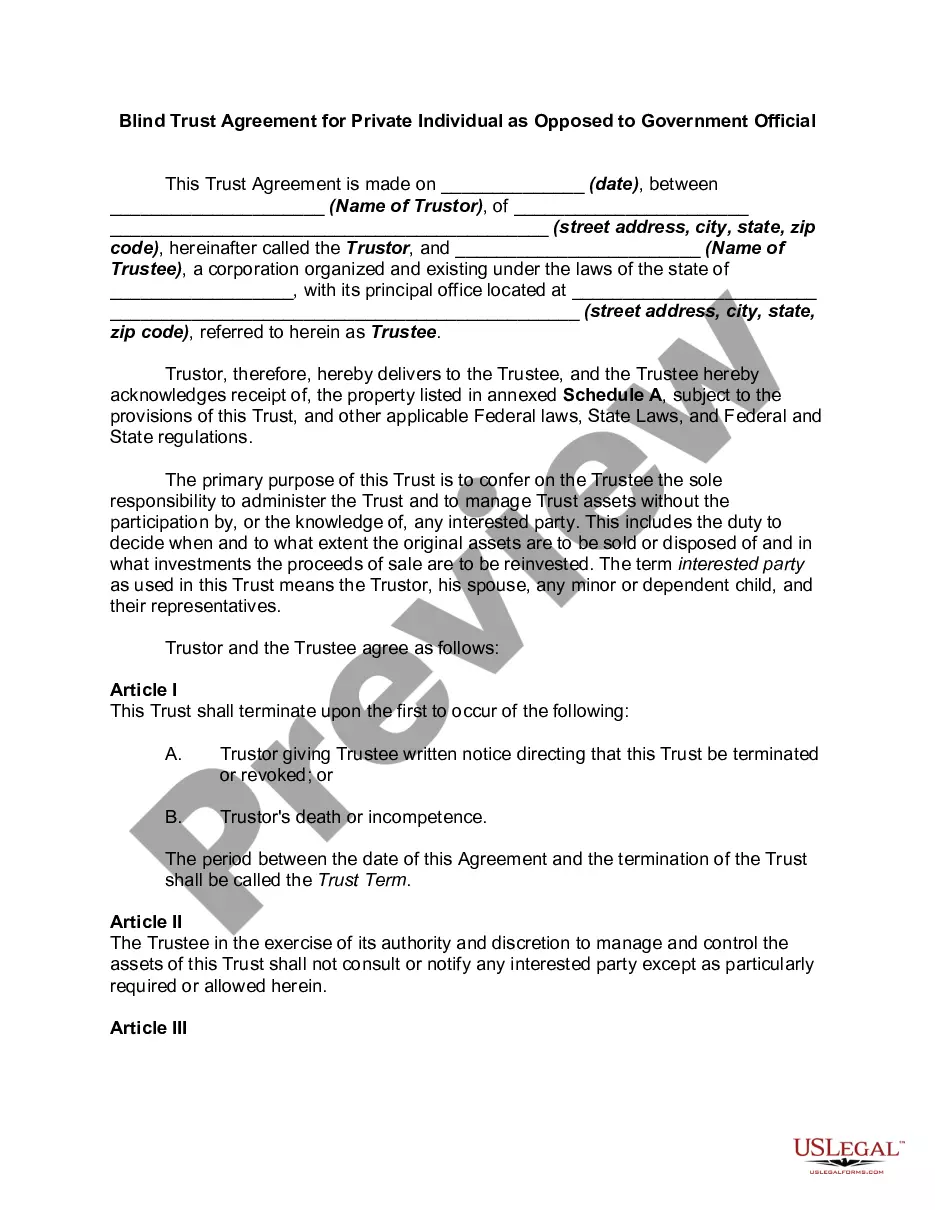
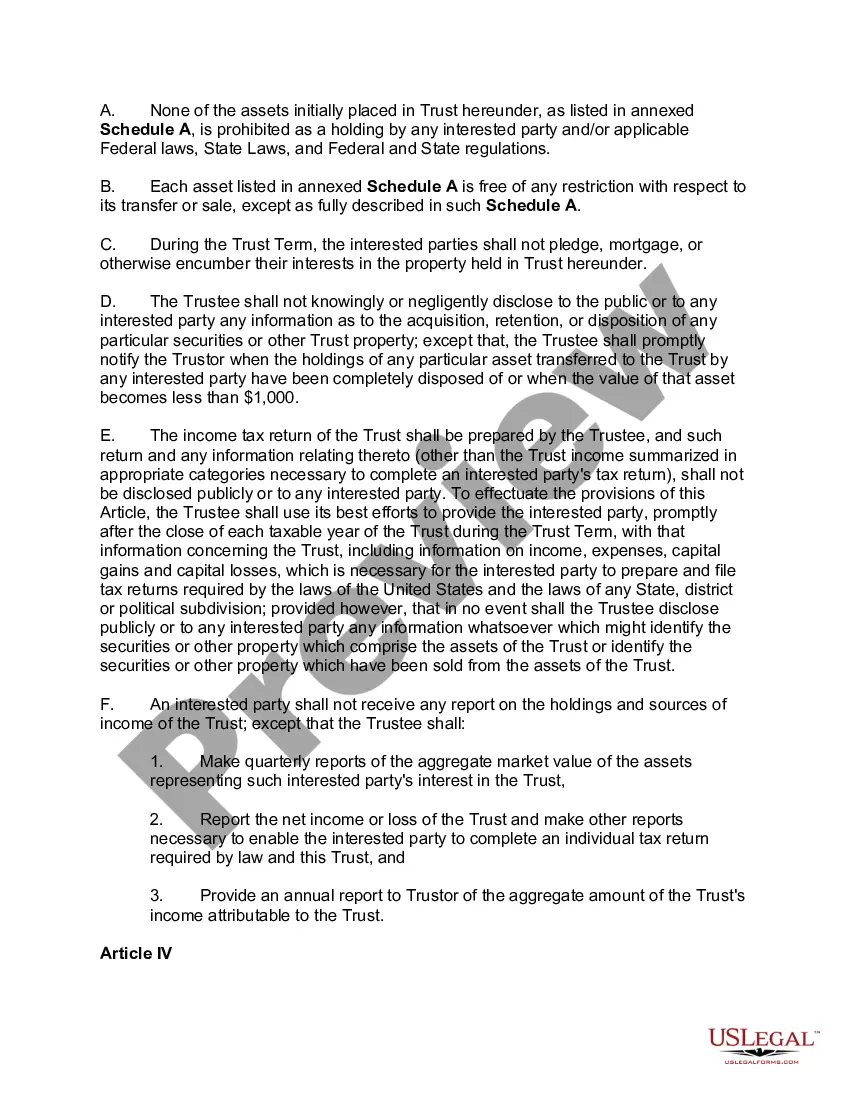
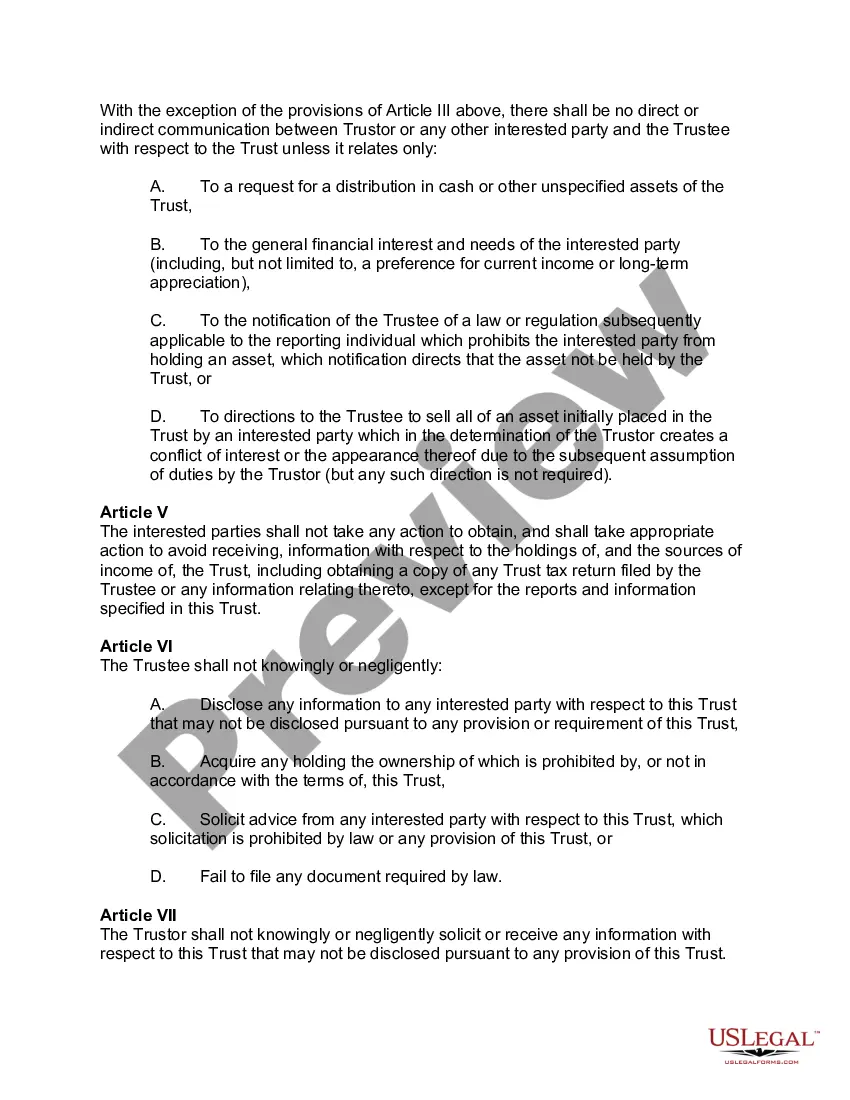
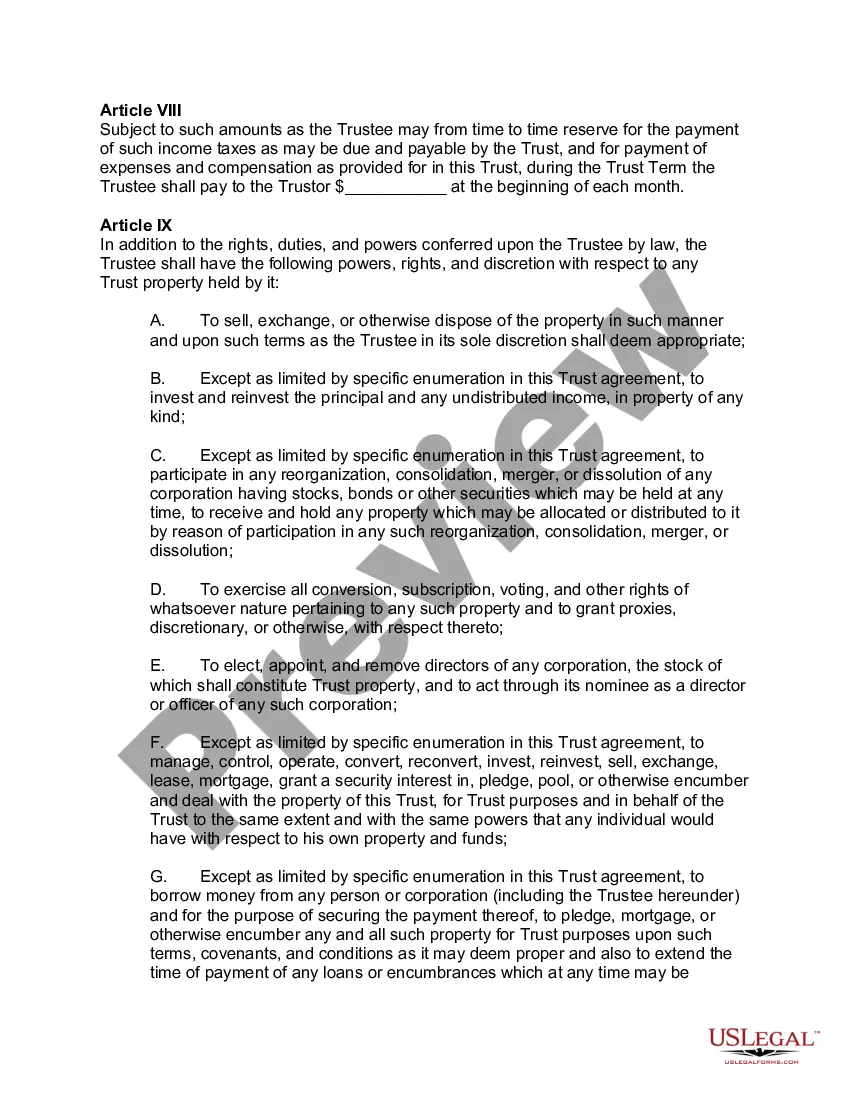
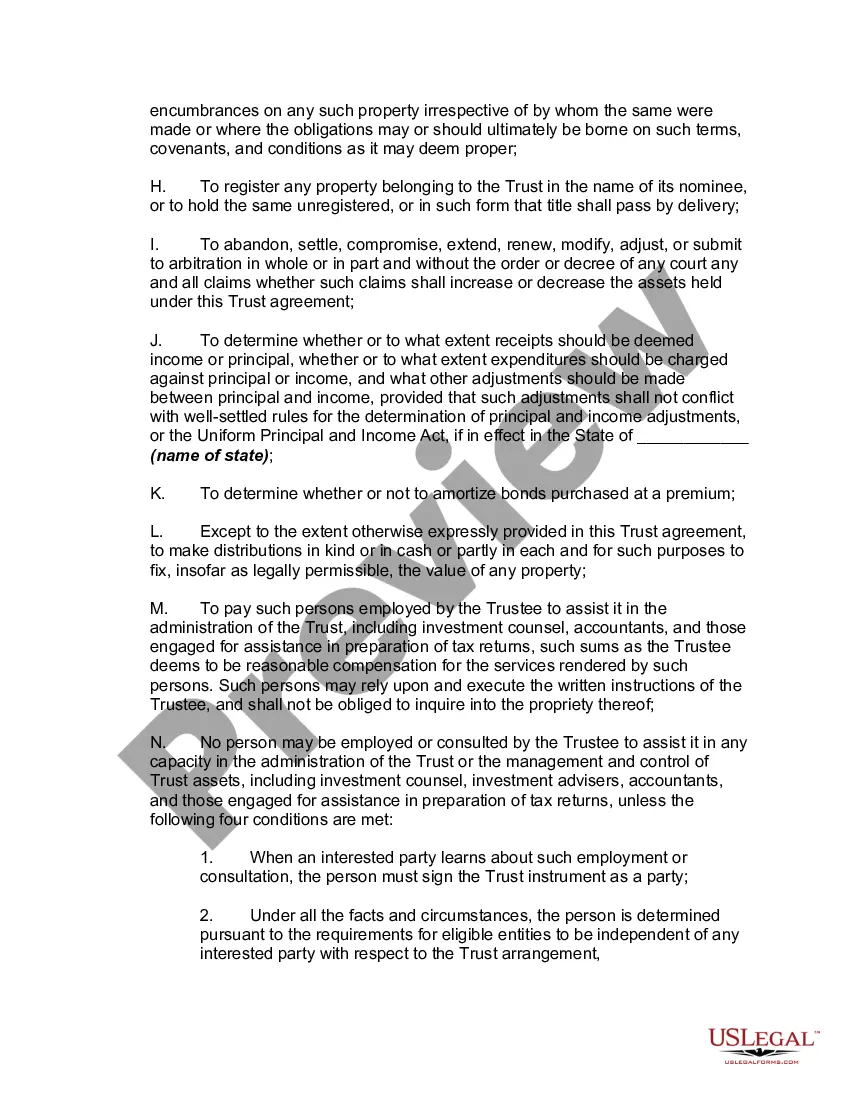
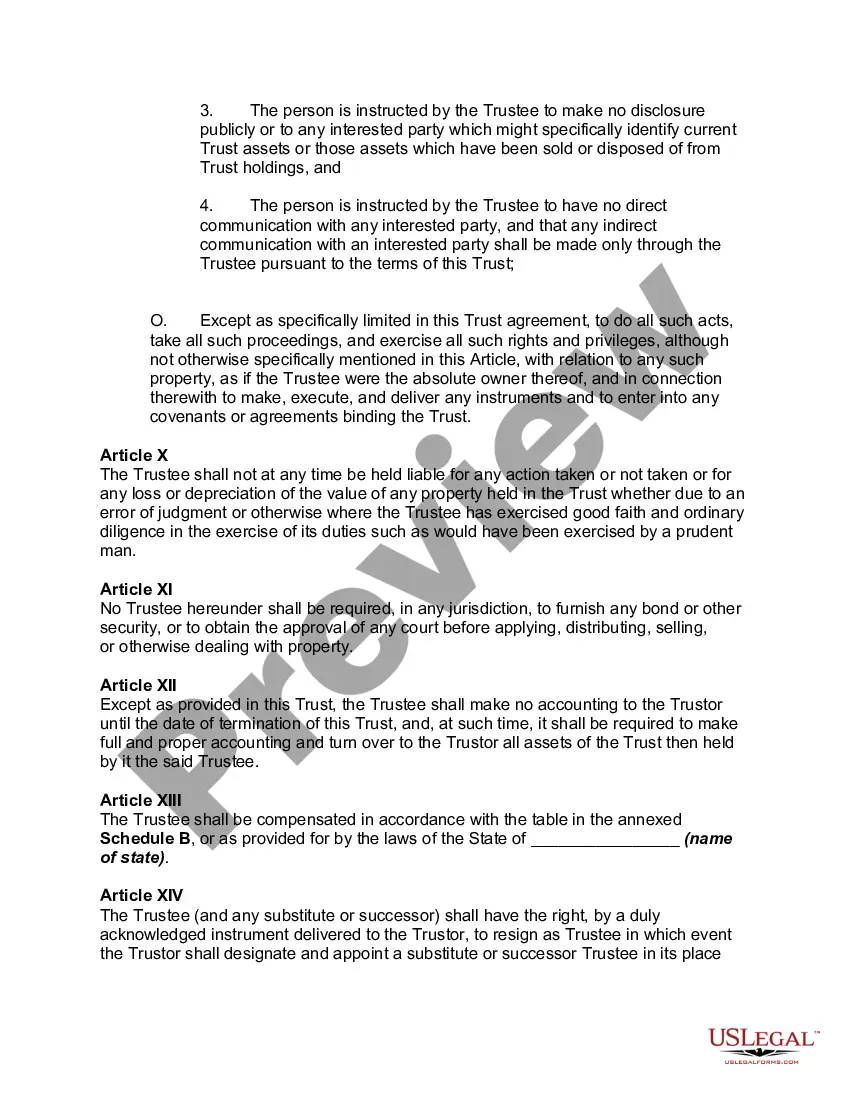
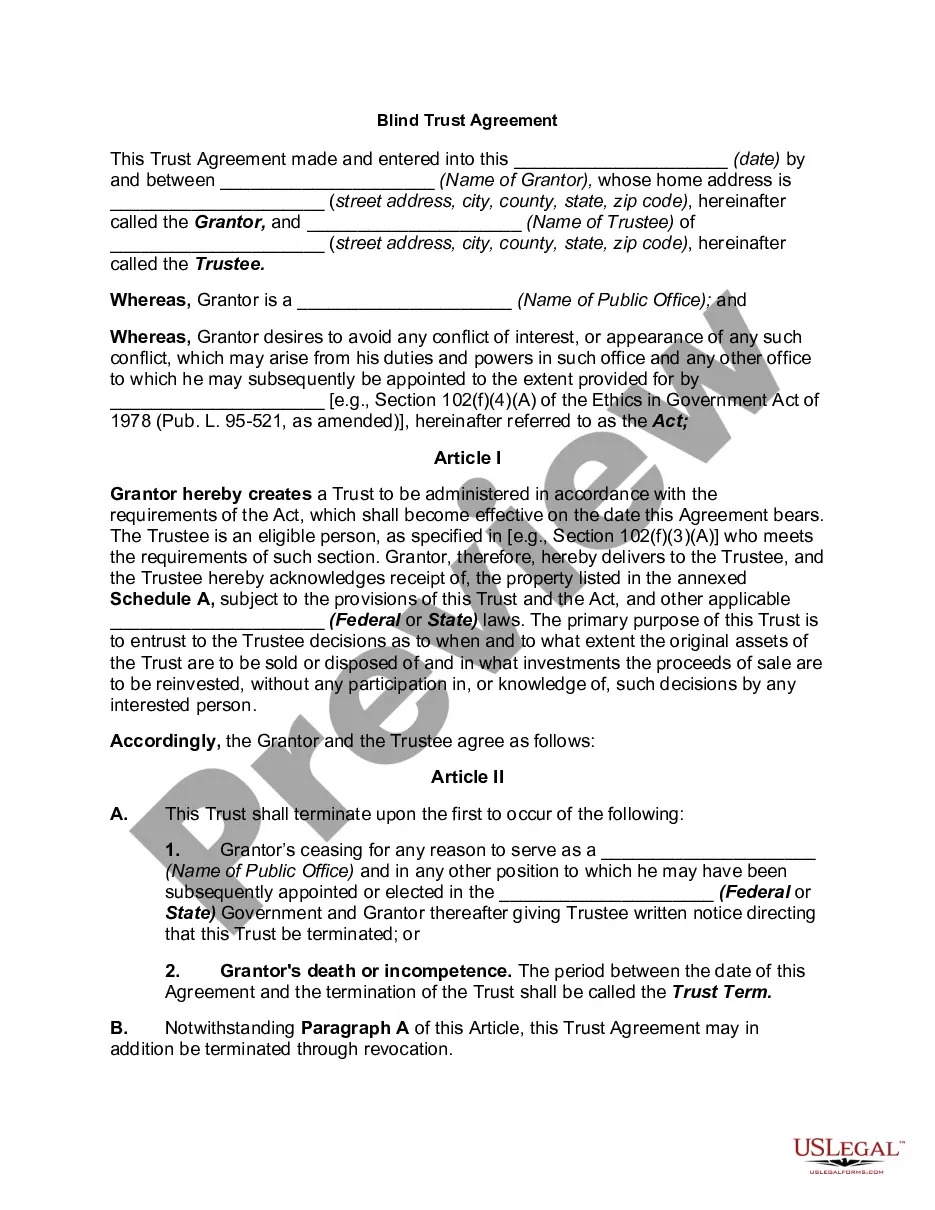
How to fill out Blind Trust Agreement For Private Individual As Opposed To Government?
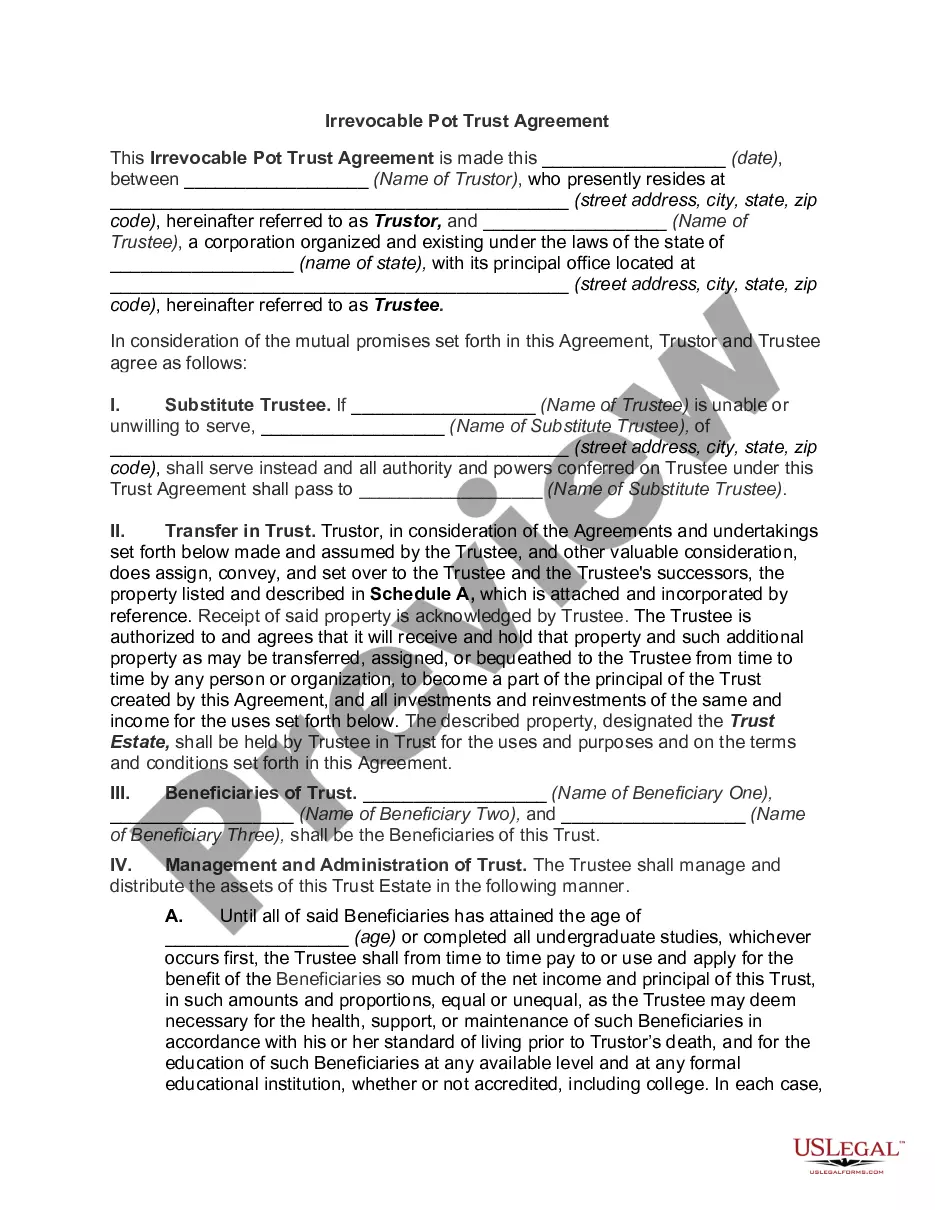
Obtaining legal document examples that adhere to national and local regulations is critical, and the web provides numerous selections. However, what is the benefit of spending time searching for the correctly composed Private Trust Vs Public Trust example online when the US Legal Forms digital library already compiles such templates in one location.
US Legal Forms is the largest online legal repository with more than 85,000 editable templates crafted by attorneys for various professional and personal situations. They are straightforward to navigate, with all documents organized by state and intended purpose. Our experts keep up with legislative updates, ensuring that your documentation is always current and compliant when acquiring a Private Trust Vs Public Trust from our platform.
Acquiring a Private Trust Vs Public Trust is swift and uncomplicated for both existing and new users. If you already possess an account with an active subscription, Log In and save the document example you need in your chosen format. If you're new to our site, follow the steps below.
All templates you discover through US Legal Forms are reusable. To re-download and complete previously acquired forms, access the My documents tab in your account. Take advantage of the most extensive and user-friendly legal documentation service!
- Review the template using the Preview feature or the text outline to confirm it meets your requirements.
- Search for an alternative sample using the search function at the top of the page if needed.
- Click Buy Now when you’ve located the appropriate form and select a subscription option.
- Create an account or Log In and make a payment through PayPal or a credit card.
- Choose the optimal format for your Private Trust Vs Public Trust and download it.
Form popularity
FAQ
For example a private trust was formed by A for benefit of his family members and he transfers 20 lakhs to the private trust and he has appointed himself as the trustee to handle the trust during his lifetime and his sister is the alternate trustee, if any accident occurs to A causing his death, his sister would handle ...
The most common public trusts are charitable trusts, whose holdings are intended to support religious organizations, to enhance education, or to relieve the effects of poverty and other misfortunes. Such trusts are recognized for their beneficial social impact and are given certain privileges, such as tax exemption.
Types of Trusts Private Trusts: A private trust is for a closed group. In other words, the beneficiaries can be identified. ... Public Trusts: A public trust is created for a large group, i.e. the public in large. Eg: Non-Profit NGO's Charitable Institutions for the general public.
The doctrine requires the sovereign, or state, to hold in trust designated resources for the benefit of the people. Traditionally, the public trust applied to commerce and fishing in navigable waters, but its uses were expanded in California in 1971 to include fish, wildlife, habitat and recreation.
The process for Trust Registration begins with the registration of the Trust Deed. After the deed is drafted, it is submitted to the Office of the Registrar of Trust with the documents of the settlor, and the witnesses. These documents would include their photographs, identity, and address proofs.