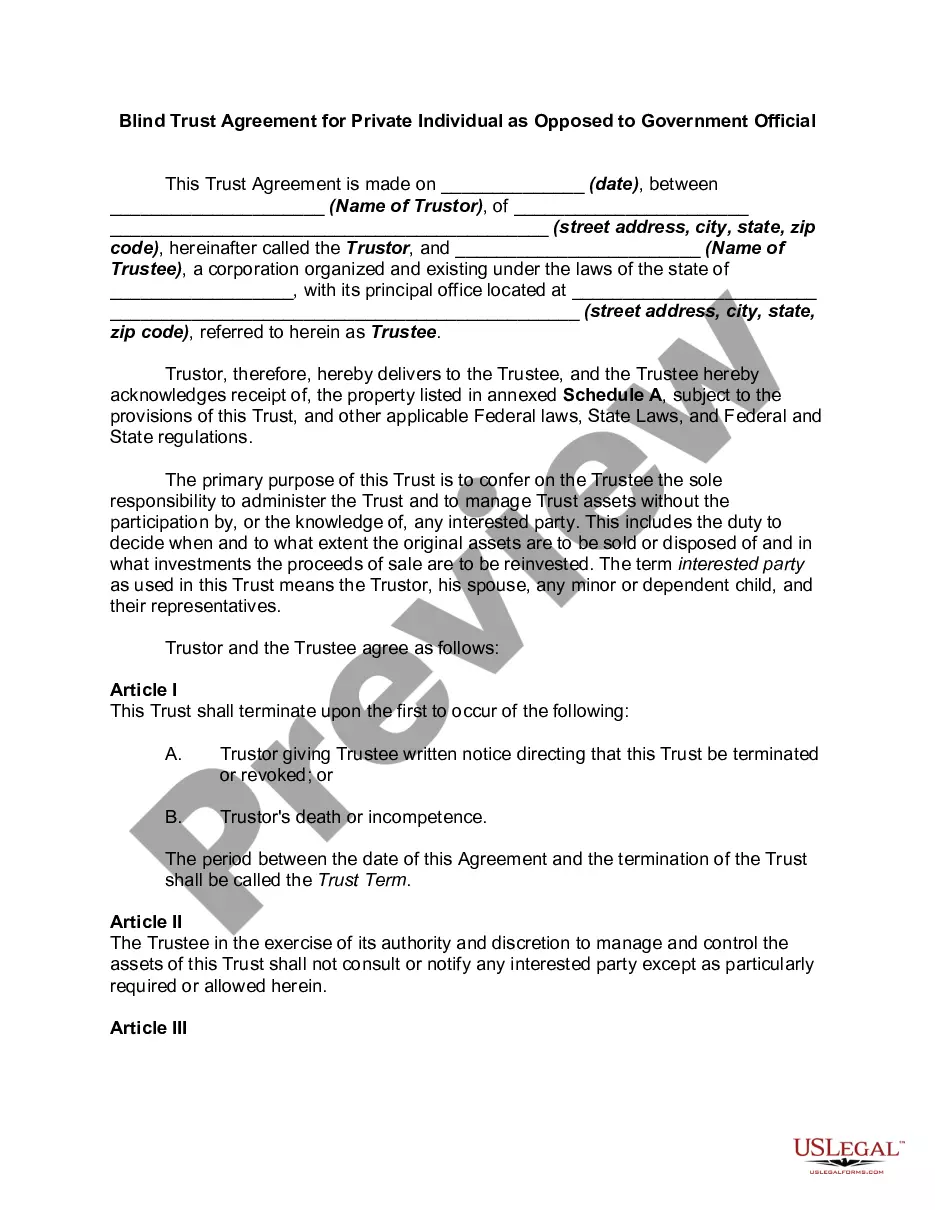
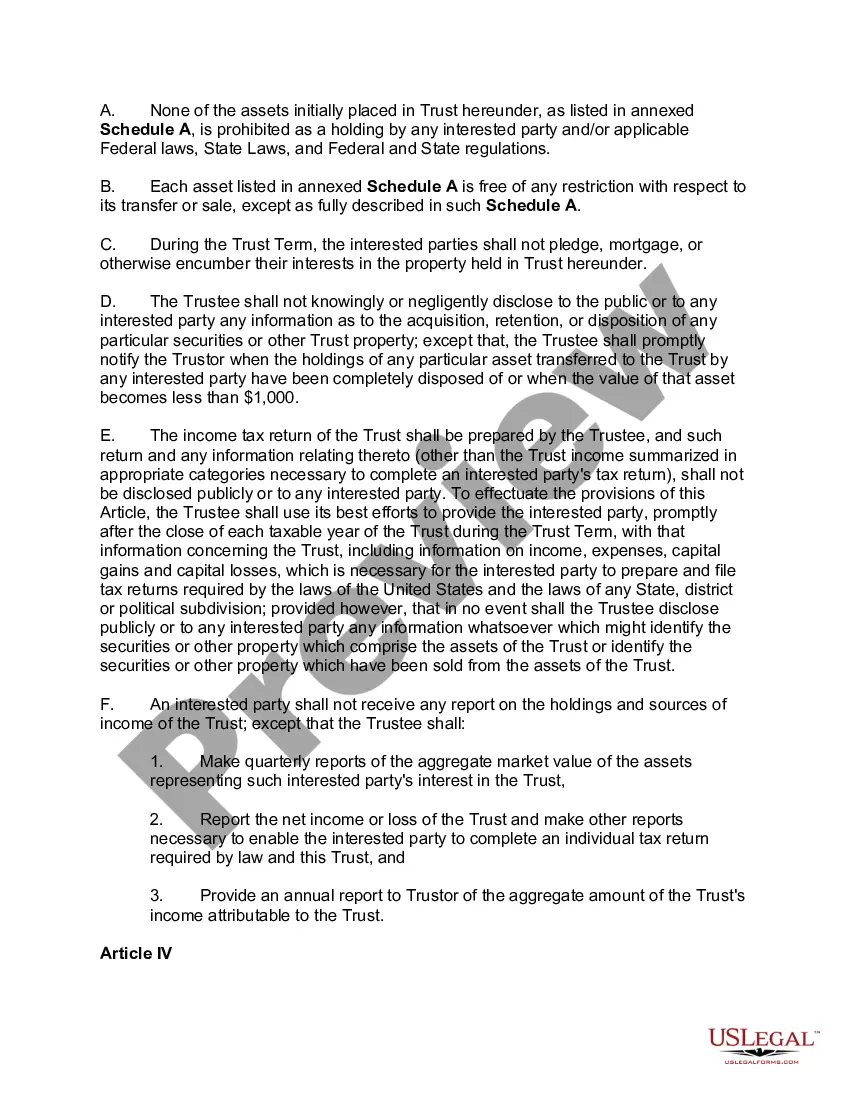
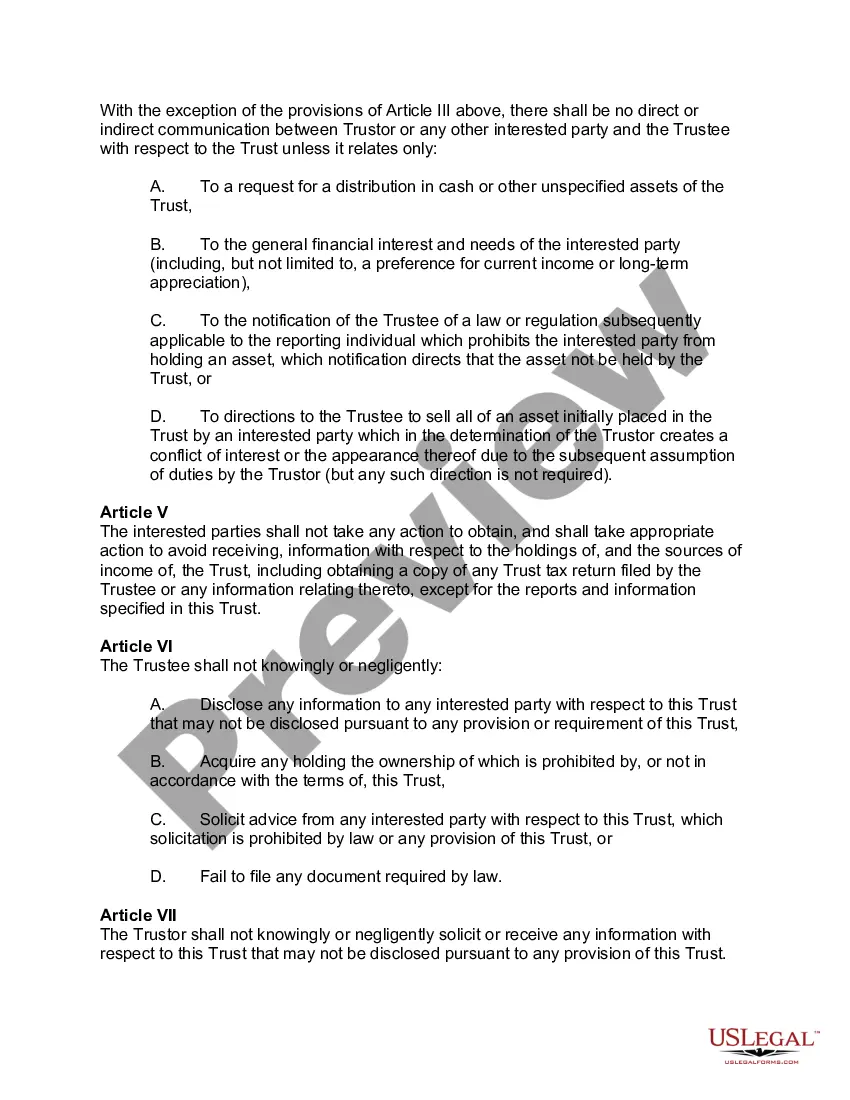
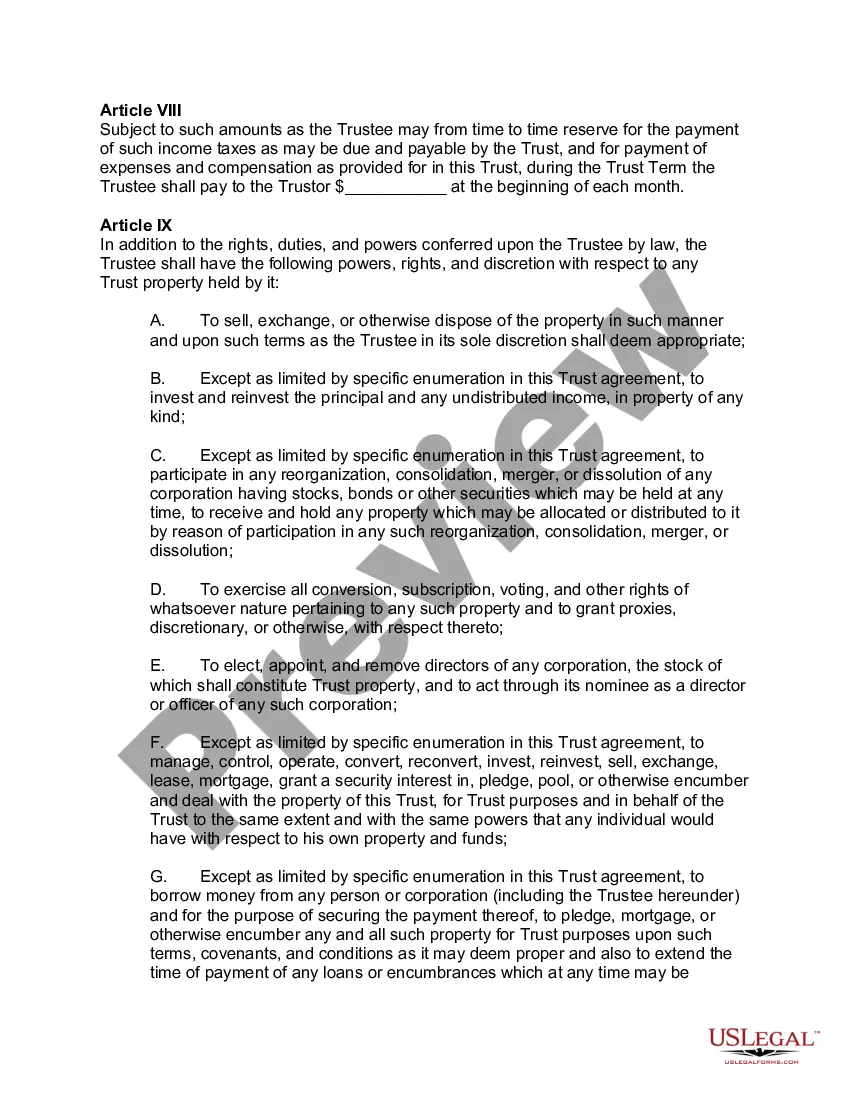
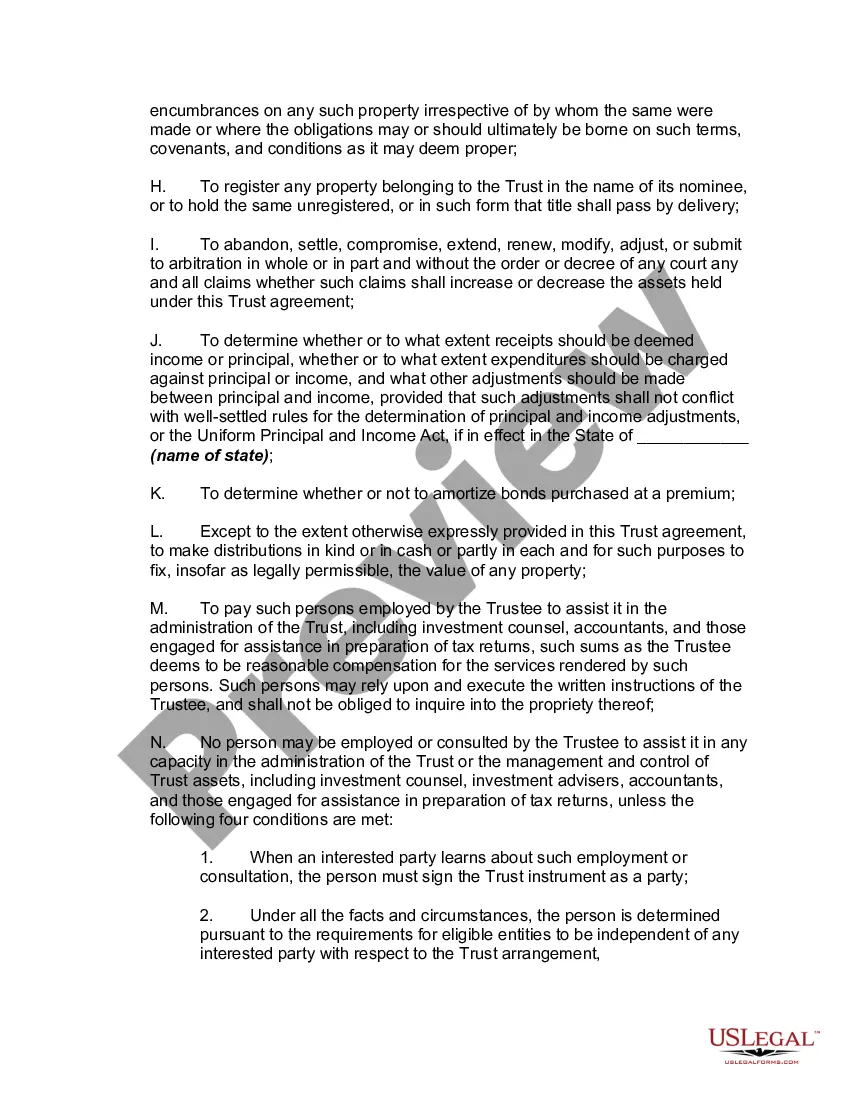
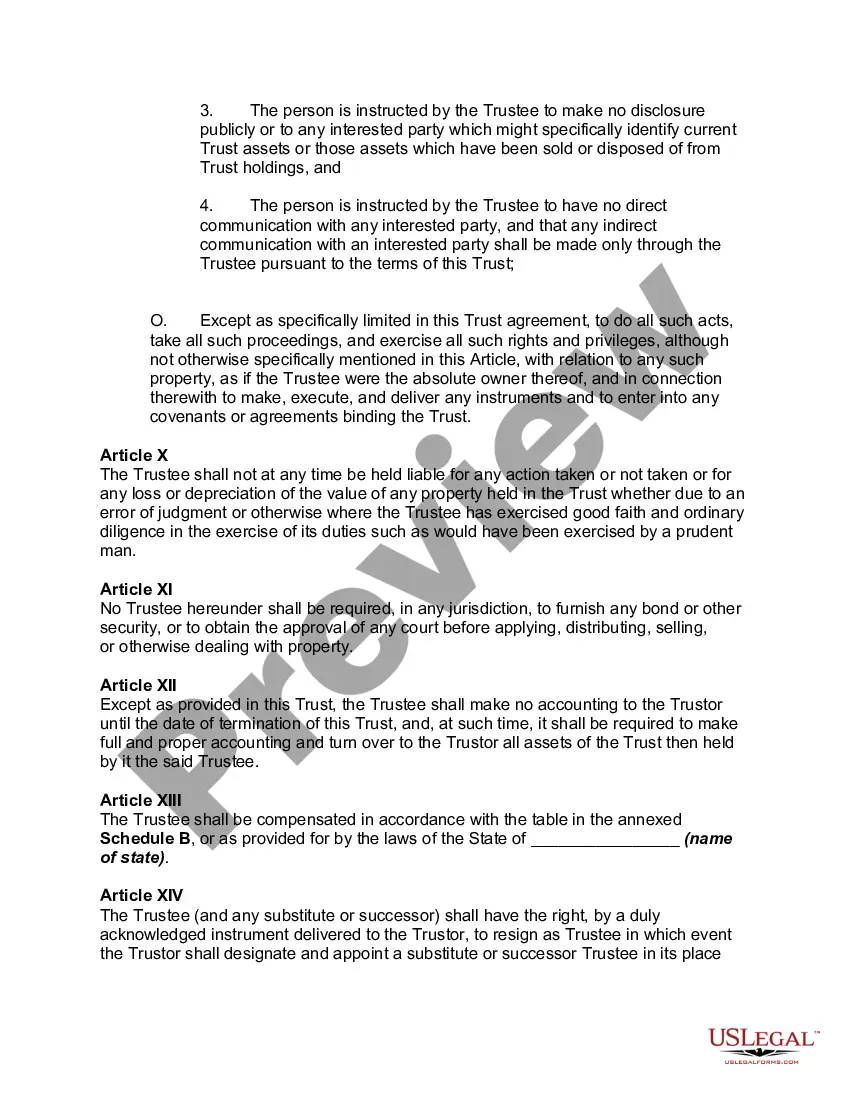
Illinois Trust Code Trustee Powers
Description
Get your form ready online
Our built-in tools help you complete, sign, share, and store your documents in one place.
Make edits, fill in missing information, and update formatting in US Legal Forms—just like you would in MS Word.
Download a copy, print it, send it by email, or mail it via USPS—whatever works best for your next step.
Sign and collect signatures with our SignNow integration. Send to multiple recipients, set reminders, and more. Go Premium to unlock E-Sign.
If this form requires notarization, complete it online through a secure video call—no need to meet a notary in person or wait for an appointment.
We protect your documents and personal data by following strict security and privacy standards.

Make edits, fill in missing information, and update formatting in US Legal Forms—just like you would in MS Word.

Download a copy, print it, send it by email, or mail it via USPS—whatever works best for your next step.

Sign and collect signatures with our SignNow integration. Send to multiple recipients, set reminders, and more. Go Premium to unlock E-Sign.

If this form requires notarization, complete it online through a secure video call—no need to meet a notary in person or wait for an appointment.

We protect your documents and personal data by following strict security and privacy standards.
Looking for another form?




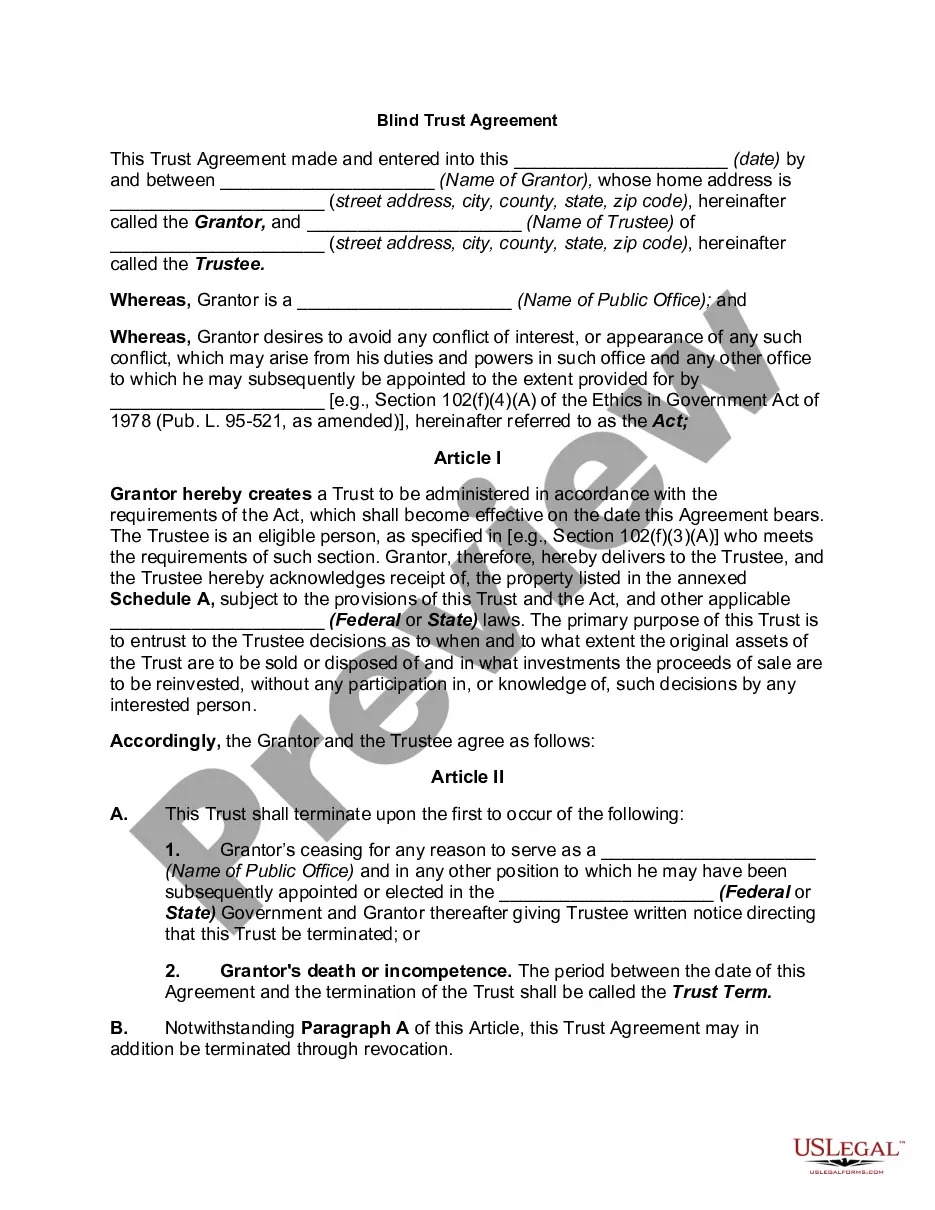
How to fill out Blind Trust Agreement For Private Individual As Opposed To Government?
Legal management can be overwhelming, even for the most proficient professionals.
When you are interested in an Illinois Trust Code Trustee Powers and don’t have the time to search for the correct and updated version, the processes can be stressful.
US Legal Forms caters to any requirements you may have, from personal to business documents, all in one location.
Utilize innovative tools to complete and manage your Illinois Trust Code Trustee Powers.
Here are the steps to follow after downloading the form you require: Verify this is the correct form by previewing it and examining its details. Ensure the sample is accepted in your state or county. Click Buy Now when you are ready. Choose a monthly subscription plan. Select the file format you need, and Download, complete, sign, print, and submit your document. Enjoy the US Legal Forms online library, backed by 25 years of experience and reliability. Transform your everyday document management into a seamless and user-friendly process today.
- Access a resource base of articles, guides, and manuals pertinent to your situation and needs.
- Save time and effort searching for the documents you need, and use US Legal Forms’ advanced search and Review feature to obtain Illinois Trust Code Trustee Powers.
- For subscribers, Log In to your US Legal Forms account, search for the form, and acquire it.
- Check your My documents tab to view the documents you have previously downloaded and manage your folders as needed.
- If this is your first time with US Legal Forms, create an account and gain unrestricted access to all the platform's benefits.
- A comprehensive online form library could be a transformative solution for anyone who wishes to handle these matters effectively.
- US Legal Forms is a leader in online legal forms, with over 85,000 state-specific legal forms accessible at any time.
- With US Legal Forms, you can access state- or county-specific legal and organizational forms.
Form popularity
FAQ
As a general rule, a trustee may not delegate discretionary functions to an agent, because those responsibilities were appointed to the trustee by the grantor. Only the trustee can act for the trust. A trustee may, however, delegate ministerial functions.
Power of delegation ? a trustee is able to instruct professional advisers where necessary and appropriate. Power of insurance ? a trustee has the power to insure any trust asset against damage. Power of advancement ? a trustee has discretion to advance capital of the trust to a beneficiary.
1213. Trust for beneficiary with disability. beneficiary of the first trust who the special-needs fiduciary believes may qualify for governmental benefits based on disability, whether or not the beneficiary currently receives those benefits or is an individual who has been adjudicated incompetent.
There are two main types of trustees: individuals or institutions. You could choose a relative or friend, a trusted advisor such as a lawyer, or a bank/trust company as the trustee of your trust. Each option has different pros and cons. When you choose an individual, you get the benefit of personal interaction.
The trustee has the power to collect, hold, and retain trust property received from a settlor or any other person until, in the judgment of the trustee, disposition of the property should be made. The property may be retained even though it includes property in which the trustee is personally interested.