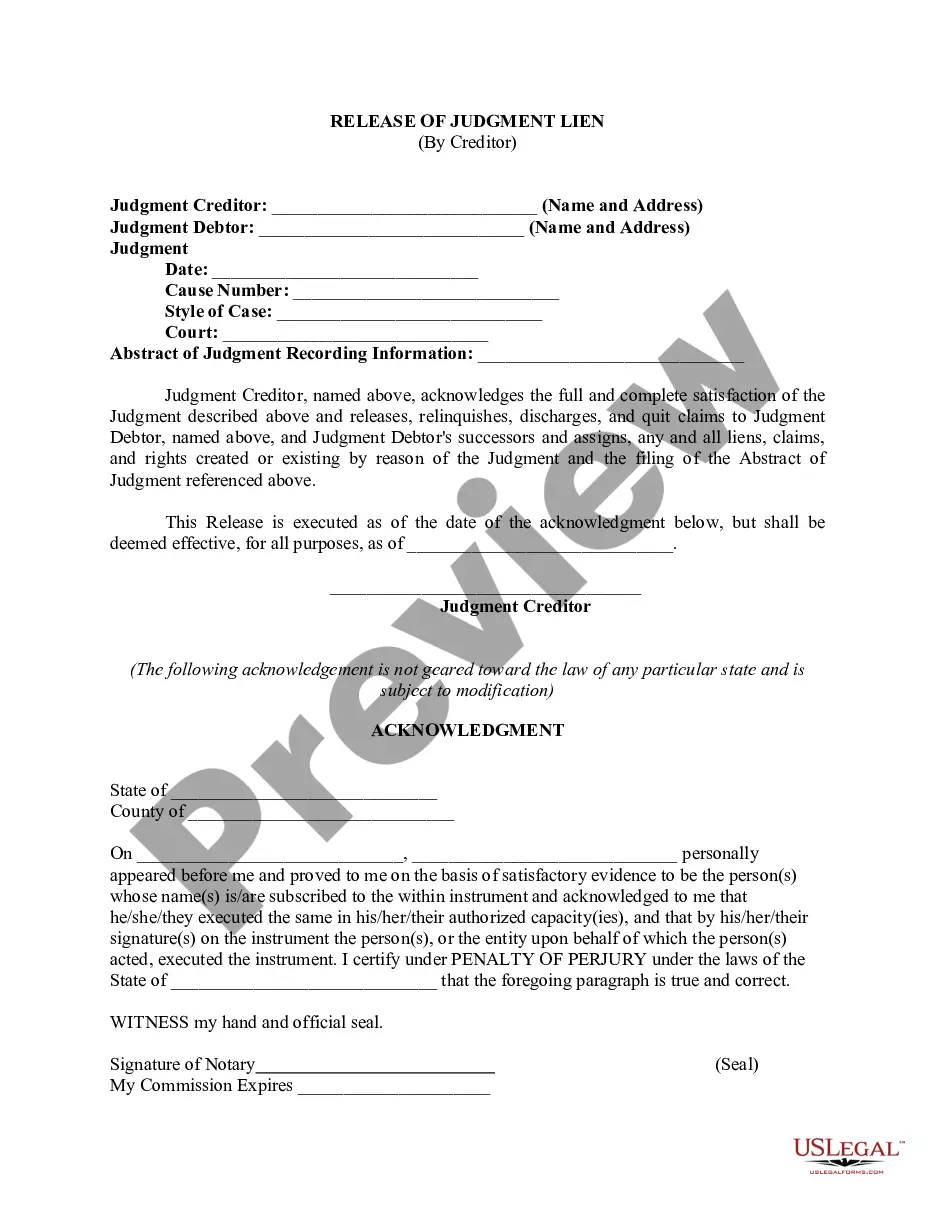
Release Against Estate With No Tax
Description
Get your form ready online
Our built-in tools help you complete, sign, share, and store your documents in one place.
Make edits, fill in missing information, and update formatting in US Legal Forms—just like you would in MS Word.
Download a copy, print it, send it by email, or mail it via USPS—whatever works best for your next step.
Sign and collect signatures with our SignNow integration. Send to multiple recipients, set reminders, and more. Go Premium to unlock E-Sign.
If this form requires notarization, complete it online through a secure video call—no need to meet a notary in person or wait for an appointment.
We protect your documents and personal data by following strict security and privacy standards.

Make edits, fill in missing information, and update formatting in US Legal Forms—just like you would in MS Word.

Download a copy, print it, send it by email, or mail it via USPS—whatever works best for your next step.

Sign and collect signatures with our SignNow integration. Send to multiple recipients, set reminders, and more. Go Premium to unlock E-Sign.

If this form requires notarization, complete it online through a secure video call—no need to meet a notary in person or wait for an appointment.

We protect your documents and personal data by following strict security and privacy standards.
Looking for another form?




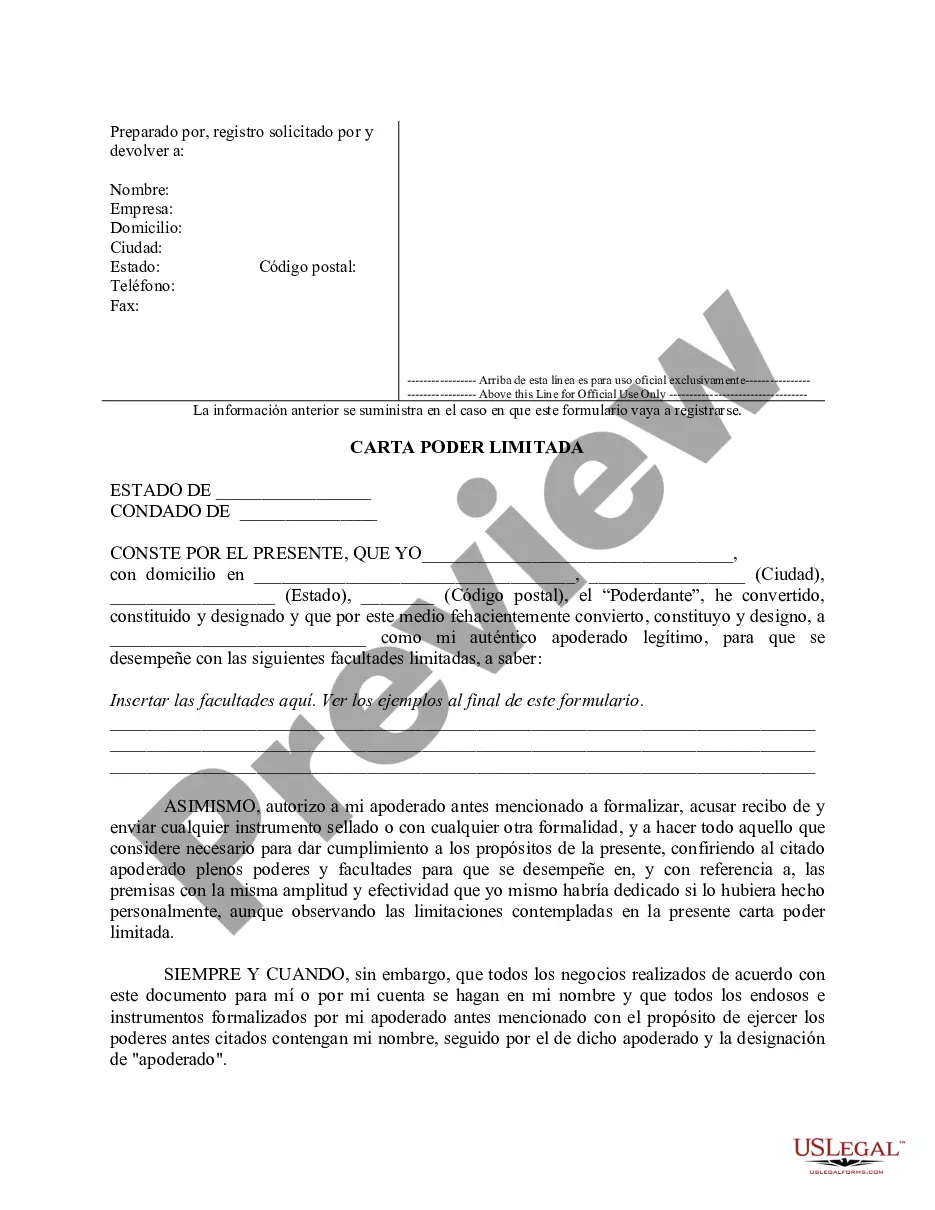





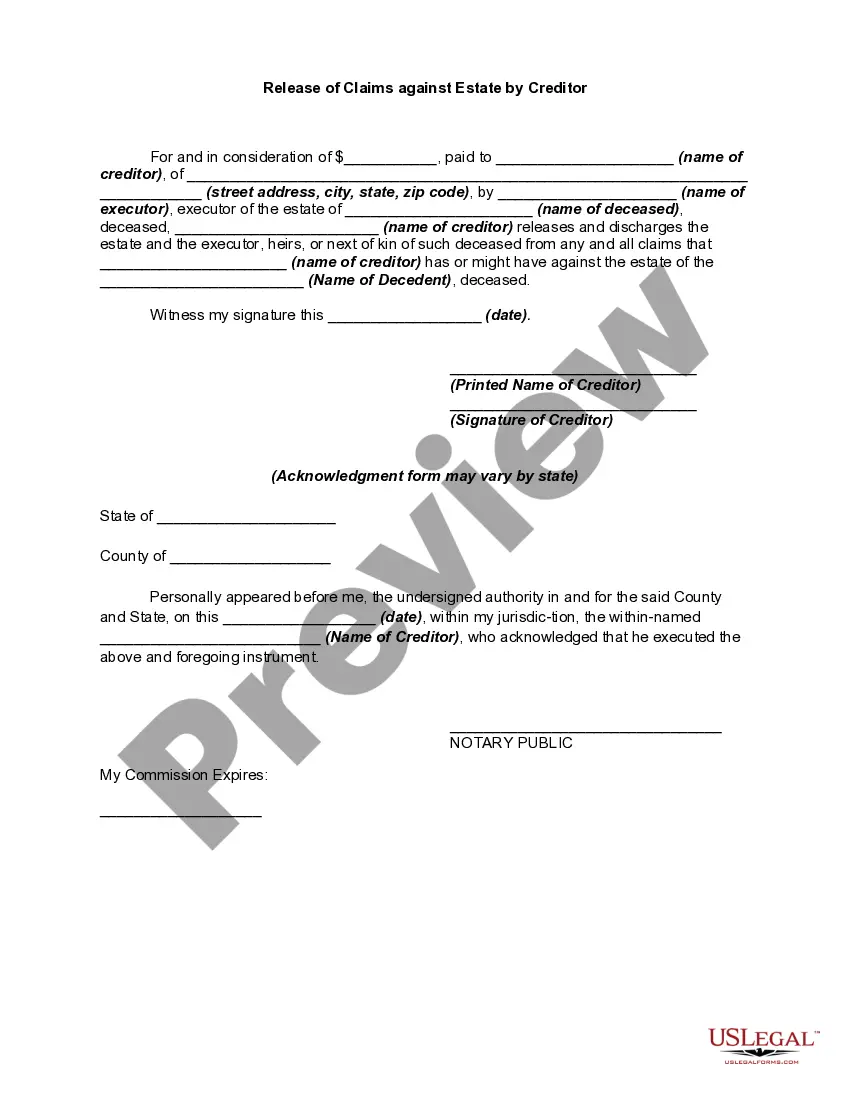
How to fill out Release Of Claims Against Estate By Creditor?
- Log into your US Legal Forms account if you are a returning user. Ensure your subscription is active; if it has expired, renew it according to your preferred payment plan.
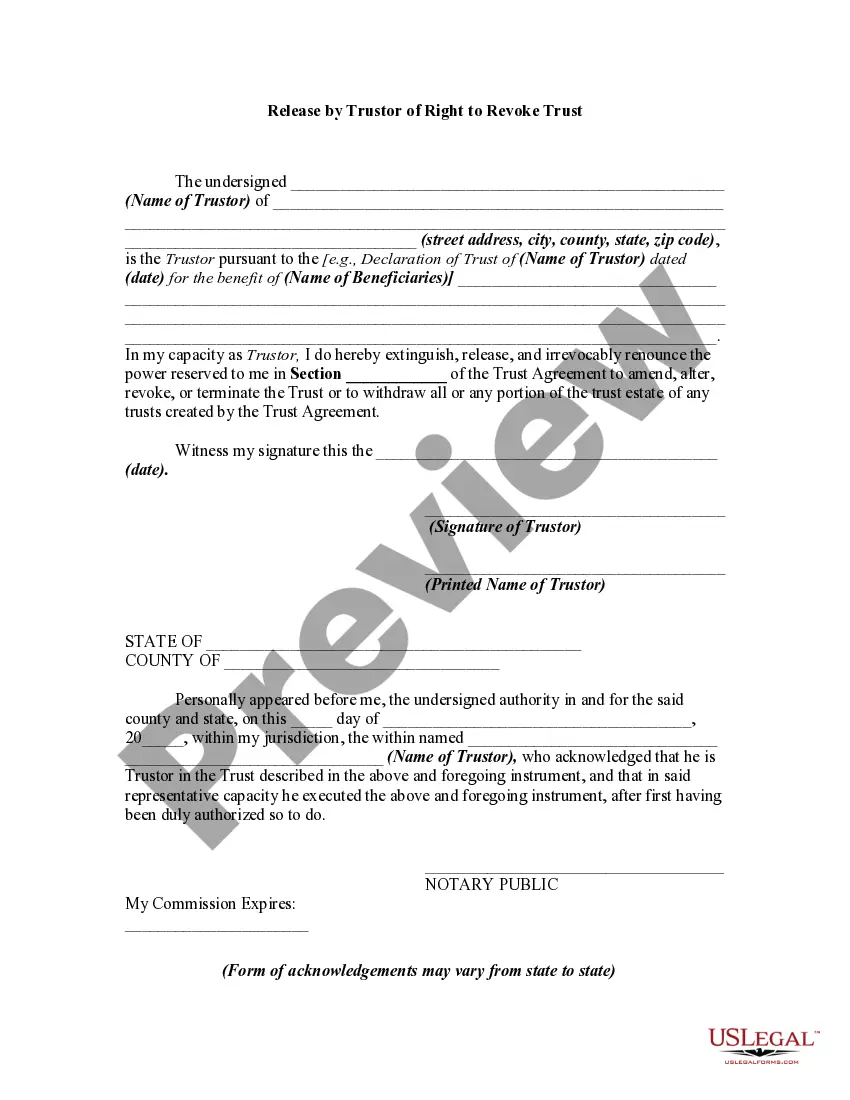
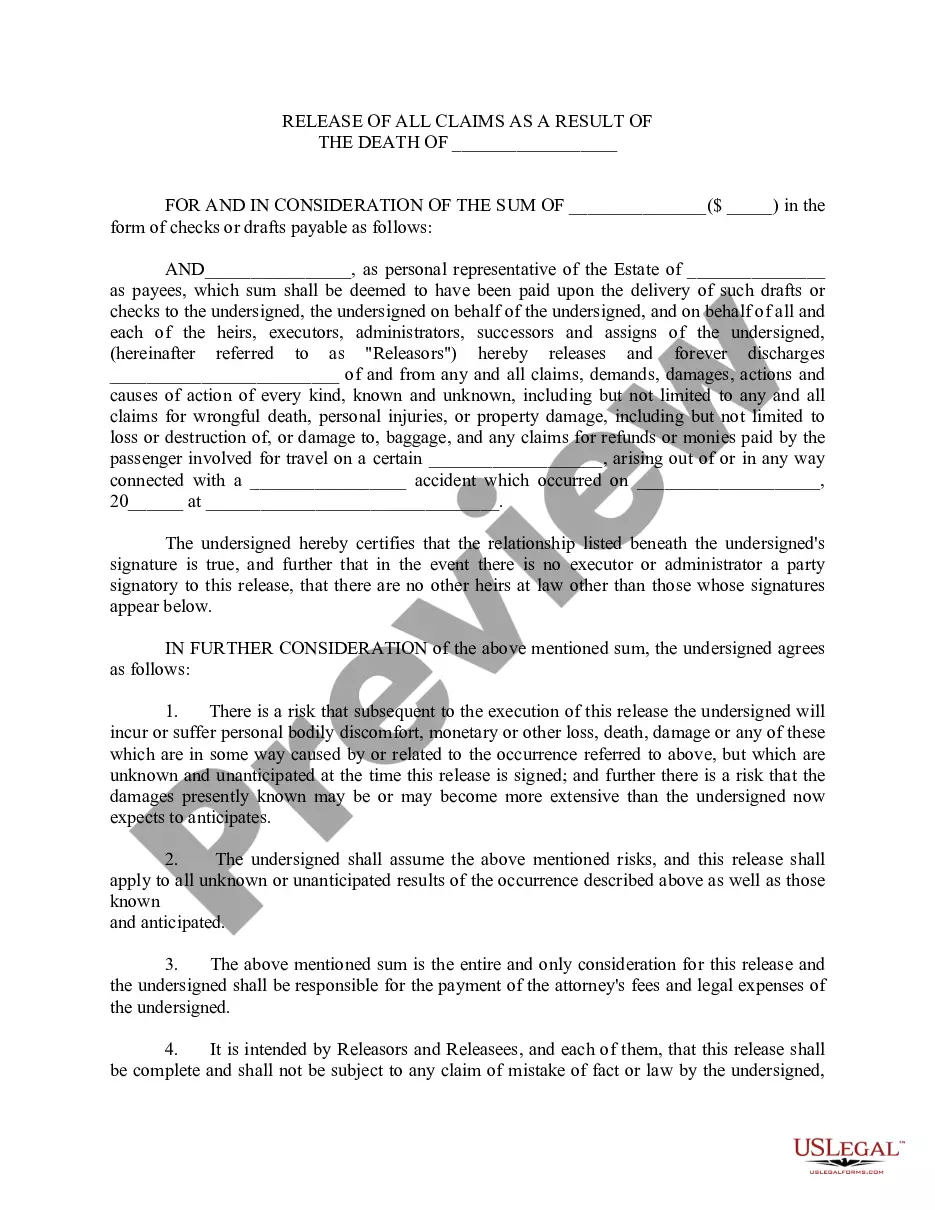
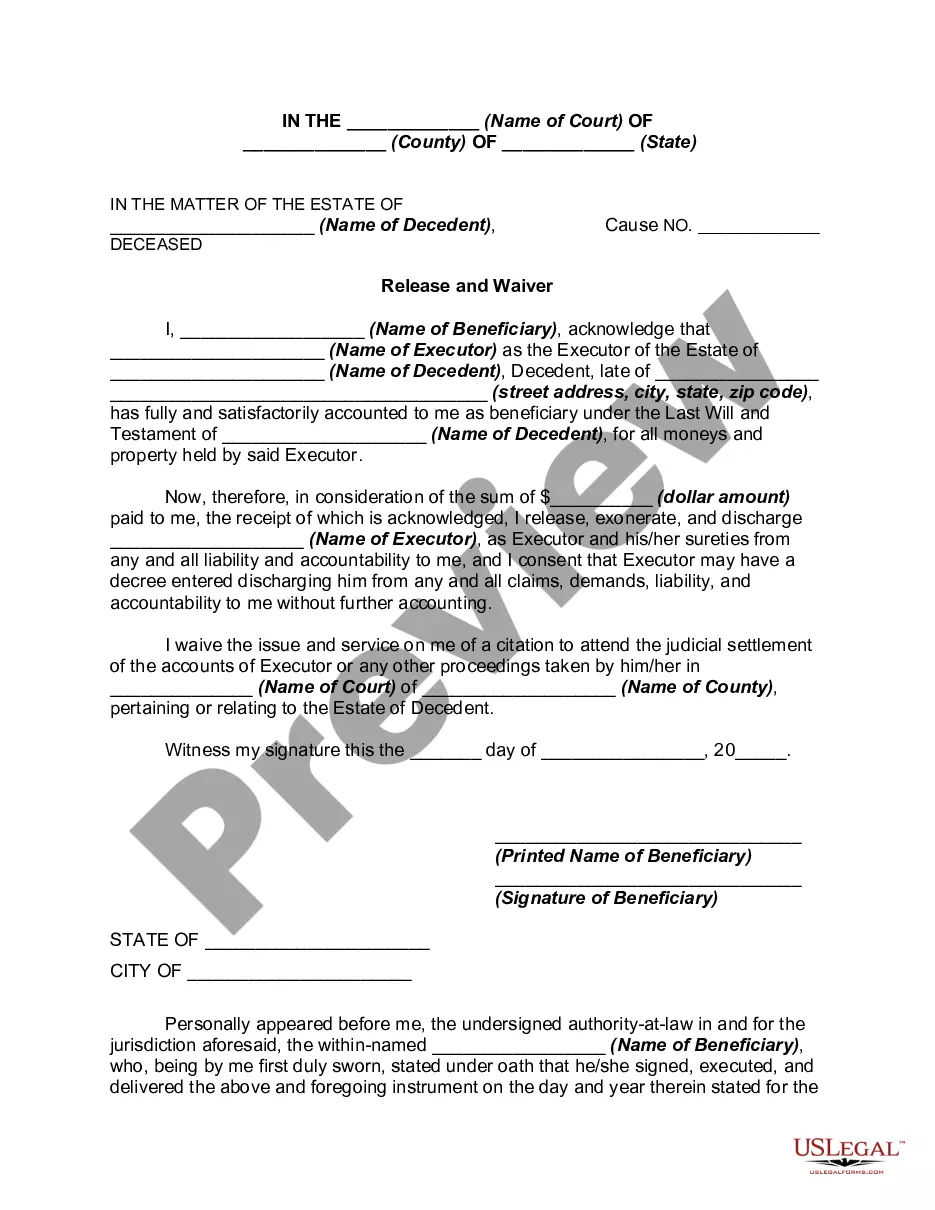
- For first-time users, begin by researching the necessary document. Check the Preview mode and detailed descriptions to confirm that the form fits your requirements and complies with local laws.
- If adjustments are needed, utilize the Search feature to find the correct template. Ensure it aligns with your legal needs before proceeding.
- Purchase the document by clicking on the Buy Now button. Choose from available subscription plans and register to gain full access to the legal library.
- Finalize your purchase by entering your payment details, either via credit card or PayPal.
- Download the completed form to your device, ensuring you can access it whenever required through the My Forms section of your profile.
By using US Legal Forms, you gain access to a comprehensive library boasting over 85,000 customizable legal documents, making the process seamless and efficient.
Start your journey towards hassle-free legal form completion today and experience the benefits for yourself. Visit US Legal Forms to get started!
Form popularity
FAQ
Estates exempt from paying taxes typically include those that value below the specified taxable threshold set by both federal and state regulations. In practice, this means that smaller estates, often referred to as non-taxable estates, can apply for a release against estate with no tax, allowing heirs to inherit without tax implications. Understanding which estates qualify for exemption can simplify the process for heirs and minimize financial burdens. US Legal Forms provides comprehensive resources to help navigate these nuances effectively.
The amount one can inherit without paying taxes largely depends on federal and state tax laws, which can change over time. Currently, the federal exemption limit allows individuals to inherit a significant amount without triggering estate taxes. In the framework of a release against estate with no tax, beneficiaries can receive assets without additional tax burdens if the estate falls under these exemption limits. Staying informed about these thresholds is essential, and US Legal Forms can assist you in understanding your rights and options.
taxable estate refers to the value of an estate that falls below the federal or state tax thresholds, meaning it does not incur estate taxes. In the context of a release against estate with no tax, this implies that the inheritor can receive assets without facing tax obligations. Understanding whether an estate is nontaxable can simplify the inheritance process and help beneficiaries plan effectively. Utilizing tools and resources from US Legal Forms can guide you through the specifics of nontaxable estates.
To give an inheritance without paying taxes, consider strategies like using gift exemptions or setting up a trust. Both options allow you to transfer assets while minimizing or avoiding tax implications. A release against estate with no tax can also facilitate this process, making inheritance smoother for all involved. For tailored solutions, visiting uslegalforms can provide valuable resources.
A nontaxable estate is one where the total value falls below the federal or state tax exemption levels. In these cases, heirs may receive assets without incurring any tax obligations. You can explore options like a release against estate with no tax to preserve your inheritance. Understanding these regulations empowers you to manage the estate effectively.
An estate tax return is triggered when the estate's value surpasses a certain threshold set by the IRS. This usually occurs if the deceased's property, assets, and other holdings exceed this limit. A release against estate with no tax may simplify the process and help navigate these thresholds. To better understand your obligations, consider reaching out for professional advice.
If you don’t file taxes for a deceased person without an estate, there are typically no penalties. The IRS often overlooks individuals with no taxable assets. Nonetheless, filing may be beneficial for certain tax refunds. It's best to explore options like a release against estate with no tax for clearer guidance.
You do not always have to file an estate tax return. Generally, if the estate value exceeds the federal threshold, filing is necessary. However, situations like a release against estate with no tax may apply, allowing you to simplify the process. Consulting with experts can help clarify your specific requirements.
While no guaranteed loophole exists to completely eliminate inheritance tax, some strategies can reduce its impact. Certain asset types may qualify for exemptions or deductions, leading to a 'Release against estate with no tax.' Utilizing informed legal and financial advice can sharpen your approach to inheritance tax, ensuring you make the most of available options.
The 3-year rule relates to gifts made by a deceased person before their passing. If the individual gave away assets within three years before death, those assets might still be included in the taxable estate. Understanding this rule can help you navigate plans regarding a 'Release against estate with no tax.' It's critical to seek advice from professionals who can guide you through estate planning.