Estate State Deceased Withholding Tax
Description
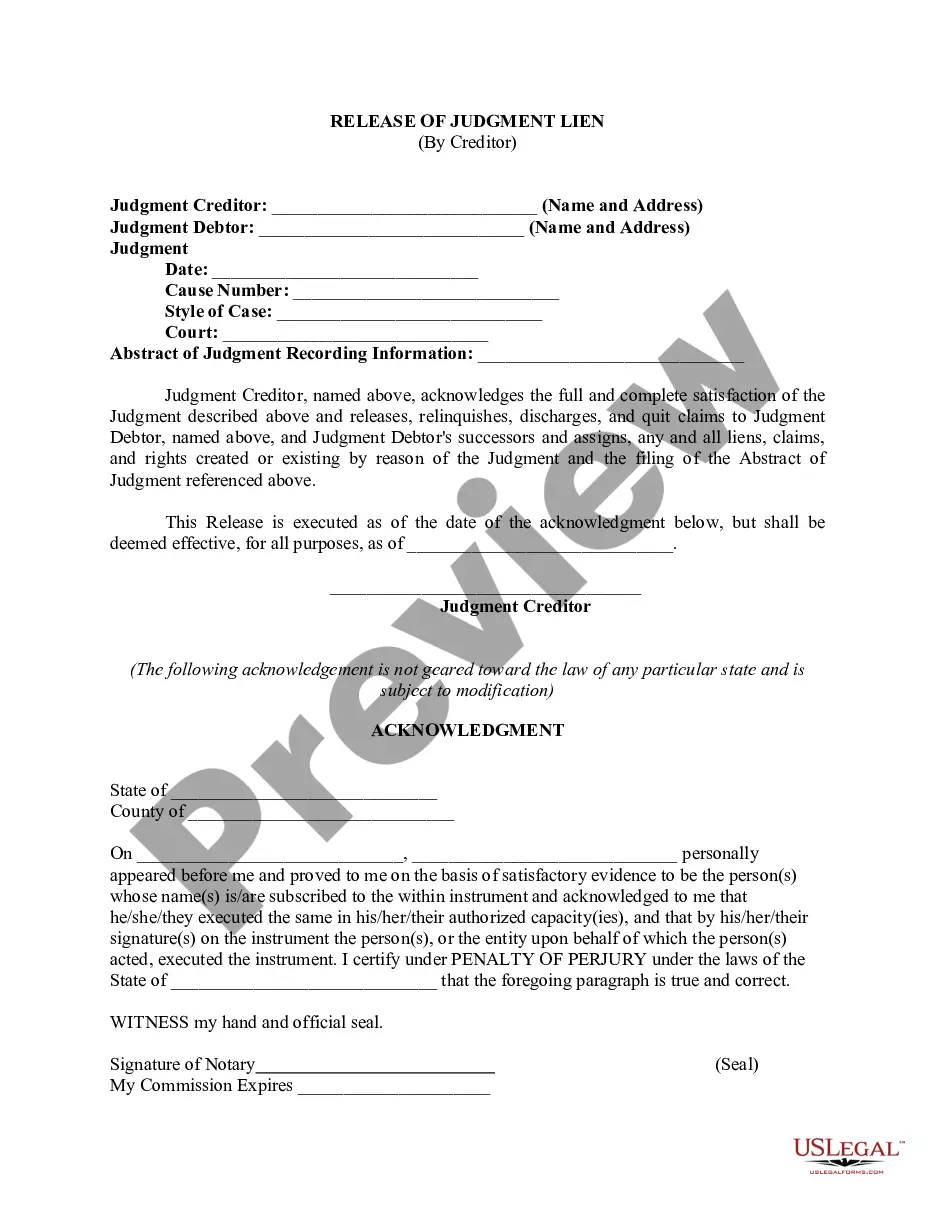
Get your form ready online
Our built-in tools help you complete, sign, share, and store your documents in one place.
Make edits, fill in missing information, and update formatting in US Legal Forms—just like you would in MS Word.
Download a copy, print it, send it by email, or mail it via USPS—whatever works best for your next step.
Sign and collect signatures with our SignNow integration. Send to multiple recipients, set reminders, and more. Go Premium to unlock E-Sign.
If this form requires notarization, complete it online through a secure video call—no need to meet a notary in person or wait for an appointment.
We protect your documents and personal data by following strict security and privacy standards.

Make edits, fill in missing information, and update formatting in US Legal Forms—just like you would in MS Word.

Download a copy, print it, send it by email, or mail it via USPS—whatever works best for your next step.

Sign and collect signatures with our SignNow integration. Send to multiple recipients, set reminders, and more. Go Premium to unlock E-Sign.

If this form requires notarization, complete it online through a secure video call—no need to meet a notary in person or wait for an appointment.

We protect your documents and personal data by following strict security and privacy standards.
Looking for another form?

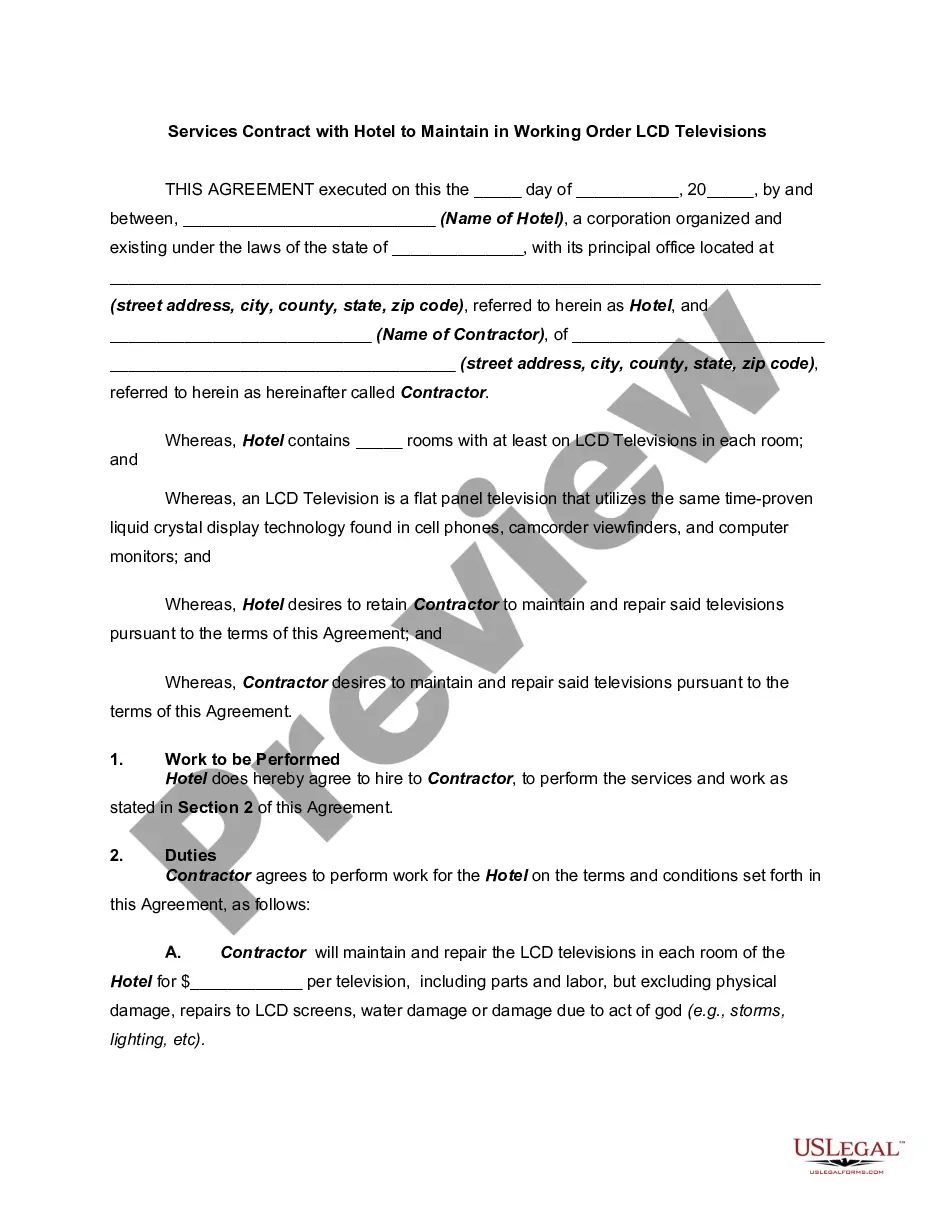



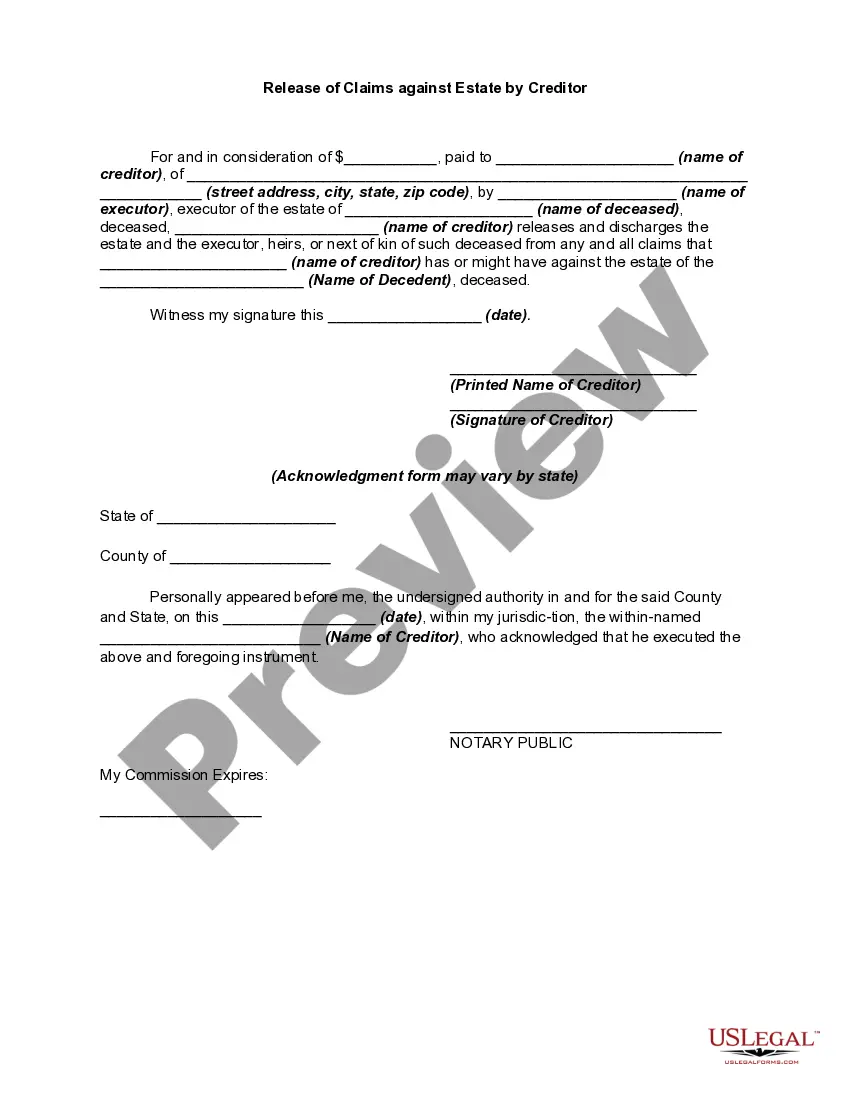
How to fill out Release Of Claims Against Estate By Creditor?
Creating legal documents from the ground up can occasionally be daunting.
Some situations may require extensive research and significant financial resources.
If you’re looking for a simpler and more economical method of generating Estate State Deceased Withholding Tax or any other forms without unnecessary complications, US Legal Forms is always available to assist you.
Our online repository of over 85,000 current legal documents encompasses nearly every aspect of your financial, legal, and personal matters.
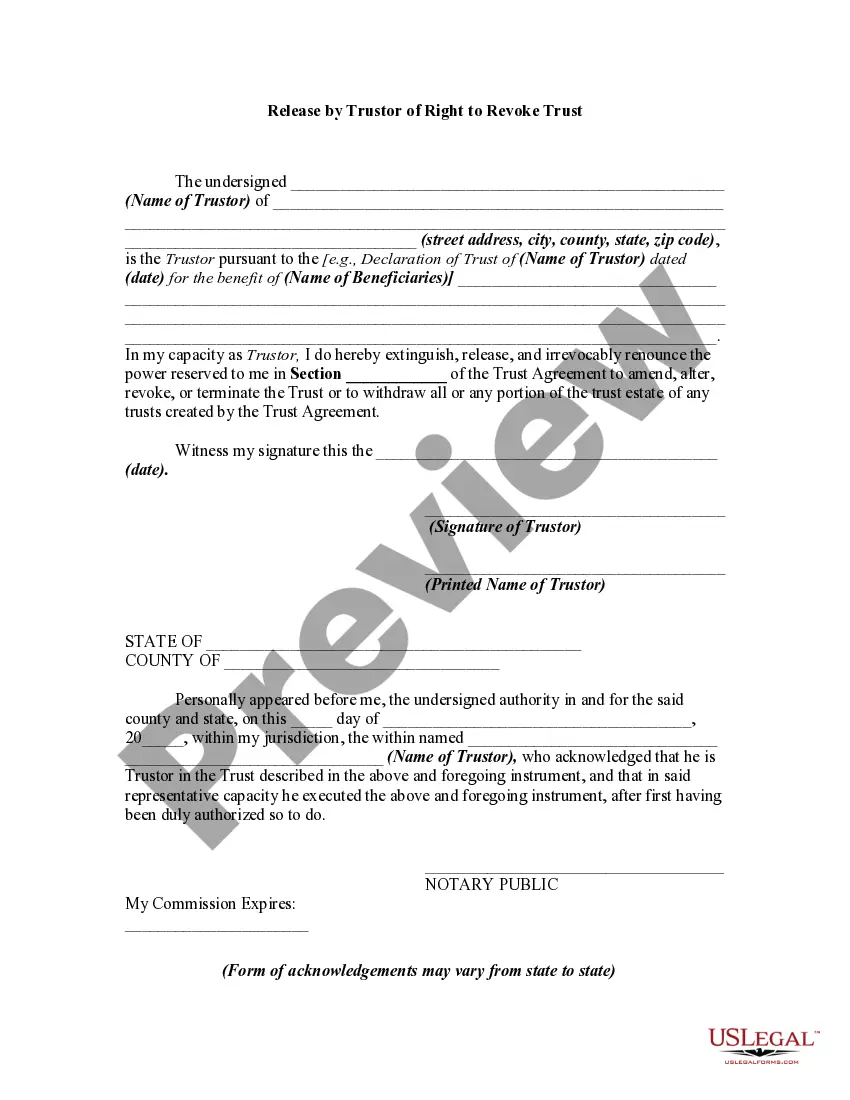
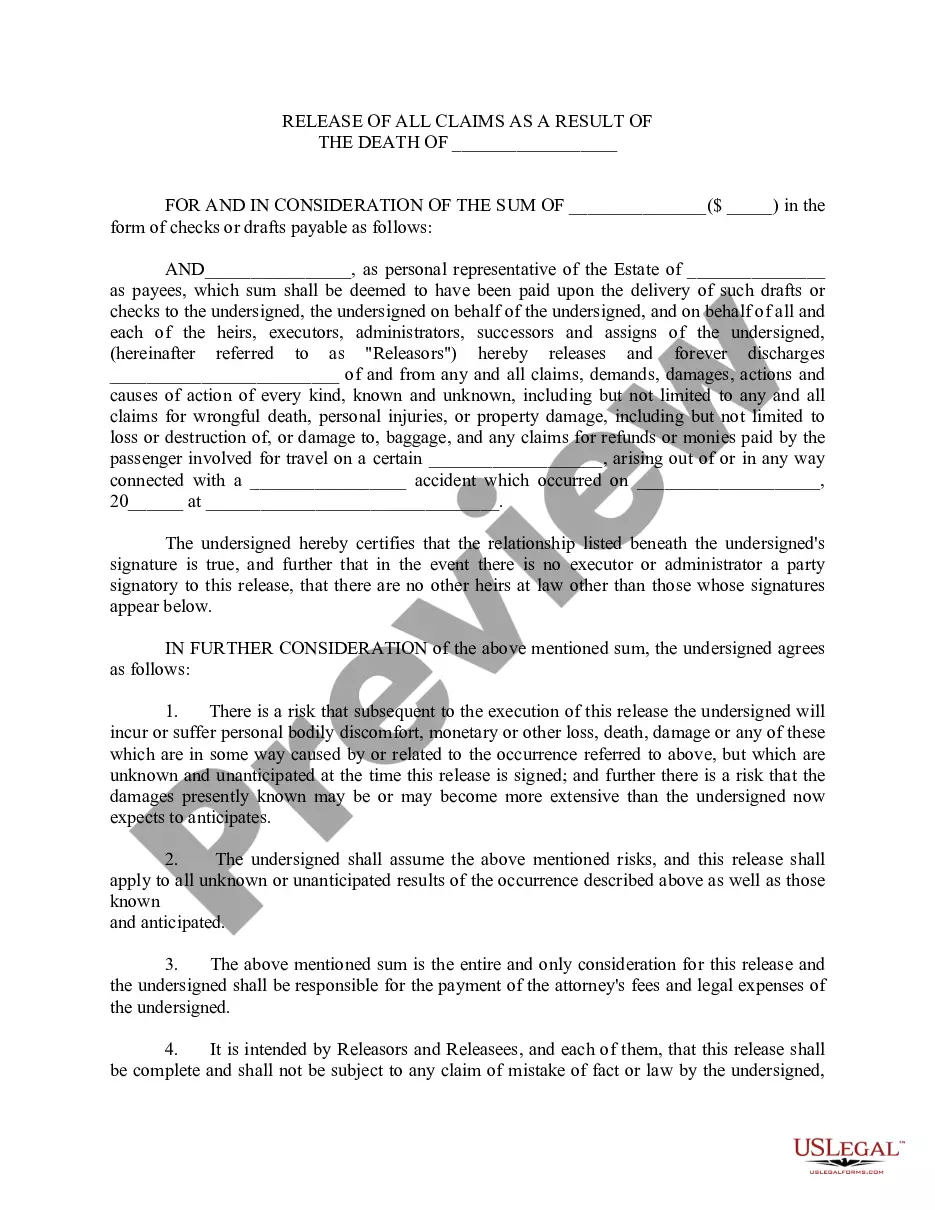
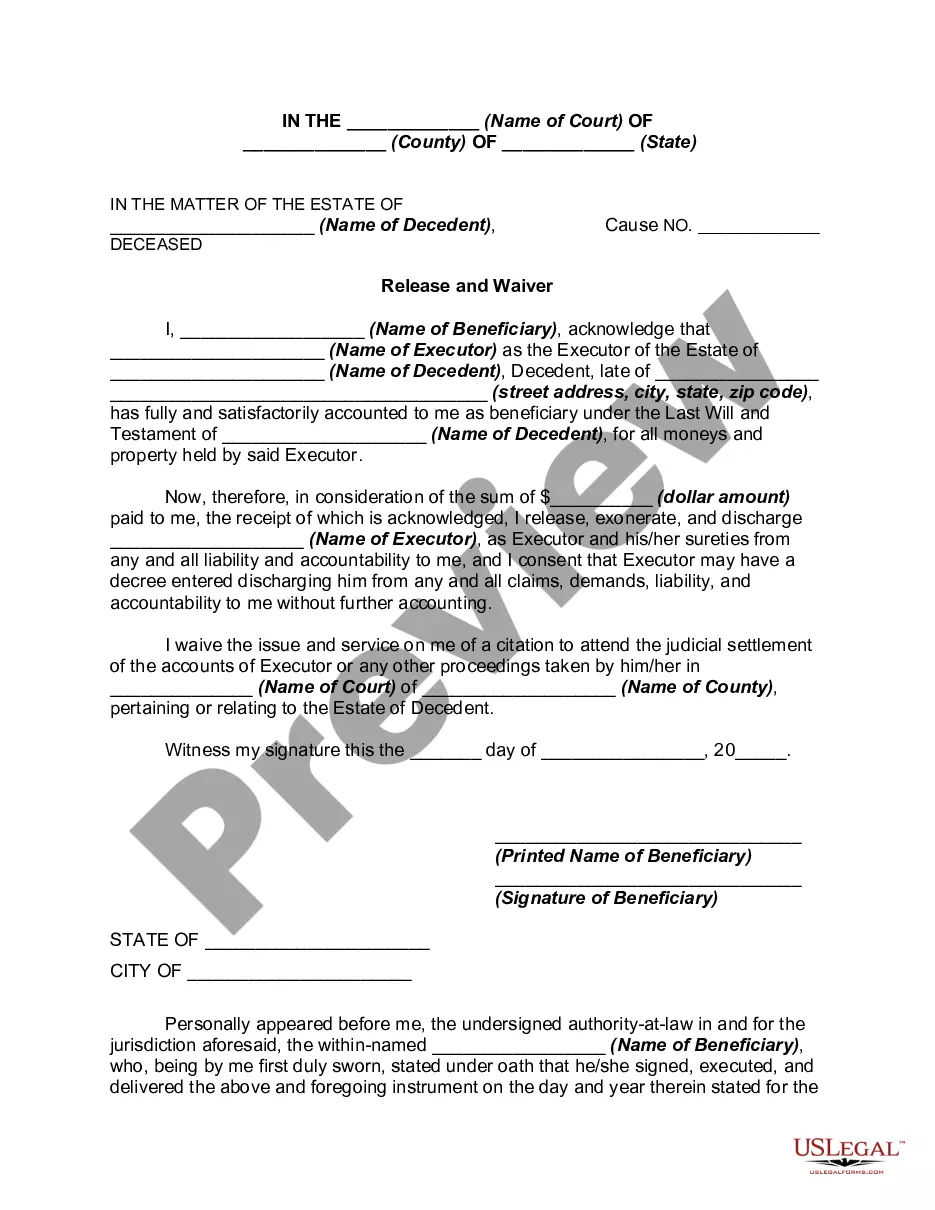
However, before you proceed to download the Estate State Deceased Withholding Tax, consider these recommendations: Review the document preview and descriptions to ensure you have located the form you need. Verify that the template you select complies with the statutes and regulations of your state and county. Choose the most suitable subscription plan to acquire the Estate State Deceased Withholding Tax. Download the form, then complete, authenticate, and print it out. US Legal Forms boasts an impeccable reputation and over 25 years of experience. Join us now and make form completion a straightforward and efficient process!
- With just a few clicks, you can instantly access state- and county-compliant templates meticulously crafted for you by our legal experts.
- Utilize our website whenever you require a dependable and trustworthy service through which you can effortlessly locate and download the Estate State Deceased Withholding Tax.
- If you’re familiar with our site and have previously registered with us, simply Log In to your account, find the form, and download it or re-download it at any time in the My documents section.
- Not signed up yet? No worries. It requires minimal time to create an account and browse the collection.
Form popularity
FAQ
The 2 year rule for deceased estates refers to the time limit within which certain tax obligations must be met after a person's death. Typically, the estate must file its final income tax return within two years of the date of death to avoid penalties. This rule impacts the estate state deceased withholding tax, as it determines how and when taxes are settled. To navigate these complexities, you can use US Legal Forms for tailored solutions and guidance on estate tax requirements.
Yes, taxes may need to be withheld on income generated by a deceased person's estate. This is part of the Estate state deceased withholding tax process. The estate's executor is responsible for managing these tax obligations before distributing assets to beneficiaries. Platforms like US Legal Forms can assist in navigating these complex requirements efficiently.
Generally, an estate cannot pass withholding tax directly to a beneficiary. Instead, the estate is responsible for paying any taxes owed under the Estate state deceased withholding tax rules. Beneficiaries may receive their inheritance after the tax obligations are settled. It's advisable to consult with a tax professional to ensure all obligations are met before distribution.
Yes, the estate of a deceased person often has to file a tax return, particularly if the estate meets certain income thresholds. This requirement is part of the Estate state deceased withholding tax regulations. Filing ensures compliance with tax laws and helps in the proper distribution of the estate. Utilizing services like US Legal Forms can simplify the process of preparing the necessary documents.
Yes, form 709, which is used for reporting gifts and generation-skipping transfers, can be filed electronically. However, keep in mind that any applicable estate state deceased withholding tax may need to be calculated and reported separately. If you are unsure about the filing process, using resources like US Legal Forms can simplify it. They provide user-friendly forms and instructions to help ensure compliance with all tax requirements.
As the executor of an estate, you must file the estate's tax return, which may include income taxes and the estate state deceased withholding tax. Begin by gathering all financial documents related to the estate, including income records and expenses. Next, complete the necessary forms, ensuring you accurately report all income and deductions. If you find the process overwhelming, consider using US Legal Forms to access templates and guidance tailored to your needs.
No, you will only need to fill out the SA107 if you submit your tax return on paper. GoSimpleTax recommends recommend filing online?it is much easier and the sections you need to fill out will automatically be supplied. Our software will sort through the details you provide and show only the sections relevant to you.
Send the completed Self Assessment form by post. The return must reach HMRC by the date given in the letter you received with the form. You can hire a professional (such as an accountant) to help you submit a tax return on behalf of the deceased.
If you have advised HMRC of the death of the deceased and informed them that you will be acting as a personal representative, you will be able to proceed and file the return online. If you have not done this, then you should contact them to become the personal representative or paper file.
Reporting on 'simple' estates Report tax owed in the administration period simply by writing to HMRC (known as 'informal arrangements') if all of the following apply: the estate was valued at less than £2.5 million when the person died. the total Income Tax and Capital Gains Tax due is less than £10,000.