Estate State Deceased With No Assets
Description
Get your form ready online
Our built-in tools help you complete, sign, share, and store your documents in one place.
Make edits, fill in missing information, and update formatting in US Legal Forms—just like you would in MS Word.
Download a copy, print it, send it by email, or mail it via USPS—whatever works best for your next step.
Sign and collect signatures with our SignNow integration. Send to multiple recipients, set reminders, and more. Go Premium to unlock E-Sign.
If this form requires notarization, complete it online through a secure video call—no need to meet a notary in person or wait for an appointment.
We protect your documents and personal data by following strict security and privacy standards.

Make edits, fill in missing information, and update formatting in US Legal Forms—just like you would in MS Word.

Download a copy, print it, send it by email, or mail it via USPS—whatever works best for your next step.

Sign and collect signatures with our SignNow integration. Send to multiple recipients, set reminders, and more. Go Premium to unlock E-Sign.

If this form requires notarization, complete it online through a secure video call—no need to meet a notary in person or wait for an appointment.

We protect your documents and personal data by following strict security and privacy standards.
Looking for another form?
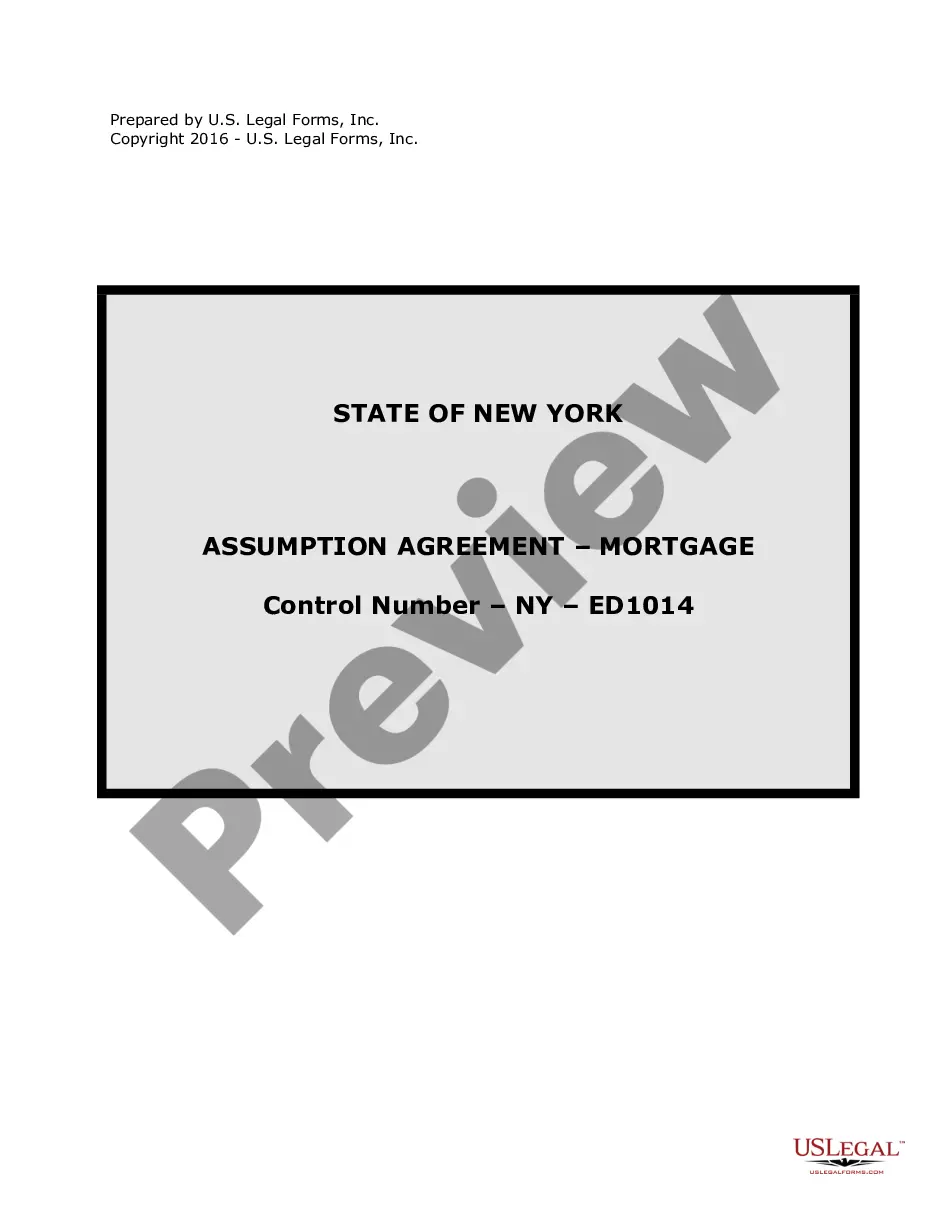


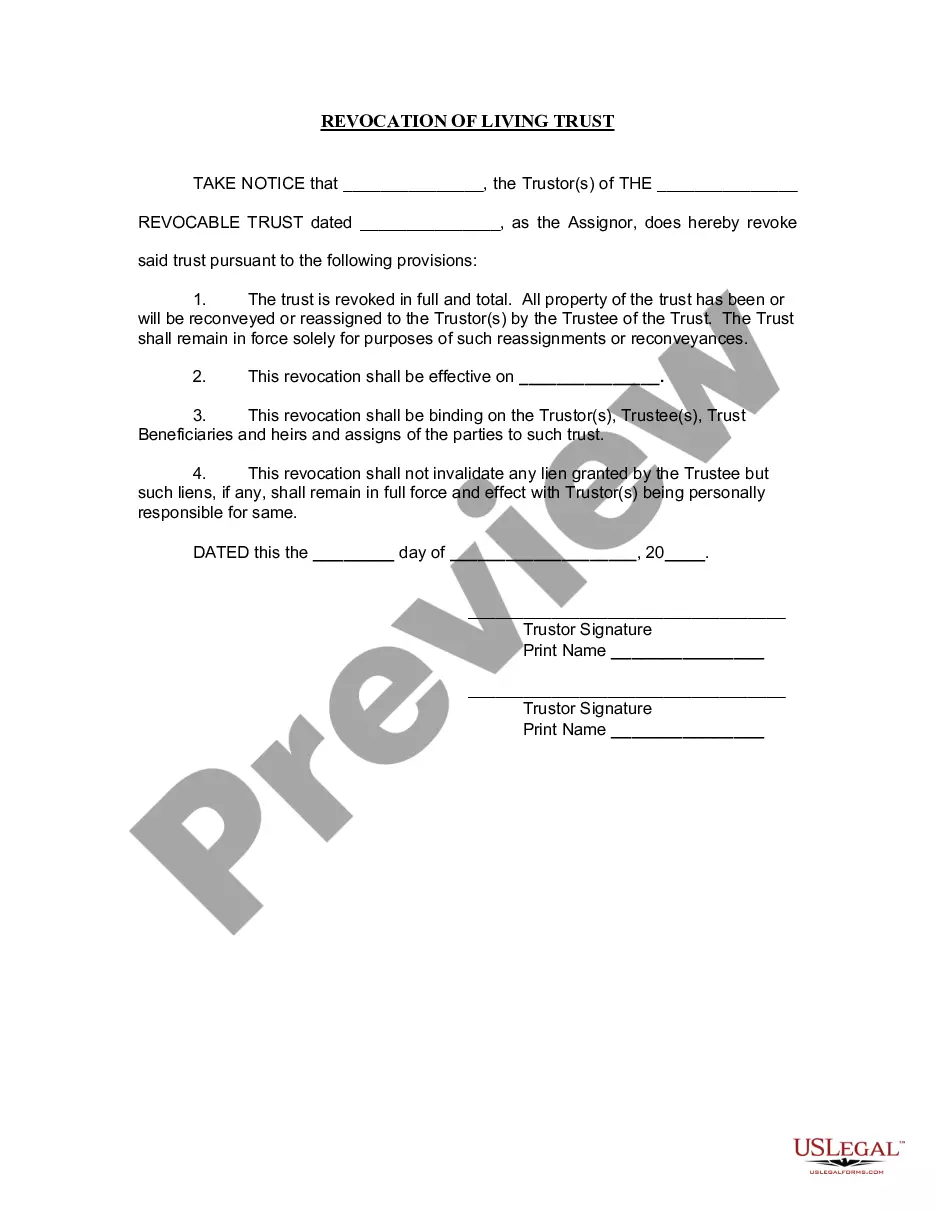



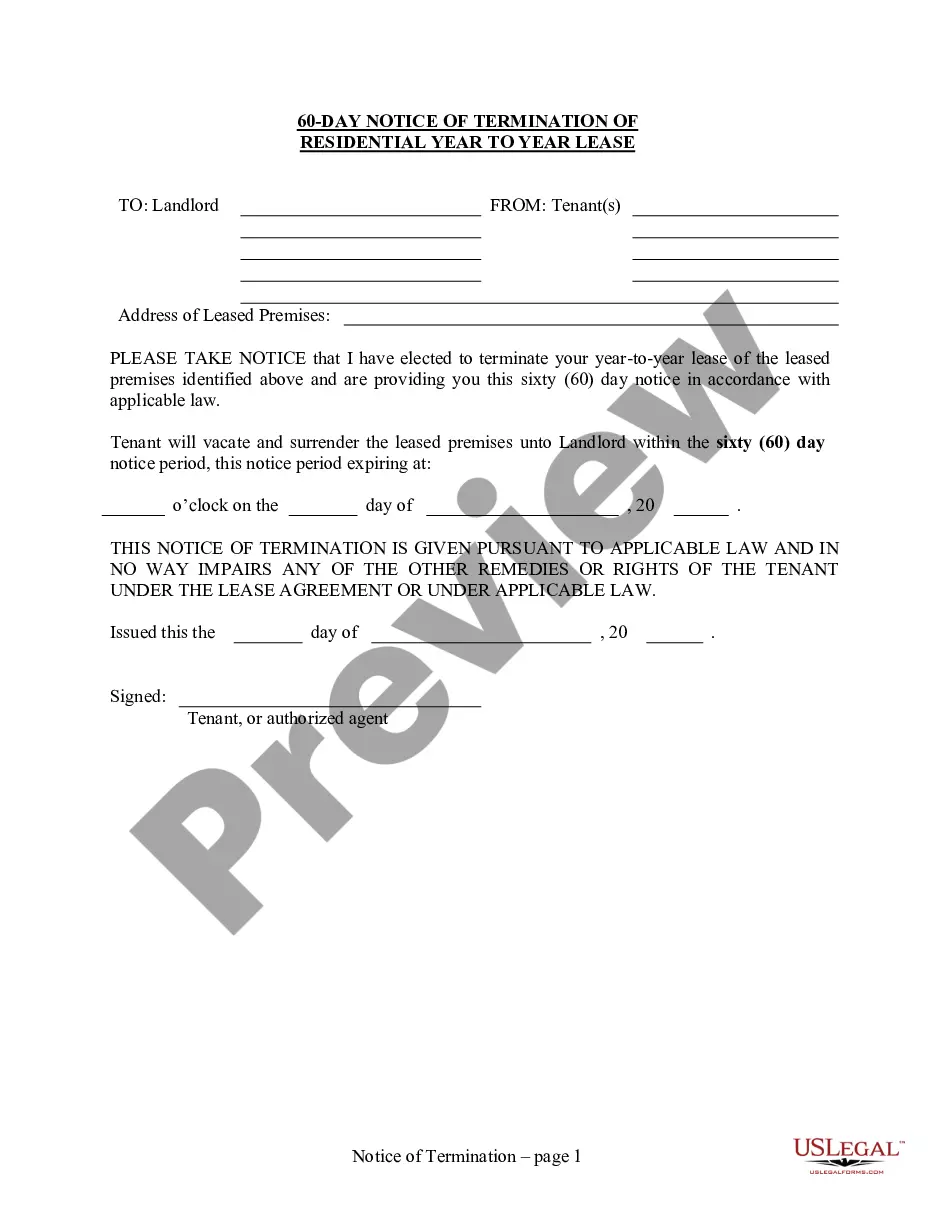
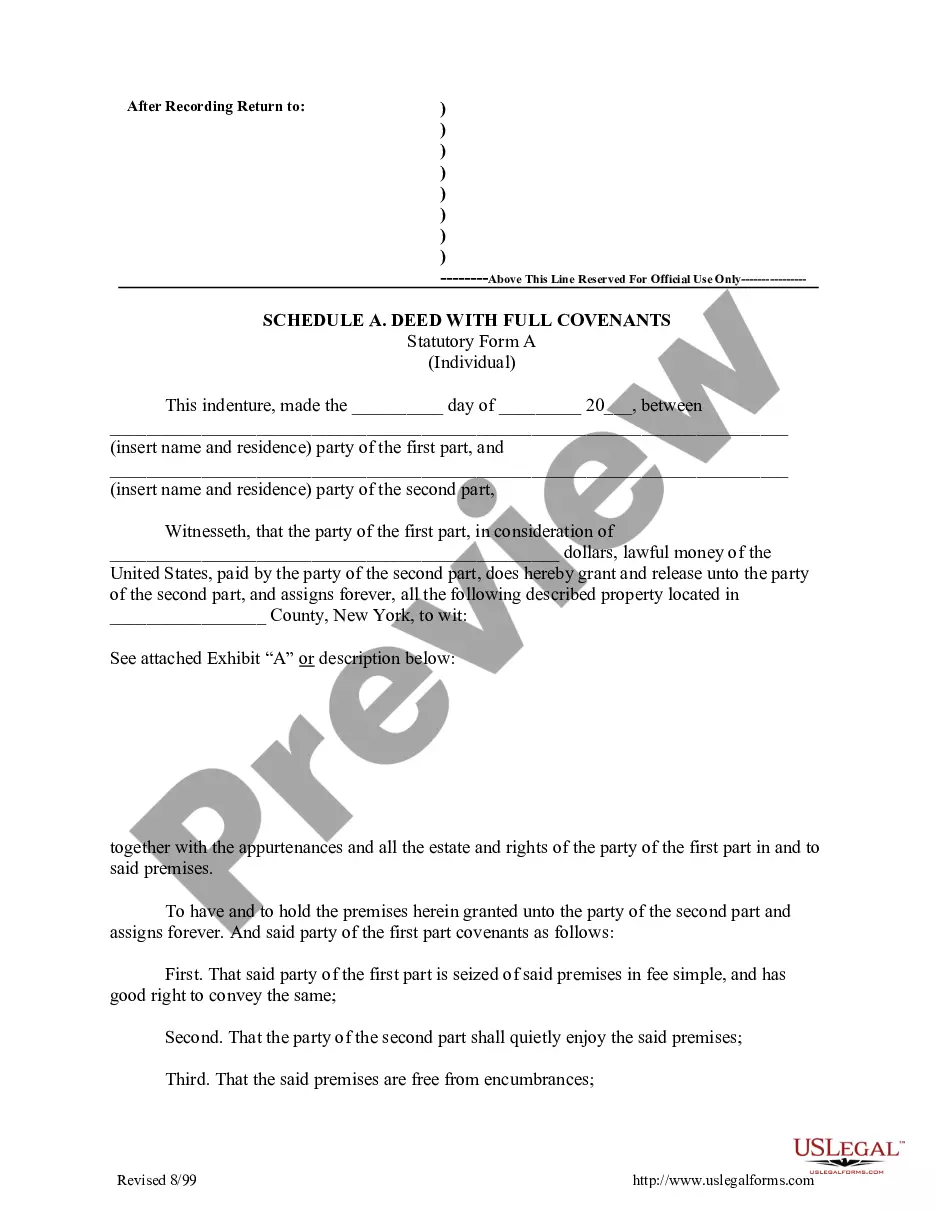
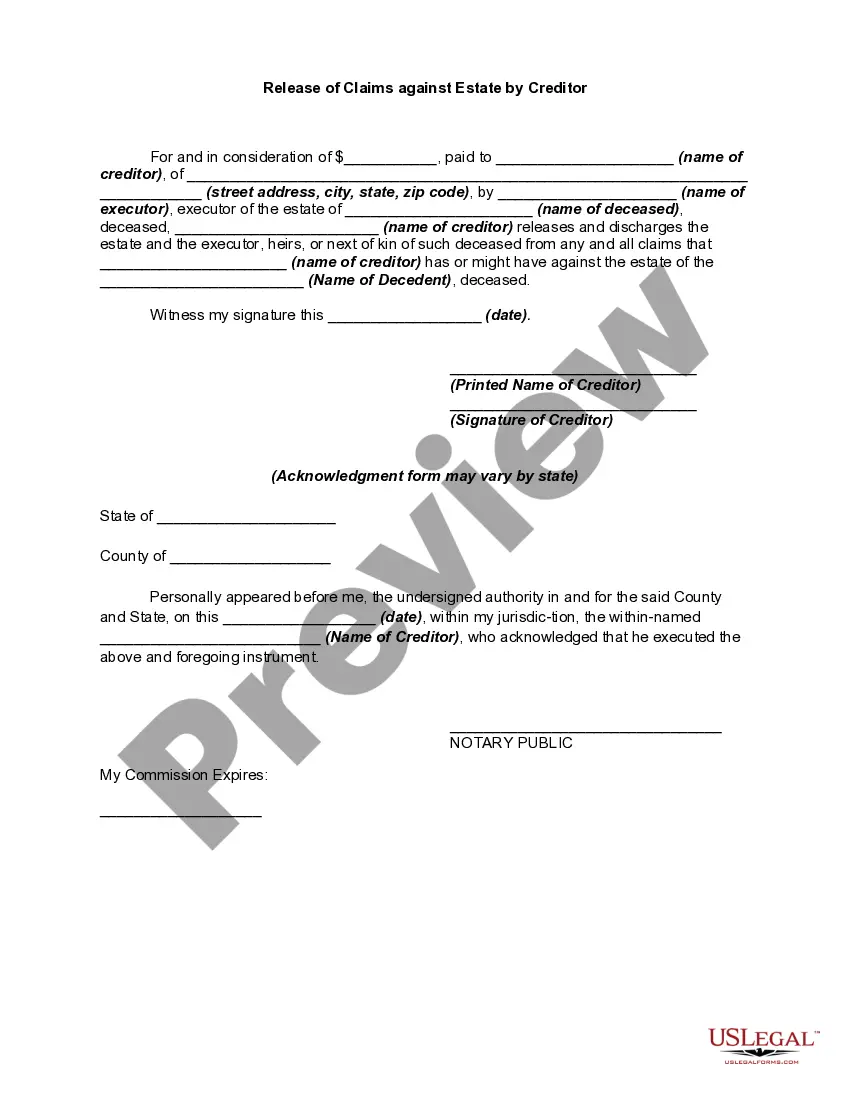
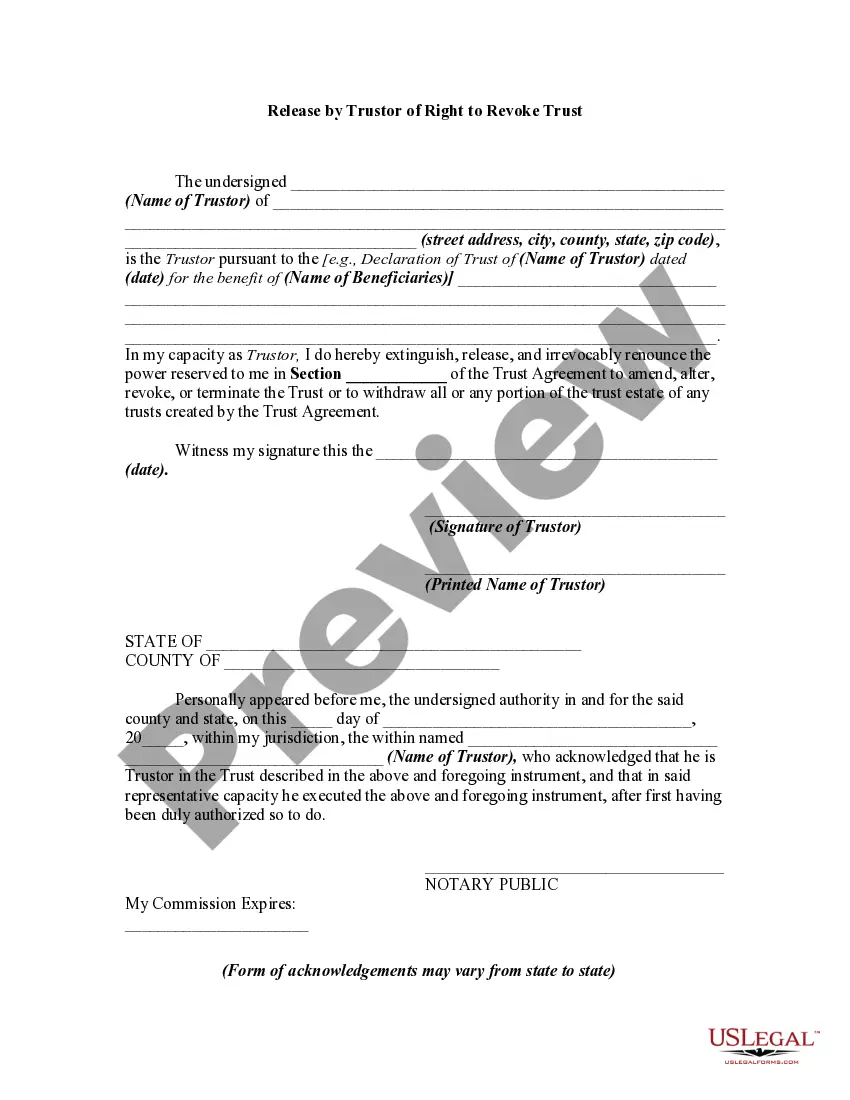
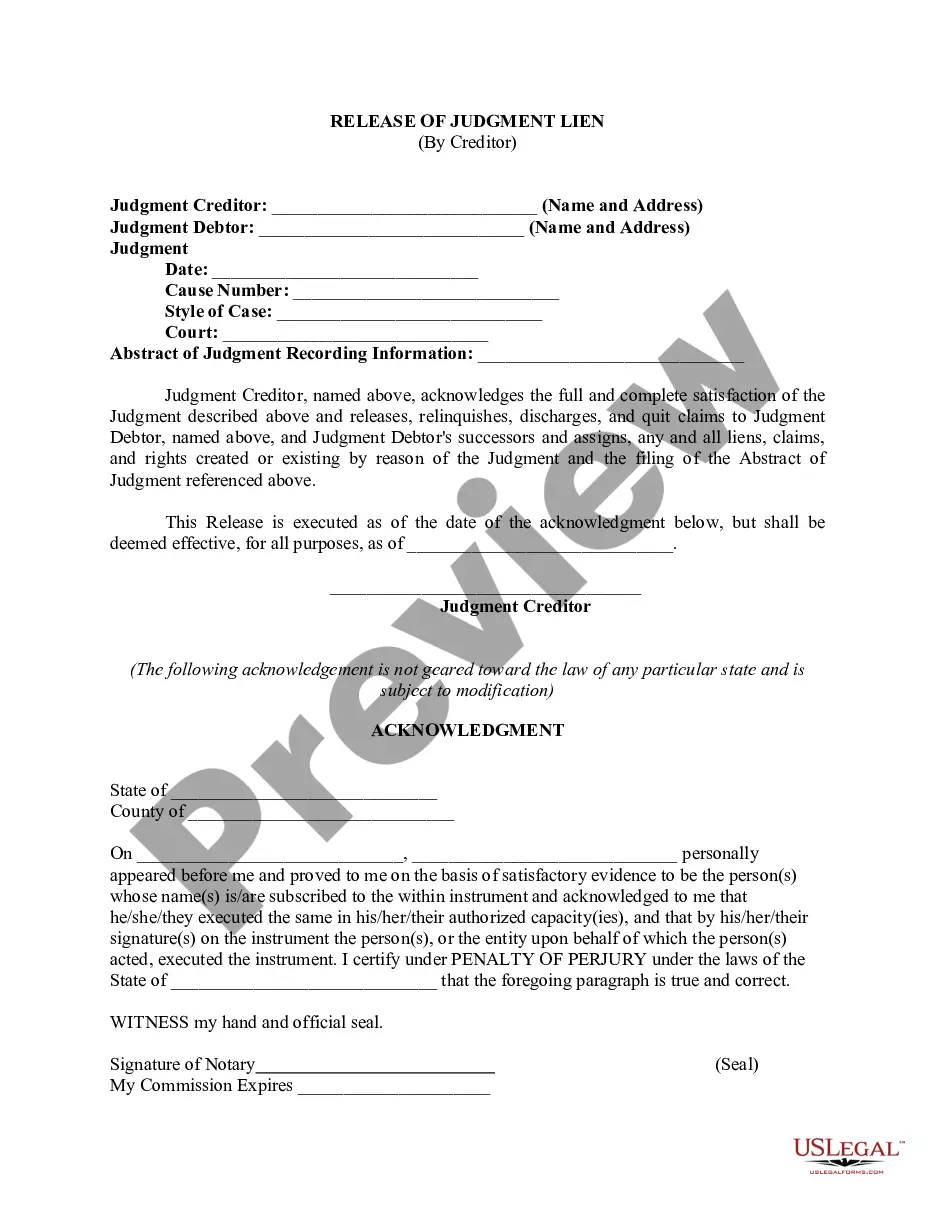
How to fill out Release Of Claims Against Estate By Creditor?
Managing legal documents can be daunting, even for experienced professionals.
If you are dealing with an Estate State Deceased With No Assets and lack the time to search for the appropriate and current version, the process may become stressful.
US Legal Forms addresses any needs you may have, from personal to organizational paperwork, all in one place.
Utilize advanced tools to fill out and manage your Estate State Deceased With No Assets.
Here are the steps to follow after downloading the form you need: Confirm that this is the correct document by previewing it and reviewing its details. Ensure that the template is accepted in your state or county. Click Buy Now when you are ready. Select a monthly subscription plan. Choose the desired file format, and Download, fill out, sign, print, and send your document. Enjoy the US Legal Forms online library, supported by 25 years of experience and trustworthiness. Transform your daily document management into a simple and user-friendly process today.
- Access a collection of articles, tutorials, and guides pertinent to your issues and requirements.
- Save time and effort in sourcing the documents you require, and leverage US Legal Forms’ sophisticated search and Review tool to find Estate State Deceased With No Assets and acquire it.
- If you hold a subscription, Log In to your US Legal Forms account, search for the form, and obtain it.
- Check your My documents tab to see the documents you have previously downloaded and to organize your folders as needed.
- If this is your first experience with US Legal Forms, create an account and gain unlimited access to all features of the platform.
- A robust online form library can significantly benefit anyone aiming to navigate these situations efficiently.
- US Legal Forms stands as a frontrunner in online legal documents, offering over 85,000 state-specific legal forms accessible at any time.
- With US Legal Forms, you can access state- or county-specific legal and business forms.
Form popularity
FAQ
When someone dies with no assets, the estate typically does not need to go through probate. The deceased's debts may become non-collectible, and any surviving family members are usually not responsible for these debts. In such cases, the estate state deceased with no assets can be closed fairly quickly. For more detailed guidance on handling these situations, you can rely on USLegalForms to help you navigate the legal process smoothly.
Yes, an estate can be settled without probate in Alabama under certain circumstances. If the estate state deceased with no assets, the heirs may opt for a small estate affidavit, allowing them to transfer assets without going through the probate process. This option simplifies matters and can save time. It is wise to consult with USLegalForms to understand the specific steps and requirements for your situation.
Settling an estate with no assets can be a straightforward process. First, you need to determine if the estate is eligible for a simplified procedure, which can save time and reduce complications. You may file necessary paperwork with the court to officially close the estate. Utilizing resources like USLegalForms can streamline this process and ensure you meet all legal requirements effectively.
The 2 year rule for a deceased estate generally refers to the time limit for creditors to make claims against the estate. If the estate has no assets, this period helps protect the heirs from being responsible for debts that exceed the estate's value. Understanding this rule is crucial when dealing with an estate state deceased with no assets, as it provides clarity on your responsibilities. If you need assistance navigating these complexities, consider using USLegalForms for reliable guidance.
If the estate is deceased with no assets, probate may not be necessary. The absence of assets typically means that there is nothing for creditors or heirs to claim, which can expedite the process significantly. However, it is advisable to consult with a legal professional to confirm if any local requirements apply. USLegalForms offers resources to help you understand your obligations and simplify the process.
When an estate is deceased with no assets, the situation generally simplifies the process of settling the estate. In such cases, there may be no need for formal probate proceedings, as there are no assets to distribute. However, it is still important to fulfill any legal obligations, such as filing necessary paperwork. Utilizing platforms like USLegalForms can help you navigate these requirements efficiently.
Any assets that are titled in the decedent's sole name, not jointly owned, not payable-on-death, don't have any beneficiary designations, or are left out of a Living Trust are subject to probate. Such assets can include: Bank or investment accounts. Stocks and bonds.
Without a named beneficiary, your life insurance proceeds become part of your estate. The life insurance proceeds get distributed ingly, along with the rest of your assets. Your estate may need to go through probate, which often charges substantial fees and could take a long time before reaching your heirs.
An informal accounting for an estate is a document that outlines the financial activities of the estate. This type of accounting is often used to prepare financial statements of affairs. It includes details about assets and liabilities, income and expenses, donations or transfers from the estate, and tax information.
Probate assets include: Real estate, vehicles, and other titled assets owned solely by the deceased person or as a tenant in common with someone else. Tenants in common don't have survivorship rights. The owners can bequeath their share of the property to someone else.