Estate State Deceased Foreign Assets
Description
Get your form ready online
Our built-in tools help you complete, sign, share, and store your documents in one place.
Make edits, fill in missing information, and update formatting in US Legal Forms—just like you would in MS Word.
Download a copy, print it, send it by email, or mail it via USPS—whatever works best for your next step.
Sign and collect signatures with our SignNow integration. Send to multiple recipients, set reminders, and more. Go Premium to unlock E-Sign.
If this form requires notarization, complete it online through a secure video call—no need to meet a notary in person or wait for an appointment.
We protect your documents and personal data by following strict security and privacy standards.

Make edits, fill in missing information, and update formatting in US Legal Forms—just like you would in MS Word.

Download a copy, print it, send it by email, or mail it via USPS—whatever works best for your next step.

Sign and collect signatures with our SignNow integration. Send to multiple recipients, set reminders, and more. Go Premium to unlock E-Sign.

If this form requires notarization, complete it online through a secure video call—no need to meet a notary in person or wait for an appointment.

We protect your documents and personal data by following strict security and privacy standards.
Looking for another form?







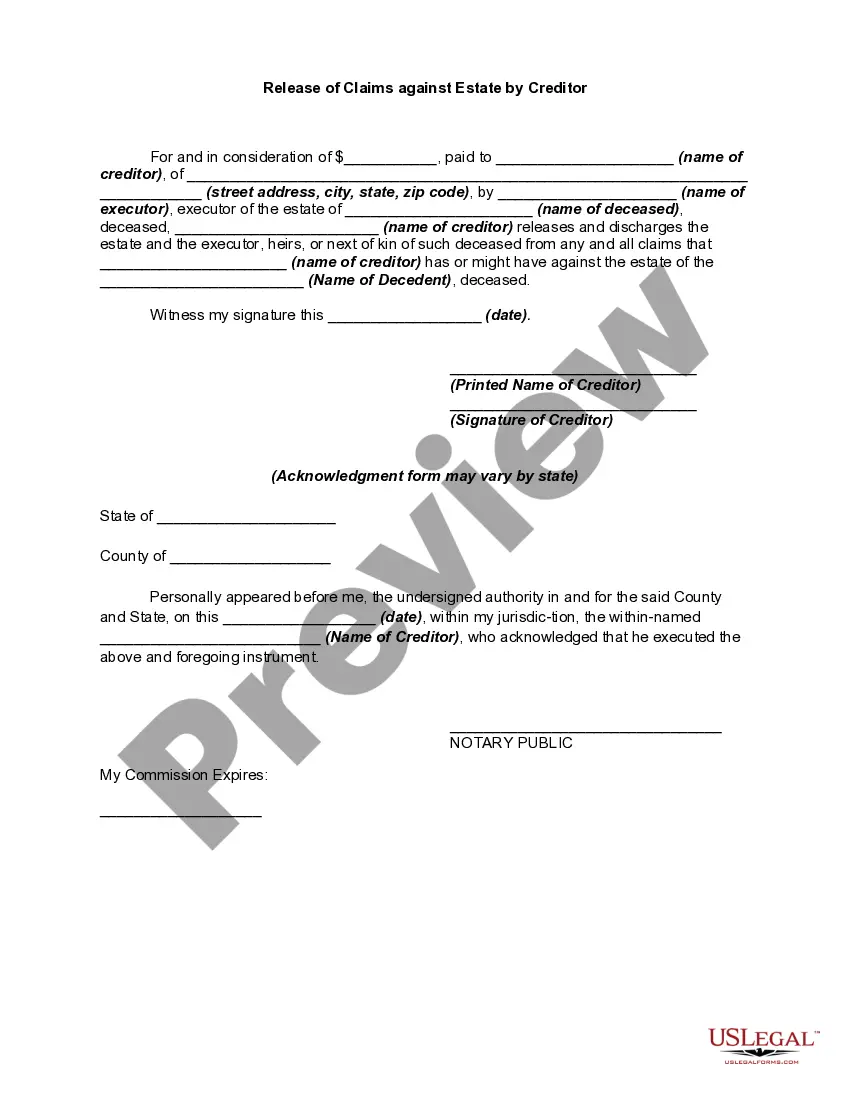
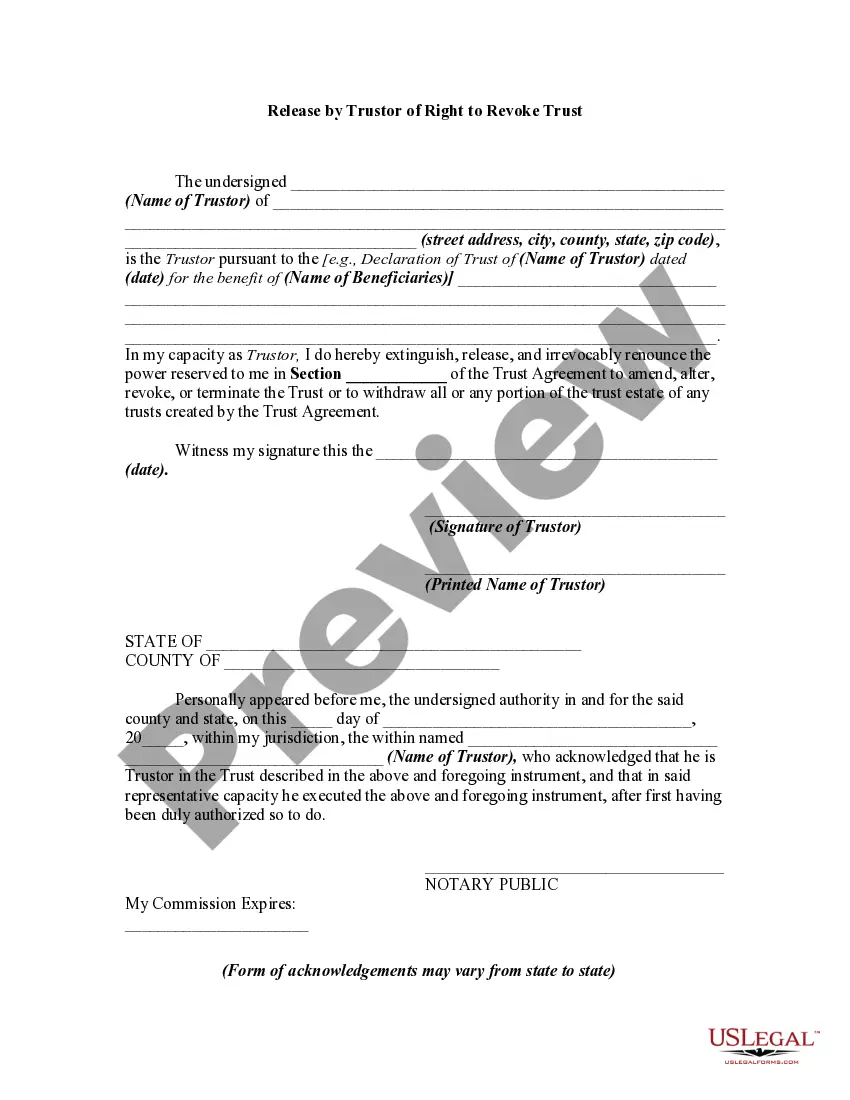
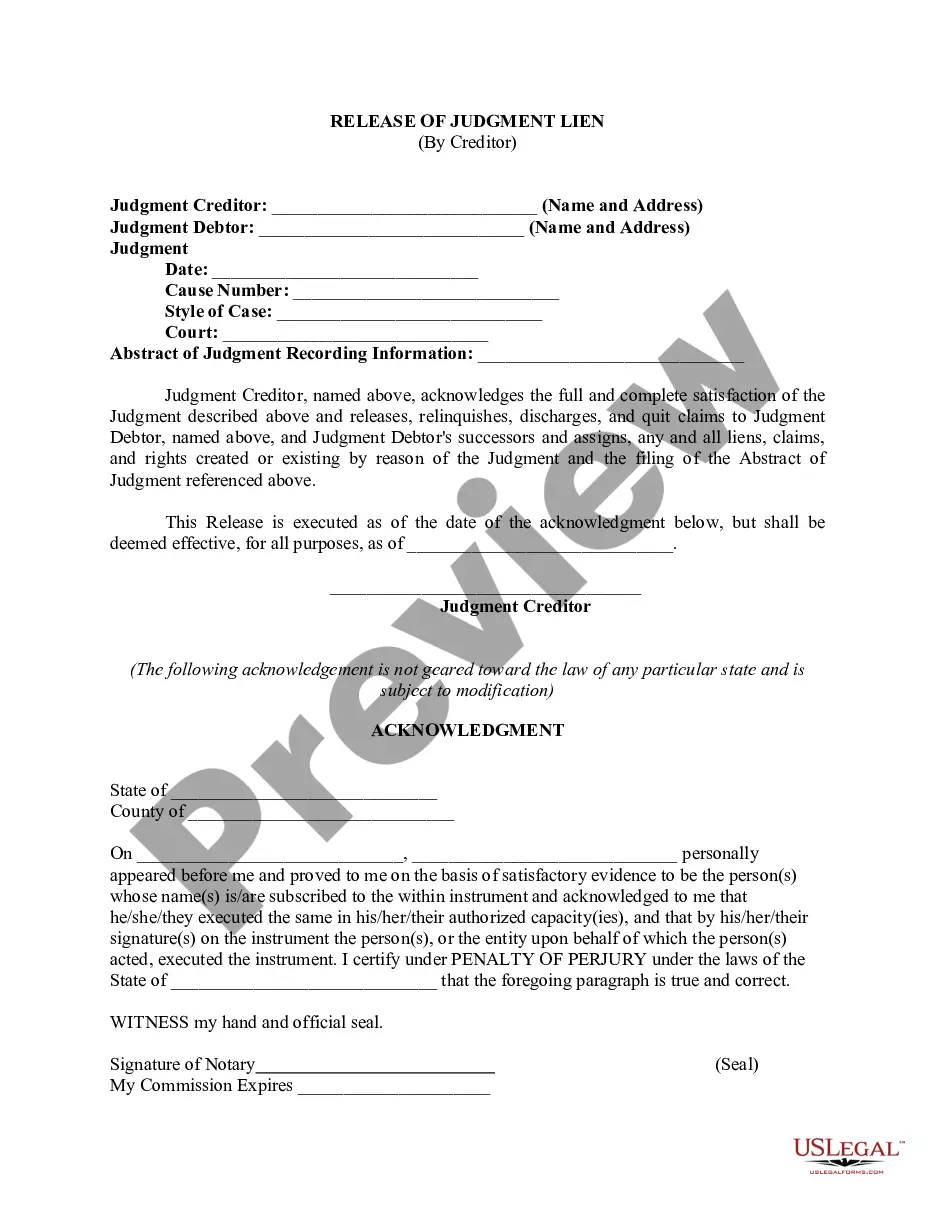
How to fill out Release Of Claims Against Estate By Creditor?
Utilizing legal document examples that comply with federal and local regulations is crucial, and the internet provides numerous choices to select from.
However, what’s the purpose of spending time searching for the appropriately drafted Estate State Deceased Foreign Assets example online when the US Legal Forms digital library already has such templates gathered in one location.
US Legal Forms is the largest online legal repository with over 85,000 editable templates created by lawyers for any professional and personal situation. They are easy to navigate with all documents categorized by state and intended use. Our specialists keep up with legal updates, ensuring your documents are always current and compliant when obtaining an Estate State Deceased Foreign Assets from our site.
Press Buy Now once you’ve identified the correct form and choose a subscription plan. Create an account or Log In and complete the payment using PayPal or a credit card. Choose the optimal format for your Estate State Deceased Foreign Assets and download it. All documents you find via US Legal Forms are reusable. To re-download and complete previously acquired forms, access the My documents section in your account. Take advantage of the most comprehensive and user-friendly legal documentation service!
- Obtaining an Estate State Deceased Foreign Assets is fast and straightforward for both existing and new users.
- If you already possess an account with an active subscription, Log In and download the document example you require in your desired format.
- If you are unfamiliar with our site, follow the steps outlined below.
- Review the template using the Preview feature or through the text outline to ensure it fulfills your requirements.
- Search for an alternative sample using the search tool at the top of the page if needed.
Form popularity
FAQ
Yes, it is generally necessary to declare foreign assets, especially when filing tax returns or during estate proceedings. Failure to declare these assets can lead to significant legal and financial consequences. Being transparent about estate state deceased foreign assets is critical in complying with legal requirements. Utilizing professional services can guide you through the declaration process effectively.
US estate tax can apply to foreign assets if the deceased was a US citizen or resident. The estate tax liability hinges on the total value of the estate, including foreign holdings. As a result, it's essential to consider all estate state deceased foreign assets during planning. Services like uslegalforms can provide support in navigating these tax obligations.
Certain assets do not form part of an estate, including assets held in joint tenancy, assets with designated beneficiaries, and certain retirement accounts. These assets usually pass directly to the designated individuals outside of the probate process. Understanding which assets are excluded is essential when assessing estate state deceased foreign assets. Consulting with a legal professional can help clarify these distinctions.
Yes, foreign assets can be subject to estate tax, particularly if the deceased was a US citizen or resident. The estate tax applies to the total value of the estate, including both domestic and foreign assets. This makes it crucial to consider estate state deceased foreign assets when planning estates. Professional services like uslegalforms can assist in ensuring compliance with tax obligations.
Overseas assets can indeed be subject to inheritance tax, depending on the laws of the country where the assets are located. Each jurisdiction has its own rules regarding inheritance tax, which can vary significantly. Therefore, understanding the implications of estate state deceased foreign assets is essential for anyone inheriting property abroad. Consulting with a legal expert can provide clarity and direction.
Yes, inheriting foreign property can come with tax implications. In many cases, the estate may be subject to taxes based on the jurisdiction of the property. Understanding the specific tax obligations related to estate state deceased foreign assets is vital for heirs. It's advisable to seek professional guidance to navigate these complexities effectively.
When a foreign national passes away with assets in the US, those assets may be subject to US estate laws. The estate will often go through a process known as probate, which may involve the courts. Estate state deceased foreign assets must be handled according to both US and foreign laws, creating potential complexities. Engaging with a legal service like uslegalforms can simplify this process.
Yes, foreign assets are generally included in an estate for estate planning purposes. This inclusion is crucial when assessing the total value of the estate of a deceased individual. When dealing with estate state deceased foreign assets, understanding the local laws regarding these assets is essential. Consulting with an expert can ensure all foreign assets are properly accounted for.
To report inherited foreign property, you need to file IRS Form 3520, which covers foreign gifts and inheritances. Ensure you document the value of the property at the time of inheritance, as this will be necessary for accurate reporting. Engaging with professionals familiar with estate state deceased foreign assets can simplify this process, ensuring compliance with both U.S. and foreign tax regulations.
Exempt assets from estate tax typically include certain types of retirement accounts, life insurance proceeds, and specific gifts made before your death. Property held jointly with rights of survivorship may also be exempt. Understanding the nuances of your estate state deceased foreign assets is critical, and utilizing a platform like US Legal Forms can help clarify these exemptions and assist in proper documentation.