Estate Deceased Claims With No Interest
Description
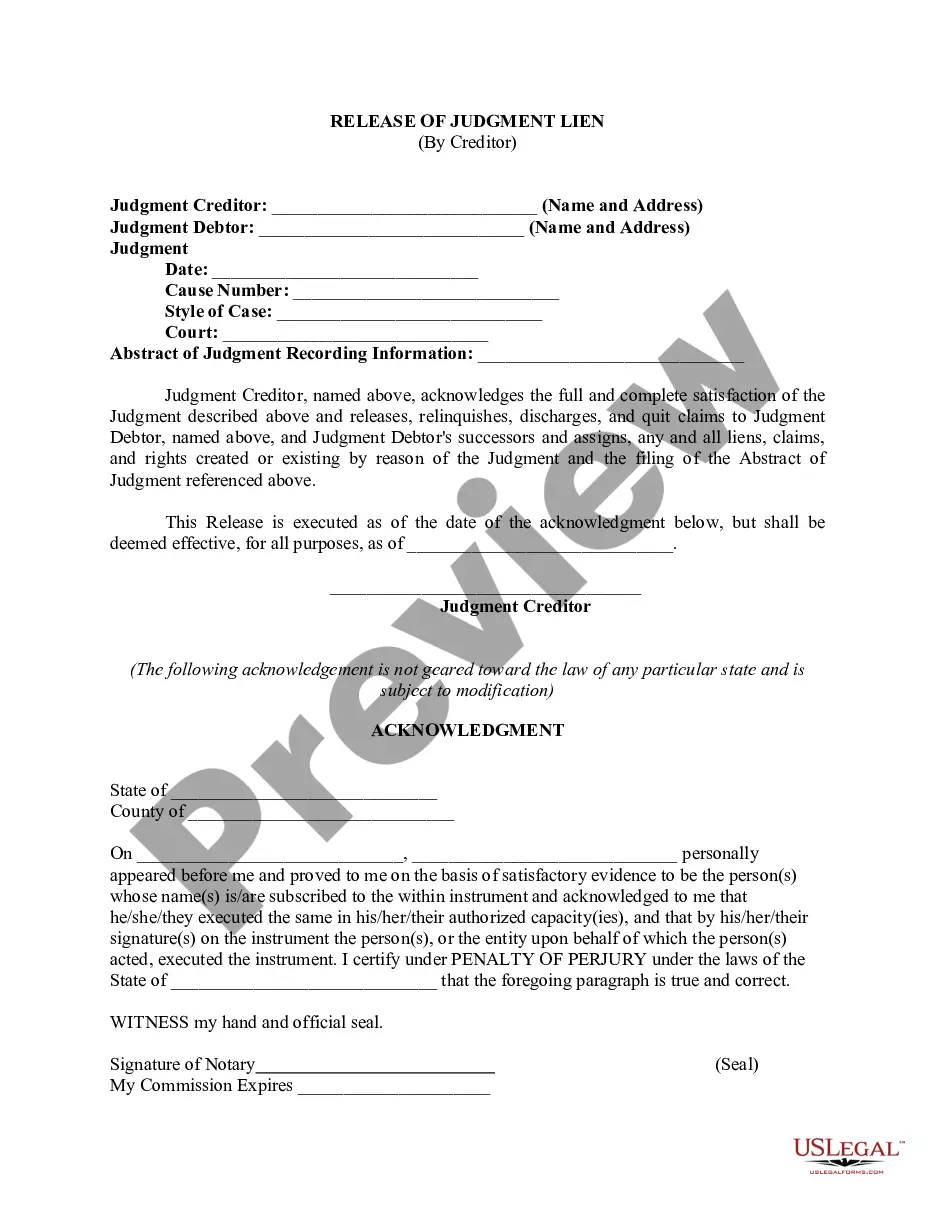
Get your form ready online
Our built-in tools help you complete, sign, share, and store your documents in one place.
Make edits, fill in missing information, and update formatting in US Legal Forms—just like you would in MS Word.
Download a copy, print it, send it by email, or mail it via USPS—whatever works best for your next step.
Sign and collect signatures with our SignNow integration. Send to multiple recipients, set reminders, and more. Go Premium to unlock E-Sign.
If this form requires notarization, complete it online through a secure video call—no need to meet a notary in person or wait for an appointment.
We protect your documents and personal data by following strict security and privacy standards.

Make edits, fill in missing information, and update formatting in US Legal Forms—just like you would in MS Word.

Download a copy, print it, send it by email, or mail it via USPS—whatever works best for your next step.

Sign and collect signatures with our SignNow integration. Send to multiple recipients, set reminders, and more. Go Premium to unlock E-Sign.

If this form requires notarization, complete it online through a secure video call—no need to meet a notary in person or wait for an appointment.

We protect your documents and personal data by following strict security and privacy standards.
Looking for another form?
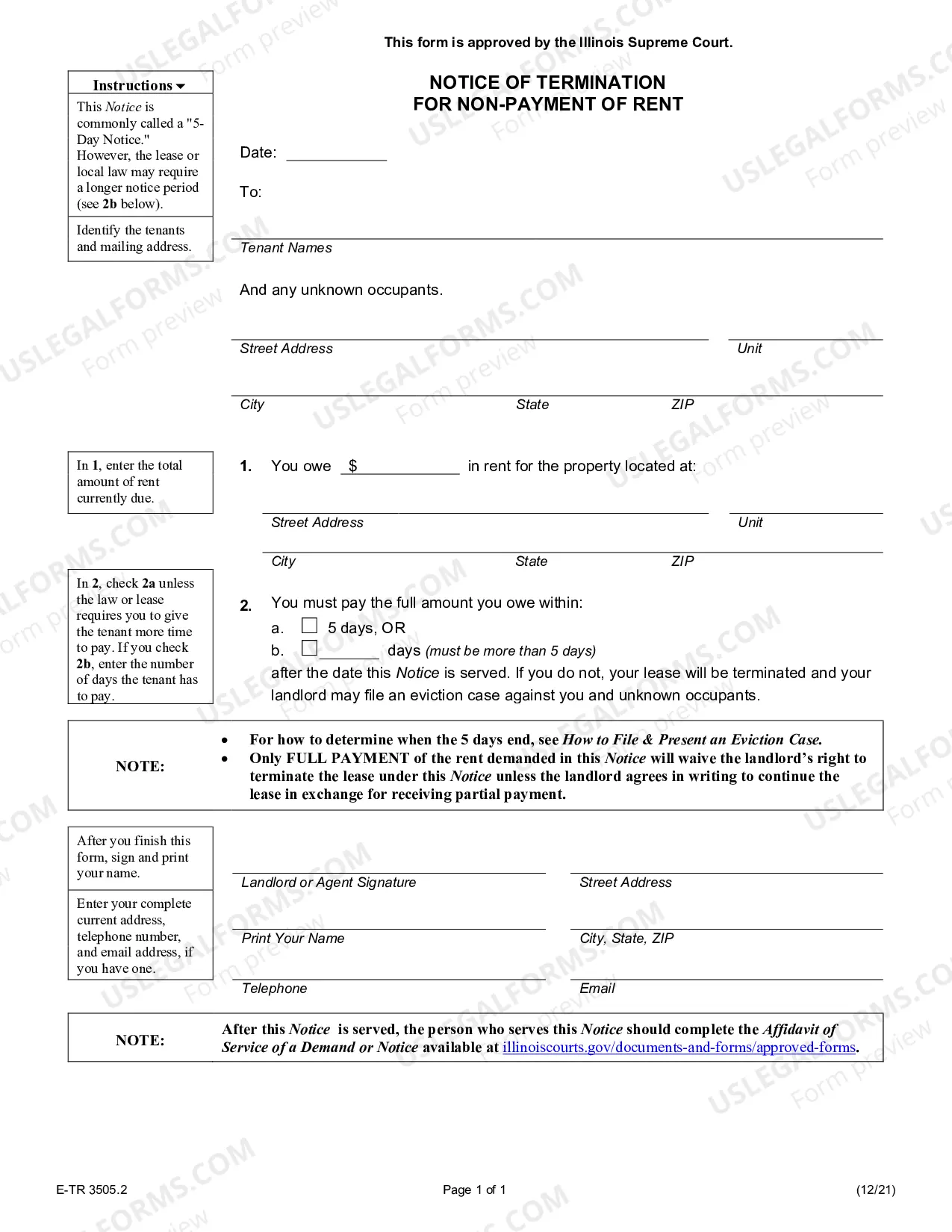

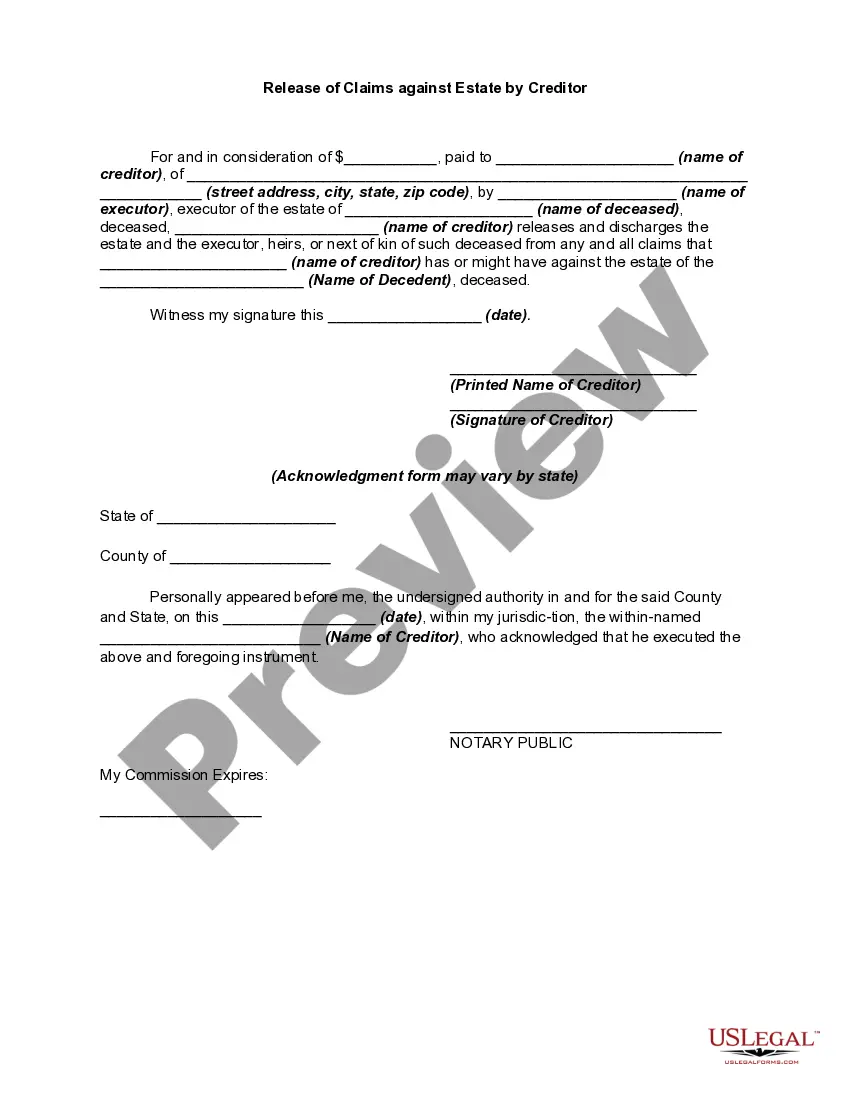
How to fill out Release Of Claims Against Estate By Creditor?
- If you are a returning user, log in to your account. Confirm your subscription is active, and click the Download button to retrieve your required form template.
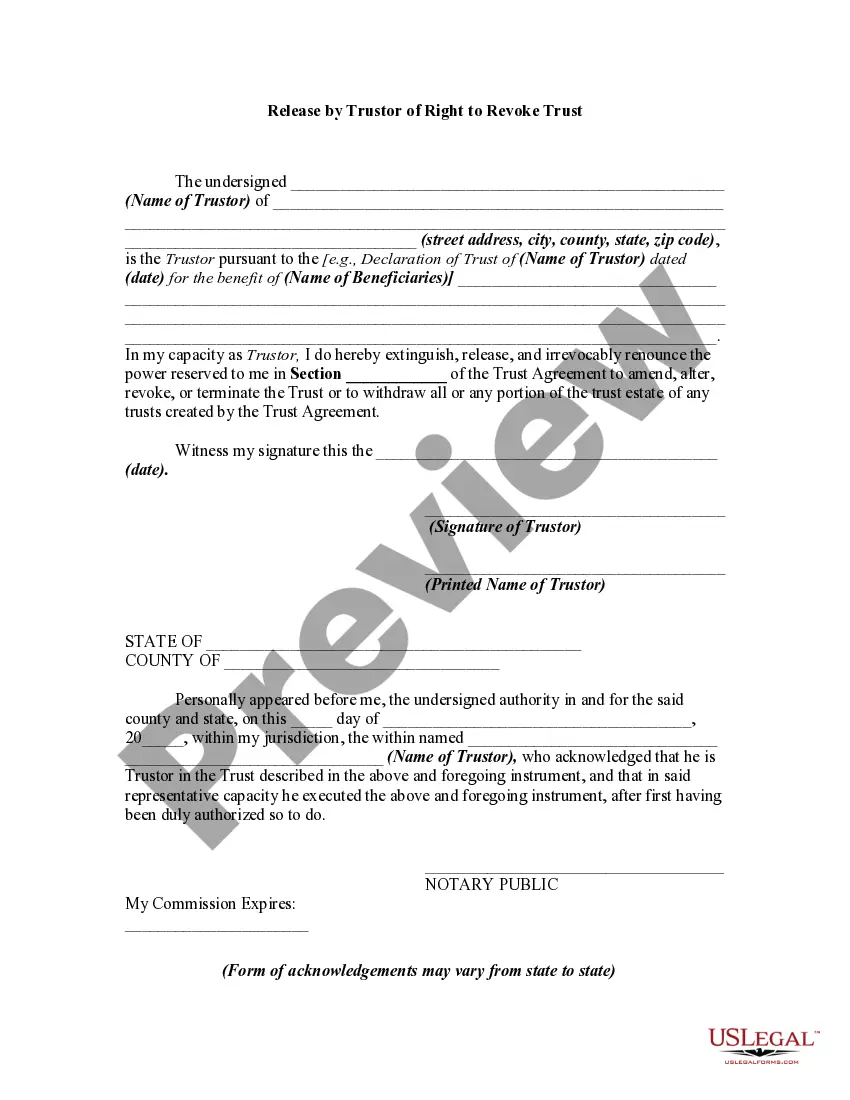
- For first-time users, start by exploring the Preview mode and form description. Confirm that the selected form aligns with your needs and adheres to local jurisdiction requirements.
- In case the chosen form doesn't meet your specifications, utilize the Search tab to find a more suitable template. Once you find the correct form, proceed to the next step.
- Purchase your document by clicking the Buy Now button. Select your preferred subscription plan and create an account to gain access to our comprehensive library.
- Complete your purchase using your credit card information or PayPal account. Ensure you process your payment securely.
- After completing the purchase, save your form on your device. Access the downloaded template from the My Forms section in your profile at any time.
In conclusion, US Legal Forms makes it easier than ever to obtain legal documents for estate deceased claims with no interest. Our vast library not only offers an extensive selection but also guarantees precision and legal soundness.
Don't hesitate! Start exploring our library today and ensure your estate claims are managed efficiently.
Form popularity
FAQ
You must report a deceased person’s interest income on their final tax return, including any income earned up until the date of death. This process plays a vital role in estate deceased claims with no interest, ensuring all income is properly accounted for. Consider seeking guidance from a tax professional to navigate this correctly. Accurate reporting helps avoid penalties for the estate.
Yes, beneficiaries usually have the right to request access to bank statements to understand the estate’s financial status. This is especially relevant in estate deceased claims with no interest since reviewing these accounts can reveal necessary information. Open communication with the executor can lead to a more transparent process. If there are objections, legal advice may be needed to clarify rights.
The 3 year rule stipulates that gifts made within three years of death can be included in the taxable estate. This inclusion can impact estate deceased claims with no interest, as it may increase the total taxable value. Thus, it's crucial to document any major gifts accurately. If you’re unsure about your obligations, employing a trusted estate professional can guide you through the process.
Gifts made within three years before a person's death may affect estate deceased claims with no interest. This rule applies to substantial gifts that surpass the annual gift tax exclusion limit. Understanding which gifts fall under this rule can help beneficiaries avoid unexpected complications. Always keep records of significant gifts to ensure clarity in the estate settlement.
You generally need to settle the estate within a year after death, but specific timelines can vary by state. If you delay, it may complicate estate deceased claims with no interest, potentially causing disputes among beneficiaries. It’s essential to act promptly to ensure a smooth process. Consulting with legal help can simplify this timeframe.
Filing an estate tax return typically depends on the value of the estate rather than just its income. An estate tax return may still be necessary if the total value exceeds certain limits, even if there is no income. For estate deceased claims with no interest, understanding your responsibilities regarding estate tax returns is crucial. To simplify the process, consider using uslegalforms, which offers helpful resources and documents.
In most cases, an estate with no income does not need to file Form 1041. However, it is essential to consider other factors, such as distributions or claims associated with the estate. Even with estate deceased claims with no interest, it’s advisable to verify your filing obligations to avoid penalties. Contact a tax professional to confirm what applies to your situation.
The 3-year rule for a deceased estate allows beneficiaries to claim certain tax benefits within three years of the taxpayer's death. This rule can affect how estates file taxes and manage gains or distributions. When dealing with estate deceased claims with no interest, understanding this rule can help ensure you maximize potential benefits. Be aware of your deadlines and file accordingly.
If the estate does not generate any income, it generally does not need to file Form 1041. However, the estate's specific circumstances may dictate different requirements. For estate deceased claims with no interest, filing might still be beneficial to ensure compliance or to establish a clear record. It’s wise to consult with a tax advisor for personalized guidance.
The exemption amount for Form 1041 refers to the income threshold below which an estate does not need to file. For tax purposes, estates may be exempt if their income is below a certain limit, which can vary each year. It's essential to understand that having estate deceased claims with no interest does not automatically exempt the estate from filing requirements. Check the latest IRS guidelines or seek professional advice for precise figures.